
For years, the Nevada Museum of Art has been collecting photographs by artists whose work puts the environment, our culture’s addiction to nuclear and fossil fuel, construction booms, and degradation of desert landscapes front and center. Altered Lands and the Anthropocene, on view in Reno through September 20, is a beautiful installation across the second floor that causes visitors to stop, look, and contemplate what it took to record such tour de force images.
It’s all part of the museum’s massive Into the Time Horizon exhibition. Take a walk through the galleries in our Flickr album.
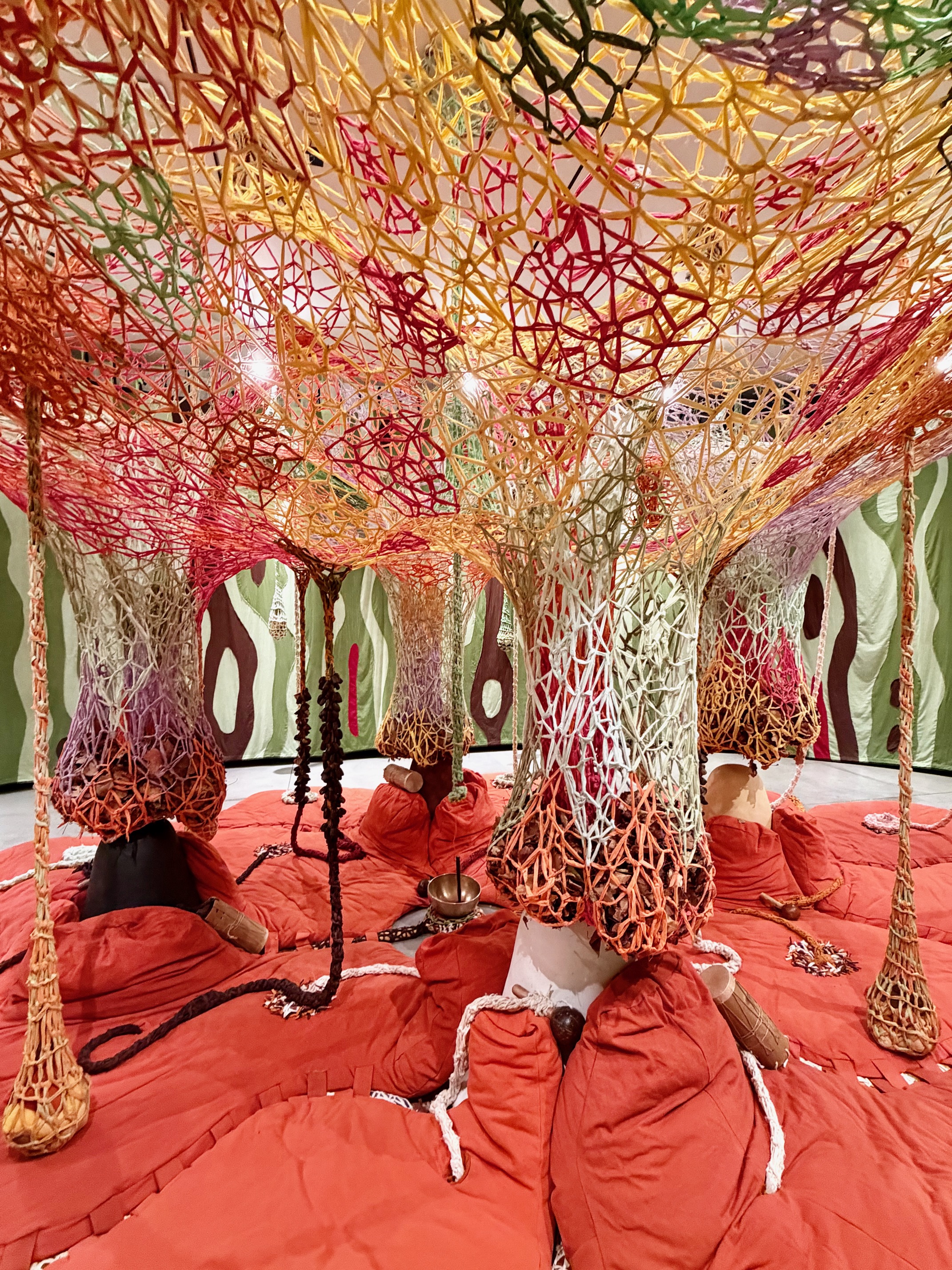
The masterful photo exhibition is next door to a solo installation that serves as a great respite – the immersive, colorful, magical playground-style environment Ernesto Neto: Children of the Earth, also on view through September 20. More about this in a moment.
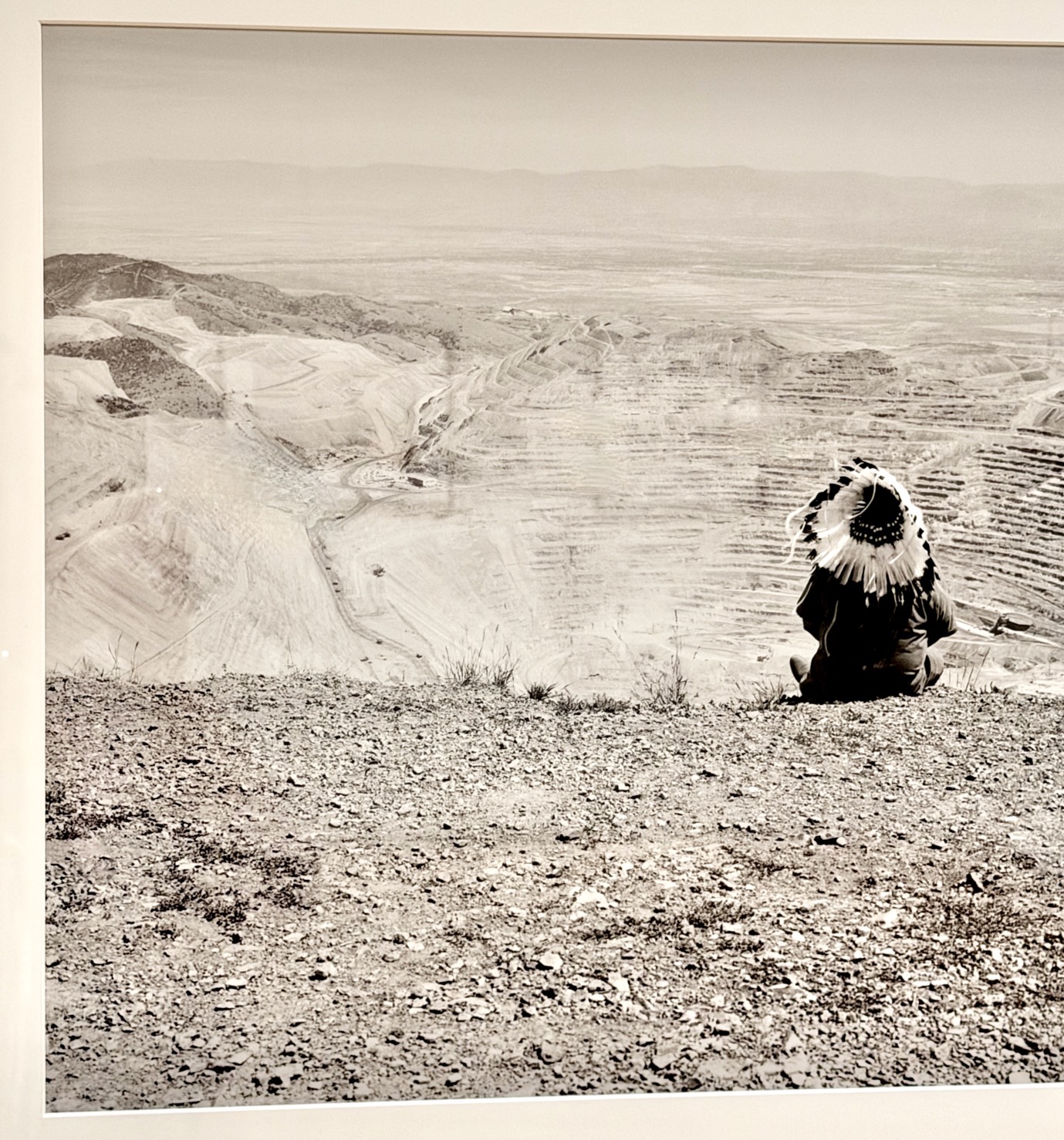
The first section of the photography galleries features traditional documentay photography about legacies of industrial-scale extraction of oil, gas, uranium, and minerals across the West – Edward Weston’s image of big equipment at work toward the end of the Great Depression, Robert Adam’s aerial view of the legacy of Colorado mining, and Zig Jackson’s headdress-adorned Native American perched at the edge of the largest mine on earth in Utah.
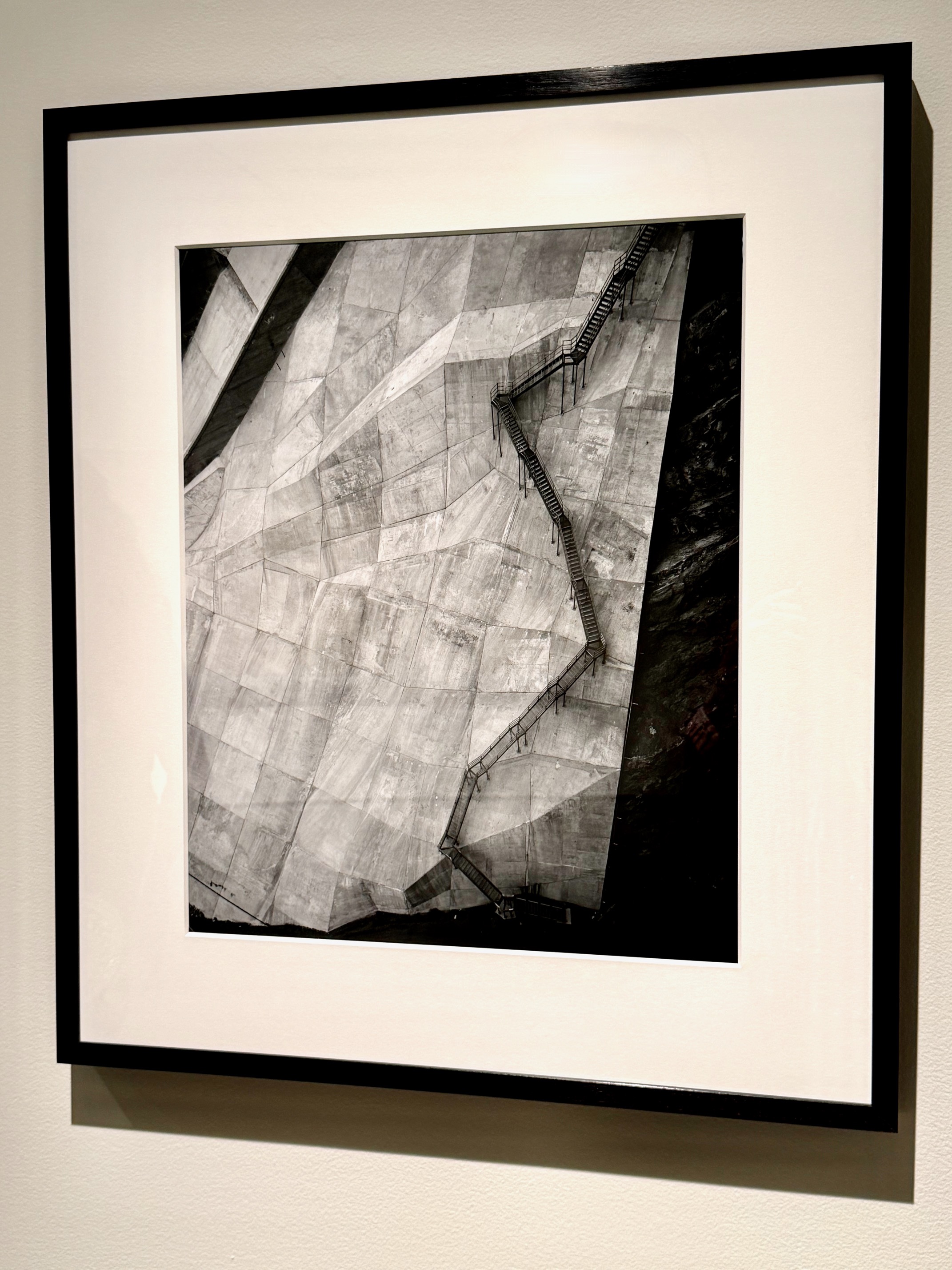
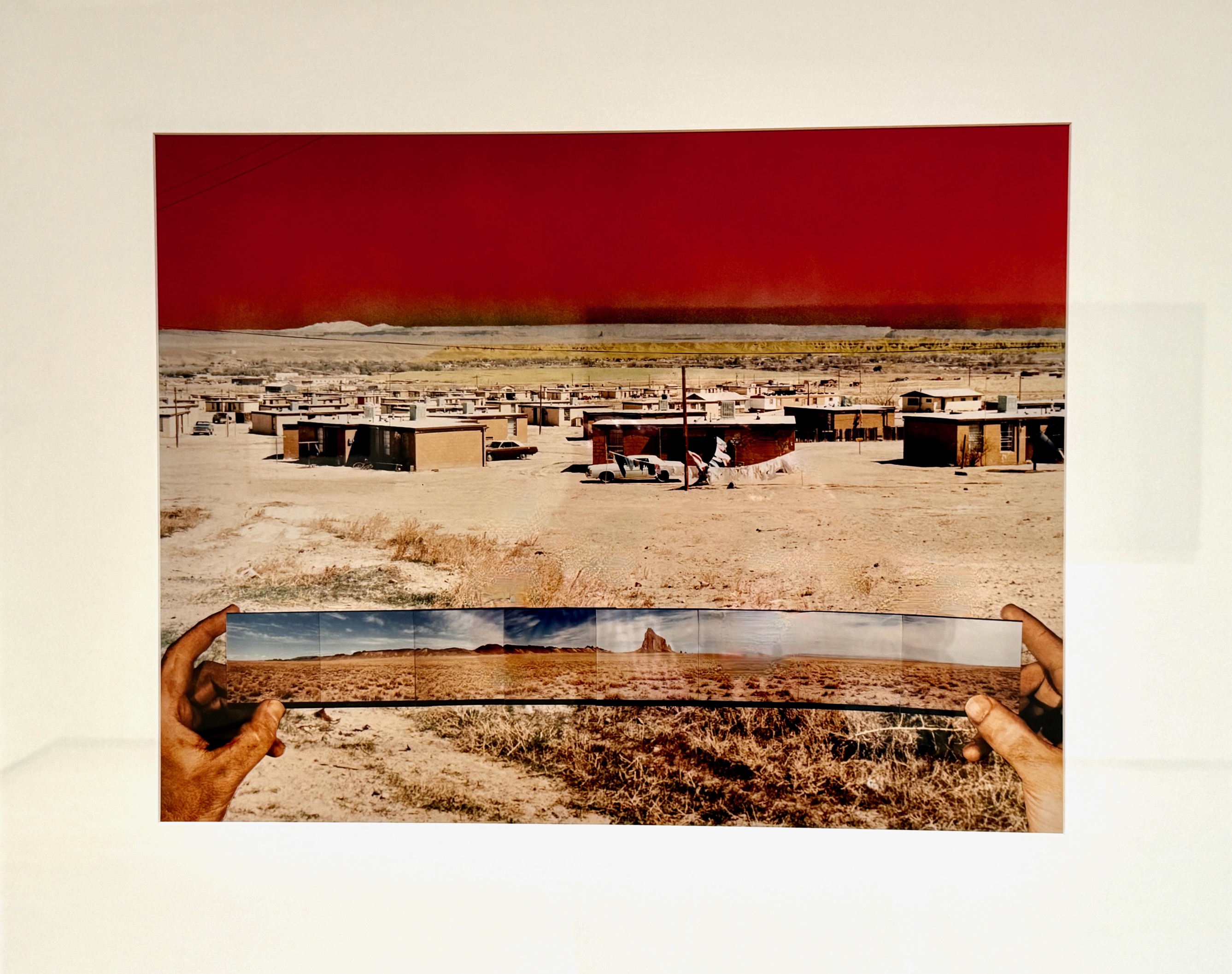
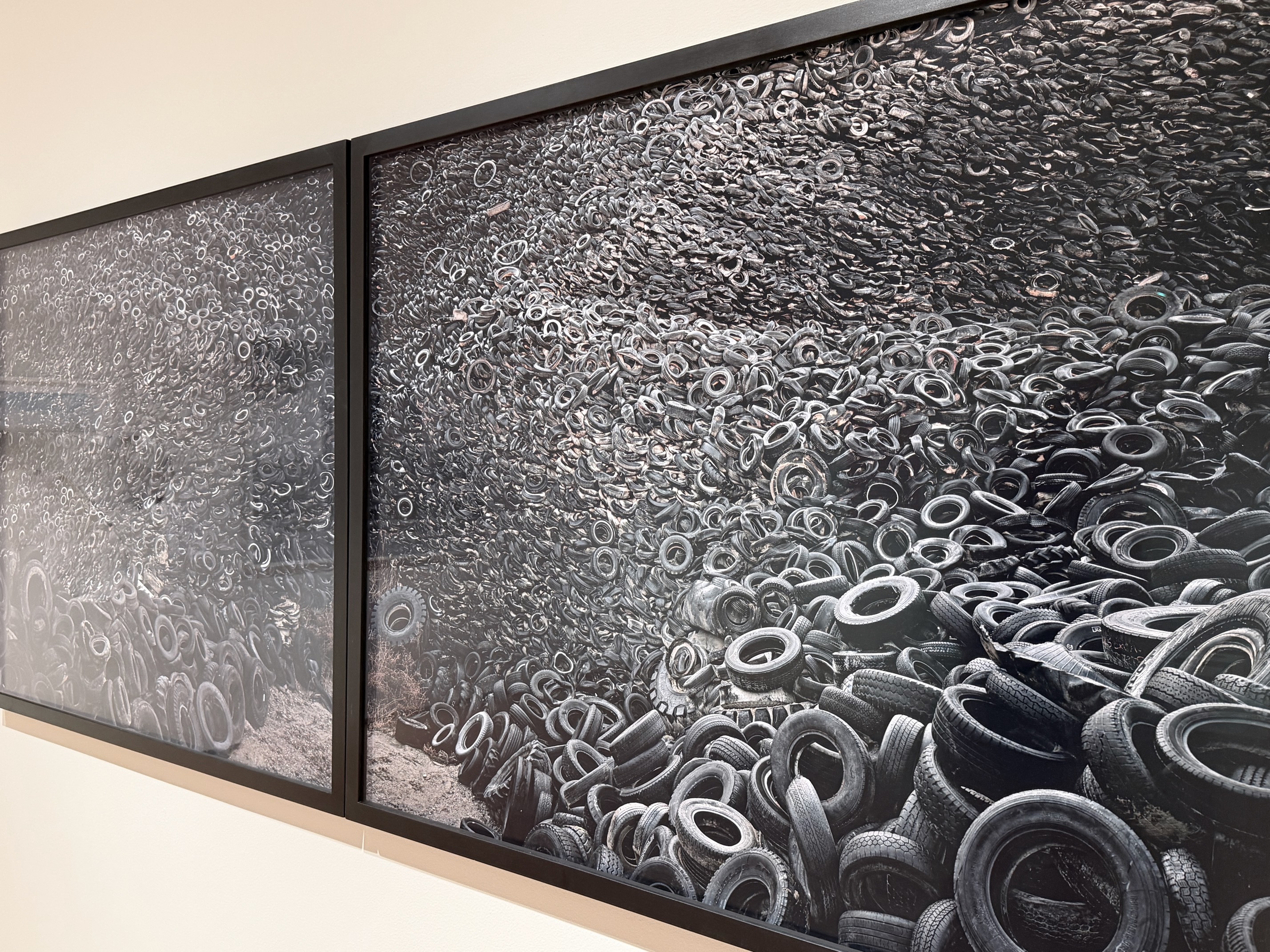
These share the space with evidence of long-lasting consequences of uranium mining by Patrick Nagatani and a startling document of America’s disposal culture from Edward Burtynski. Each image is crammed with feeling that the ominous impacts will be around for a long time – moving calls to action.
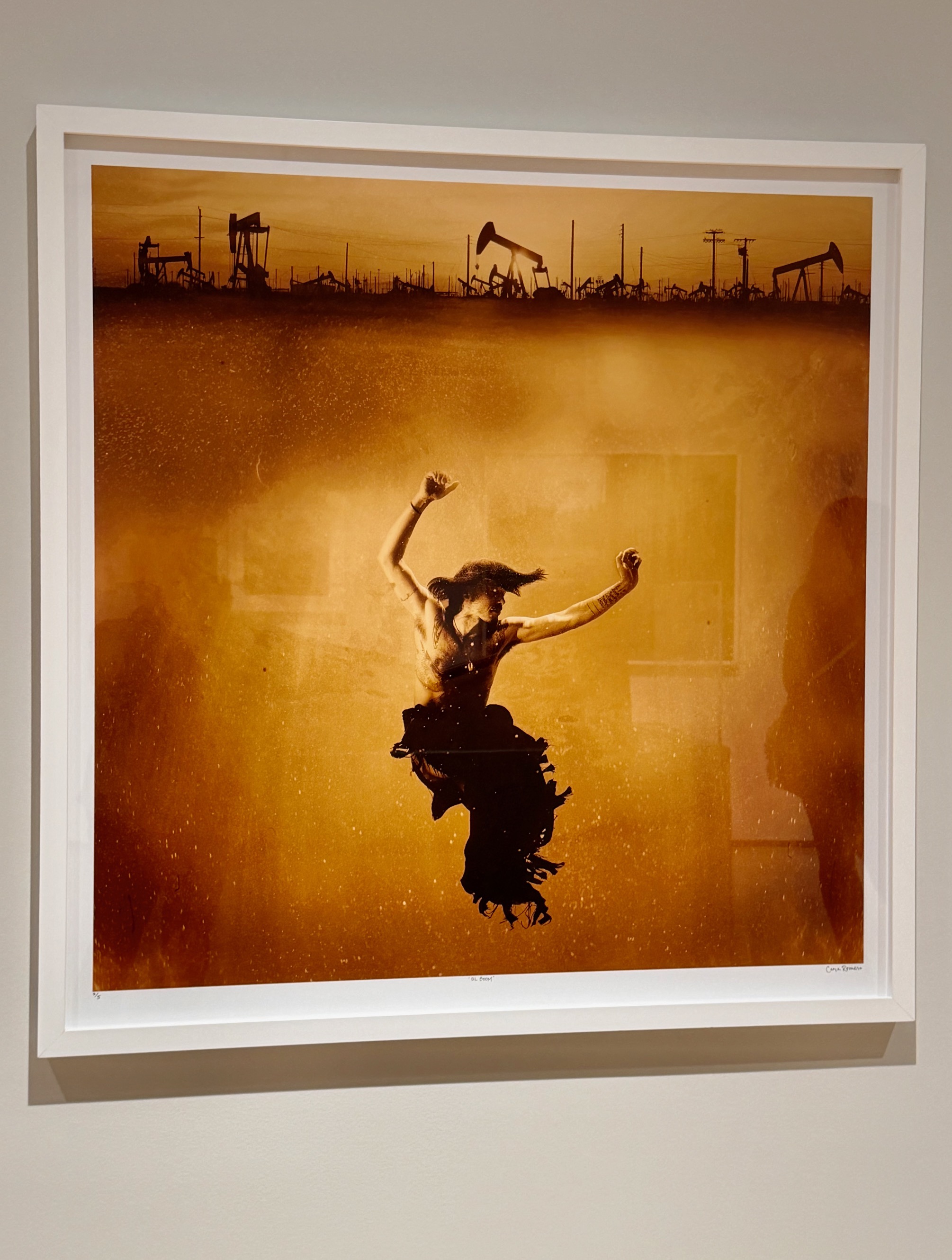
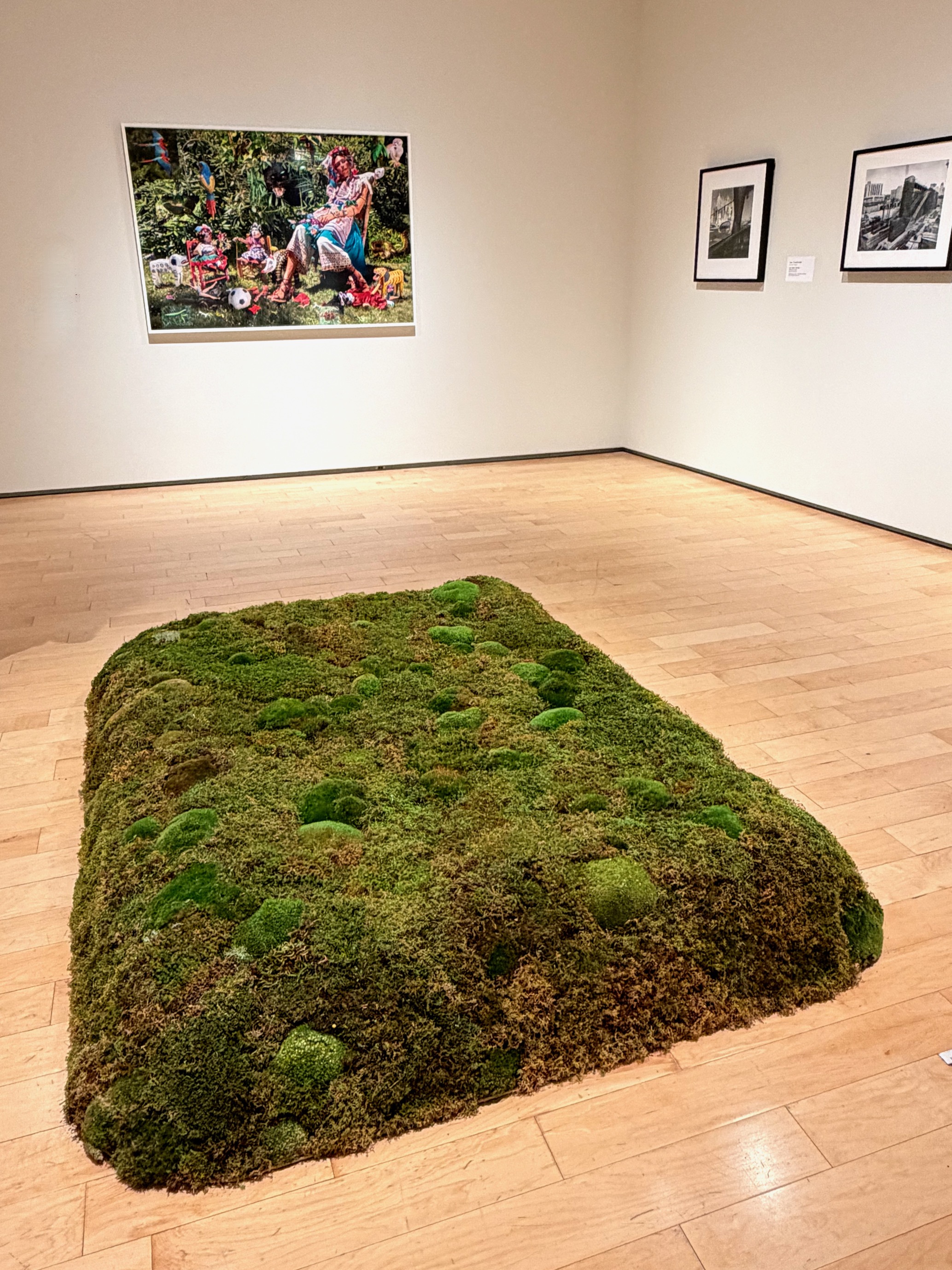
To mix it up, the curators have thrown in a touch of the surreal – an arresting image by Cara Romero collaged into the oil-field landscape near where she grew up, and Meg Webster’s sculpture from living Earth. Beautiful and inviting art from across the room, but more thought-provoking as you draw near.
Some of the largest works also require visitors to take them in from a distance – such as Rohini Devashar’s gorgeous, huge printed silk.
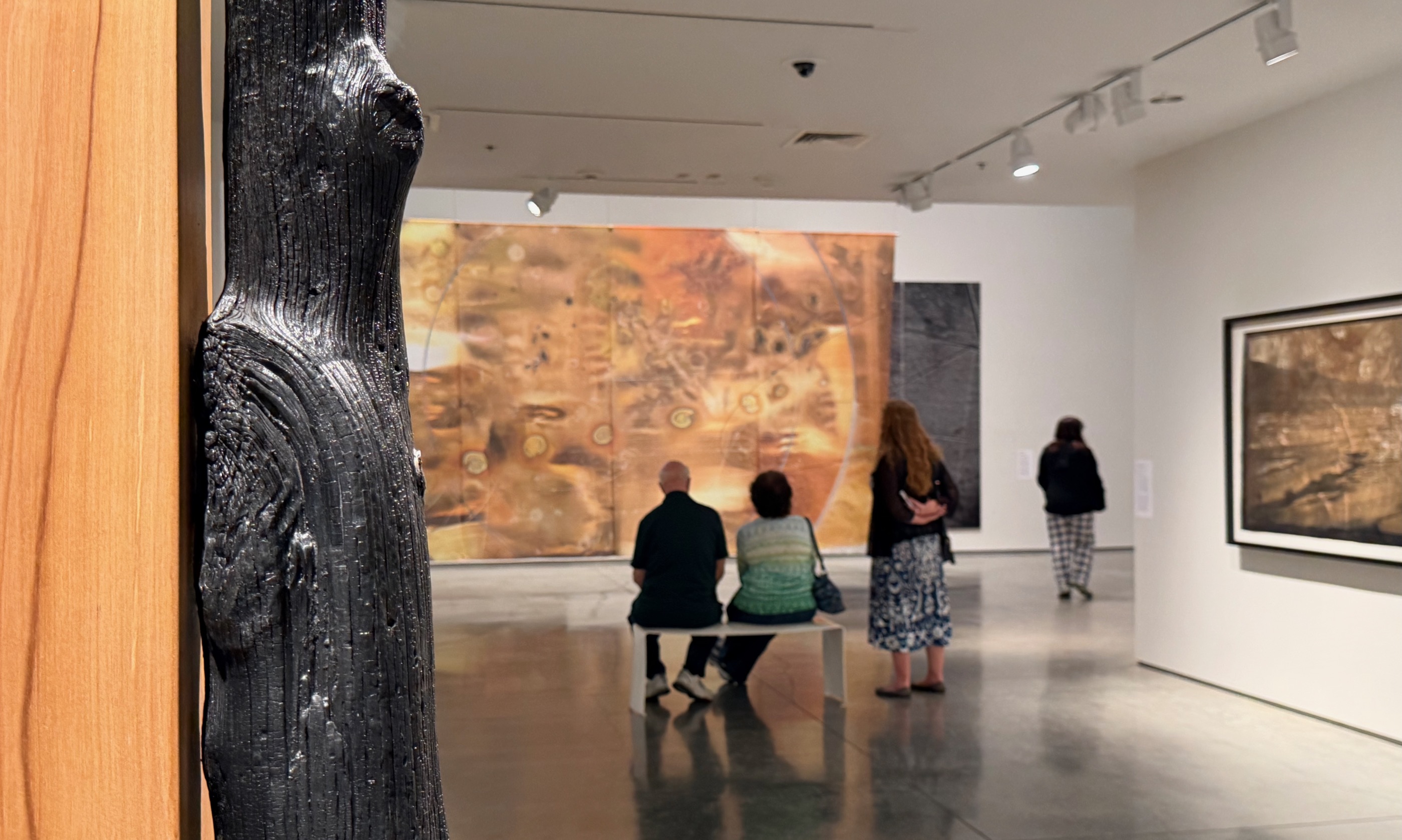
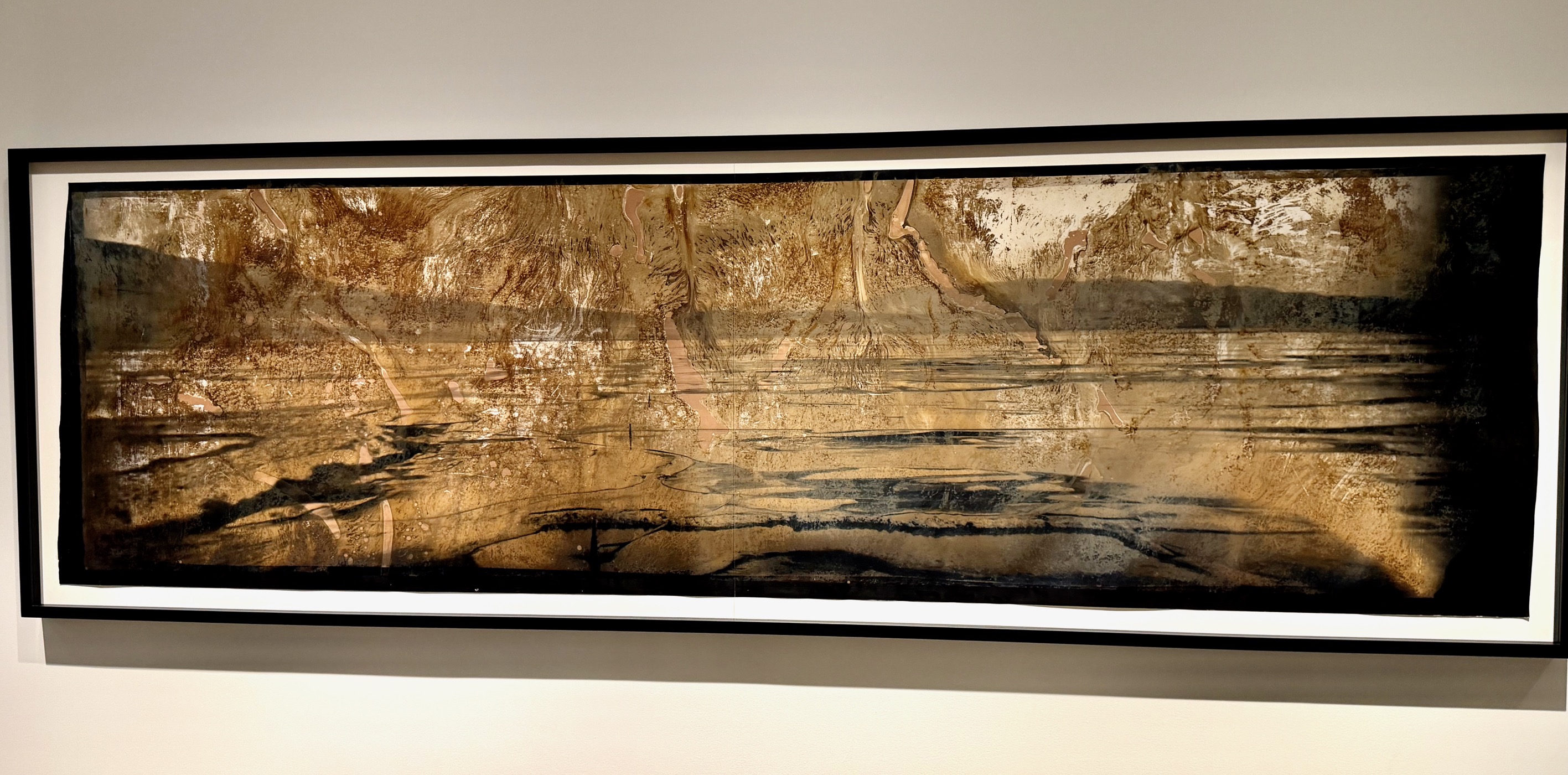
But in most cases in this section, you have to get close to the fine print to truly understand what you’re seeing. Most appear abstract. An epic seemingly all-black work by David Maisel is actually a collage of aerial views of the bombing runs in the Dugway Proving Ground in Utah. The evocative, overlapping images in a gelatin silver print by Laura Bon, Tristan Duke, and Richard Nielsen was done inside a container-shipping-sized camera obscura at the tragic environmental site of Owens Lake. The huge one-of-a-kind photo was actually developed in the sad lakewater.
A similarly epic achievement is displayed in the gallery devoted to documenting the aftermath of the Marshall Islands nuclear detonation experiment following World War II – Meghann Riepenhoff’s cyanotype tryptich made right there on a contaminated beach using plants that (like the people) are still in recovery.
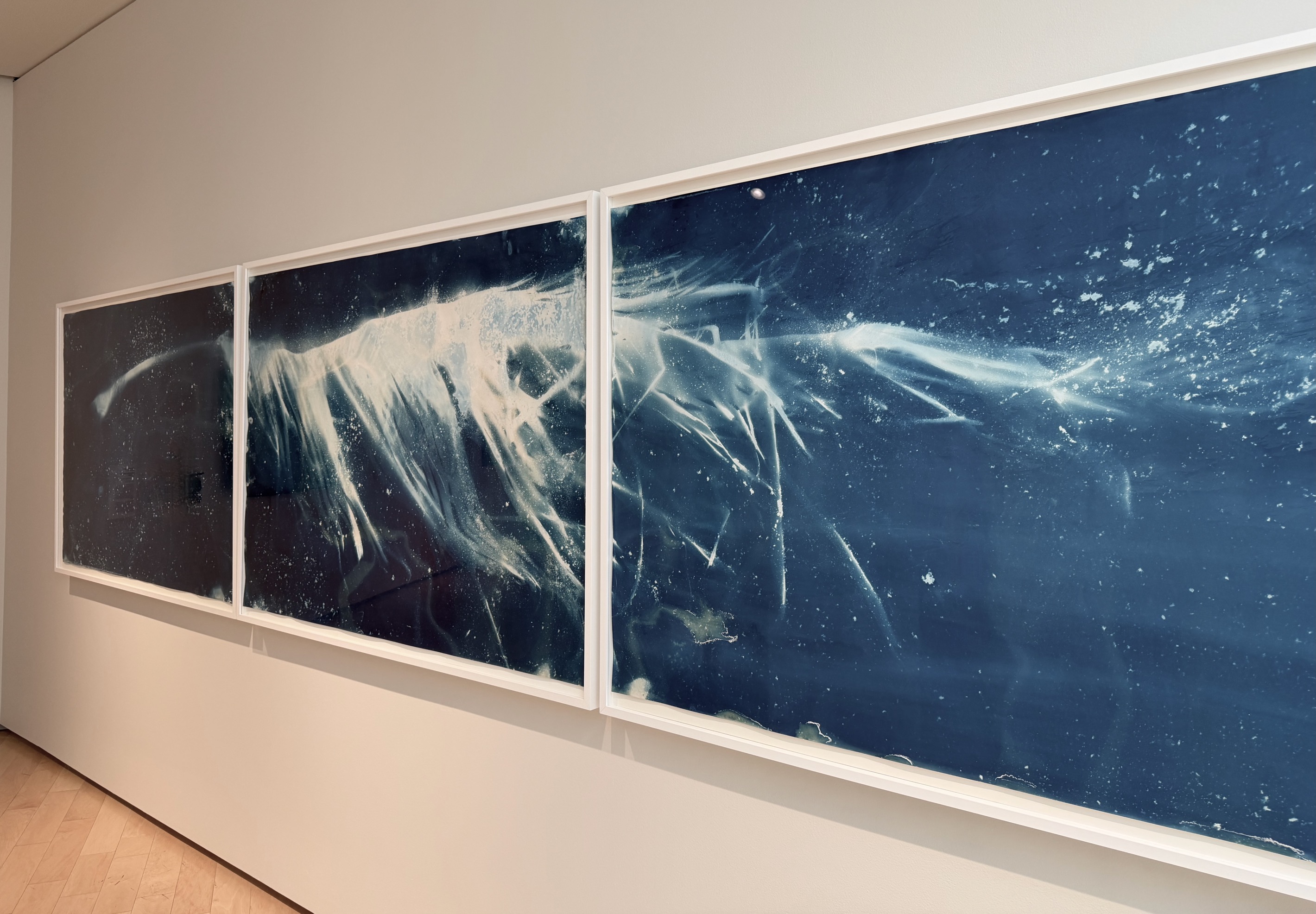
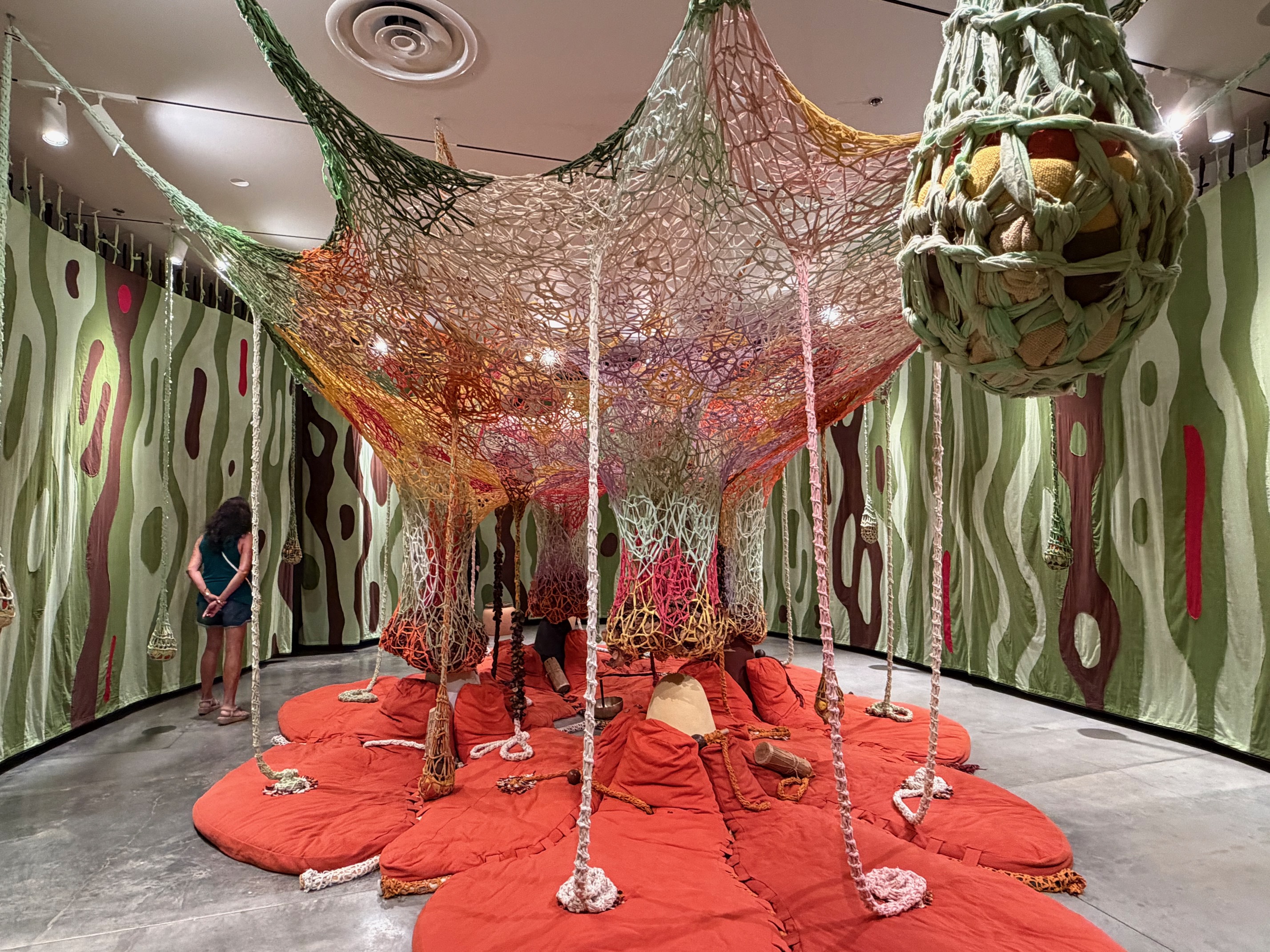
The images are stunning but the content is disturbing (and meant to be), so visitors are actually eager to enter Ernesto Neto’s nearby recuperation chamber. Adults and children can find respite, surrounded by natural dyed fabrics (you can even put on matching play-jackets!) that provide a mysterious, happy entry to a magical world.
Surround yourself with cushions, create healing sounds with a Tibetan singing bowl, lay down, smell the fragarent spices, look at playful Amazon-inspired hanging jungle things, think about the future, and be happy to be among the Children of the Earth.
Thanks to the Nevada Museum of Art for providing an amazing, unforgettable experience!

