Kay WalkingStick and the Hudson River School

When New York Historical invited Kay WalkingStick to view its Hudson River School collection, she stood in awe of the evocative landscapes by Bierstadt, Durand, Kensett, and Cole – shimmering brooks, majestic mountains, and romantic skies. Their mastery of paint invites you to get lost in the inviting beauty. But Kay noticed that native people – who had inhabited these settings for millennia – were almost always missing. The supposed “wilderness” was likely still someone’s home.

Kay and the team at New York Historial correct this omission in the gorgeous, thought-provoking exhibition Kay WalkingStick/Hudson River School, now on view at the Heard Museum in Phoenix through May 25, 2026 – one of three stops for its US tour. (The exhibition debuted at NYH in New York in 2023.)

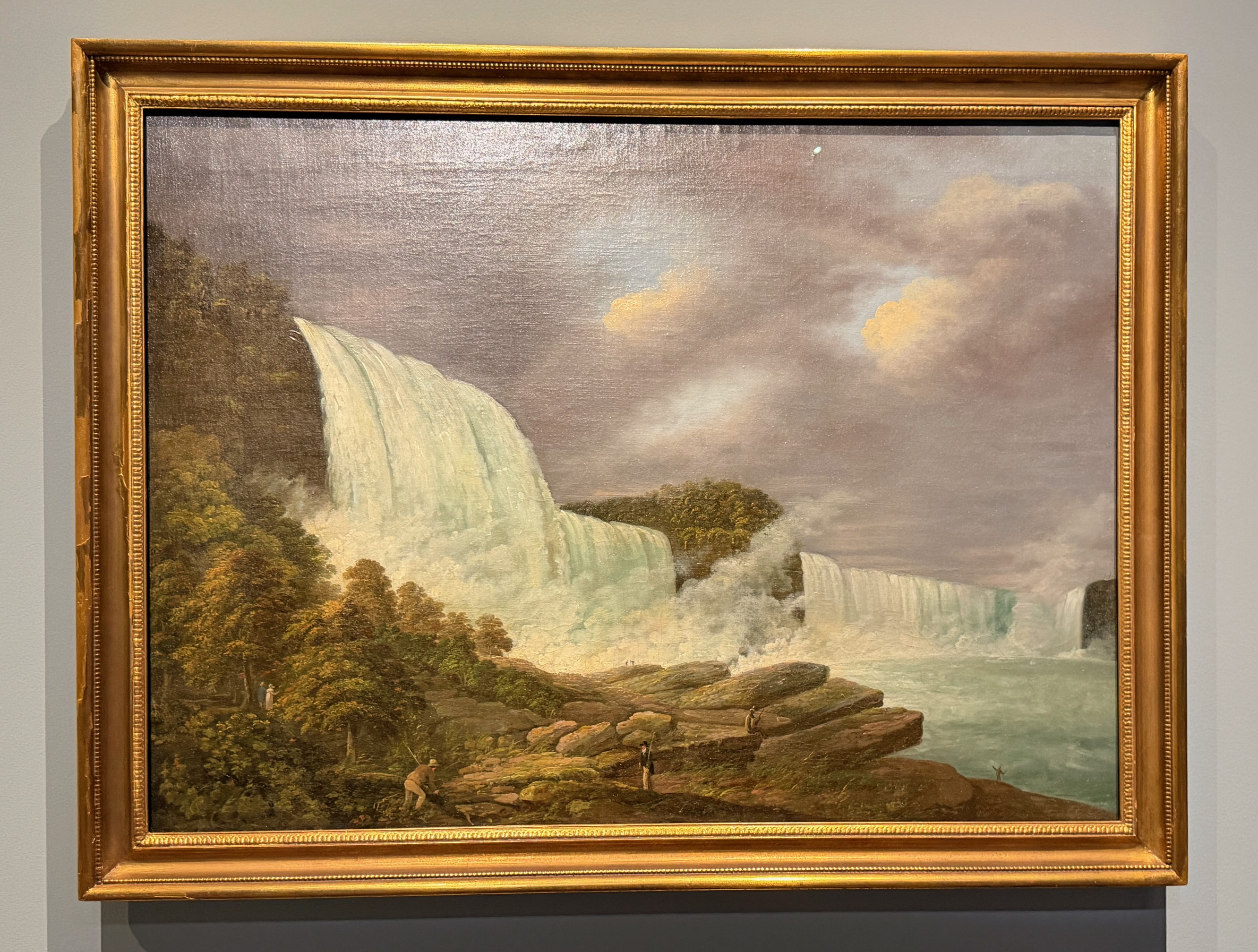
Louisa Davis Minot’s 1818 painting Niagara Falls with tiny Indigenous figures – a rare landscape by a female landscape painter in early America. Courtesy: New York Historical

The exhibit juxtaposes early 19th century Hudson River School landscapes with a retrospective of Kay’s own landscapes – large paintings of swirling ocean currents, dramatic Western mountains, and East Coast rivers with bands of Indigenous geometric patterns stenciled across them. It’s a signal that we are all still living on Indian land.

Take a look at our favorite works in our Flickr album.

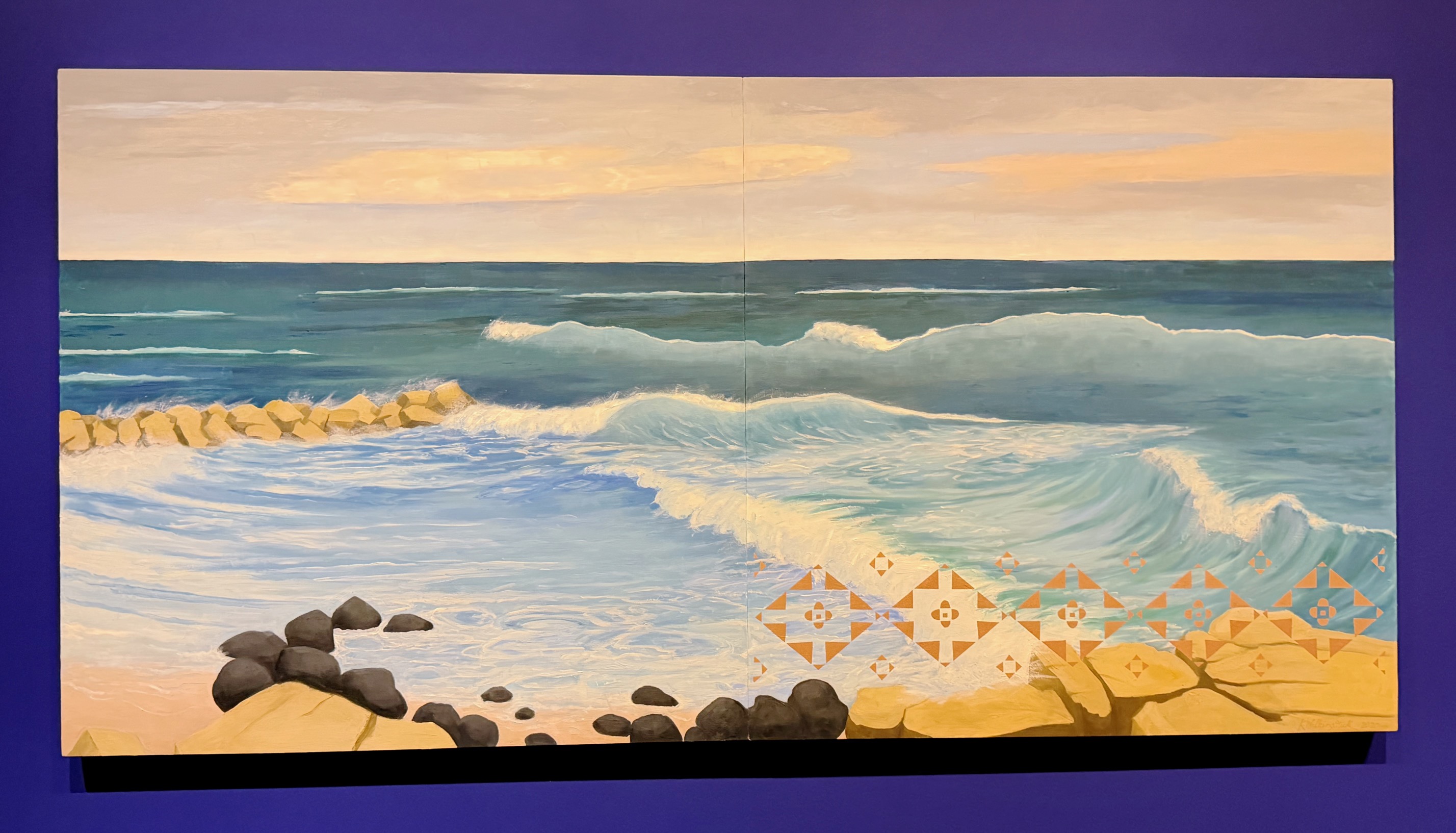
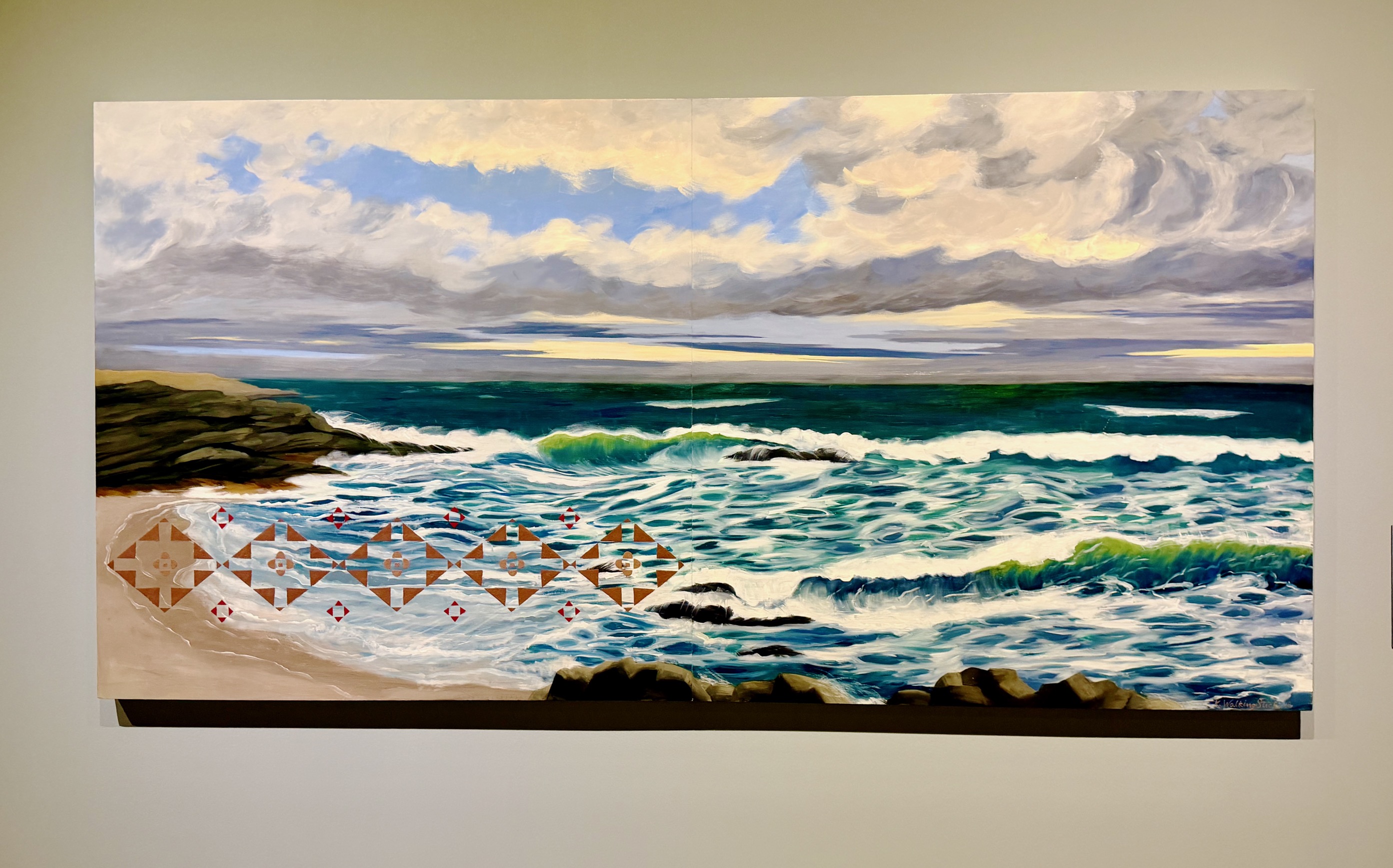
Kay WalkingStick’s 2020 two-panel landscape New Hampshire Coast – overlaid with a stenciled Native American band. Courtesy: the artist and Hales New York and London.

By hanging 19th-century landscapes side-by-side with Kay’s paintings, the curators suggest we contemplate different questions: Did the popularity of the Hudson River School’s view of “unhabited wilderness” contribute to Americans’ drive West? Does anyone remember that the East Coast was also Native land?  Does anyone realize that Native Amerians still live there?

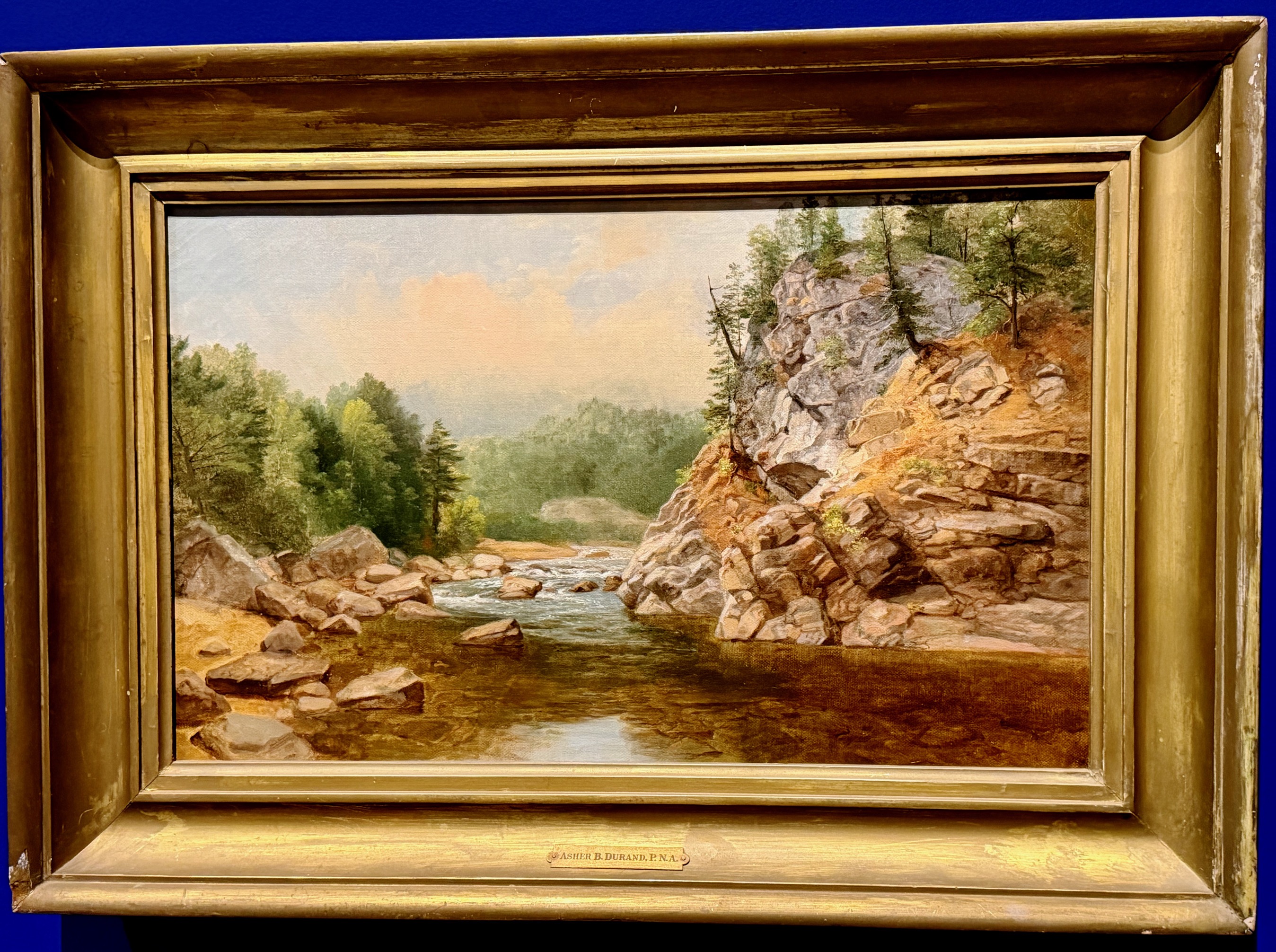
Asher Durand’s 1837-1878 painting View of the Ausable River – a view of supposed wilderness that was home to the Haudenosaunee.  Courtesy: private collector and New Britain Museum of American Art.

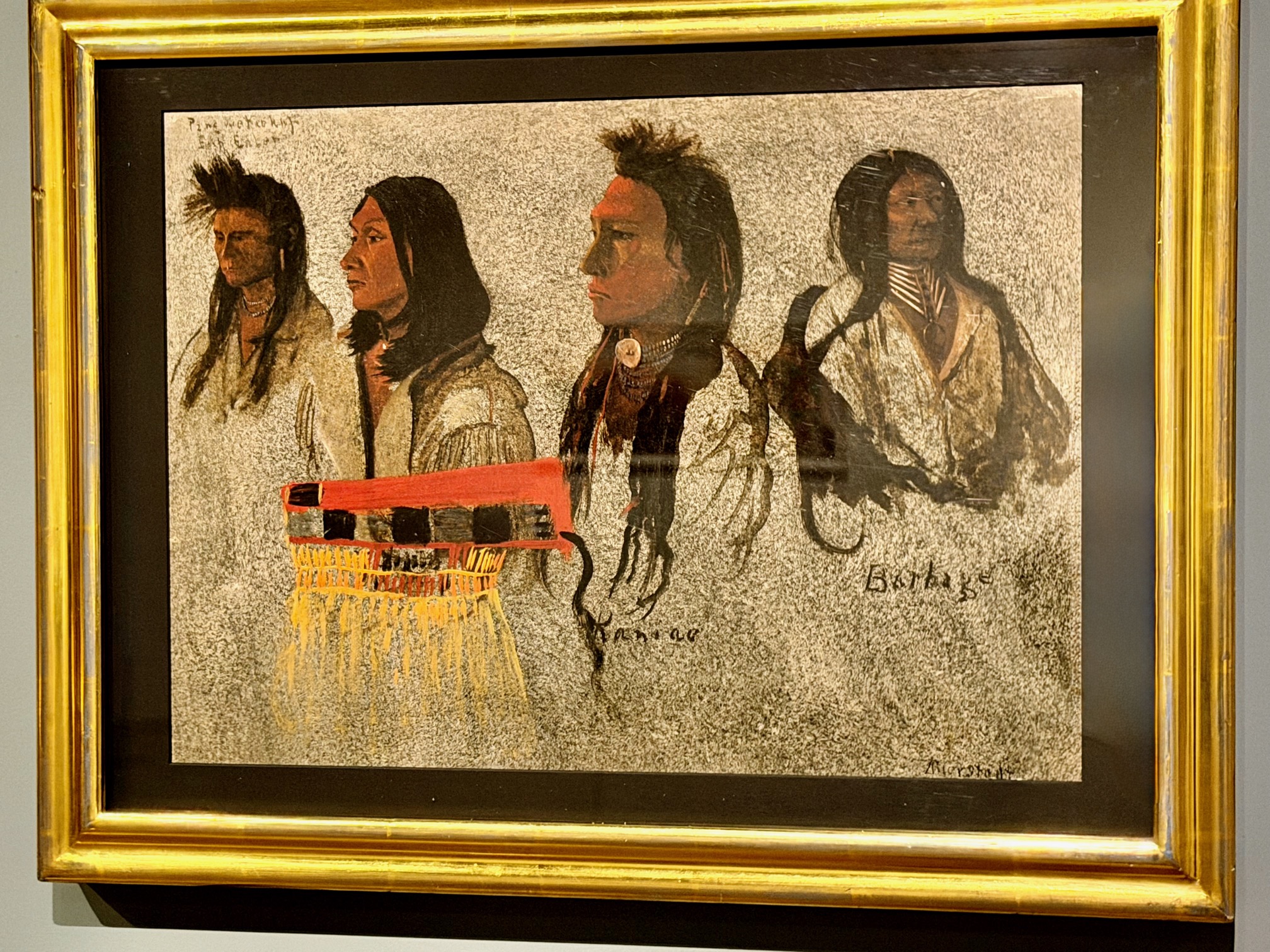
Bierstadt’s sketches of actual Shoshone tribal members is one of the few examples to depict specific Native Americans. And at the time, critics and buyers objected to his insertion of native people into his large-scale romantic landscapes.

Albert Bierstadt’s 1859 sketch Four Portraits of North American Indians, drawn during the Lander Expedition to record people he believed would soon vanish. Courtesy: New York Historical

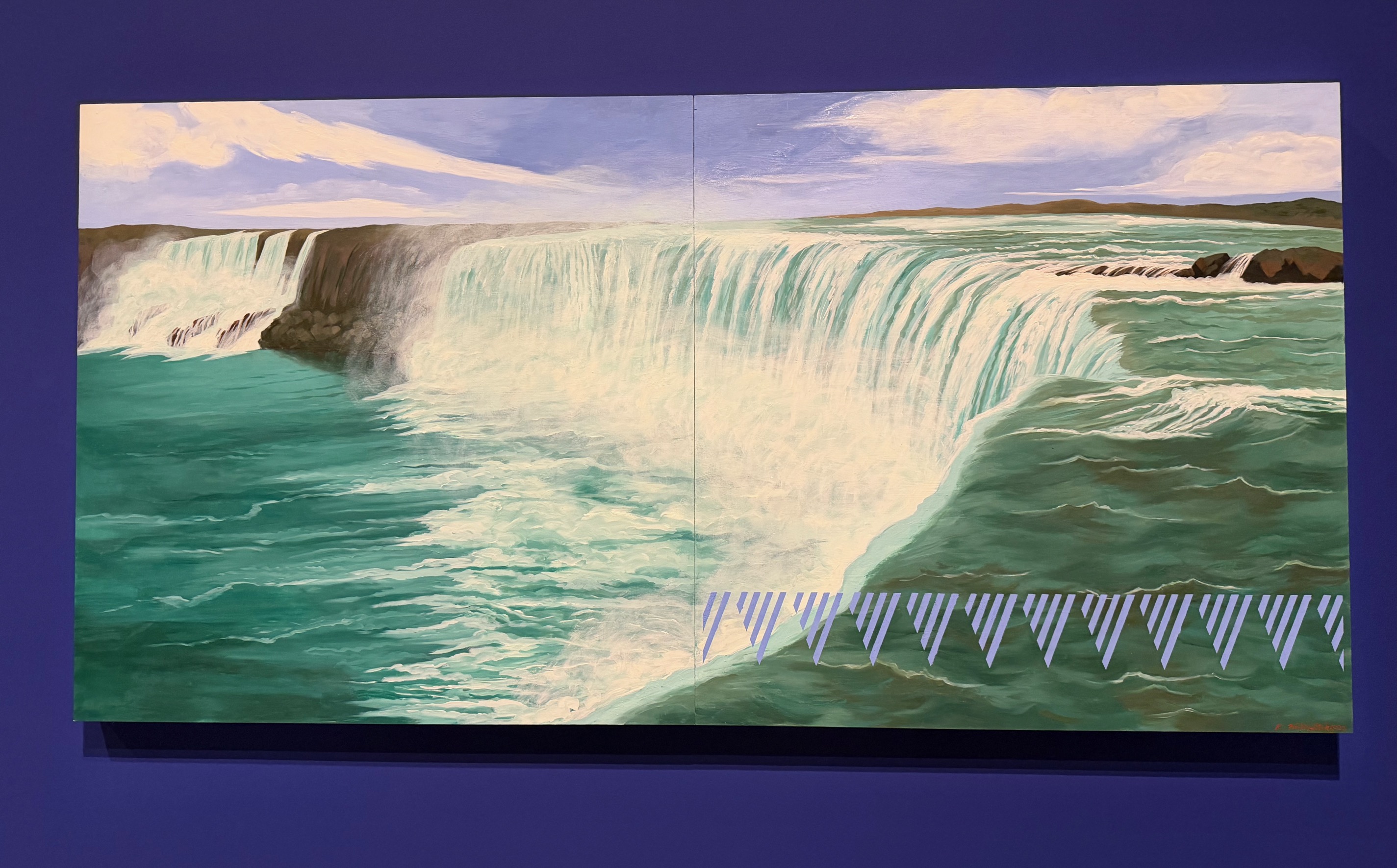
The anchor painting of the exhibit is her epic Niagara, showing us the view from the Canadian side of the Falls. As she viewed the Niagara paintings in the NYS collection, WalkingStick wondered if she was up to the challenge of painting the Niagara falls herself. But when she saw a dramatic 1818 painting of Niagara by a relatively unknown female painter, Louisa Davis Minot, she decided to go for it! And what a triumph!

Kay WalkingStick’s 2022 two-panel Niagara with a Haudenosaunee pattern stenciled across remind viewers of its original inhabitants – the first painting by a Native American acquired by NYH. Courtesy: New York Historical

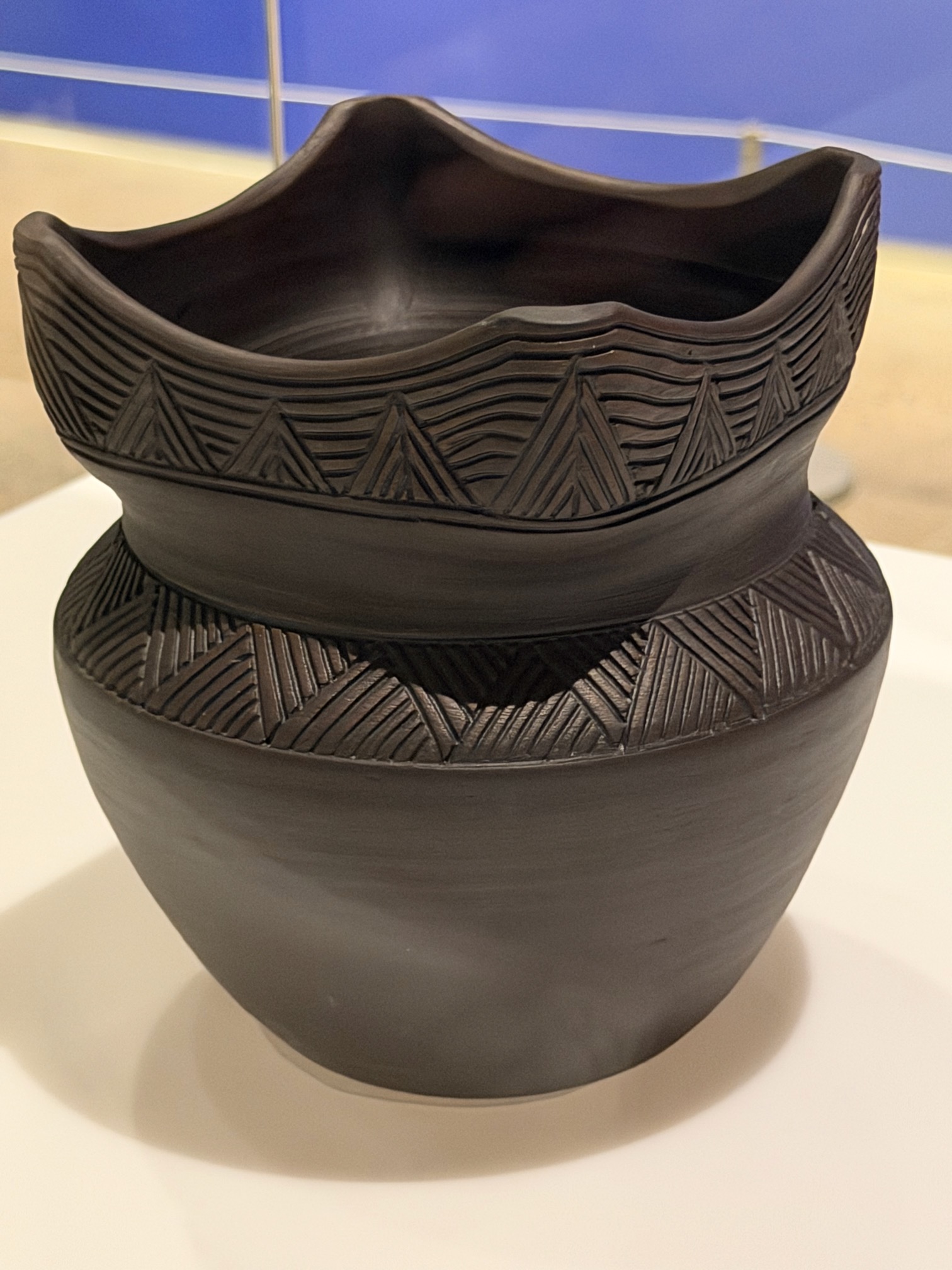
To drive home the connection between these landscapes with the original native inhabitants, WalkingStick looks for geometric patterns associated with specific groups of people. For Niagara, she used a Haudenosaunee pattern from a ceramic piece by David Smith, which is on view nearby in the gallery, along with patterned baskets from her own collection.  

Steve Smith’s wheelthrown 1973-1974 jar, incised with a Haudenosaunee pattern that Walkingstick stenciled across Niagara. Courtesy: National Museum of the American Indian, Smithsonian.
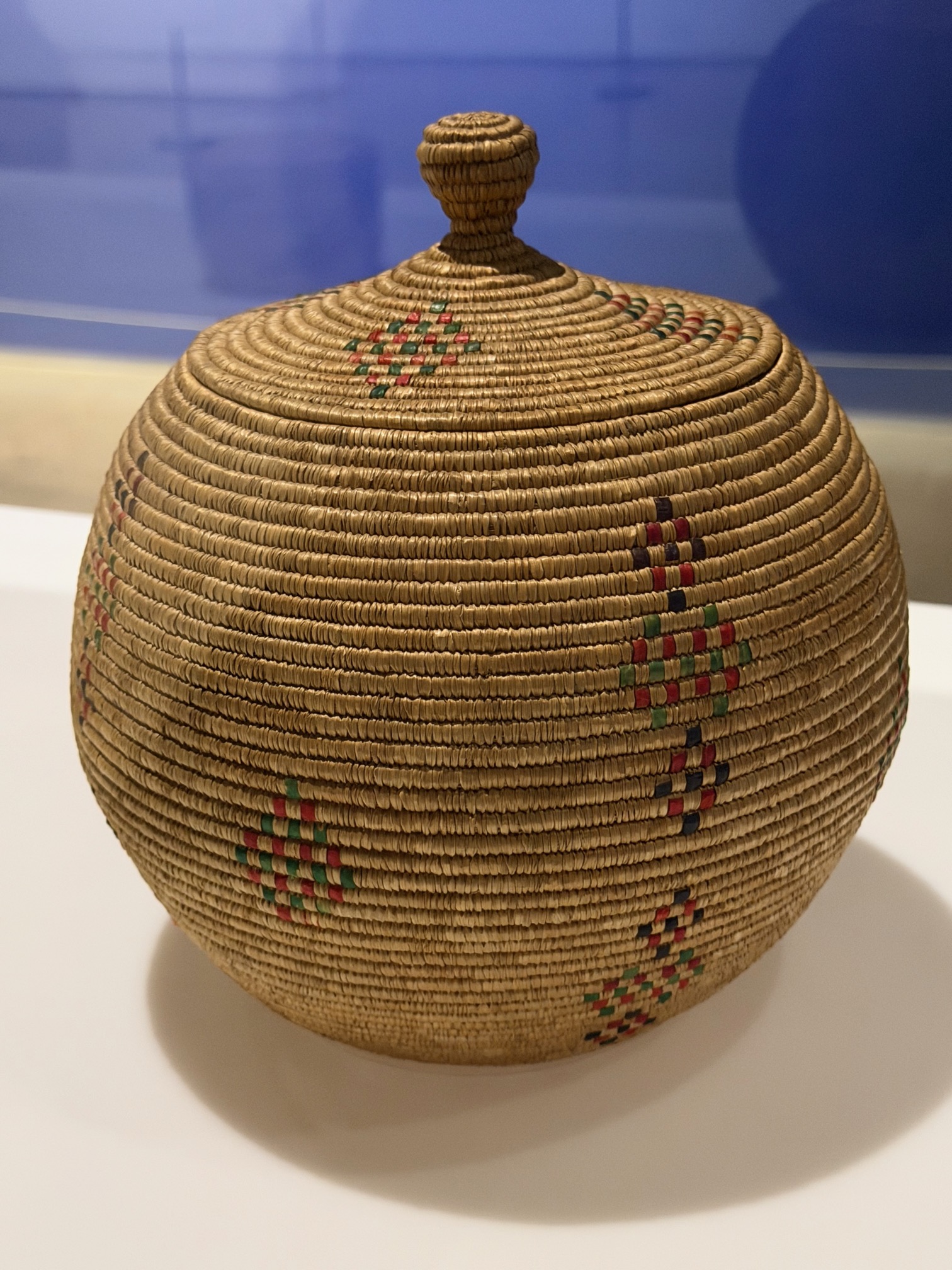
1960s Cherokee woven basket. Courtesy: Kay WalkingStick and Hales New York and London.

For her paintings of the Wampanoag Coast, she used a patterned band associated with the Pequot/Narraganset tribes who originally inhabited Massachusetts and Rhode Island.

Kay WalkingStick’s 2018 two-panel oil painting Wampanoag Coast, Variation II – a view of the New England coast overlaid with a Pequot/Narraganset patterned band. Courtesy: private collection

Listen to Kay talk about her painting and see images of its original installation at New York Historical:

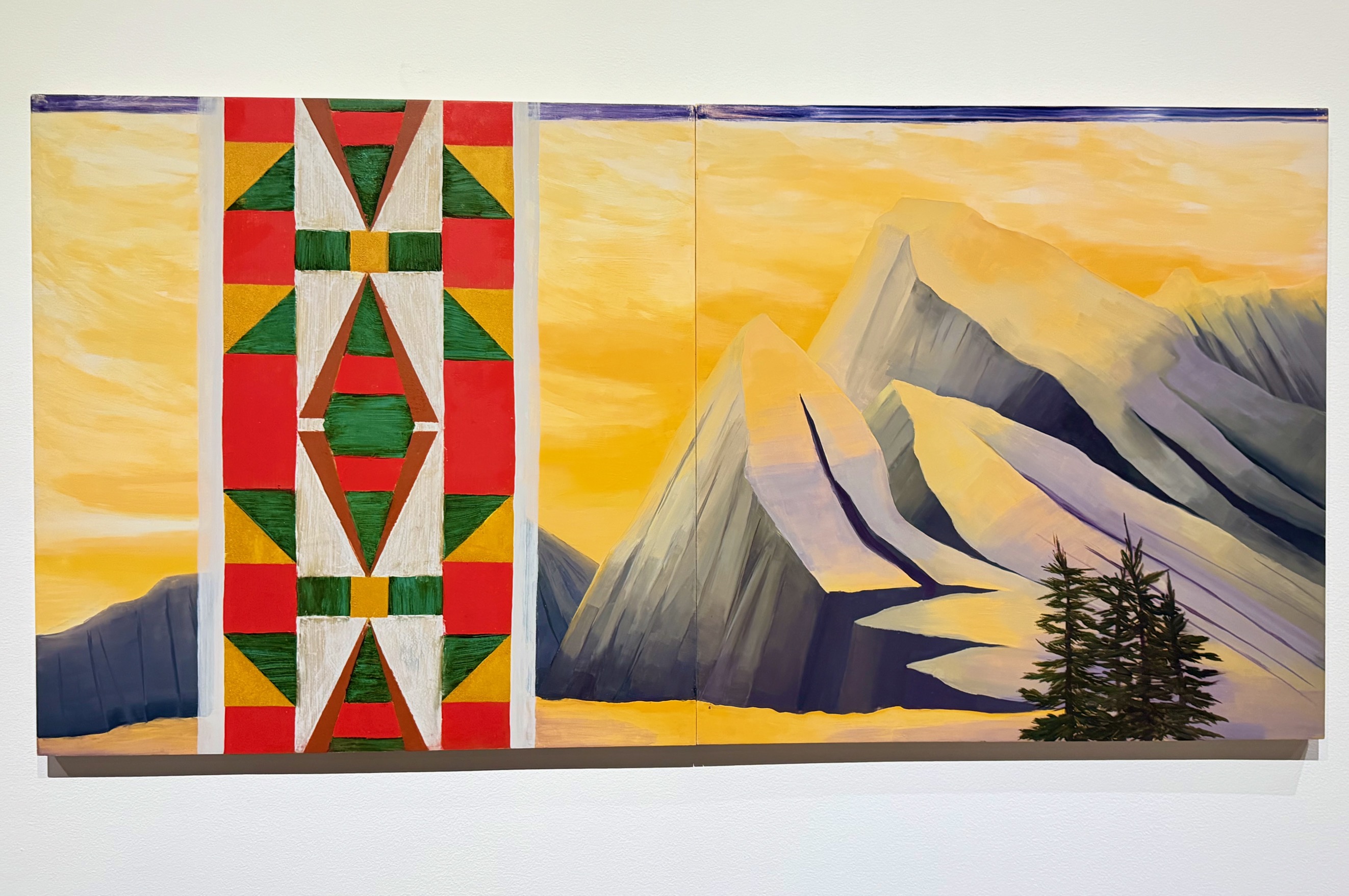
Other highlights of the exhibition are WalkingStick’s Our Land works, each emblazoned with a design from a Plains Indian woman’s parfleche bag – creations that WalkingStick contends are the first geometric abstract paintings done in America.

Kay WalkingStick’s 2007 two-canvas painting Our Land featuring a Parfleche design and a view of the Bitterroot Mountains, original land of the Nez Perce. Courtesy: private collection
For a more in-depth discussion between Kay and the exhibition curator, Wendy Nālani E. Ikemoto, about Kay’s approach to painting and the beauty she admires in Hudson River School paintings, click here.
Kay WalkingStick/Hudson River School will be on display at the Allentown Art Museum June 20-October 11, 2026 and at the James Museum in St. Petersburg, Florida November 7, 2026 – March 21, 2027.
Nigerian Modernism at Tate Modern

How do artists forge a path forward in contemporary art by adapting to and then shaking off the constraints of colonialism? The Tate Modern explains how one country’s artists did it through its expansive exhibition Nigerian Modernism: Art and Independence, on view in the Nathalie Bell Building Level 4 through May 10, 2026.

The exhibition unfolds across nine galleries that provide some history, honor 20th century art legends, and introduce groups of artists that converged in universities and other towns to chart their unique paths. It’s a sensational visual ride through an art culture that had to contend with civil wars, upheavals, ethnic conflict, and the decision either to stay put and build artistic infrastructure or to build another life abroad.

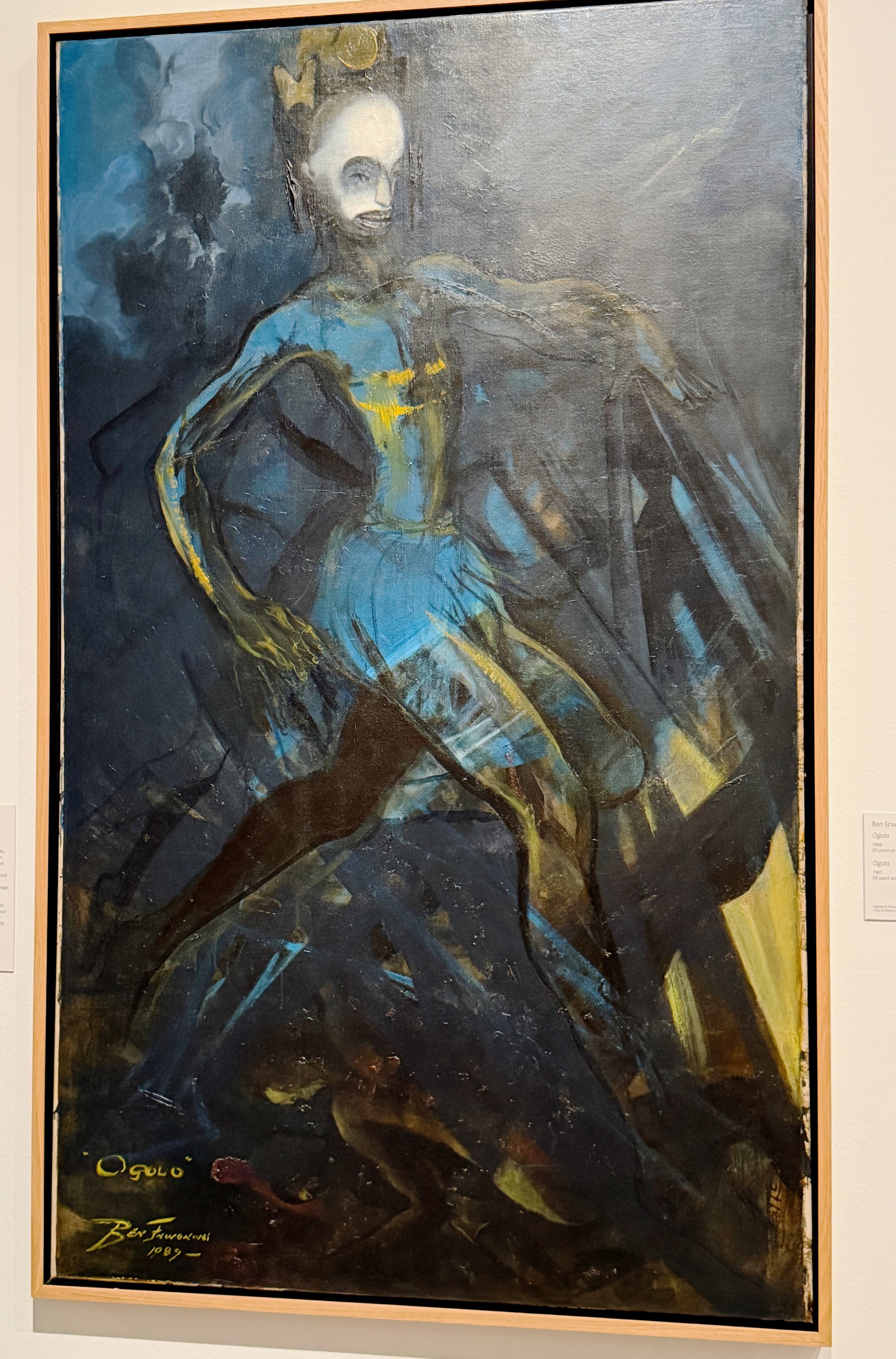
Ben Enwonwu’s masterful 1986 painting Ogolo with an Igbo masquerade figure showing how to transition from this world to the next. Courtesy: Osahon Okunbo Foundation.
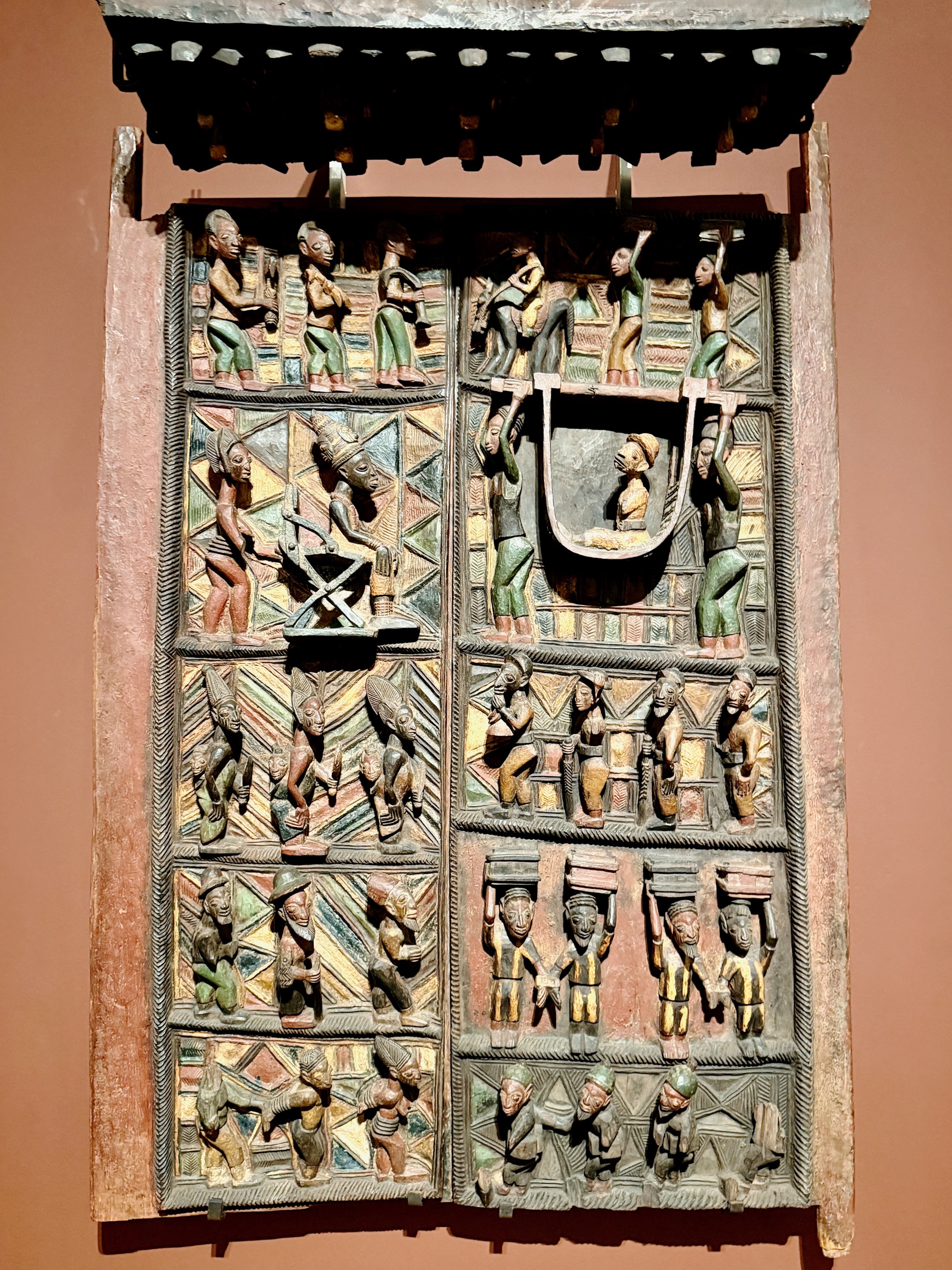
Early moderns: Olowe of Ise’s 1910-1914 carved and painted double doors showing Ogaga the king of Ikere and his wife receiving the British ambassador in Ondo province in 1895; exhibited at the Nigerian Pavilion in 1924 British Empire Exhibition. Courtesy: British Museum.

See some of our favorite works in our Flickr album.

The modernist tour begins with an introduction to artists who paved the way before Nigeria became an official colony of Great Britain in 1914 – such as late 18th-early 19th century photographer Jonathan Adagogo Green – and Aina Onabolu, a self-taught artist who went to Europe in the 1920s for academic art training. He then returned to Nigeria to create and implement a secondary-school art curriculum that taught young artists how to use European art techniques (perspective, color theory, easel painting) to depict Nigerian subjects.

Onabolu’s work was significant, since colonial schools had none. They were trying to create turn students into perfect “British” civil servants and missionary schools were out to destroy ethic Nigerian practices and symbols.

In this first gallery, you see work by the next generation of figurative artists who came of age during British rule, traveled to Europe, and blended what they learned with African subjects – traditionally inspired sculptures by globe-trotting Yoruba carving advocate, Lamidi Olonade Fakeye; portraits and scenes by modernist pioneer Akinola Lasekan; modern sculptural influencer Justice D. Akeredolu; and works by sculptor Felix Udabor, who opened the first contemporary gallery in Lagos.

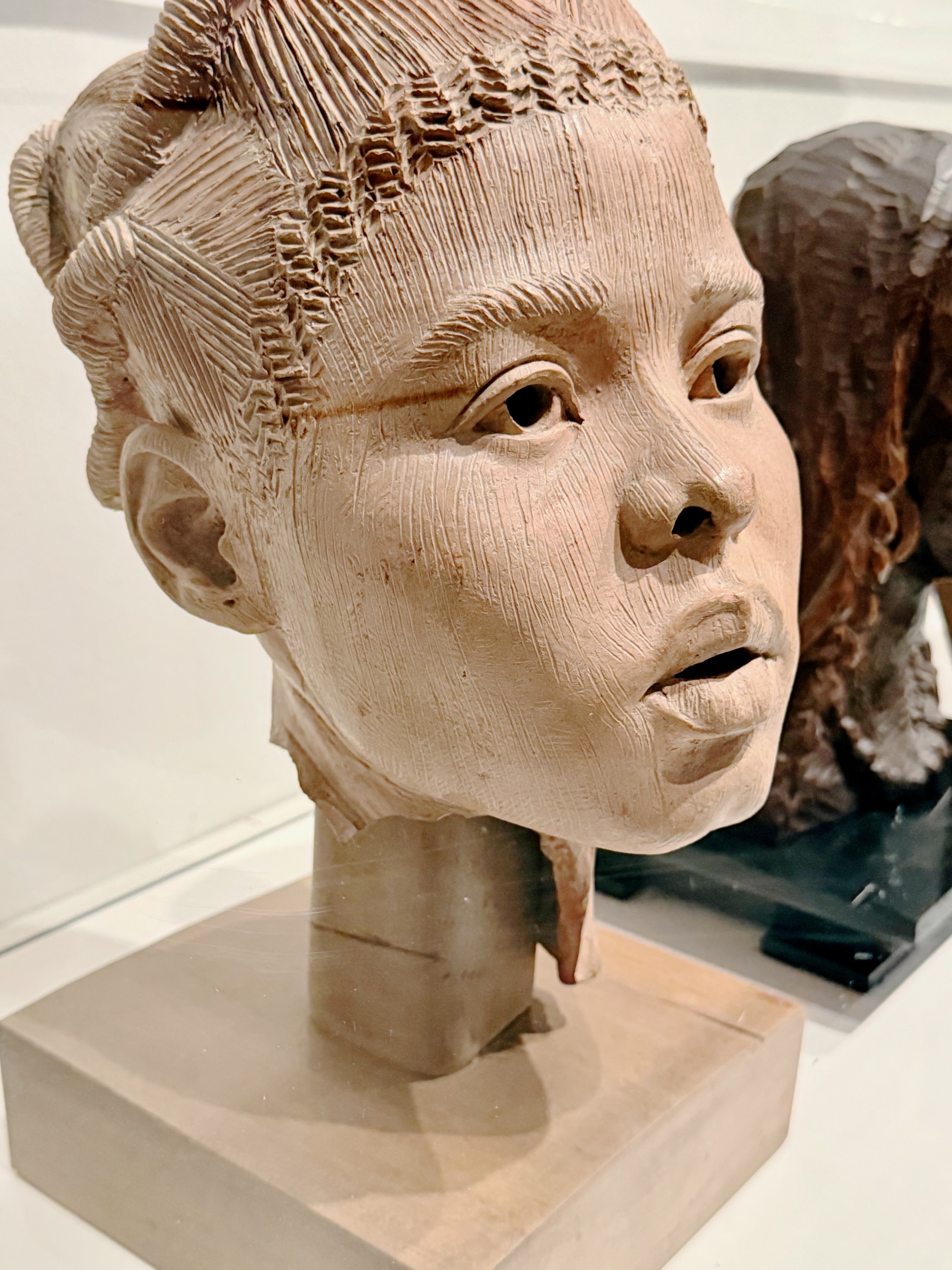
Abayomi Barber’s undated Ola Edu I, a terracotta bust of a Yoruba woman that blends European and Yoruba artistic traditions. Courtesy: private collection.
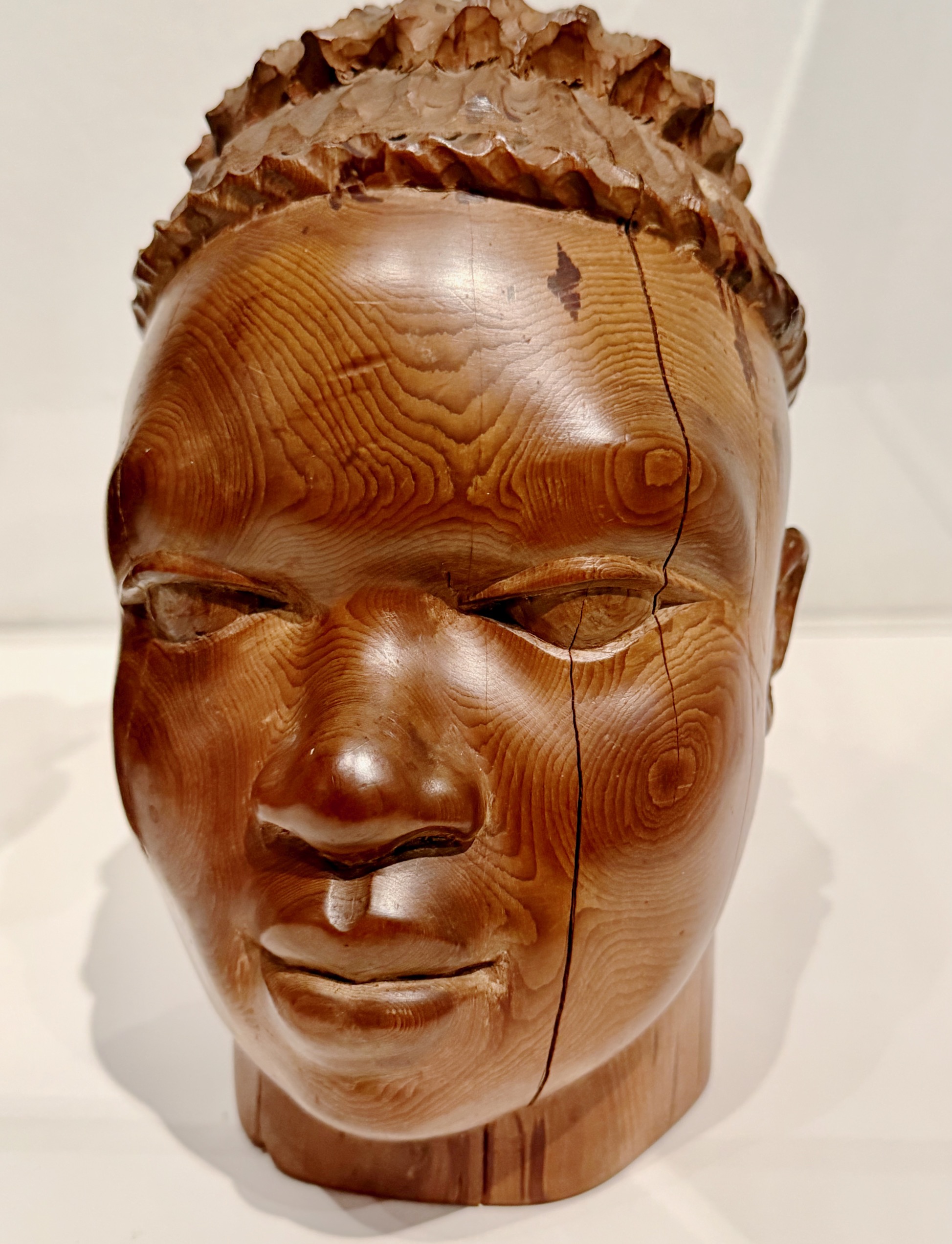
Acclaimed Benin carver Felix Udabor’s regal 1930s Head of A Girl. Courtesy: University of Birmingham collections.

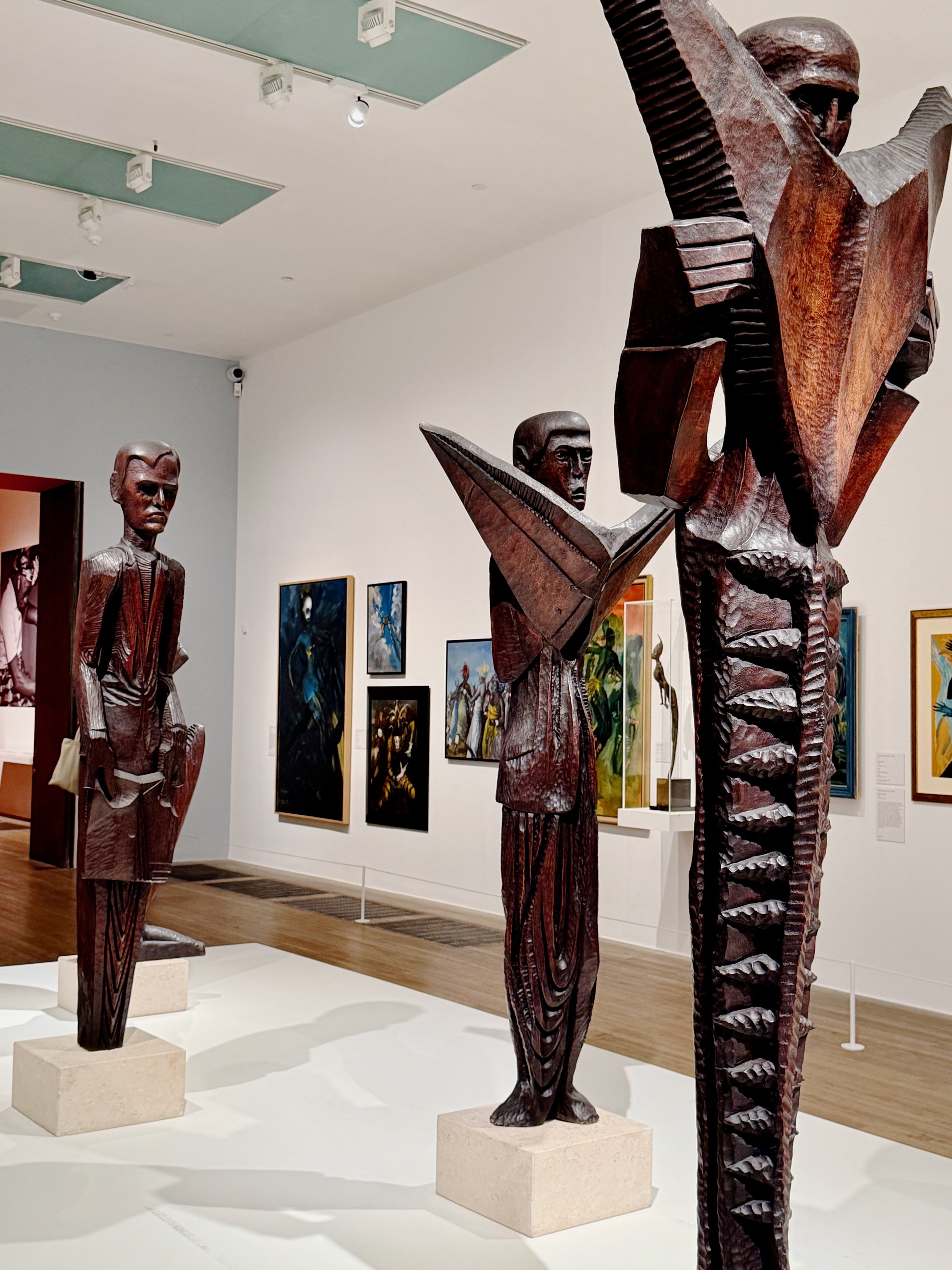
This room leads to a spectacular display of dramatic modernist ebony figures by Africa’s first internationally recognized modern painter, Ben Enwonwu. The room is a mini-retrospective of his work, from early student sculpture that has a Henry Moore influence to a self-portrait and larger, more emotive gestural work.

Ben Enwonwu’s 1961 ebony series Seven Wooden Sculptures Commissioned by The Daily Mirror surrounded by a retrospective of his modern paintings. Courtesy: Access Holdings Plc
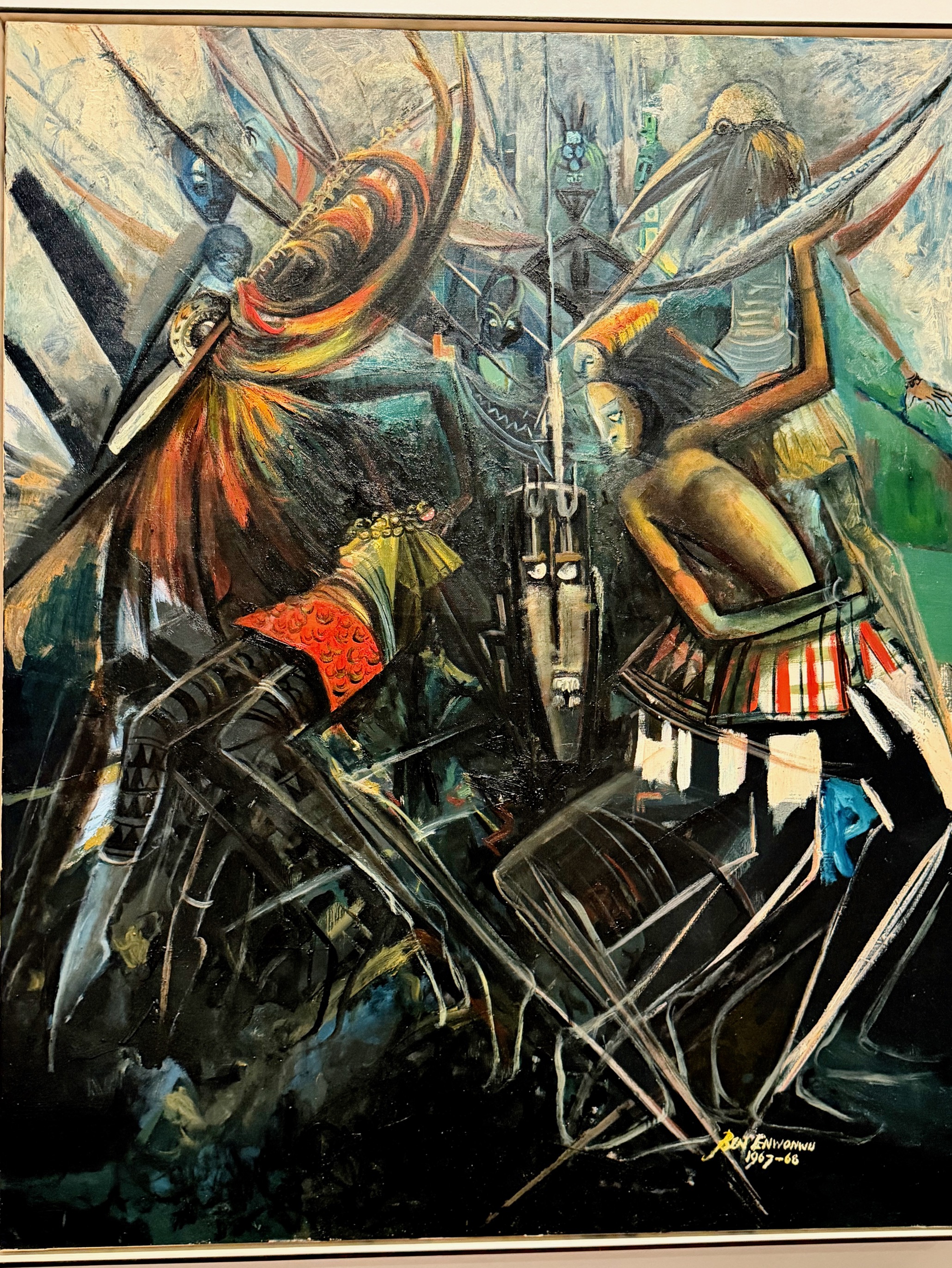
Ben Enwonwu’s 1967-1968 Crucified Gods Galore – an invocation of ancestral dancing, masked, frenzied spirits evoking the chaos of the Nigerian Civil War. Courtesy: private collection

Born into an esteemed Nigerian family, Enwonwu was championed as a young artist by the top British art educator in the colony, and a received scholarship to train in London. He soaked up post-War artistic trends, exhibited extensively, toured and lectured across the United States, and sculpted the Queen when she visited Nigeria. Yet, through it all, he was blunt about repression under the colonial regime and advocated for the African Nationalist movement. Nigeria won its independence in 1960.

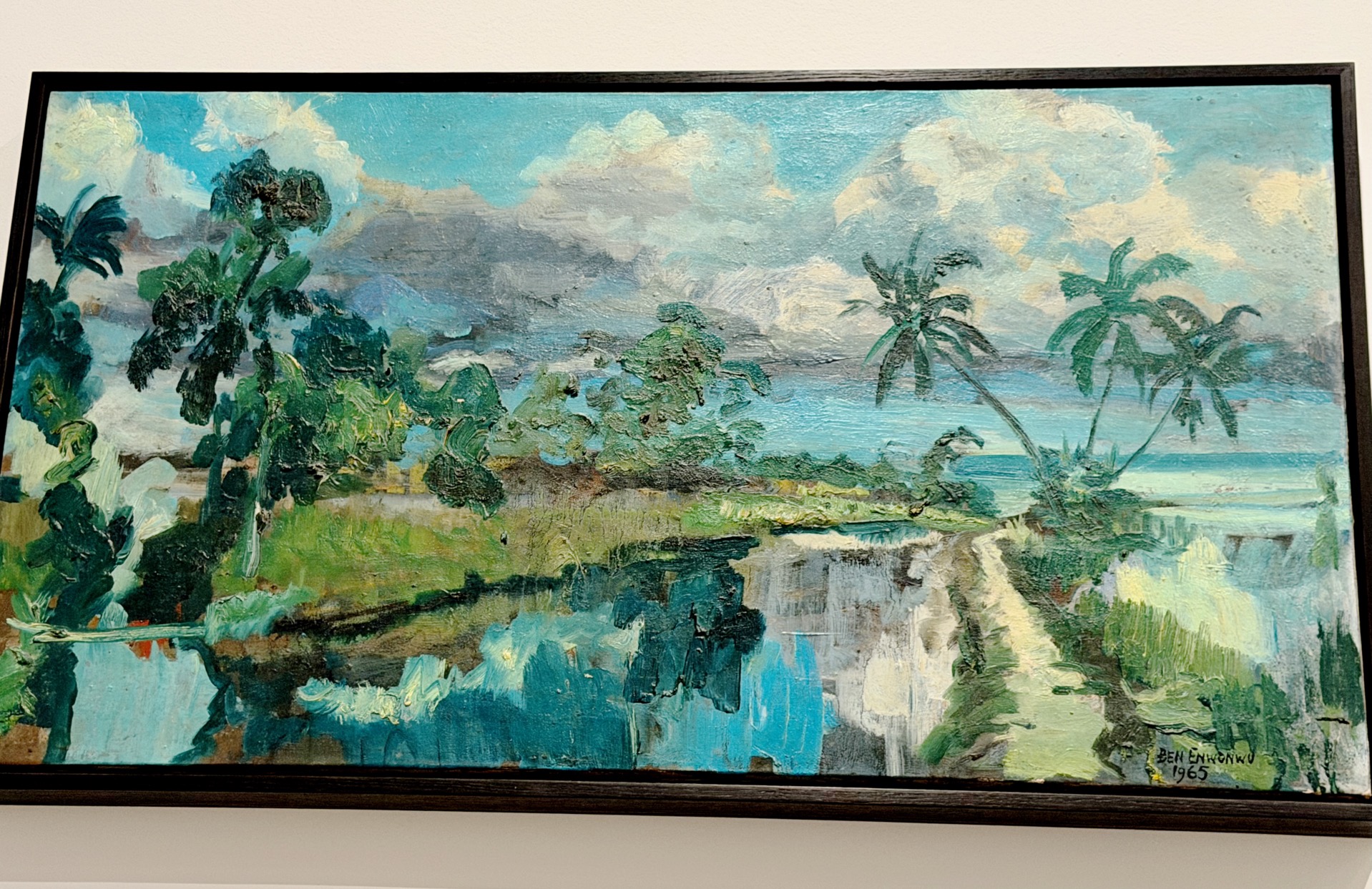
Ben Enwonwu’s 1965 oil River Niger Landscape. Courtesy: private collection.

The next gallery shows the work and legacy of Nigerian art ambassador Ladi Kwali, who transformed traditional forms of earthenware into high-fired glazed modern art admired and collected worldwide.

With independence, formally trained artists, writers, poets, and dramatists formed associations to usher in new, more expressive works across all media – work that reflected a Nigerian sensibility, not just Europe’s. Pop music and new art flourished and Lagos nightclubs ruled. Successive exhibition galleries hone in on trends in different cities and geographic regions throughout Nigeria.  

There’s a room dedicated to work by artists who wrote the manifesto for and created the legendary Zaria Art Society –Emmanual Okechukwu Odita, Bruce Onobrakpeya, Yusuf Grillo, Uche Okeke, Demas Nwoko, and Oseluka Osadebe. They wanted art to reflect Nigeria’s cultures – all of them, including Islam and Christian religions as well as traditional ethnic practices.

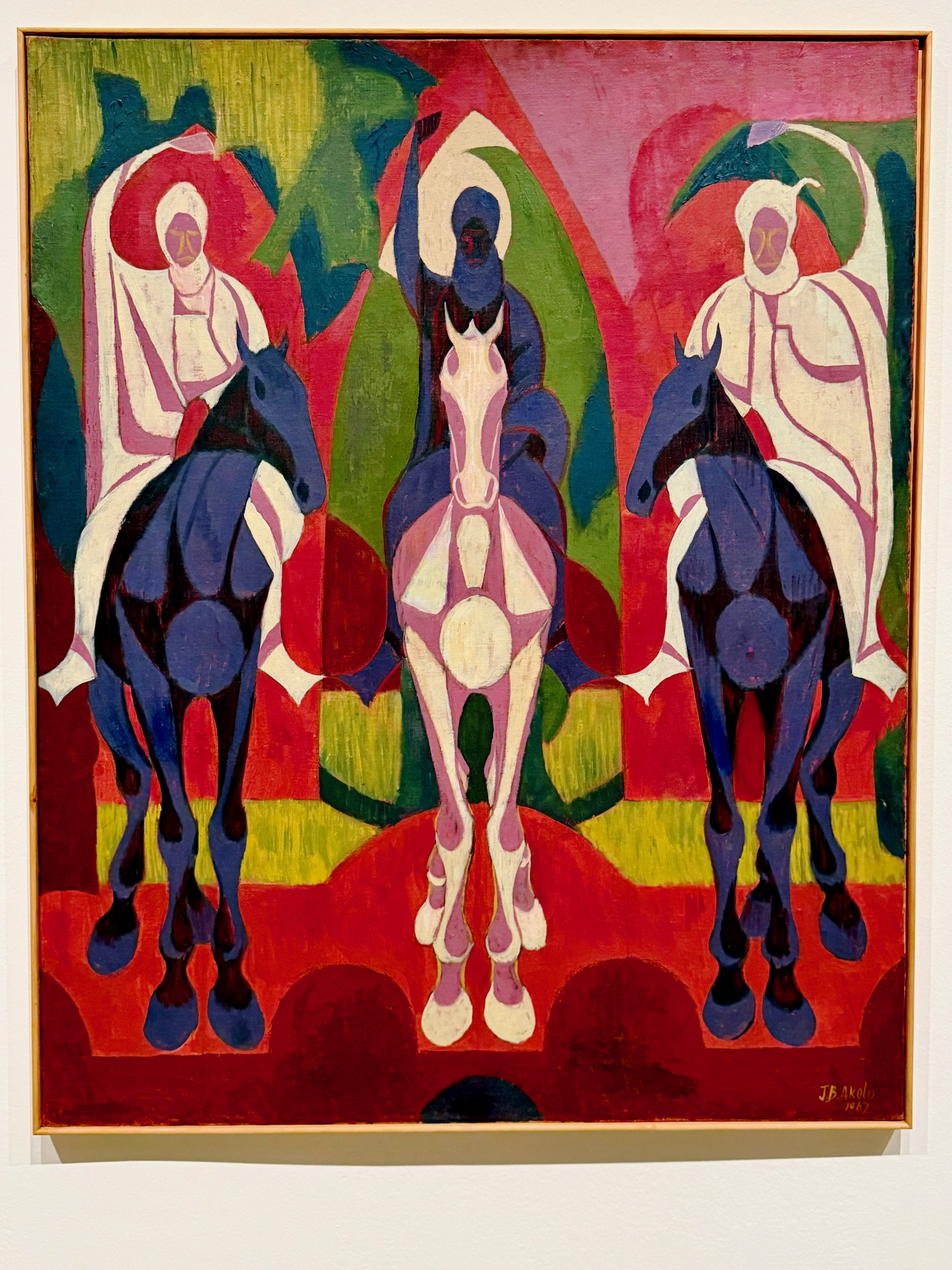
Zaria Art Society: Jimo Akolo’s 1962 oil painting Fulani Horsemen, who brought Islamic religion into northern Nigeria. Courtesy: Bristol Museum.
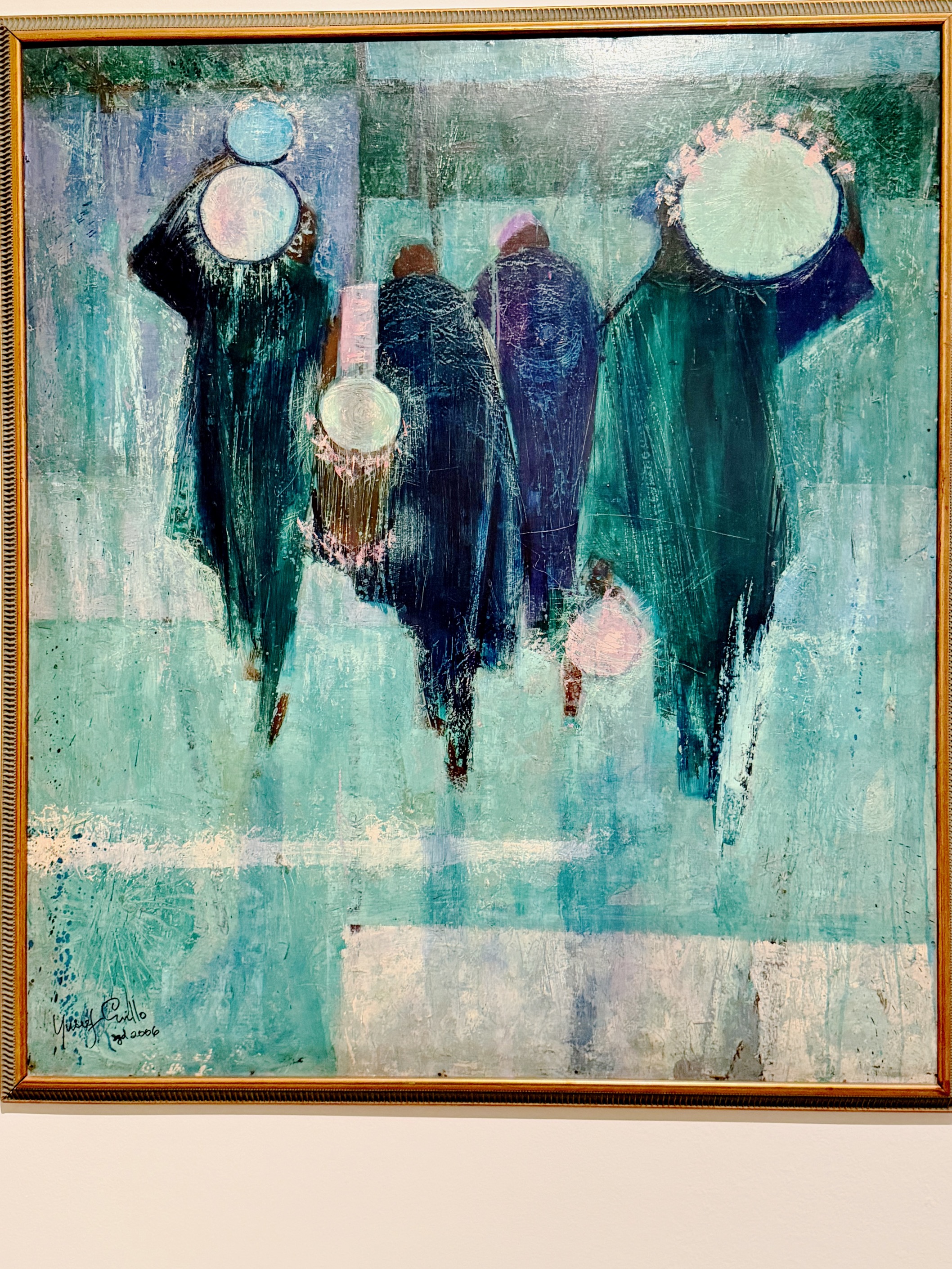
Zaria Art Society: Yusef Grillo’s 1983-1999 oil painting Drummers’ Return. Courtesy: Pan-Atlantic University’s Yemisi Shyllon Museum.

And the world was eager to see it, as exhibitions were organized and showcased overseas.

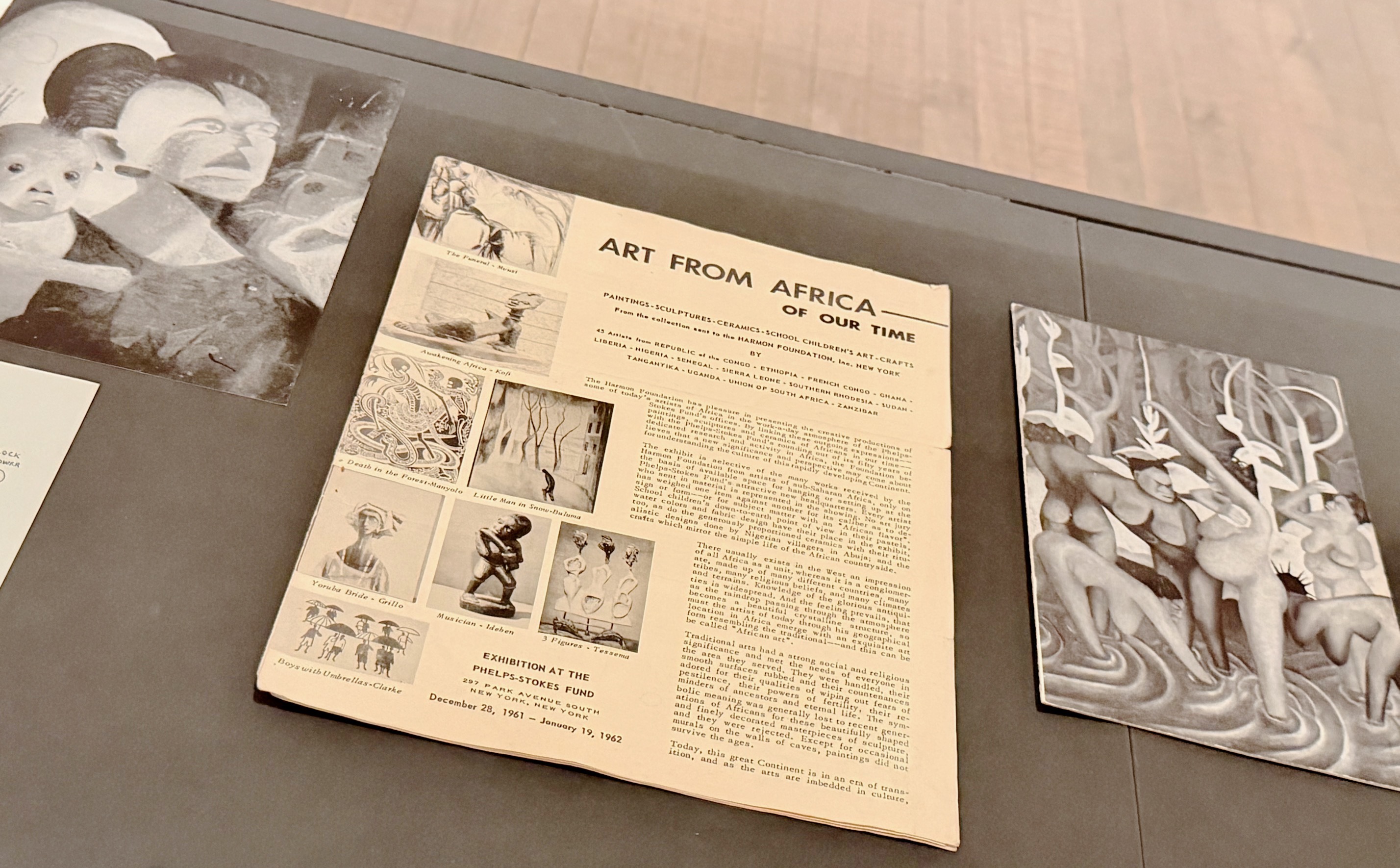
Art of new nation: 1961 publication Art from Africa of Our Time promoting an exhibition of modern African art in New York. Courtesy:  New Culture Foundation

The New Sacred Art Movement was happening deep in the 400-year-old Osun-Osagbo Sacred Groves of southwest Nigeria, where artist Susanne Wenger gathered committed individuals (bricklayers, concrete workers) and other artists to transform (and save) the forest by building ritual clearings and shrines. In 2005, UNESCO declared it a World Heritage Site.

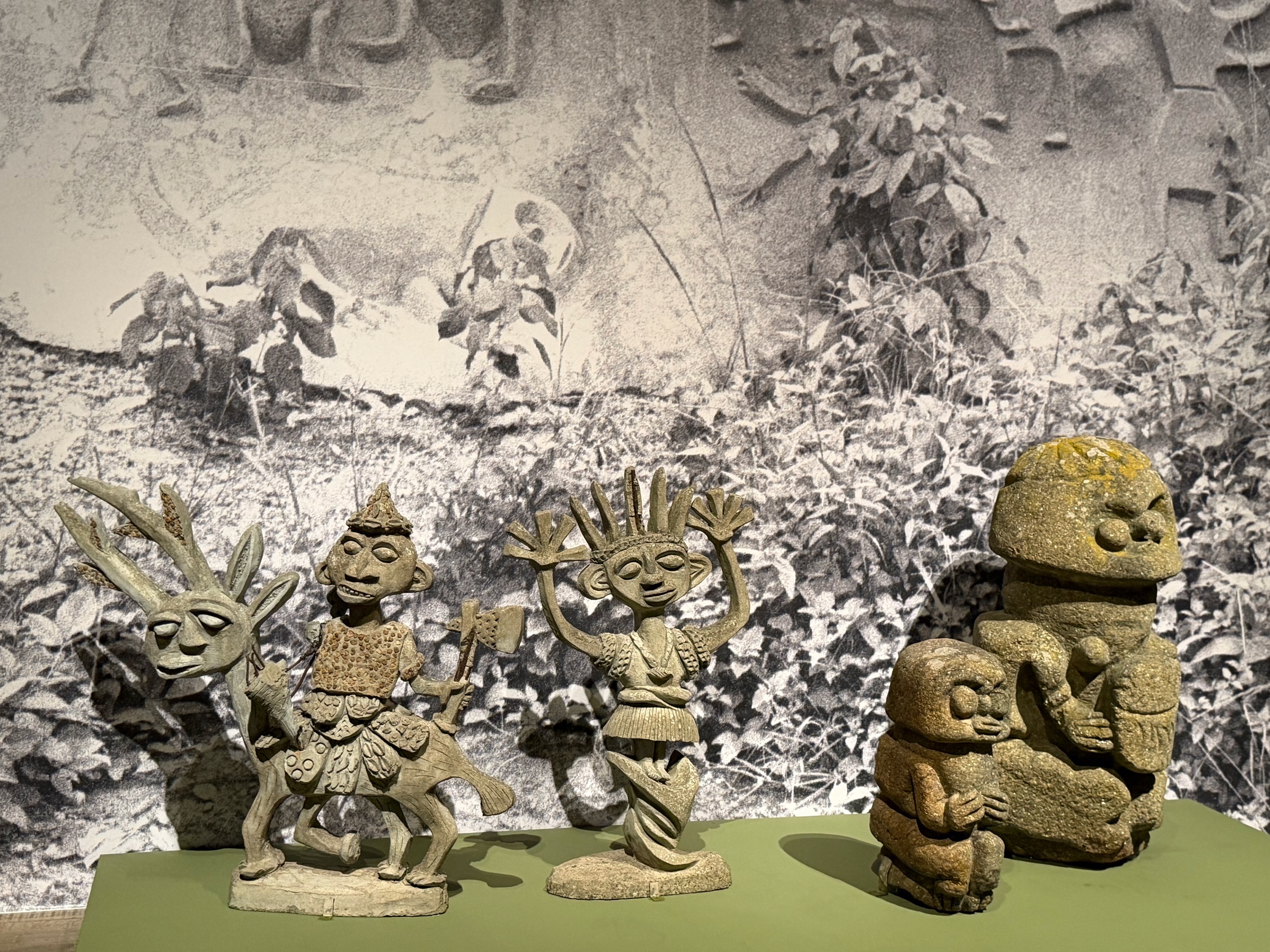
New art for the Sacred Forest: Against a background depicting the forests Osun-Osogbo Sacred Groves, sculptures from the shrine – Adebisi Akanji’s 1990s cement sculptures of river goddess Osun and war god Ogun Timeyin; and Buraimoh Gbadamosi’s 1980s stone sculptures of benevolent nature spirits, Sango and Osun. Courtesy: private collection.

The artists associated with The Oshogbo School lived in a community where Christian, Muslim, and Yoruba festivals and ceremonies were held side by side. The cultural center in Osogbo was active, inviting international artists to run workshops and sending out theatrical troupes to perform traditional stories in honor of the the region’s river goddess, Osun.

When theater leaders wanted more community involvement, they trained theater performers and technicians to run painting, printmaking, and textile workshops. Many workshop participants and teachers went on to create and innovate, as shown on the walls.

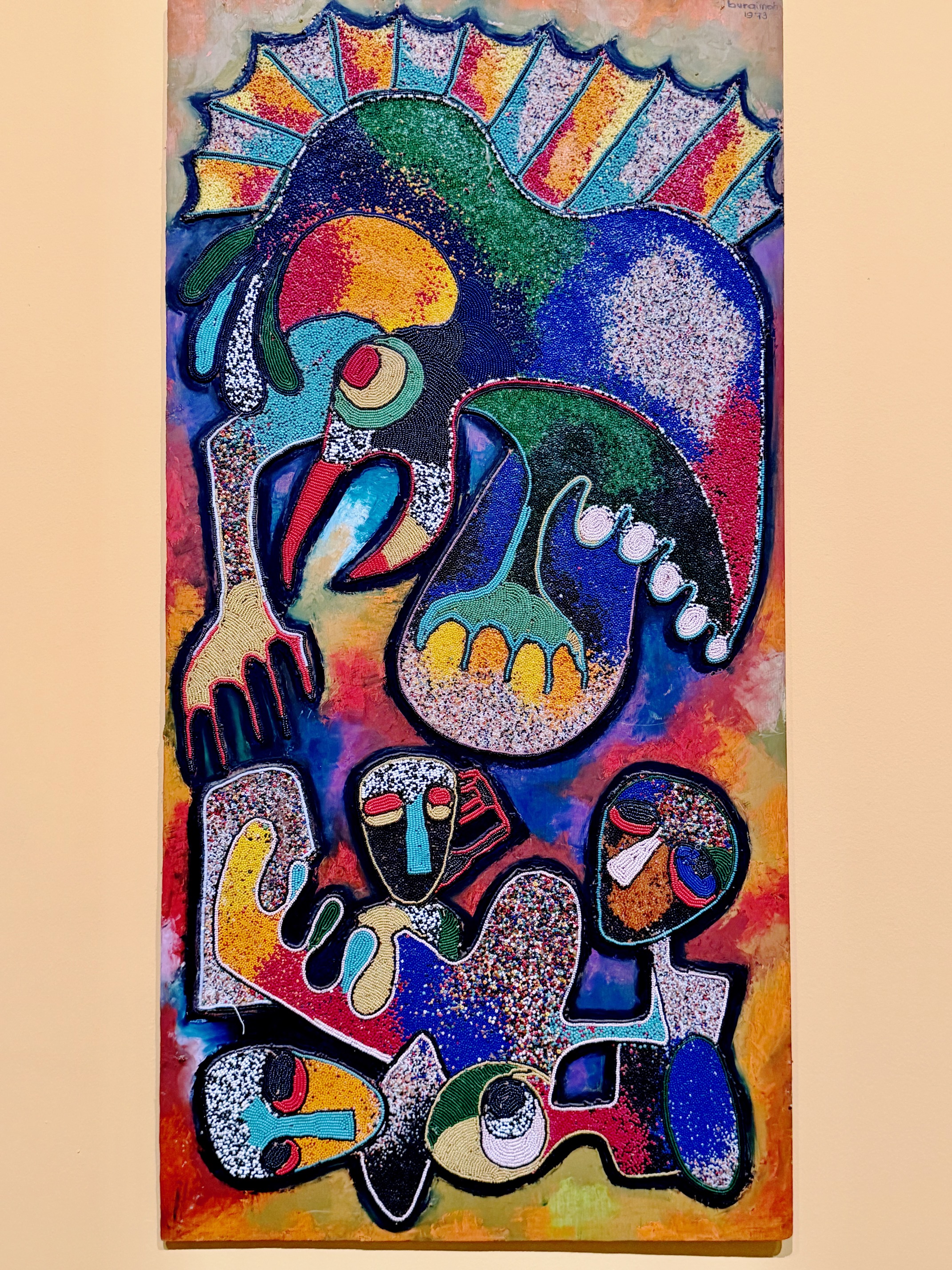
The Oshaogbo School: Jimoh Buraimoh’s 1973 beadwork panel Figural Abstract referencing traditional Yoruba beaded staffs, stools, and crowns. Courtesy: private collection.
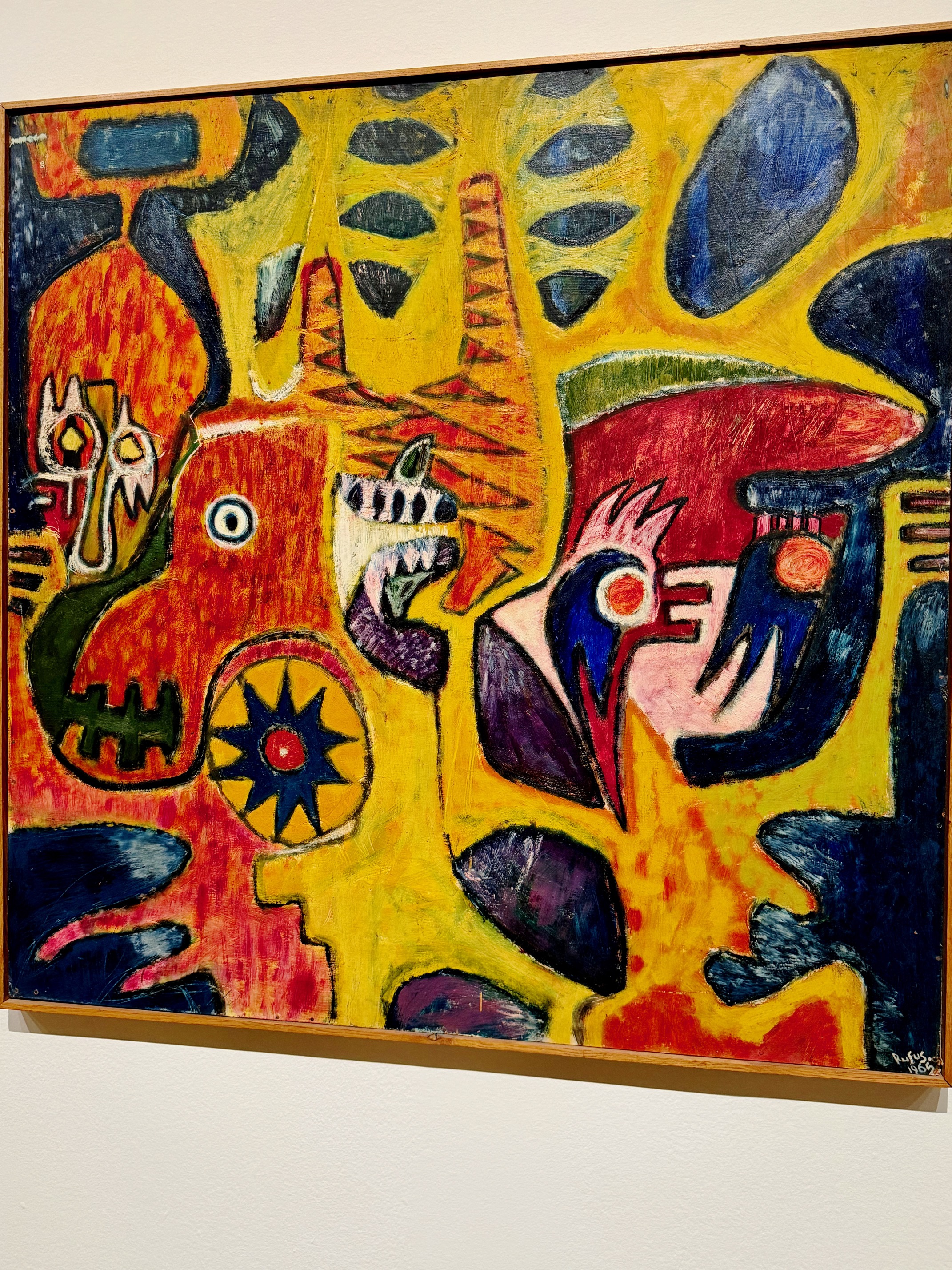
The Oshaogbo School: Rufus Ogundele’s 1965 oil painting Sacrifice to Ogun, God of Thunder. Courtesy: private collection.

The Nsukka School developed at University of Nigeria, whose students were from a wide range of ethnic backgrounds. Uche Okeke was invited to lead the art department, and asked students to use art to “reclaim” indigenous culture toward the end of the 1960s after Nigeria’s tumultuous civil war. Artists mixed symbols from different ethnic traditions and produced powerful work.

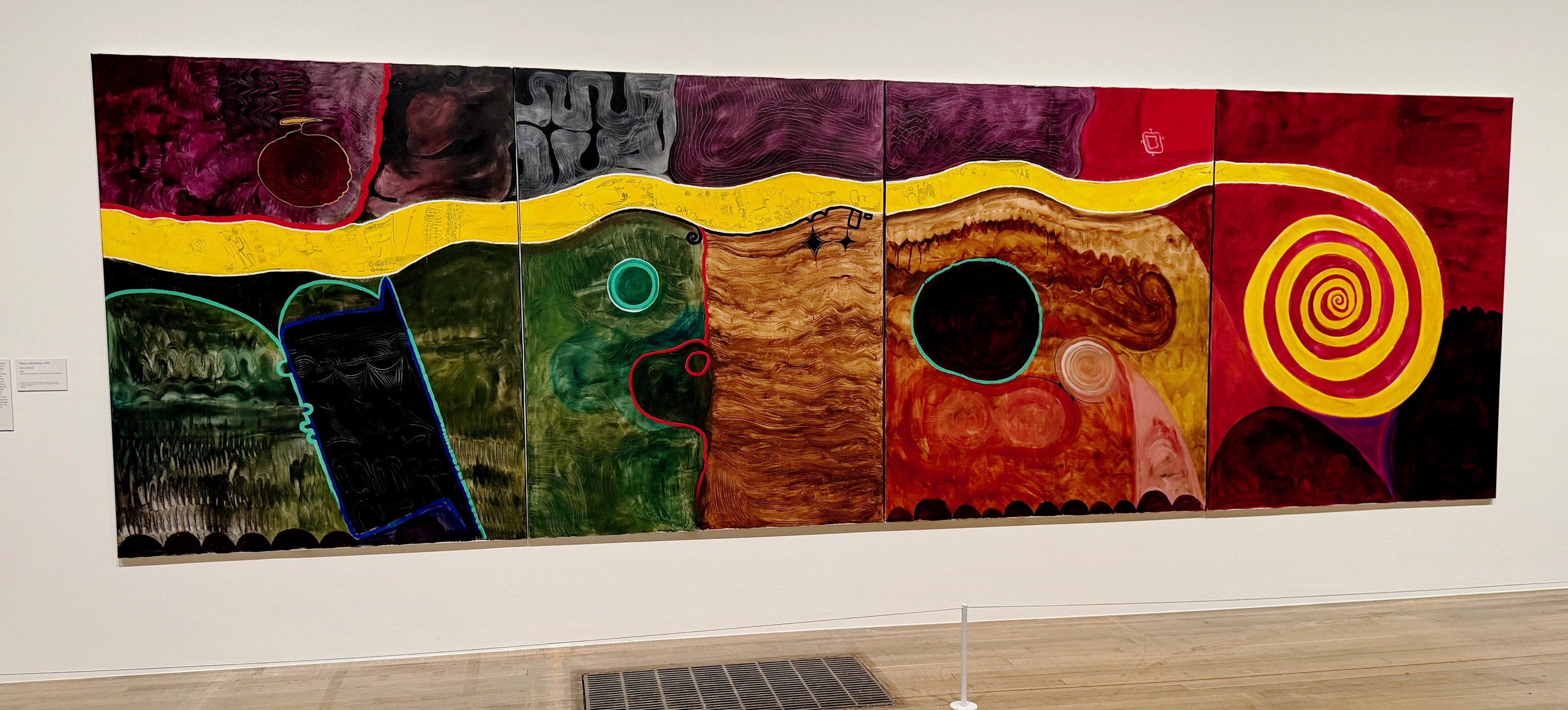
Nsukka School: Obiora Udechukwu’s 1993 four-panel ink and acrylic painting Our Journey – referencing the political unrest in Nigeria following the 1993 election when the military government refused to release election returns to maintain power. Courtesy: Hood Museum of Art, Dartmouth.
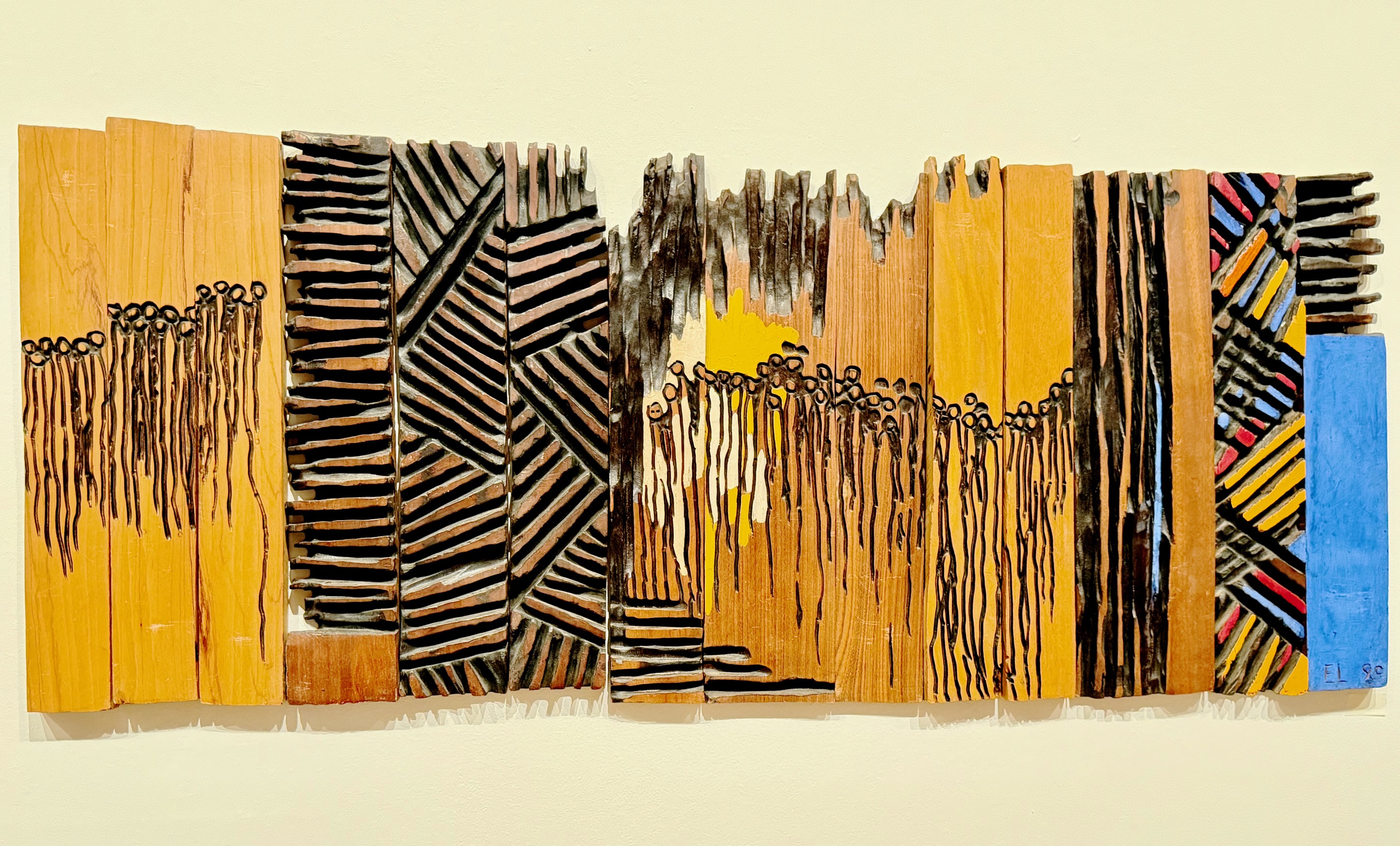
Nsukka School: El Anatsui’s 1965 tempera and house paint on tropical hardwood Solemn Crowds at Dawn.

The final gallery showcases the work of Uzo Egonu, a Nigerian artist who left his homeland for a successful career abroad as an innovator in the British Black Art Movement. He’s a keen observer of the events, changes, and tumult that have rocked his home country, and through his work cheers on those whose work continues there.

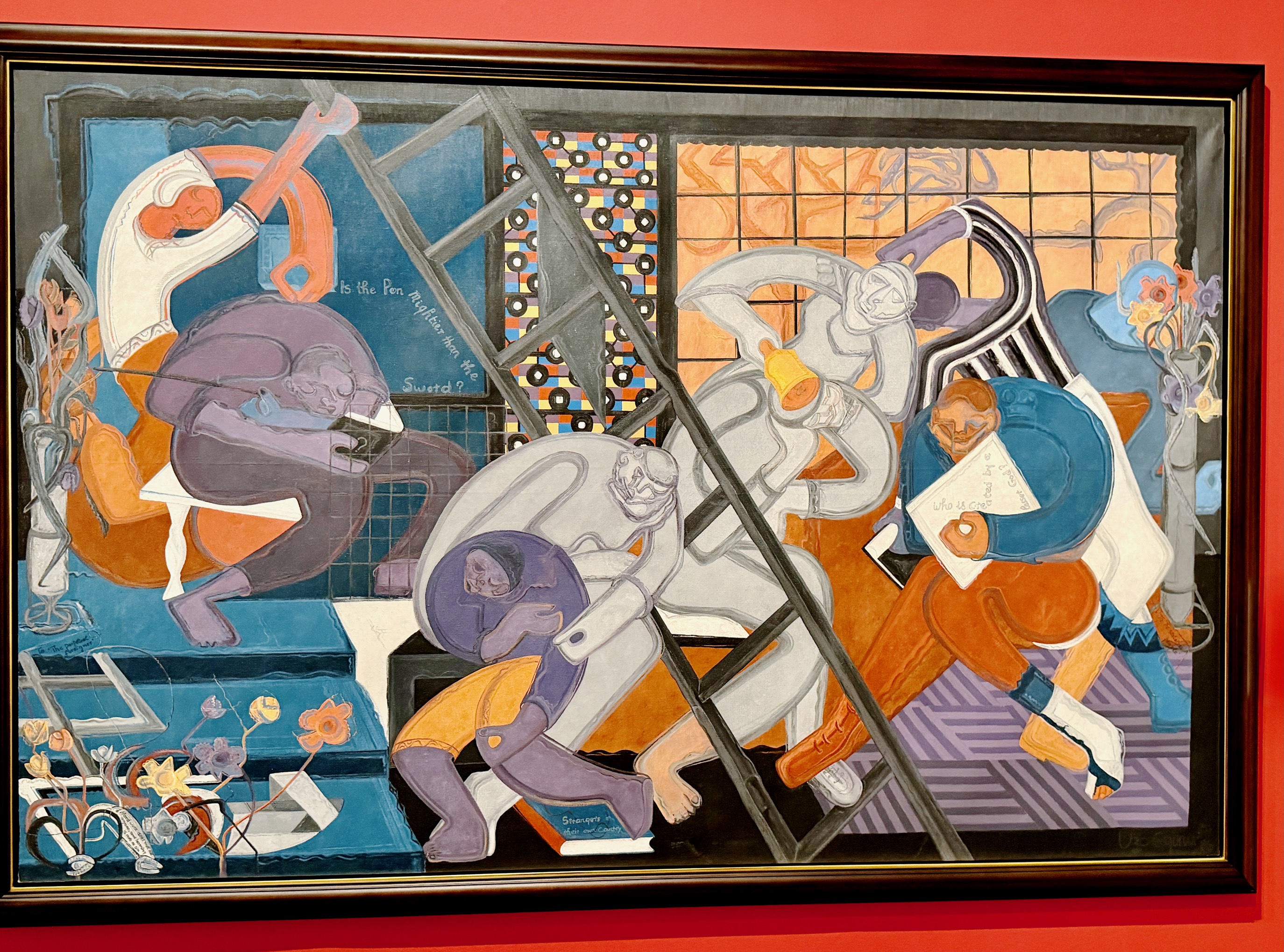
Uzo Egonu’s 1985 oil painting Will Knowledge Safeguard Freedom 2 – a reflection on the potential of the creative arts and technical advancements to improve a free society. Courtesy: private collection

For a glimpse of life inside a Lagos gallery today, meet chief Nike davies-Okundaye, one of Nigher’s best-known textile artists and painters. It’s a recent video produced by the Tate in honor of living artists carrying on modern legacies of this extraordinary exhibition:

To read the Tate guidebook for this show, click here.

Everything Modern at Fechin House in Taos

The 1915 founding of the Taos Society of Artists captulted Taos into one of the most recognized art colonies in the United States due to its traveling exhibitions of romantic, colorful paintings depicting the people, places, and traditions of unique to Northern New Mexico.

But another group of artists and cultural influencers arrived a few years later to inject the art scene there with a new, more contemporary style – one reflecting the approach associated with European modernism and the trends showcased in the 1913 Armory Show.

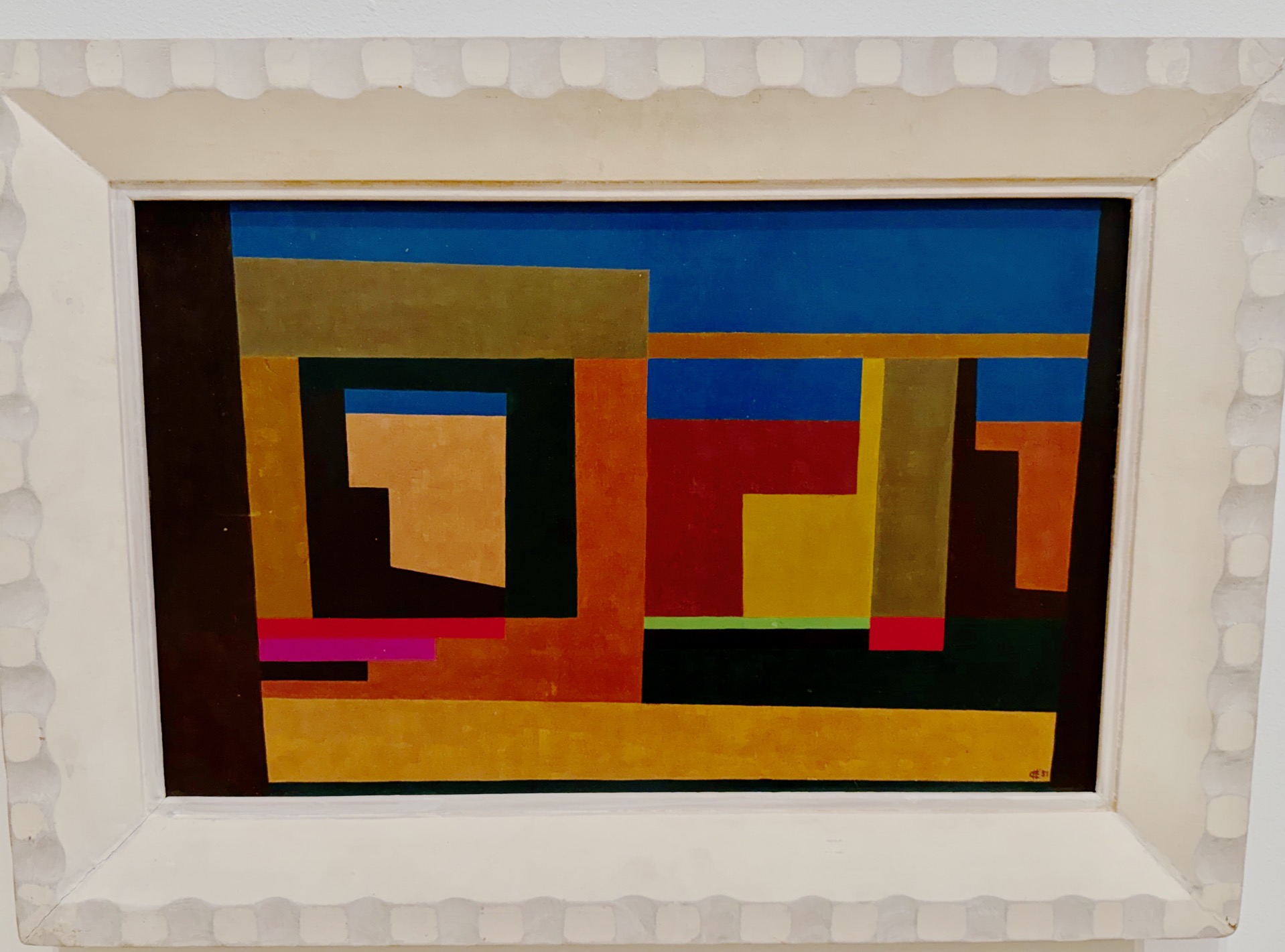
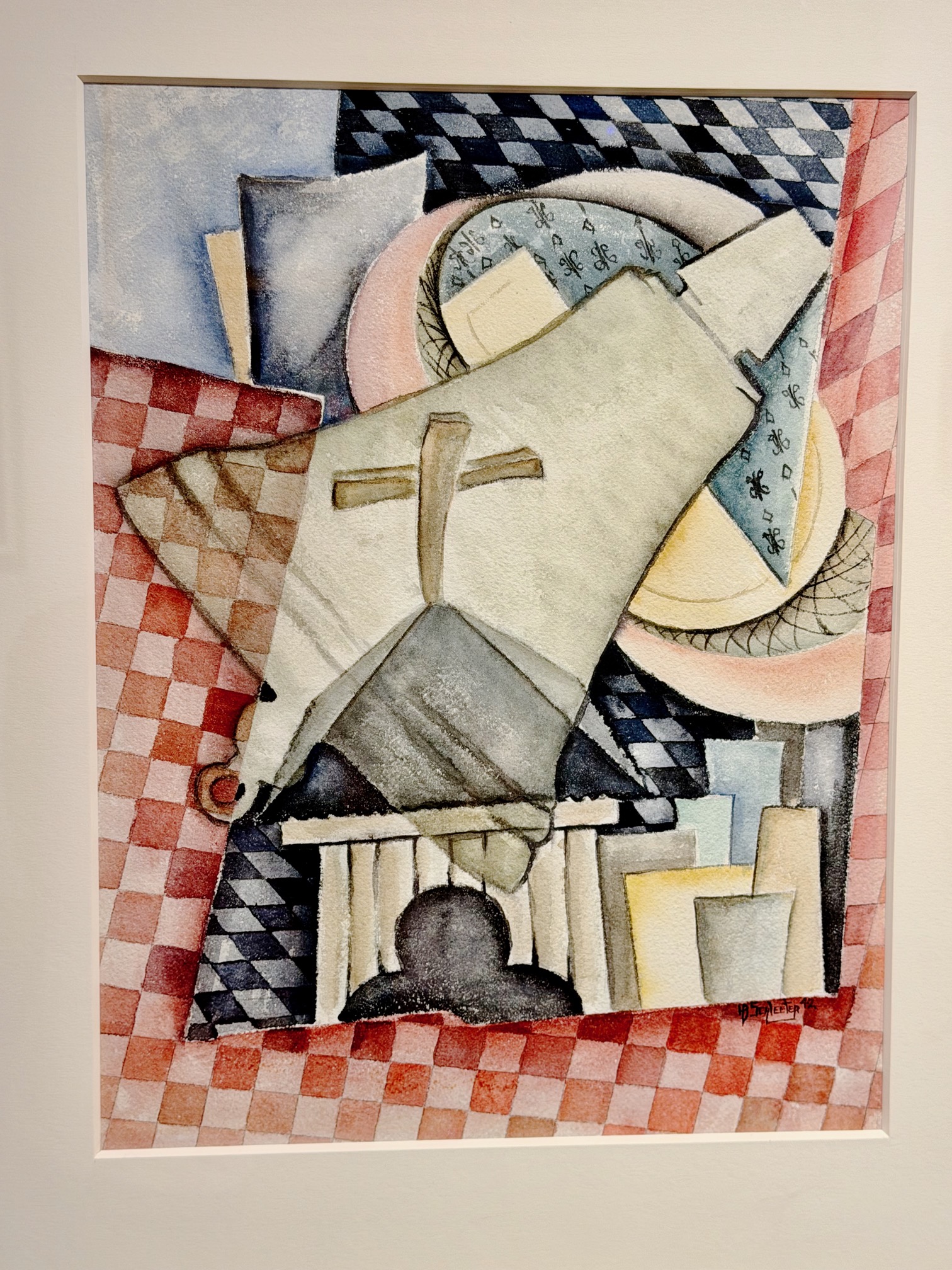
1943 watercolor by Howard Schleeter, who experimented with many contemporary styles

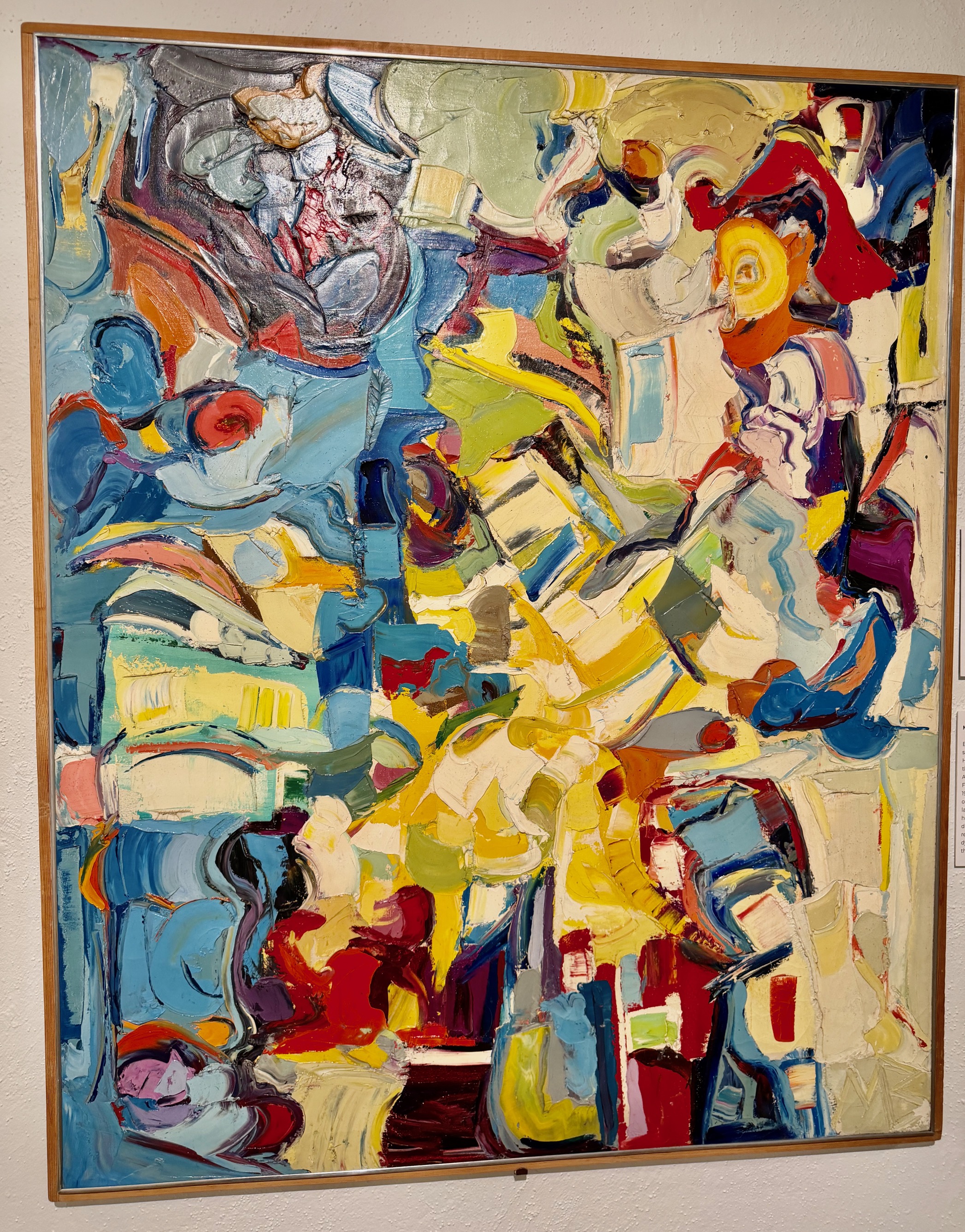
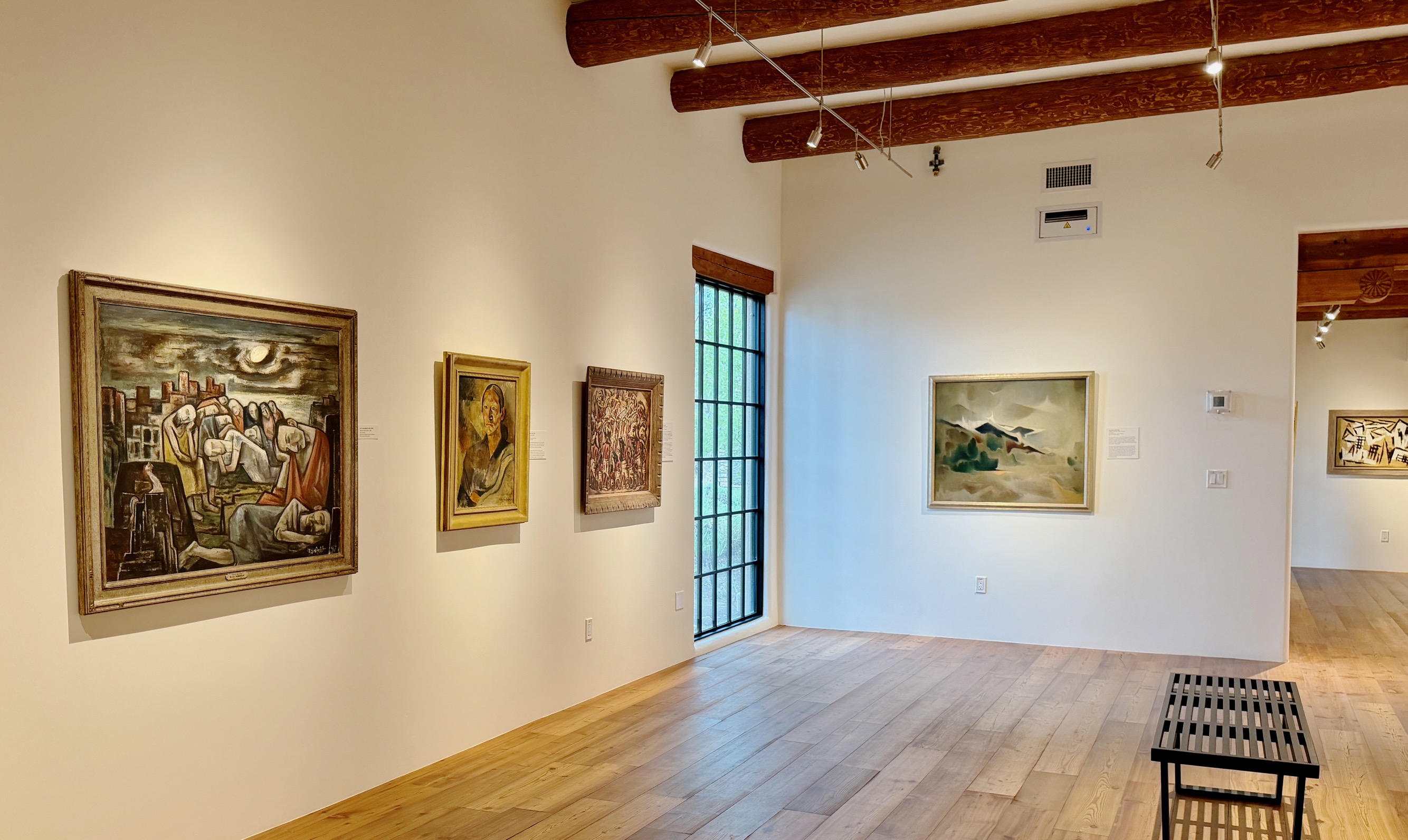
This less traditional group of innovators – and the next generation of their followers – are celebrated by the Taos Art Museum in its exhibition Taos Reimagined: Modernist Experiments in the High Desert, on view in the beautiful, new Janis and Roy Coffee Gallery at Fechin House through May 10, 2026. Most of the works in the show are selected from the museum’s own collection.

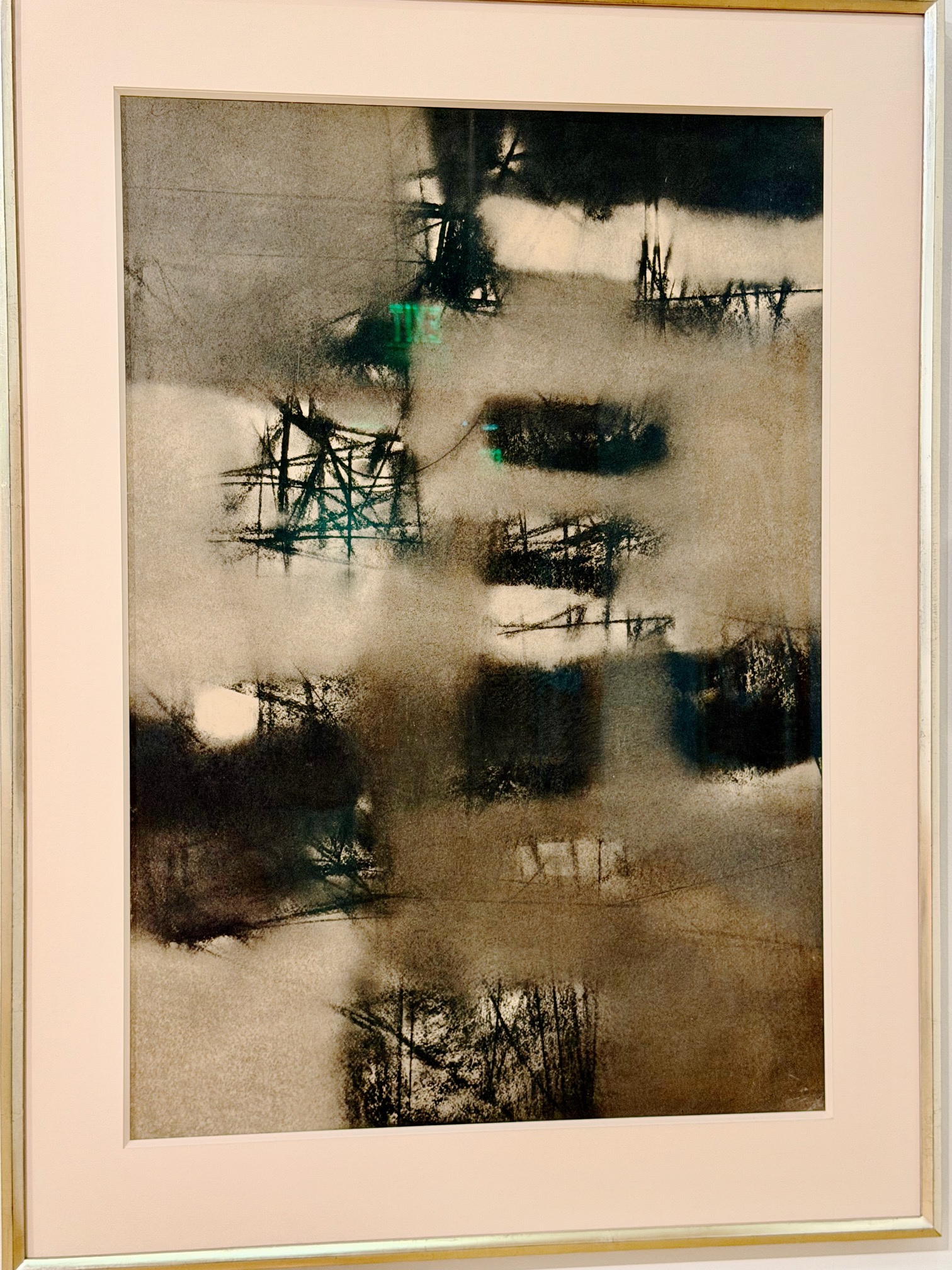
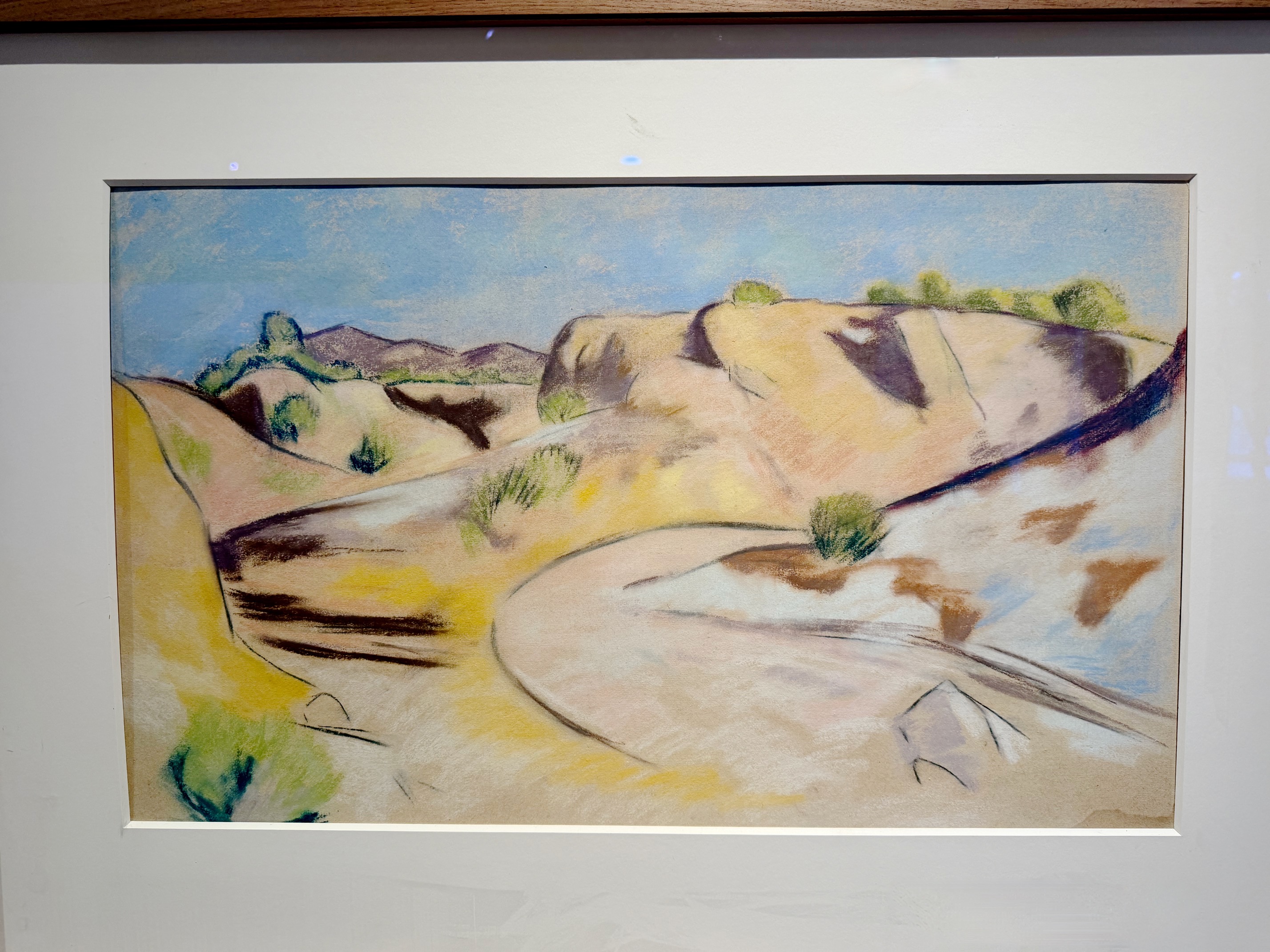
After moving to Taos in 1917, philanthropist and fan-of-the-avant-garde Mabel Dodge soon recruited East Coast modern mavericks to join her. One of her first friends to take the trip West was painter Marsden Hartley, whose early symbolic abstractions electrified European critics and clients of Stieglitz’s gallery in New York.  One of his modernist landscapes is featured in this show.

Marsden Hartley’s 1918 drawing New Mexico – a pastel by one of America’s early modernists inspired by New Mexico. Courtesy: The Owings Gallery

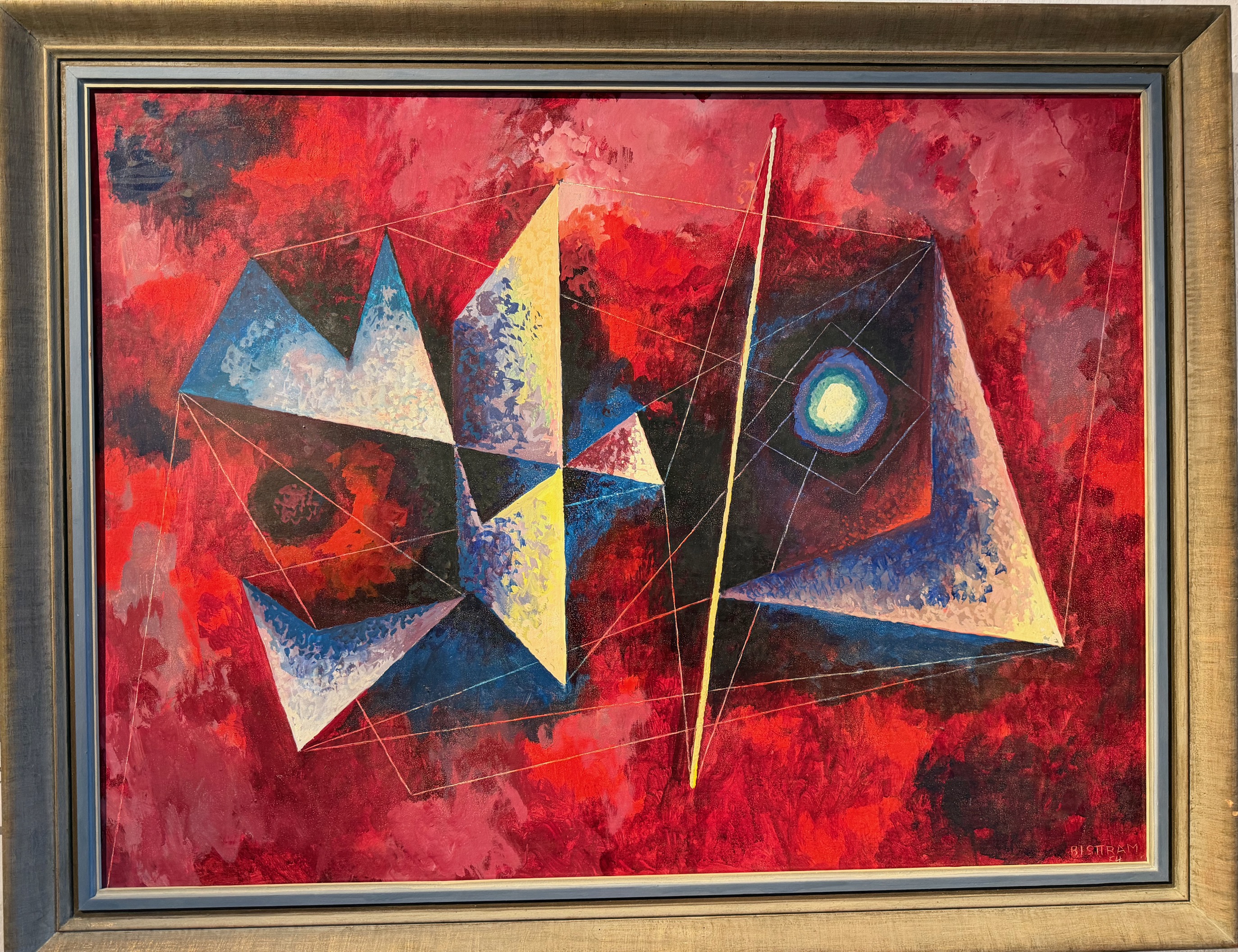
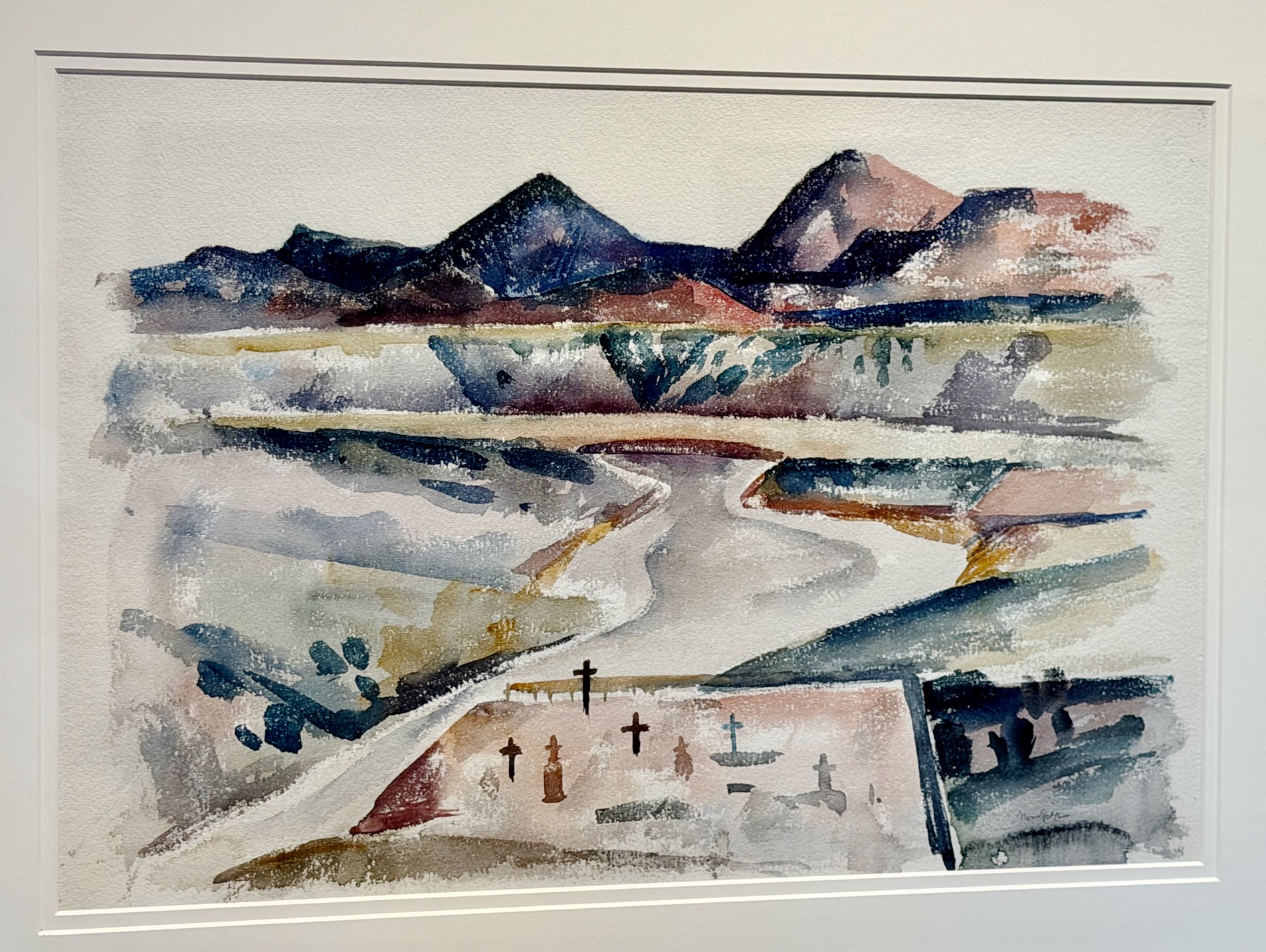
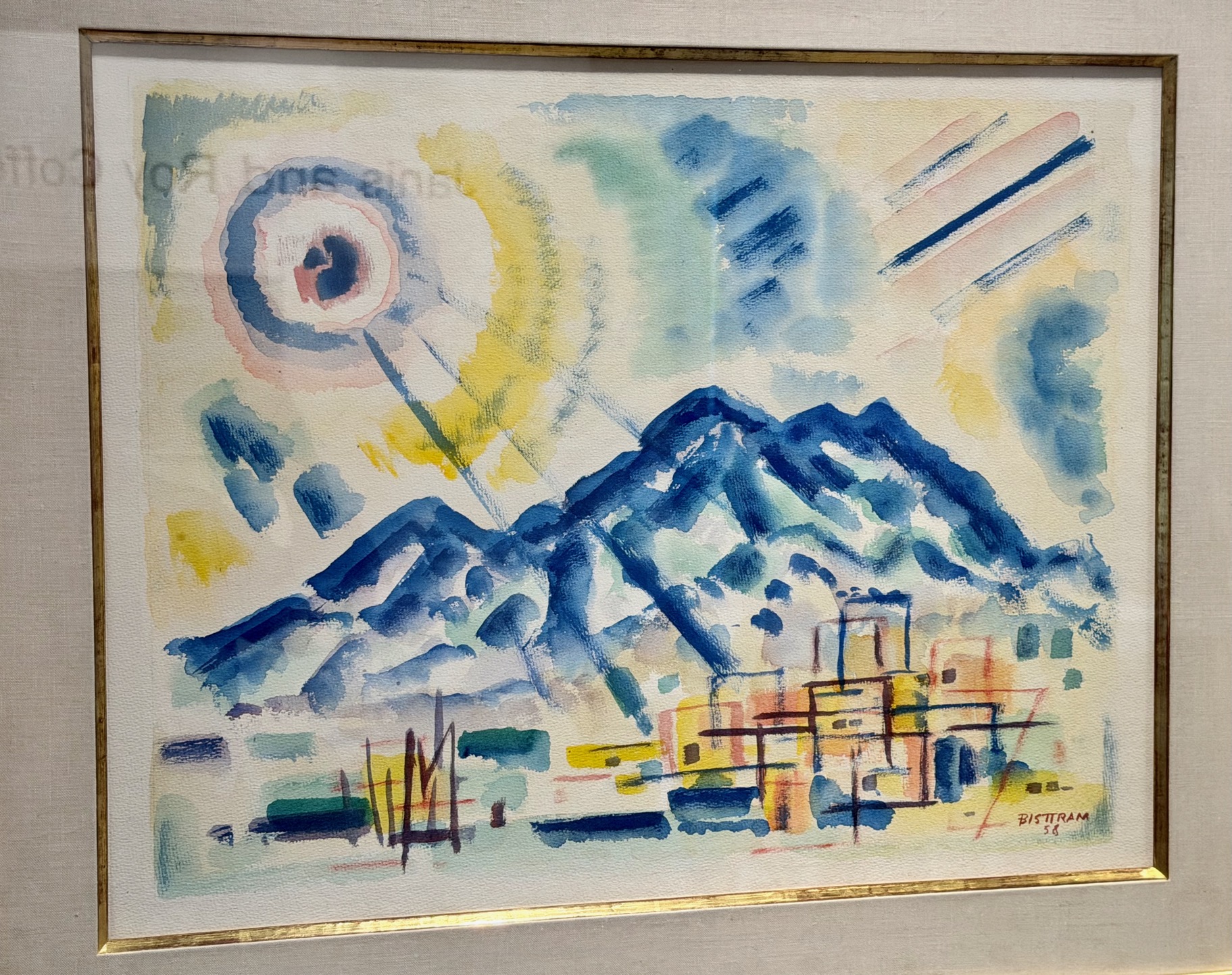
It’s thrilling to view the Hartley watercolor next to landscapes by modernist B.J.O. Nordfeldt and Emil Bisttram.

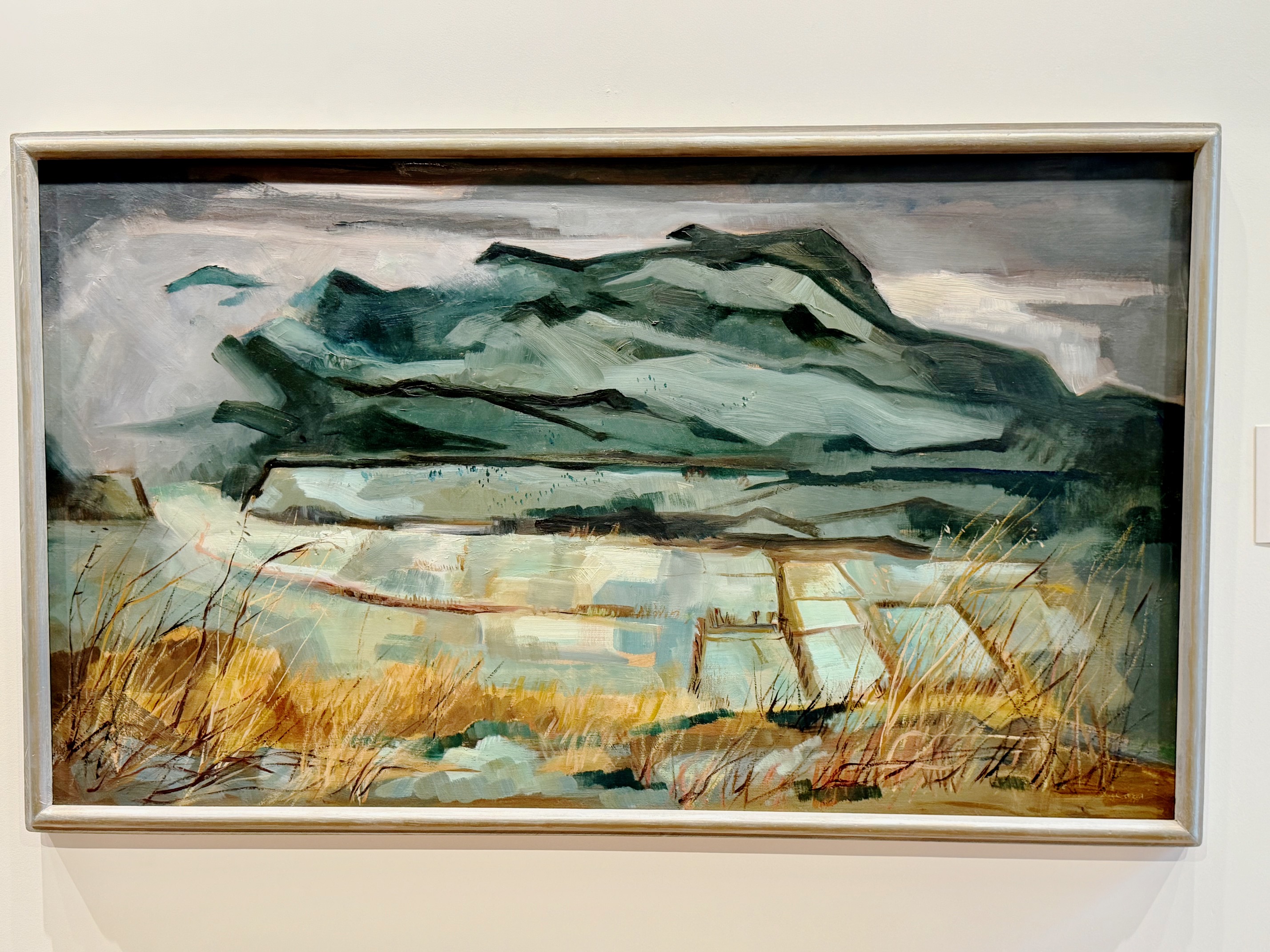
B.J.O. Nordfeld’s watercolor Campo Santo – landscape painted by an artist who was significantly influenced by Cezanne’s modern innovations.
Emil Bisttram’s 1958 watercolor Sun Over Pueblo.

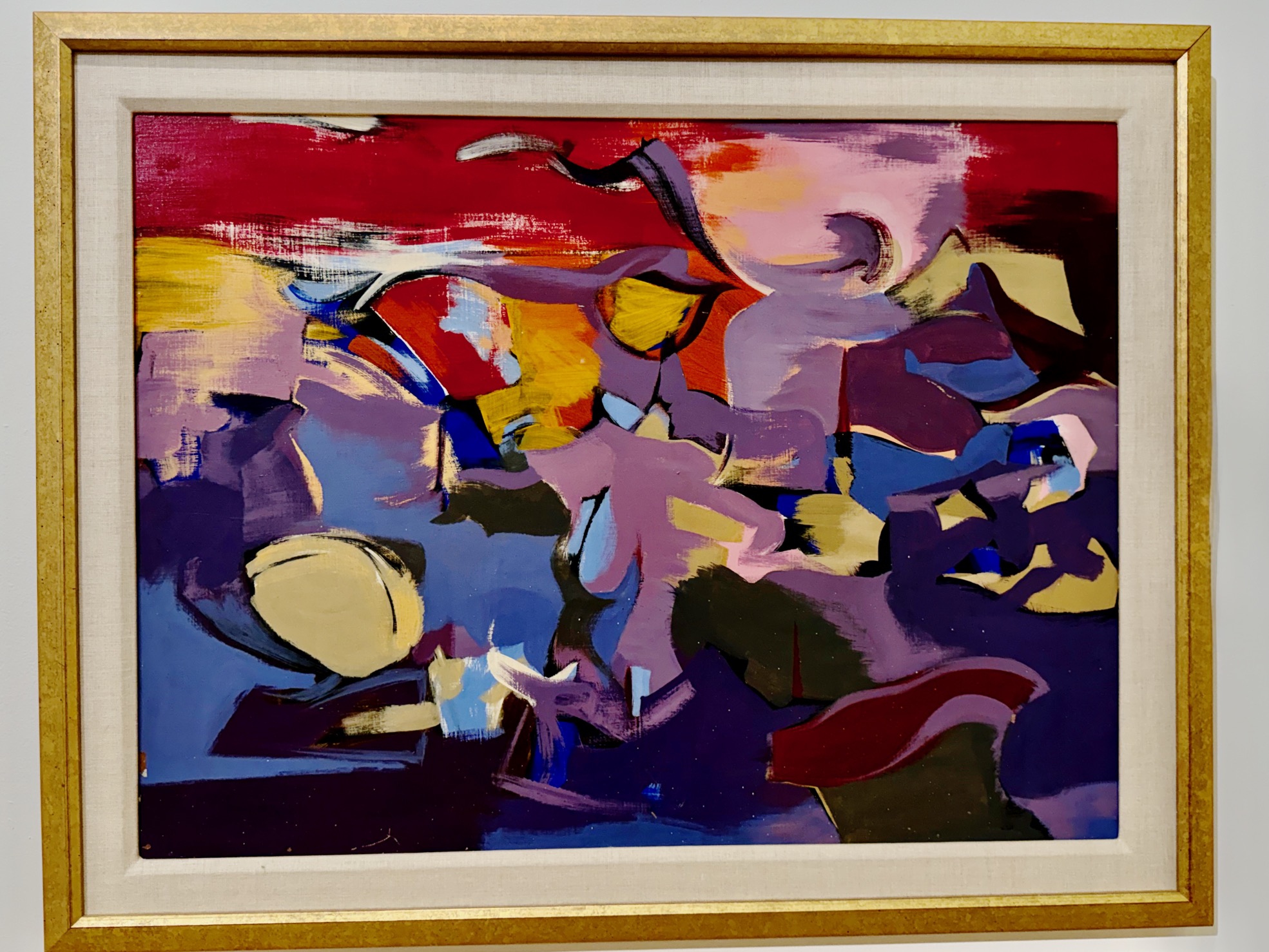
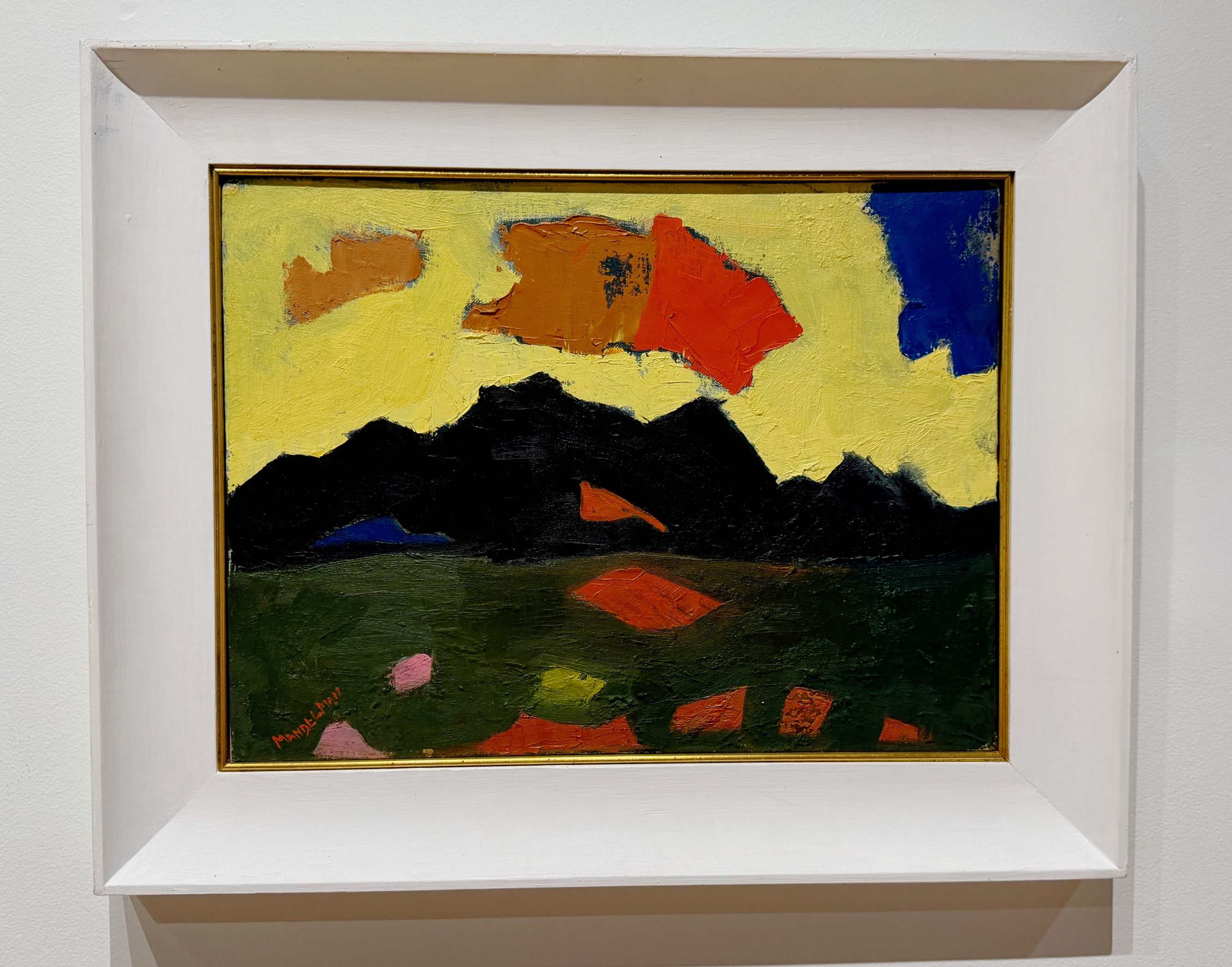
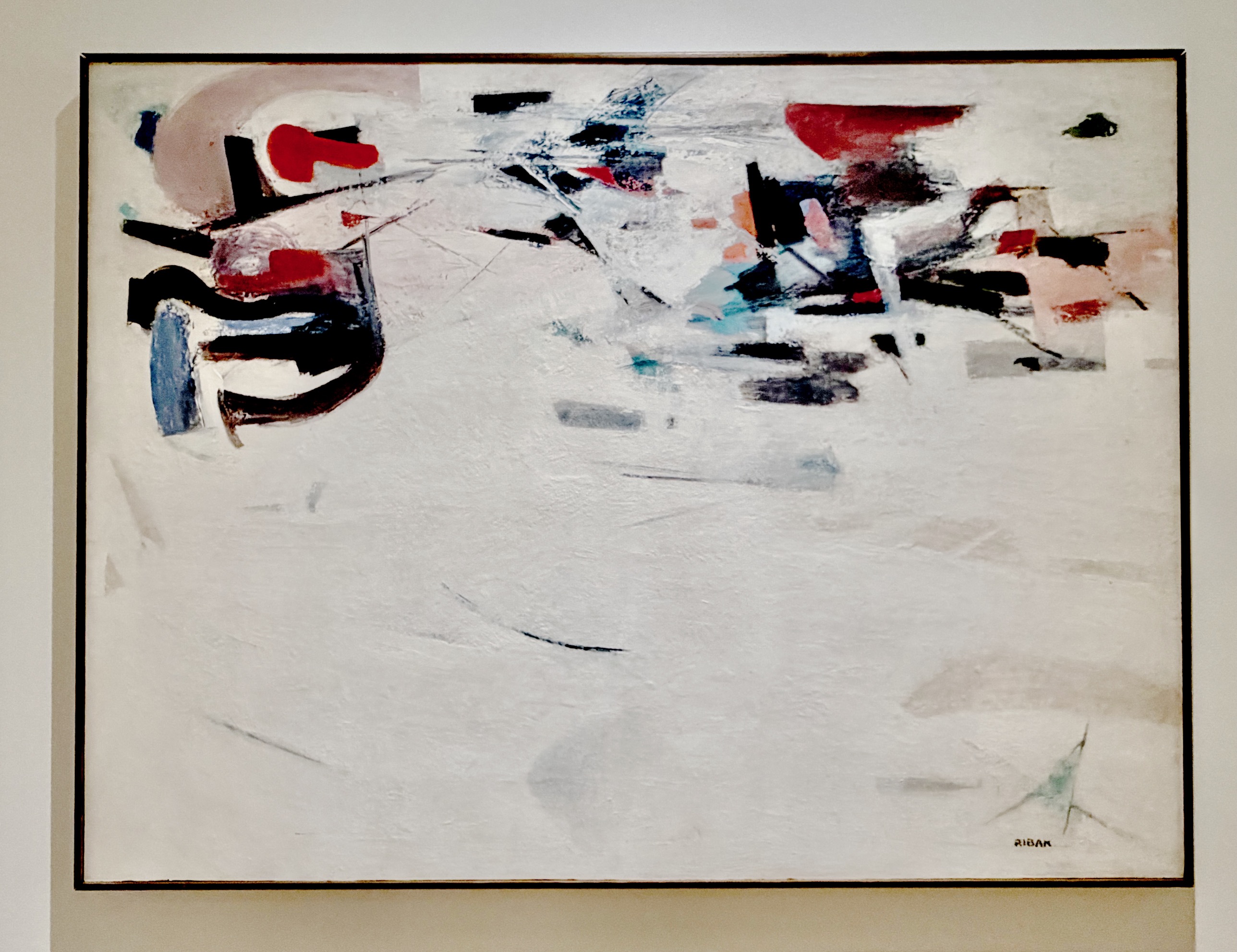
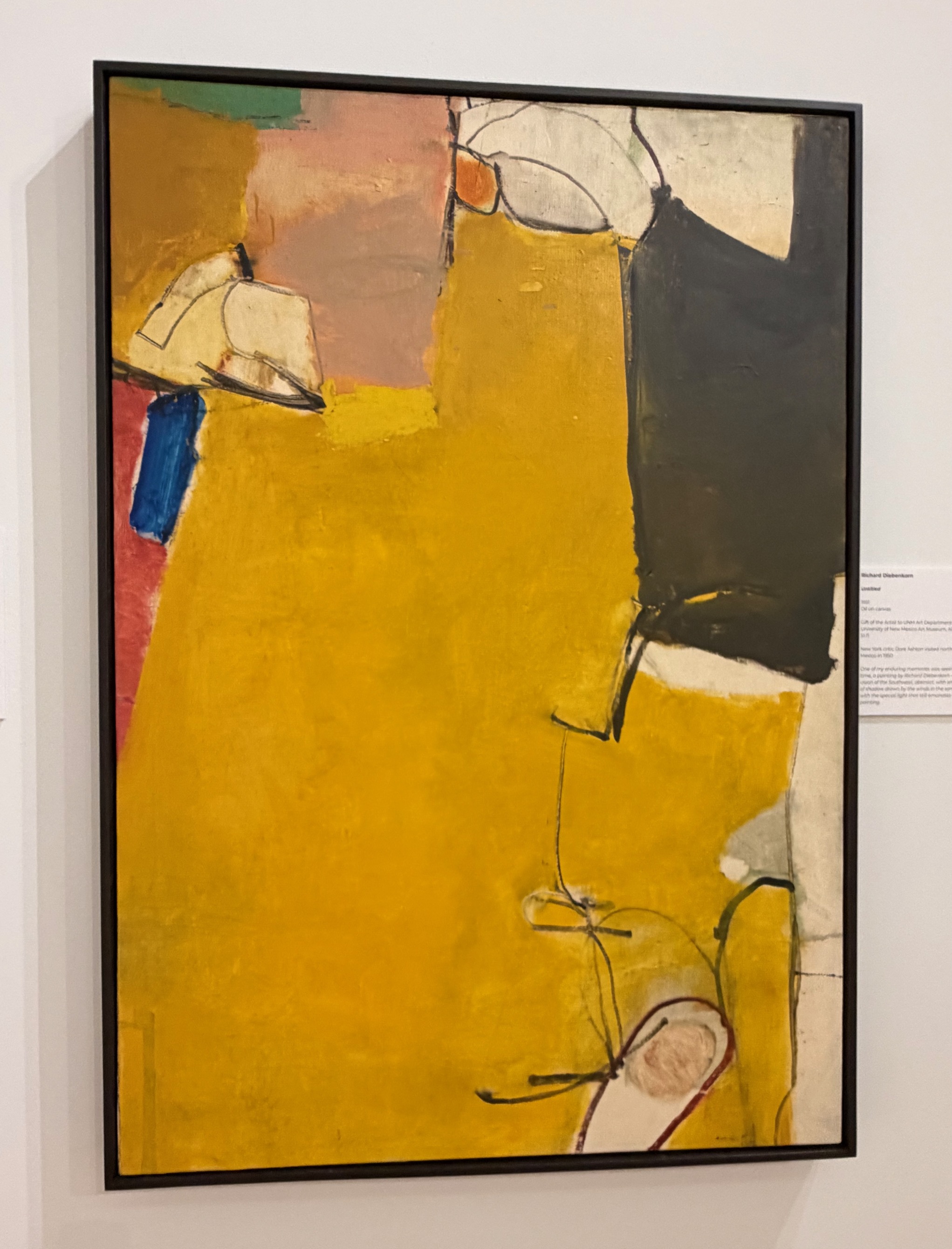
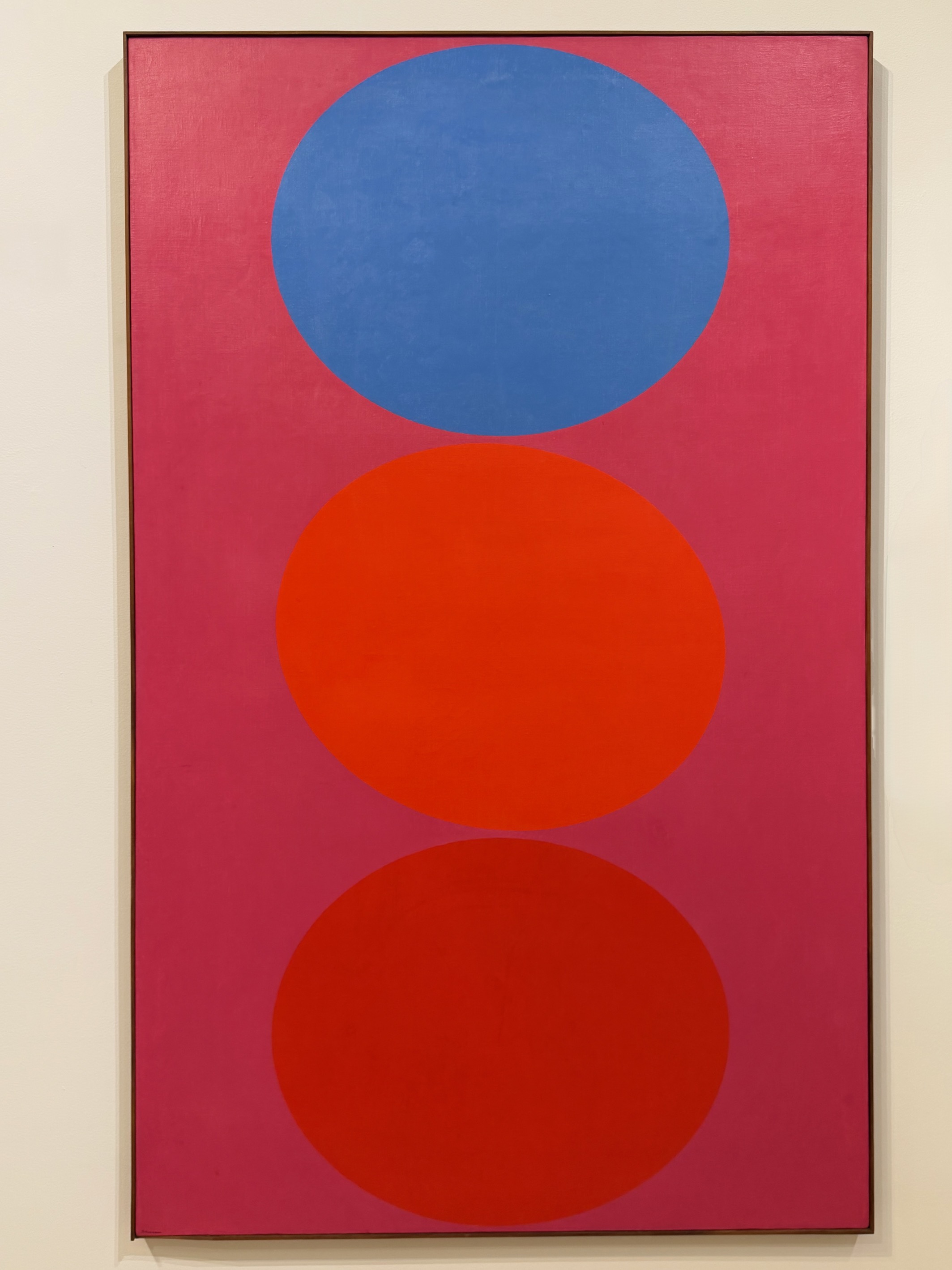
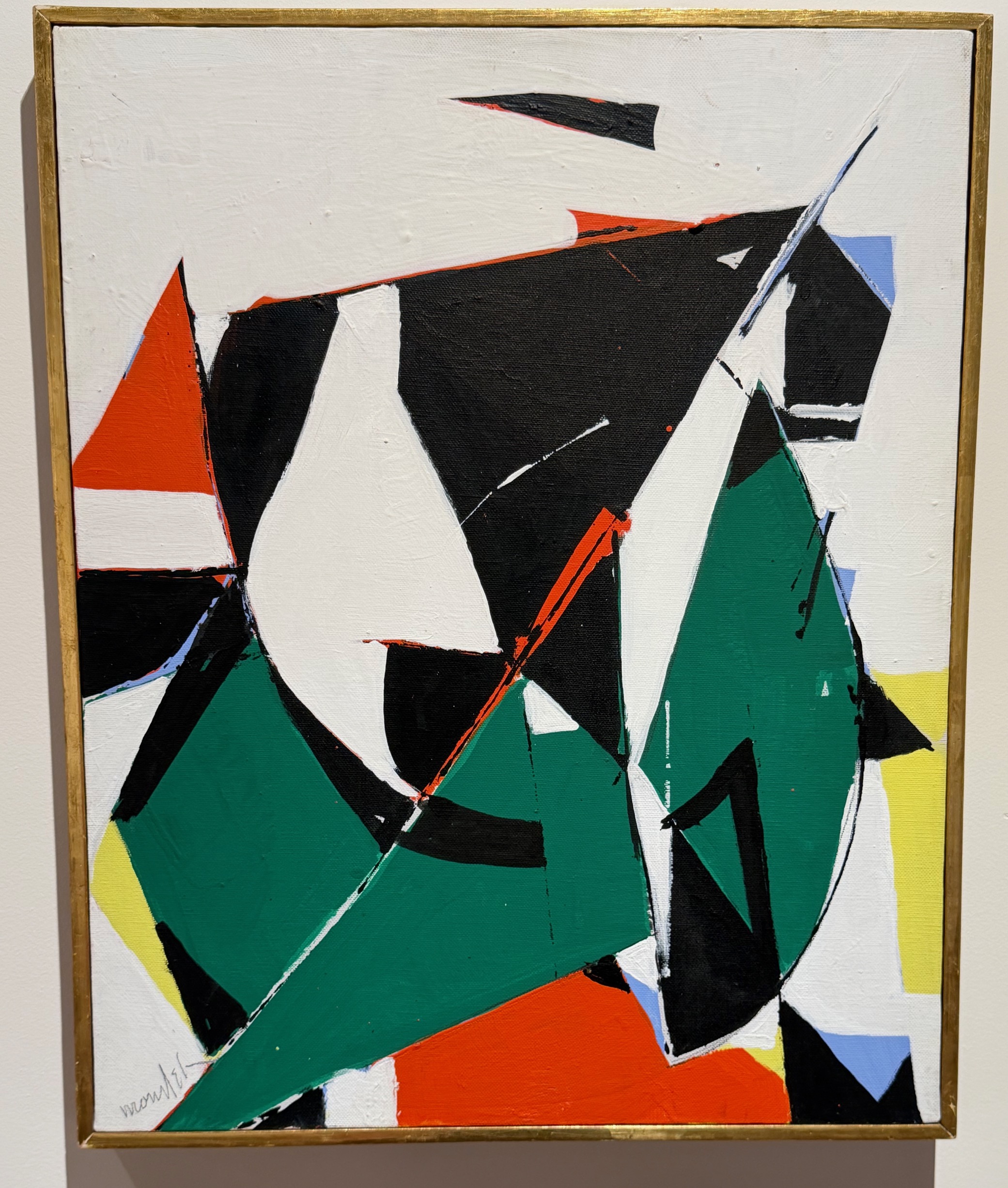
Much of the work on display was painted mid-century – some works by older mondernists (like Nordfeldt or Dasburg) and others by artists arriving in the 1940s and 1950s (often called the Taos Modernists). Louis Ribak and Beatrice Mandelman arrived in the 1940s co-founded the Taos Valley Art School in 1947, and effectively served as the center for postwar modernism in Taos for the next decade.

1964 painting Rift Series #23 by Beatrice Mandelman –a co-founder of the Taos Valley Art School with husband Louis Ribak
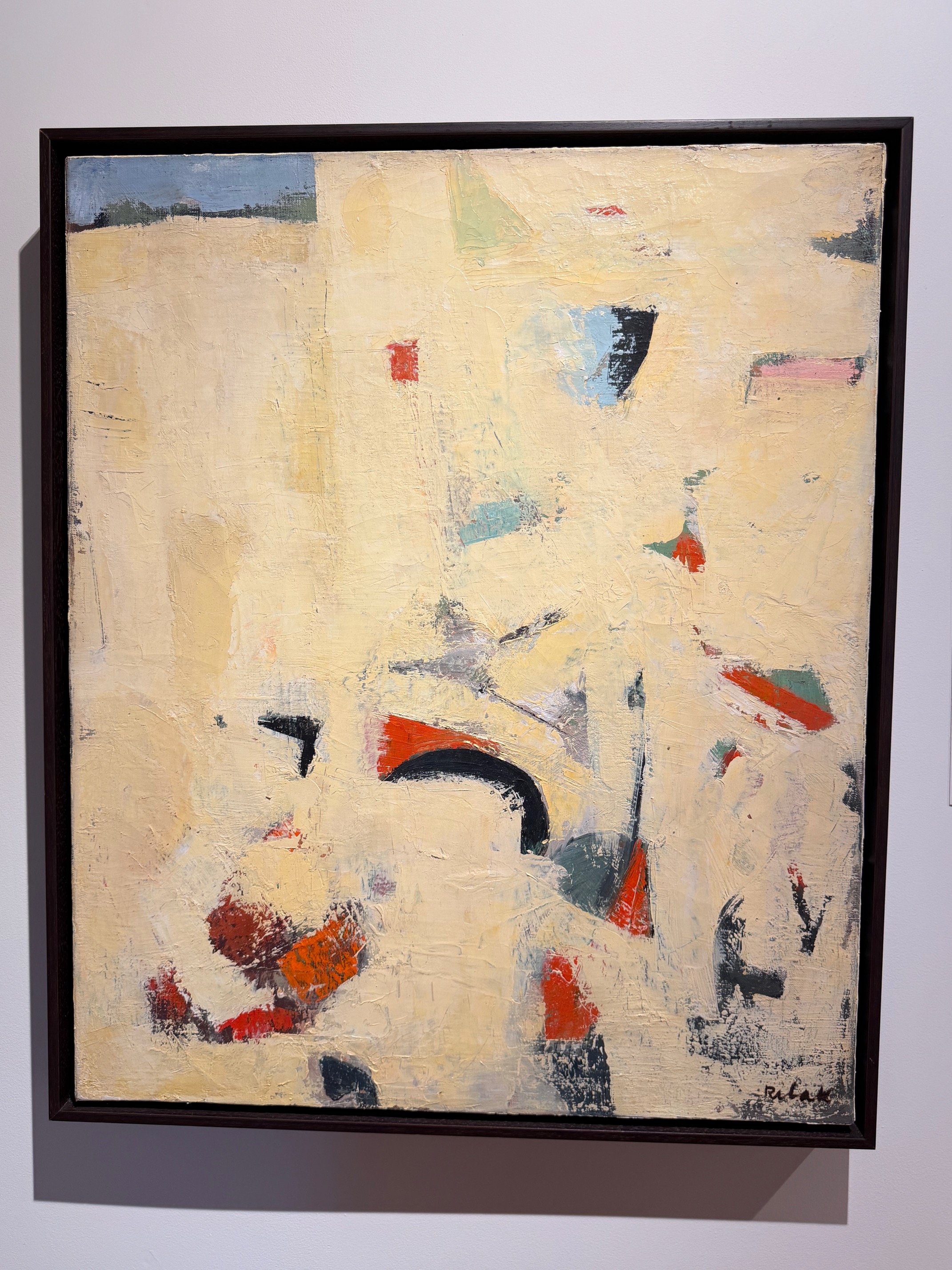
Louis Ribak’s Untitled (No. 9) – painting by one of the most influential teachers encouraging experimentation at the Taos Valley Art School. Courtesy: private collector; the Owings Gallery

It’s a beautiful, light-filled space that shows off these magnificent works to great advantage.  Take a look at some of our favorites in our Flickr album.

Doel Reed’s 1974 oil This Morning at Eight.
Janis and Roy Coffee Gallery

Onstage at Theatre Picasso at Tate Modern

To celebrate the 100th birthday of its most acclaimed Picasso painting – and its own 25th birthday – the Tate Modern decided to commission a team of creative curators and designers to create an innovative experience and new lens through which to view an artist who seems to define 20th-century modernism.

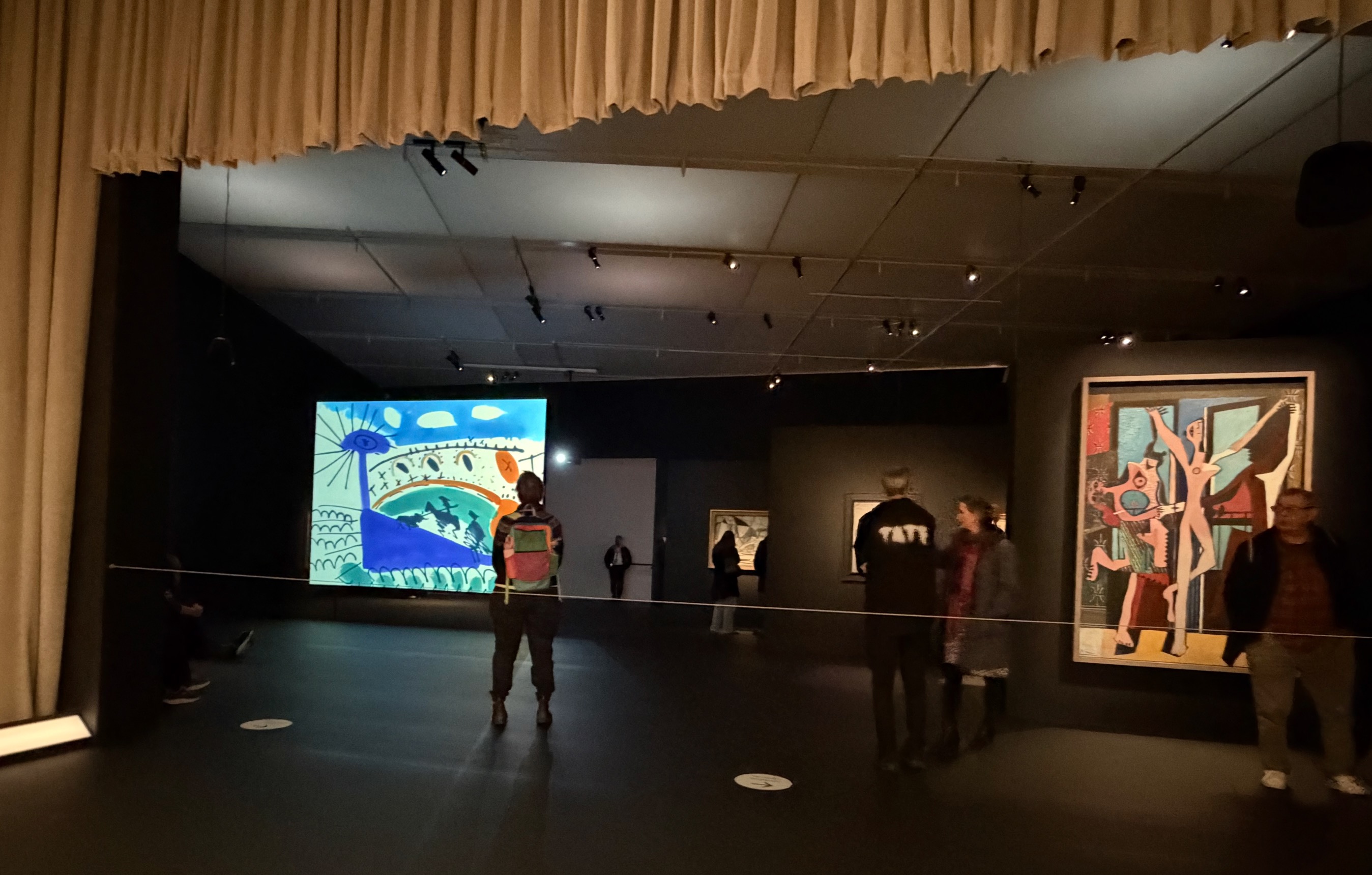
Theatre Picasso uses a proscenium-like stage, tiered seating, and a big screen to give everyone a backstage pass to view The Three Dancers and nearly 50 other works by the master himself. It’s all on view through April 12, 2026.

How do you create a fresh viewpoint on Picasso?

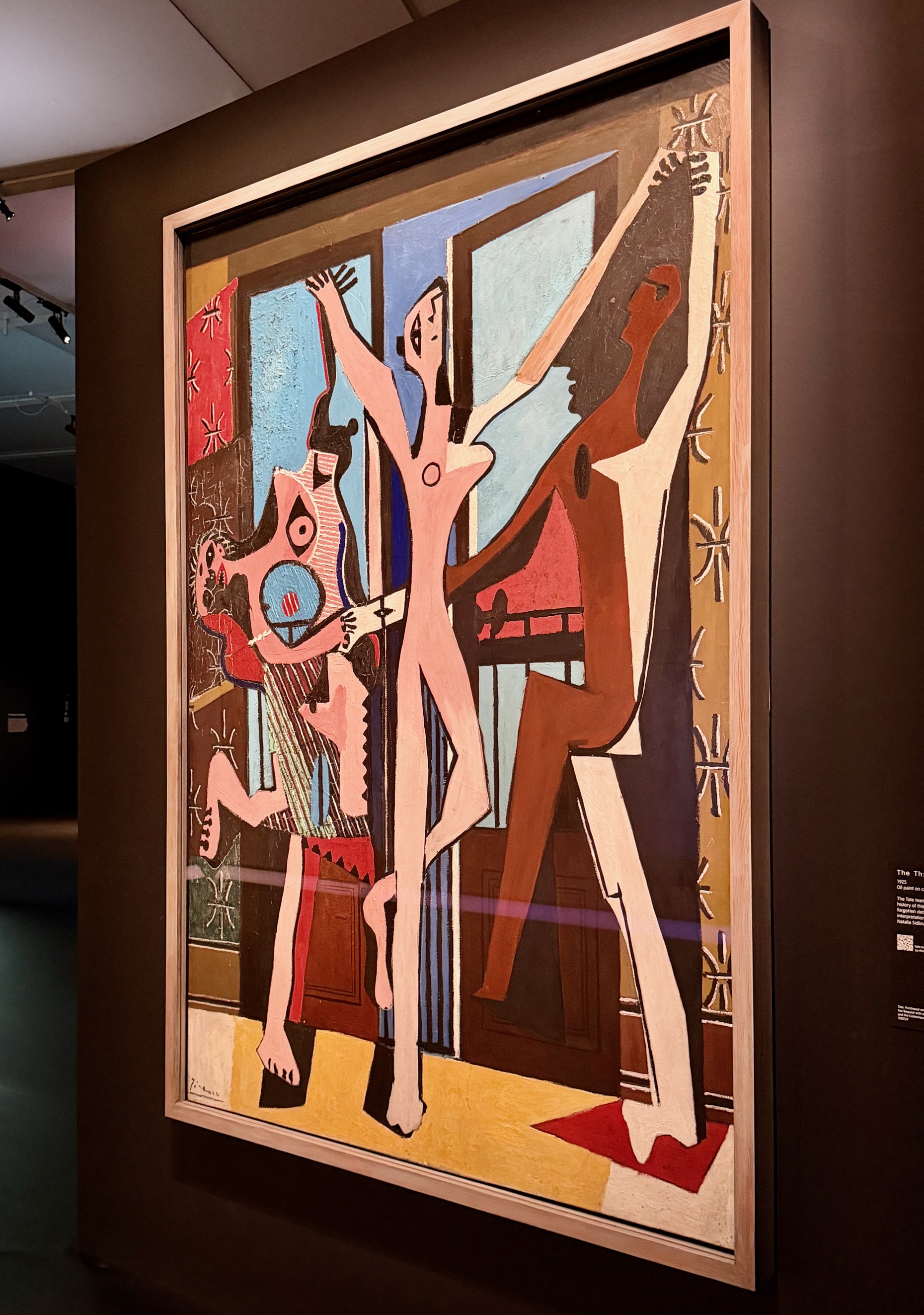
Picasso’s 1925 The Three Dancers – one of the Tate’s best-known works

The Tate Modern recruited two art-world mavericks – MacArthur (“genius”) grant recipient Wu Tsang and curator/author Enrique Fuenteblanca – who came up with a plan to stage the art in the same theatrical way that Picasso lived, created, and shape-shifted his entire life. .  Check out our favorite views in our Flickr album.

The exhibition entry is a nearly blank, but vigorously painted wall that only increases the suspense about what you will encounter inside – very much like entering a theatre with pent-up anticipation about the performance you’ll experience.  Some of the first images you see are images of Picasso hamming it up in makeshift costumes and headdresses in photos and film stills taken by his avant-garde pals – a reminder of his embrace of big personality, outsize physical statements, and alter egos. He was always performing in public.

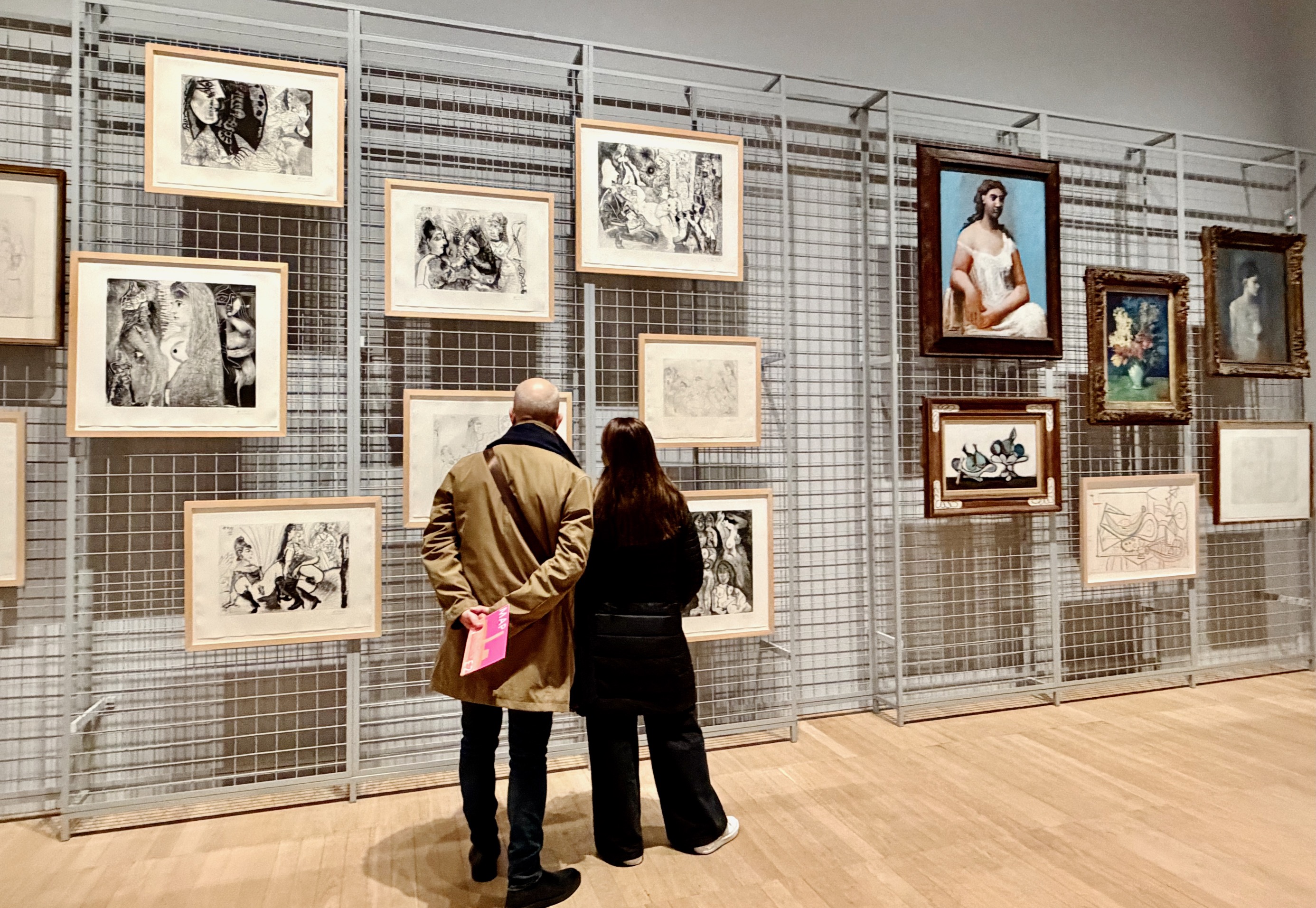
Performativity: Visitors scan a “backstage” wall of Picasso’s theatrically staged and posed scenes, some classical and some scandalous but always being showcased

A winding path leads next to a gallery with fittings hung with artwork that creates a slightly backstage feel. It’s a wall of smaller etchings, prints, and paintings from Picasso’s entire career, all selected to show how he loved creating a compositional frame for his sitters, groups, and abstracted still lifes. The curators want us to think about his performativity.

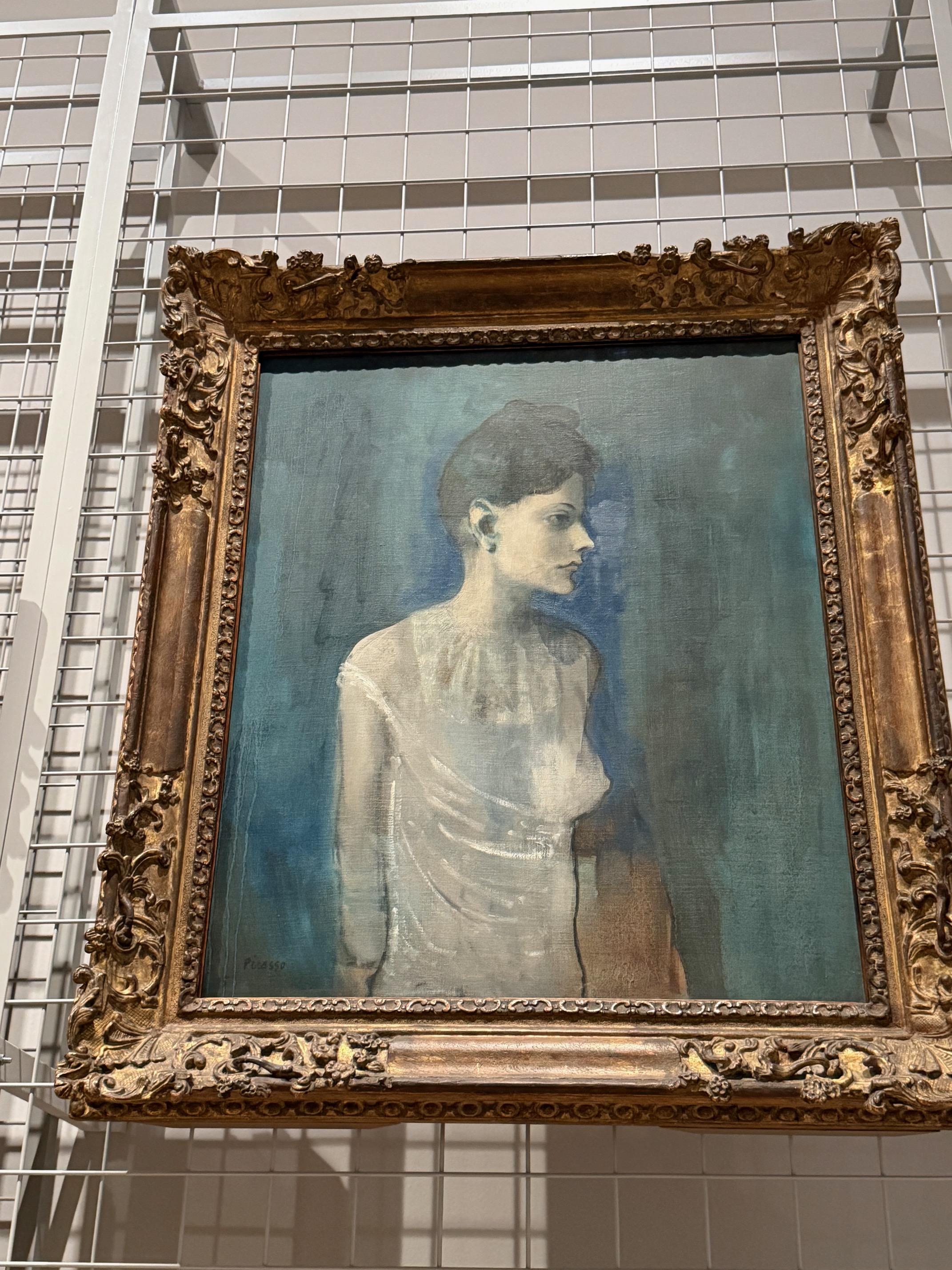
Picasso’s 1905 Girl in a Chemise – initially painted as a depiction of a young man
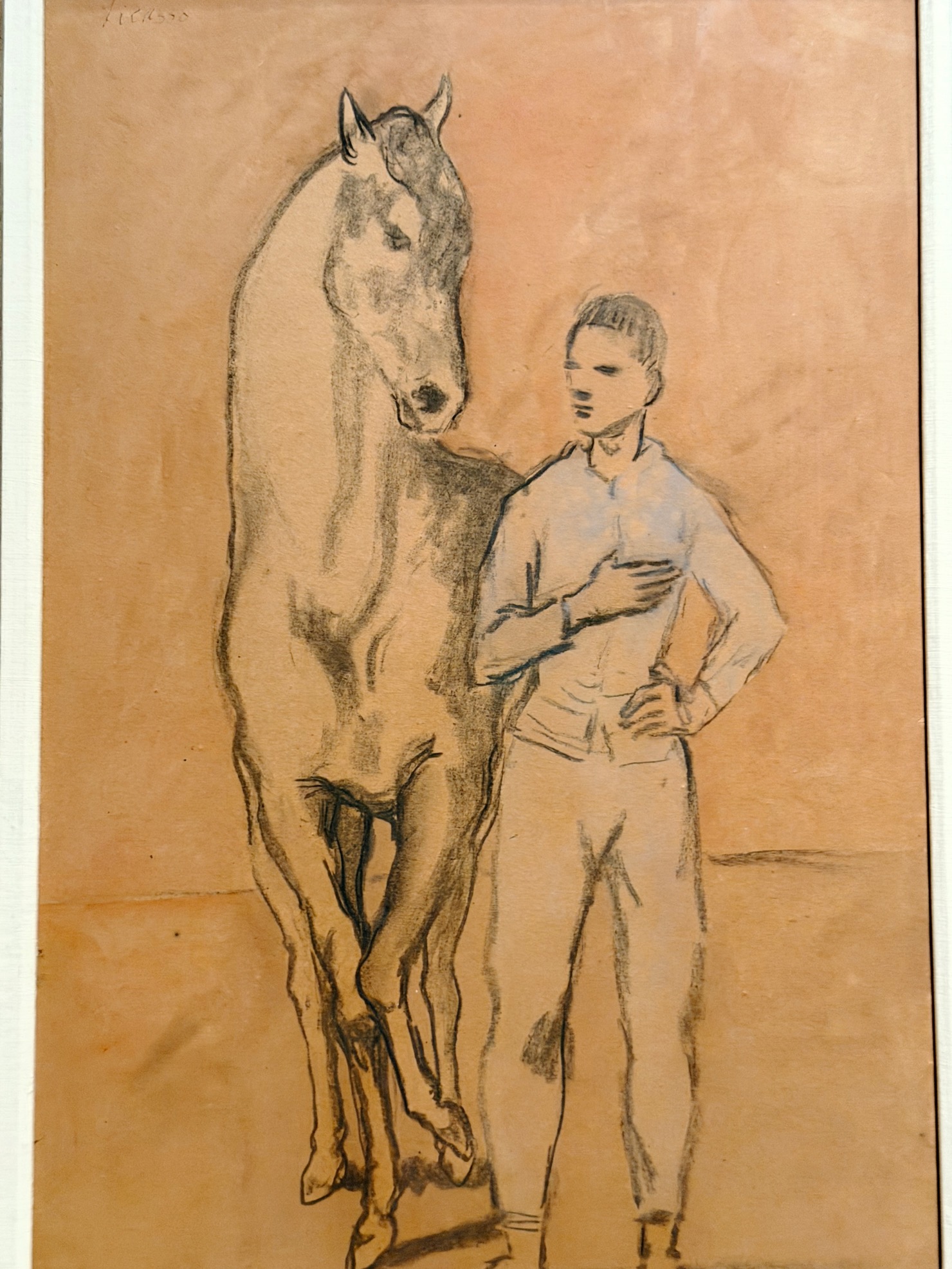
Picasso’s 1905-1906 watercolor and gouache Horse with a Youth in Blue.

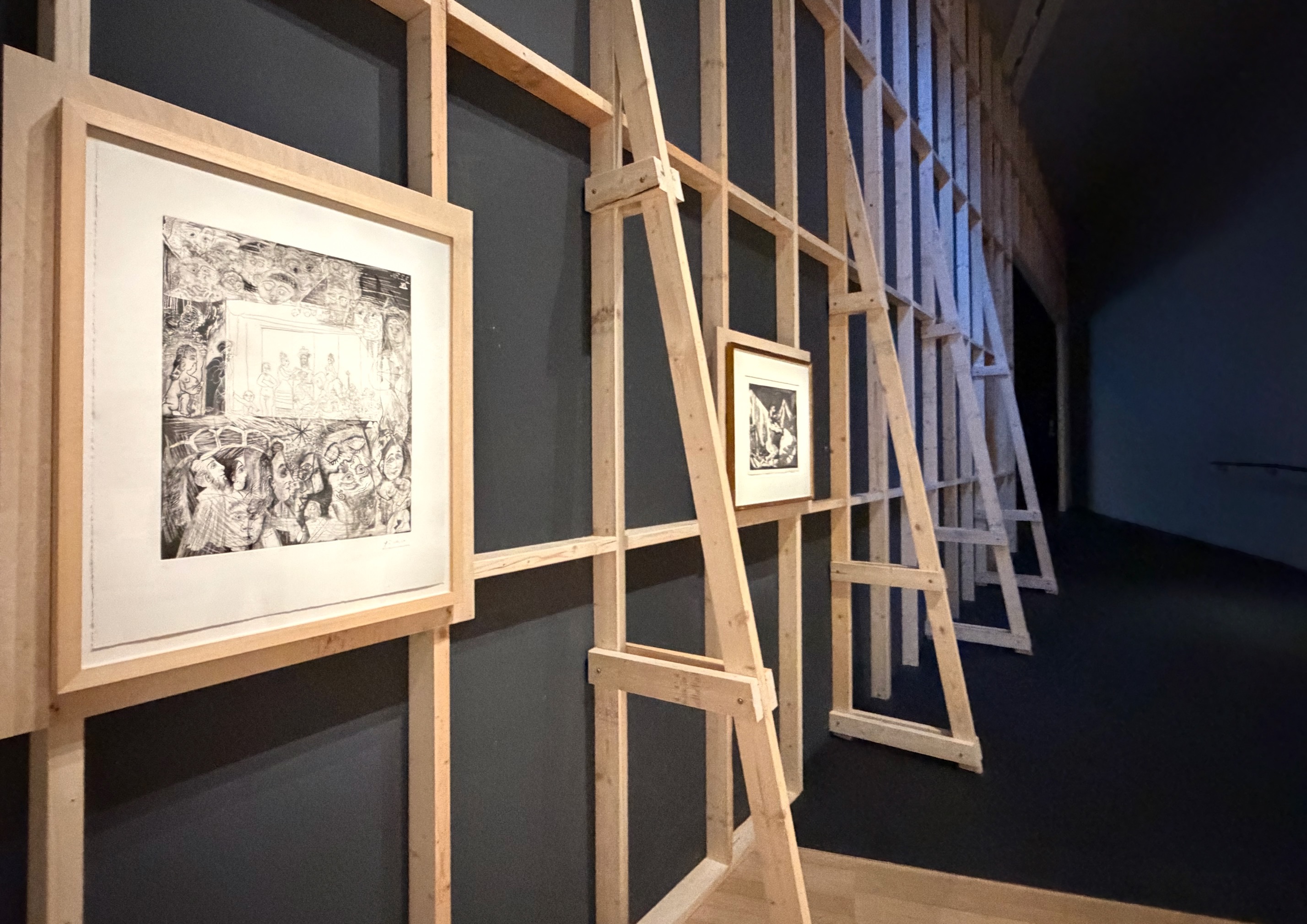
Walking further, you see a photo from a 1932 exhibition that Picasso famously “staged” himself, followed by a wall of wooden supports that definitely looks like you’re manuevering behind a stage set. There are two carefully placed Picasso etchings that reference Rembrandt that drive home the point about Picasso’s heightened theatricality, including a print with the chaotic mass of humanity hovering about a stage set with unusual players.

Two of Picasso’s etching and aquatints mounted “backstage” – 1970 Ecce Homo after Rembrandt IV State V 03-02-1970 and 1936 Faun Revealing a Sleeping Woman (Jupiter and Antiope, after Rembrandt).

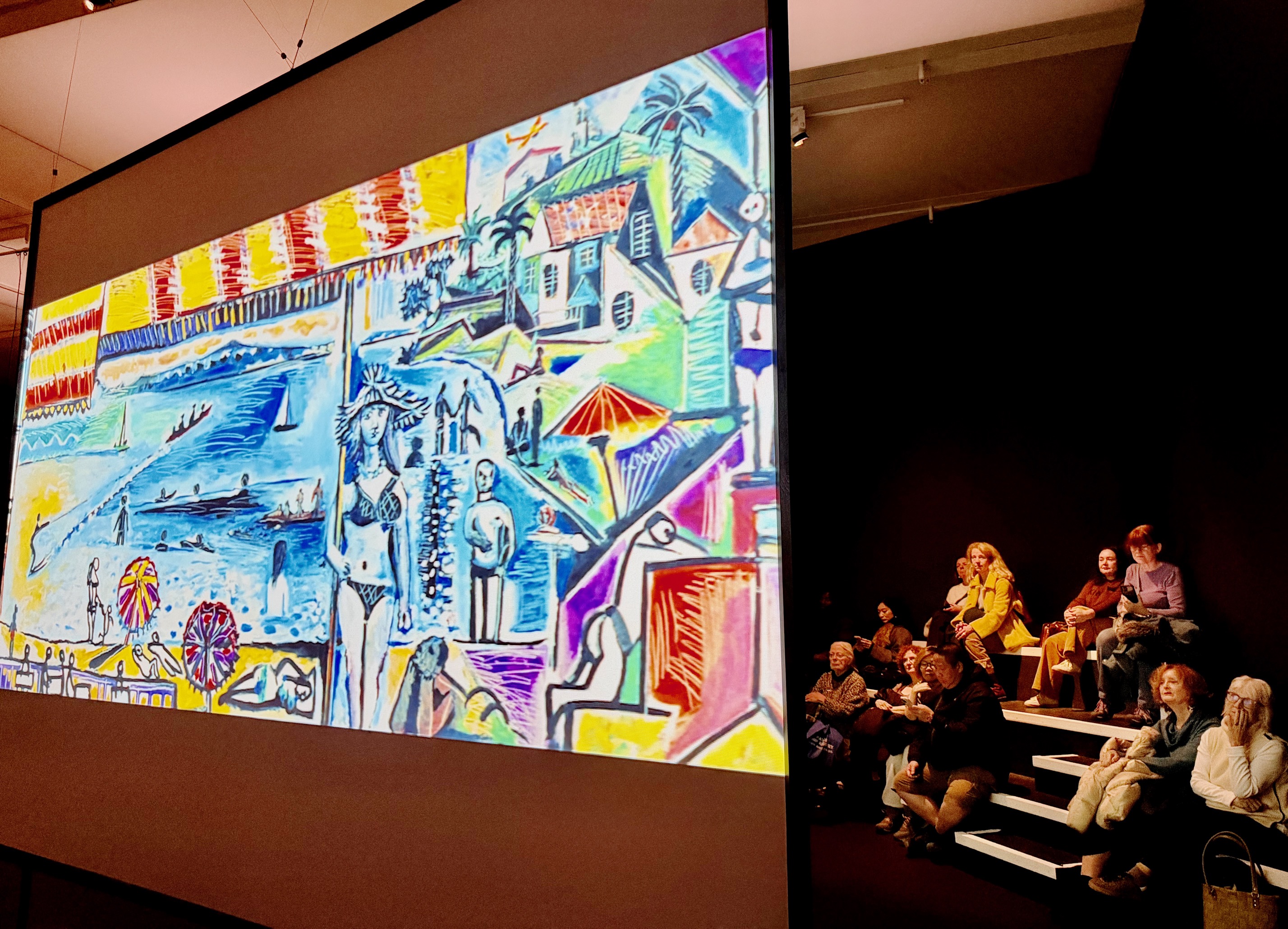
Around the corner into the main exhibition space, you see it all – a large movie screen, a film showing Picasso in action, and a proscenium across the room that functions like an aperture through which to view more Picassos. An audience sits in rapt attention watching the movie, which features drawings that materialize in thin air from Picasso’s hand.

From behind the screen: audience watches Henri-Georges Clouzot’s 1956 film The Mystery of Picasso. Courtesy: Gaumont

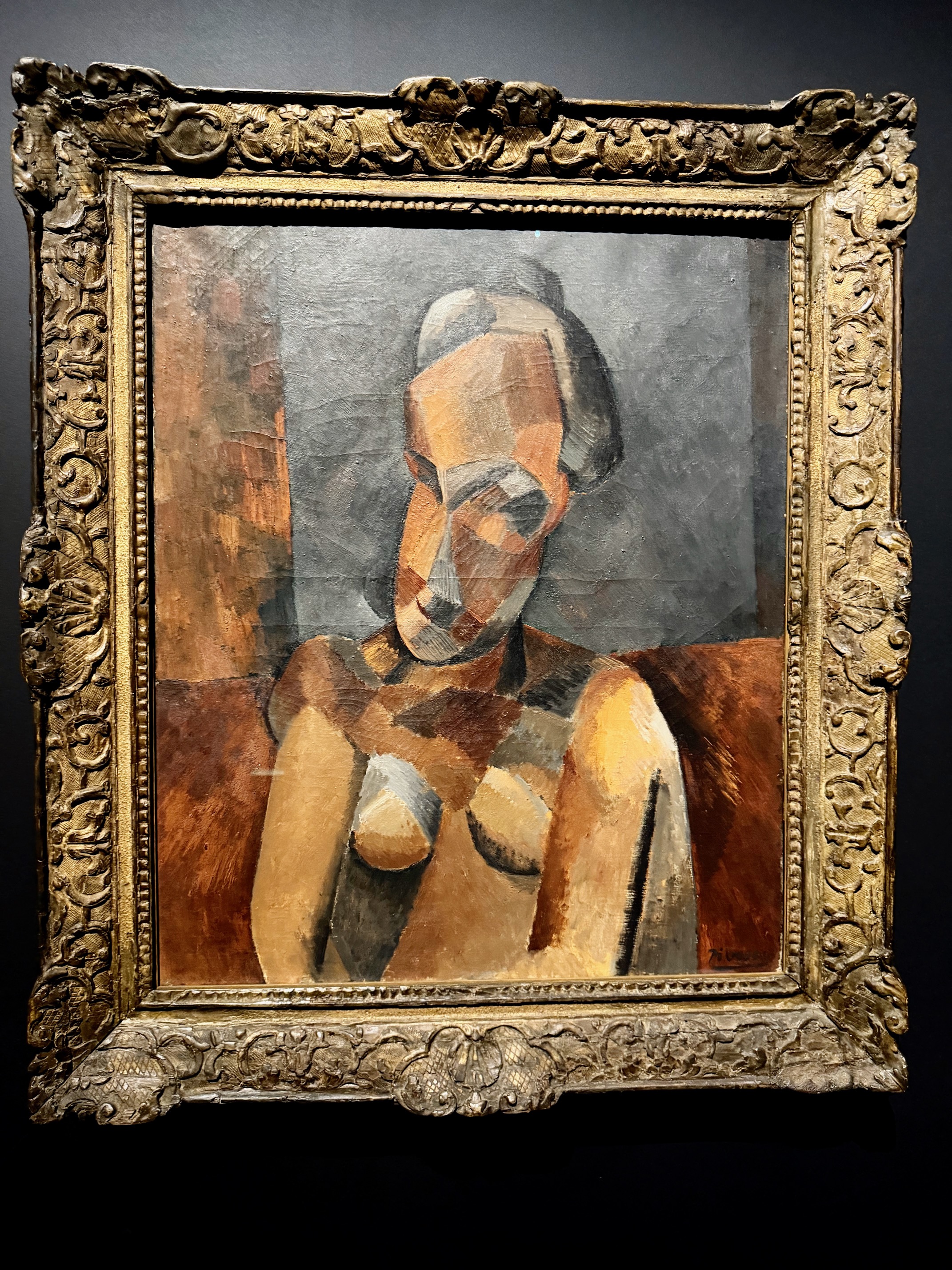
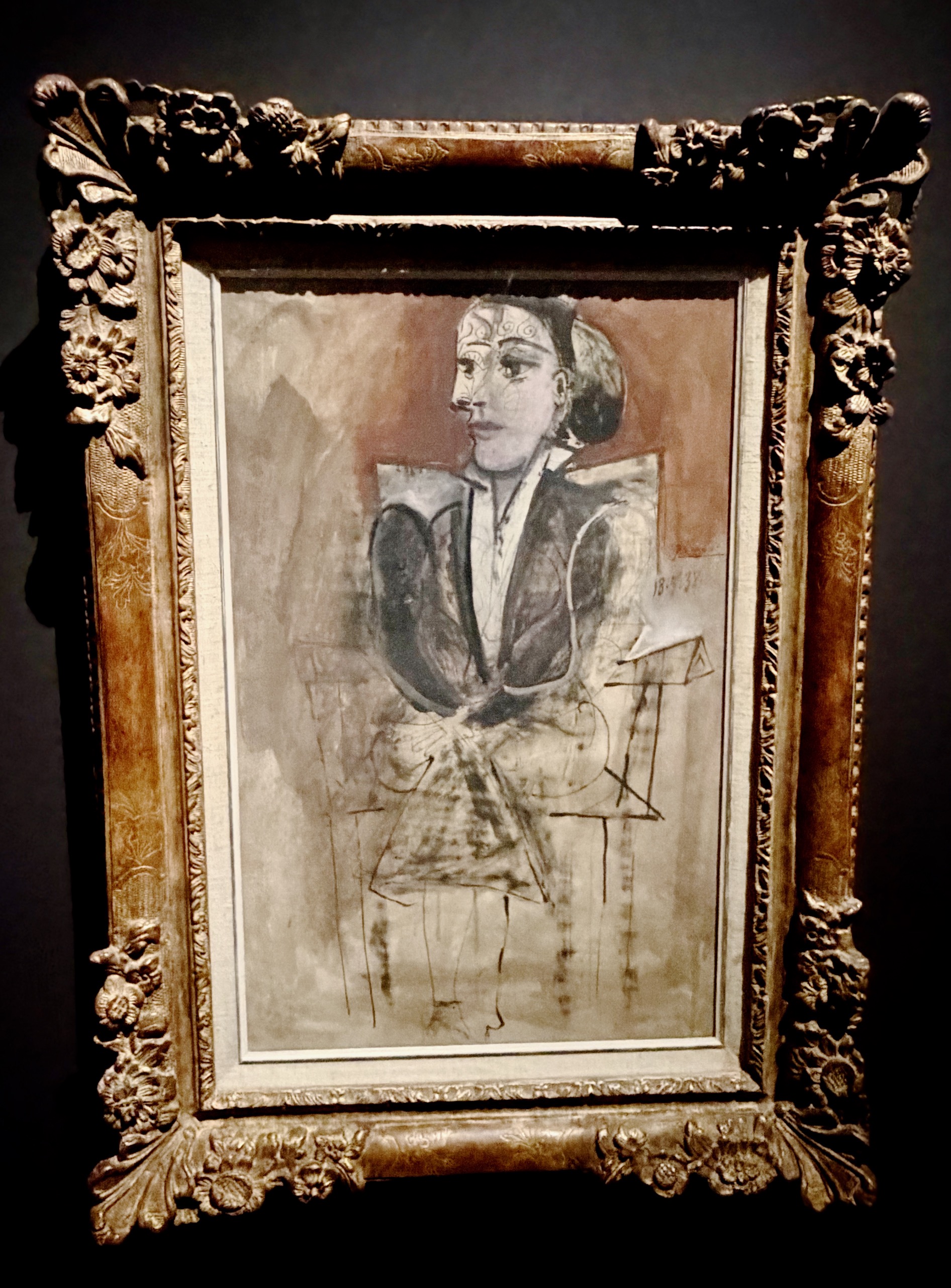
An inviting exhibition space opens out to the left, featuring works a range of works collected by the Tate (along with a few on loan from Muséée international Picasso-Paris) – cubist portraits, early still life collages, dramatically posed models, action sketches of bullfights, and his post-War lithograph Dove, which became the symbol of the international peace movement. It highlights how the artist staged and experimented with people, events, and symbols in his art.

Contemplating the museum’s collecting choices: Picasso’s 1909 oil Bust of a Woman.
Picasso’s 1938 ink, gouache, and oil Dora Maar Seated.

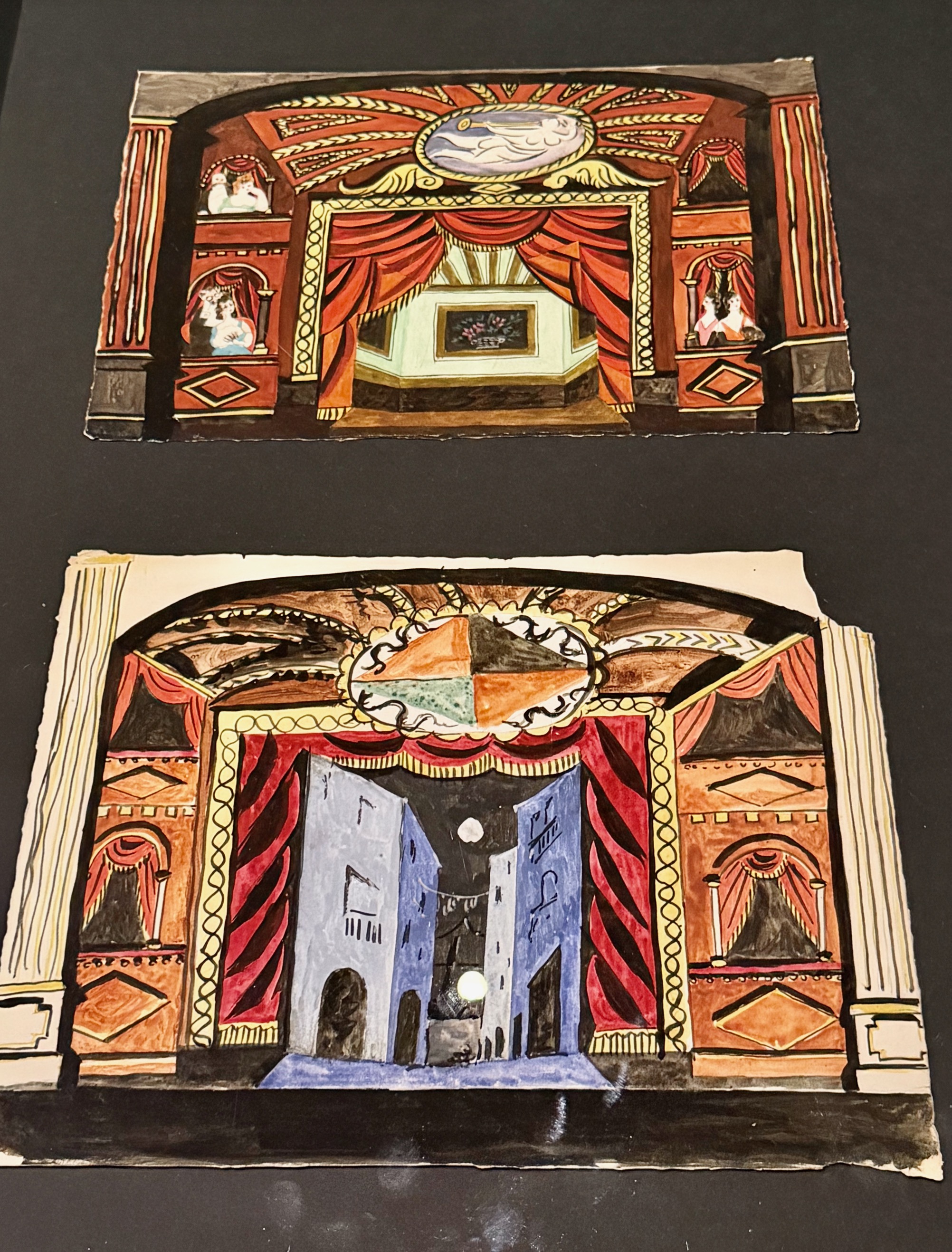
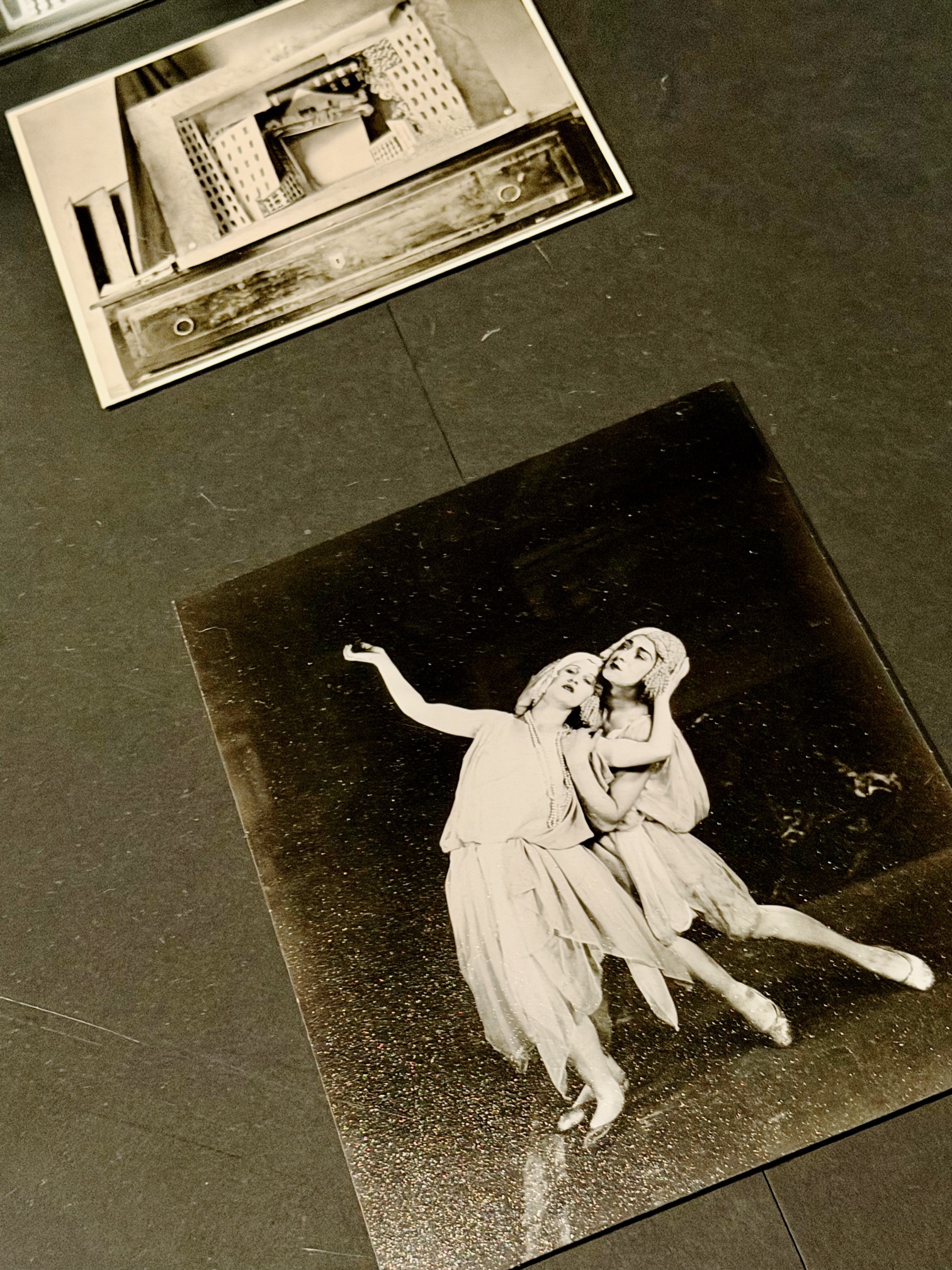
The journey all leads to a punctuation point – a view into Picasso’s early enthusiasm and aptitude for live theater, dance, artifice, and fantasy of the theater itself. Cases of small photos and sketches that chronicle Picasso’s designs for stage drops, costumes, and sets for the Ballet Russe – a legendary collaboration that boosted Picasso’s fame and fortune.

Copies of Picasso’s set designs for Sergei Diaghilev’s Ballets Russes: 1920 sketch for the ballet Pucinella and 1921 sketch for Cuadro Flamenco.
1917 photo of the Parade set model for the Ballet Russe; Sasha’s 1927 photo of Venus (Vera Petrova) and Apollo (Boris Lissanevitch) in Picasso’s costumes for Mercure for a rival avant-garde company.

And finally, there’s a full view – from a proscenium stage – of The Three Dancers, in which three performers form a tableau near an open window.

The audience takes the stage: view of Henri-Georges Clouzot’s 1956 film The Mystery of Picasso and Picasso’s 1925 The Three Dancers. Courtesy: Gaumont; the Tate.

Here’s the Tate’s deeper dive into Picasso’s inspiration from popular dance and how he channeled personal trauma and loss into his final painting. No wonder he kept this work particularly close.

And turn around to see the finalé – Picasso’s The Painter and His Model,

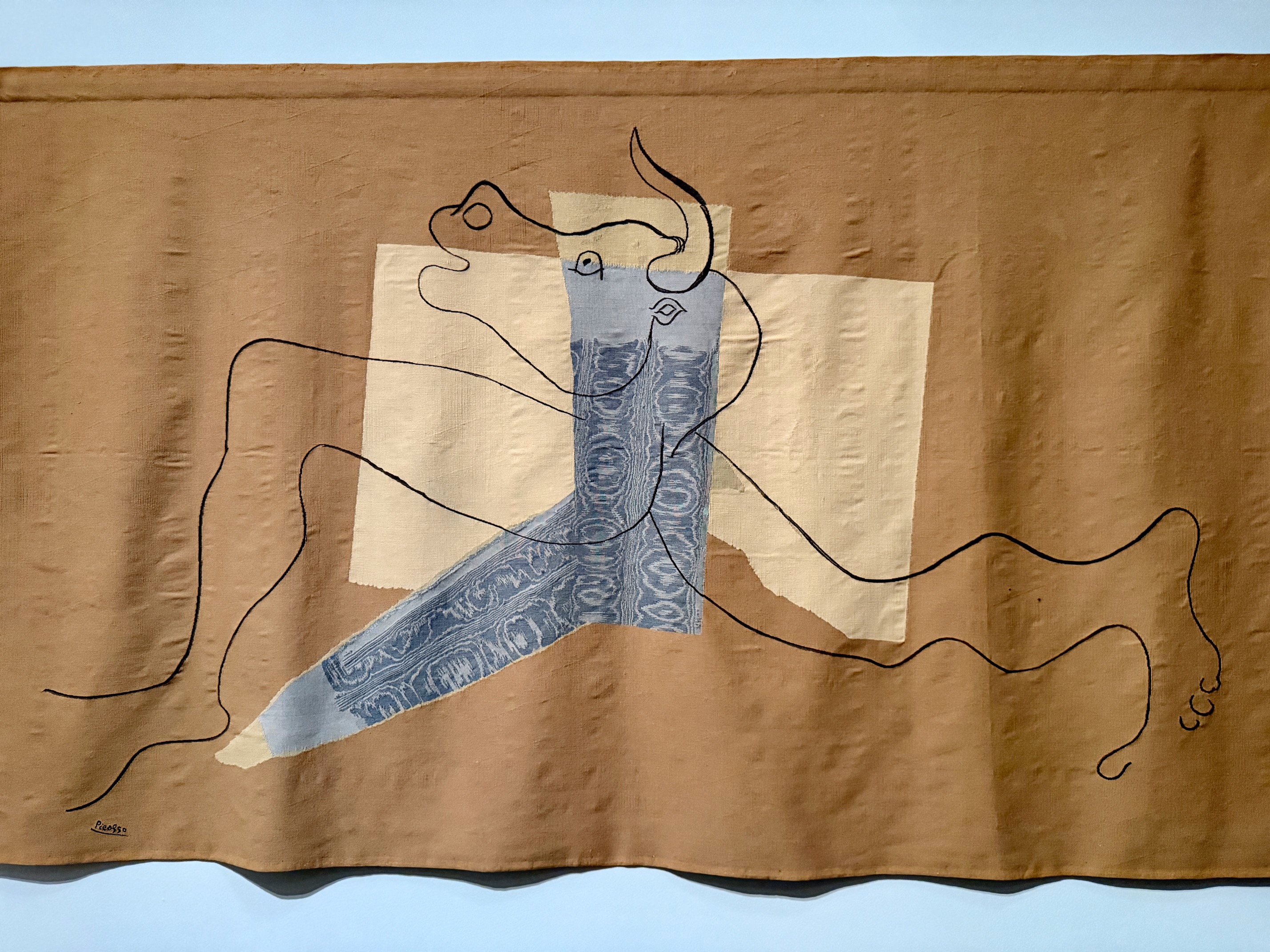
The Acrobat, and a dramatic tapestry of one of Picasso’s personae, The Minotaur, that seems like a big, grand theatrical drop curtain. It isn’t, but hits the perfect note to the end of an entertaining, theatrical show about one of the 20th century’s epic performers.

1935 wool and silk tapestry after Picasso’s 1928 Le Minotaur. Courtesy: Musée Picasso, Antibes.

Environmental Alerts by Native Artists

Who better to ask us to pay attention to environmental impacts than people whose ancestors have been stewards of the land for millennia? Earth, air, fire, and water is the thematic structure for this beautiful, throught-provoking contemporary art show Essential Elements: Art, Environment, and Indigenous Futures, on view at Santa Fe’s Museum of Indian Arts and Culture through May 31, 2026.

The curators have selected 31 artists from 18 tribal communities across the United States to draw our attention to how tribal communities and the rest of us can listen to the Earth and imagine positive outcomes in the future.

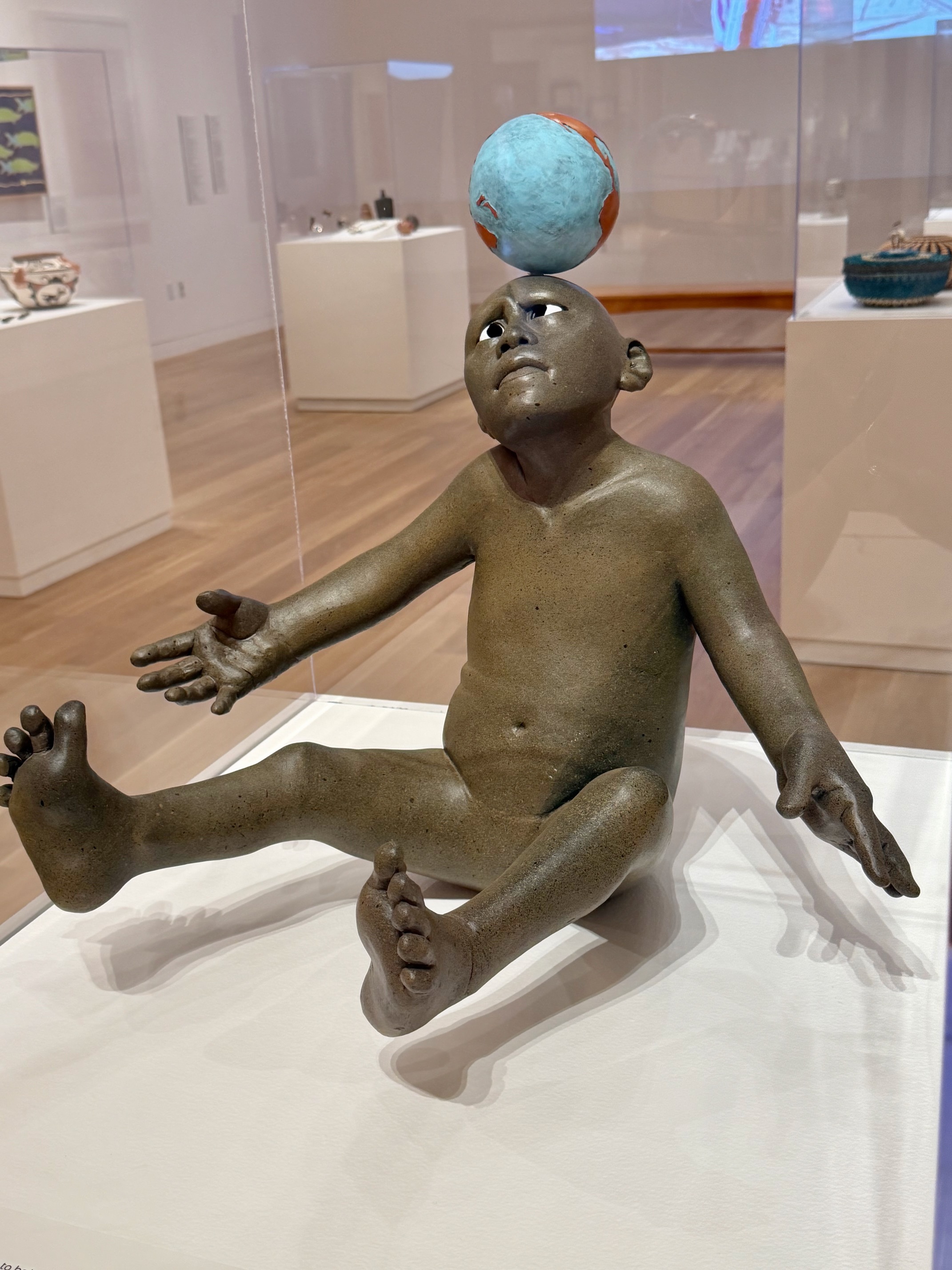
The Earth on edge: 2020 fired clay Unstable World by Roxanne Swentzell (Santa Clara Pueblo). Courtesy: private collector.

Some jewelry, paintings, drawings, pots, and installations draw attention to traditional symbols of the Earth’s health (traditional symbols, wildlife living in a healthy environment), but many include pointed references to recent wildfires and other devastating alterations affecting tribal agriculture and people’s health.

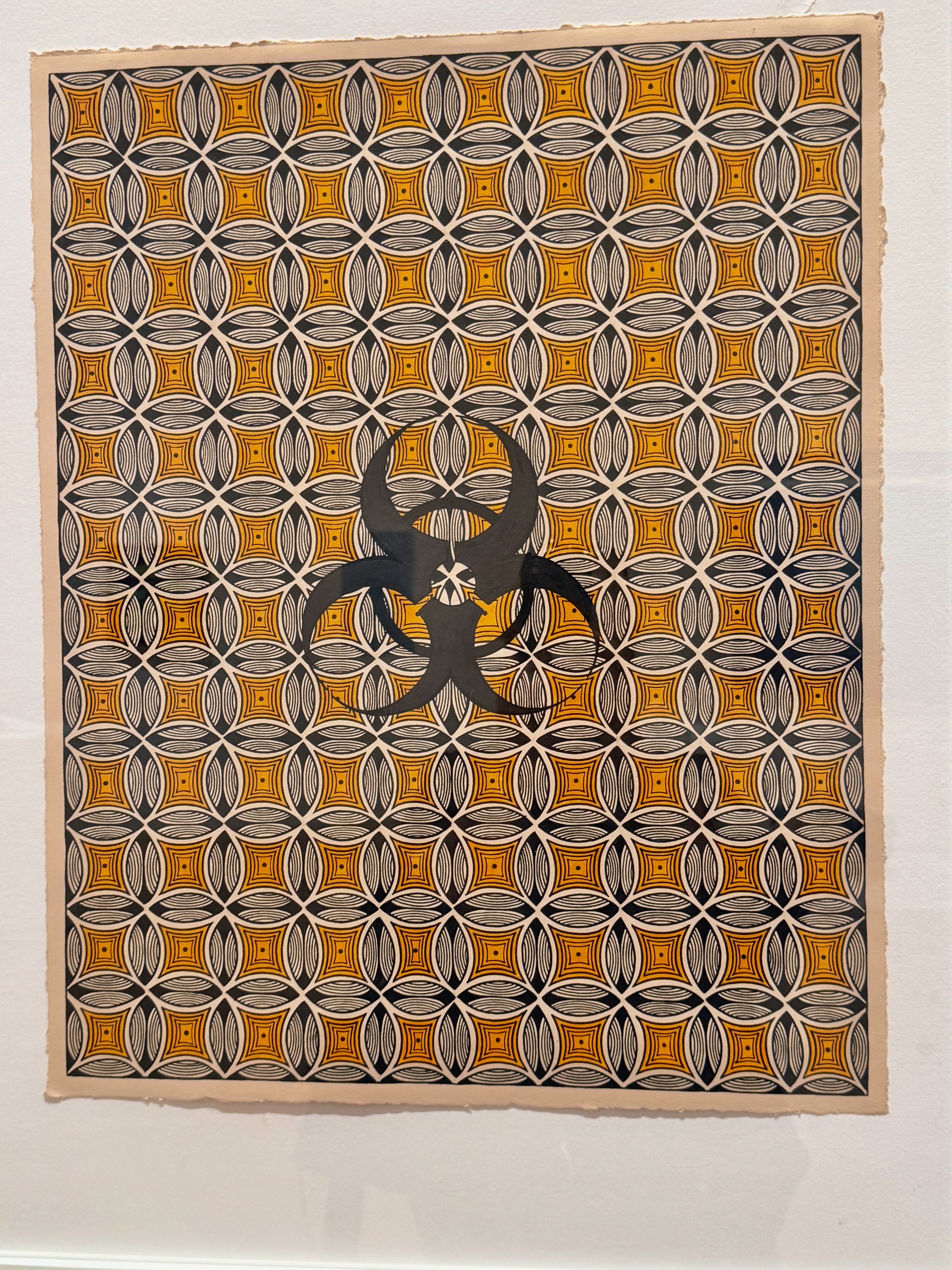
2025 pen-and-ink drawing Biohazard Beauty II by Rowan Harrison (Diné/Isleta Pueblo). Courtesy: the artist.

Take a look at some of our favorite work in our Flickr album.

The Earth section begins with Roxanne Swentzell’s large ceramic sculpture Unstable World, which sets the tone for the rest of the show – Native art that calls attention to our current environmental balancing act. Nearby, several Diné artists ring the alarm bell about the insidious damage being done to Navajo Nation and nearby pueblos – and their own families – from the long legacy of open-pit uranium mining and contamination from nuclear testing.

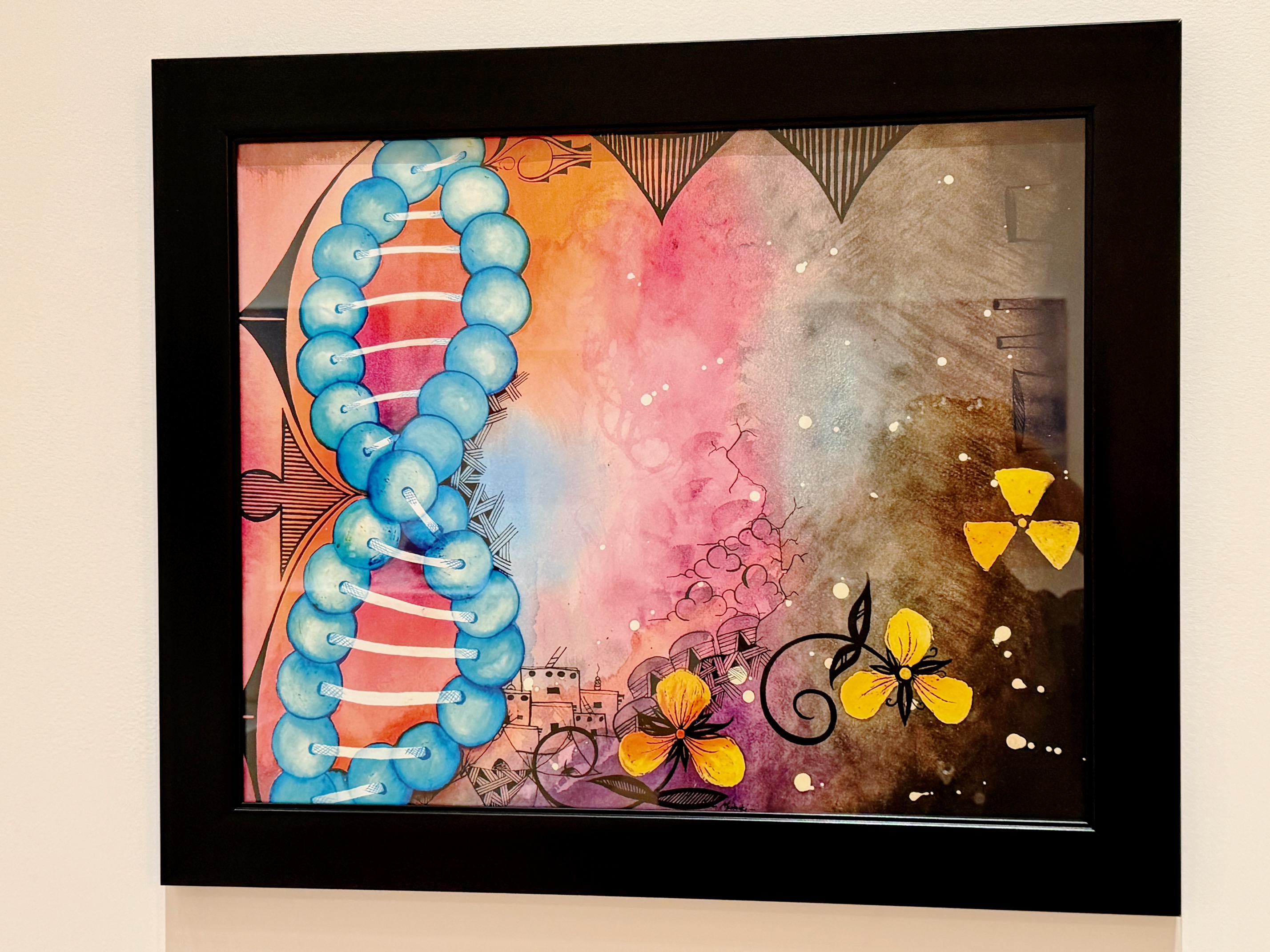
Rowan Harrison’s intricate drawings are made to raise awarness of intergenerational health challenges and to honor and support to cancer victims. The curators have given lots of space to Diné artist Shayla Blatchford’s photo-interview Anti-Uranium Mapping Project, including a sobering map of the nearly 500 abandoned uranium mines scattered across her homeland. Biologist-artist-public health advocate Mallery Quetawki (Zuni Pueblo), creates abstracted works. Only when you get close do you see the shapes are radiation symbols of uranium contamination working its way into DNA strands.

2019 We Will Continue to Fight by biologist-artist Mallery Quetawki (Zuni Pueblo), raising awareness of how radiation contamination on native land damages people’s DNA. Courtesy: the artist, University of New Mexico Community Environmental Health Program

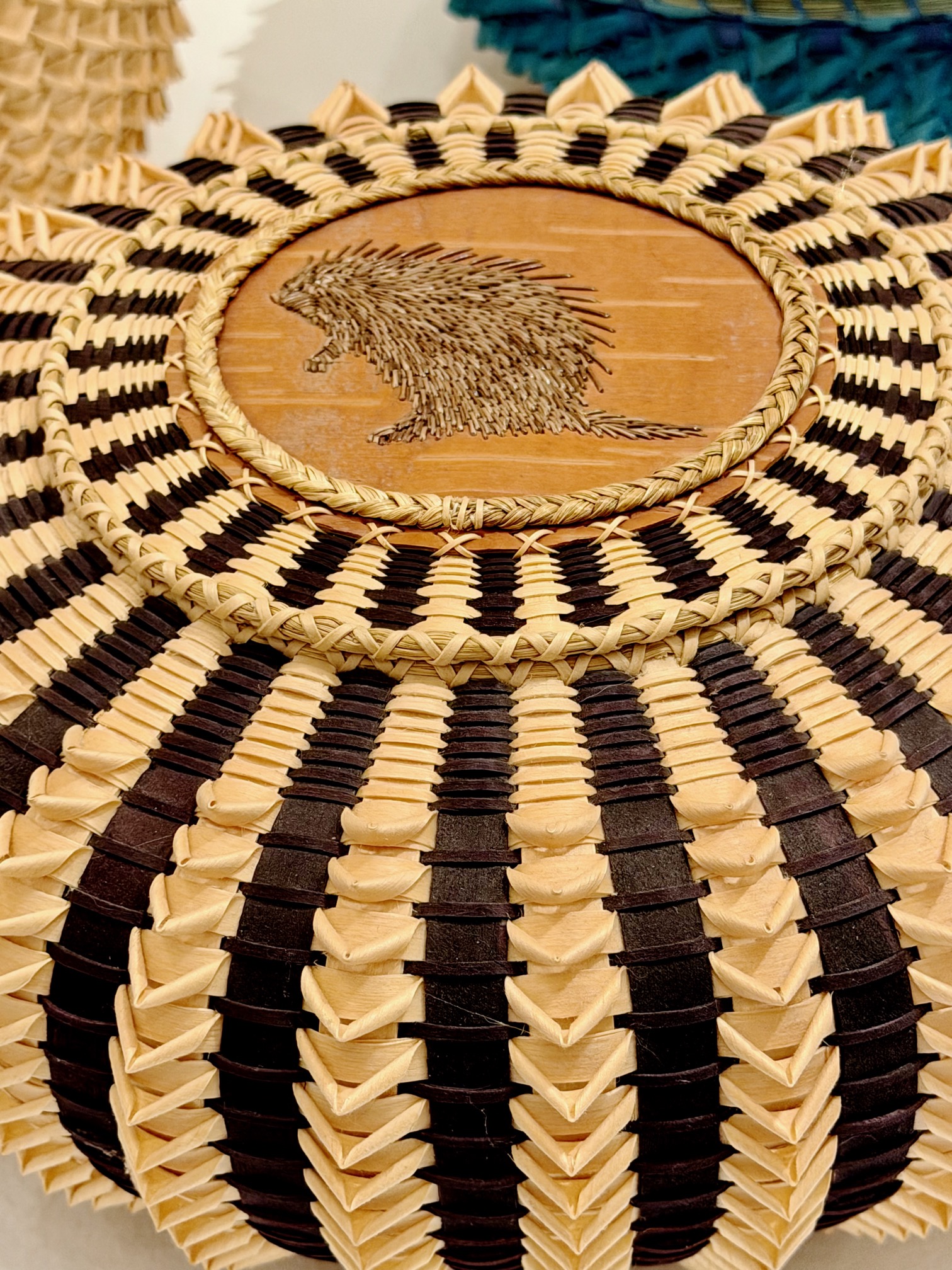
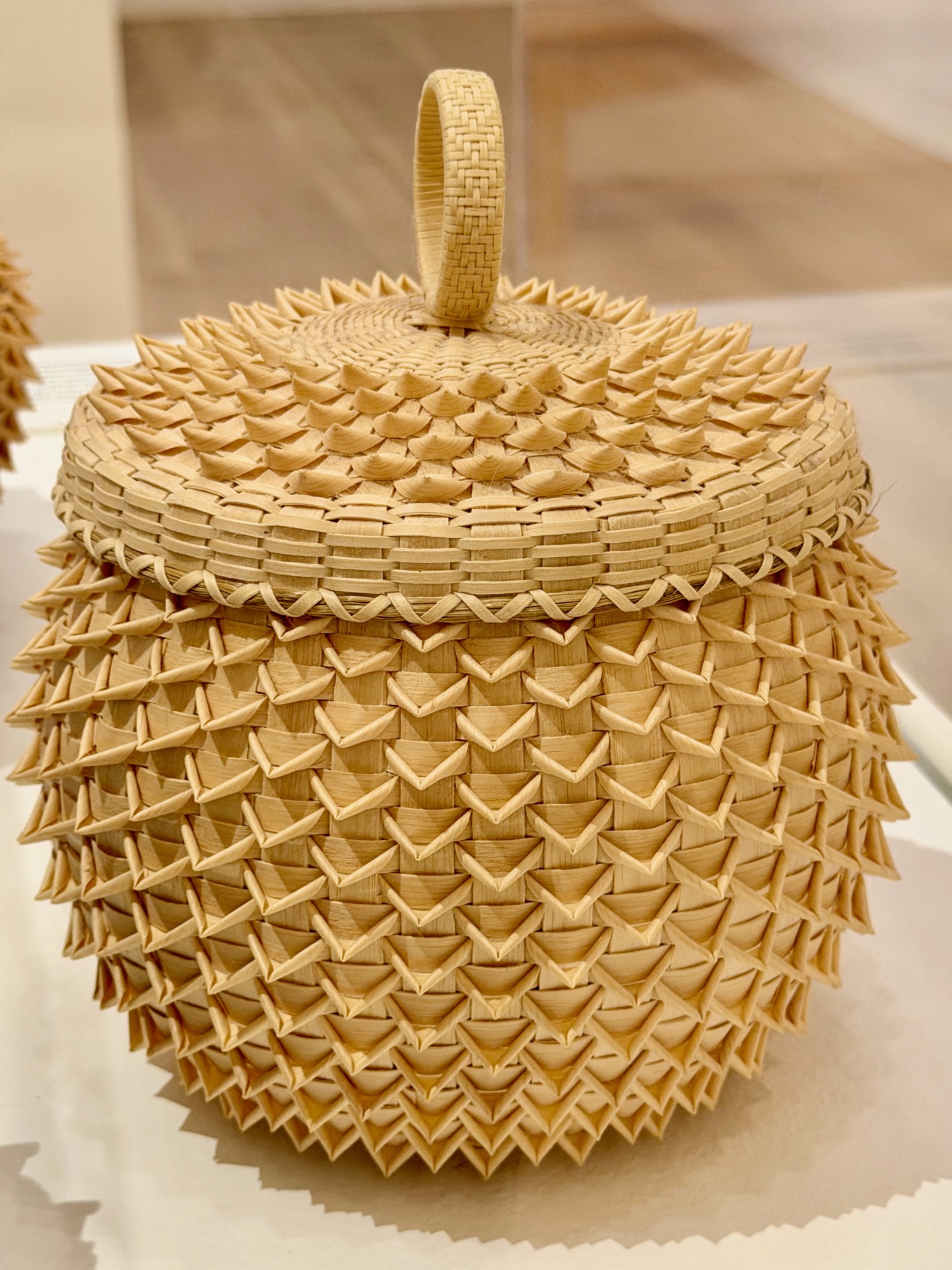
Beautiful, intricately woven baskets are displayed nearby. As you admire the creations of Jeremy Frey (Passamaquoddy), a 2025 recipient of the MacArthur Fellowship “genius” grant, it’s unsettling to learn that Jeremy and other Eastern art virtuosos are concerned that their baskets could be the last. Black ash and other natural materials are disappearing from their homelands at an alarming rate due to the triumph of invasive plant species.

Closeup of 2010 Lidded Basket with Porcupine Design by Jeremy Frey (Passamaquoddy) woven from black ash, sweetgrass, and porcupine quills; 2010 SWIA Market award winner. Courtesy: private collection.
2015 Ash Basket by Jeremy Frey (Passamaquoddy) woven from black ash, which is important to the tribe’s creation story, but highly endangered. Courtesy: private loan.

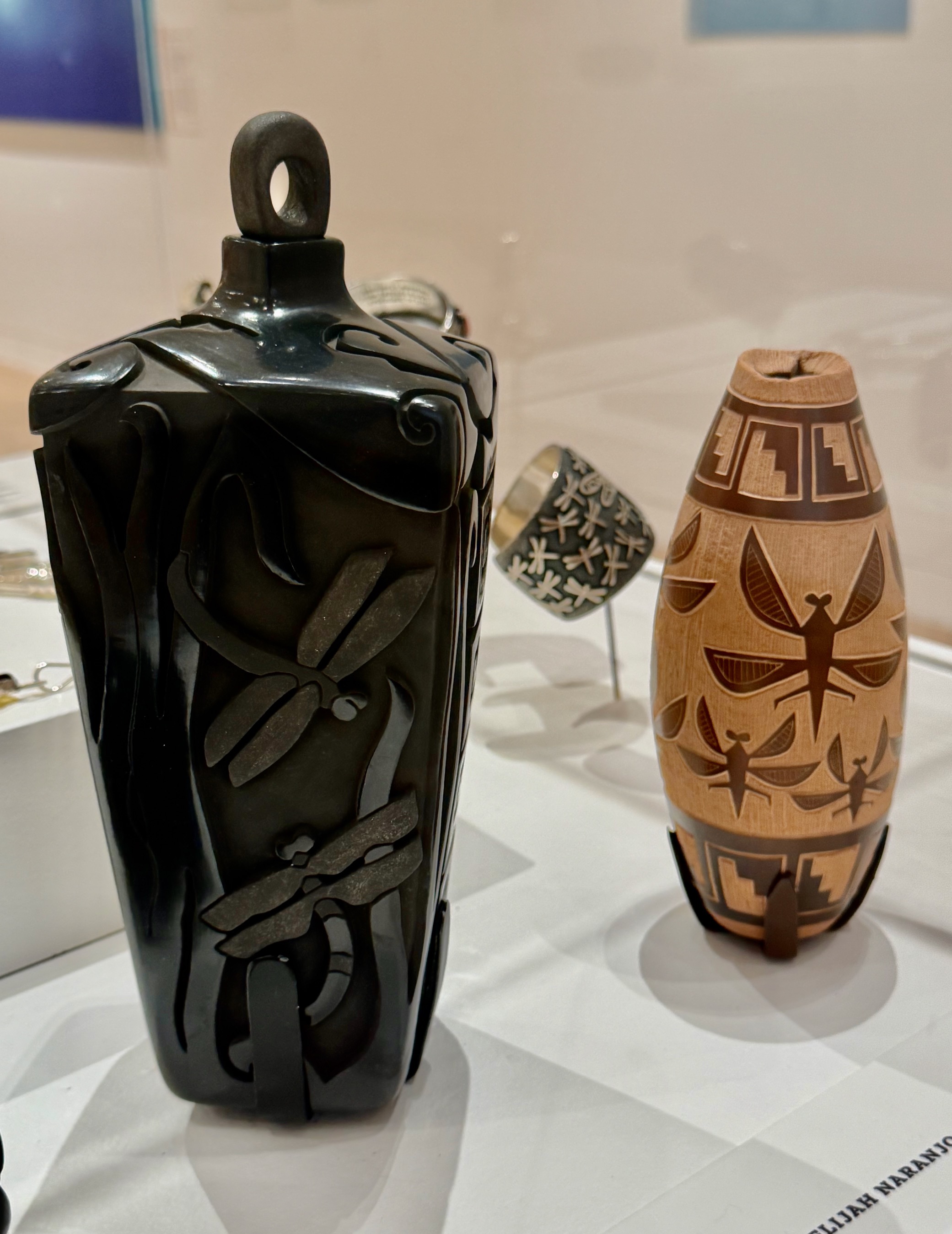
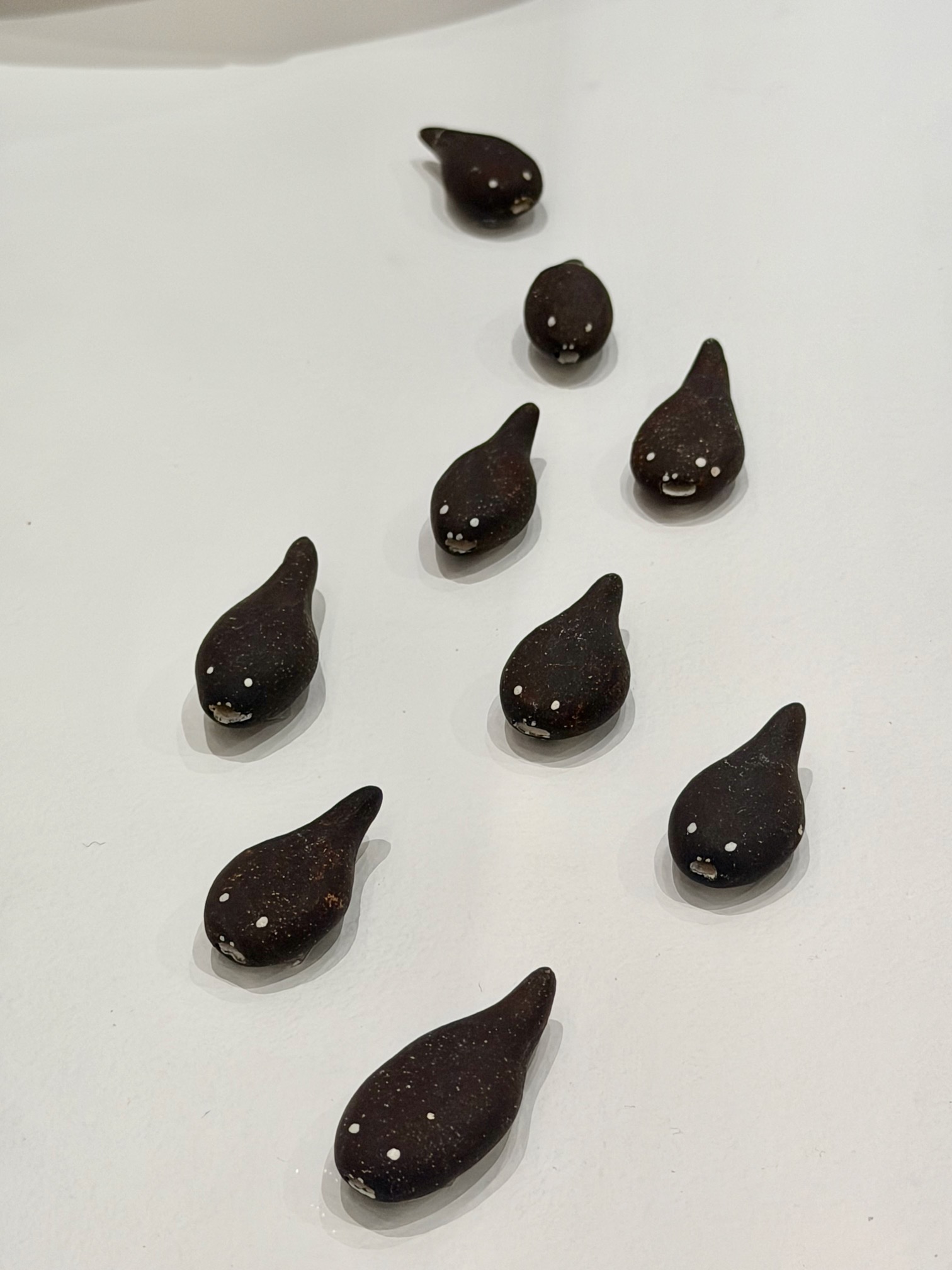
Other jewelry and ceramics artists incorporate images of animals, insects, and other indicators of what the world looks like when clean water and healthy air abound – dragonflies, tadpoles and frogs, and Avanyu, the all-important Puebloan water spirit. Multimedia artist Cannupa Hanska Luger is seen (via video) in a ritual performance “from the future” to ensure people’s continual gratitude for food, shelter, and tools.

Art featuring creatures of healthy air: 2001 Dragonfly Tall Lidded Jar by Autumn Borts (Santa Clara Pueblo), 2005 Dragonfly Bracelet by Ramon Dalangyawma (Hopi), and 2006 Dragonfly Vase by Dolly Naranjo Neikrug (Santa Clara Pueblo).
Keystone water species: 1958 ceramic Tadpole Figurines by Lucy Lewis (Acoma Pueblo); clay, crushed potshard temper, slip, and carbon paint.

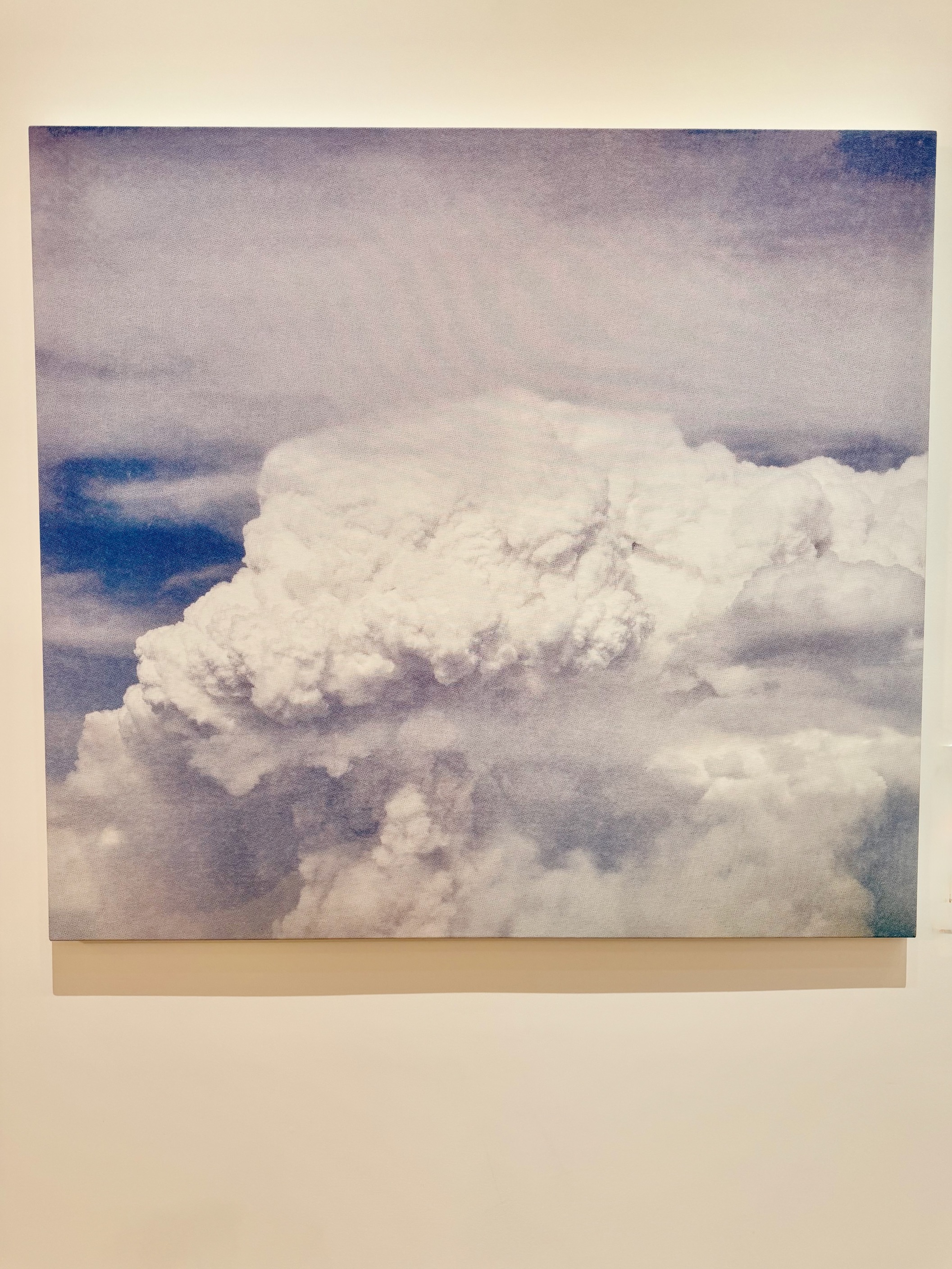
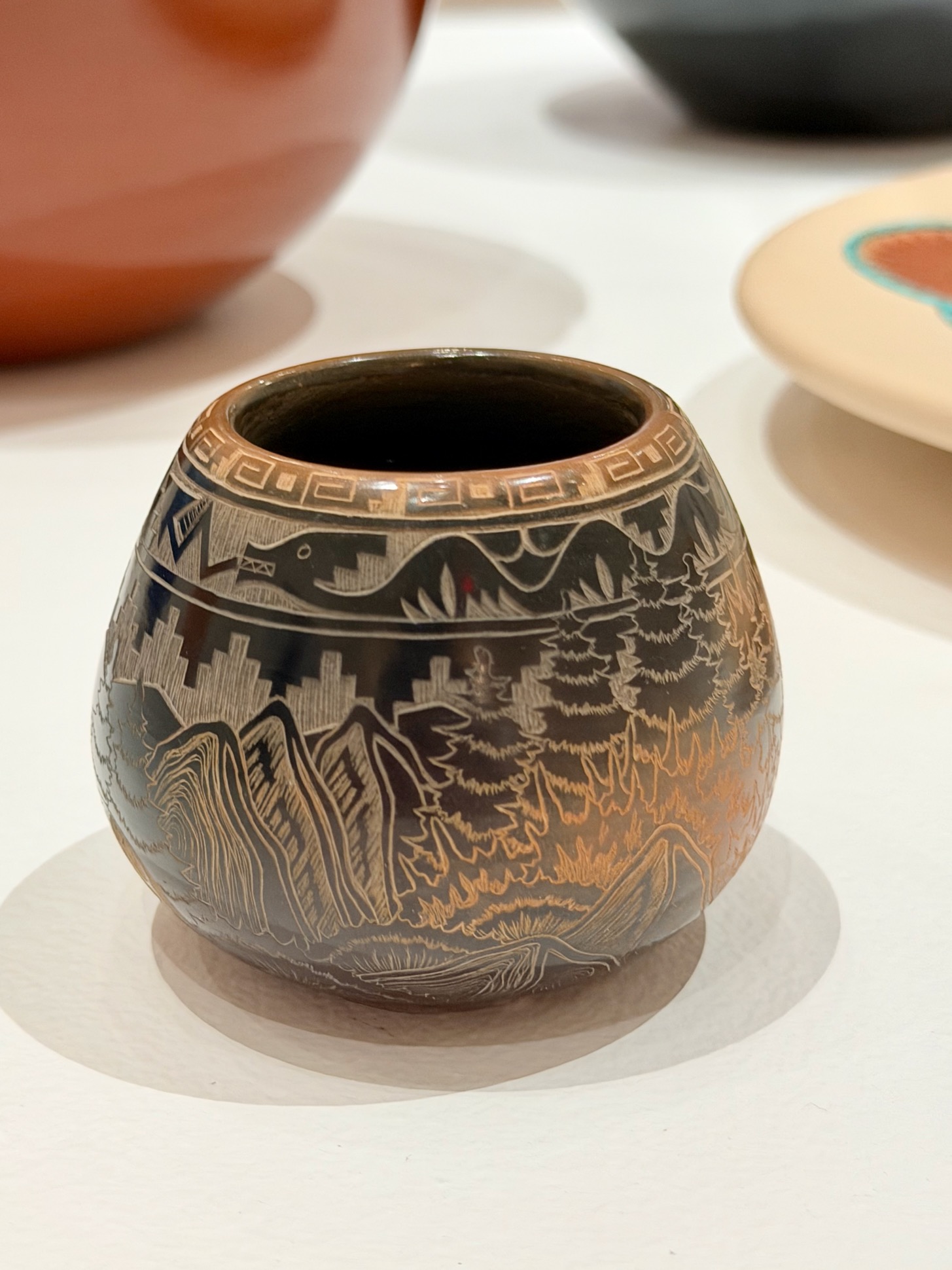
Considering the string of recent devastating wildfires that have plagued New Mexico in recent years, the artwork in the exhibition representing the element of fire is truly resonant. Kevin Naranjo made a tiny ceramic jar into which he carved his recollection of the wildly destructive 2011 Las Conchas Fire. Michael Namingha’s spectacular digital image is not just a pretty view of the sky. It’s the image of a cloud that only appears above an extremely intense heat source – exactly what he photographed during the 2022 Hermit’s Peak Fire or that New Mexicans witnessed in the Trinity blast.

2024 silkscreen Disaster 2 by Michael Namingha (Tewa-Hopi) – a pyrocumulus cloud emerging from the Hermit’s Peak Fire, the largest wildfire in New Mexico’s history. Courtesy: the artist, Niman Fine Art.
2011 Las Conchas Fire by Kevin Naranjo (Santa Clara Pueblo) – a carved (sgraffito) ceramic depcting trees, land, and fire that burned 150,000 acres of Santa Clara’s land on the Pajarito Plateau, including ancestral sites; the Avanyu water spirit hovers above.

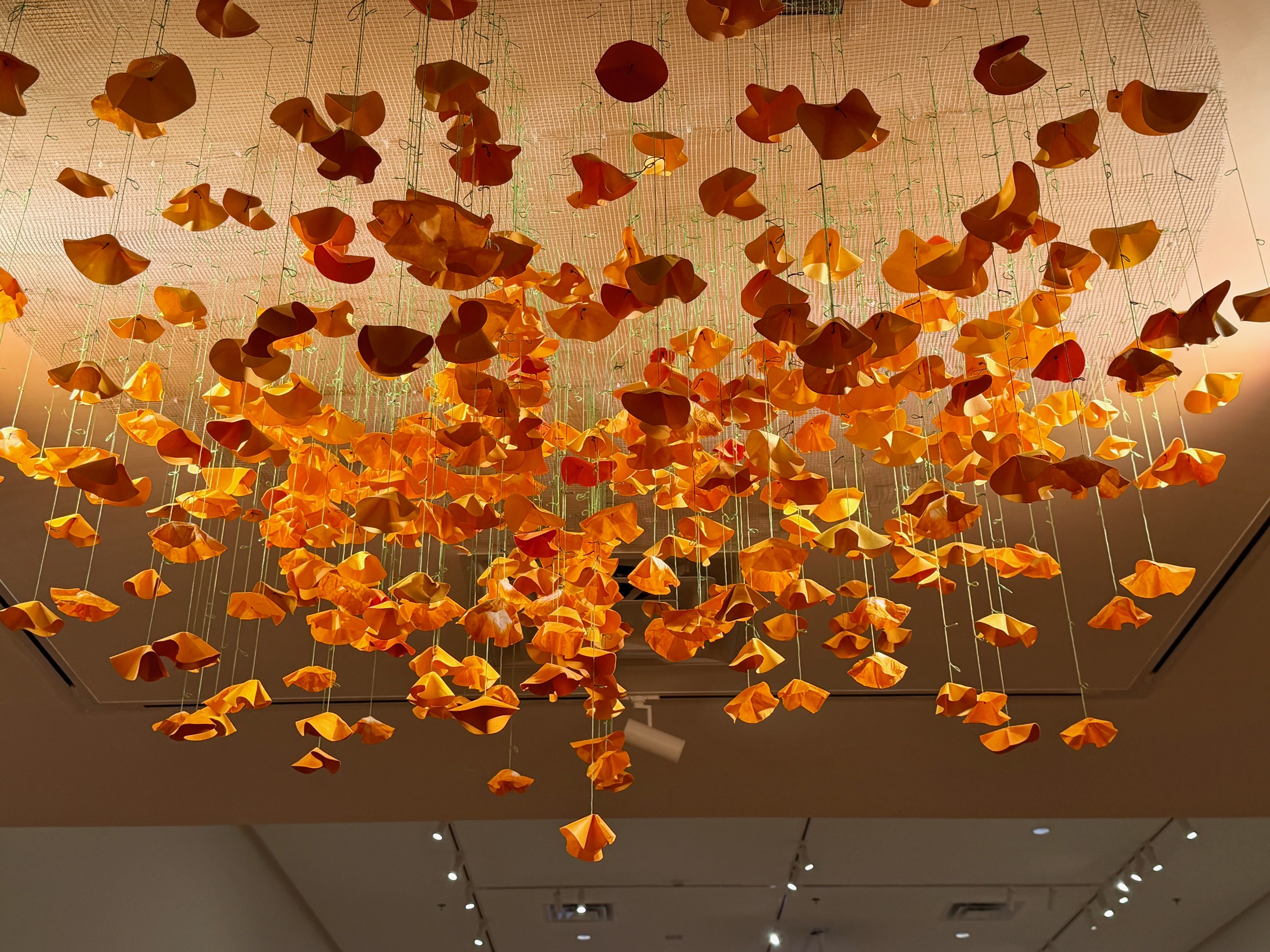
Overhead, as you enter or leave this thought-provoking experience, you see paper poppies – the first flowers that bloom after a fire.  Artist Leah Mata Fragua (Northern Chumash) is going a step further with her art after this exhibition ends. She’ll take her paper blossoms back home and burn them in a ritual that recycles her beautiful art back into the Earth.

2025 dyed handmade paper installation The Sun is on the Ground by Leah Mata Fragua (Northern Chumash), suggesting the wild poppies that bloom right after a wild fire. Installation intended to be recycled with fire at the exhibition’s conclusion. Courtesy: the artist