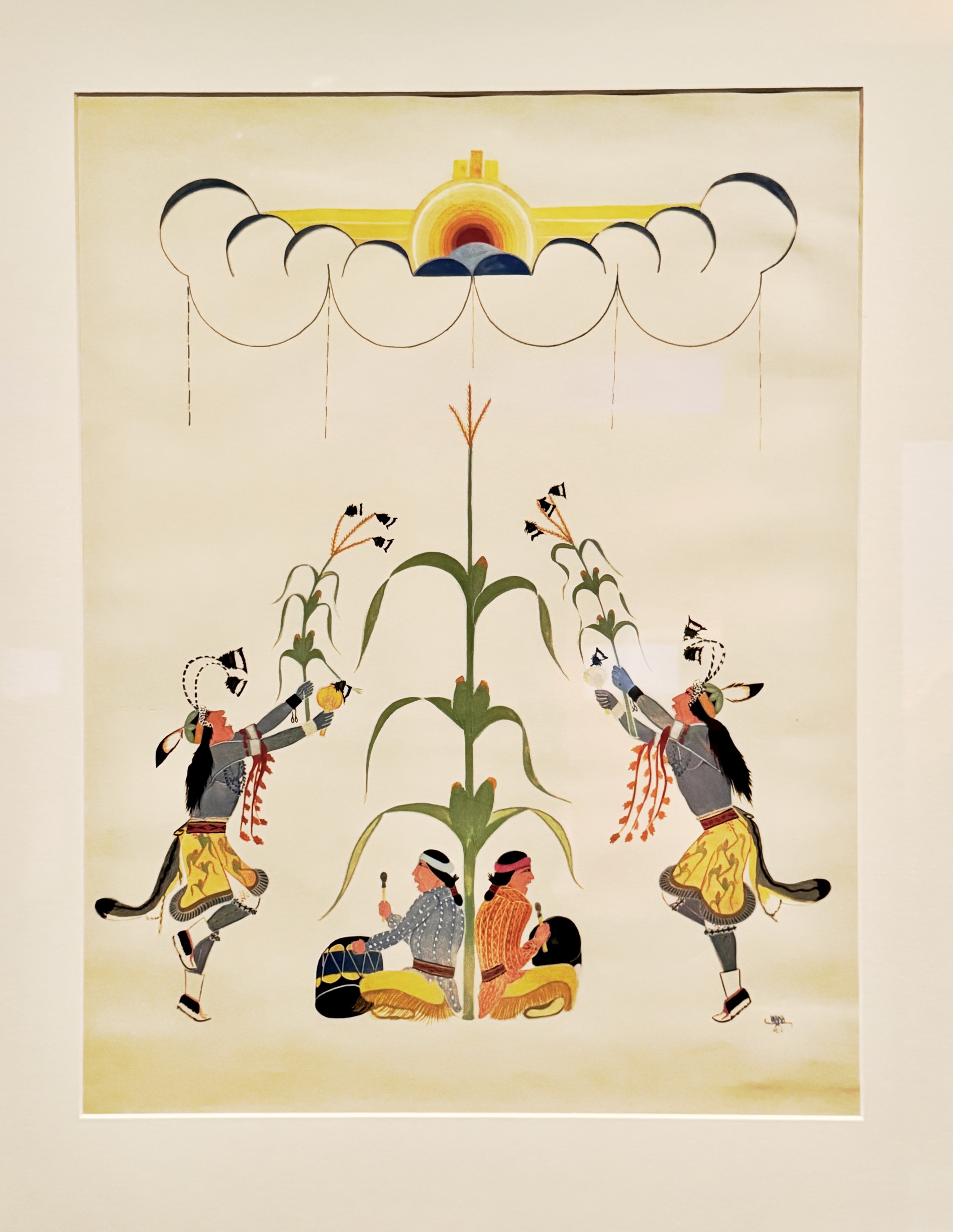
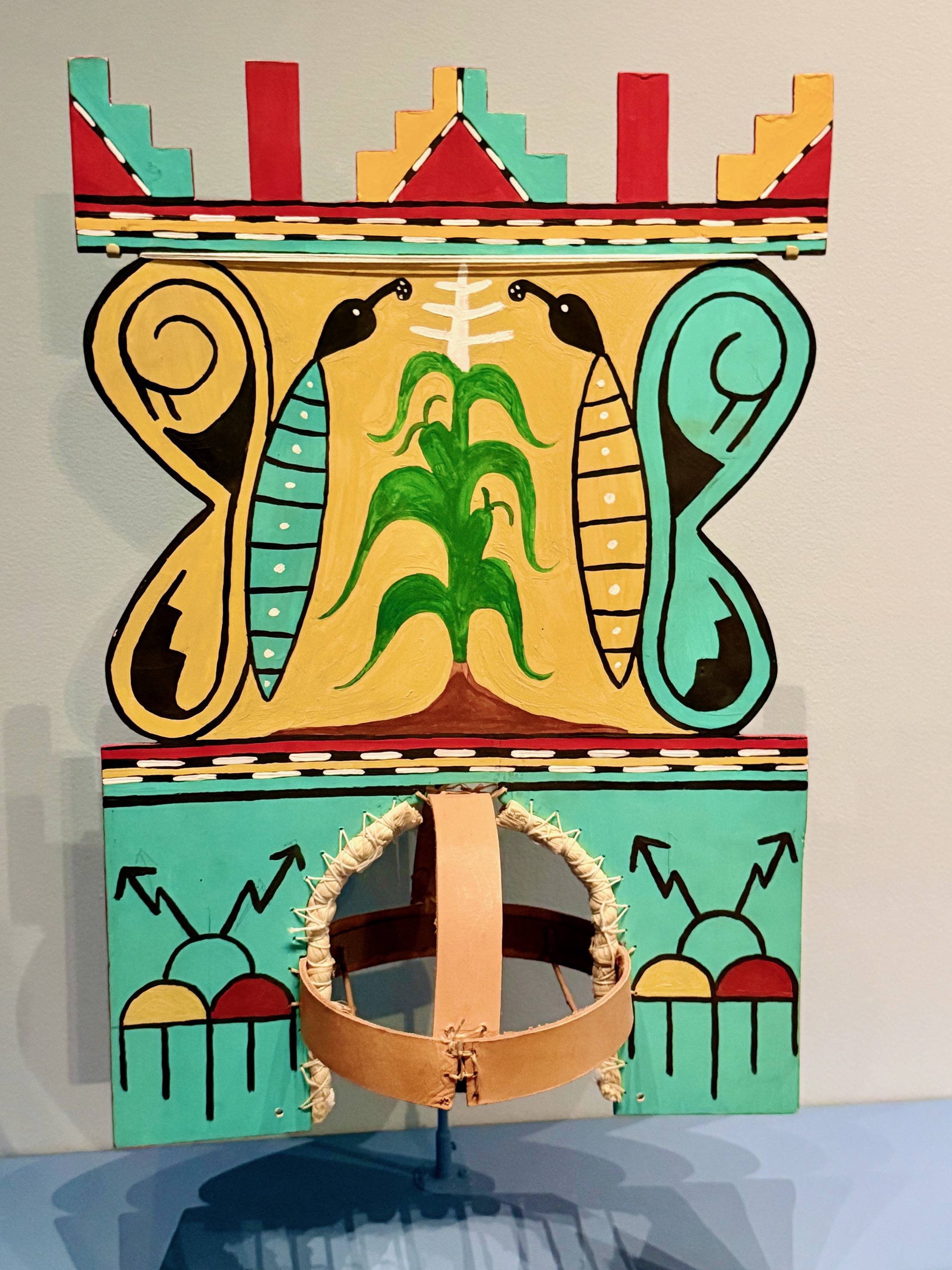
Look up at the night sky and find patterns in the stars. You can do that, even though you’re standing inside the exhibition Makowa: The Worlds Above Us at Santa Fe’s Museum of Indian Arts and Culture through January 31, 2027. The wall-sized photo murals of day and night skies provide the backdrop to sculptures, pottery, and textiles with stylized images of stars, planets, the Sun, Moon, meteors, and changes of season.
Beautifully crafted objects and immersive photos provide contemplative spaces to consider the different types of skyward observations that Indigenous communities have made across millennia, and how stories and rituals convey this knowledge across generations.
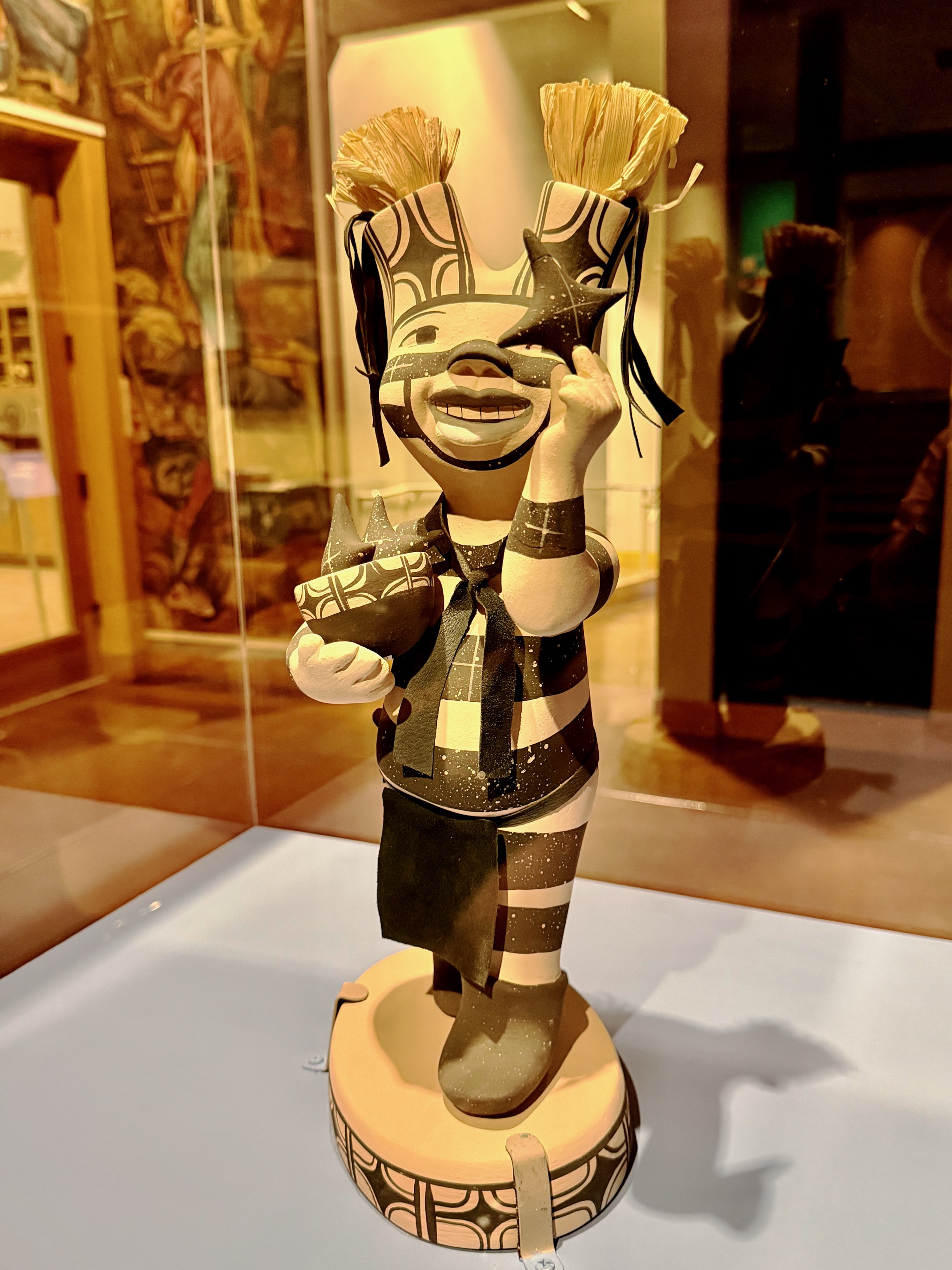
Kathleen Wall’s charming Koshare holding up the Evening Star welcomes everyone to the journey. Take a look through our Flickr album to see some of our other favorites.
A mix of historic and contemporary art underscores the story behind star gazing. Tracking their slow movement across the night skies, sky watchers have long seen stars as important guides. The Ancients used petroglyph images as reminders of how to use ancestor stars for guidance – to tell time, mark seasons, and take journeys through vast desert landscapes.
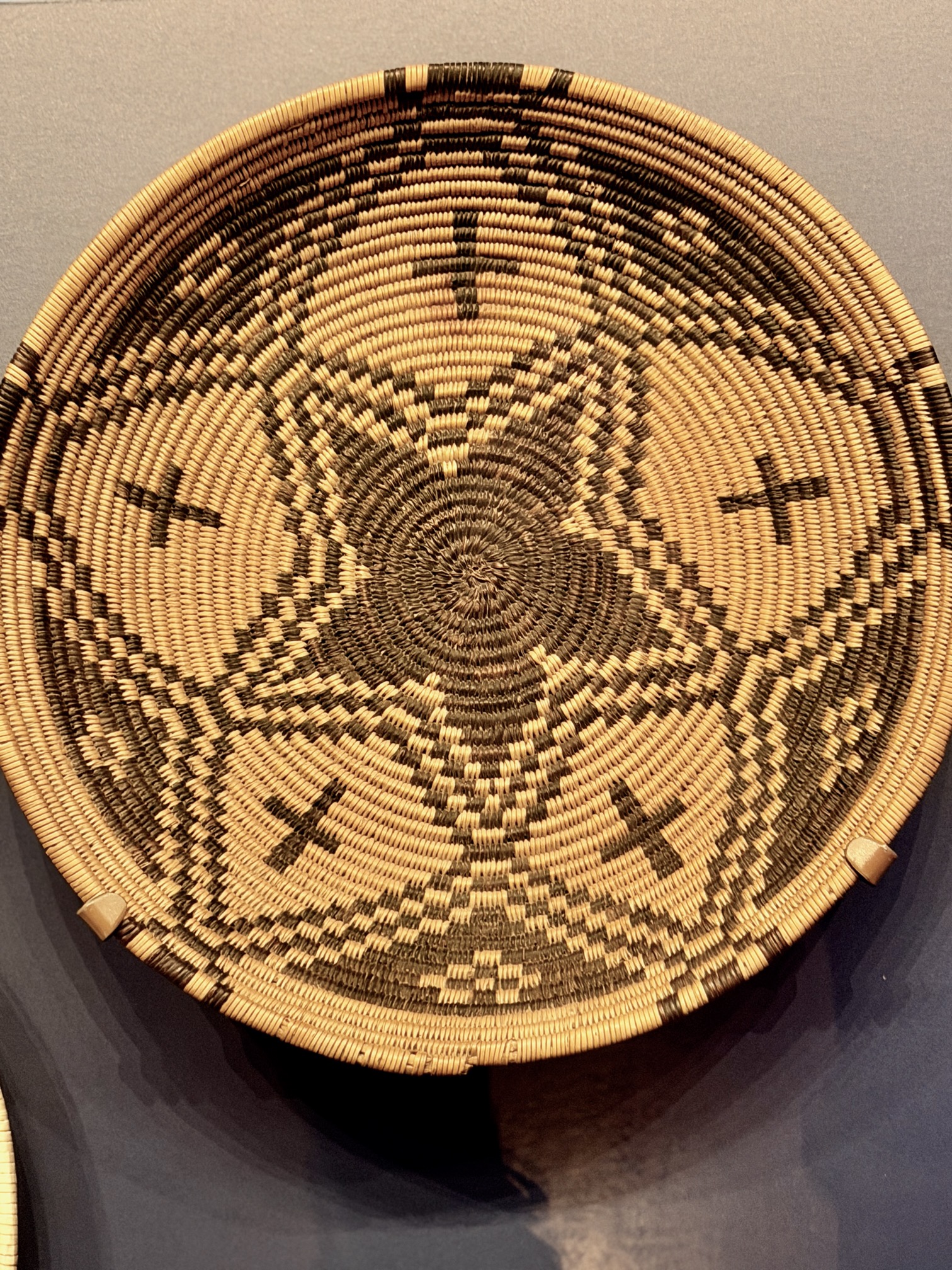

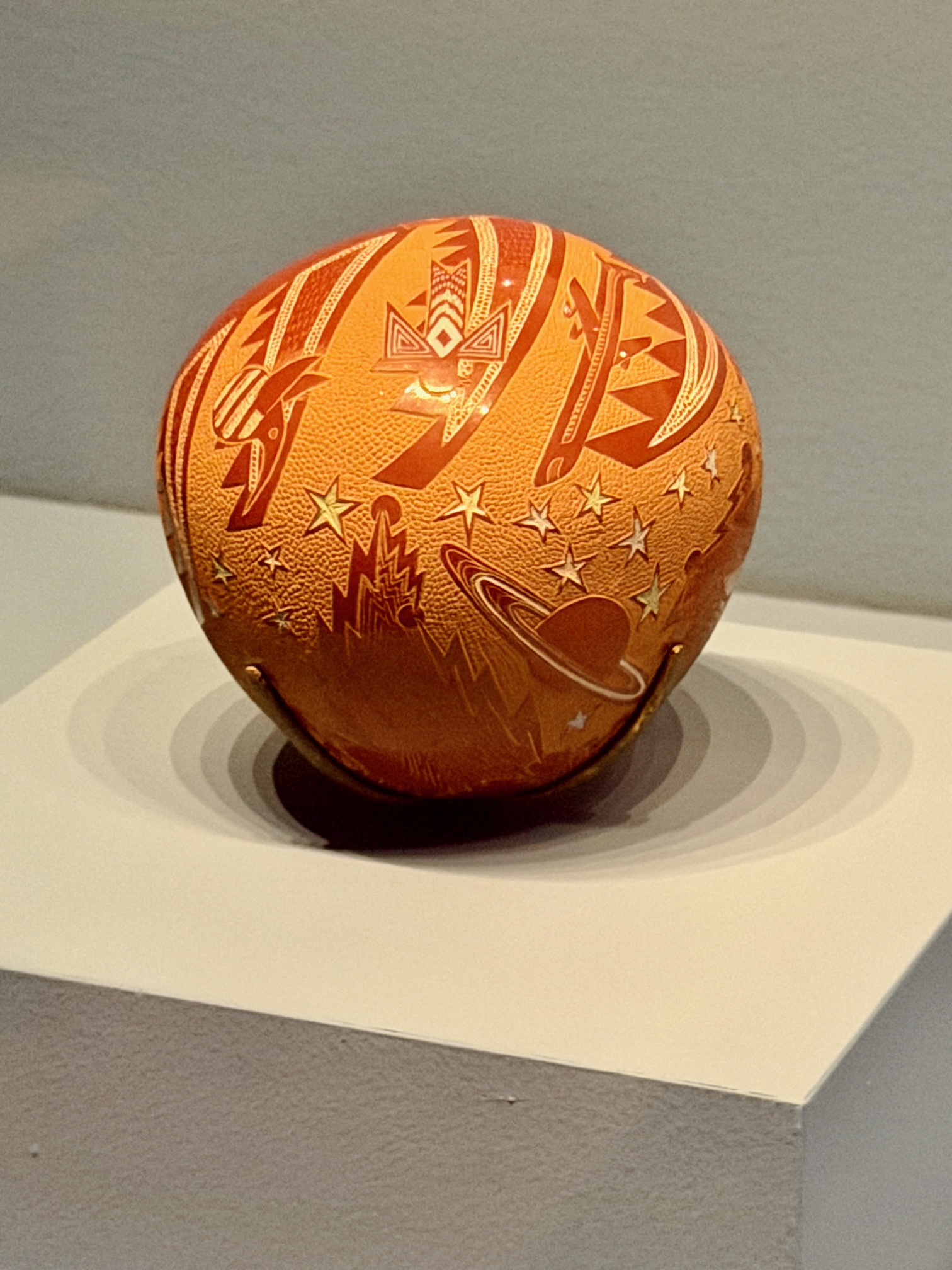
Recent artworks suggest a range of the activity in the day and night sky. Phases of the Moon inform agricultural cycles. Planetary alignments, meteor showers, and also plane traffic are all part of night-sky viewing today. Rosemary Lonewolf’s tiny pot summarizes this dynamism nicely.

The curators show how traditional symbols of clouds, sky, and sky dynamics are learned, used, and adapted over the centuries by exhibiting modern woven regalia alongside ancestral Puebloan pots from Chacoan culture. It shows that abstract Indigenous symbols do not exist in a single place and time – they are used and reused.

The exhibition also takes a deep dive into how ancient architecture and landscapes across the Four Corners are used to mark cardinal directions, annual cycles, and astronomical phenomenon. Chaco’s magnificent kivas are featured in dramatic photo murals that show how a combination of architecture, horizon markers, and sunrise to mark the seasons.
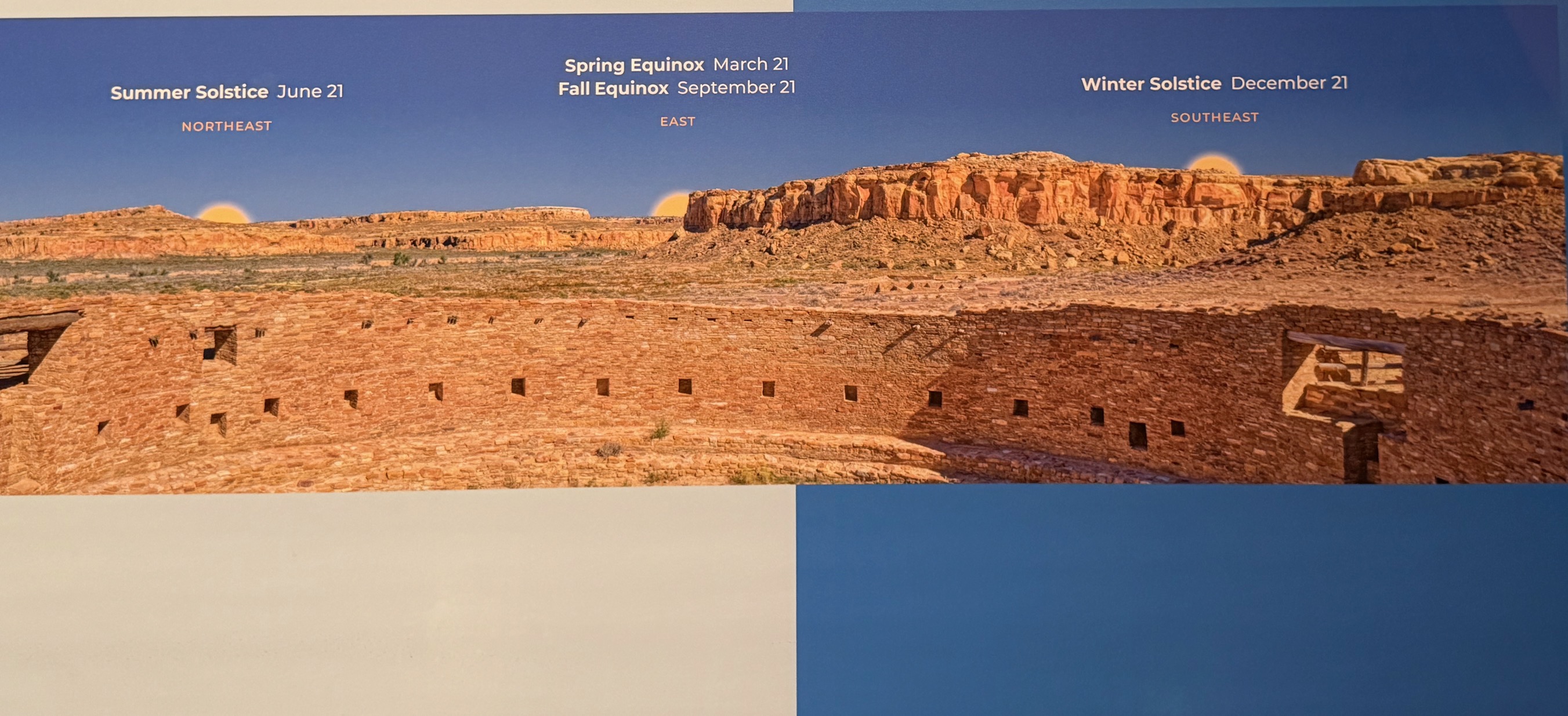
Aerial photographs show how buildings reflect astronomical alignments. Most visitors stand intrigued before an archaeoastronimical explanation of Chaco Canyon’s famous Sun Dagger, which transformed Fajada Butte into an observatory to mark the solstice and equinox.


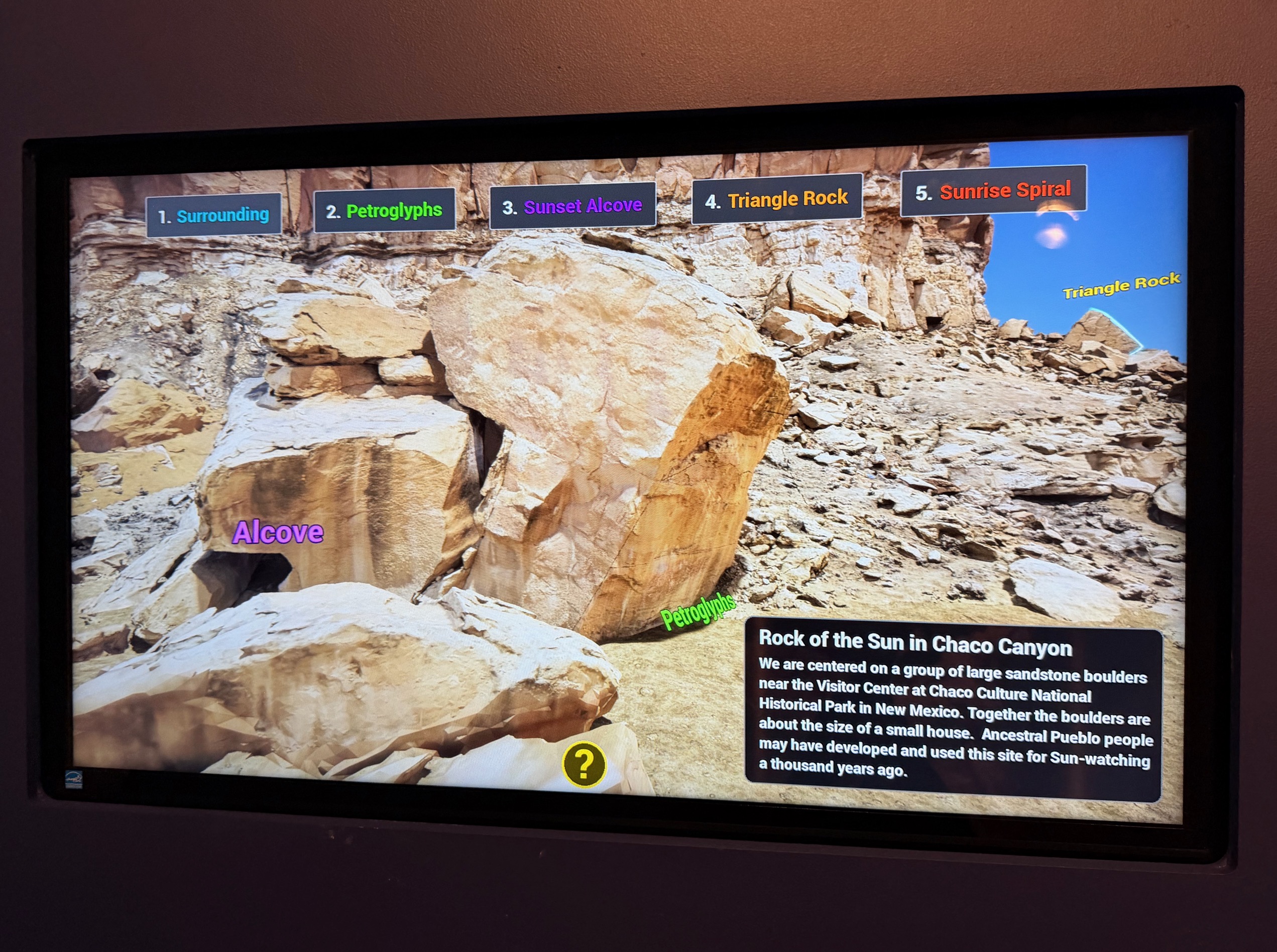
Best of all, visitors themselves can explore the video interactive of another Chaco site – Rock of the Sun – to experience what it’s like to interact with petroglyphs, shadows, and the skies to mark time within the year. Nearby, there’s a copy of a petroglyph (carving into stone) that archeoastronomers suggest could depict an exploding star that was visible for 3 weeks in the year 1054.
Other sections of the exhibition focus on the animals that serve as sky messengers – bats, eagles, and other birds – and rituals that honor the four cardinal directions.
One of the key themes here is to respect the elements – not try to control them – which is emphasized brilliantly in the final fitting tribute to these scientist farmers. Phenomenon such as rain, wind, clounds, and thunder seemed unpredictable to the Ancients, so ceremonies and dances were performed to convey desire for favorable elements. Beautifully woven cotton garments, paintings, and ritual headgear are rich in layered meanings – seasonal calendars, rain, and lightning.
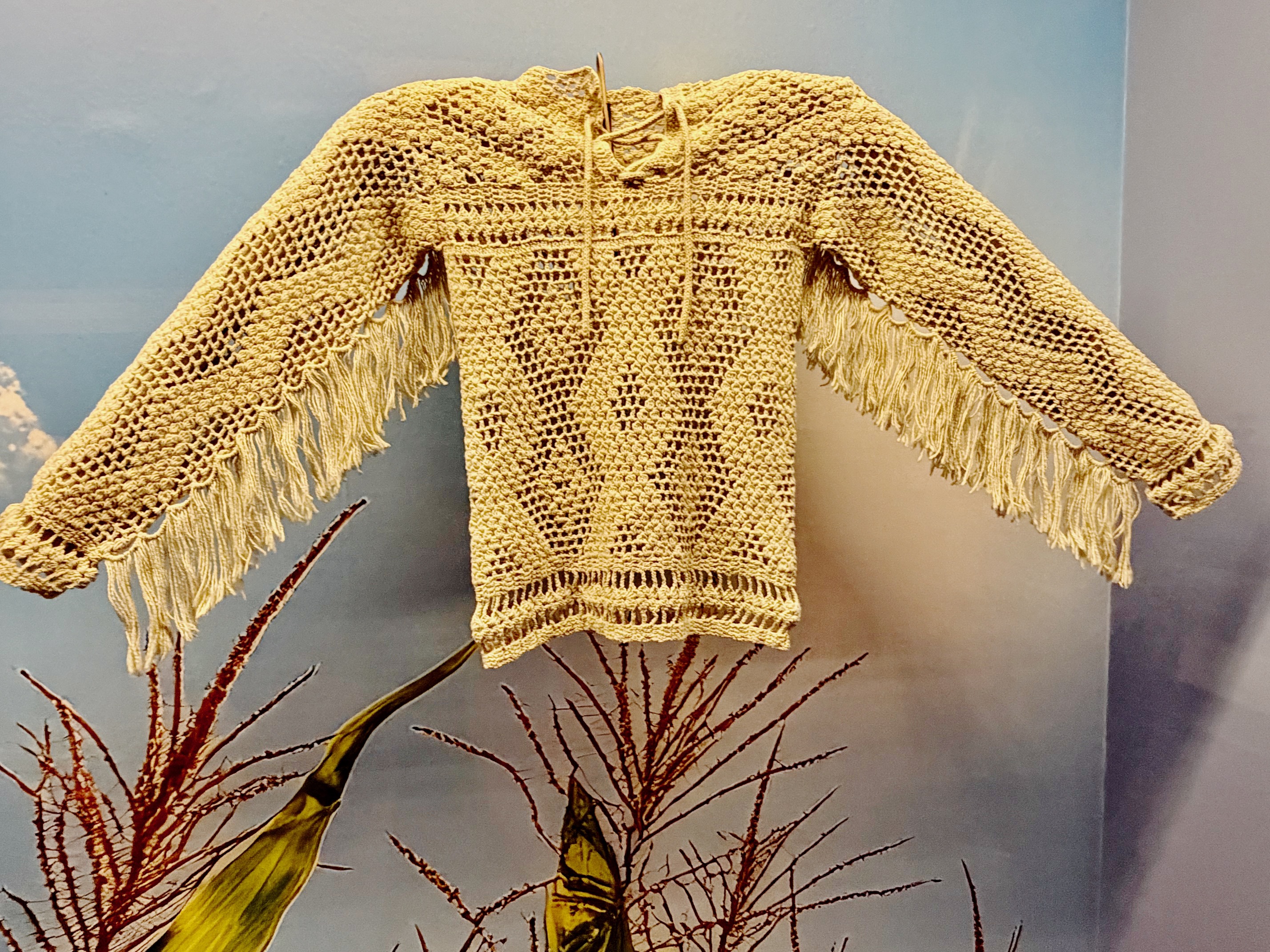
It’s a reminder of the intergenerational wisdom used to coax agricultural bounty from the seemingly barren stark desert.
For deeper insights, the curators recommend a visit to the Star Stories website by WeRNative and the Native Skywatchers website.