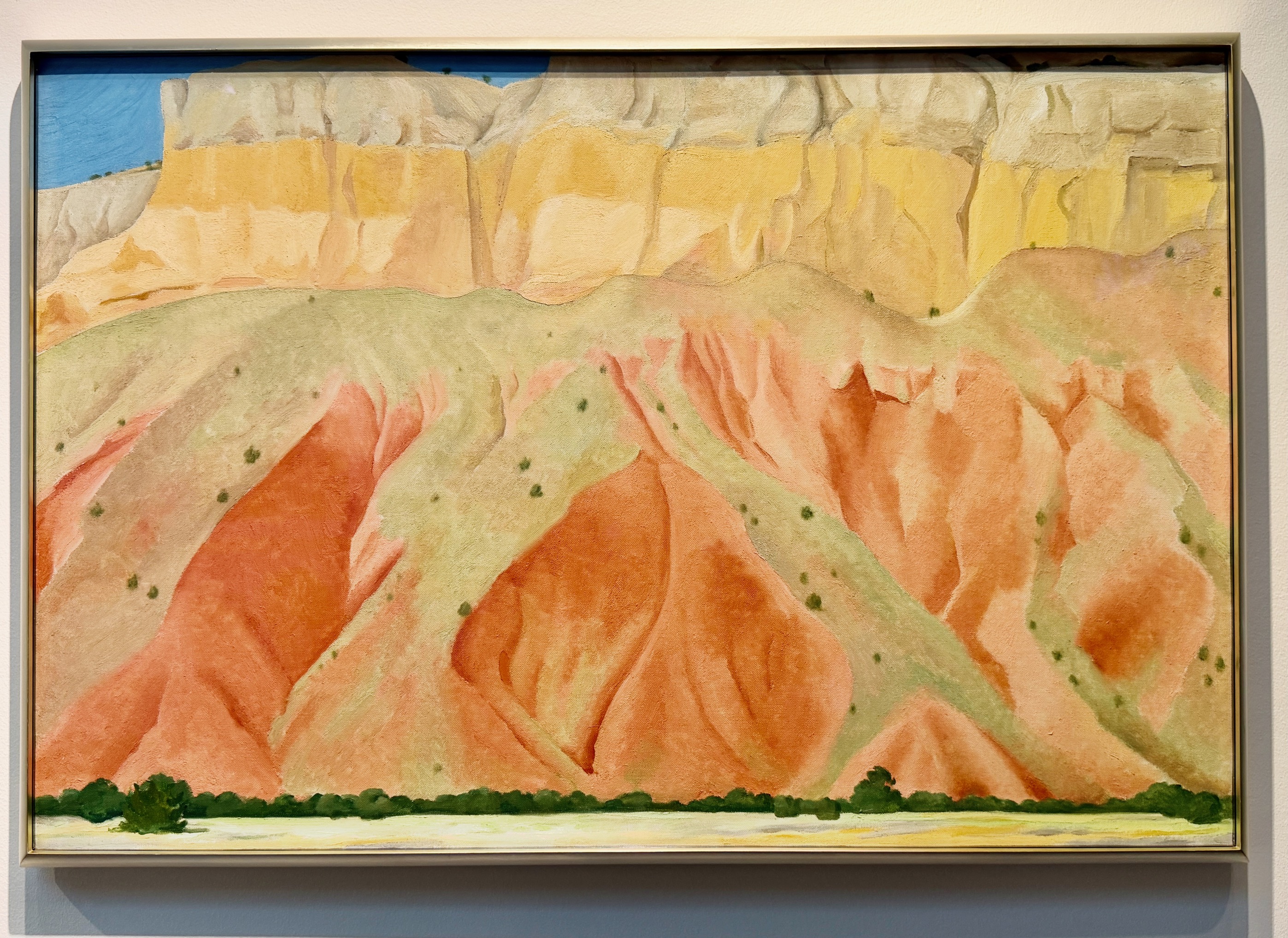
One thing Georgia O’Keeffe fans enjoy about her work are the beautiful New Mexico landscapes – wide open vistas, close-ups of eroding cliffs, colorful and moody skies, all devoid of people. Looking out from her big picture window in her studio at Abiquiu, she sometimes said she felt the landscape was “hers.” But Tewa artist Jason Garcia (Okuu Pín) has long wondered – didn’t she forget something? Did she forget that her neighbors – Indigenous people from the half-dozen Tewa pueblos – still live there and have lived there from time immemorial?
Santa Fe’s Georgia O’Keeffe Museum invited Garcia to co-curate an exhibition to answer that question.
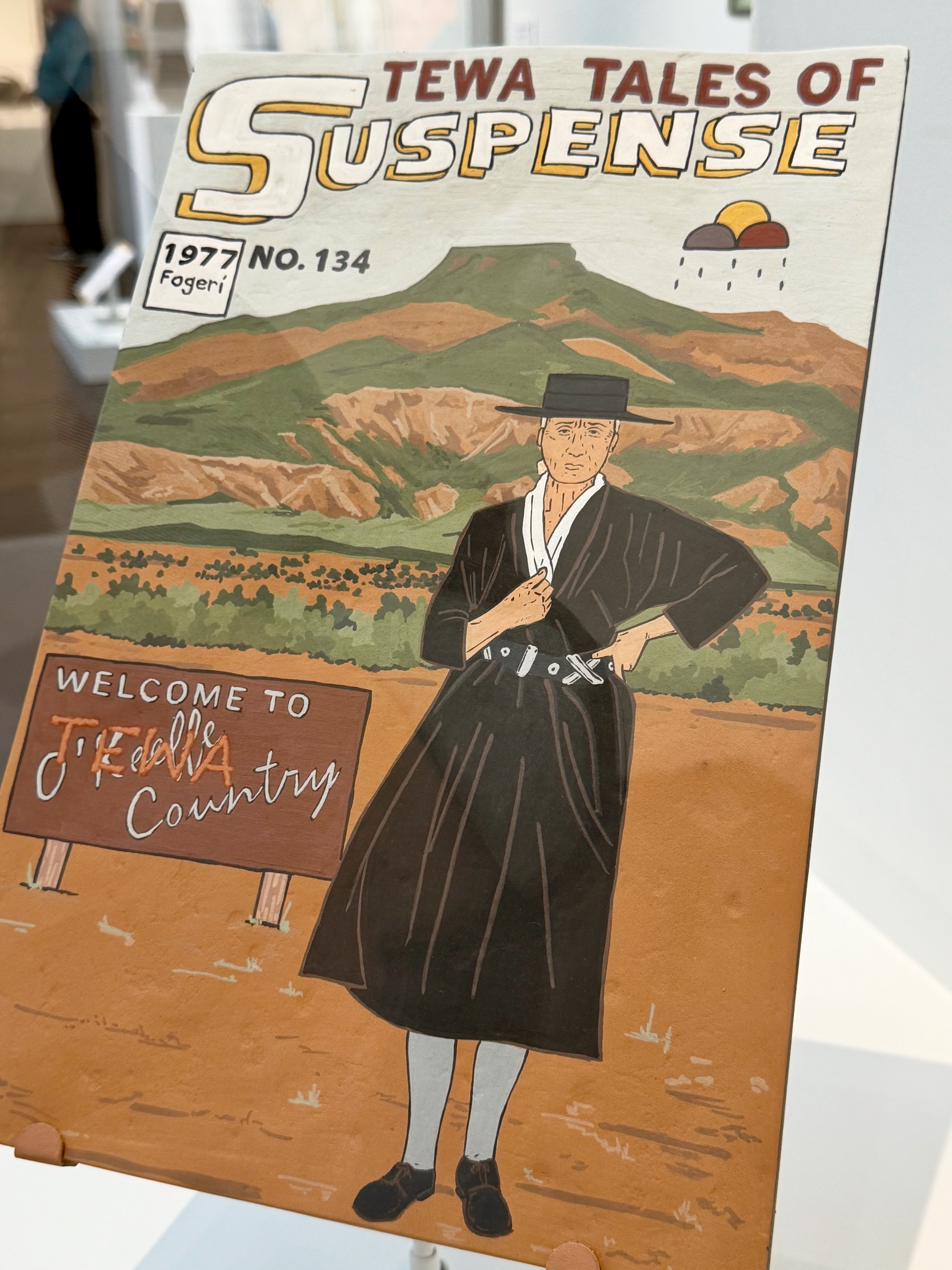
The result is a loving, provocative, look at the land, legacy, and people in one of the largest specicial exhibitions ever mounted by the GOK Museum – Tewa Nangeh/Tewa Country, on view through November 1, 2026.
Take a look through some of the beautiful, throught-provoking, and spiritual work in our Flickr album.
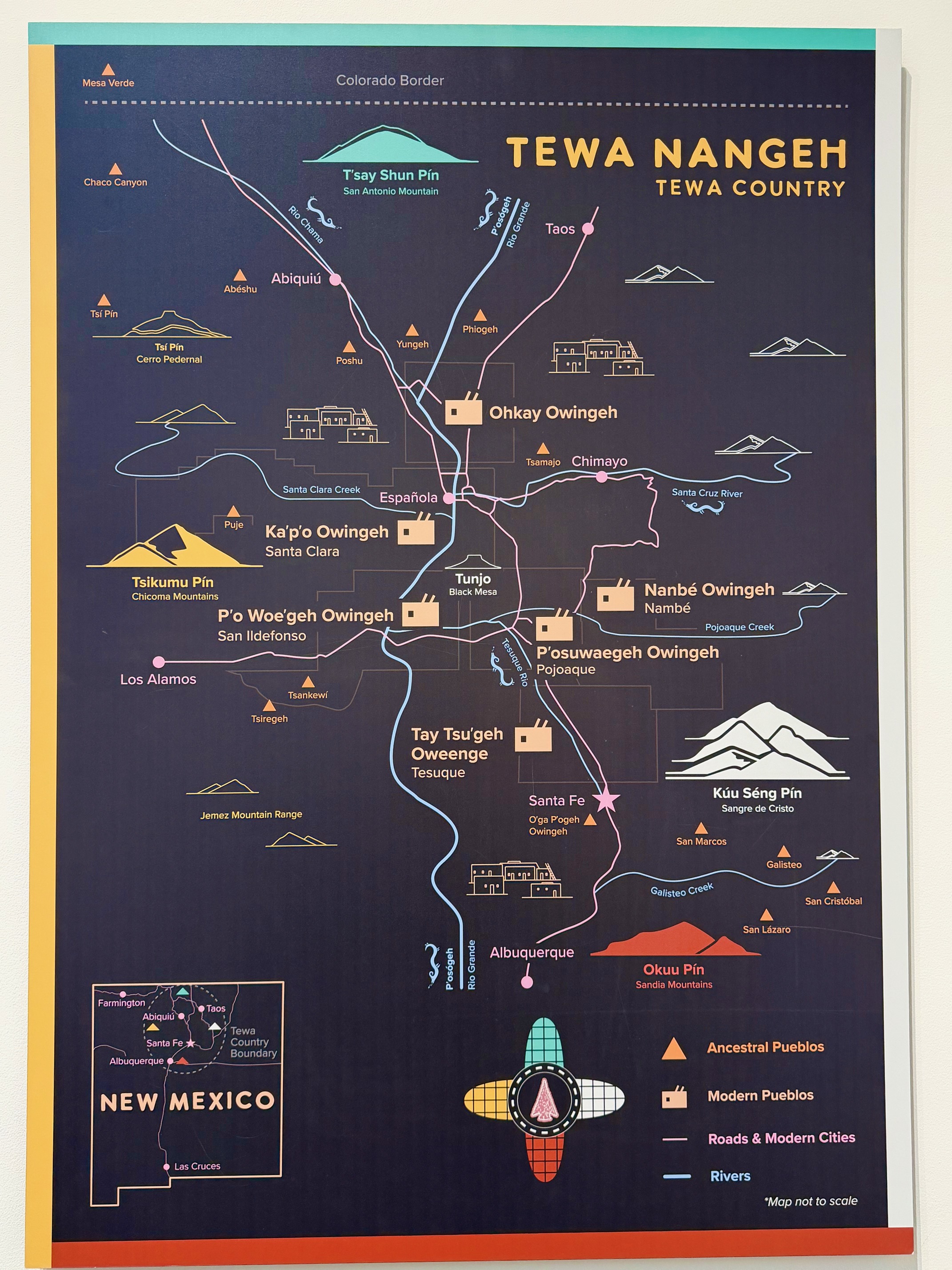
Here’s a map to Tewa Country, home to just one group of Pueblo people who share the Tewa language, culture, and spiritual practices and symbols. Note that one of the four sacred Tewa mountains (indicating north, south, east, and west geographic markers for Tewa communities) is the single peak that Georgia painted over and over. She and others called it Cerro Pedernal; Tewa people call the sacred mountain Tsi’ Pin.
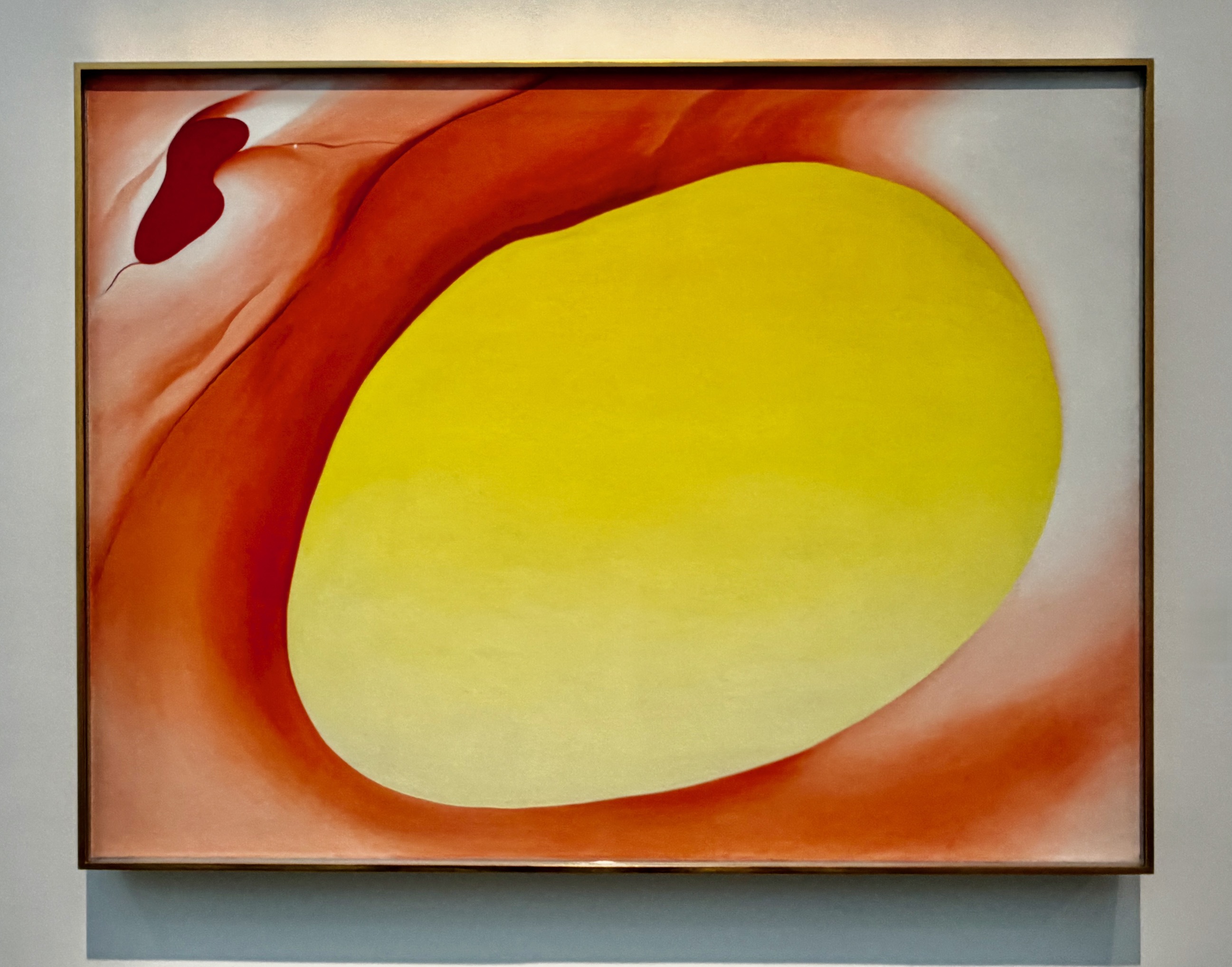
Stepping inside the expansive show, visitors are surrounded by spectacular O’Keeffe paintings, punctuated by contemporary works by twelve artists from six Tewa pueblos whose ancestors inhabited the Four Corners for millennia and migrated centuries ago toward the Rio Grande to build communities near Abiquiu, the historic village that Georgia called home.
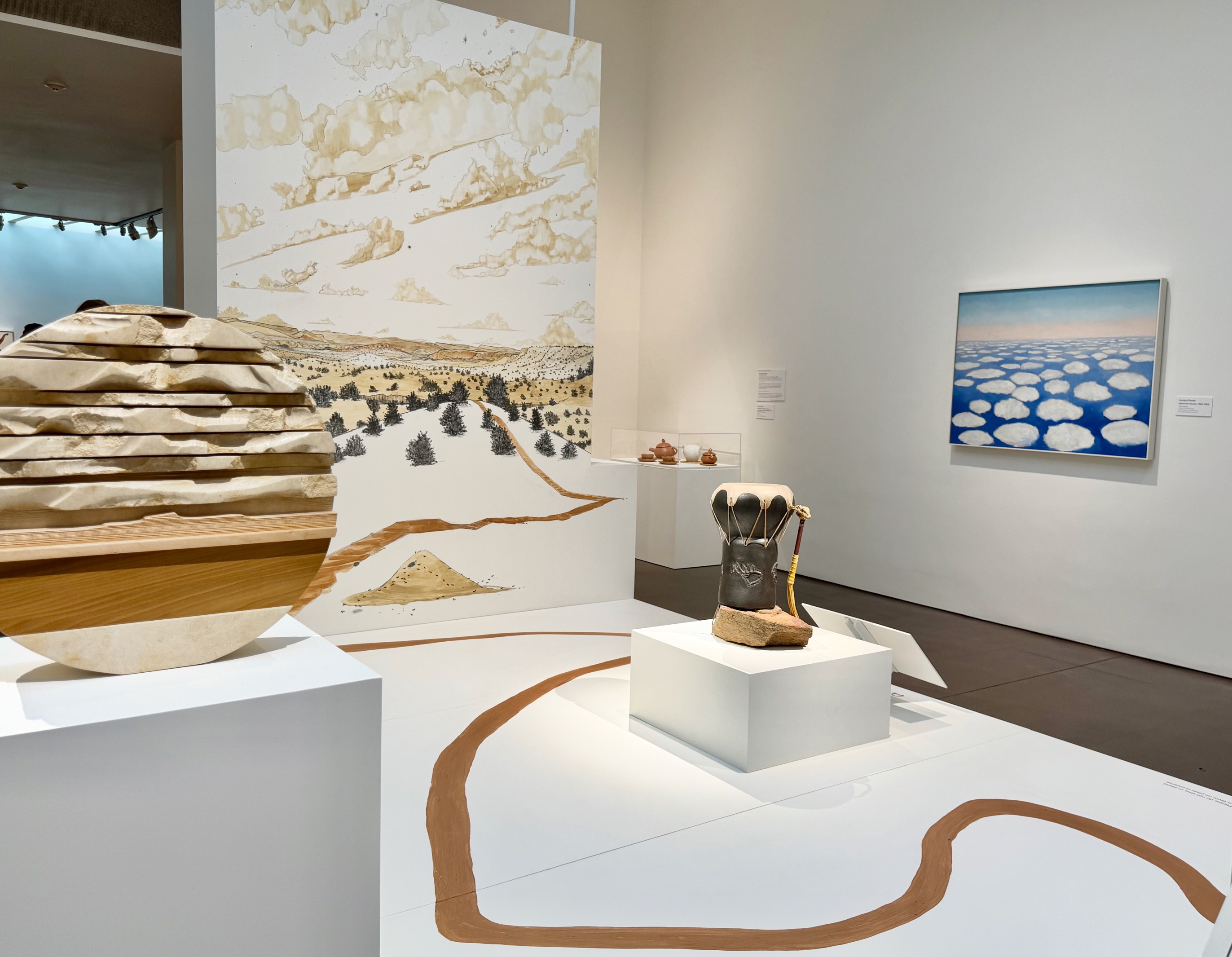
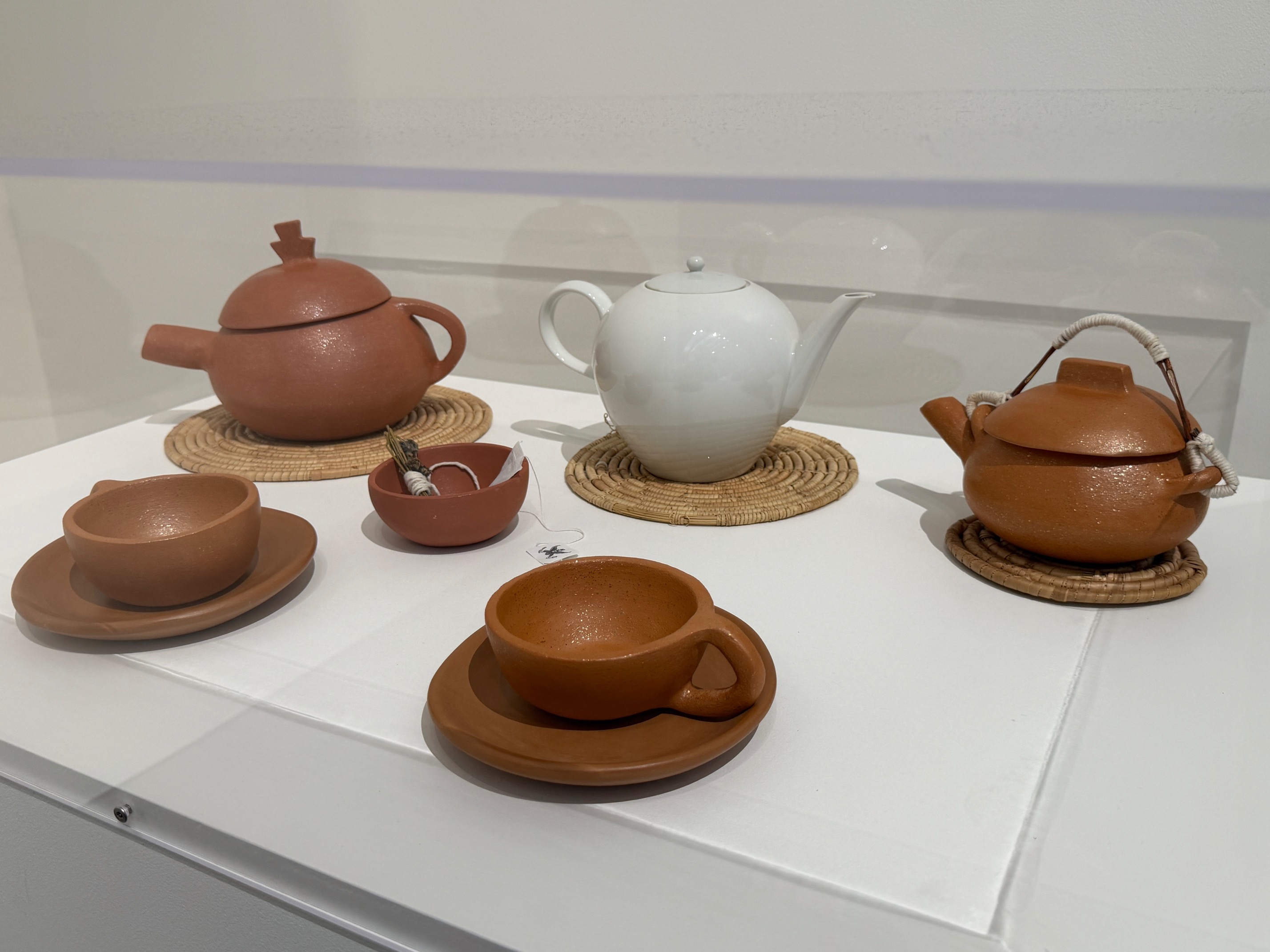
The bright space is filled with landscapes, contemporary installations, and sculptures – most utilizing clay from the very earth that both Georgia and contemporary artists trod and respected.
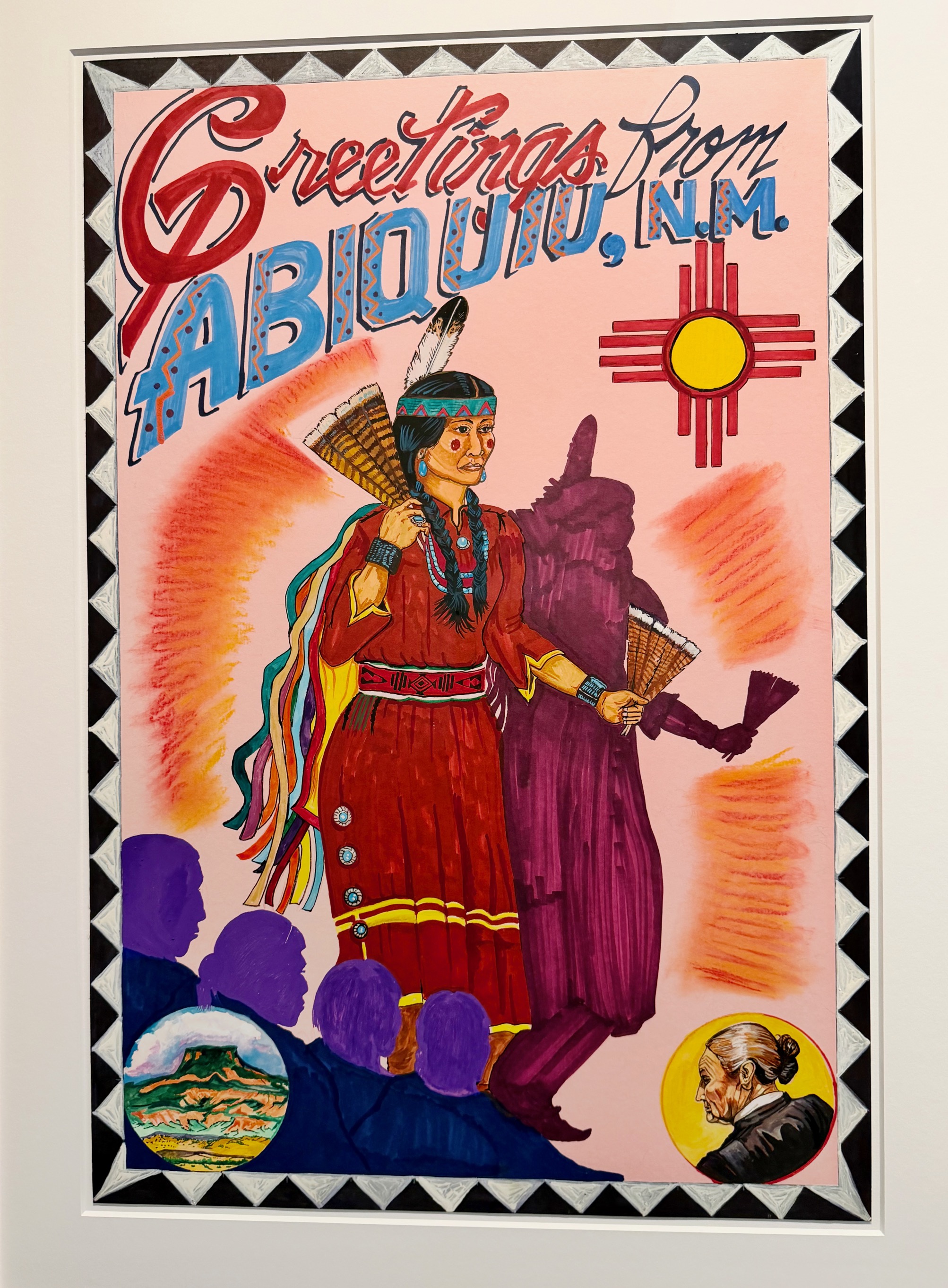
The museum inviteed the Tewa artists to look through Georgia’s collections and tour her Abiquiu home, and left them to create works for the show. Santa Clara’s John Garcia Sr. honors Georgia’s love of the land and sky. Randolph Silva read in Georgia’s letters her love of attending dances at the nearby pueblos, and it made him think about his own family’s travels across the Southwest performing dances at tourist locations. He discovered tourist postcards featuring his own family and decided to paint huge “postcard” painting of dances that Georgia might have seen in the 1930s.
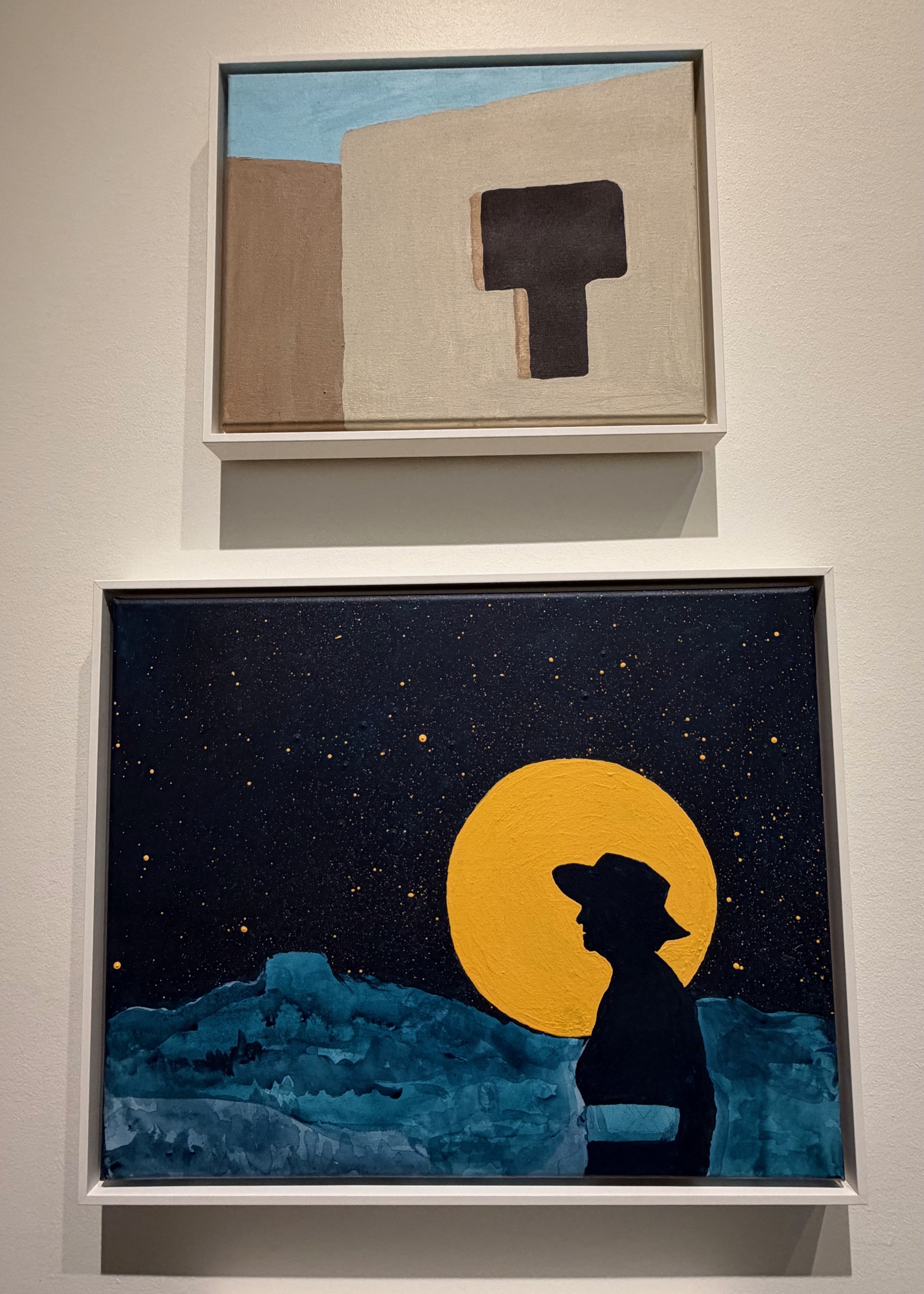
After touring Georgia’s home, Tesuque’s Marita Swazo Hinds took a more personal approach, creating pieces that wonder about Georgia’s contemplative daily routines and creative processes.
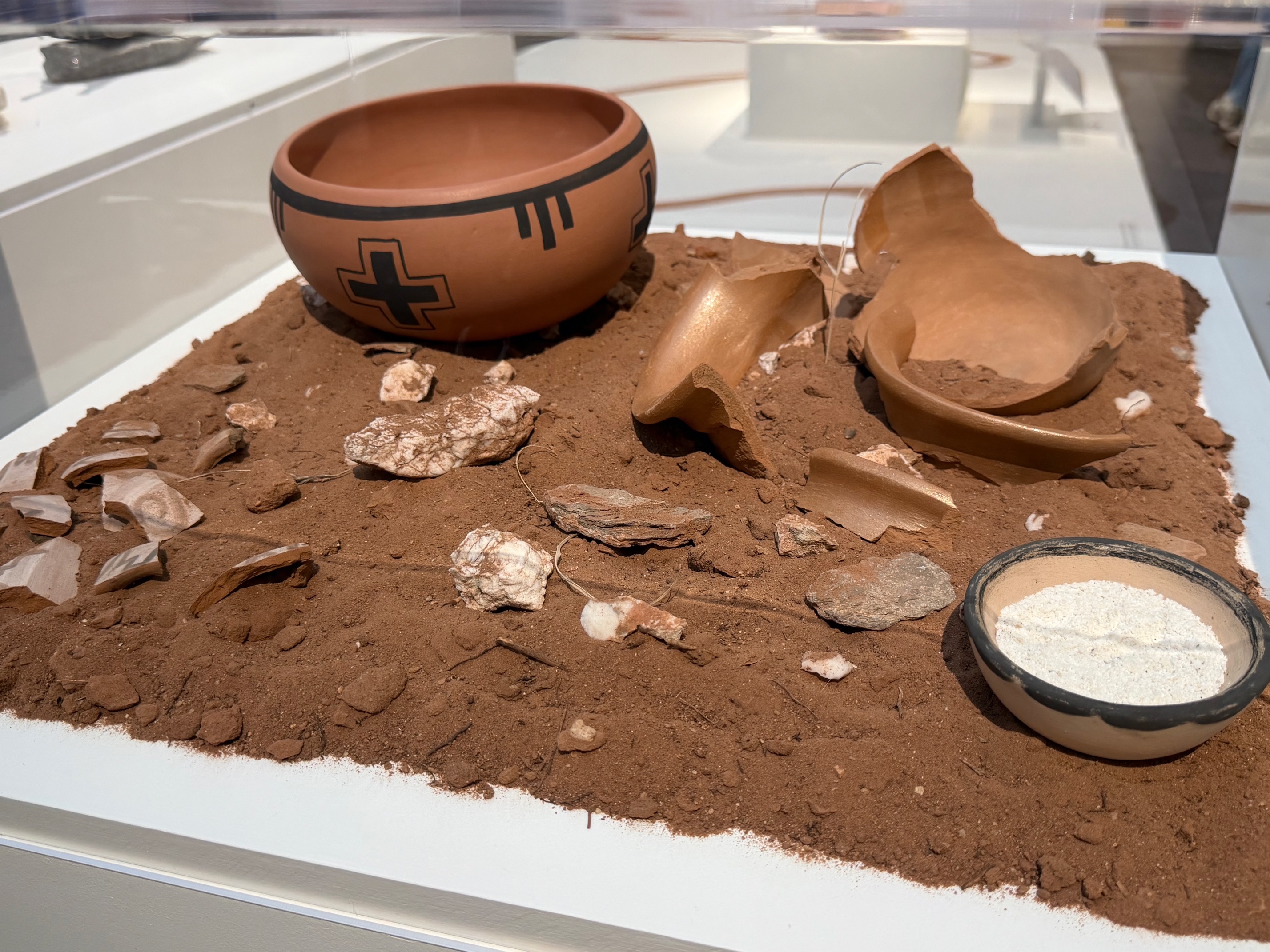
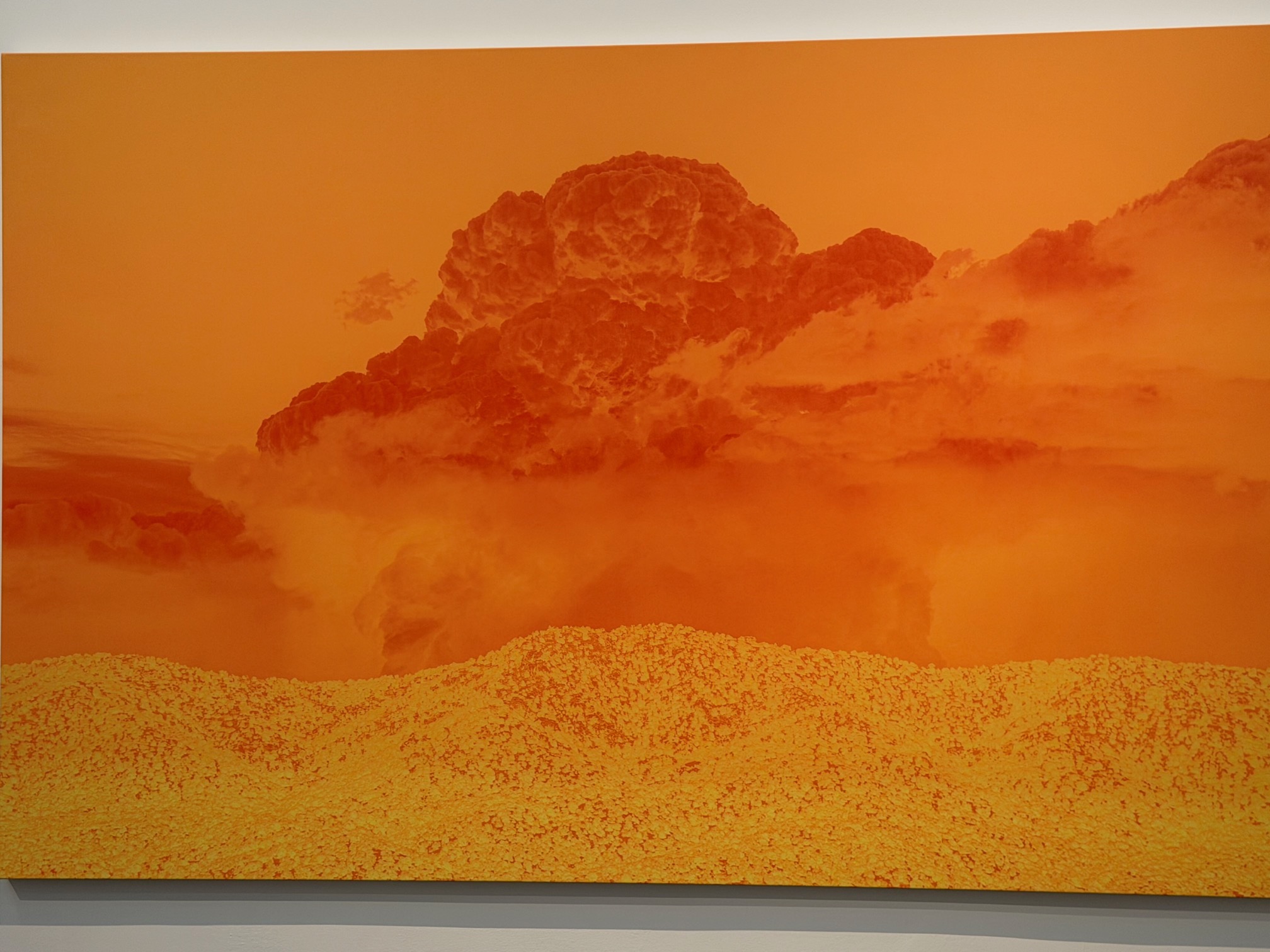
Several Tewa pueblos are on the Parajito Plateau, where the US government appropriated land in the 20th century to build top-secret nuclear warheads in the Manhattan Project. Michael Nahaminga’s powerful work and several others reference the threats that began when Georgia lived there in the 1940s and the legacy of environmental contamination that persists today.
Lomeli’s collaboration bedazzles Virgil’s ceramic busts of his twin aeronaut pilots with gorgeous layers of automotive paint, giving the 2180 characters some low-rider flash.
Meet the artists and hear them talk about their participation in this remarkable collaboration with the GOK Museum: