Unknown's avatar

About MsSusanB

Arts and technology writer who is in the know about the latest and greatest that New York City – and other places in the country – have to offer and the fossils that are being dug up around the world

When Coffee Houses Were Facebook

You have one more week to find out what the 18th century social network was like at the intriguing exhibition at New-York Historical on the events that propelled simultaneous American, French, and Haitian revolutions.

Girodet’s 1797 painting of Jean-Baptiste Belley from Versailles

As soon as you enter Revolution! The Atlantic World Reborn at the New-York Historical, you find yourself inside the social hub a Caribbean seaport city in the mid-1770s – the coffee house, where people reread month-old newspapers, asked arriving seamen for news, discussed European imperials, and complained about taxes, trade, and tyranny.

Winding your way through the history maze, you’ll encounter the original penned version of the Stamp Act (1765), the first edition of Thomas Paine’s Common Sense (1776), and Napolean’s approval to sell Louisiana to the United States (1803). The story line weaves in the slave trade, the Haitian revolution, and the rise of voodoo in the Caribbean – a unique retelling of rebellion in the time of colonialism.

See the artifacts on line, but connect the dots to revolution by dropping into the exhibition this weekend.

And don’t miss the lobby painting featuring New York’s first big-time 18th c. social network — the Tontine Coffee House on Wall and Water, built by the brokers in 1793 to organize The New York Stock Exchange.
After Easter Bonnets

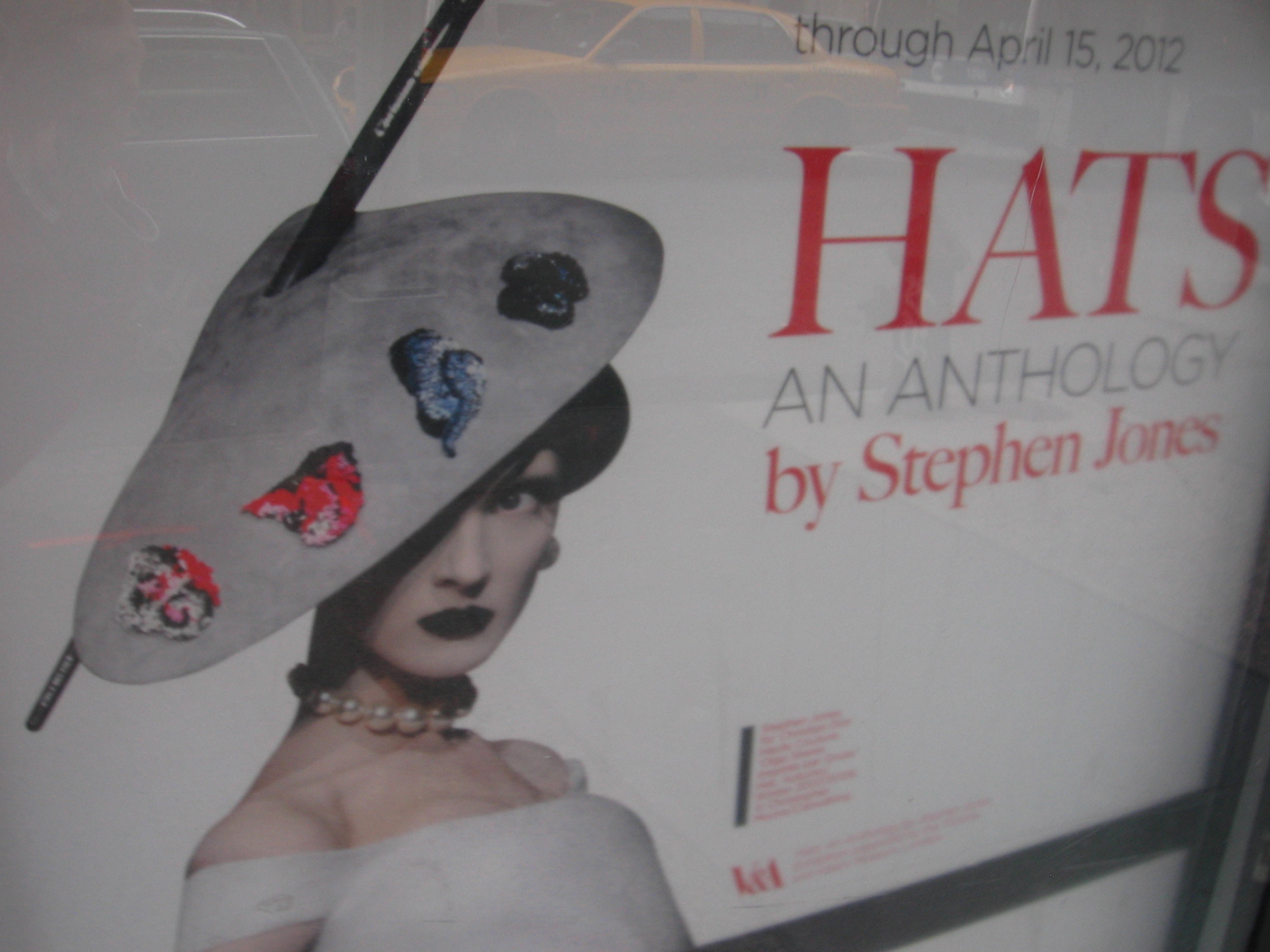
Easter’s over, but the bonnets are still on display for one more week at Bard. Be sure to catch Hats: An Anthology by Steven Jones, with significant historic headwear pulled from the stellar collection at the Victoria & Albert Museum in London.

It’s three stories of mini-collections grouped into themed cases for Helmets, Turbans, Hoods, Straw, Paper, Felt, Feathers, and Flowers. The surprise is trying to decide which are contemporary, vintage, or truly antique. Typically here in the States we don’t get to see gems such as a knit wool apprentice cap from 1550 London, and a leather jester’s hat from the 1600s.

More modern chapeaux include a case of NYC designers (Eugenia Kim and Patricia Underwood), a felt beret from Mary Quant, a creation from Lola Hats made entirely of The New York Times, and many, many celeb hats, including those worn by Maurice Chevalier, Gypsy Rose Lee, Leigh Bowery, Mick Jagger, Cecil Beaton, the Mousketeers, and Warhol’s wig.

Perhaps the most startling object in the display isn’t a hat at all, but a facsimile of a handwritten letter (dated November 14, 1960) from Jackie Kennedy to Bergdorf’s custom millinery sales chief Martha O’Conner, describing and sketching the pillbox hats (to be made by Halston) she envisioned for JFK’s upcoming inauguration. In the bottom margin, Jackie adds, “P.S. It was so pleasant when I didn’t have to wear hats. I still feel absurd in them.”

Check out the on-line highlights and the installation views, (or the client salon or the gallery from the original 2009 V&A show) but there’s no substitute for experiencing three stories of creative, delightful, and historic hats in person.

Farming The Grid

Did anyone notice that there’s new land and a farm just east of First Avenue and 29th Street? It used to be a dirt-road exit from the FDR, but not anymore.

If you’ve visited the blockbuster show The Greatest Grid at The Museum of the City of New York, you know that around 1804 this section of Kip’s Bay was being homesteaded by the various Kips relatives before their land got gridded.

Well, the farm has come back, courtesy of Tom Colicchio’s protégé, Sisha Ortuzar, the top chef at Riverpark restaurant tucked back behind Bellevue in the ground floor of the glamorous new Alexandria Center – a biotech high-rise whose tenants include Pfizer and ImClone (remember them?).

Because scientists can get hungry, too, Colicchio opened up his ‘Wichcraft sandwich shop right next door in the plaza inside a bright, shiny, Apple-worthy glass cube.

The farm is producing fresh produce for the Colicchio businesses on site (look at the crop list), and his crew is also giving tours and workshops on urban farming.

Check out the photos of the new land and spring crops. And drop by the farm the next time you’re on the M-15.

Google Collects NYC Museums

Take a trip around the world in art via the galleries of the Google Art Project – an on-line collection of the best from 151 museums around the world.

In our museum-rich city, here’s how NYC stacks up with its images (so far):

  • Cooper-Hewitt 1,568 mostly decorative prints, patterns, watercolors, with a few objects
  • Rubin 111 masks, statuary, but mostly (what else?) our favorite tangkas (featuring Mahakela, our favorite demon)
  • MoMa 108 all-stars and then goes wild from all the other departments
  • The Met 80 paintings and images from just about every curatorial department
  • The Frick 16 of the big guns (who needs more when you have these?)

Pick out a museum, click on an artwork, and learn all the details of the piece. Easy.

When Theater was Fashion

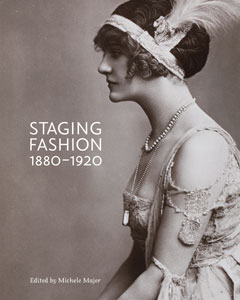
With everyone still mourning the demise of Bill’s Gay Nineties, fans of US theater of the early 1900s can gaze for one more week at the fashionable women who trod the boards way back then at the Bard Graduate Center’s show, Staging Fashion, 1880-1920.

Like the FIT’s Youthquake show, graduate students contributed heavily to this exhibition gem, which explores the intersection of theater and fashion back when stage actresses first became pop icons. Photographers needed celebrities to promote their studios; actresses needed to keep fans supplied with a steady flow of images; and designers wanted the latest to be seen on glamorous, trend-setting actresses.

The show on Bard’s top-floor gallery features clothes and images of three of the most popular actresses – Jane Hading, Lily Elsie, and Billie Burke. Check out the highlights – mass-produced postcards, theater fan magazines, advertisements, and personal testimonials for consumer products. Has pop culture really changed much? Judge for yourself.

Neue Gives the Met and MoMA a Run for Their Money

April 2 is the last opportunity to see for the spectacular array of riches acquired by Ronald S. Lauder and on glorious display in the 1914 rooms of the Neue Galerie as part of this establishment’s tenth anniversary.

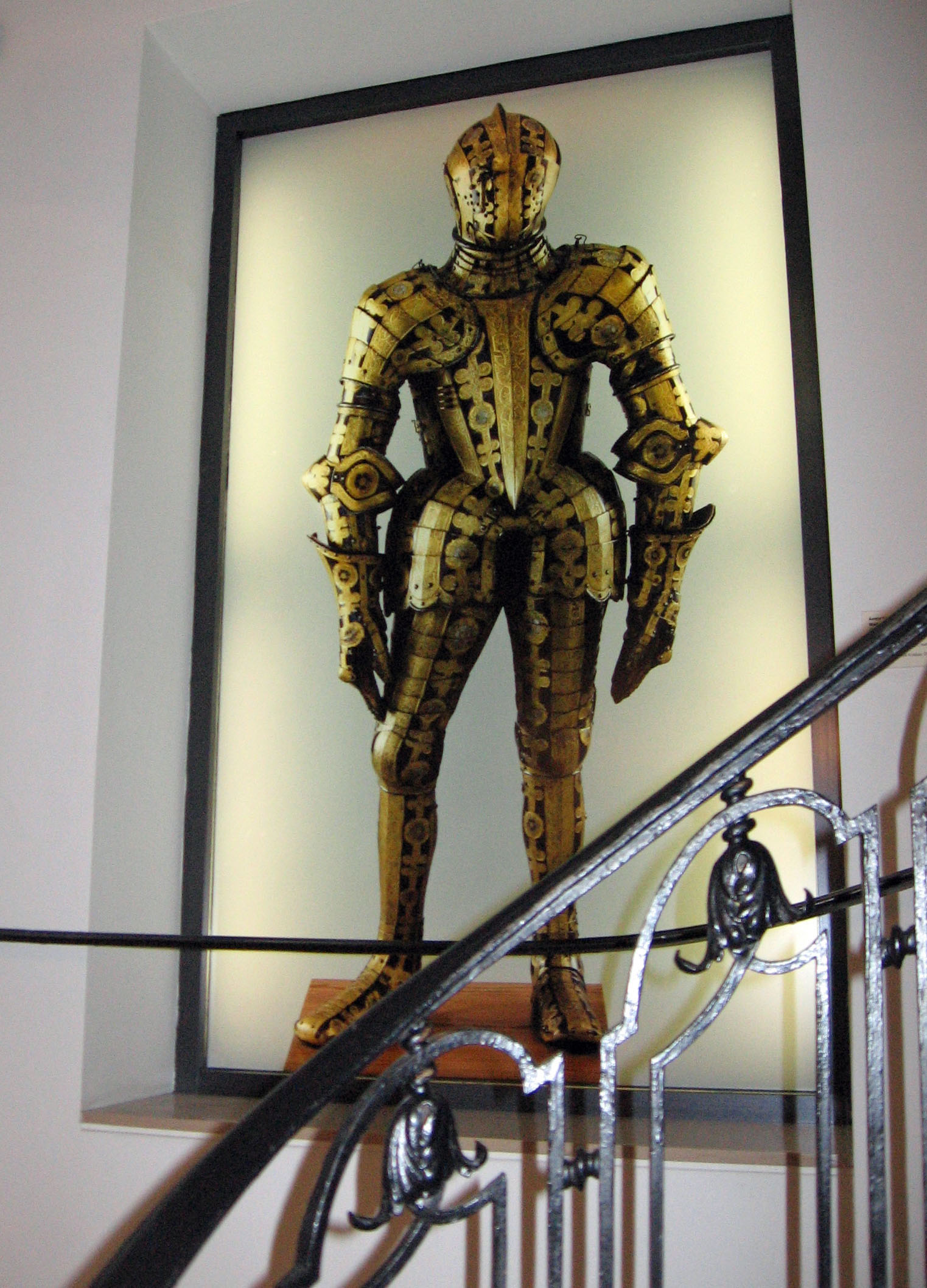
Did you ever think that you’d see a wall of Cezannes (including a self-portrait) gazing down at full-standing suits of Renaissance armor, inlaid pistols, a German crossbow, and two fully armored knights astride bedecked horse mannequins? You really don’t know where to look first, and neither, it appears, does Cezanne.

If you took the entire 5th Floor at MoMA and shrunk it down to fit the second and third stories of the Neue mansion, that’s what you get – incredible works by Picasso, Degas, Matisse, Kandinsky, Klimt, Shiele, and Brancusi alongside Adele and all the other Klimt favorites. Even Gerhard Richter and Sigmar Polke are there.

Wish you could see the Seurat show at MoMA? Or the Van Gogh drawing show that was at the Met? There’s an exquisite, dimly lit room packed with drawings that will make you feel that you’re right back at those historic exhibitions.

Take a look at the slides from the show, but try to get there now and enjoy the wealth. Bravo to Lauder.

Prehistoric Book Debuts

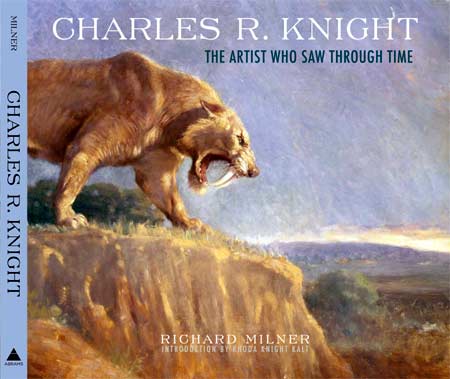
The art biography that the paleo community has been waiting for is here – Charles R. Knight: The Artist Who Saw Through Time. It’s about the artist who was the first to take us all into his time machine, back to the time of the cave people, saber-toothed cats, and the Cretaceous through his paintings and murals that we grew up with at the AMNH and Chicago’s Field Museum.

At this month’s New York Paleontological Society meeting, we got to meet his granddaughter Rhoda Knight Kalt and author Richard Milner, who provided stories, recollections, and art works of the 19th-century sculptor and painter. Milner took us back in time, reminding us that Knight (1874-1953) came of age when North America’s mammals (like Bison, which were down to 1,100 in 1889) and birds were being hunted into extinction – a call to arms that stuck with Knight throughout his life, as he painted over 800 species in his lifetime, giving priority to the most endangered first.

In addition to the murals at the AMNH and the numerous paintings gracing the halls, Knight also drew the Bison on the old $10 bill, the sculptures on the Bronx Zoo’s Heads & Horns house, and dinosaurs, dinosaurs, dinosaurs, inspired initially by a three-week visit with Cope.

Milner reminded us that in Knight’s day, there were no museum dioramas or 3-D dinosaur skeleton mounts — just a Brooklyn artist with a classical education with a love of animals and a commission from AMNH to create dramatic, convincing images based upon the boxes of bones in the basement.

P.S. We would be remiss if we didn’t tell you to check out Milner’s Broadway-oriented tribute to the life, times, and philosophy of Charles Darwin at The New York Times video site.

Hey, Hey It’s the ‘60s!

You have two more weeks to explore the fab, new tribute to the Mod, Mod world of 1960s fashion at FIT’s grad-student-curated exhibit Youthquake! The 1960s Fashion Revolution.

If you can’t make it to Seventh & 27th Street, check out the paper dresses, boutiques, and YouTube videos from the era, all posted on the exhibition web site. What’s better than watching original Paco Rabanne and Andre Courreges fashion movies from the late 60s, Grace Slick, and Ready, Steady, Go?

And what about the Youthquake timeline!!

Closes April 7, but it’s open until 8pm Tuesdays through Fridays.

Historic Performances at Historic Congregations

Did you know that some of the best performances are taking place this weekend at two of NYC’s most historic houses of worship?

  • The Queen’s Chamber Band & Choir gathers around the harpsichord to celebrate Bach’s Birthday tonight at 8pm at one of the oldest congregations in the City, the First Moravian Church at Lexington & 30th Street. Although the church building itself dates from 1849, the actual congregation dates back to 1748, when Johann Sebastian Bach (1685-1750) himself was still composing. Be sure to take a peek at the unusual and historic 1840s organ behind you in the loft. If you can’t make it in person, enjoy the Queen’s Chamber Band’s beautiful Bach on YouTube.
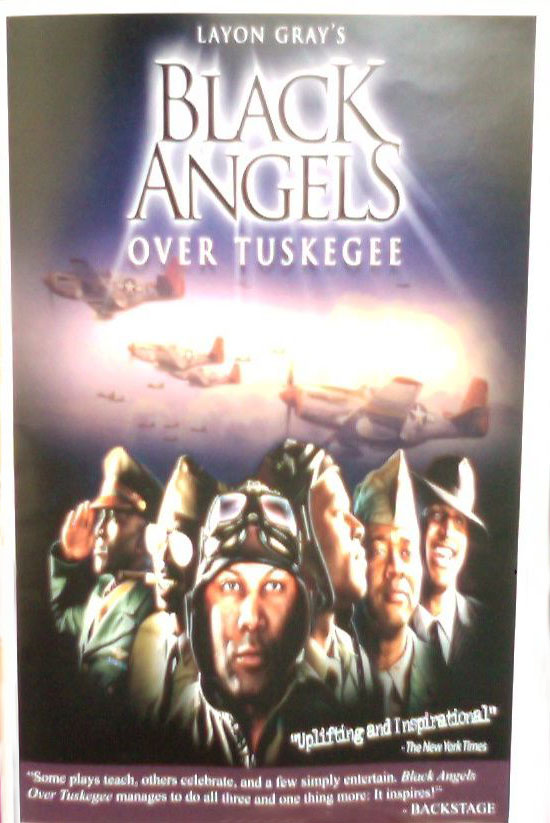
  • Although the Hell’s Kitchen synagogue was founded in 1917, when you walk through the doors of the Actors Temple at 339 West 47th Street, you’ll enter a 1923 national landmark frequented by the greats of vaudeville, nightclubs, and live TV. Personalities like Al Jolson, Jack Benny, Shelley Winters, Harpo Marx, and even Frank Sinatra. The space was designed to multitask as a house of worship, gathering space, and (can’t you guess?) a theater. Appearing every Saturday and Sunday you can catch the terrific ensemble of Laydon Gray’s Black Angels over Tuskegee, the gripping true-life tale of WWII’s first African-American fighter-pilot squadron (currently in its third year). Go see it and take a trip through history.  


MoMA’s Best-Ever Social Media Event

Always ahead of the curve, probably the most innovative, fun, addictive social-media experiment by a museum in New York has been created and curated by the Museum of Modern Art. Why is MoMA out-doing everyone else? Because MoMA’s social network is on paper!!!

If you’ve strolled through MoMA’s lobby lately, you’ll see the biggest crowds (after the admissions line) gawking at a wall where MoMA projects digital scans of some of the 18,000 slips of paper filled out by visitors, all beginning “I went to MoMA and…”.

And what greater tribute to the success of this two-dimensional throwback in a hyper-connected world: MoMA featured some of the best in its full-page print ad in this past week’s Museum supplement in The New York Times (yes, that’s the newsprint edition).

Hilarious, touching, artistic, inspirational, and everyone looking, reading, and enjoying — isn’t that what we want our social media to be? Check out the pieces of paper on line.