
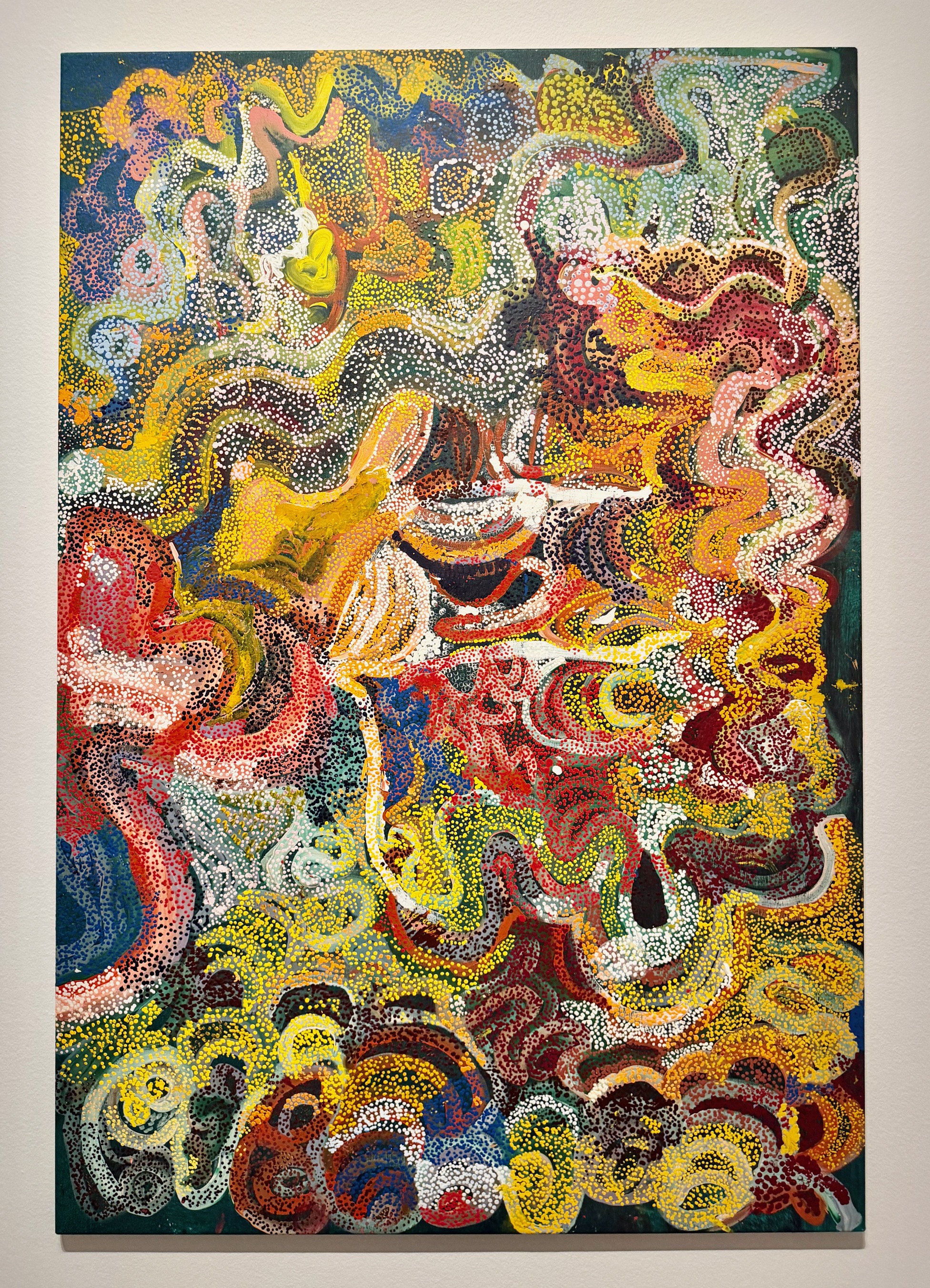
The massive exhibition is a blockbuster of abstraction – giant canvases, bold strokes, and enough dots and concentric circles to satisfy the most avid Kusama fan. But these visions don’t emanate from the 20th century’s Western modernist tradition. They’re the work of visionary artists from the Outback, whose abstractions use traditional icons as meditations on stories and landscapes that indigenous Australian people have relayed for thousands of generations.
The Stars We Do Not See is a journey like no other through the Denver Art Museum through July 26, 2026.
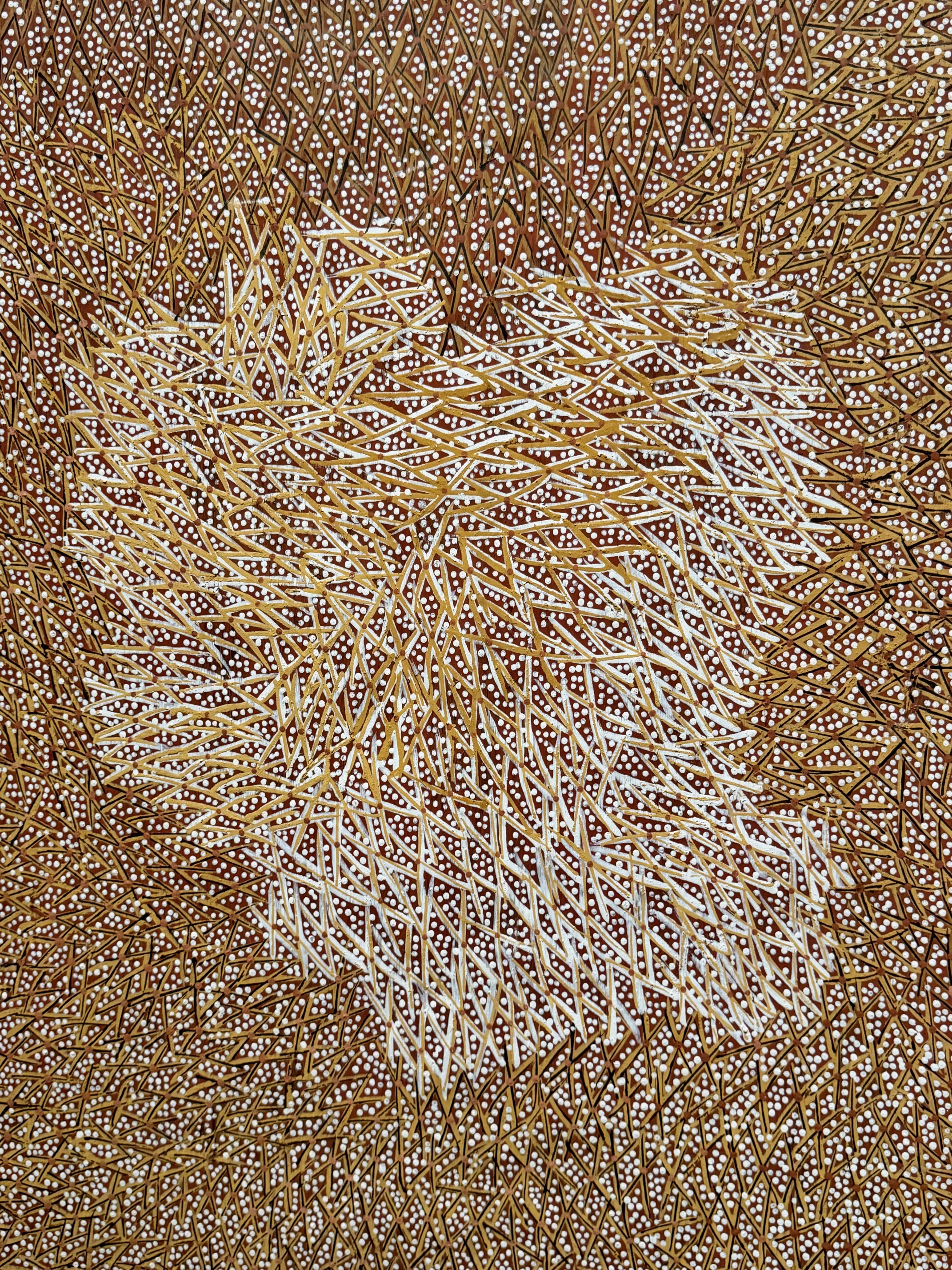
The winding path reveals principles of cyclical time, how the spirits of the land influence specific Indigenous cultures, and how icons of sacred landscapes and water sources are translated onto horizonless painted canvases.
Enjoy some of our favorites – full-size works and close-ups of paint details – in our Flickr album.
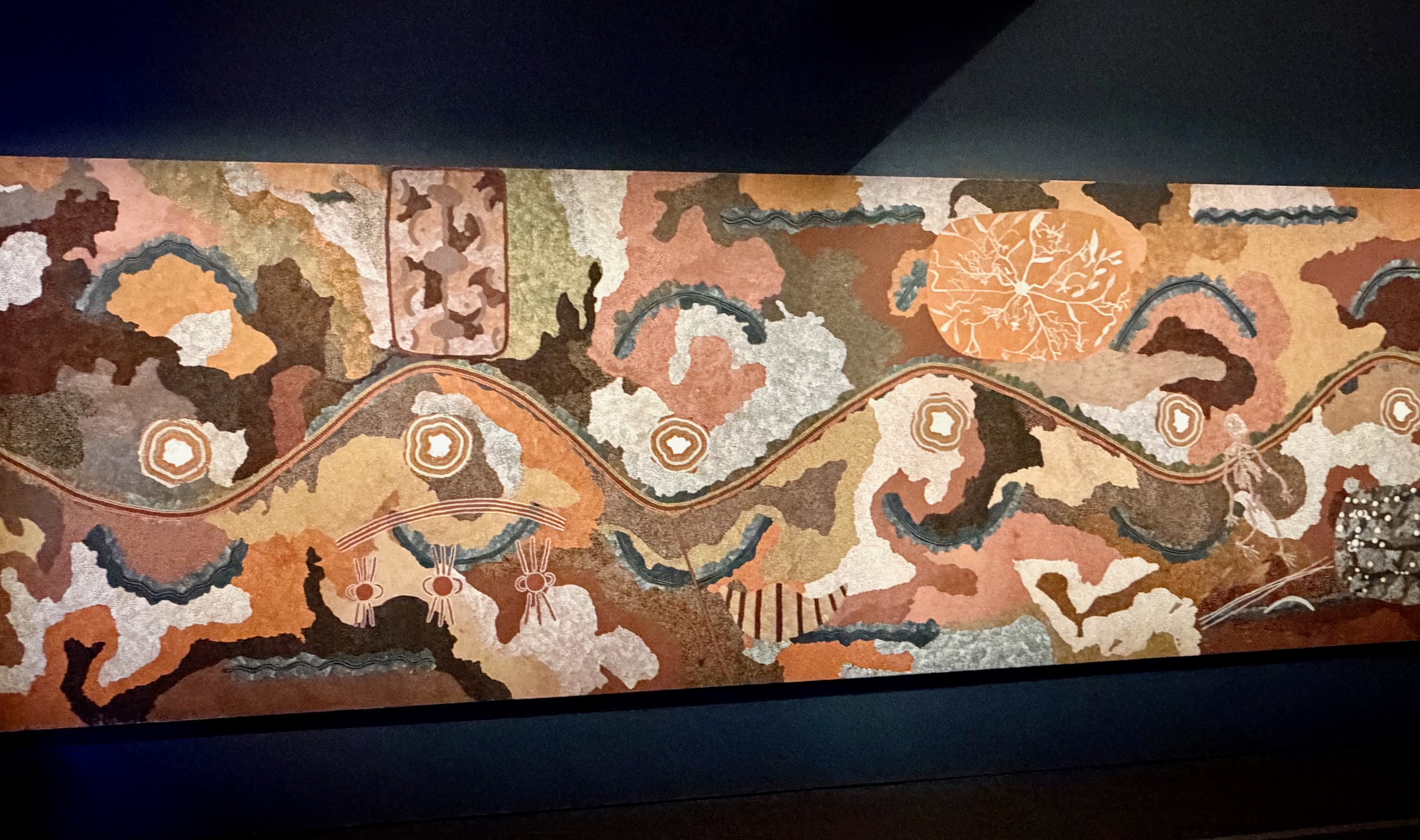
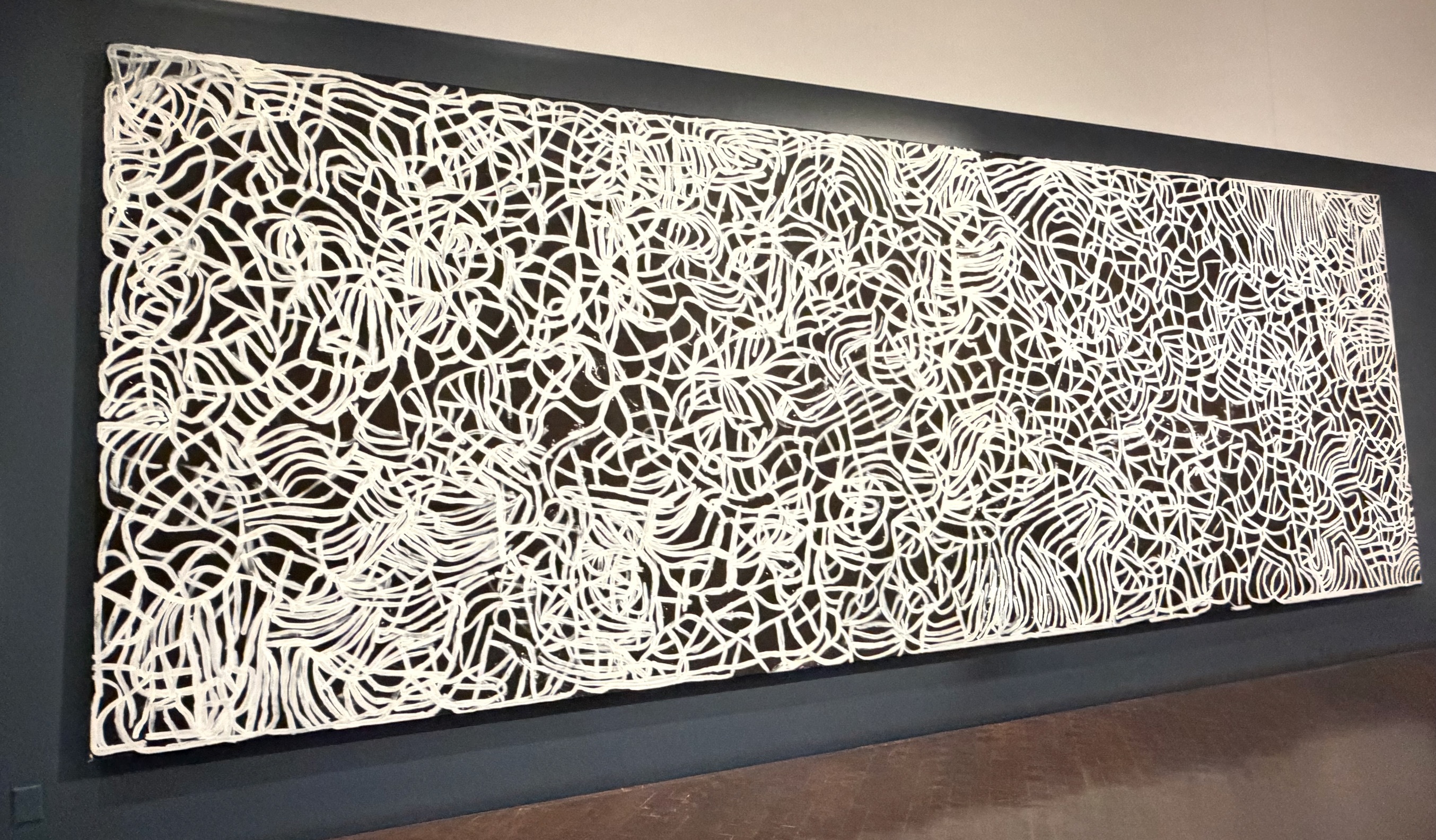
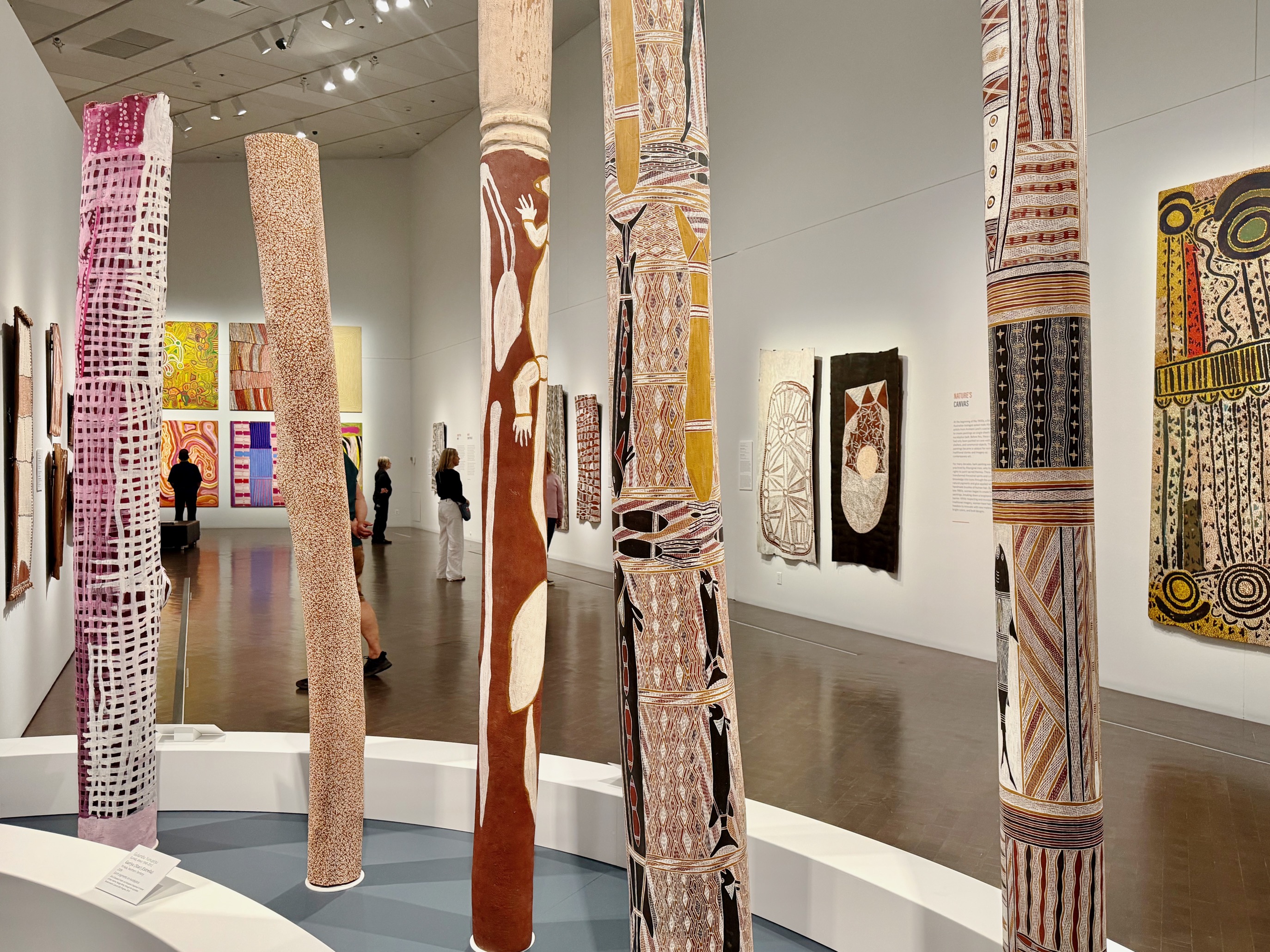
At every turn, there are gigantic room-size works (some realized as large-group colleborations) and arrays of towering carved and painted memorial poles. Abstract symbols denote spirit beings, water, river systems, nature or animal traces. Everything is drawn from the massive collection of the National Gallery of Victoria, Canada.
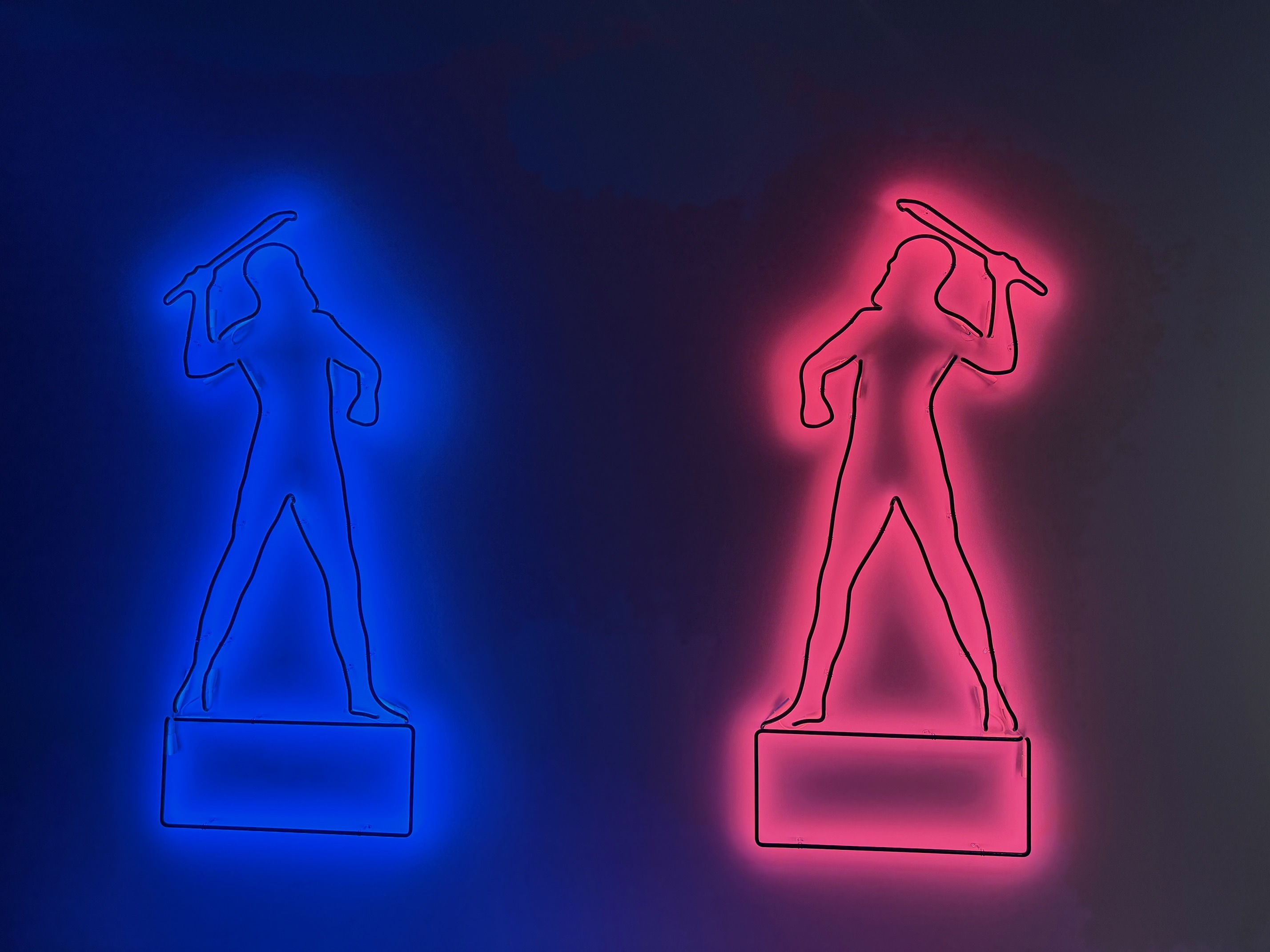
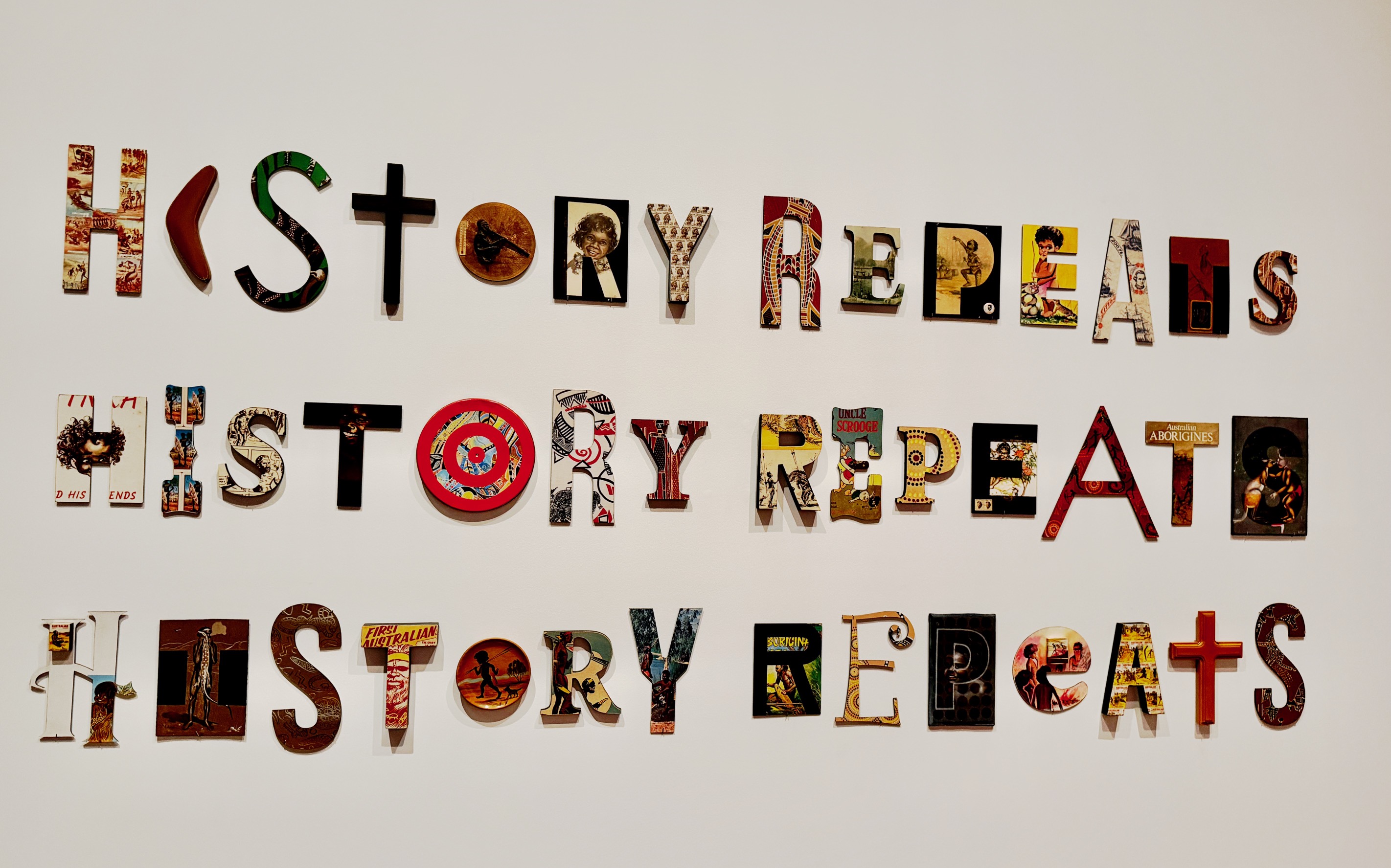
The curators start and end the show with arresting contemporary works by urban Indiginous artists – a neon installation, video, a painted skateboard, and representational works referencing forced relocation and unjust assimilation policies.
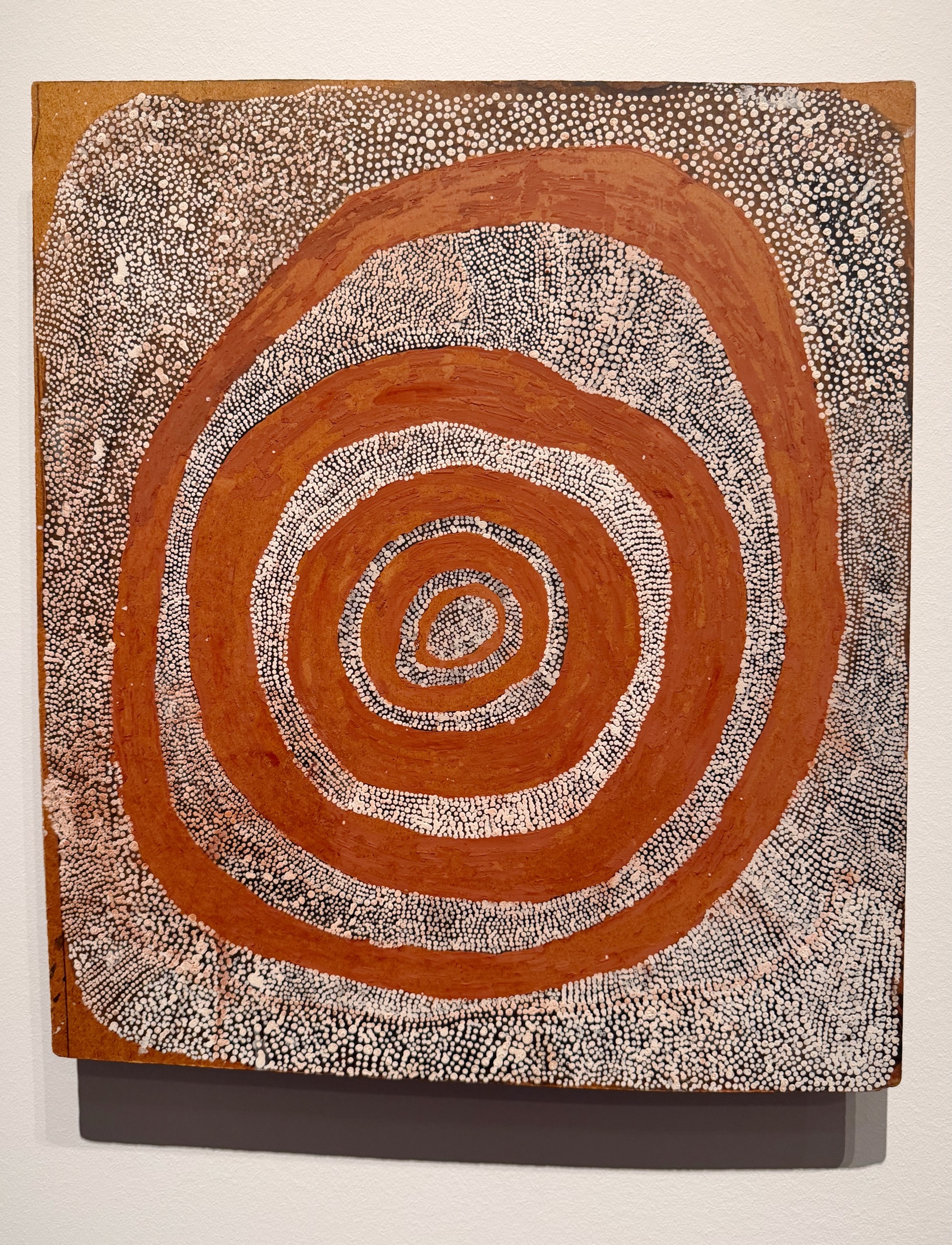
But the majority of the show shows how traditional artists using earth pigments on eucalyptus bark prior to the 1970s gave way to community artist who used new synthetic pigments to paint first on posterboard and then on canvas.
For more about the artists and how/why they create, take a look at the exhibition guide here.
Experience the majesty, scale, and experience of this exhibition through this walk-through produced by the Denver Museum of Art. Listen for the explanation of how the exhibit received its title, too!
Don’t worry if you missed this in Denver. The Stars We Do Not See will be on view at the Portland Art Museum in Oregon from September 5, 2026 through January 3, 2027, and at the Peabody Essex Museum in Massachusetts from February 27, 2027 through June 13, 2027.
 itsnewstoyou
amazing exhibit – we need to hear and see more of these indigeneous communities from outisde the US!
Totally agree with you, Richard!!