
As a young woman, O’Keeffe learned to play the violin and piano. But she was also a talented visual artist, which made her wonder which path she would take in her education – music or art? We know which career path she chose – a modernist painter of nature, New York cityscapes, and New Mexico landscapes.
But deep in her artistic upbringing, she figured out a way to have the best of both – using music as a conduit to make abstractions that express emotion, hidden feelings, and channel pure beauty. It’s a hidden, personal dimension to O’Keeffe’s creativity that is on display at the Georgia O’Keeffe Museum’s capsure exhibition, A Circle that Nothing Can Break, on view in Santa Fe through June 7, 2026.
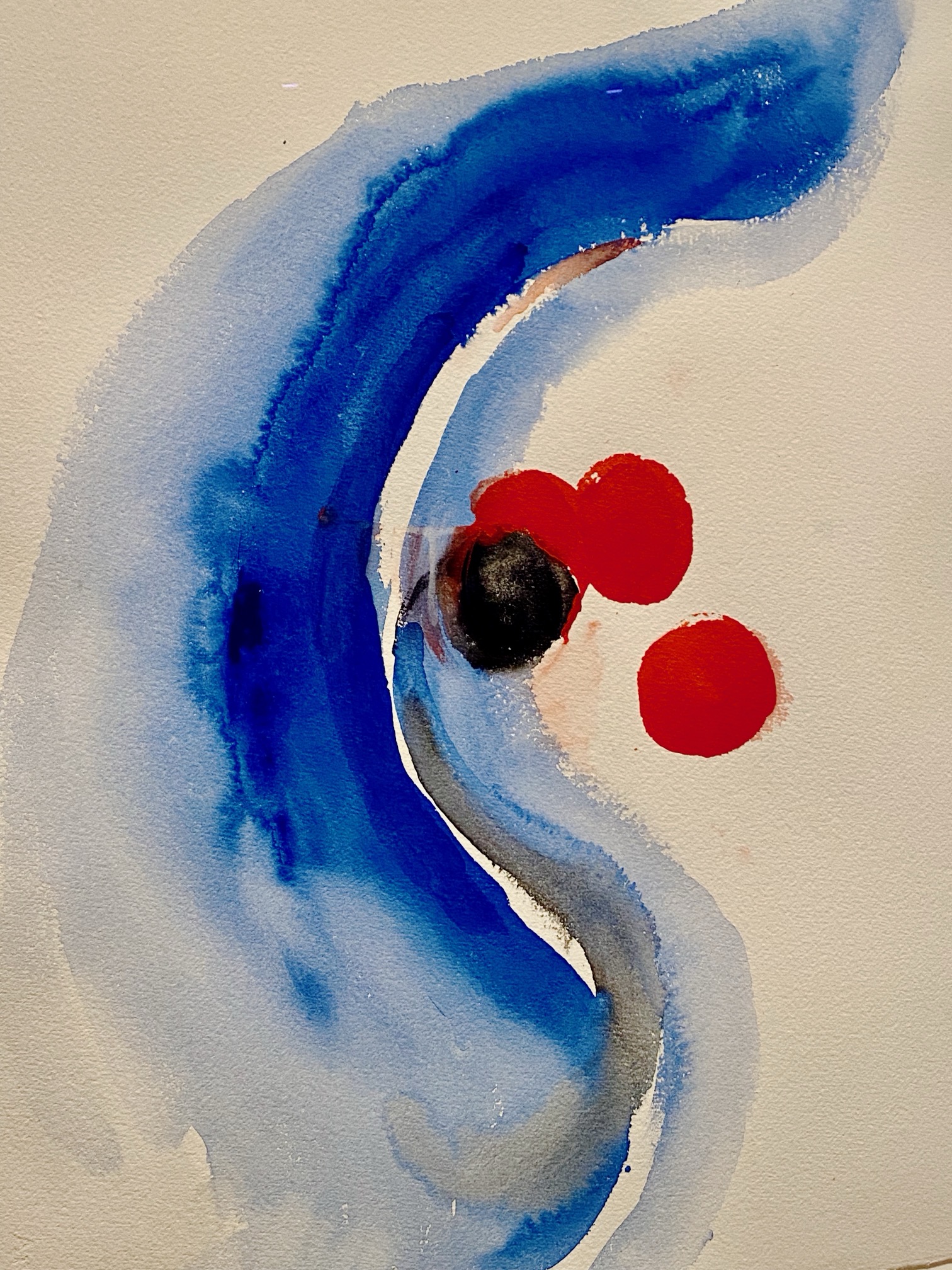
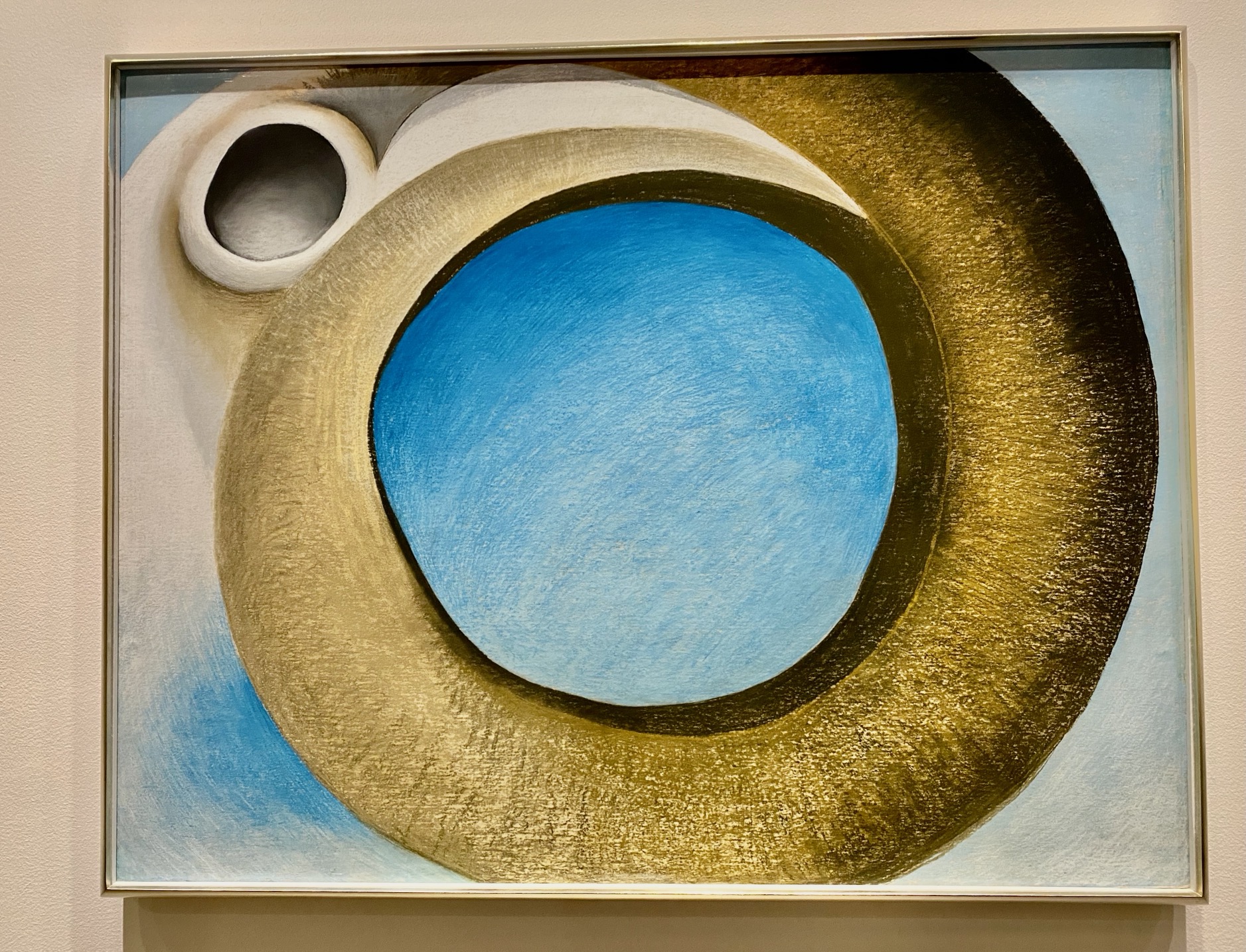
The title of the exhibition refers to a comment by Georgia in a 1922 letter to her husband – the influential photographer and gallerist Alfred Stieglitz – in which she said their relationship was “like a circle that nothing can break.” Looking around the small gallery, circles and arcs are everywhere – in her earliest charcoal abstractions, a circle of blue sky seen through a curved goat horn, and her late-in-life abstractions.
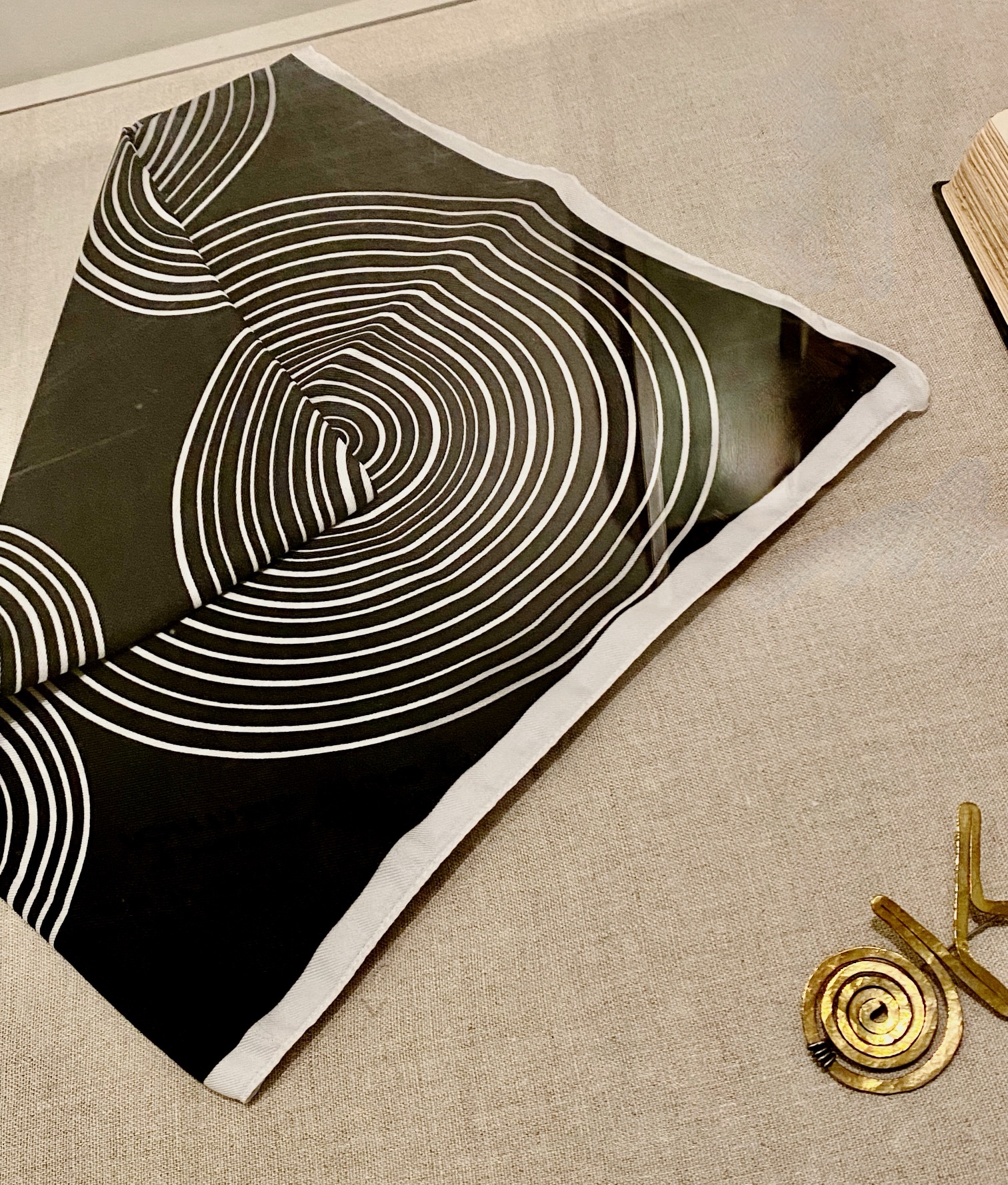
Even some of her favorite fashion accessories feature circles! Take a look at some of our favorites in our Flickr album.
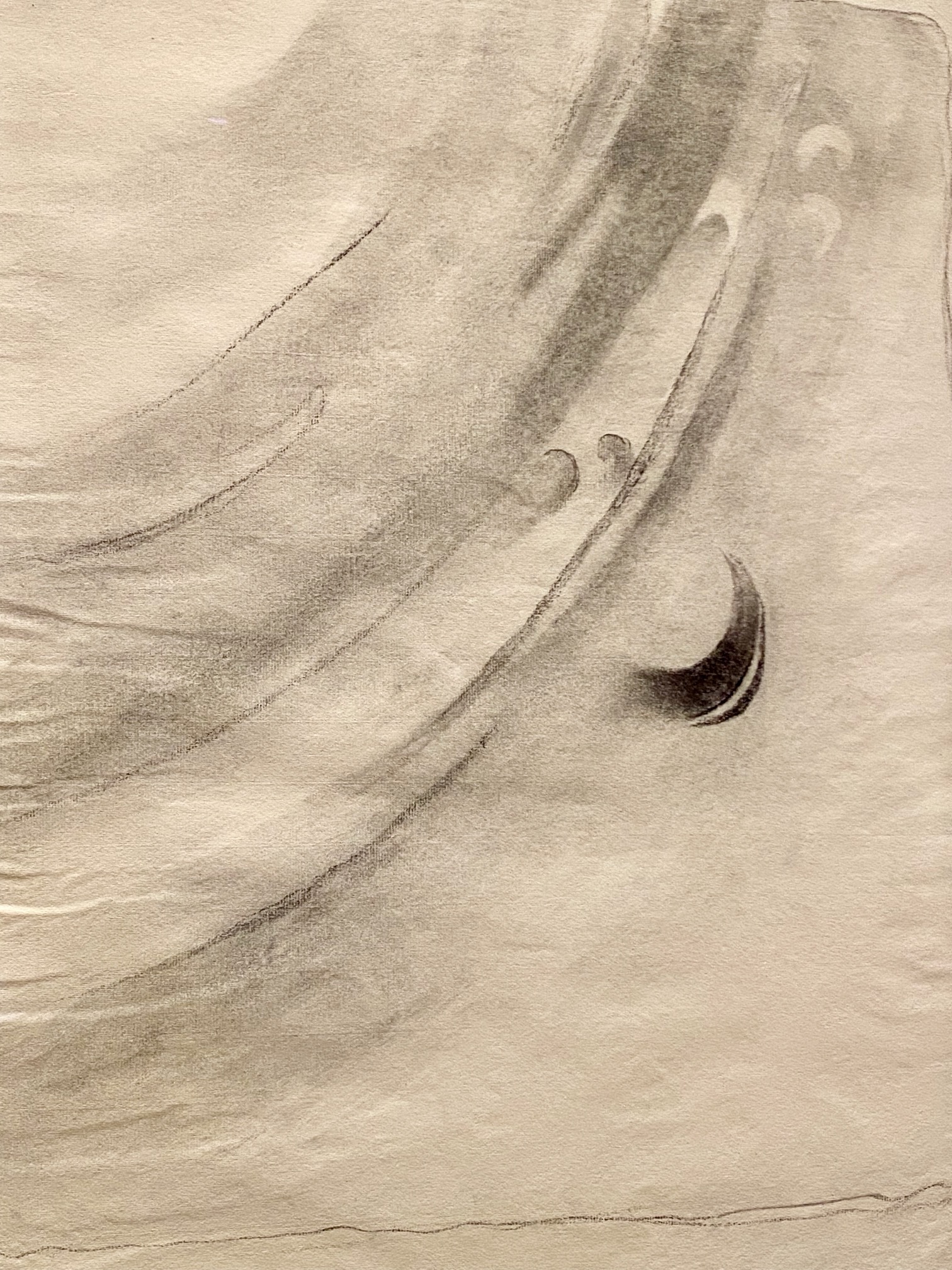
When O’Keeffe took summer classes at the University of Virginia in 1912, her teacher Alon Bennett often played music on his Victrola during class and encouraged her to explore expressionist synergy between music and art. Around 1914, she also read Kandinsky’s influential book, Concerning the Spiritual in Art. It made quite an impression on her with quotes such as “Color is the keyboard, the eyes are the harmony, the soul is the piano…(and) the artist is the hand which plays…”
Georgia’s early charcoal works show her experimentation in using lines as “sounds” and interest in using circles in an expressionistic way. In letters to her long-time friend Anita Pollitzer, sent in 1915-1916 while she was teaching in South Carolina, Georgia said she did a “liberating series of drawings.” She explained that she often played violin for many hours to interpet her feelings, and then translated it all through her charcoal drawings.
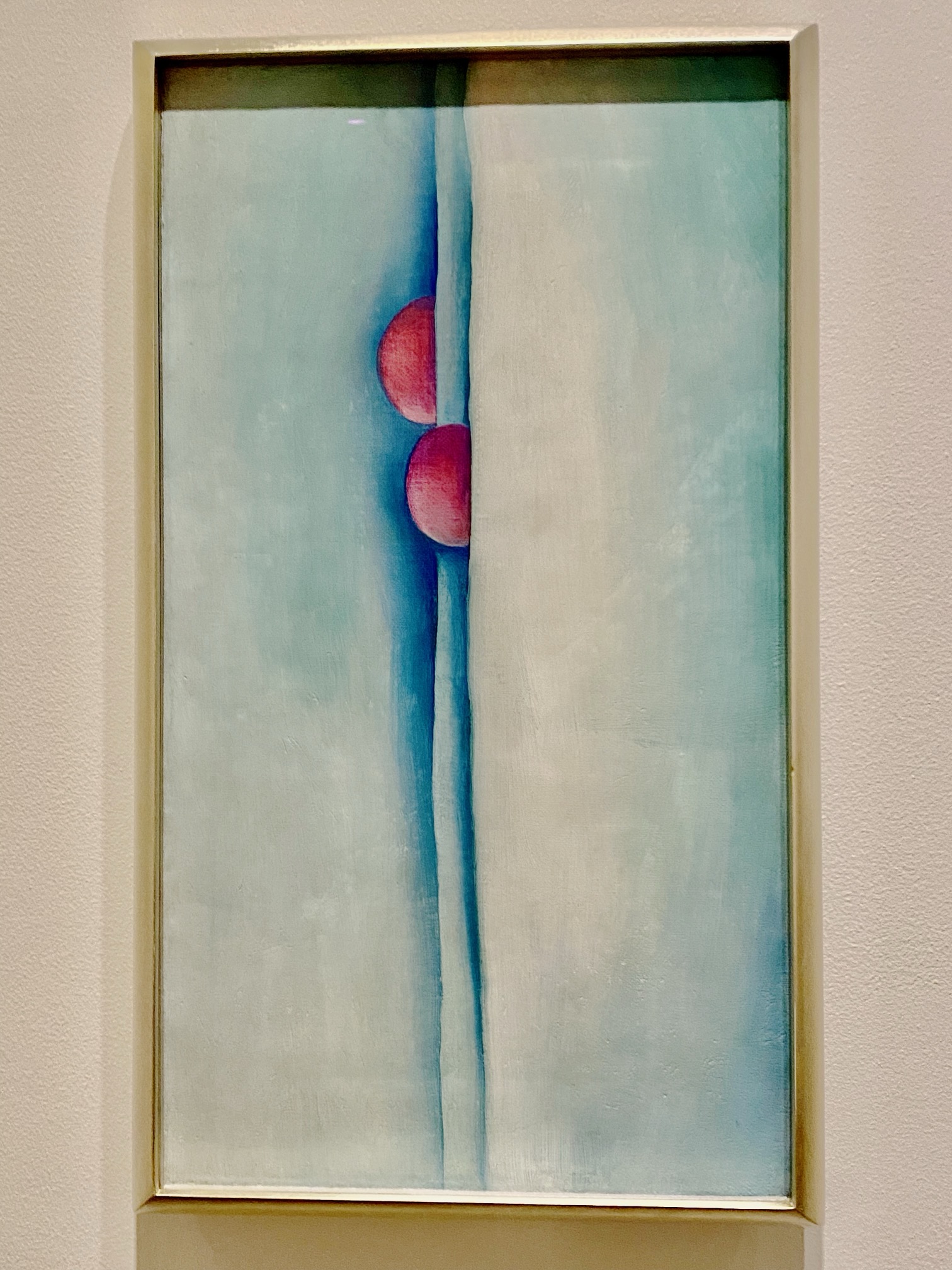
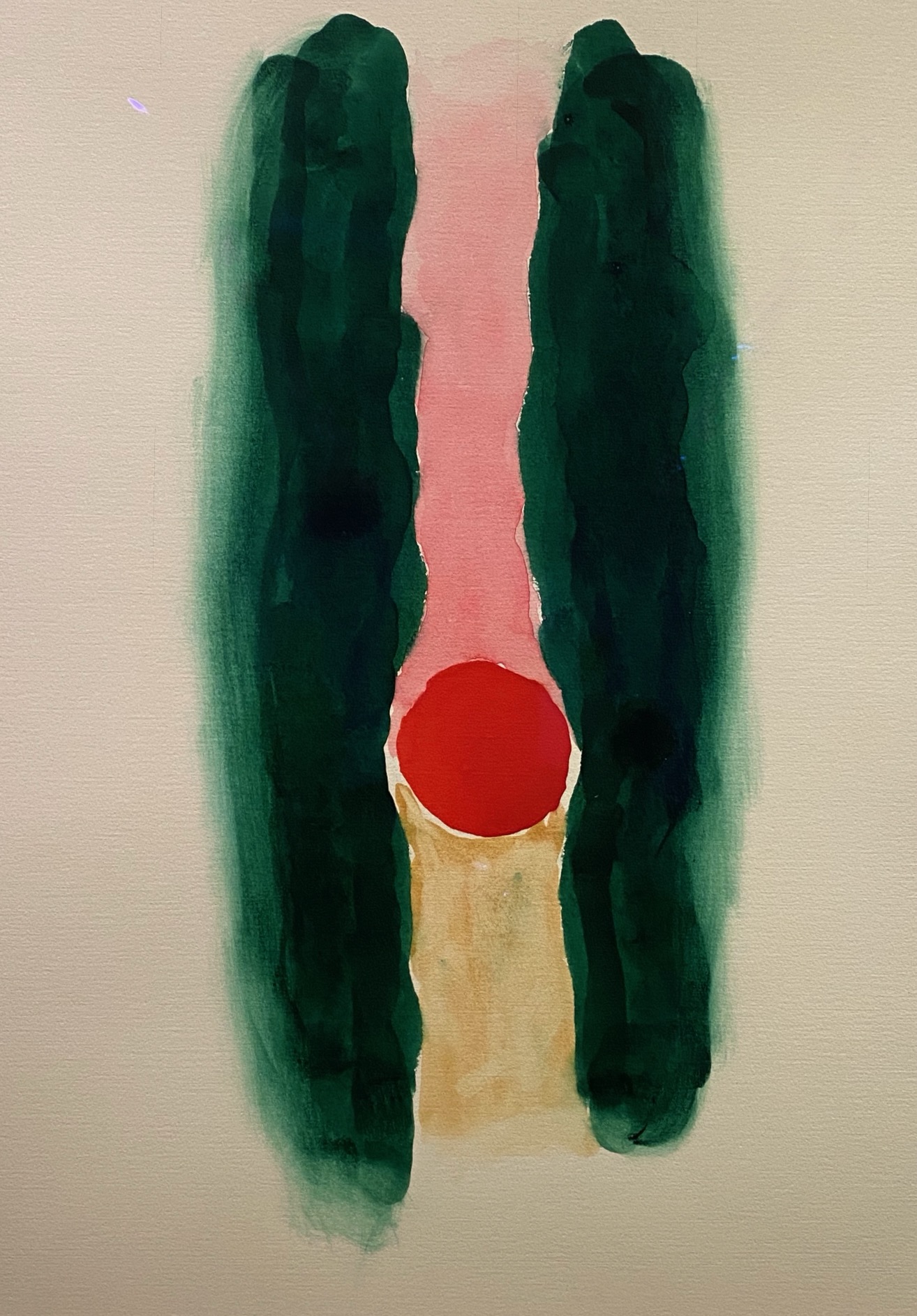
These drawings electrified her future husband, Alfred Stieglitz, who immediately mounted them for a show in his gallery and kick-started her career.
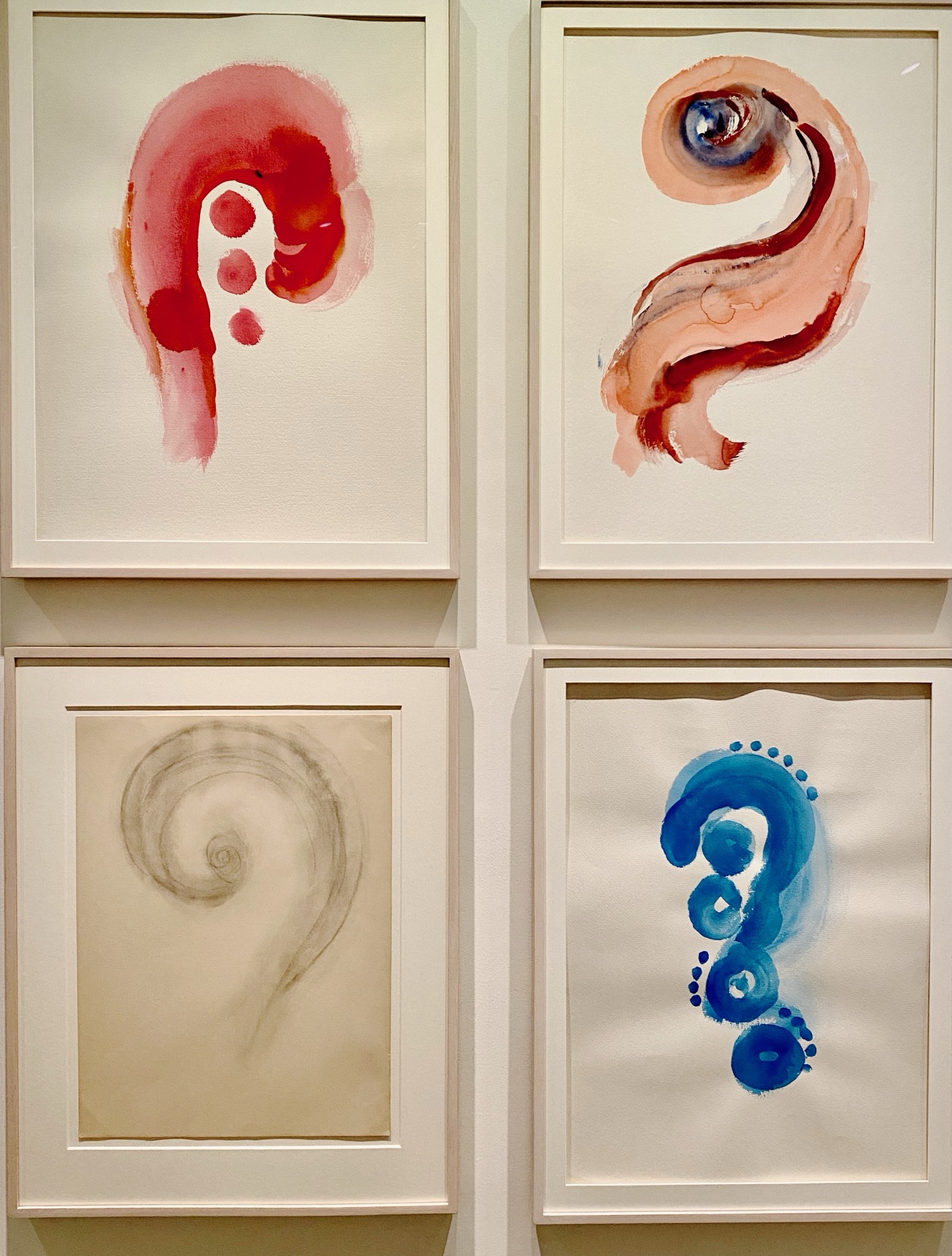
In New York, the couple shared a love of live concert and recorded music throughout their lives together. By the time Georgia moved to New Mexico, she had assembled an extensive classical record collection. During the 1960s, when she began to lose her eyesight, listening to music from the comfort of her BARWA Lounger was a near-daily afternoon routine.
The exhibition selects paintings from throughout Georgia’s life featuring this circle motif – early oil paintings and sketches through to her late-in-life watercolors (done in her nineties with help from artist Mino López) that revisit these early themes. Note the upper arcs that suggest the top of a violin. She remembered it all.
Listen to this fascinating talk by music education professor Janet Revell Barret, who provides an in-depth explanation of how O’Keeffe’s early training and musical inclinations led her to greater expression on the page and canvas:

