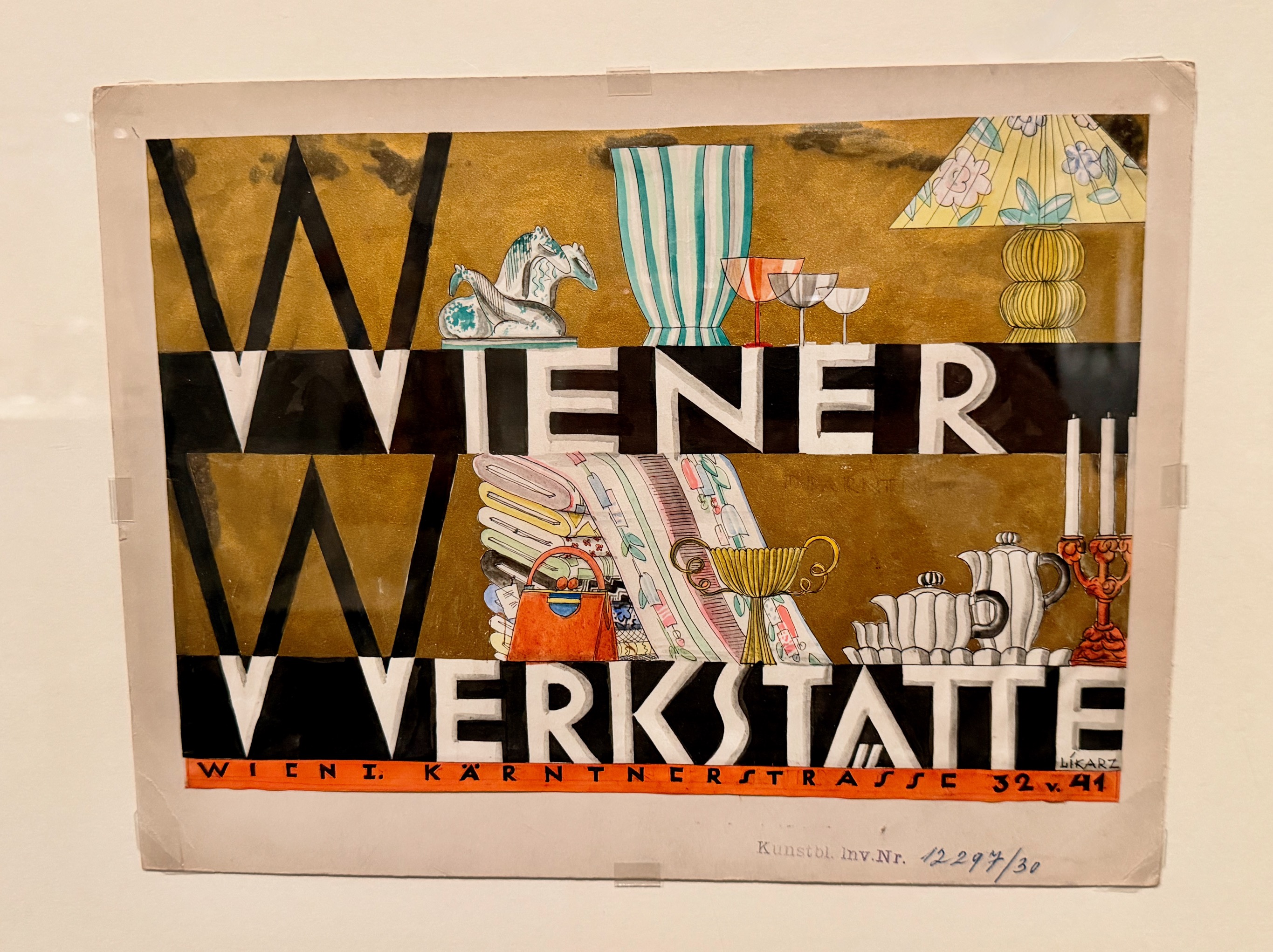
Modern young female designers in early 20th century Vienna were electrified by the changes in art, design, and new opportunities for women and seized the opportunity to create wearable art, décor, and graphics that other contemporary women embraced in creating their own looks and statements. The exhibition Modernity and Opulence: Women of the Wiener Werkstätte tells their story at New York City’s Jewish Museum through November 15, 2026.
The show is a collaboration with Vienna’s MAK (Museum of Applied Arts). Take a look at some of our favorite pieces in our Flickr album.
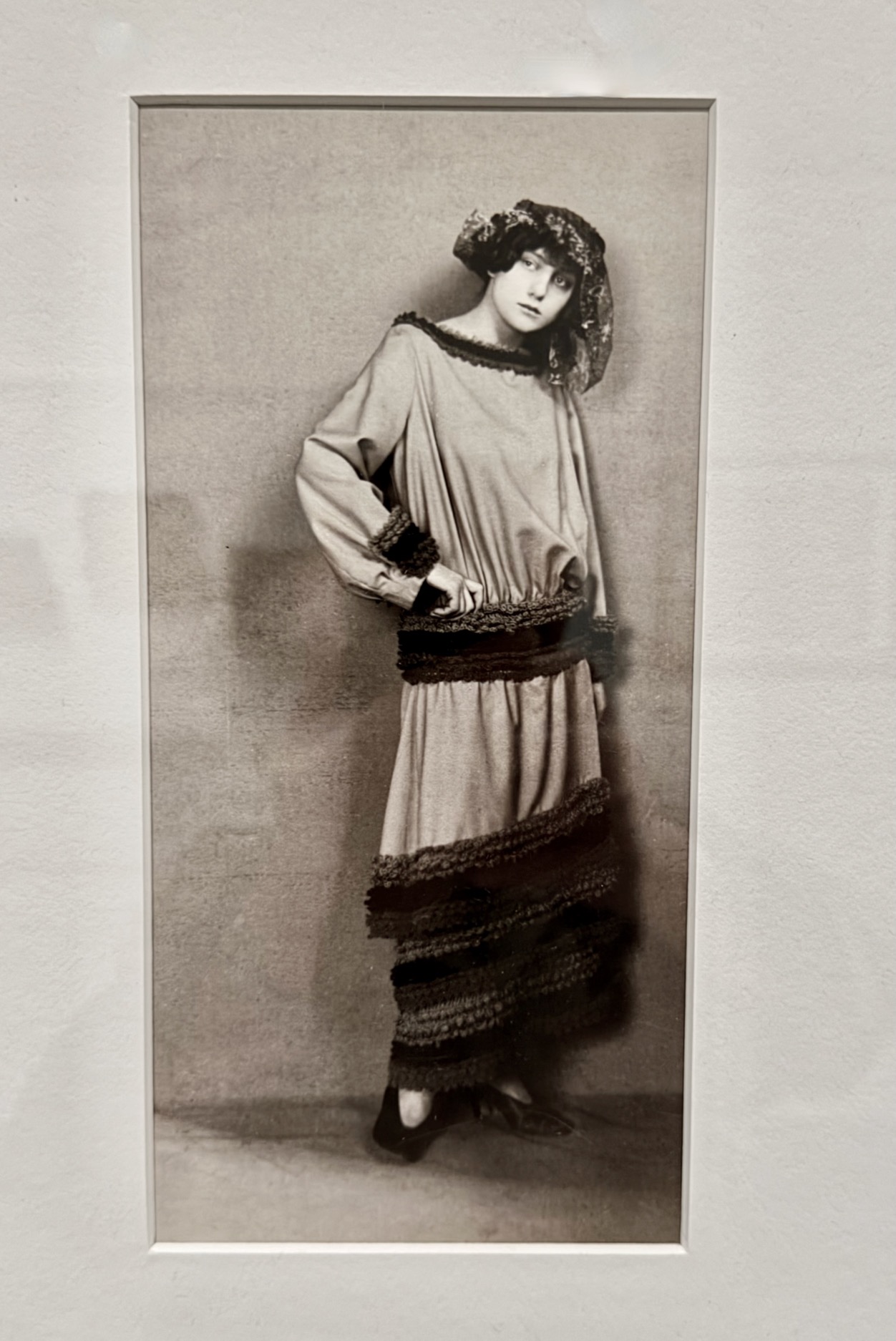
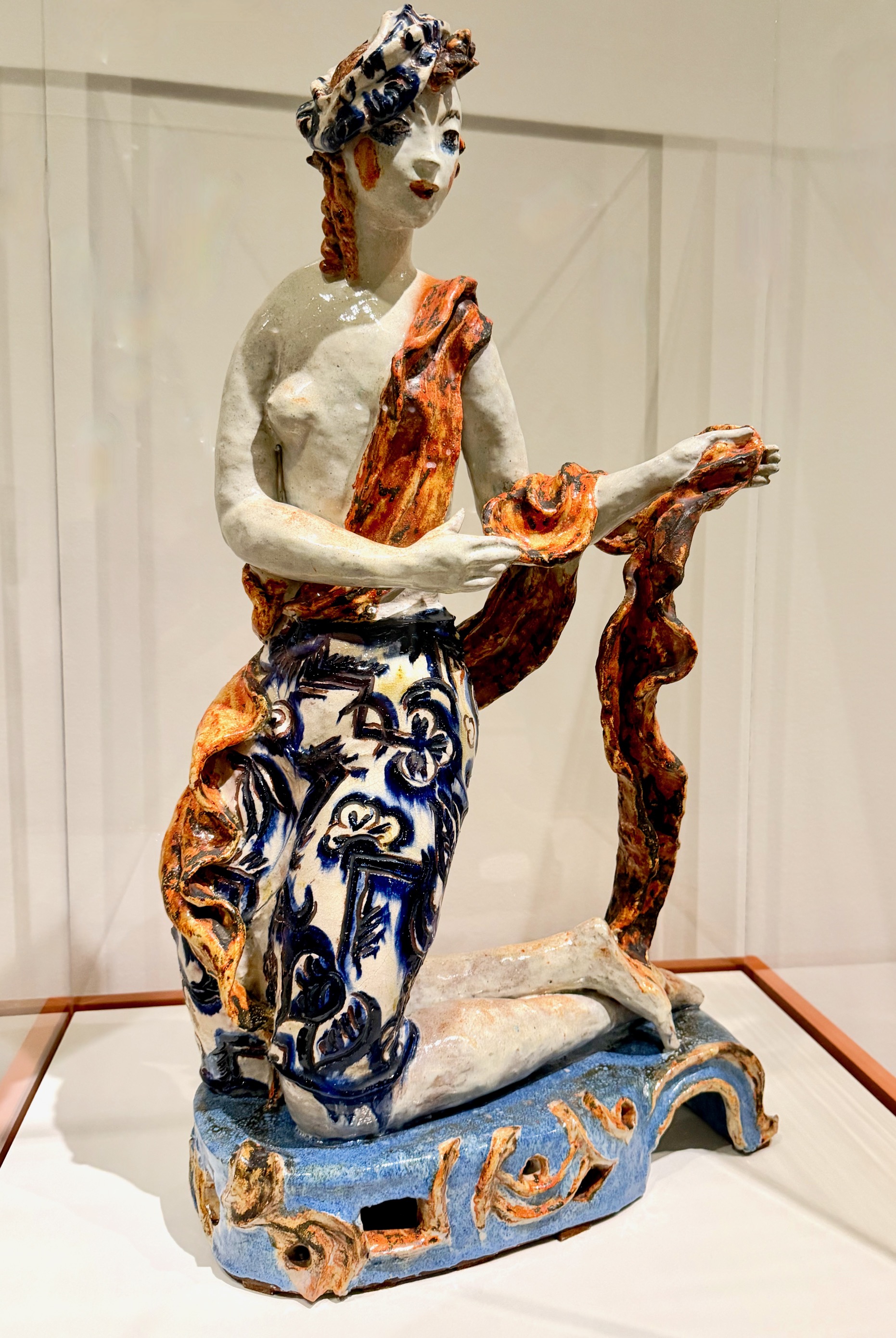
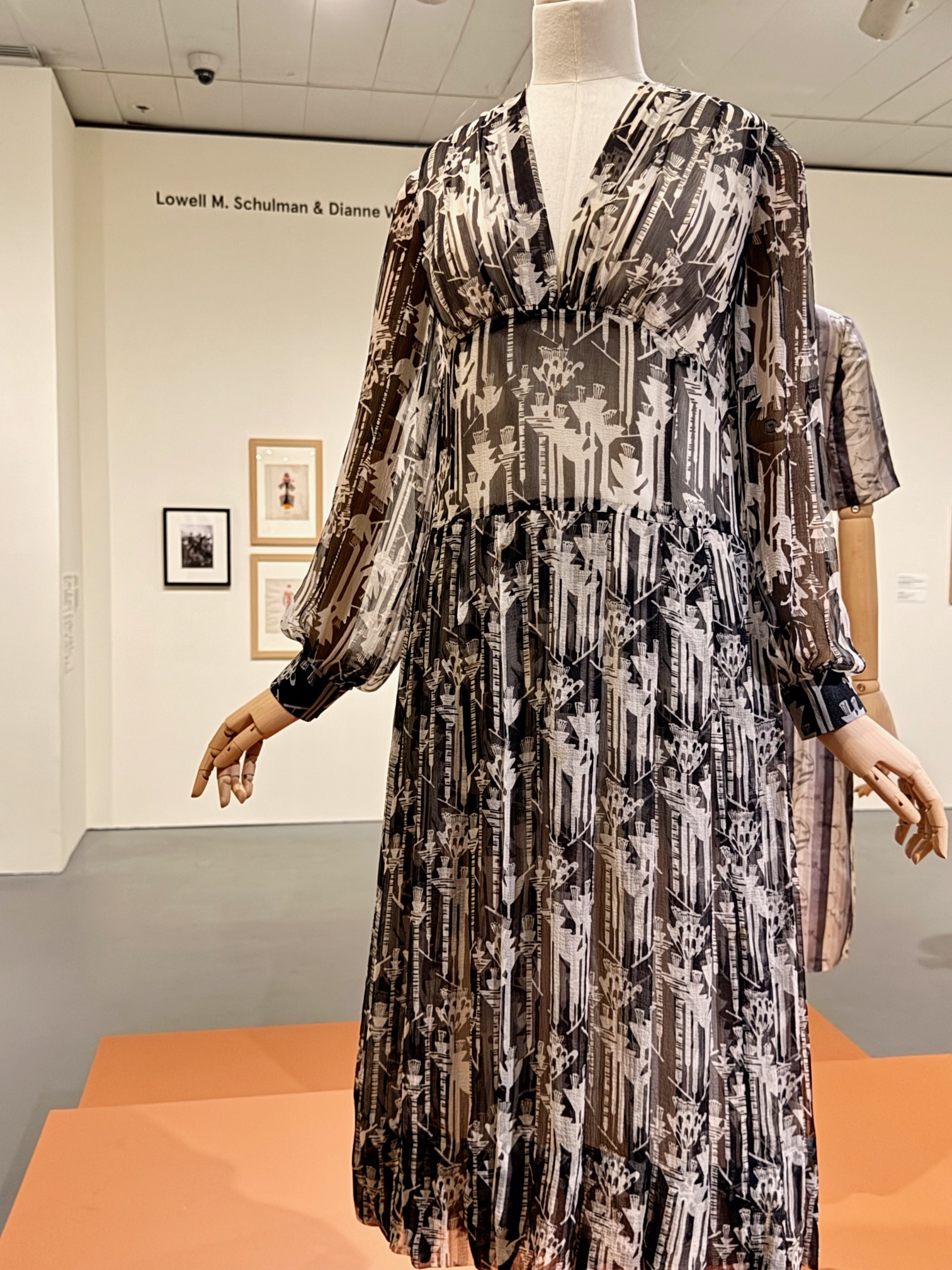
The exhibition puts the spotlight on some of the 200 women designers who created eye-popping fashion, cheeky ceramic works celebrating the “new woman, bold textiles to brighten wardrobes and interiors, retail experiences, and advertising promotions that screamed “modern style.”
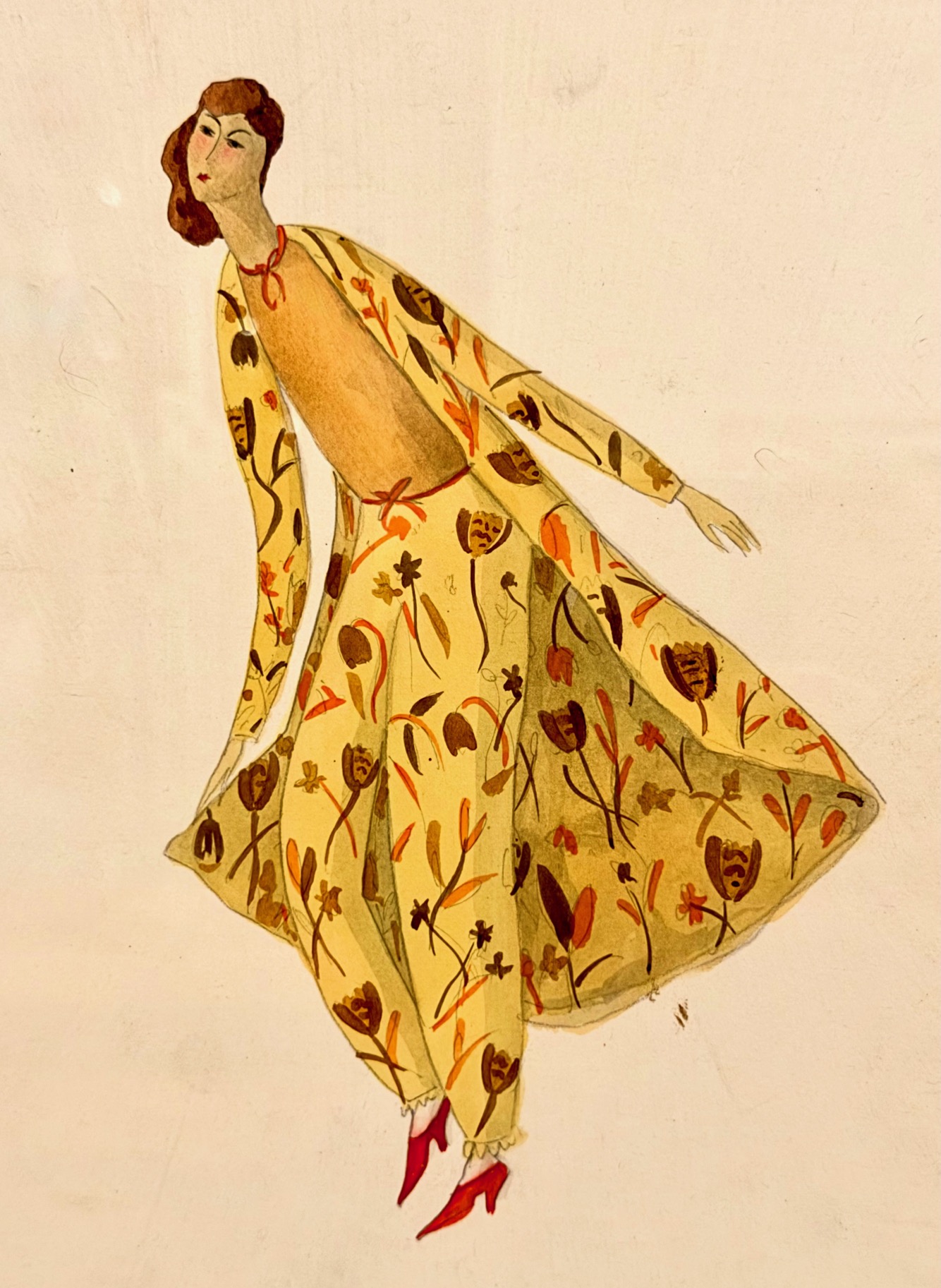
The installation shows off the work of nearly 30 women designers who experimented across media throughout the thirty-year period (1903-1932) that the Wiener Werkstätte flourished, providing the pizzazz for it to become an internationally recognized, cutting-edge brand.
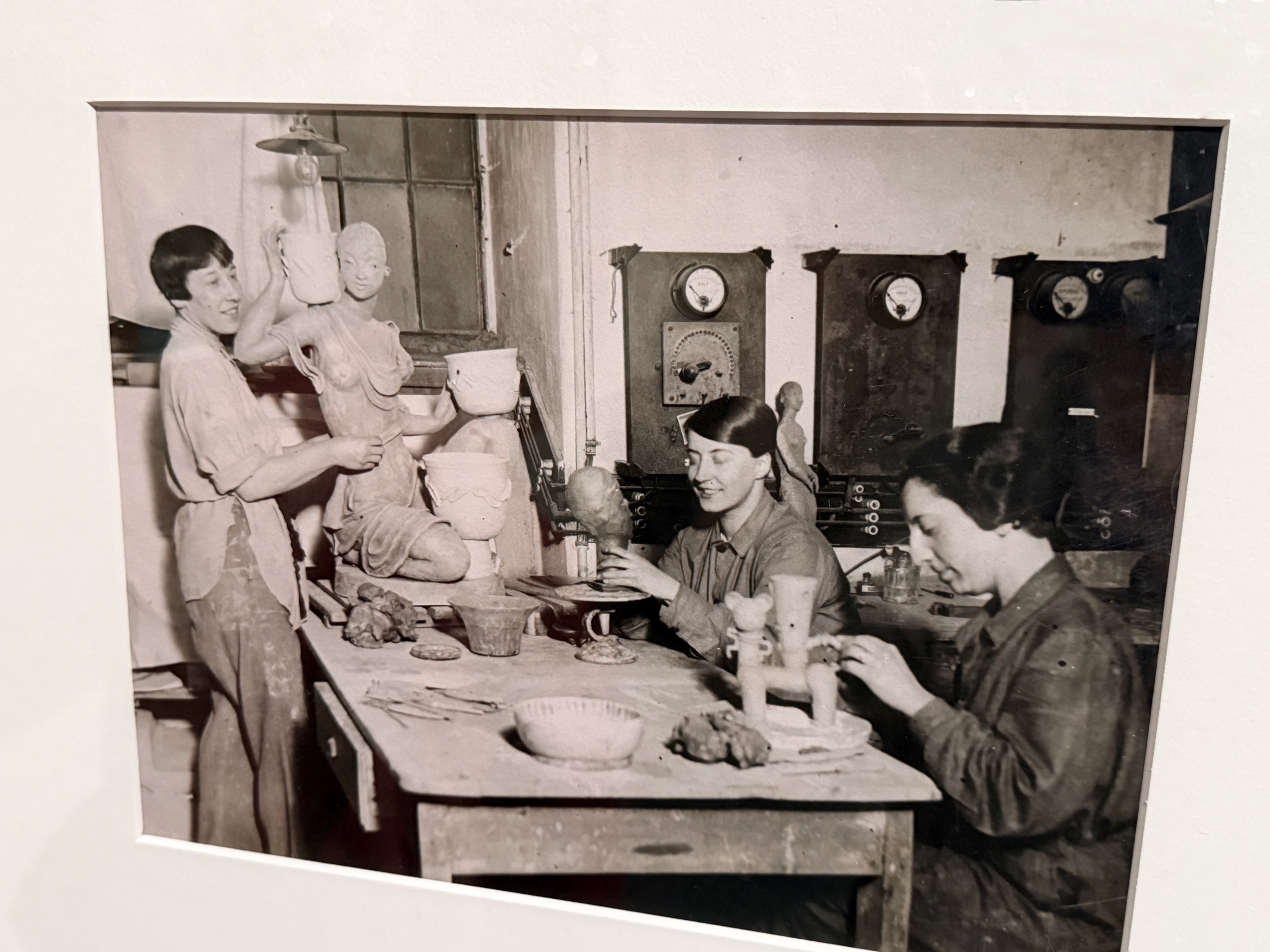
These women’s stories and creations are presented within the context of women’s independence, social change, and design innovation happening as a war erupted, Austria’s empire collapsed, women won the right to vote, and money flowed in Vienna in the first quarter of the 20th century.
The show begins by highlighting work by the progressive stars of the Vienna Secession movement – Josef Hoffmann, Kolman Moser, and Gustauve Klimt – design innovators whose geometric designs, truth-to-materials approach, and embellished surfaces inspired the women who pushed the aesthetic even further. Strong advocates that fine design and fine art should have equal standing, Hoffmann and Moser taught at Vienna’s School of Applied Arts, the only art school in Vienna that admited women.
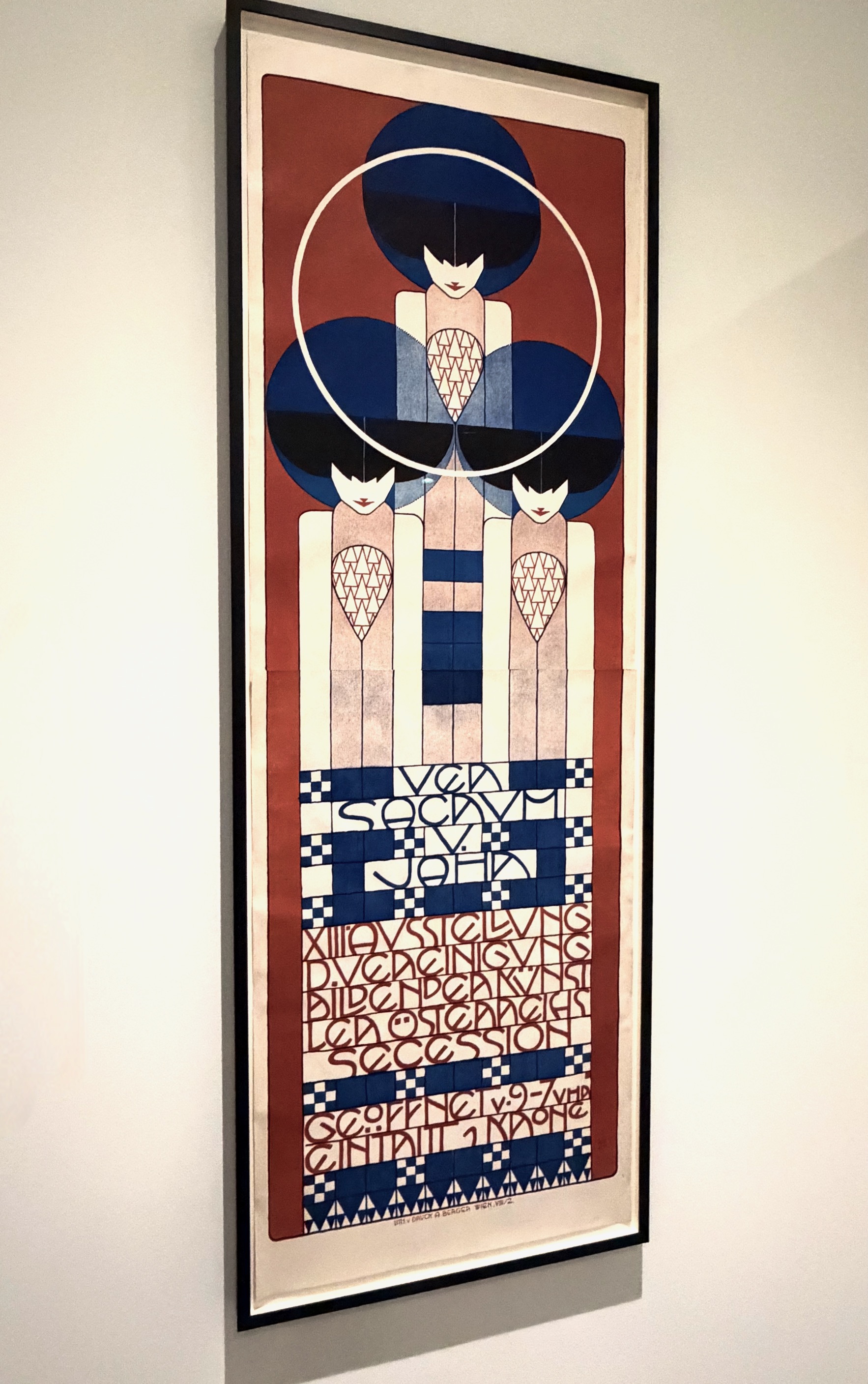
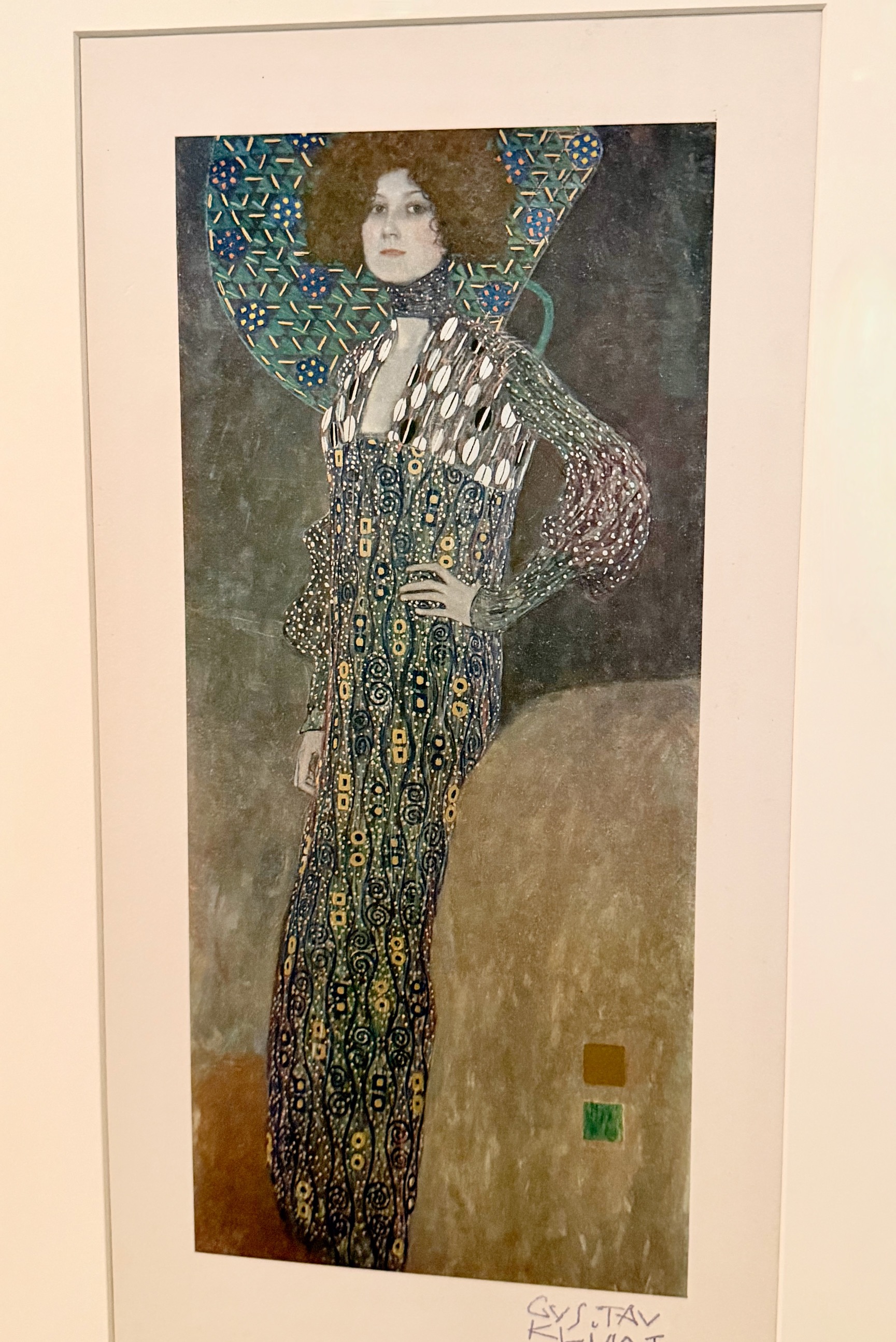
When Hoffman and his collaborators began the experimental Wiener Werkstätte, they enthusiastically provided their female students with a pathway toward a paid profession in the arts. At the time, few opportunities outside the home existed for talented women. Like the Arts and Crafts and the Secessionist movements, the workshop’s guiding principle was to integrate innovative design into everyday life.
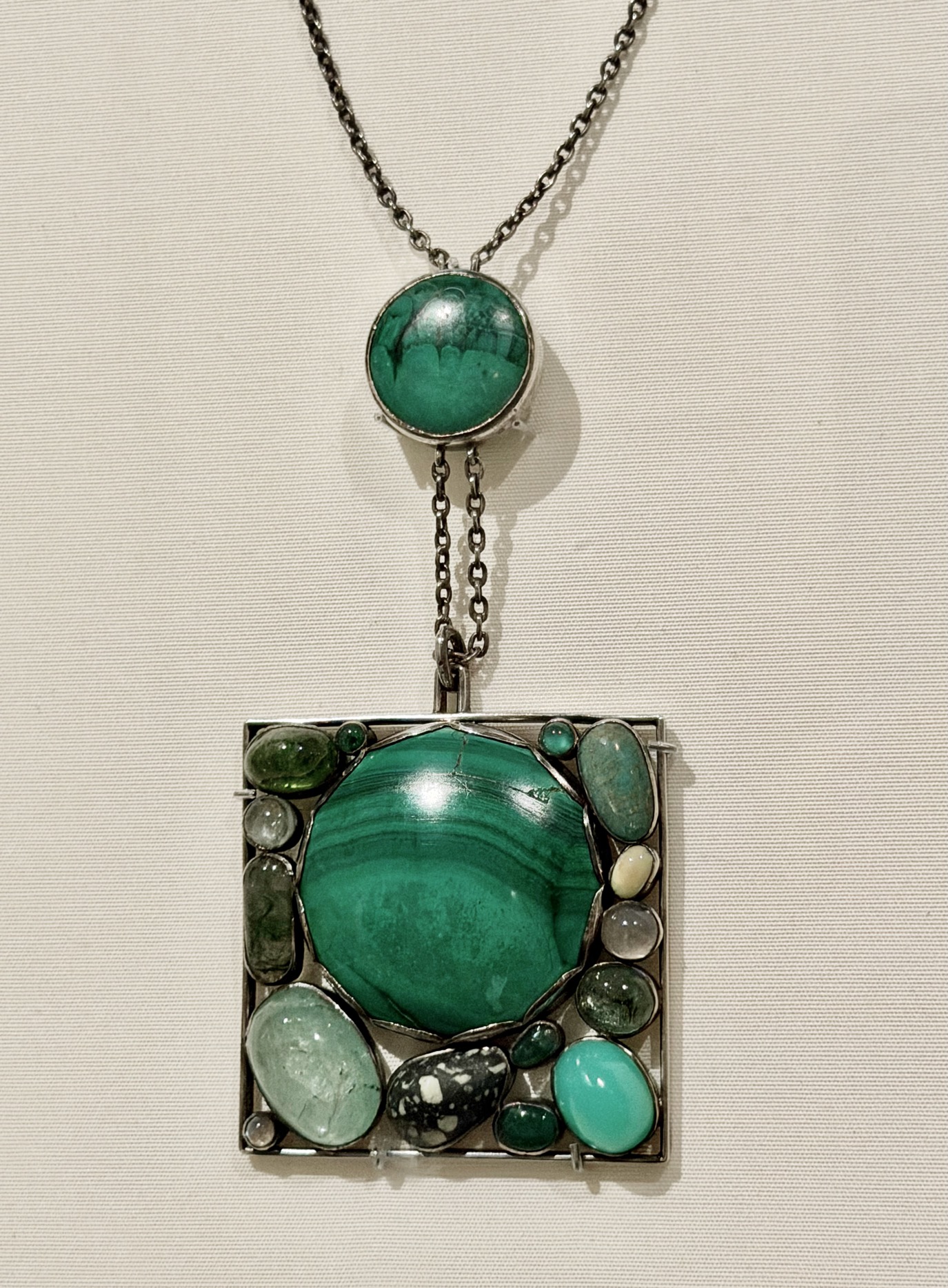
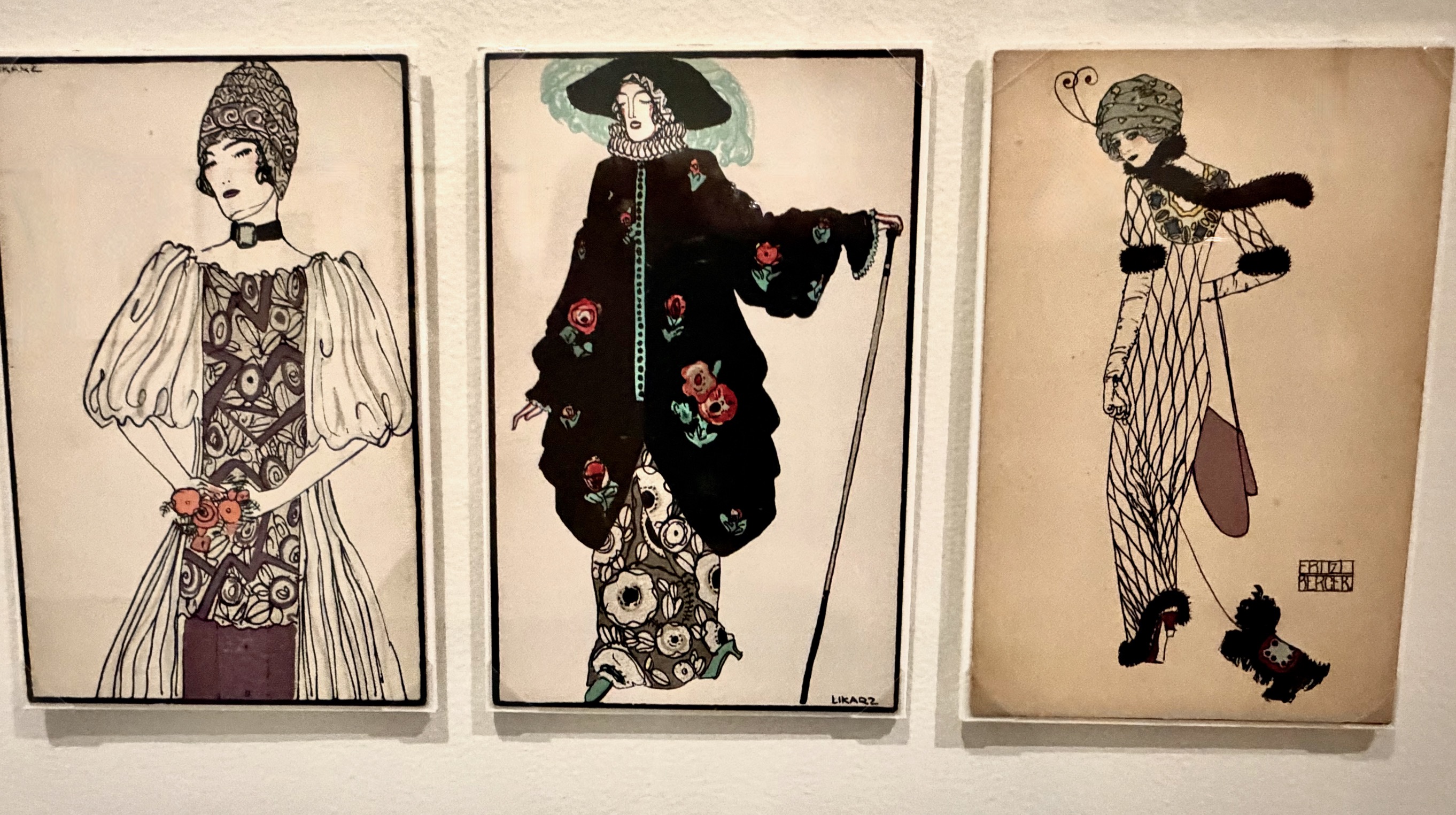
In the Wiener Werkstätte’s early years, many talented women designers moved into positions as fashion illustrators and designers. Picture postcards were all the rage, promoting products but also serving as collectible art in their own right. The fun designs were so popular that some allege postcard sales drove the revenue to support production of more upscale products in those years. In 1910, the textile department began, followed by the fashion department the next year.
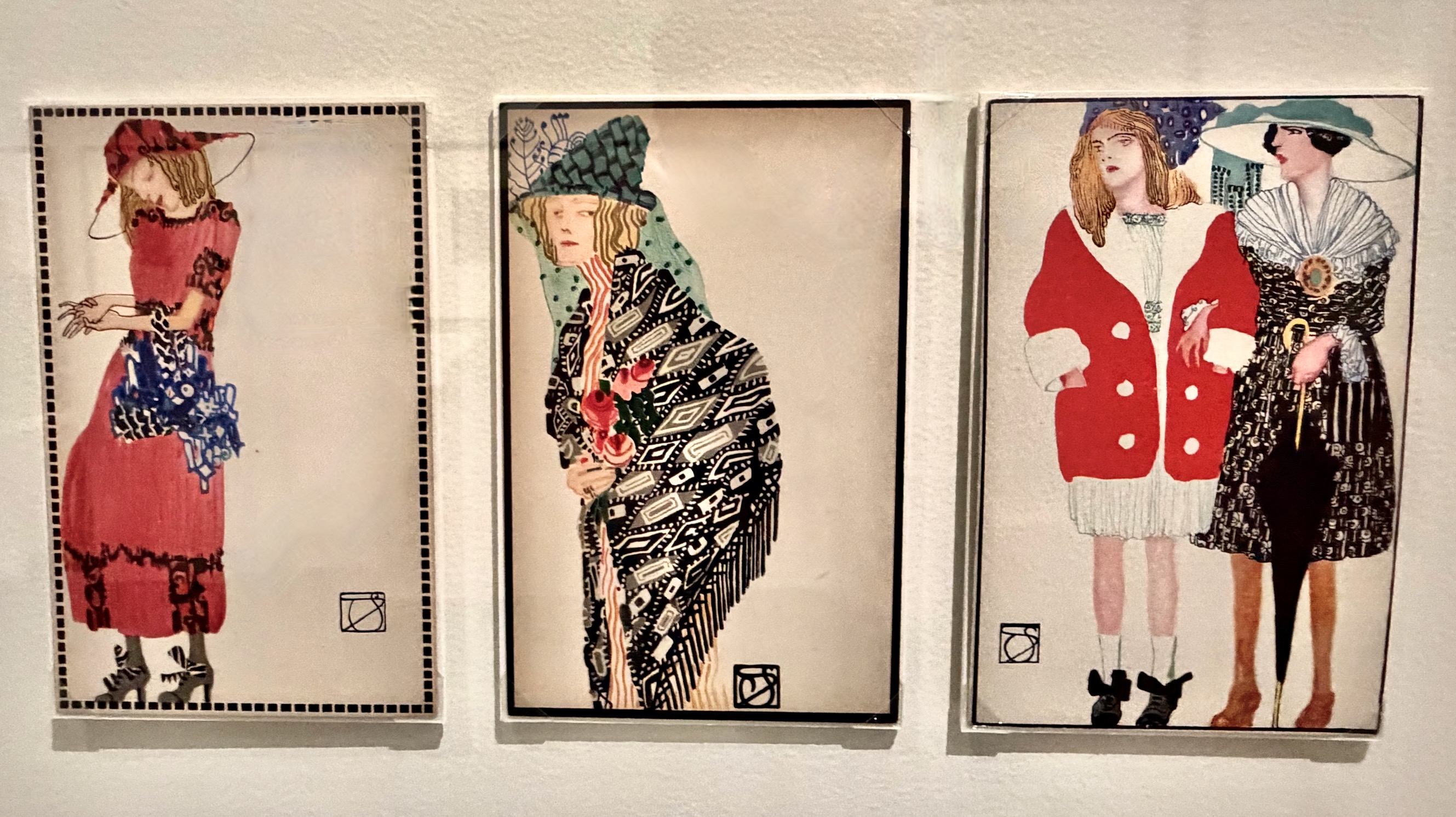
But when so many men left Vienna to serve in World War I in 1914, the number of women employed there soared. The female designers at the Wiener Werkstätte suddenly had keys to the workshops and the artisans at their disposal to create various lines of work. Although the war years were tough, the women found the work environment a kind of paradise – a golden professional opportunity.
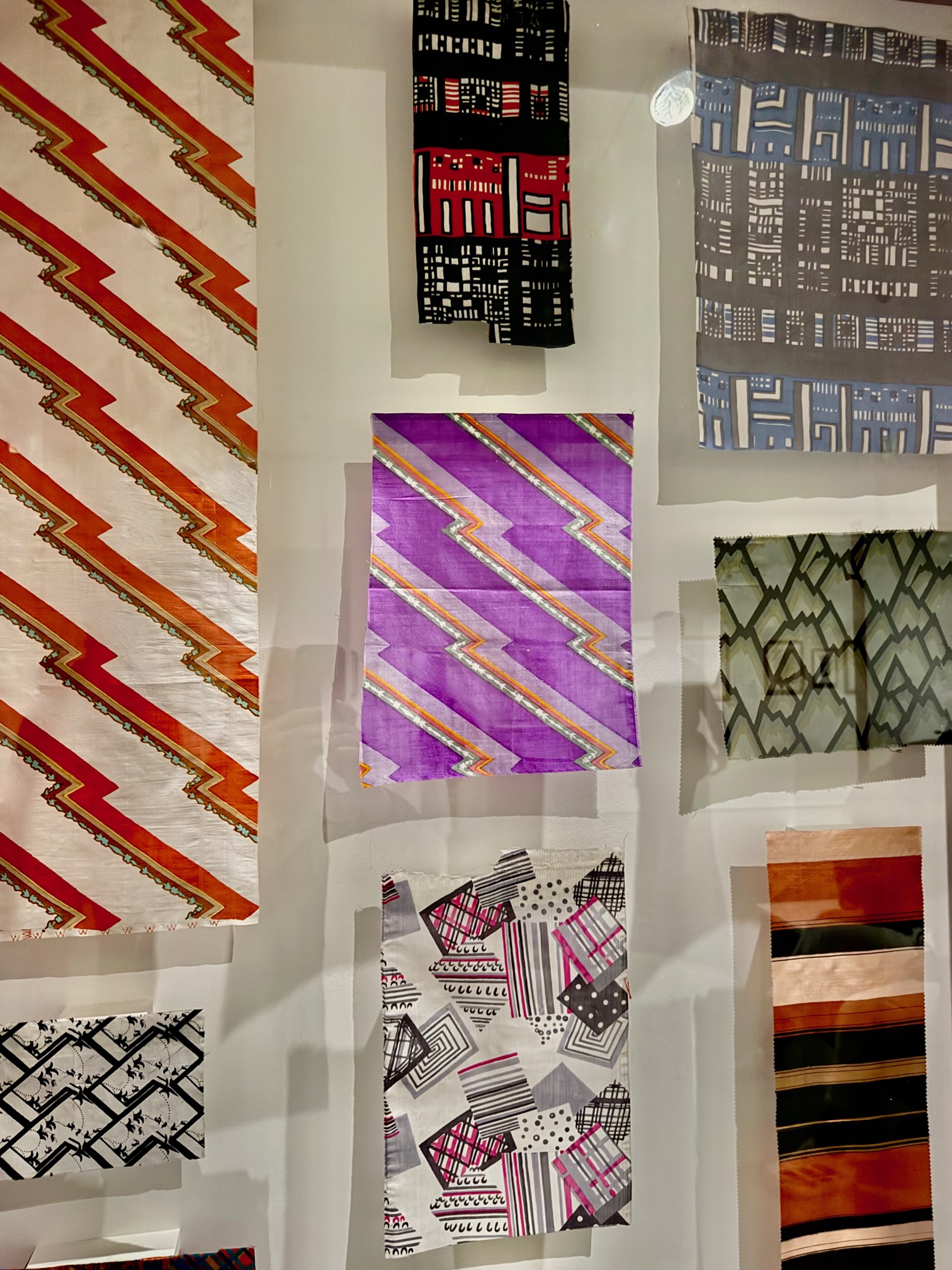
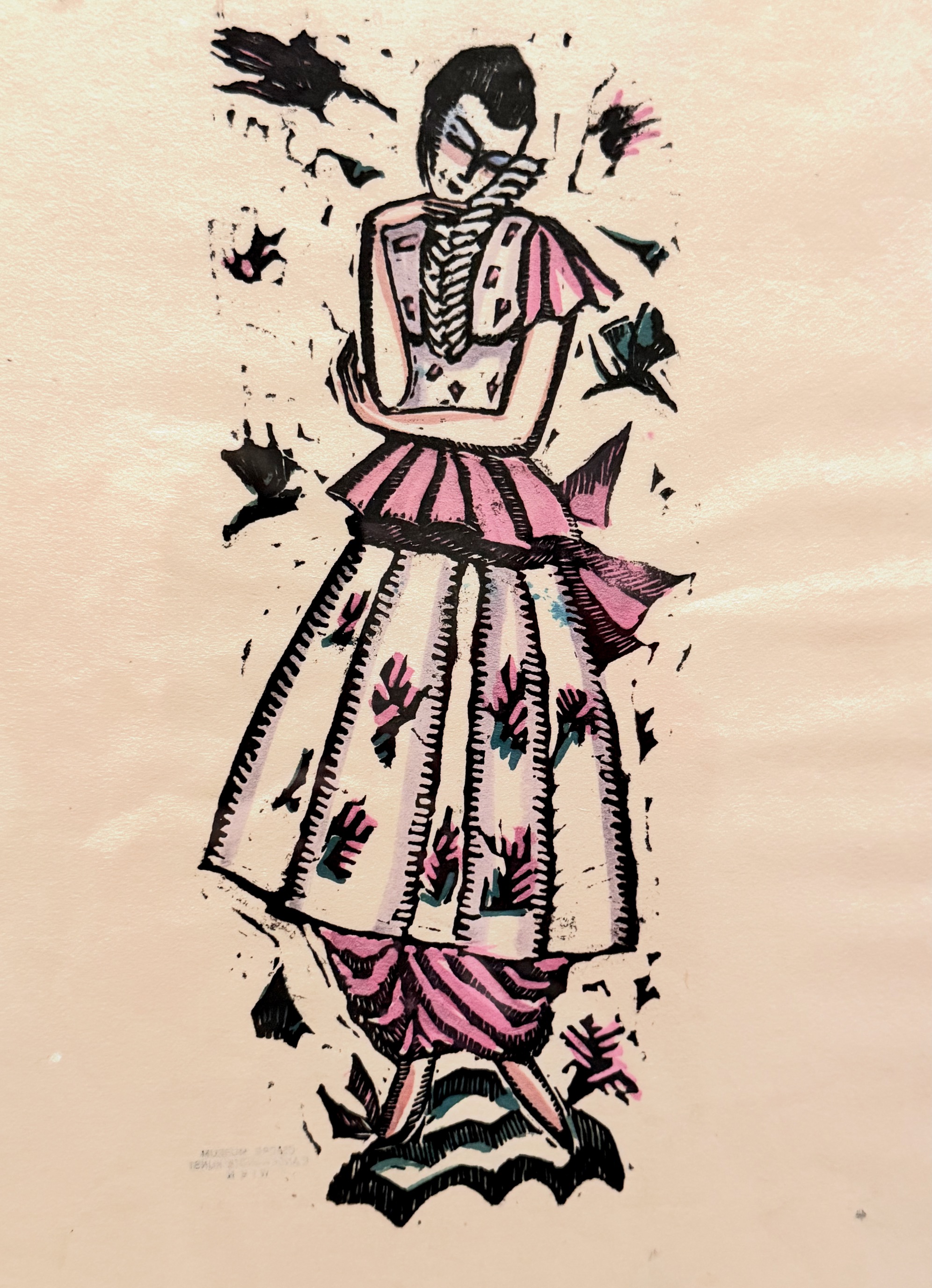
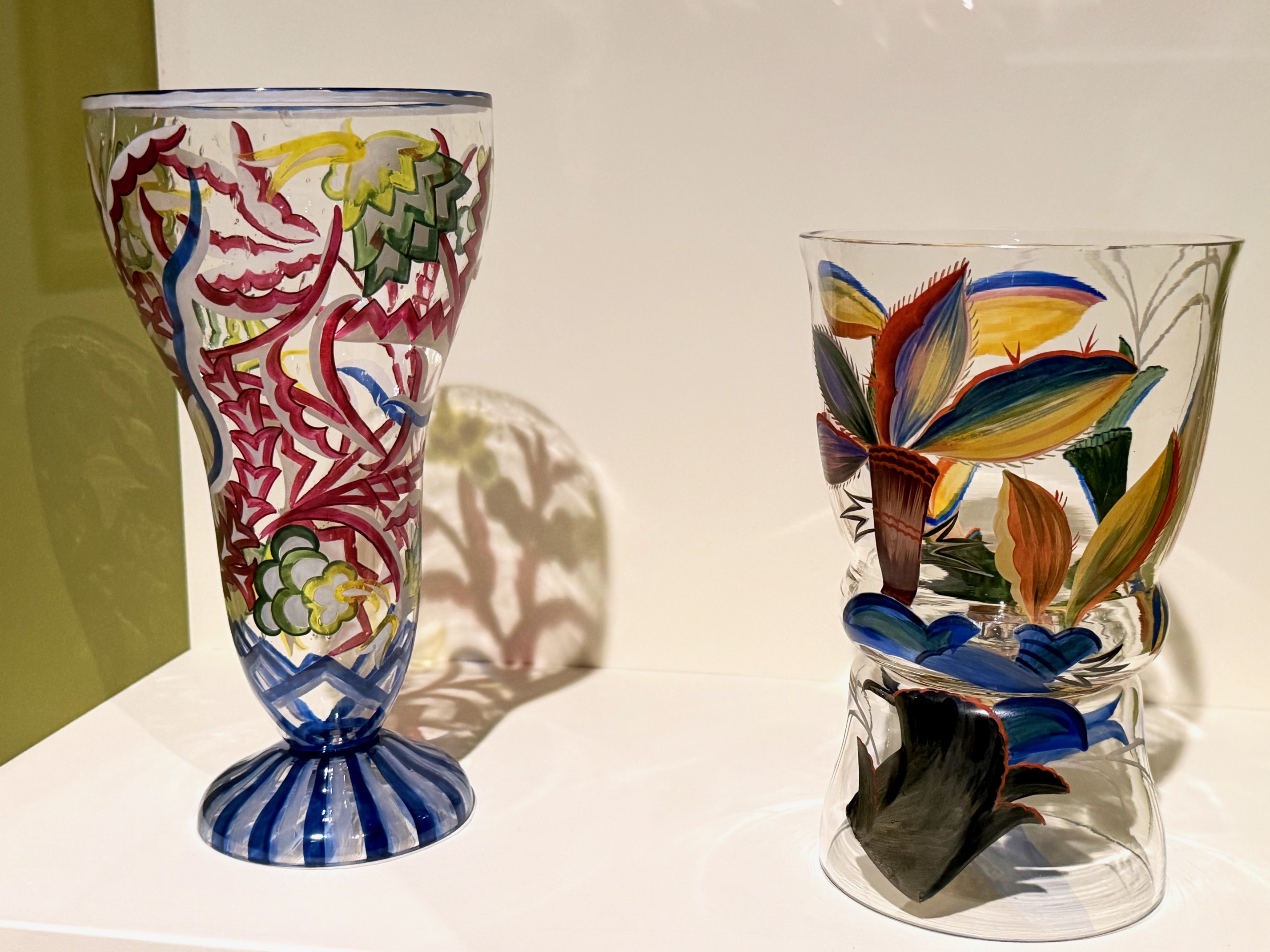
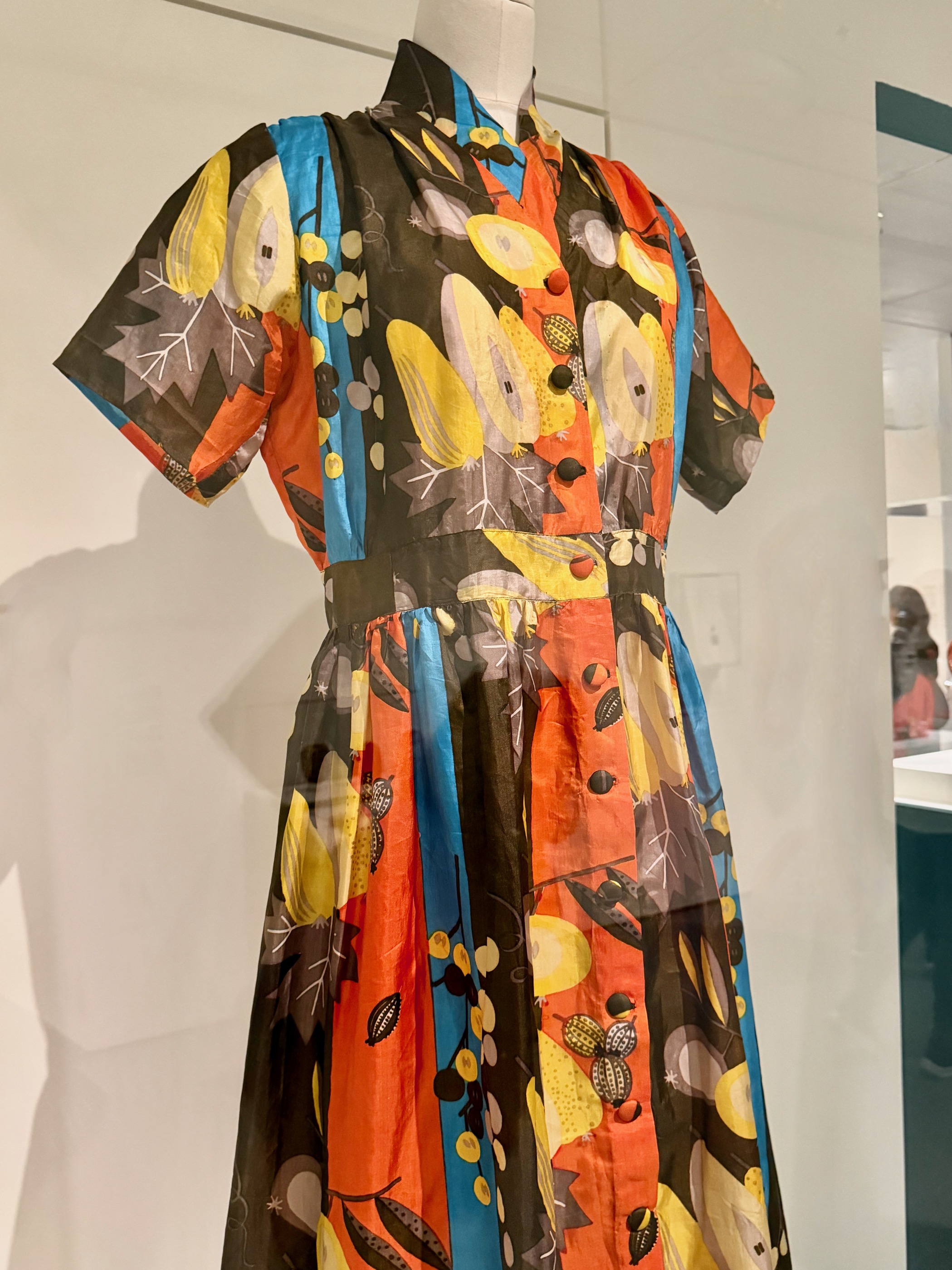
During the war, the Workshop expanded into lace and opened retail shops with yard goods for home dressmakers, lampshades and pillows from the textiles, and colorful glassware. Like the success of the postcards, Wiener Werkstätte textiles were so in demand that the retail revenue kept the entire workshop afloat.
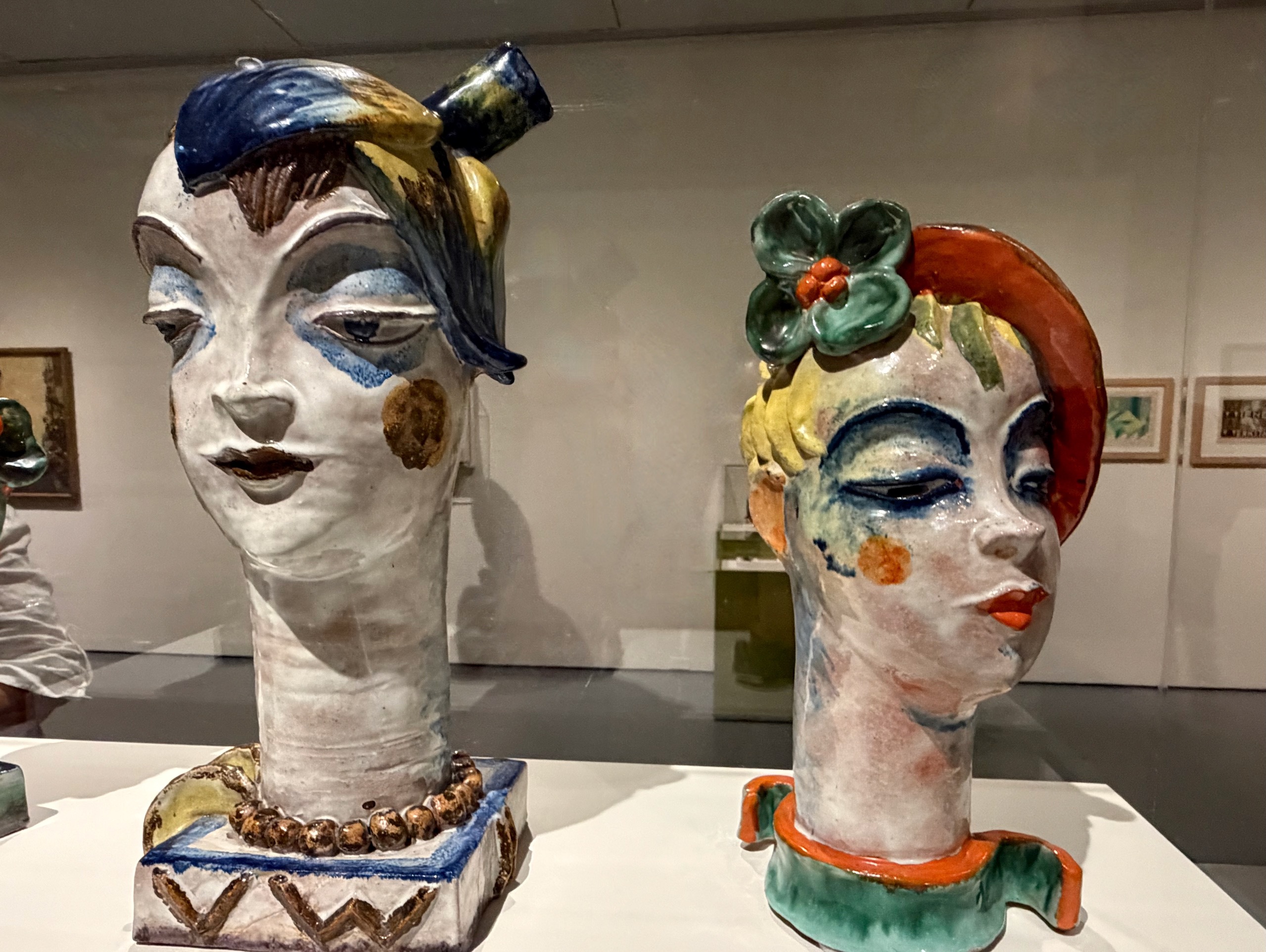
In 1917, the Workshop created its ceramics studio with humorous earthenware toys and little images of everyday life. Over time, it became known for crazy ceramic ladies’ heads by Vally Weiseltheir embellished with wild make-up and avant-garde accessories – a satiric retort to conservative criticism of newly liberated women. Everything had a handmade, non-precious look.
Take a walk through the exhibition with James Snyder, director of the Jewish Museum, to hear more about the show and to see additional works on view:
Revenue from fashion continued apace throughout the 1920s as hemlines shortened and women’s styles changed. Retail stores opened across Europe and even in New York, but the 1929 stock market crash and changing political climate in Europe gradually brought the experimental days of the Wiener Werkstätte to an end.
For more on these innovators and the legacy they created, listen to the audio tour of the remarkable show here.