Marsden Hartley: A Modernist on the Move

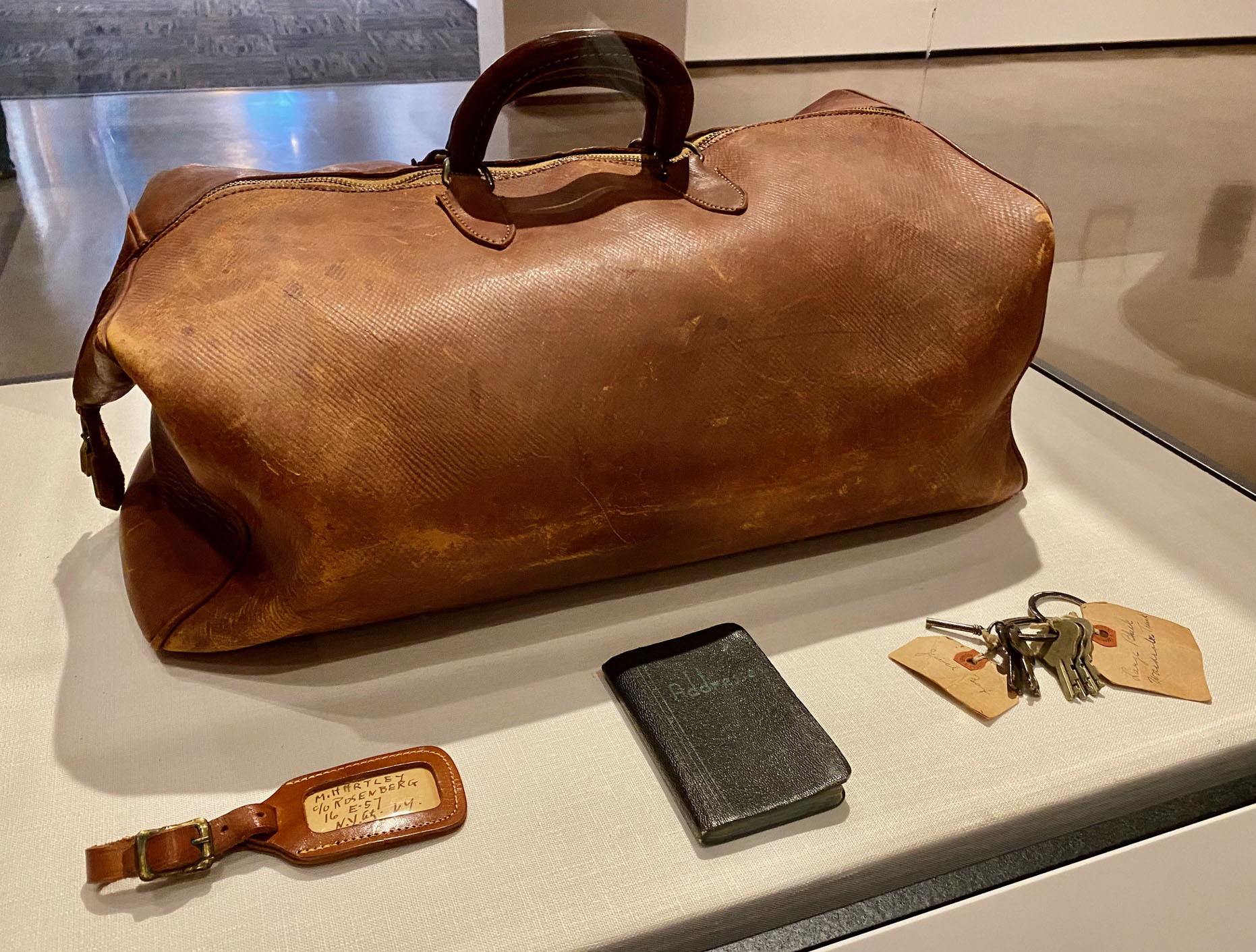
With his traveling valise sitting in the center of the introductory gallery and a map nearby, you understand instantly that superstar artist Marsden Hartley was a man on the go.

Marsden Hartley: Adventurer in the Arts, on view at the New Mexico Museum of Art in Santa Fe through July 20, 2025, uses his personal possessions, works painted on two continents, and non-stop itinerary to demonstrate how landscape, life, and modern-art legends led him to create an epic body of work.

Take a look at our favorites in our Flickr album.

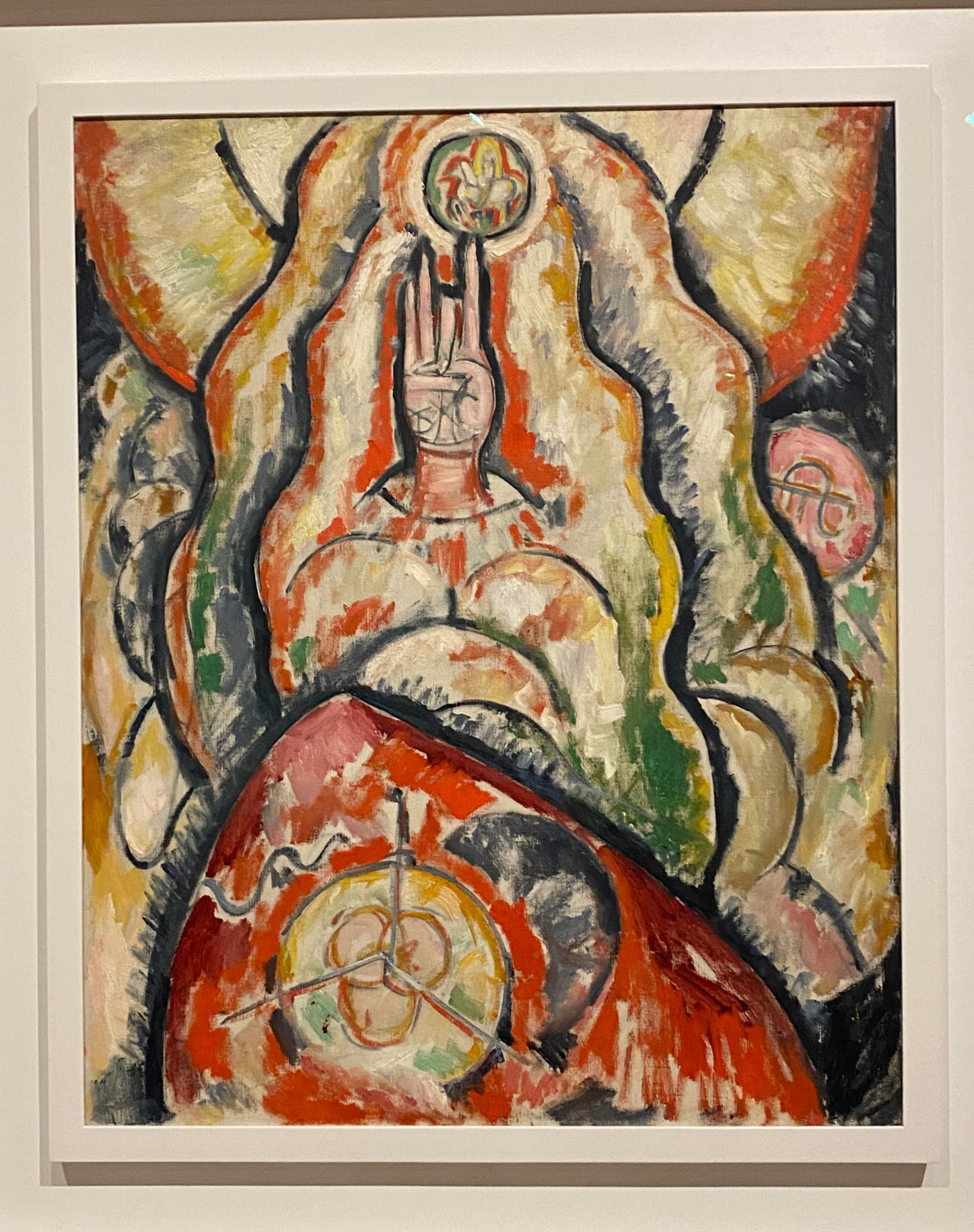
Hartley’s 1914 Berlin Series, No. 2 – flat, abstracted natural symbols. Courtesy: Jan T. and Marica Vilcek Collection.
Ready to travel – Hartley’s leather valise, address book and luggage tags. Courtesy: the artist’s estate; Bates College Museum of Art.

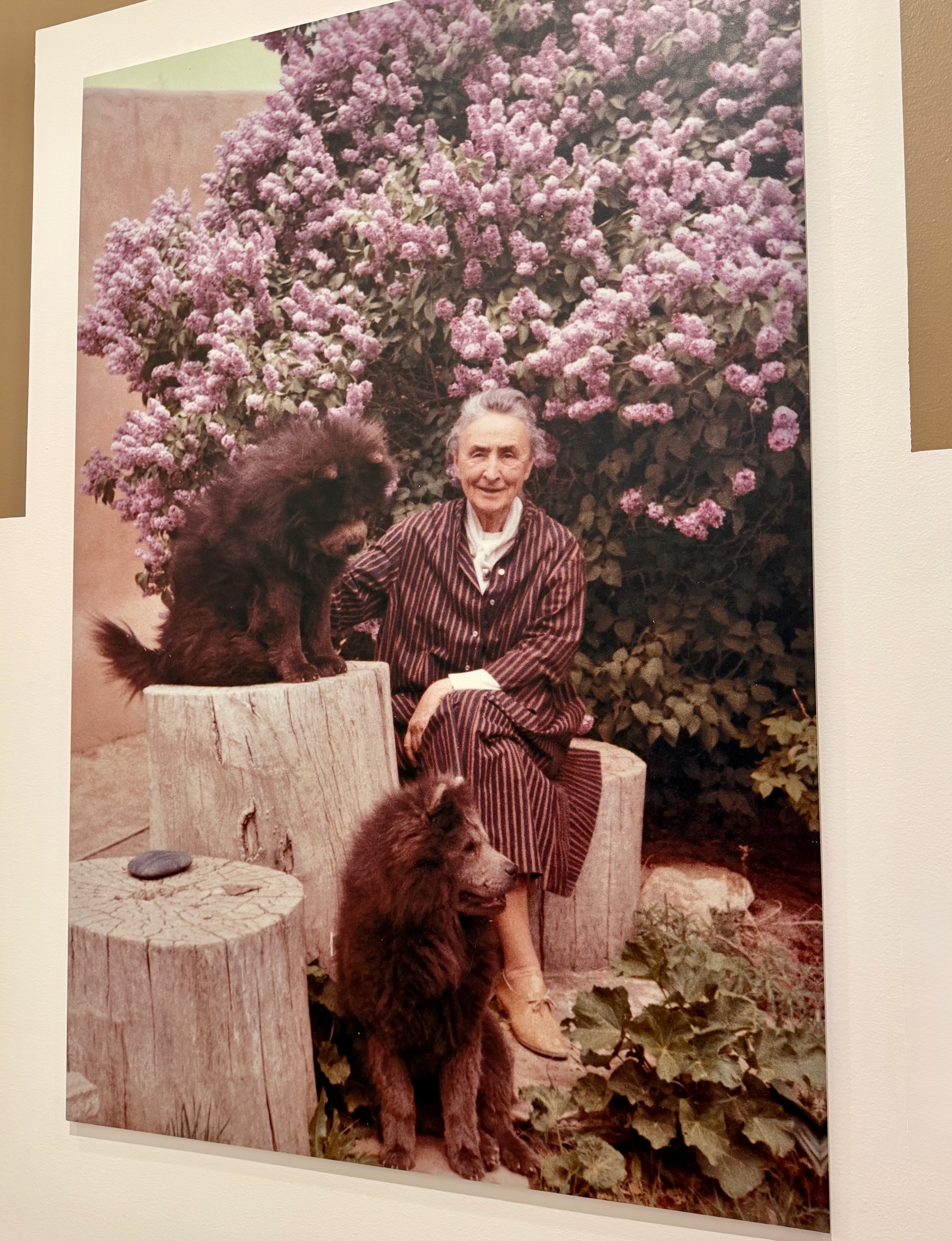
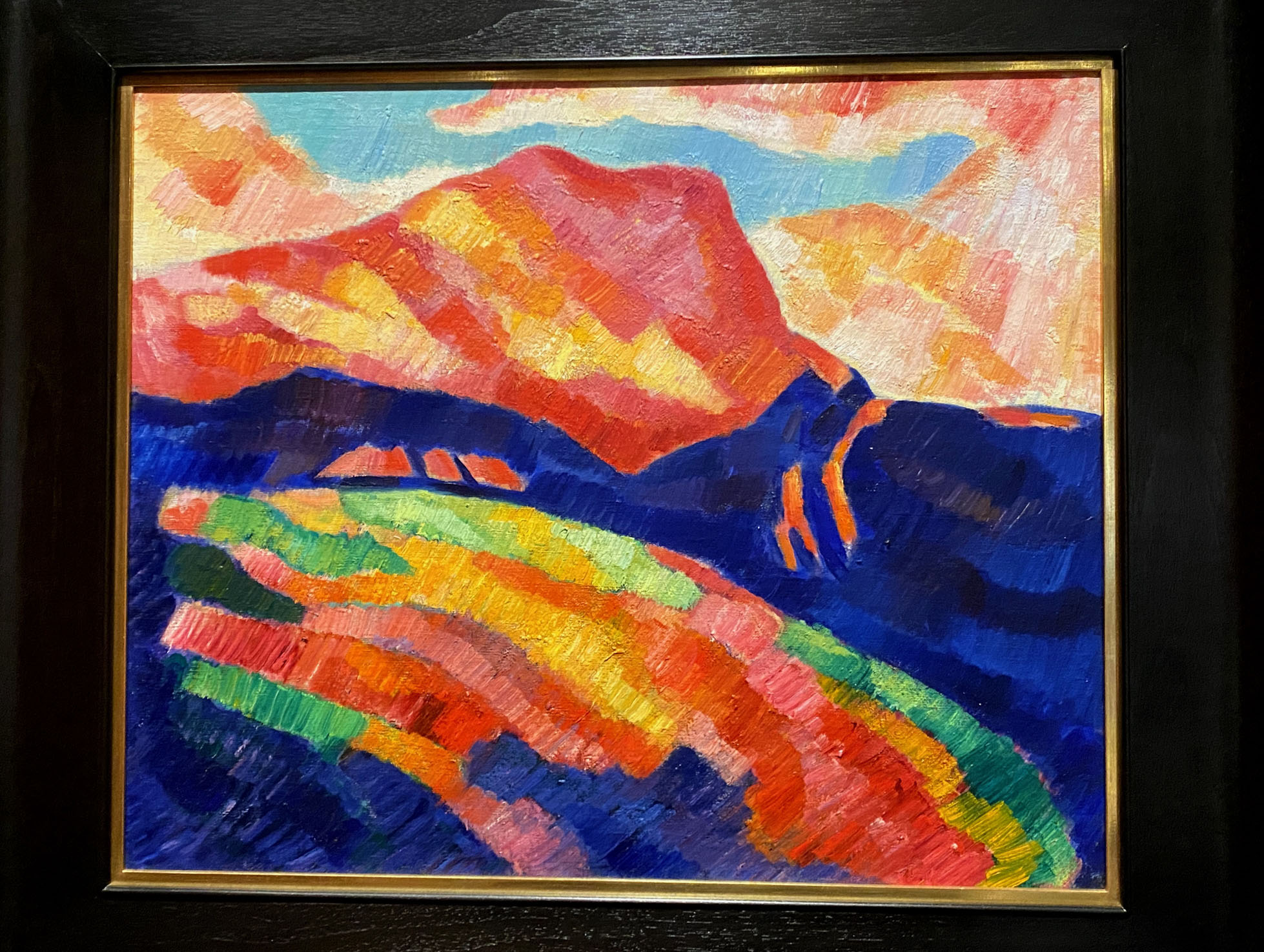
Looking around, there’s a wall of Maine mountainscapes he did in his thirties, a painting done just after Stieglitz sent him to Paris to soak up the vibes in Gertrude Stein’s salon, his accessories of rings and cigarette cases from Berlin in the 1920s, a Fauve-ist impression of Mount Saint-Victoire at Cezanne’s old stomping grounds in Aix, and photos of him and his dog at his Maine studio in the 1940s.

Hartley’s 1927 oil Mont Sainte-Victoire – painted in Aix, France where Cezanne once lived. Courtesy: Jan T. and Marica Vilcek Collection.

The exhibition merges Hartley’s paintings from the Jan T. and Marica Vilcek Collection with items donated by his favorite niece to Bates College in Maine – items he collected as he traveled; sketches and stuff sent to his neice; his camera, books, and snapshots; his studio paintbox, and other personal art. Together, the exhibition tells a story of innovation, personal journey, and relentless art making.

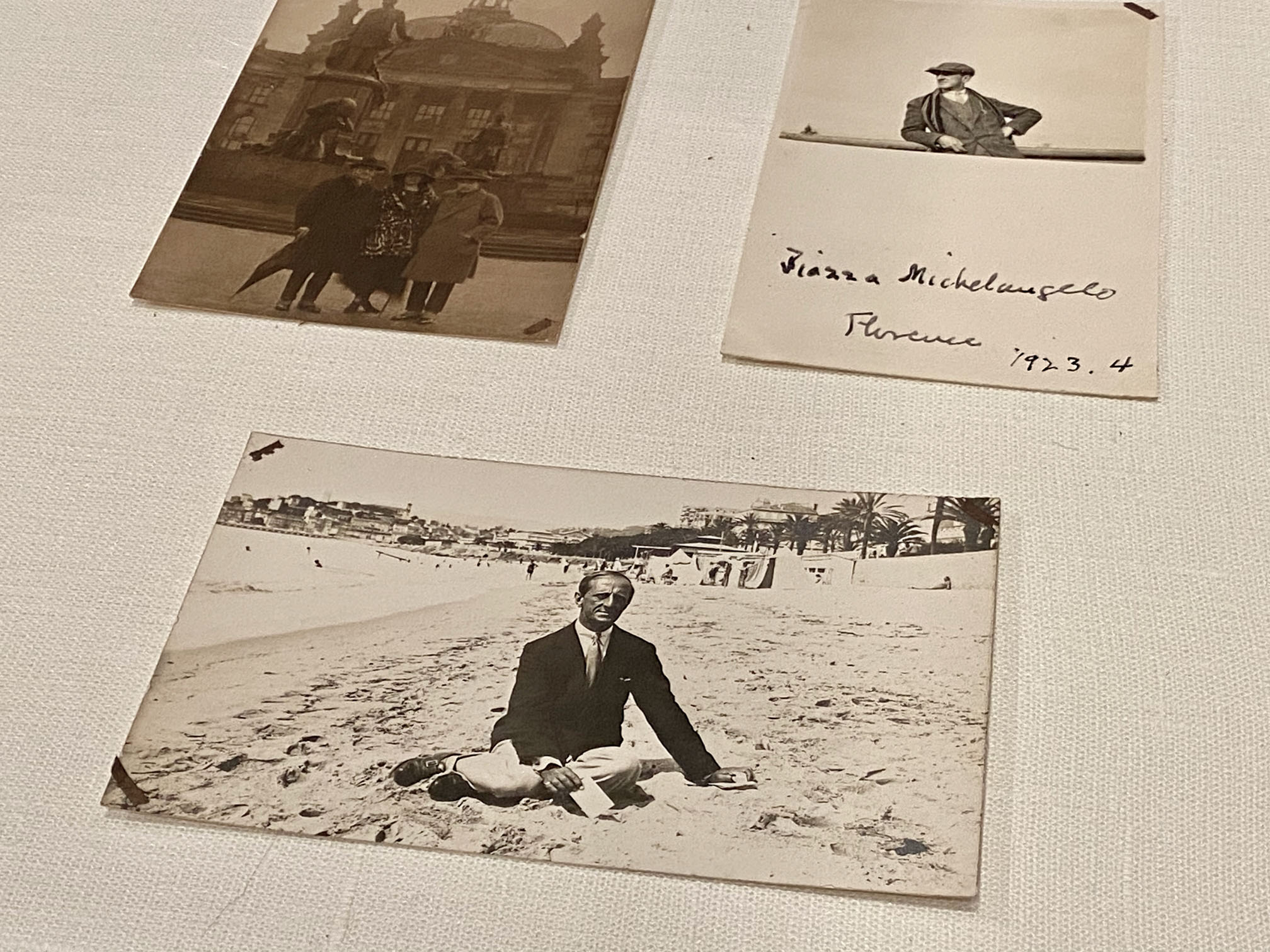
Hartley’s personal photos from his 1920s European adventures. Courtesy: Bates College Museum of Art

Hartley emerged from a hardscrabble childhood to see, feel, and experience art, nature, and transcendental spiritualism in New York, Boston, and Maine in 1890s.

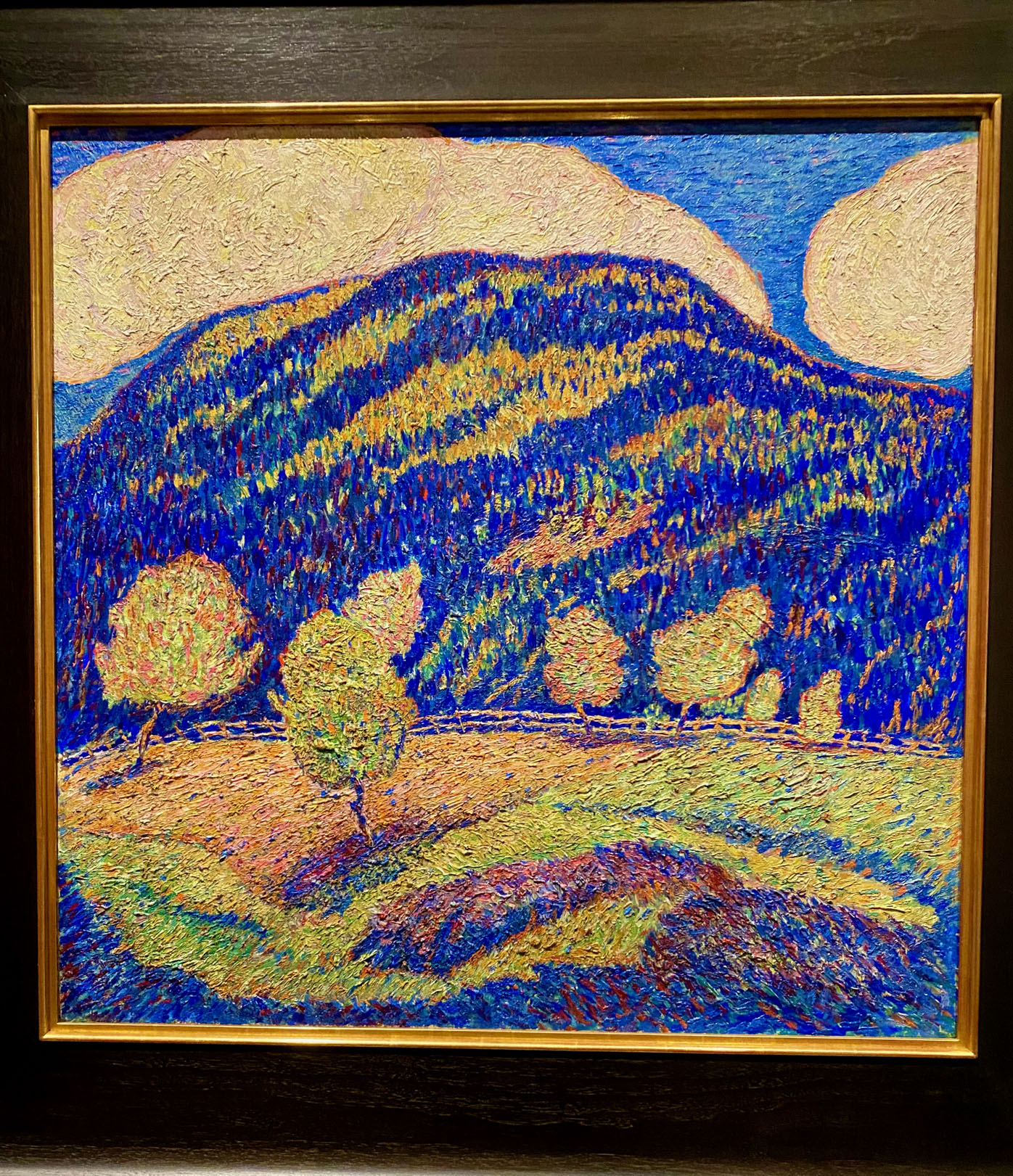
He loved painting mountains and depicted water, earth and sky as a color-filled flat plane filled with jabbing brushstrokes – an approach that stuck with him throughout his life as he journeyed through New Mexico, the Alps, Mexico, and back in Maine.

Hartley’s 1907-08 oil Silence of High Noon – Midsummer painted in Stoneham Valley, Maine. Courtesy: Jan T. and Marica Vilcek Collection.

By the time he was in his early thirties, he had shown his landscapes to The Eight, knocked on Stieglitz’s gallery door, and got a one-man show (and a dealer for the next 20 years) at 291, the hottest modern art gallery in America.

Hartley’s 1910 Untitled (Maine Landscape)– water cascading down a rock face. Courtesy: Jan T. and Marica Vilcek Collection.

Getting to Europe in 1912, the color, cubism, and symbolism of the Blue Rider, Matisse, and Picasso made his head spin. His German friends introduced him to Kandinsky’s book Concerning the Spiritual in Art. He went out of his way to meet the man himself, and his painterly wheels turned.

The second gallery presents a large work from his Cosmic Cubism series – an airy, dreamy arrangement of signs, spiritual symbols, colors, and planes – along with drawings from his Amerika series, based loosely on Native American symbols and other abstract shapes. On view for only the second time in the United States, Schiff is a dazzling creation drawing signs and symbols from Native American and Egyptian cultures that spill out onto the painted frame.

Hartley’s 1912-1913 Portrait Arrangement, No. 2, created in Paris. Courtesy: Courtesy: Jan T. and Marica Vilcek Collection.
Schiff – part of the Amerika series Hartley painted in Germany. Courtesy: Vilcek Collection.
April 5 – July 20, 2025

Up to this point, Hartley’s only encounter with indigenous American culture came from visits to ethnography museums in Paris and Berlin, but that would soon change. The advent of World War I tore apart the avant-garde, his social circles, and the direction of his work. Although these Berlin abstractions were long considered by late 20th century critics to be the high point of his career, Hartley abandoned this artistic path when forced to return to the United States, started over, kept wandering, and went back to landscapes and still lifes to discover his “American” expressionist vision.

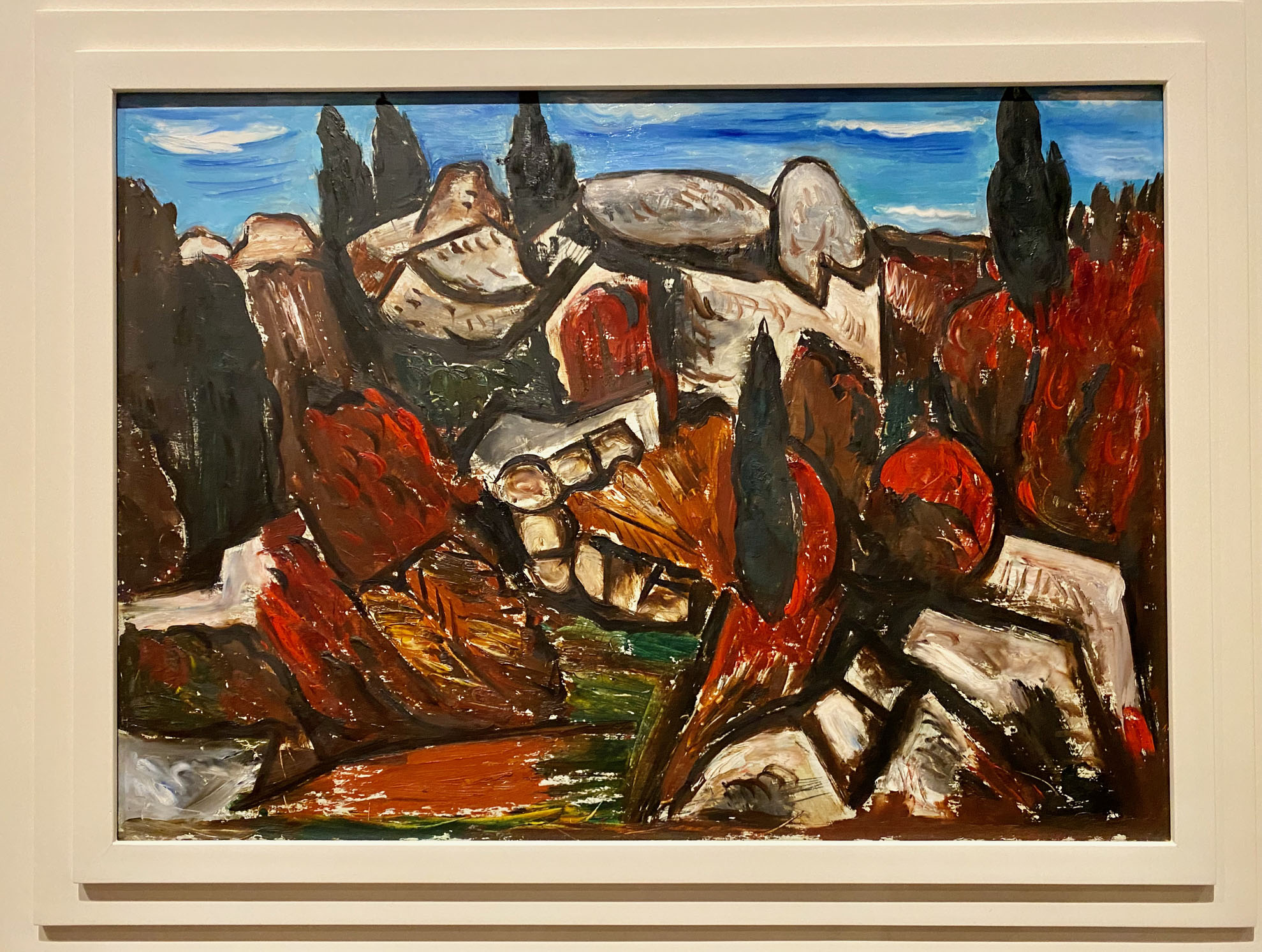
Hartley’s 1934 Autumn Landscape, Dogtown – a colorful painting made near Gloucester, Maine. Courtesy: Jan T. and Marica Vilcek Collection.

The exhibition does not unfold chronologically. Instead, it shows how much friends, place, and spiritual encounters affected him.

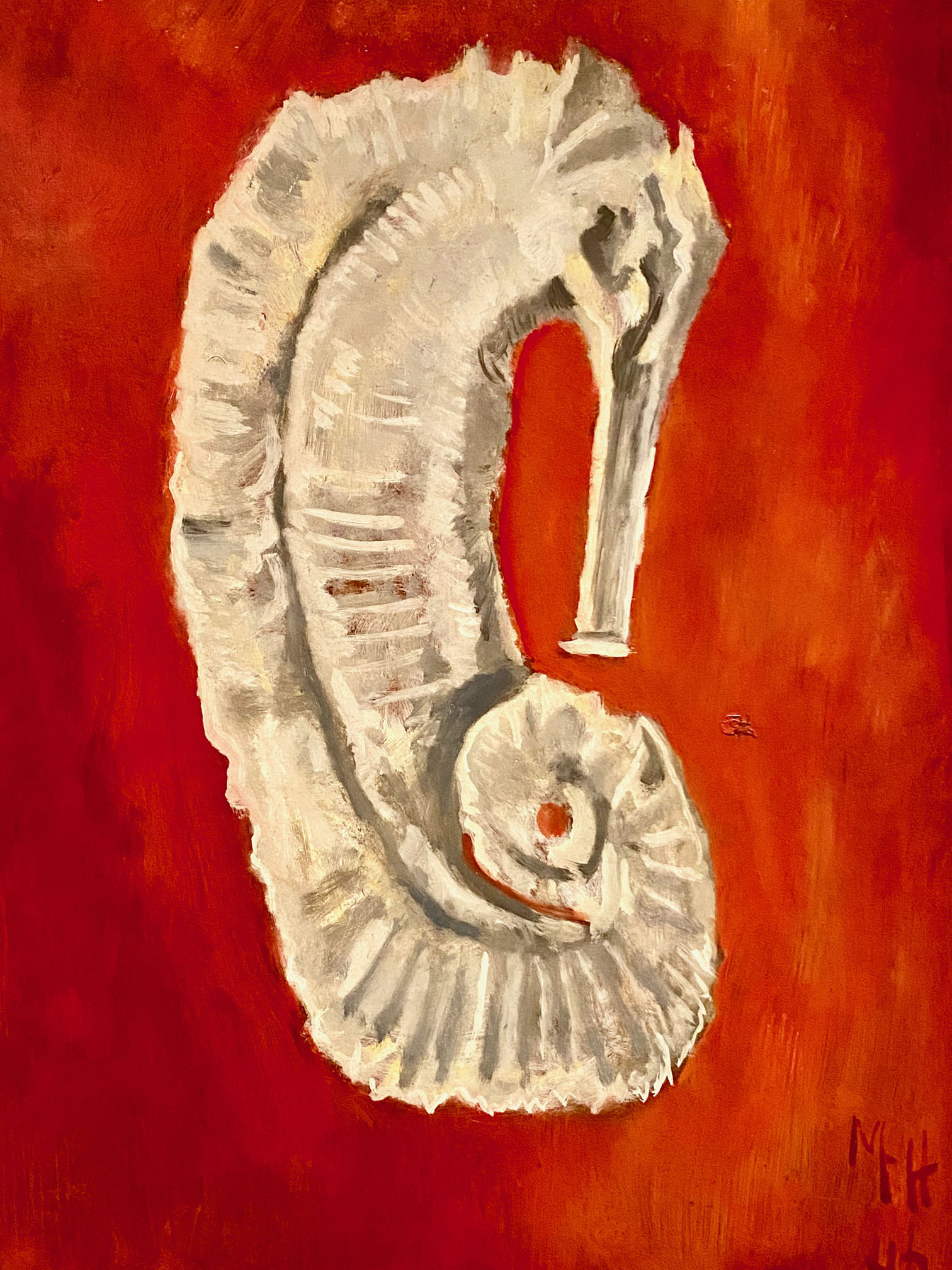
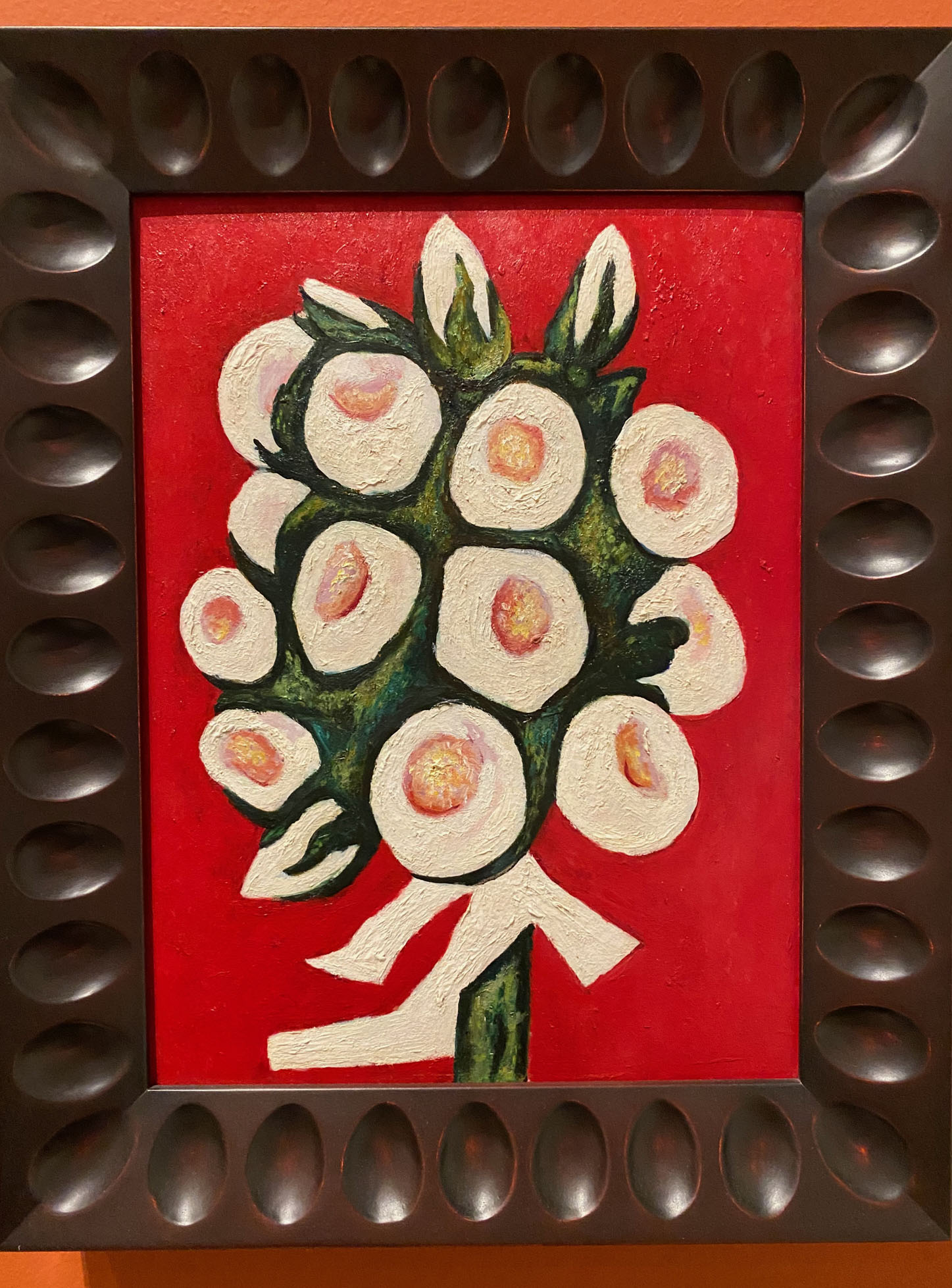
Near the Berlin abstractions are highly expressionist 1930s rockscapes from Maine and pointy Alpine peaks from his return to Bavaria. There’s an example of his stripped-down 1916 “synthetic cubist” work in Provincetown, a 1917 New England still life painted in Bermuda when he was budget-bunking with Demuth, and a red-saturated still life that is a therapeutic tribute to his Nova Scotia friends who died at sea in the late Thirties.

Hartley’s 1942 White Sea Horse – part of a series with vivid backgrounds done in Maine. Courtesy: Jan T. and Marica Vilcek Collection
Hartley’s 1935-39 Roses for Seagulls that Lost Their Way –made in Bermuda to honor his Nova Scotia friends lost at sea. Courtesy: Jan T. and Marica Vilcek Collection.

In the middle of this gallery are vitrines with highly personal, everyday stuff from a painter who never settled down, stayed on the move, and always kept creating.

Here’s his camera, a scrapbook of personal photos, his 1923 published book of poetry, a few books from his library, and a little toy and pressed flowers sent to his niece.    

Hartley’s photos from his 1917-1918 trip to Santa Fe. Courtesy: Bates College Museum of Art

Except for the Provincetown piece, all the surrounding paintings have direct, bold outlines, vivid colors, and vigorous, unglamorized visions – a fitting prelude to the last gallery of New Mexico landscapes.

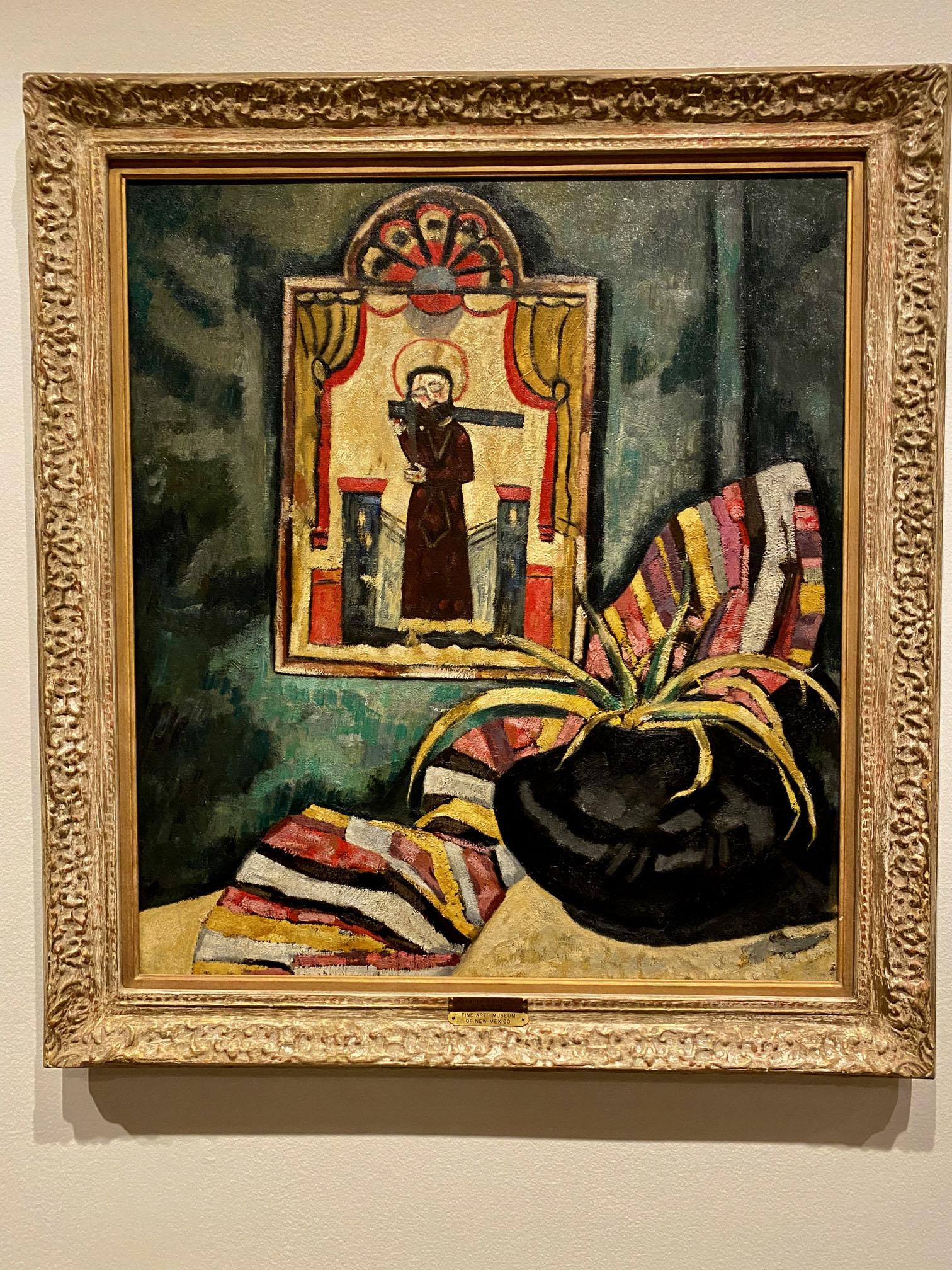
Hartley’s 1919 El Santo painted in New Mexico.

The final gallery provides a panorama of landscapes, plus a dramatic image of a ridge of Mexican volcanoes. Hartley only spent part of

1918 in Taos and Santa Fe, where he traversed the hills, attended Pueblo ceremonies, and wrote about the indigenous culture. He also completed his El Santo still life with a black-on-black ceramic vase, a striped textile, and a Northern New Mexican retablo of a suffering Jesus.  

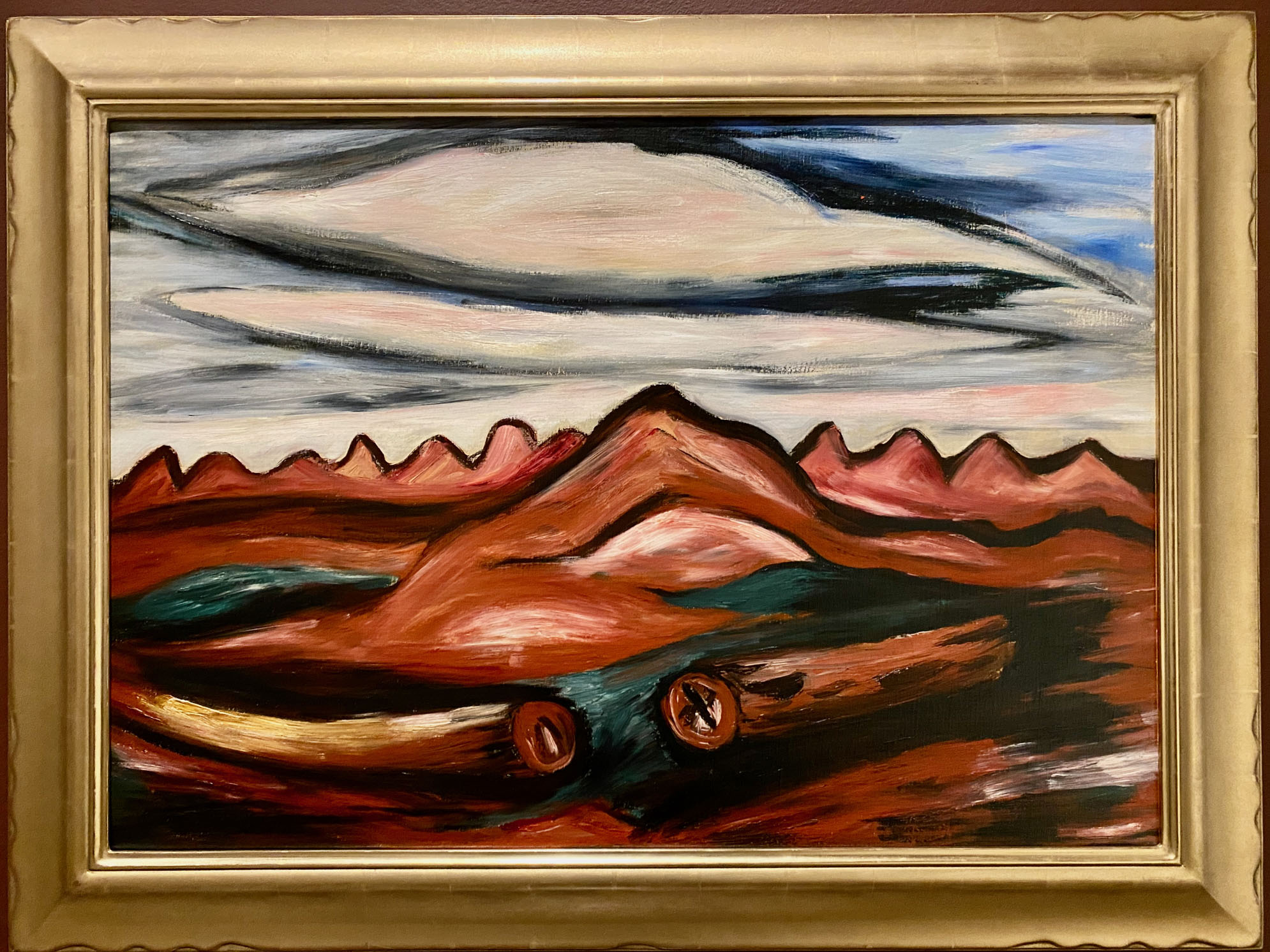
But it might be a surprise to learn that all of the Southwest landscapes were painted in Berlin in the 1920s – fittingly called his New Mexico “recollections” – or in Mexico in the 1930s.

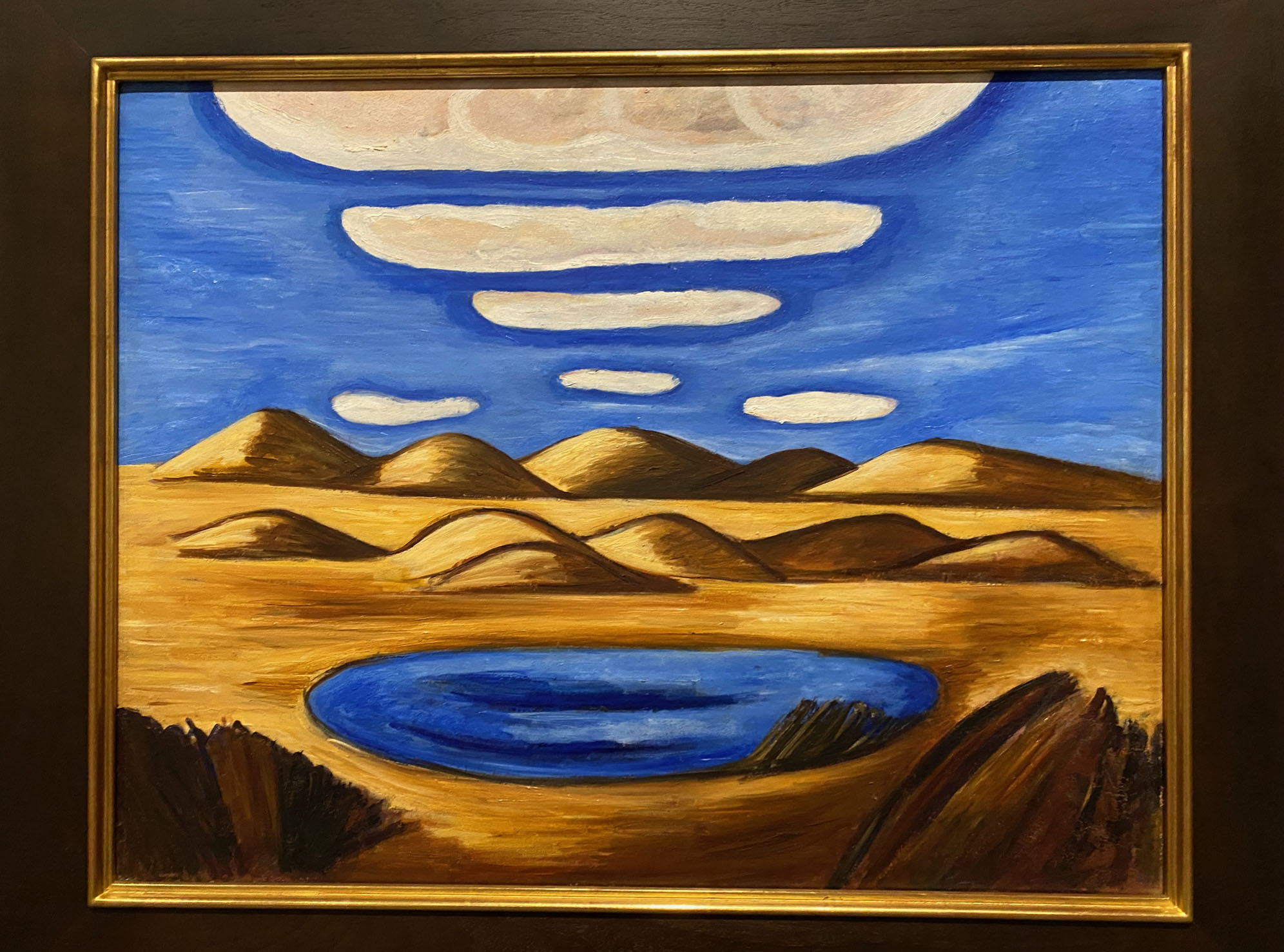
Floating clouds, expressive lines, and abstracted mountains – all from his vivid mind and recollections of spiritual and physical experiences long past.  In the 21st century, increasing numbers of art historians and artists have looked to this phase of Hartley’s work for insight and inspiration – bold brushwork, expressive memory, and both a spiritual and emotional creative process.

Hartley’s 1923 oil New Mexico Recollection #14– painted in Berlin based upon memories of his year in the Southwest. Courtesy: Jan T. and Marica Vilcek Collection.
Hartley’s 1932 oil Lost Country – Petrified Sand Hills – a symbolic landscape inspired by mystical texts he discovered while painting in Mexico. Courtesy: Jan T. and Marica Vilcek Collection.

Toward the end of his life, the accolades, awards, honors, and retrospective exhibitions came his way, but Hartley remained the hardscrabble “painter of Maine,” barely interested in cashing the checks.

His niece, who preserved her uncle’s posessions and legacy after his death in 1943, took a train trip to New Mexico for the first time to see the landscapes that so inspired her uncle. Upon emerging from the train at the stop near Santa Fe, she looked up to take in the big, dramatic, cloud-filled sky. Thinking of all her uncle’s landscapes, she said, “Those clouds…I’d recognize them anywhere!”

If you see this show in Santa Fe, you will, too.

Louise Zelda Young’s 1943 photo Marsden Hartley’s Studio, Corea, Maine, where he worked in his final years. Courtesy: Bates College Museum of Art.

Lillie Bliss and Her Modernist Breakthrough

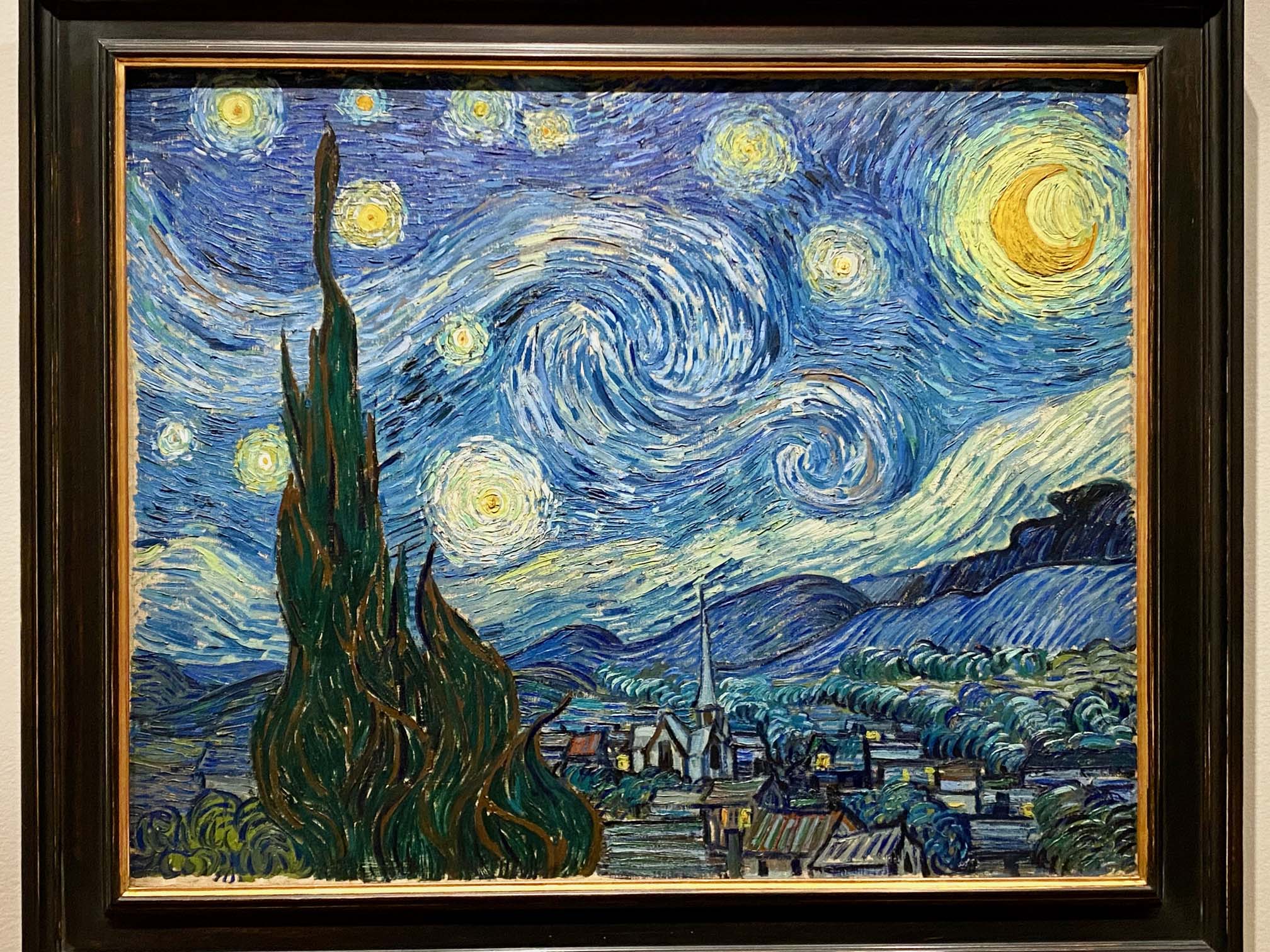
When you peek into the second-floor MoMA exhibition, you’ll see where Van Gogh’s The Starry Night has been holding court for the last few months.

Lillie P. Bliss and the Birth of the Modern, on view through March 29, tells the story of how one woman’s passion for modern art over a century ago formed the basis of the MoMA collection and MoMA itself.

Van Gogh’s 1889 The Starry Night, one of MoMA’s most beloved works.

Bliss was an early American patron of Cézanne, Seurat, Picasso, and Redon at a time when New York society looked askance at modern art’s tilted tables, fractured still lifes, and stippled surfaces. She even contributed to getting the 1913 Armory Show off the ground as a sponsor, art lender, daily visitor, and new-work buyer.

Maybe the constraints of growing up female in the Victorian era gave her an appreciation for the lack of inhibition Picasso’s and Matisse’s colors, Gauguin’s wild Tahitian woodcuts, and Redon’s ethereal woodsy fantasy figures.

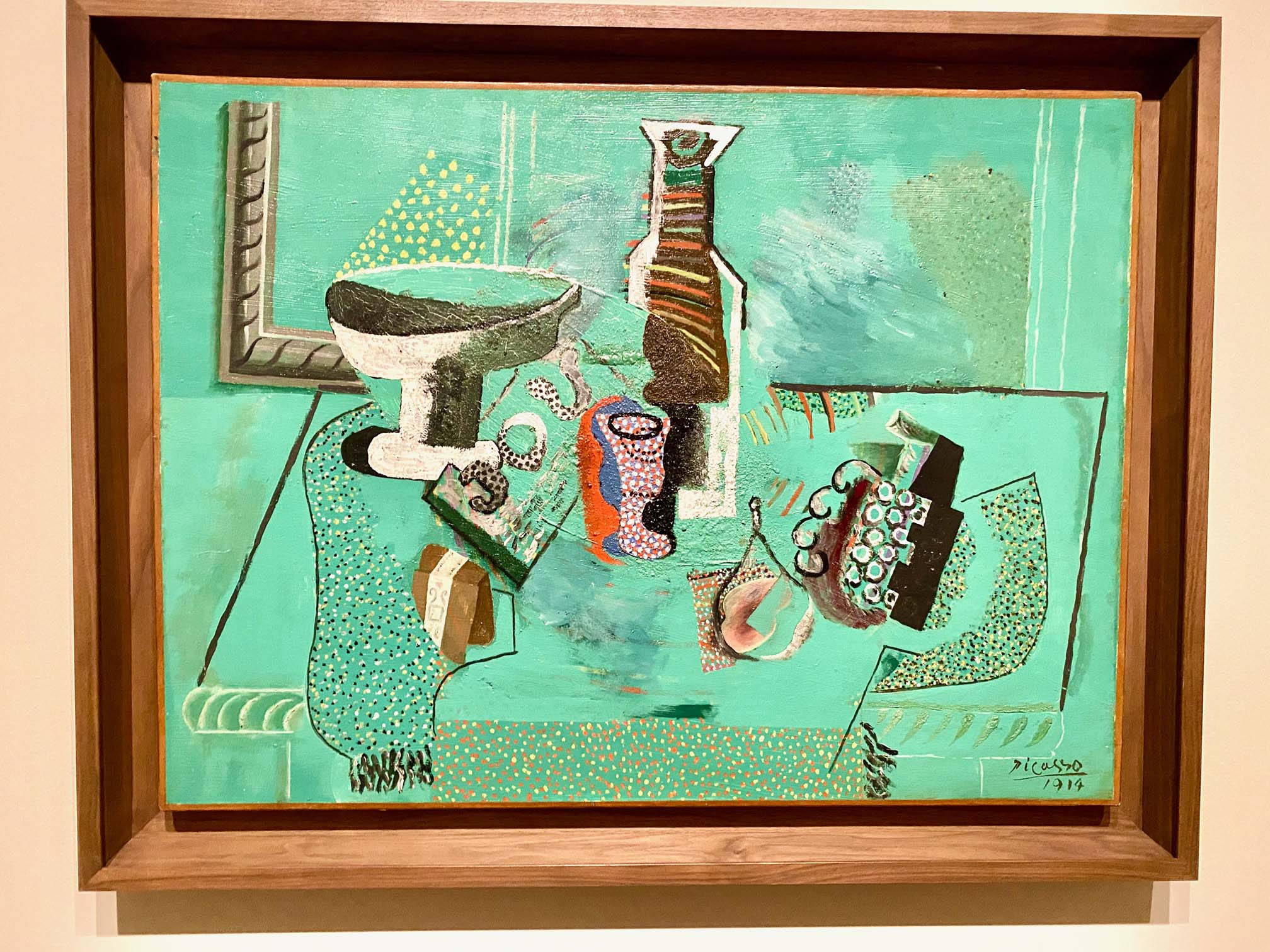
Picasso’s 1914 Green Still Life.

Endless modern-art discussions with art-world friends and mentors Arthur Davies and John Quinn gave her a sophisticated view of all the latest artists and trends. She joined a small group of modern-art lovers to lobby the Metropolitan Museum of Art to show the latest breakthroughs from Europe.

In 1921, the Met acquiesced and borrowed enough art to mount an exhibition of French impressionist and post-impressionist work. Bliss anonymously lent twelve pieces. People came to look, but the Met still resisted acquiring work that it considered too far-out.

When Bliss came into her inheritance in 1923, the pursestrings were unleashed. At age 49, she began to assemble the collection of her dreams via annual European buying trips and estate sales. Where could she show it? 

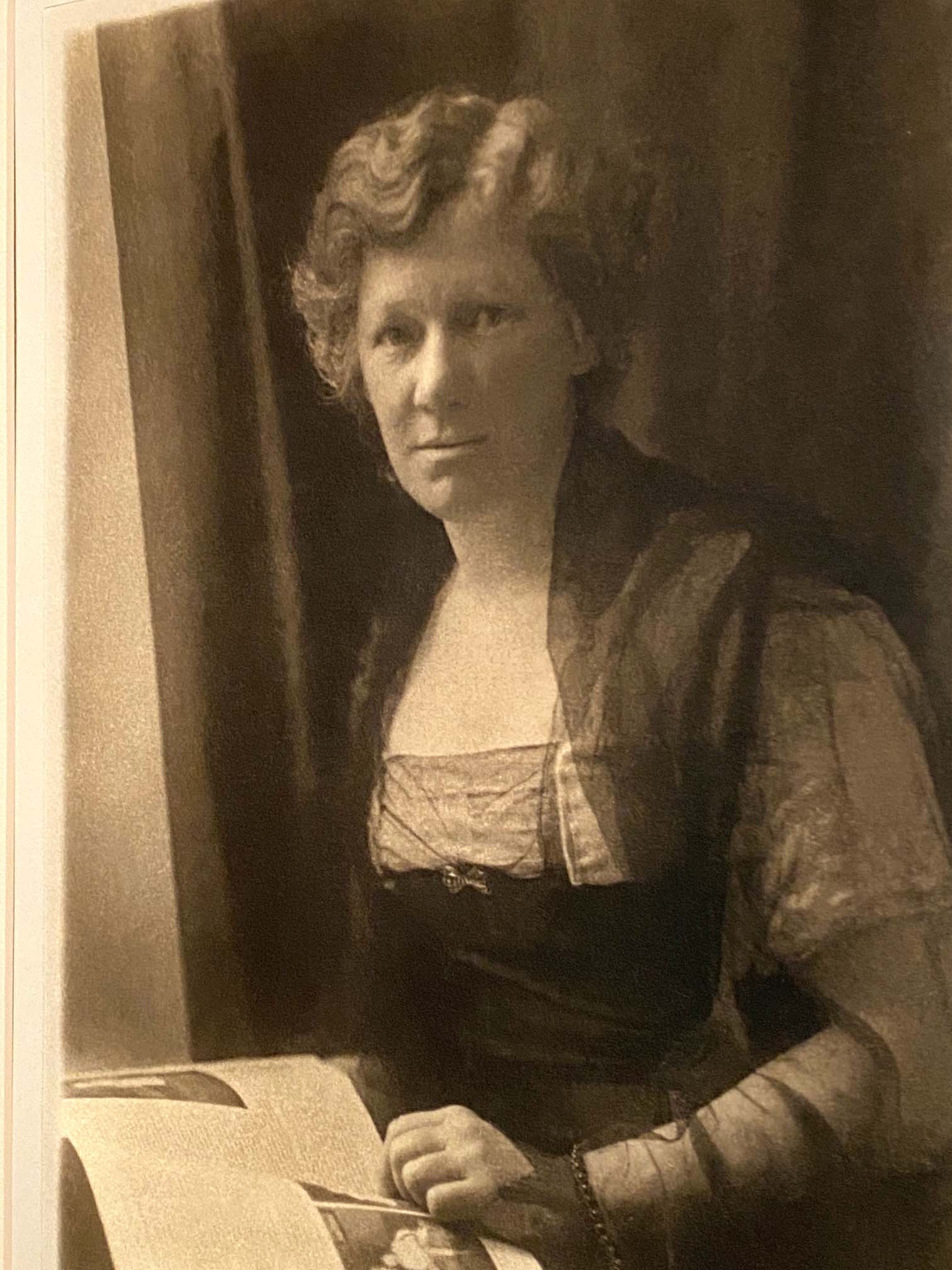
1904 portrait of Lillie P. Bliss

In 1928, she bought a lavish uptown triplex with a two-story gallery. She hung her favorite Cezanne over the grand piano and arranged a “who’s who” of avant-garde masters. Check out The Bather front and center, surrounded by Picassos, Seurats, and Gauguins.

1929-1931 photo of Lillie P. Bliss’s modernist collection hung in the music room of her Park Avenue apartment
Cézanne’s 1895-1898 Still Life with Apples hung at home in the place of honor, above the piano

The next year in a brainstorming session with Abby Rockefeller and Elizabeth Parkinson, the trio decided that New York needed a special place that was devoted exclusively to modern art. MoMA was born!

MoMA’s first exhibition – Cézanne, Gauguin, Seurat, van Gogh – was mounted in rented space at 730 Fifth Avenue, and crowds came.  The exhibition was a huge popular success, even though it coincided with the historic 1929 market crash. 

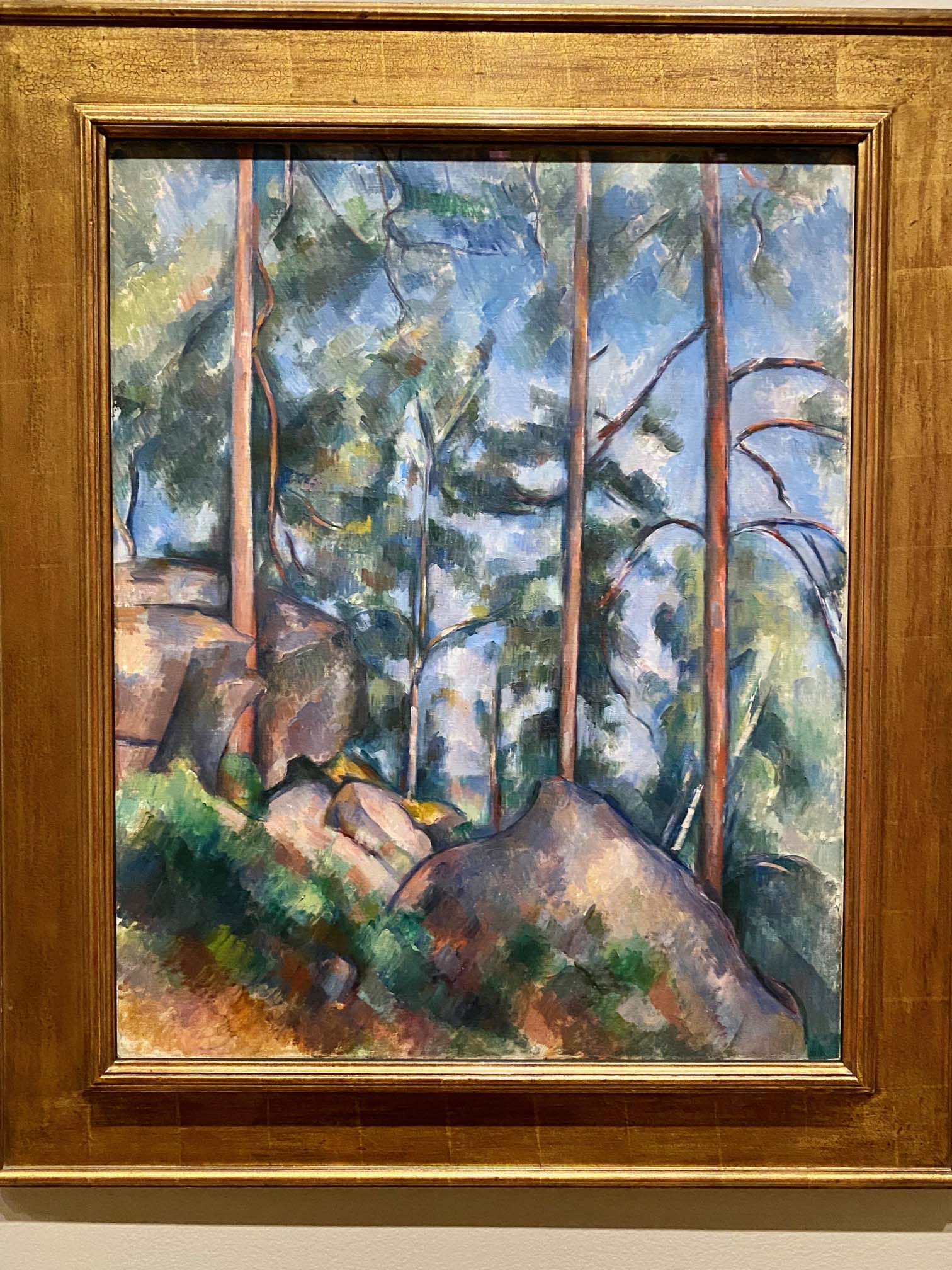
Cézanne’s 1897 oil Pines and Rocks (Fontainebleau?)
Seurat’s 1884 crayon drawing A Woman Fishing.

Lillie’s health crashed, too. On the heels of MoMA’s test run, she was diagnosed with cancer, and started drawing up a will to ensure that her beloved collection would carry on when she could not. She gave a Monet and a few gems to the Met, but bequeathed 150 works to the new Museum of Modern Art – forming the core of the collection we know today.

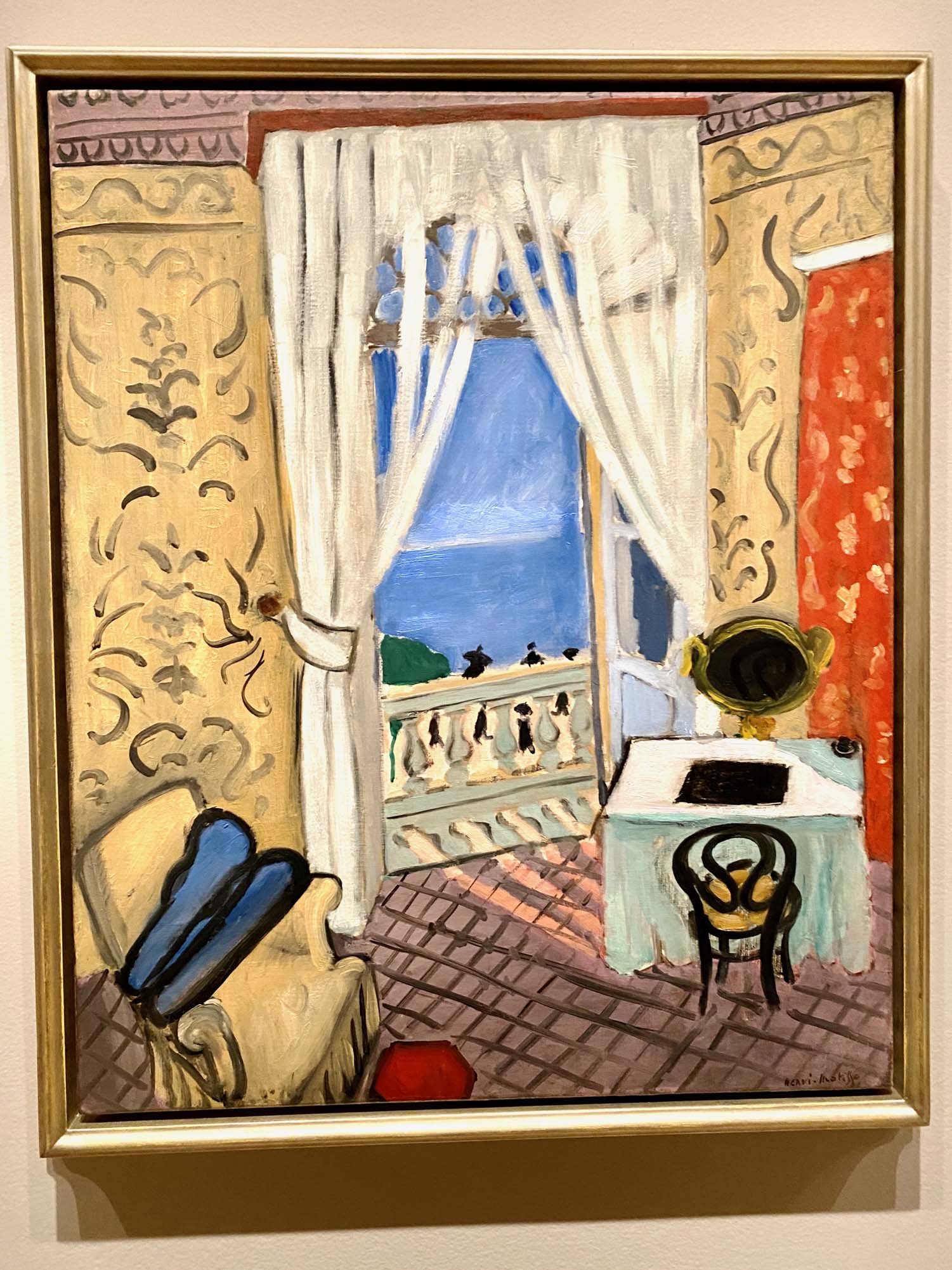
Matisse’s 1918-1919 Interior with a Violin Case.

When Lillie died in 1931 at age 66, there was only one last thing.  She was never able to acquire a Van Gogh. But in her will, she did give the museum permission to sell or exchange most of the paintings she bequeathed.

A few years later, MoMA sold one of Lillie’s Degas to acquire Picasso’s epic Demoiselles d’Avignon.

And in 1941, Alfred Barr made her dream come true. He heard that a dealer possessed a very special Van Gogh, and traded three of Lillie’s paintings for The Starry Night.

See our favorite works in our Flickr album, and enjoy other stories about this visionary MoMA founder by listening to the audio guide for the exhibition here.

Gauguin’s 1894 woodcut print The Creation of the Universe from the 10-print series, Noa Noa (Fragrant Scent)

Relax in Denver’s Modern Mexican Chair Collection

2023 A Family of 4 red oak side chairs by LANZA Atelier (Isabel Abascal and Alessandro Arienzo).

Everything you could want from a design exhibition is packed into Have a Seat: Mexican Chair Design Today at the Denver Museum of Art through January 12, 2025 – history, context, videos, inspiration behind the designs, and…

Did we mention that you get to sit on the chairs?

The creative lighting and gallery layout invites visitors to take a journey that reflects Mexico’s ancient and colonial history – just like the work of the 22 designers featured here.
Everything on display is part of the Denver Museum’s permanent design collection,

The museum has created an environment that’s engaging and fun, so visitors seem to take time to read about the designers and the history of Mexican furniture while they sample the diverse range of furniture (“it’s more comfortable than it looks!”) as they wind their way through the clean, modern installation. View it all in our Flickr album.

Laura Noriega’s 2012 Your Skin chair made of walnut, handwoven cotton, and synthetic fabric, combining Japanese woodworking and Mexican textiles.

As you enter, you’re greeted by a tiny carved Guatemalan figurine from 300-100 CE, showing the type of simple thrones from which Olmec rulers or religious leaders might sit – a backless seat. Ancient civilizations are the inspiration for the innovative seats made by the first set of designers.

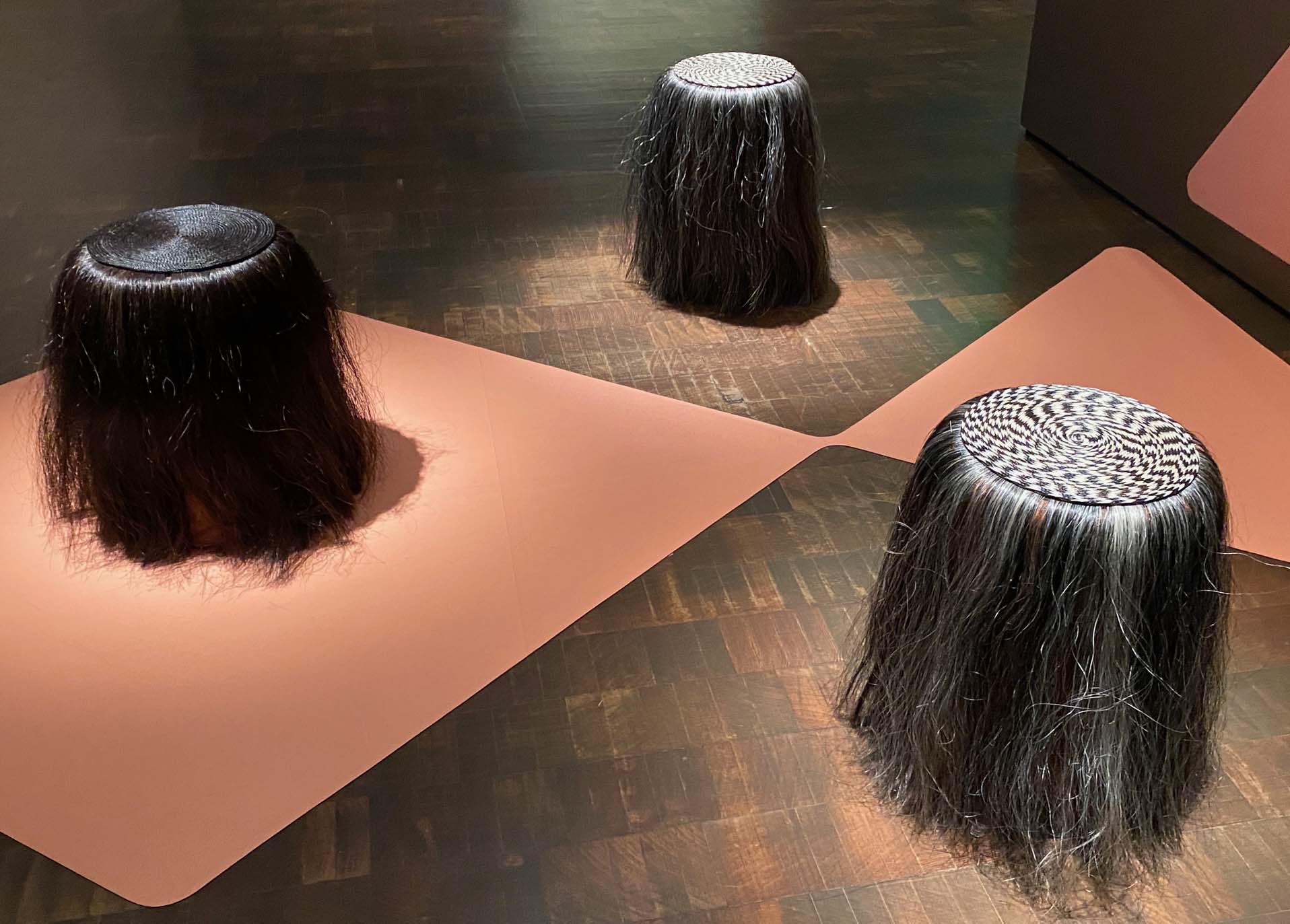
Some of these humble-looking stools by Camilia Apaez and HABITACIÓN 116 are made from stoneware, basalt and volcanic ash – harkening back to landscapes, environments, and simplicity that resonates with these forward-looking 21st century designers. 

Camila Apaez’s 2002 stoneware Room in the Cave seats – inspired by deep associations with Paleolithic and Neolithic architecture and ceramics.
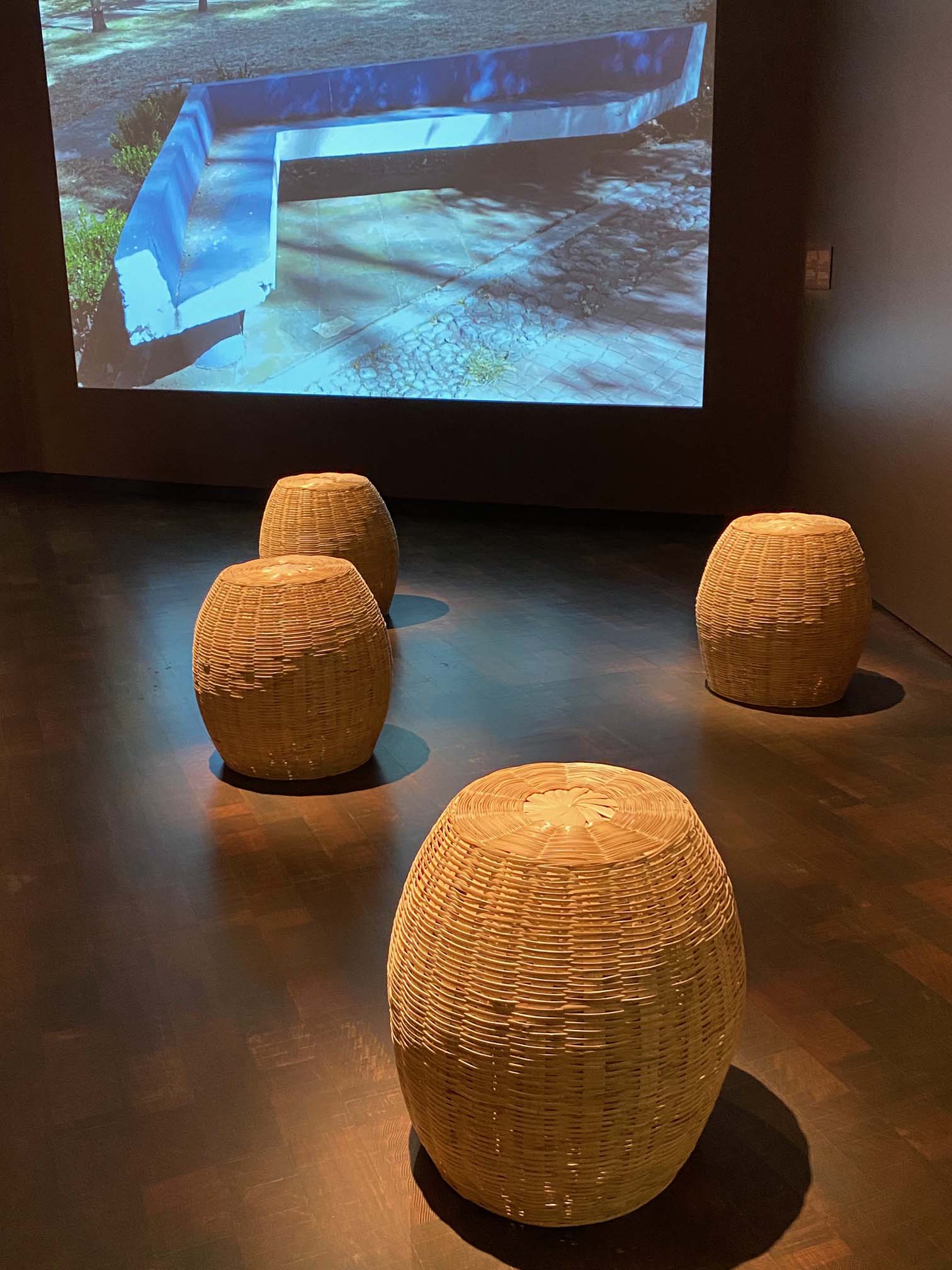
Raúl Cabra’s 2009 Bamboo seats made from carizzo reeds; video shows public seating.

Visitors are invited to sit and experience the enjoyment of relaxing in each of the exhibition areas – and many couples and families do!  It’s nice to sit and watch the large-screen videos that take you on a trip around Mexico, showing you modern and traditional public seating areas along city streets and town squares.

Not all of the stools are minimalistic, proven by the creations of Aldo Alvarez Tostado, who turned from architecture to making smaller pieces that enabled him to work with traditional Mexican weavers and woodworkers to invent seats that are run and new.

Aldo Alvarez Tostado’s 2022 Little Horse stools, made of wool and synthetic horsehair.

The second section of the show features the history and modern interpretation of easy chairs – comfortable seating that invites visitors to stay and enjoy. There’s an upscale Spanish Colonial chair to demonstrate traditional European design roots, surrounded by Ricardo Casas’s classy designs and Mauricio Lara Eguiluz’s funny foam take on the Yucatan’s Chac-Mool Mayan deity (always reclining comfortably!)

But if truth be told, all the visitors are having the most fun flopping onto the super-comfortable recycled “stuffables” by Andrés Lhima!

An array of comfortable easy chairs – the 2013 Clara design by Ricardo Casas and the 2005 polyurethane foam Chac Seat by Mauricio Lara Eguiluz
Andrés Lhima’s fun, portable easy chairs – comfy 2011 plastic mesh Fidencio chairs filled with shredded foam and recyclables.

The final section pays tribute new takes on the Spanish side chair, comparing a 19th-century classic with high-style sets by Oscar Hagerman and La Metropolitana and outrageous reinventions by Estaban Calcendo Cortés. You can feel the Afro-Colombian rhythms in his woven palm chairs.

A highly decorative painted 1800s Mexican side chair.
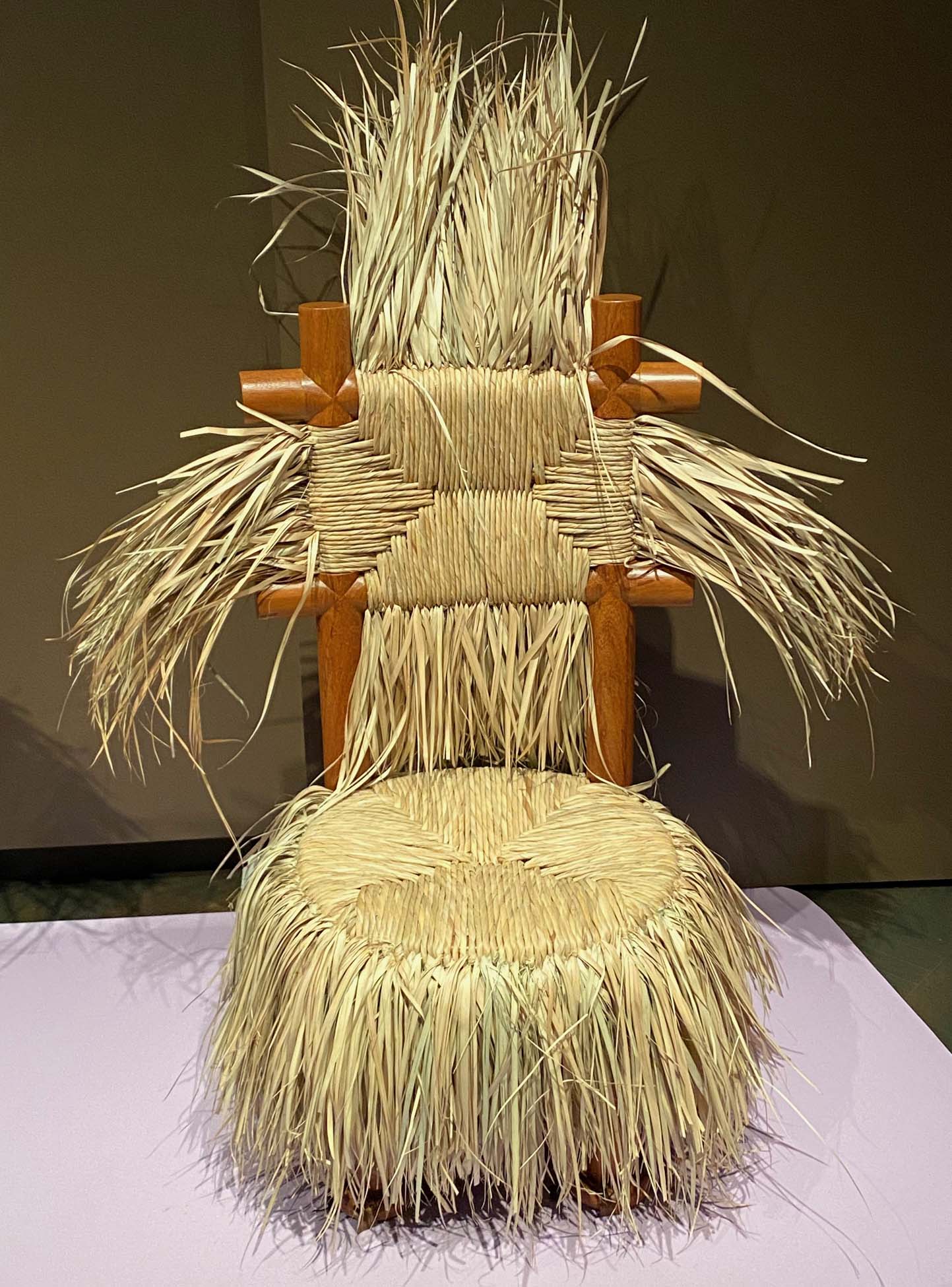
2022 Palapa side chairs by Estaban Calcendo Cortés – inspired by Afro-Mexican and Colombian cultures

To learn more about the designers and their inspiration, scroll through the exhibition guide.

And this beautifully designed show would not be complete with an out-of-the-box participatory woven-wicker design section for kids of all ages!

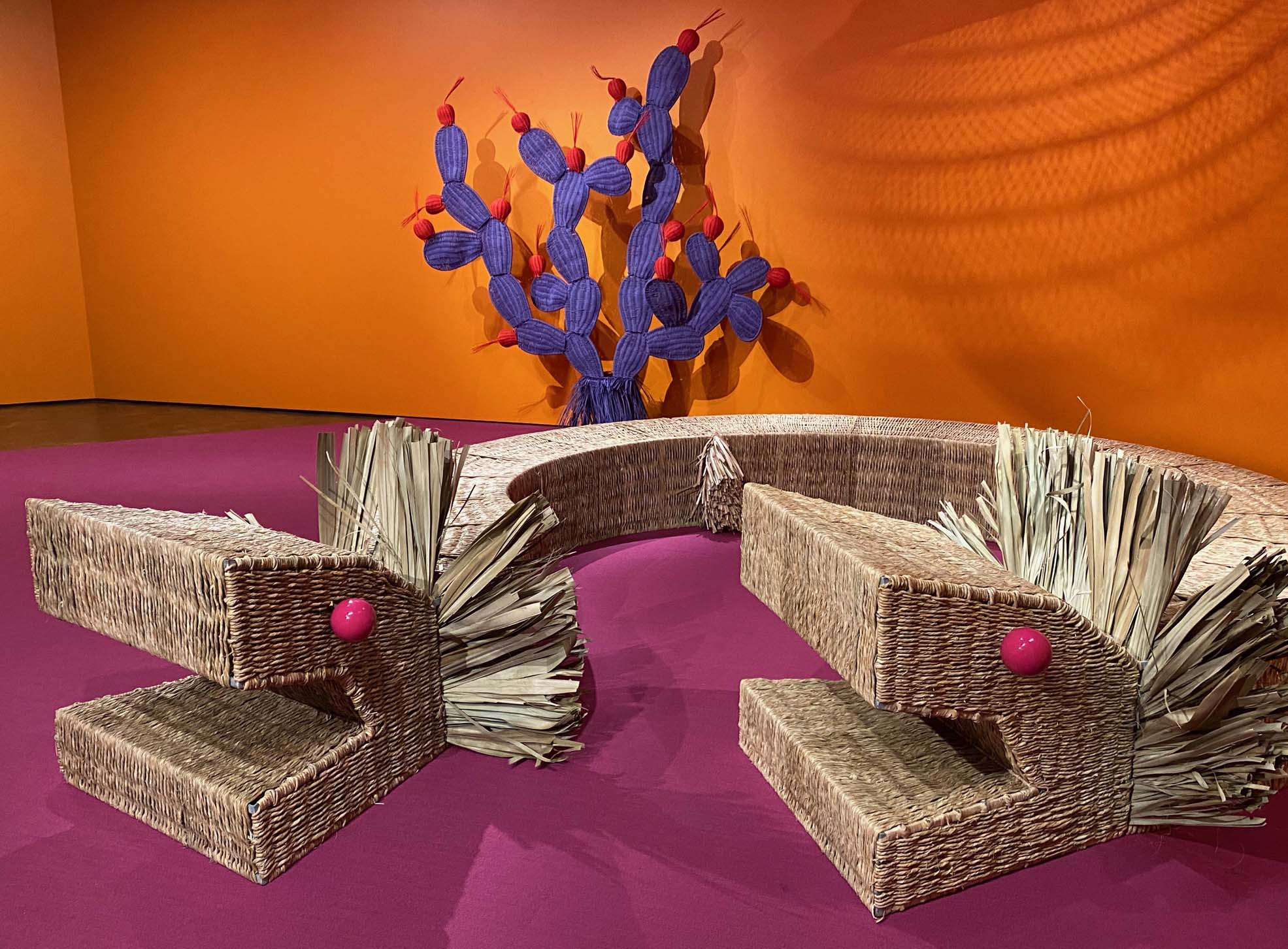
2023 El Charco environment by Mestiz for visitors to contemplate design and the environment, including the wicker Cactus of a Thousand Eyes and Great Two-Headed Viper.

Whitney Resurrects American Optimism from Storage

To get a taste of exuberant optimism, travel back with the Whitney Museum of American Art in At the Dawn of a New Age: Early Twentieth-Century American Modernism, on view through February 26.

It’s a showcase for art created at the beginning of the 20th century – a time when European experimentation in abstraction, urban skyscrapers and other engineering marvels, Einstein’s breakthroughs, and the success of the women’s suffrage movement made artists optimistic about the future.

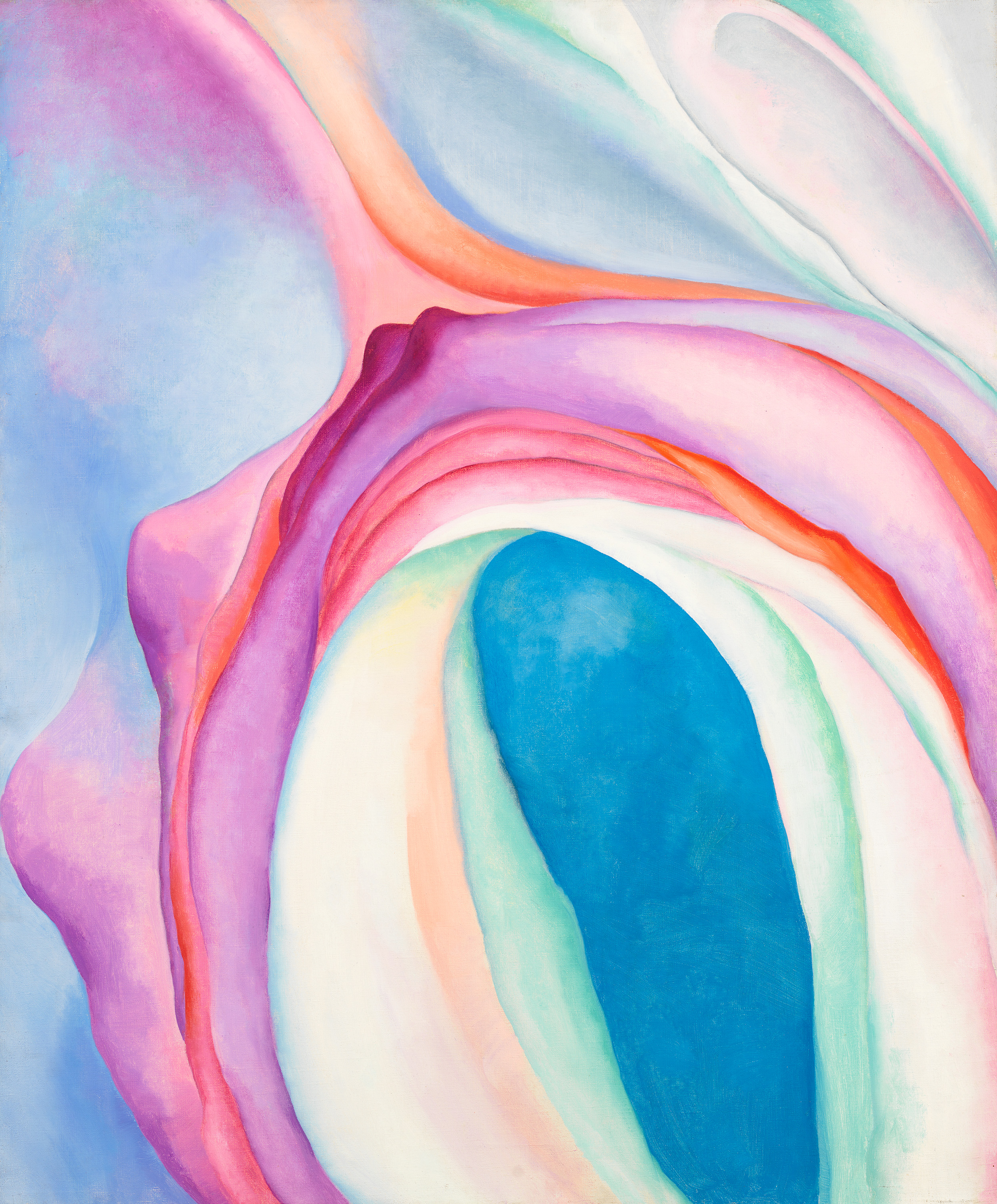
The show features work by well-known (and well loved) artists like lyrical abstractionist Georgia O’Keefe (Music, Pink and Blue No.2) and transcendentalist Agnes Pelton (Ahmi in Egypt).

Georgia O’Keeffe’s 1918 oil, Music, Pink and Blue No. 2. © 2022 Georgia O’Keeffe Museum / Artists Rights Society (ARS), New York

But the news story here is the Whitney’s interest in pulling work by their contemporaries out of storage to provide a more expansive look at early American modernism. Nearly half of the works on display have not been out of the stacks for more than 30 years!

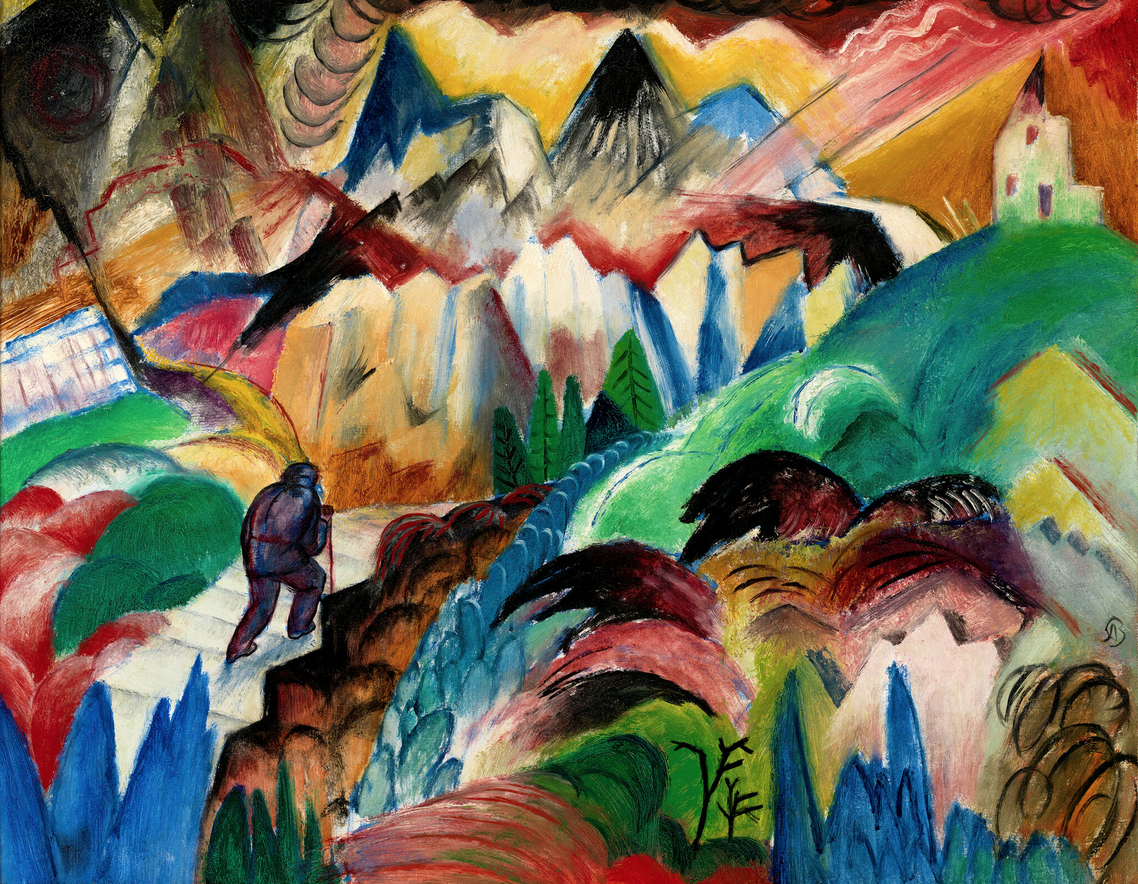
Look at Albert Bloch’s 1916 Mountain, which hasn’t been shown at The Whitney in 50 years. It’s somewhat shocking when you consider that Bloch was the only American invited to join the ground-breaking Der Blaue Reiter in 1911. It’s fitting that Bloch’s nearly forgotten, expressionist landscape was resurrected and featured as the show’s icon – a traveler on an upward journey toward a town on the hill amidst modernist peaks.

Albert Bloch’s 1916 Mountain.

The Whitney’s also pulled Carl Newman’s 1917 Bathers out of storage for this show and hung it side-by-side with Bloch.

Newman was an Academy-trained artist from Philly, but after getting swept up in the Parisian avant-garde one summer, he tried throwing art conventions out the window. 

Color, rainbows, naughty nudes, pleasure craft – a scandalous and joyous mix!

Carl Newman’s 1917 oil on linen painting, Untitled (Bathers)

And what about another “forgotten” convention-breaker? The vibrant 1926 Street Scene is by Yun Gee, a Chinese immigrant modernist who started his art career in San Francisco, but found more acceptance and exhibition opportunities in Paris. Gee was the only Chinese artist running in European modernist circles, and it’s nice to see his cubist expression of San Francisco’s Chinatown right where it belongs in the Whitney’s pantheon.

Yun Gee’s 1926 oil of San Francisco’s Chinatown, Street Scene. Courtesy: estate of Yun Gee.

Works by some of our modernist favorites are also featured – synchronist master Stanton Macdonald Wright, shape-shifter Arthur Dove, and former Brancusi studio assistant and abstracted design leader, Isamu Noguchi.

Henrietta Shore’s 1923 oil, Trail of Life – a recent acquisition by the Whitney to add Shore to its collection.

The stories and careers go on. The exhibition features artists from the West Coast, artists that fled to Paris and found success there, and some modernists that just couldn’t make a go of it and stopped making art entirely.

Henrietta Shore, the Los Angeles innovator who Edward Weston credits as a great influence on his style, was one who eventually opted out.

It’s a beautiful walk through the early 20th century to meet a new set of painters using abstraction to channel an optimistic future – E.E. Cummings (yes, the poet!), Blanche Lazzell of Provincetown, Aaron Douglas of the Harlem Renaissance, and Pamela Colman Smith of Tarot card fame.

Installation view of great modernists. In vitrine: Pamela Colman Smith’s 1909 Rider-Waite-Smith Tarot Deck. Left to right: O’Keeffe’s 1918 Music, Pink and Blue No. 2; Stettheimer’s 1931 Sun; E.E. Cummings’s 1925 Noise Number 13; Macdonald-Wright,’s 1918 Oriental – Synchromy in Blue-Green; Richmond Barthé,’s 1933 African Dancer; Jay Van Everen’s 1924 Abstract Landscape. Photograph by Ron Amstutz.

Here’s a short video by curator Barbara Haskell where she talks about what it was like to find “forgotten” paintings and other stories behind the Whitney’s fascinating modernist reveal:

When Advertising was Revolutionary

Abstraction was being invented, monarchies were falling, wars were raging, and modern 20th century artists decided to turn advertising on its head, too. Artists left studios in droves and began making posters, brochures, billboards, traveling agit-prop theater wagons, and new-fangled telecommunications towers.

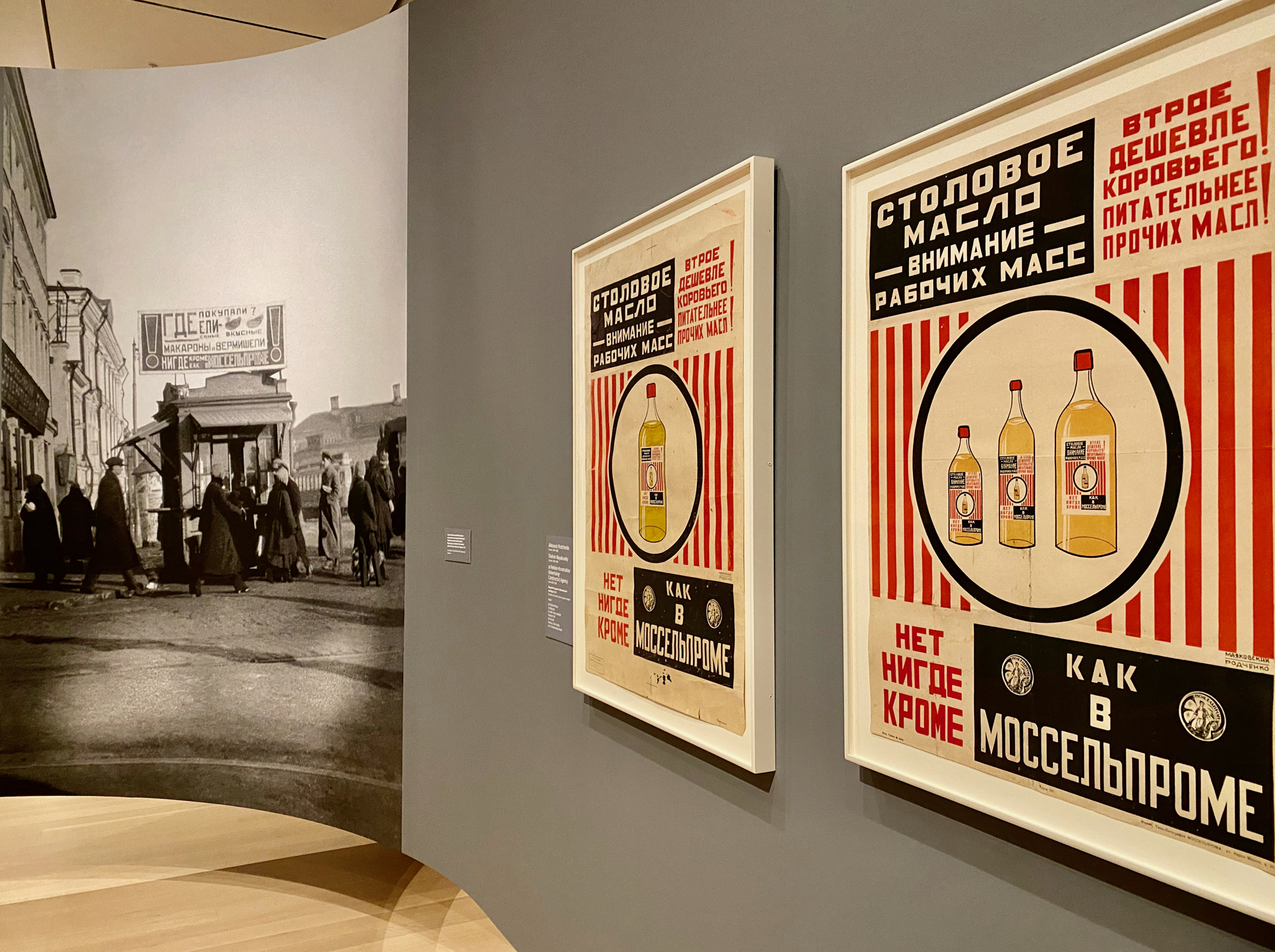
1-11 Engineers Agitators Reconstructors at MoMA
Modernist Russian billboards and works from Rodchenko and Mayakovsky’s 1923-1925 Advertising-Constructor agency

That’s just the first gallery of Engineer, Agitator, Constructor: The Artist Reinvented, on view at MoMA through April 10 – a show that investigates how artists change their focus to meet the moment of social, technical, commercial, and political change.

The focus is the period between WWI and WWII, when the avant-garde began mixing it up to bring about a whole new world for consumers, city planners, publishers, and the proletariat. Take a look at our favorite works in our Flickr album.

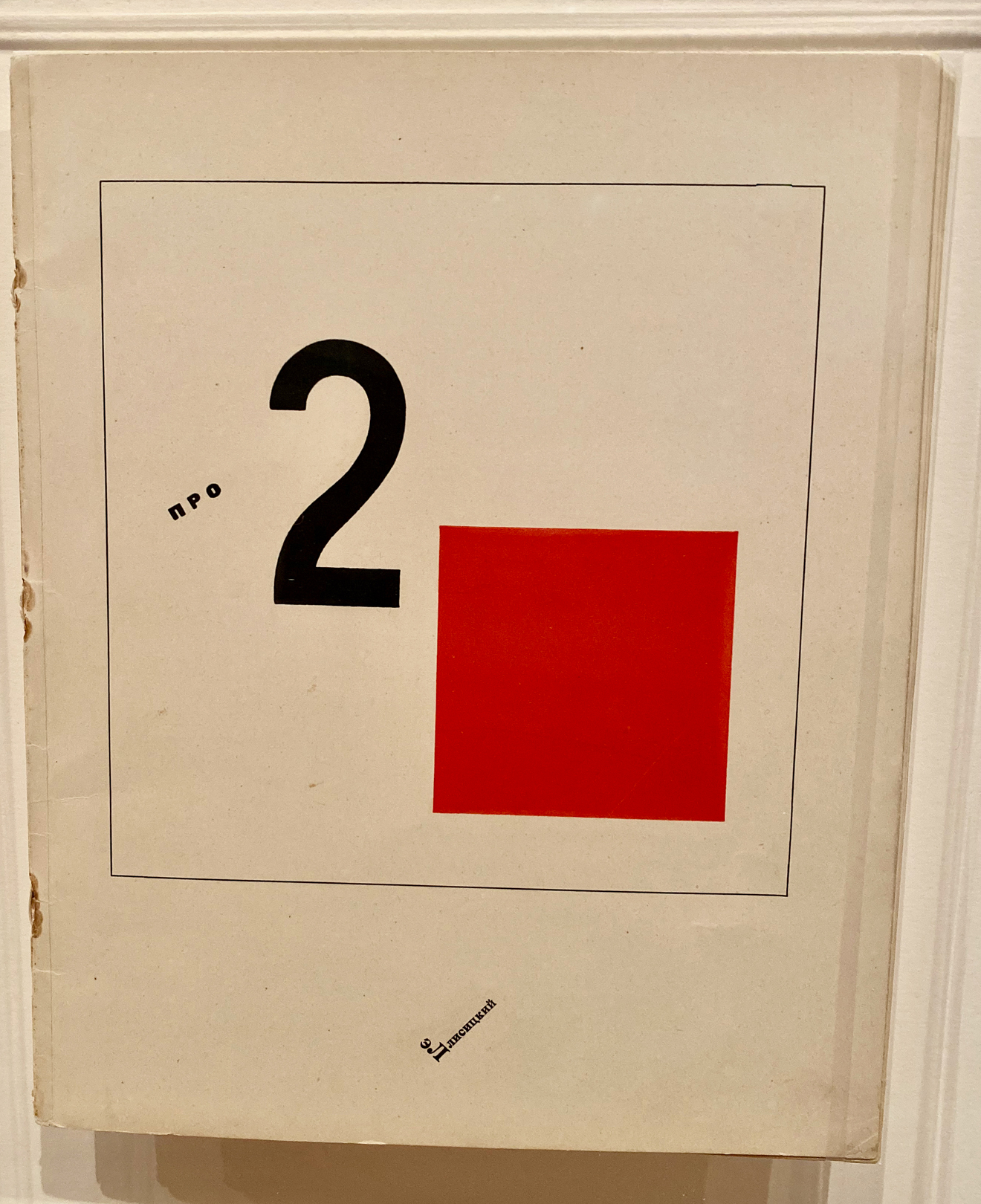
The first gallery provides a broad view of how other avant-garde abstractionists first inspired by Malevich’s Suprematism experimented now used pure, kinetic shapes to dance across children’s books, pavilions, costumes, and posters in the earliest days after the Russian Revolution.

El Lissitzky’s 1922 book About Two Squares: A Suprematist Tale of Two Squares in Six Constructions

The 300 works in the show are principally works on paper, collected by and donated to MoMA by Merrill Berman – a treasure trove that includes particularly rare and unique items that the curators use to tell quite a story.

A 1922 costume design by Popova, inspired by workers’ uniforms

One entire wall is dedicated to Ms. Popova, where you can stroll by paintings, covers for sheet music, and prints – all the ways she applied her genius. Another long wall displays dynamic work by Rodchenko and Mayakovsky, whose Advertising-Constructor agency mixed poetry and innovative, angled constructivist style to sell chocolate and other consumer products.

Mixed-media plays a major role in the exhibition, with several galleries showing how European artists embraced collage and photomontage both in their personal studio work and in graphic designs that shook up the look of mass market publications, industrial marketing, postcards, and political posters.

Dynamic photo montage 1928 postcards by Gustav Klutsis to promote the All-Union Spartaklada Sporting Event

Another section of the show provides an introduction to innovative Polish, Hungarian, and Dutch indie zines shared, collected, and treasured by cutting-edge writers and designers excited by possibilities of the early 20th century.

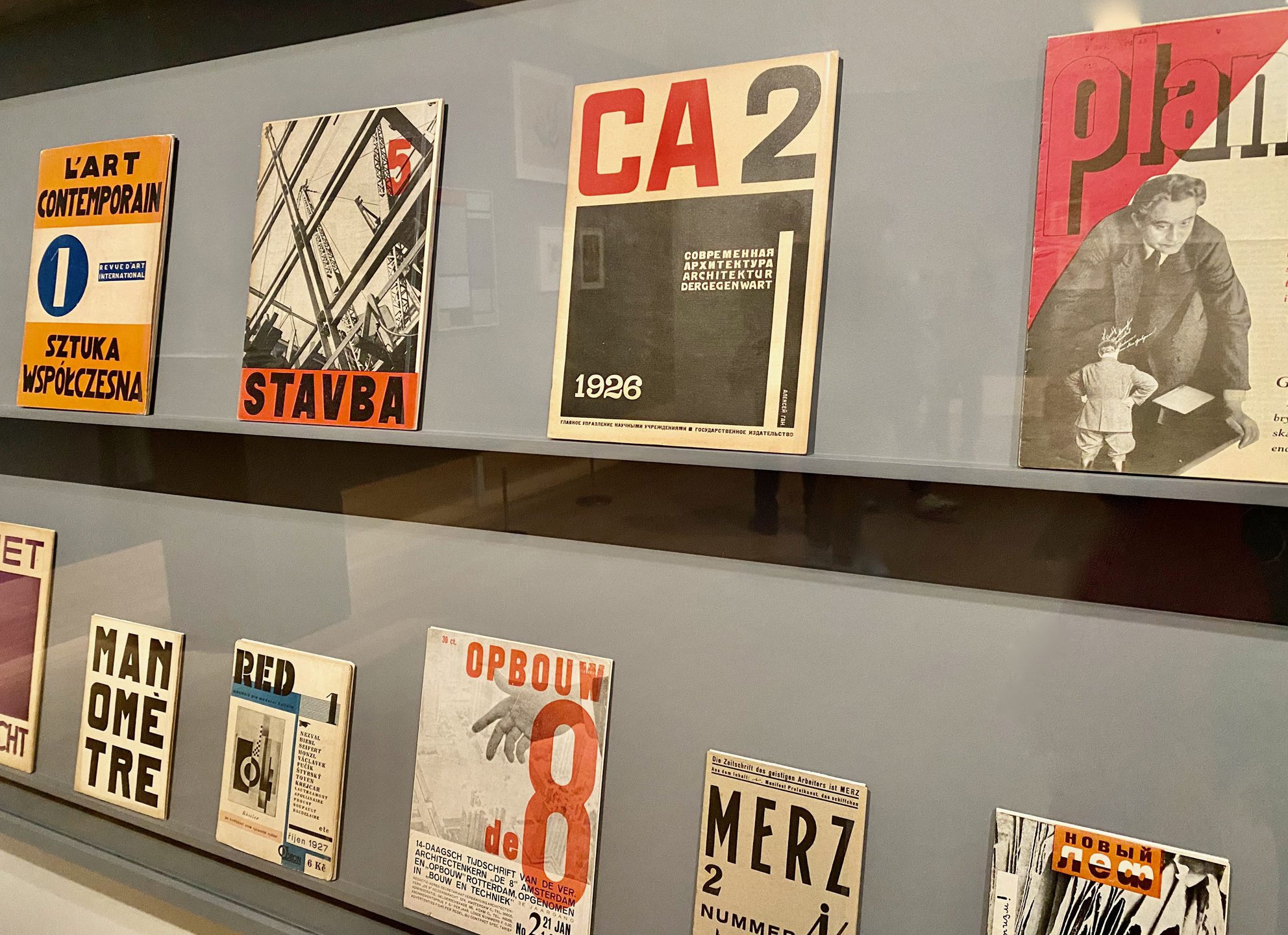
Creative European magazines published in the late Twenties

Angled, geometric, and loaded with innovative typography, these rare magazines share the space with paintings by Mondrian, sculpture by Moholy-Nagy, and other geometric shape-shifters.

1924 photo of Henryk Berlewi and his exhibition at a Warsaw Austro-Daimler showroom with works from his Mechano Facture series, inspired by industrial technology

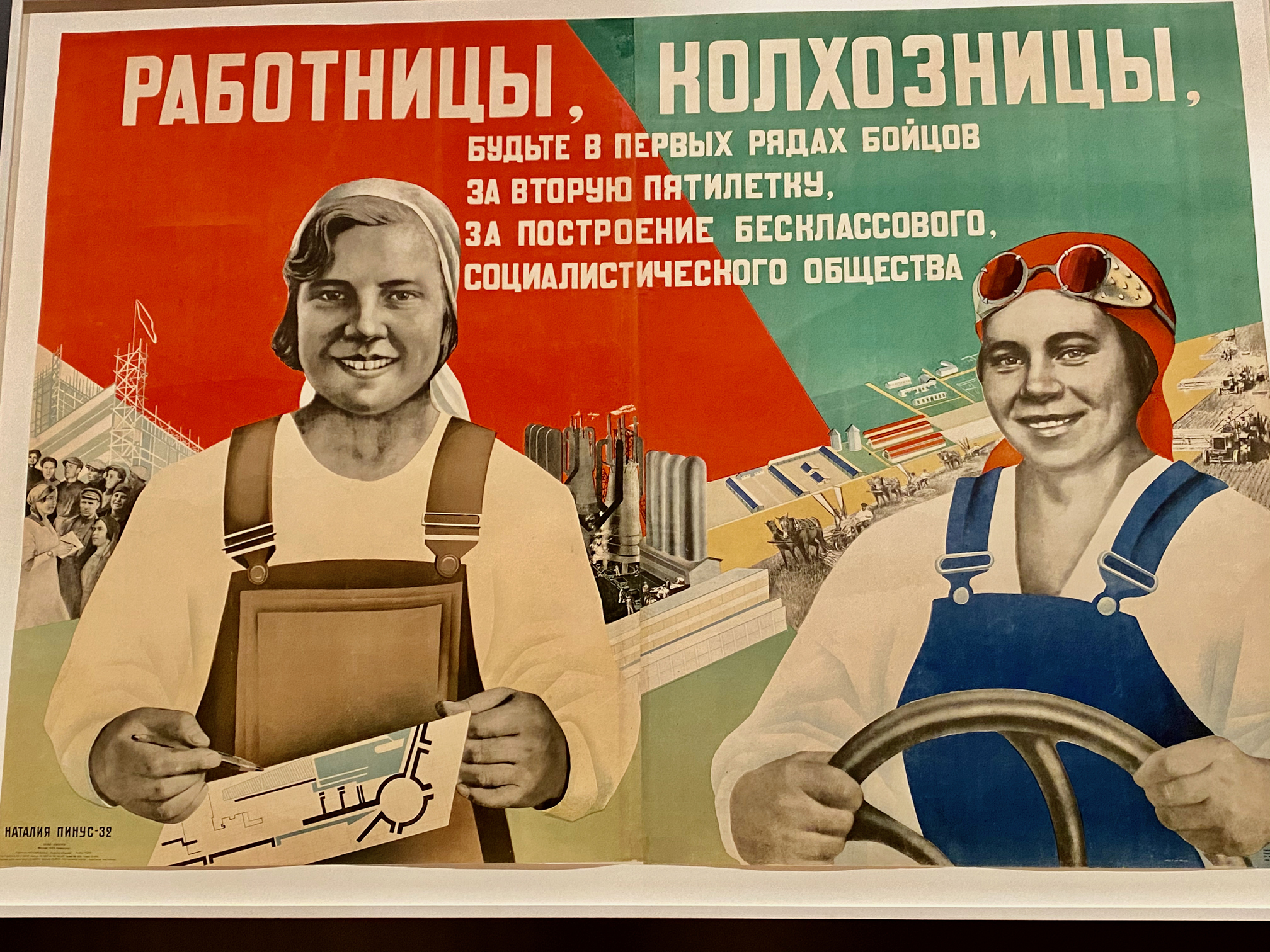
Women are prominently showcased in every gallery of the exhibition, including the massive wall of Soviet posters by female designers whose images celebrate the contributions of women to the industrial workforce.

1931 poster by Natalia Pinus acknowledging female farmers and other collective workers

Visionary drawings, watercolors, and poster posters are around every corner – and most are never-before-seen surprises. Before WWII brought it all to an end, the curators show the modern innovations that these creatives had in mind – new architecture, advertising constructions, and modern furniture fairs.

Walter Dexel’s 1928 design combines an airshaft, ad kiosk, and telephone booth. Herbert Bayer’s design for an electrified ad tower for an electricity company, done when he was just a student at the Bauhaus. Willi Baumeister’s 1927 poster that directly declares interior designs of the past are over.

Elena Semenova’s 1926 design sketch for a Russian worker’s lounge looks like a precursor to WeWork.

1927 poster by Willi Baumeister promoting a modern furniture exhibition in Stuttgart
Vision for model communal space: Elena Semenova’s 1926 design watercolor for a Russian worker’s club lounge

Enjoy this special program with Ellen Lupton and curator Jodi Hauptman in a fascinating discussion about work by several revolutionary designers and how so many intermingled careers in graphic and fine arts during tumultuous times:

Virtual Museum Events – Julie Mehretu, Craft in Art, Viennese Lettering, and Niki de Saint Phalle

Kick off April by choosing from many virtual museum events about the latest art shows, women’s history events, and what’s happening here! Here are just a few highlights:

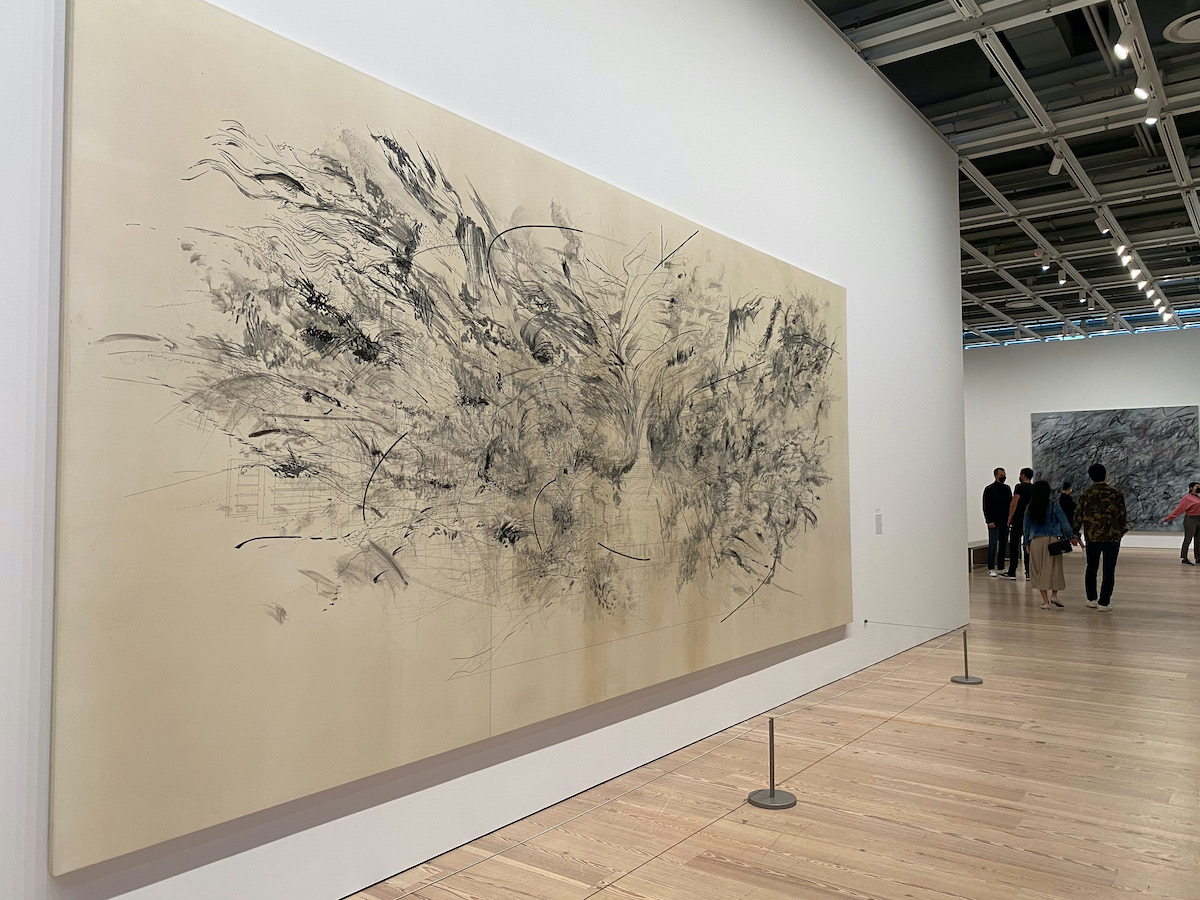
On Tuesday (April 6) at 6pm, meet Julie Mehretu at the Whitney Museum’s annual Annenberg Lecture. Julie will have a conversation with the Whitney’s director about how history, architecture, cities, protest, maps, and geography have influenced her work. Her magnificent mid-career retrospective is a must-see.

Julie Mehretu’s 2003 Transcending: The New International at The Whitney

Also at 6pm, the Skyscraper Museum presents Wright and New York: The Making of America’s Architect – an illustrated talk by Anthony Alofsin on how an early visionary design for a cathedral and skyscraper set the stage for the Wright’s later success.

At 6:30pm, bring your own pint to celebrate National Beer Day in this month’s Tavern Tastings series with Fraunces Tavern Museum and Connecticut’s Keeler Tavern Museum. The gals will tell you everything you ever wanted to learn about beer in 18th century taverns.

Simone Leigh’s 2008 Cupboard VIII in Making Knowing Craft in Art at The Whitney

On Thursday (April 8) at noon, join one of the Whitney’s teaching fellows in Art History from Home: Making Knowing to discuss how four artists use the materials and methods of craft to turn the idea of “fine art” on its head. Examples that you’ll discuss are selected from artworks featured in the Whitney’s expansive, fun exhibition, Making Knowing Craft in Art, 1950 – 2019. You’ll enjoy all of the twists and turns.

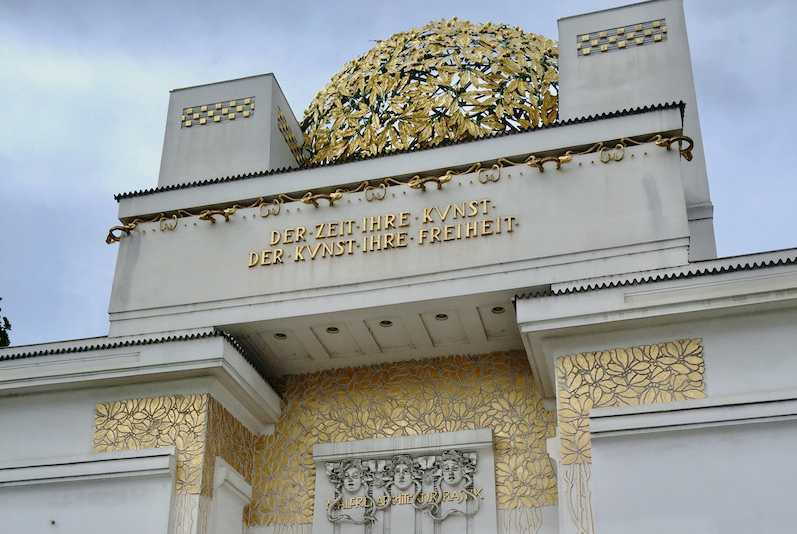
At 6:30pm, join Paul Shaw at Poster House for a tour of Viennese Lettering by some of the greats of the Vienna Secession movement. Paul will show examples of innovative lettering on posters, ads, and books and explain how all of this had an impact on artists of the Sixties and Seventies. The lecture is part of a series in honor of Julius Klinger: Posters for a Modern Age, currently on view at Poster House.

Letters on Vienna’s Secessionist Building – hear more at Poster House on Thursday

At 7pm, MoMA PS1 hosts Niki de Saint Phalle and the Art of Tarot to explore tarot’s influence on modern art and why the artist was inspired to create her monumental installation in Tuscany, Tarot Garden.

Niki de Saint Phalle’s life project in Tuscany, Tarot Garden.

There’s a lot more happening this week, so check the complete schedule. Most of the events are free, but it’s always nice to add a thank-you donation.

Museum Update

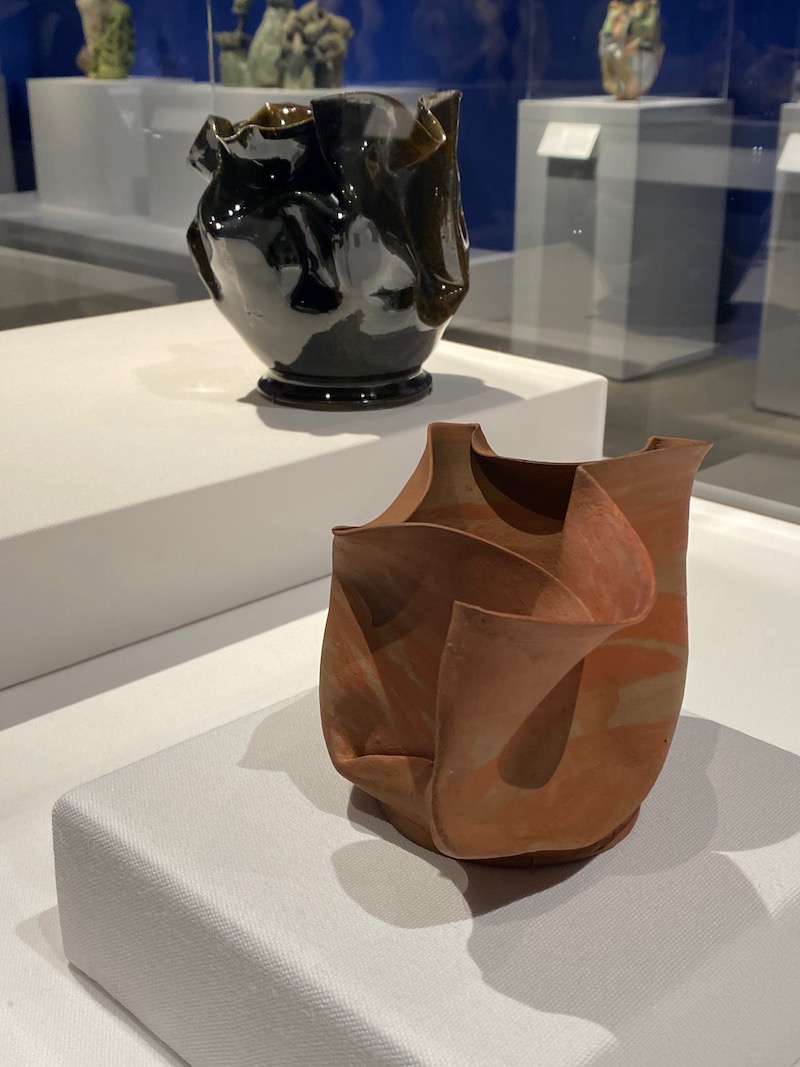
This week we checked out the new modern ceramics show at the Met, Shapes from Out of Nowhere: Ceramics from the Robert A. Ellison Jr. Collection, which showcases 75 works that are promised gifts to the Met. Among the highlights ­– several works by celebrated ceramicist George Ohr, whose late 19th century works predate midcentury shape, form, and abstraction. Lots of fans present when we visited. 

Rare George Ohr ceramics 1890–1900 in Out of Nowhere at The Met

Virtual Museum Events – New Show Tours at MoMA, The Whitney, Poster House, and American Folk Art

For Easter Week, you’ll have an opportunity to join online tours of the new architecture show at MoMA, Julie Mehretu’s retrospective at The Whitney, the Lincoln Center poster show at Poster House, and a look at visionary photography at the Museum of American Folk Art.  See the full list of activities this week on our virtual events page.

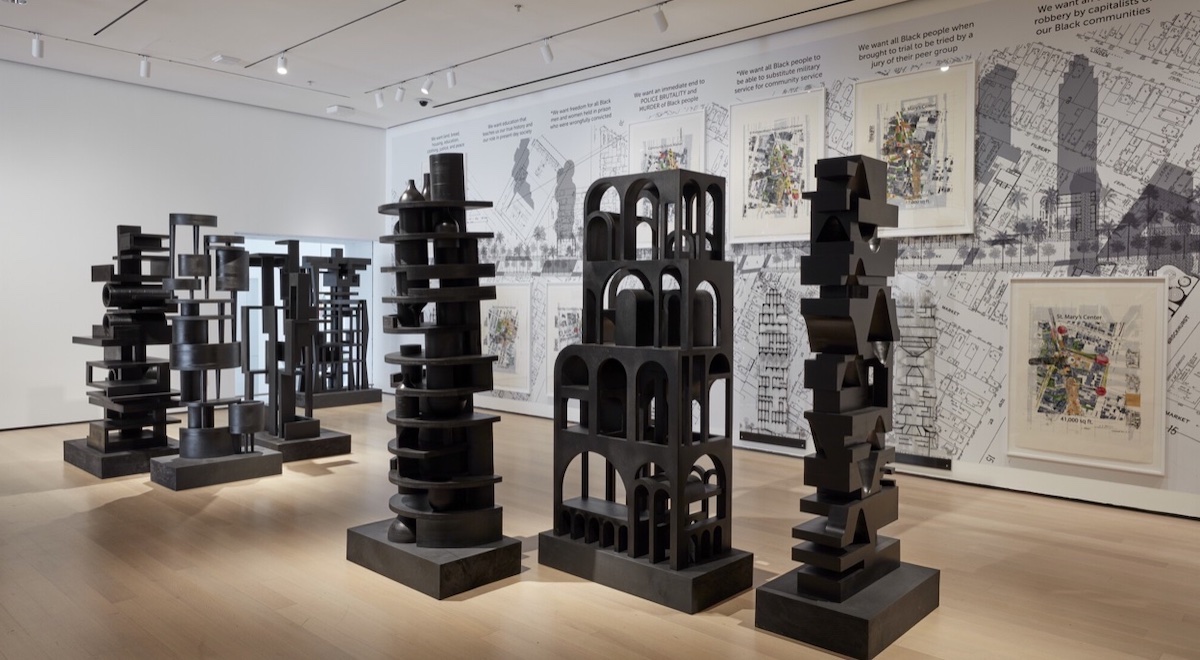
Today (March 29) at 6:30pm, join MoMA to hear a panel of high-powered Black architects and designers to discuss Cities and Spatial Justice – one of the themes presented in MoMA’s new exhibition Reconstructions: Architecture and Blackness in America. How are Black urban spaces created and protected? How do communities reckon with the past to create a future? Join in to participate in this timely discussion.

At 9pm, join the New Museum for a talk with Rachel Rossin, an artist whose work is part of World on a Wire, an online visual exhibition that is the first exhibition in a new partnership between Hyundai Motor Company and Rhizome, the museum’s digital art affiliate. The later (US) time was set to allow art lovers in Seoul and Beijing to join in at a reasonable time, too.

2_New Museum_Rhizome_Rossin

Rachel Rossin work at Hyundai Motorstudio Beijing and World on a Wire digital project.

On Tuesday (March 30) at 7pm, join a tour for the new Julie Mehretu mid-career retrospective at the Whitney Museum. See the giant, genius, multilayered canvases with the curator and find out how maps, revolutions, social justice, and architecture have inspired her to create such monumental works. (And for the tour of Julie’s show in Spanish, join the tour online at noon on Friday, April 2.)

3_Whitney_Mehretu_Invisible Line

Pondering Julie Mehretu’s Invisible Line at the Whitney

At 8pm, take a trip to Tokyo’s An’yo-in Temple to hear one of the earliest forms of meditative, chanting vocal music reimagined in a new work by the young composer. Japan Society, the University of Chicago, and Carnegie Hall present Shomyo: Buddhist Ritual Chant – Moonlight Mantra, followed by a live Q&A with the composer.

4_Japan Society_Chant_Shomyo

Traditional Buddhist chanting in Tokly’s An’yo-in Temple on Tuesday, courtesy of Japan Society and Carnegie Hall

The temple is created in a traditional method of joining wood without nails or glue, and ties into the society’s current exhibition, When Practice Becomes Form: Carpentry Tools from Japan.

On Wednesday (March 31), join Poster House for its program, For the Many: the Public Art of Lincoln Center, which is being held in association with the museum’s current exhibition, Vera List & The Posters of Lincoln Center. The program includes an introduction to Lincoln Center’s poster project – the landmark series pioneered by Vera List –and goes on to showcase the full range of public art commissioned for this New York cultural landmark.

Dorothy Gillespie’s 1989 Lincoln Center information center poster.

On Thursday (April 1) at 11am, take another trip to Japan to visit the Tokachi Millennium Forest ecological project on Hokkaido with experts from the New York Botanical Garden. Hear them talk about the master plan for this project, how they merged the “new Japanese horticulture” with wild nature, and how they created not only a beautiful garden but a gorgeous new book.

7_NYBG_Tokachi

Travel to the Tokachi Millennium Forest in Japan with NYBG and Dan Pearson and Midori Shintani

At 6pm, join the Museum of American Folk Art for a panel discussion (Re)Turning the Gaze, on the relationship of “the gaze” to gender, race, and sexuality. The panelists will feature photographs from the provocative current exhibition, PHOTO | BRUT: Collection Bruno Decharme & Compagnie.

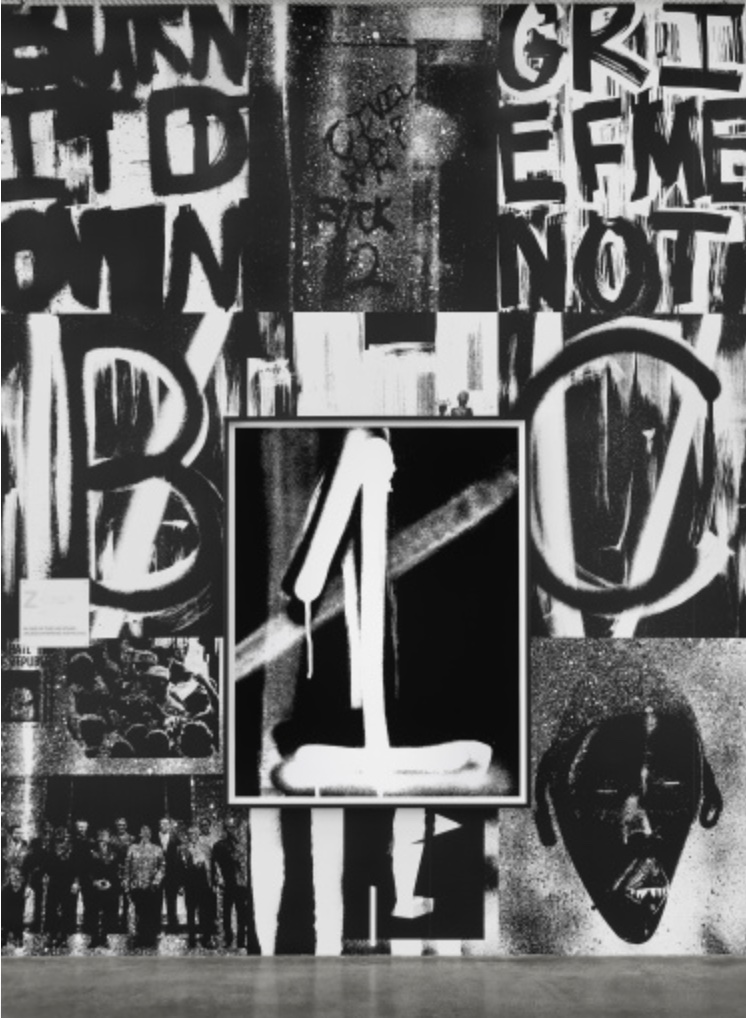
Adam Pendleton at New Museum. Photo: Dario Lasagni

At 7pm, join the conversation at the New Museum with Adam Pendleton, who’s transformed the museum lobby into an exciting environment for the acclaimed Grief and Grievance: Art and Mourning in America exhibition. He often talks about “Black dada” – art that incorporates blackness, abstraction, and the avant-garde. If you can’t get to New York, take an online tour of the exhibition at 11am on Saturday, April 3.

There’s a lot more happening this week, so check the complete schedule. Most of the events are free, but it’s always nice to add a thank-you donation.

Museum Update

The crowds were at the Whitney to get their first look at the Julie Mehretu retrospective and to take a last look at the Kamoinge Workshop photographs from the Sixties and Seventies in the last weekend of Working Together. We saw lots of conversations and contemplations happening inside the Kamoinge gallery.  Although the show closed yesterday, the Whitney is offering one final virtual tour at noon on Thursday (April 1).

This past week, we went to the Met’s virtual opening of the Alice Neel retrospective, which is now posted online. Take a look.

We also joined MoMA’s online event with the Calder Foundation to take a closer look at the new exhibition, Alexander Calder – Modern from the Start.

The program is now posted on MoMA’s YouTube channel. Nearly 4,700 people have listened to Calder’s grandson Sandy Rower (and head of the Calder Foundation) shatter some Calder myths and show decades-old color 16mm film of Tanguy, Duchamp, and his grandmother hanging out with Calder in MoMA’s garden on 54th Street. (Don’t break that sculpture with the cat, Marcel!)

And while you’re on that YouTube channel, check out MoMA Virtual Cinema’s discussions with the directors, crews, and actors associated with some of their top picks for the film-awards season – Nomadland, Borat, Mank, Sound of Metal, and Minari.

Calder’s 1934 sculpture A Universe at MoMA

Weekly Virtual Museum Events – Berlin Neon, Japanese Rap, Master Photographers, and Alice Neel

Commercial neon in Berlin under discussion at Poster House Monday

This week, NYC museums are offering more than 40 on-line events (mostly free) that will take you to Berlin in the Twenties, the music scene in Tokyo, studios of acclaimed photographers, and an opening at the Met.  See the full list on our virtual events page.

Tonight (Monday, March 22) at 6:30pm, join Poster House and photographer Thomas Rinaldi for Interwar Neon: Commercial Illumination in Weimar-Era Germany to look back on the electric art that flourished alongside the freewheeling nightlife scene for a brief time between the wars.

Dawoud Bey’s Birmingham series at the New Museum.

On Tuesday (March 23) at 4pm, join the New Museum to meet Dawoud Bey, a photography legend (and MacArthur genius) whose moving 2012 tribute, The Birmingham Project, is featured in the acclaimed exhibition, Grief and Grievance: Art and Mourning in America

At 7pm, join Japan Society for 333 Contemporaries – Looking for the Next Global Rap Star in Japan, the kickoff to its new on-line series which talks about how US rap music adopted and adapted by the next generation of Japanese artists.

Parlor of the Merchant’s House Museum, New York’s only intact 19th c. home

On Wednesday (March 24) at 6pm, if Monday’s session got you curious, Join the Merchant’s House for 19th Century Domestic Lighting: 100 Years of Change. It will be an in-depth look at the technology behind the historic home’s lighting fixtures from 1835 forward, a time when candles and oil lamps gave way to electric lighting.

Anthony Barboza’s 1972 Kamoinge Workshop portrait of Ming Smith

At 7pm, meet Kamoinge Workshop photographer Ming Smith in a live online event, discussing the publication of her recent Aperture monograph and the influence of music upon her work. Ming’s work features prominently in the current exhibition at The Whitney, Working Together: The Photographers of the Kamoinge Workshop. She is the first African-American female photographer to have her work enter MoMA’s collection.

On Thursday (March 25) at 6pm, get your fashion fix at the Museum at FIT with a special program, From Louis Armstrong to Dizzy Gillespie: Jazz and Black Glamour. The pre-recorded program will feature vintage performer Dandy Wellington, a deep-dive into the influence of jazz on 1920s menswear, and a live Q&A with FIT during the YouTube stream.

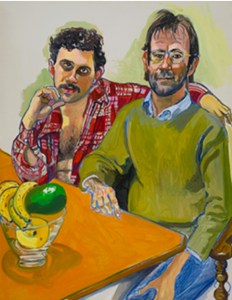
Alice Neel’s 1978 portrait Geoffrey Hendricks and Brian

At 7pm, join the Met for the online opening of its new exhibition, Alice Neel: People Come First, which features over 100 works by this beloved New York artist, considered one of America’s greatest 20th century portrait painters. You’ll find out all about how an artist who labored for decades in relative obscurity was drawn to document political movements, people, styles, and community in paint.

At 8pm, join MoMA for Virtual Views: Alexander Calder, a Live Q&A in honor if its new exhibition about Calder, MoMA’s founding, and modernism. The event will feature conversation with the artist’s grandson, who leads the Calder Foundation.

There’s a lot more happening, so check the complete schedule. Most of the events are free, but it’s always nice to add a thank-you donation.

Museum Update

1539 box for crossbow bolts made for the Bavarian duke. Value = 6 cows

We’re glad to report that the Met has extended its exhibition on the value of Renaissance art through the end of the 2021!  See it on the way to the Lehman Wing and the Dutch masters exhibition, and read about it (and the cows) in our February post The Met Asks What the Renaissance Thought It Was Worth.


Weekly Virtual Museum Events – Jim Dine, Niki de Saint Phalle, and Frida Khalo and New Artists

Jim Dine talking drawings online at The Morgan on Wednesday

This week, NYC museums are offering 35 on-line events (mostly free) on design, art, history, architecture, fashion, and performance.  See the full list on our virtual events page.

But we want to alert you to several events in connection with some of the brand-new exhibitions in town:

On Wednesday (March 10) at Noon, the Morgan Library is sitting down with Jim Dine to talk about classical and contemporary drawing. The program is being held in association with the Morgan’s new exhibition, Conversations in Drawing: Seven Centuries of Art from the Gray Collection. Register here for the on-line session (free, but limited seats). Jim will be talking about his own work that’s in the show and how his commitment to drawing relates to work by other artists included, such as Rubens, Ingres, Picasso, and Matisse.

Niki de Saint Phalle arrives at MoMA PS1. Interior view of Empress, Tarot Garden, Italy

On Thursday (March 11) at 1pm, join MoMA PS1 for the launch of the catalogue for its newest exhibition, Niki de Saint Phalle: Structures for Life. Although Niki’s work was everywhere in the latter part of the 20th century, this exhibition marks her first New York retrospective. Curators, admirers, and artists come together at this panel to discuss the exhibition and her daring, provocative installations, ideas, and work.

At 2pm, the Cooper-Hewitt will host another conversation in honor of Willi Smith’s passion for making art outside of the dressmaking atelier – Art, Fashion, Performance: Seeing Through Creative Collaboration.

1939 portrait of Frida by Nickolas Muray. © Nickolas Muray Archives

At 6pm, the Museum at FIT is debuting a pre-recorded video with the curator of the acclaimed exhibitions in Brooklyn in 2019 on Frida Khalo’s style and art. Fashion curators from FIT will be running a live Q&A during the YouTube premiere of Curating Frida Kahlo: Fashion & Prosthetics.

On Friday (March 12) at 6pm, join the curators at El Museo del Barrio for an on-line tour of their important, new show on emerging artists – Estamos bien – La Trienal 20/21. The pandemic delayed the in-gallery opening of this important survey of new art, so El Museo put the work on line, and is just now welcoming in-person visits to its Fifth Avenue home. Check it out and see what’s new.

LaToya Ruby Frazier’s story in Grief and Grievance at the New Museum

At 7pm, join the New Museum to meet with another incredible artist participating in Grief and Grievance, the exhibition that has all of New York buzzing. LaToya Ruby Frazier, who has a compelling, wall-sized autobiographical work in the show, will be talking with Margot Norton – a discussion that you shouldn’t miss.

And in the run-up to St. Patrick’s Day, the Tenement Museum will be hosting a special on-line tour of the Moore family’s flat on Saturday (March 13) at 7pm and on Sunday (March 14) at 4pm.  Next week, too!

There’s a lot more happening, so check the complete schedule. Most of the events are free, but it’s always nice to add a thank-you donation.

Museum Updates

KAWS: WHAT PARTY © KAWS. Photo: Michael Biondo

New York has some exciting new shows coming on line right now! Last week, the Brooklyn Museum opened its big art-commerce-culture exhibition, KAWS: What Party, to celebrate 25 years of audacious work by Brooklyn’s own Brian Donnelly.

On March 11, Japan Society finally reopens its exhibition space with When Practice Becomes Form: Carpentry Tools from Japan. In honor of the earthquake’s tenth anniversary, the exhibition is a tribute to the resilient spirit of Japanese architecture and craftsmanship.

On March 14, MoMA opens Alexander Calder: Modern from the Start. We saw the workmen putting on the finishing touches on the third floor when we swung by MoMA this week to check out the other new show in the design galleries – Reconstructions: Architecture and Blackness in America.

Big Sixties Color at The Guggenheim

Detail of 1964 Trans Shift acrylic by Kenneth Noland

If you need a pop of color, head over to the Guggenheim and spend some time inside The Fullness of Color: 1960s Painting, on display through March 15.

The Sixties were a time when painting was going through a big shift, and the exhibition will take you back to a time when up-and-coming painters were going big, seeing what lay beyond expressionist brushwork, and taking a cool, cool approach to color.

Helen Frankenthaler’s 1963 Canal

Although the world knew that Jackson Pollack was splattering oil paint across canvas on the floor of his East Hampton studio, other abstractionists in Manhattan, Washington, D.C., and art hot spots around the world were trying radical approaches to painting, too – exploring the expressive and expansive use of color.

Acrylic paints were new on the scene, and could be applied thick or thinned out like watercolor. Canvas was often laid out without primer, allowing the paint to soak into the canvas or blend in watercolor-like ways.

Helen Frankenthaler was the inspirational innovator in this regard, saturating her canvases with big washes of color. Although she began as a gestural painter, her big experiment was to work directly on the floor and spread paint around to eliminate any gestural marks. The results are spectacular.

1959 Saraband poured acrylic work by Morris Louis

Morris Louis, for example, experimented further by pouring paint on the unprimed canvas and letting gravity do the work of spreading it in different ways.

His 1959 work in the Guggenheim exhibition is a perfect example of his innovation ­– the “new” medium of acrylic washes, monumentally sized work, and a grand veil of color.

Getting close to this giant canvas lets you appreciate that this was not a sloppy or haphazard approach. It was masterful manipulation of chance on a large scale.

Detail freehand work in 1971 Wheelbarrow by Gene Davis

Other big canvases in the show exemplify other process experiments of the time: Jules Olitski used spray-paint techniques to eliminate gesture while giving the canvas bits of texture.  Getting close to his 1970 canvas lets you see the tiny, grainy splatters and the straight-line color bars he places at the edge; step back, and colors blend into a subtle, uninterrupted haze.

The gigantic Gene Davis canvas appears to be uniform pinstripes, but closer inspection allows you to appreciate the fact that he painted each tiny vertical mark freehand. The marks aren’t “gestural” but the full work is a monument to a hand-crafted, exacting process.

The curators also give us a chance to enjoy works by artists that we haven’t seen in a while ­– the saturated, thick geometric marks by Japan’s Toshinobu Onosato and the mesmerizing, oscillating presence of color created by Wojcietch Fangor, a Polish artist that the Guggenheim honored with an exhibition in 1970.

Oscillating 1969 M 37 oil by Wojcietch Fangor

See some of our favorite works in our Flickr album, and listen to the audio tracks about Sixties color painting and Helen Frankenthaler.

The Guggenheim is in the process of changing its primary exhibition on the ramp (farewell, Countryside!), so the museum discounting its admission price for this terrific color show and other shows in its smaller galleries.

Be sure to see Marking Time: Process in Minimal Abstraction, also open through March 15, which includes works by Agnes Martin and other kindred spirits. For fun, here’s a link to our album from Agnes’s 2016-2017 Guggenheim retrospective.

And if you want to read (and see) more color artistry in the collection of The Whitney and how NYC influences were being adapted by the new generation of contemporary Native American artists, read our review of the 2019 show at the IAIA Museum of Contemporary Native Arts in Santa Fe here.