Where Bowie, Blahnik, and Blitz Kids Ruled 80s Culture

You’ll have to go downstairs and get past the doorman to get into the club where art, design, trend, creative dress, techno-pop, synth, retro, and gender-bending fashions rule. The Design Museum in Kensington, London has created a time machine that takes visitors back to the edgy days of Covent Garden through the exhibition Blitz: the club that shaped the 80s, on view through March 29, 2026.

As soon as you enter the museum lobby, you can tell who’s there for the exhibition. Many are dressed for the occasion in bold designs, sparkly accessories, band T-shirts, and 80s hair accessories. Everyone’s having fun, going back to their youthful club days in London, remembering the “private party” at the Blitz wine bar every Tuesday night.
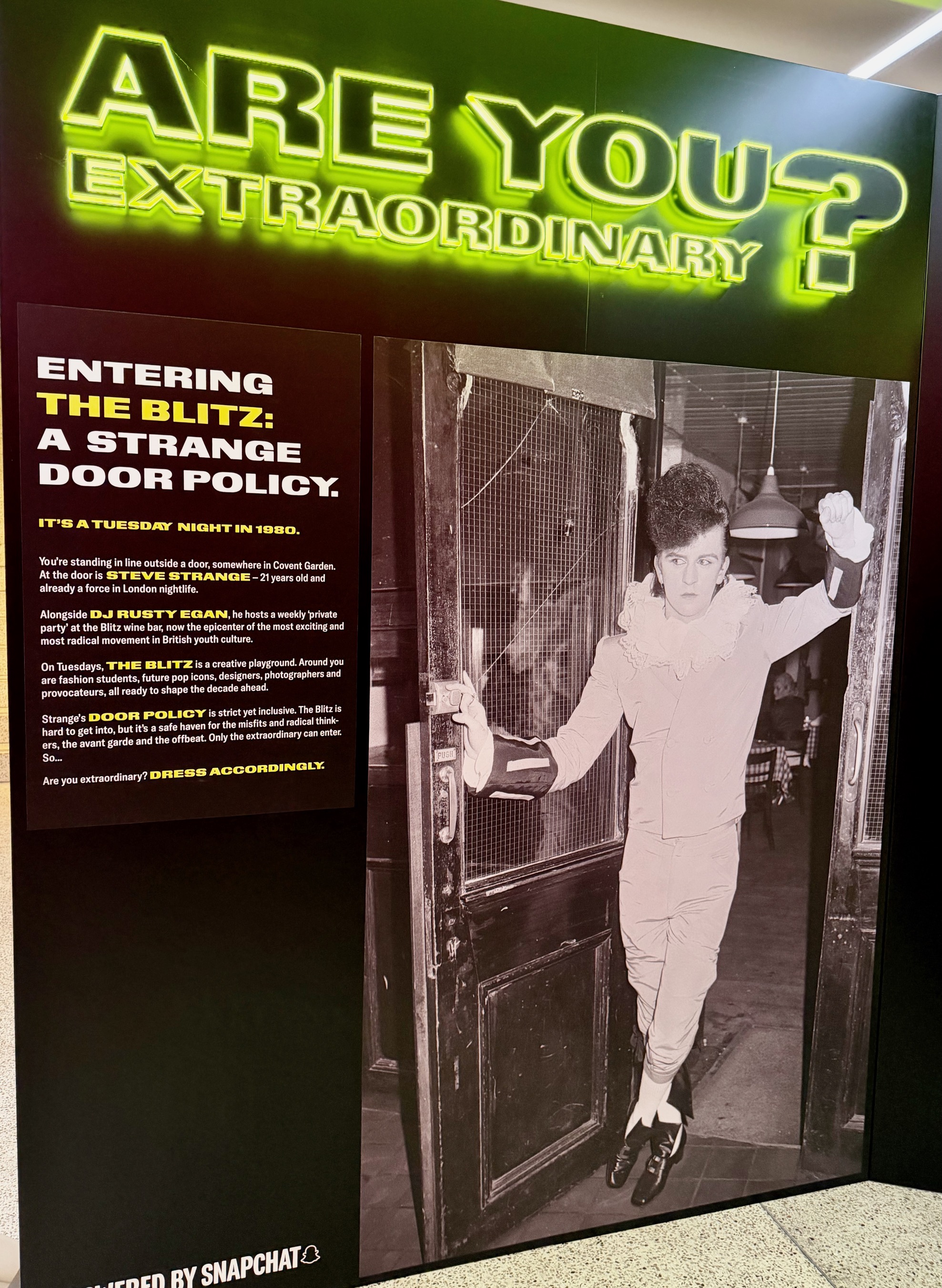
Exhibition entrance with photo of Steve Strange, who decided who got into the Blitz club.

See some of our favorite memorabilia and fashion in our Flickr album.

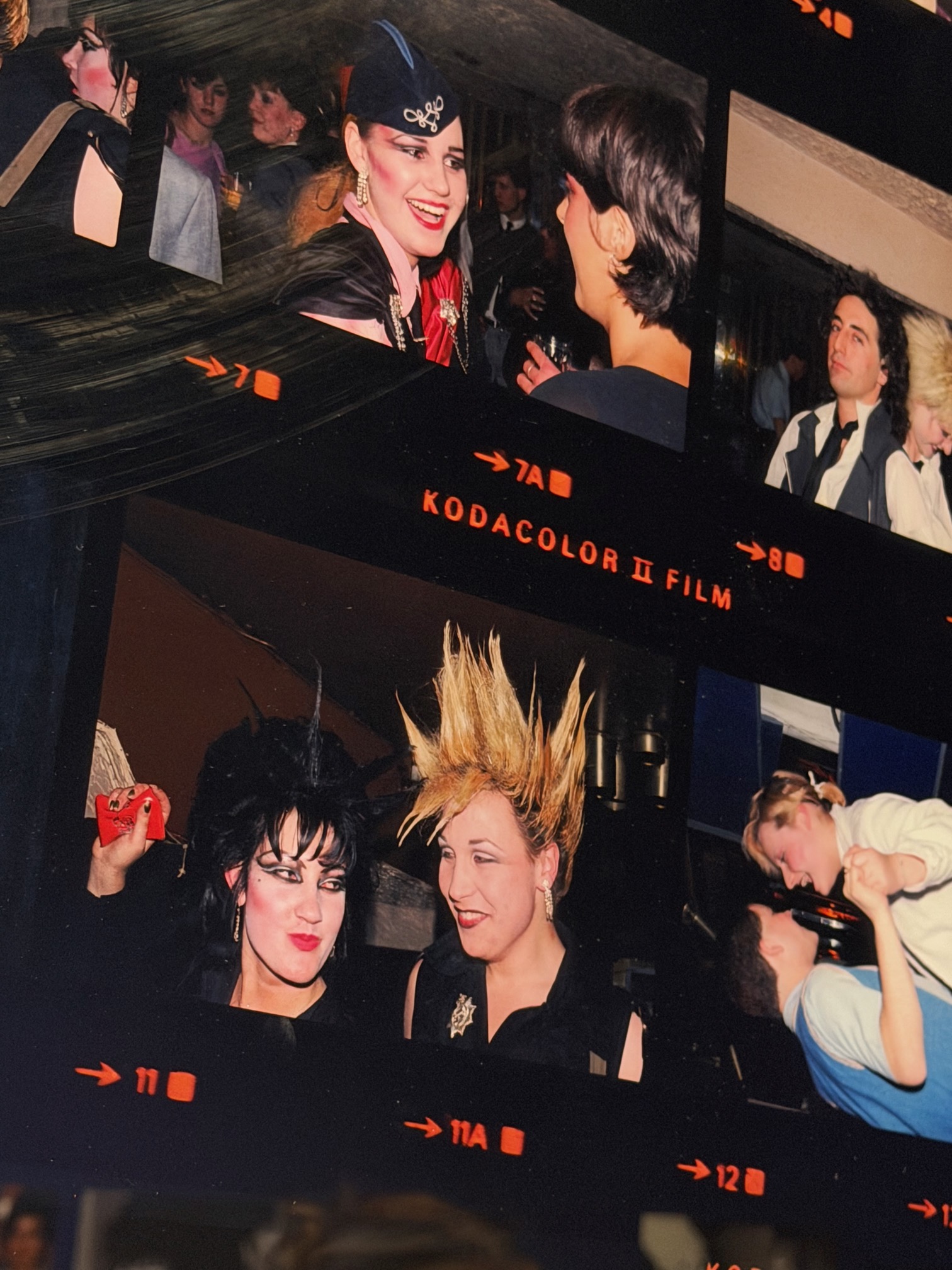
The exhibition recreates the convergence of everything cool in London culture circa 1979-1980. Visitors stand before posters, walls of photos, and fashion recollecting their own experiences at the Tuesday-night wine-bar “private party” where Steve Strange and DJ Rusty Eagan presided over bare-bones space that came alive with color, outrageous fashion, and ginormous personalities. Steve worked the door and (for a nano-second) Boy George ran the coat room. No one repeated outfits.
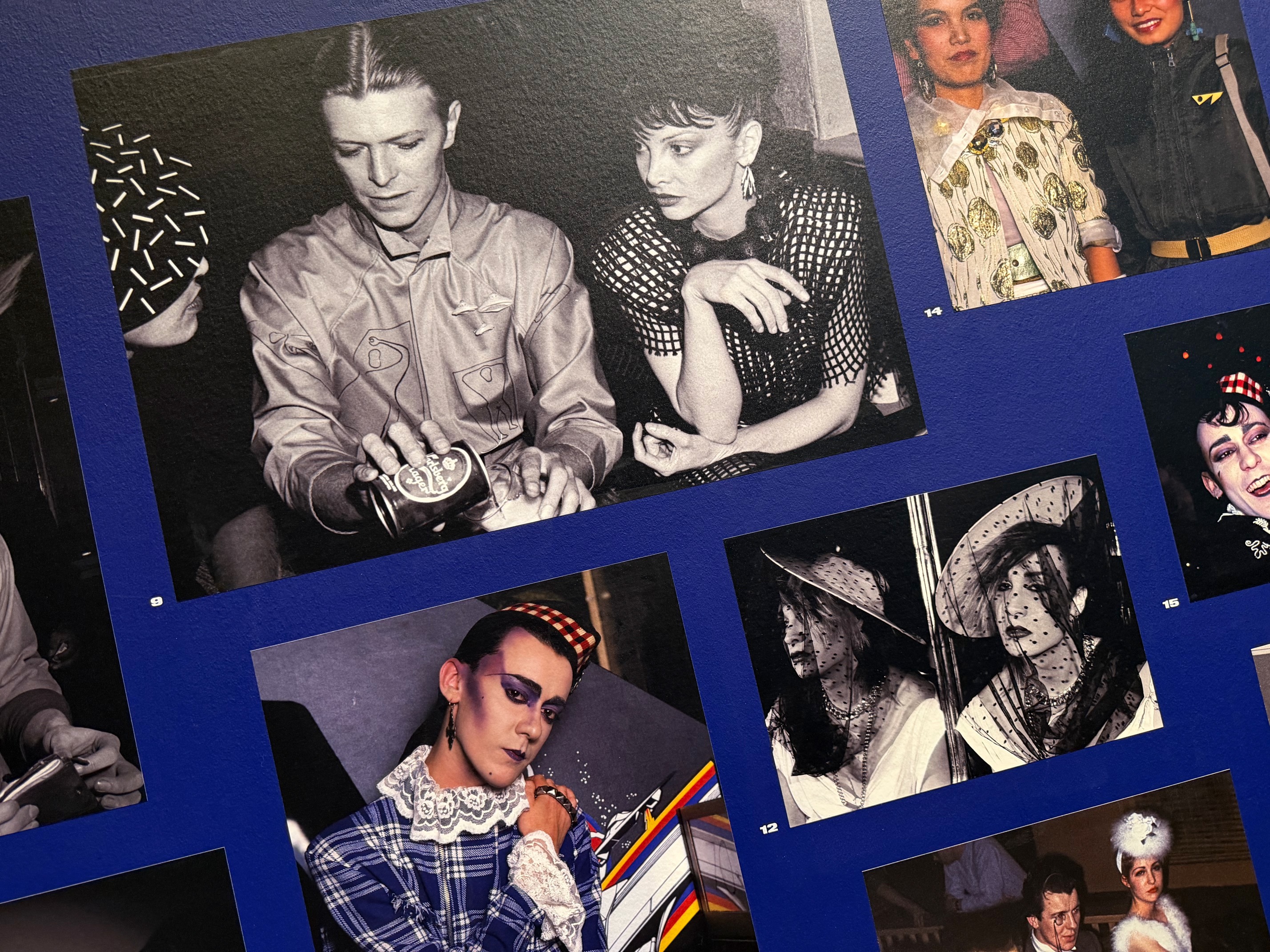
Photo wall of Blitz party goers 1979-1980 – (top) David Bowie and Toni Basil by Robert Rosen; double portrait by Robyn Beeche; (bottom) designer/club kid Stephen Linard by Robyn Beeche; Marilyn at Club for Heroes by Robert Rosen; and Stephen Linard by Ted Polhemus.

The journey opens with a look at the counter-culture that was percolating in Britain in the mid-1970s – the subversive punk scene, young people’s passion for European retro avant-garde cinema and art (thought to be more exciting that UK’s drab day-to-day), the magic of public persona reinvention (look no further than the music and image of the morphing Mr. Bowie), and and subversive, transmuting morals exemplified by drag and The Rocky Horror Picture Show.
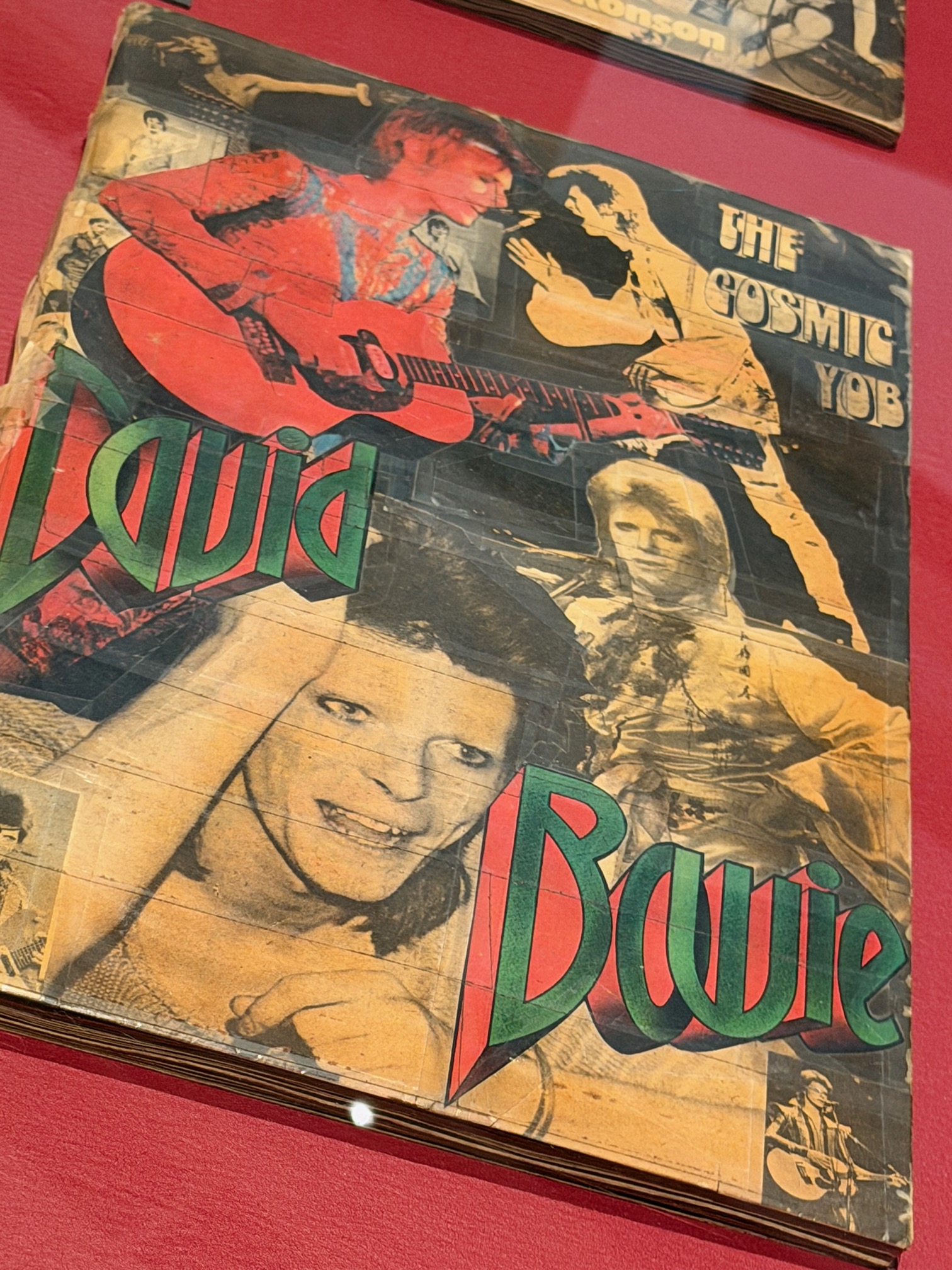
Keeping track of a style and music influencer – late 1970s scrapbooks with pictures of David Bowie. Courtesy: Iain R. Webb.
Clubbing before Blitz: Nicola Tyson’s 1978 photos of “Bowie Night” hosted by DJ Rusty Egan and Steve Strange at Billy’s Club in Soho, London. Courtesy: Sadie Coles HQ, London.

DJ Rusty Egan began by hosting parties at other venues (“Bowie Night” and so forth) before asking the Blitz to agree to his recurring weekly event. Young art and fashion students of St. Martin’s and Central flocked to these party nights, turning themselves (and friends) into unique cultural creations. You were safe at the Blitz.
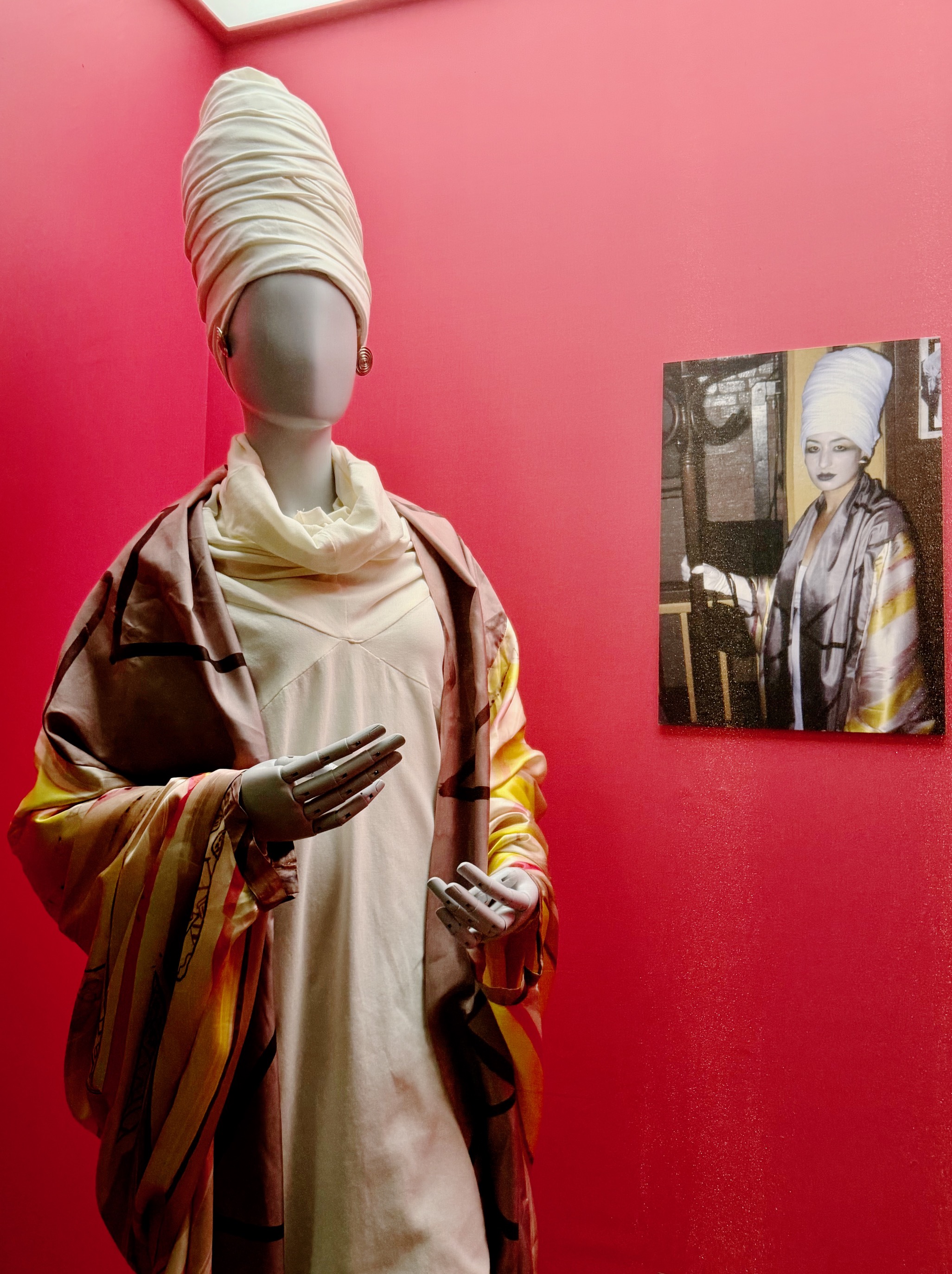
Student designer David Hola’s 1979 robe and dress; 1979 photo by Derek Ridgers of makeup artist Lesley Chilkes wearing it. Courtesy: Lesley Chilkes
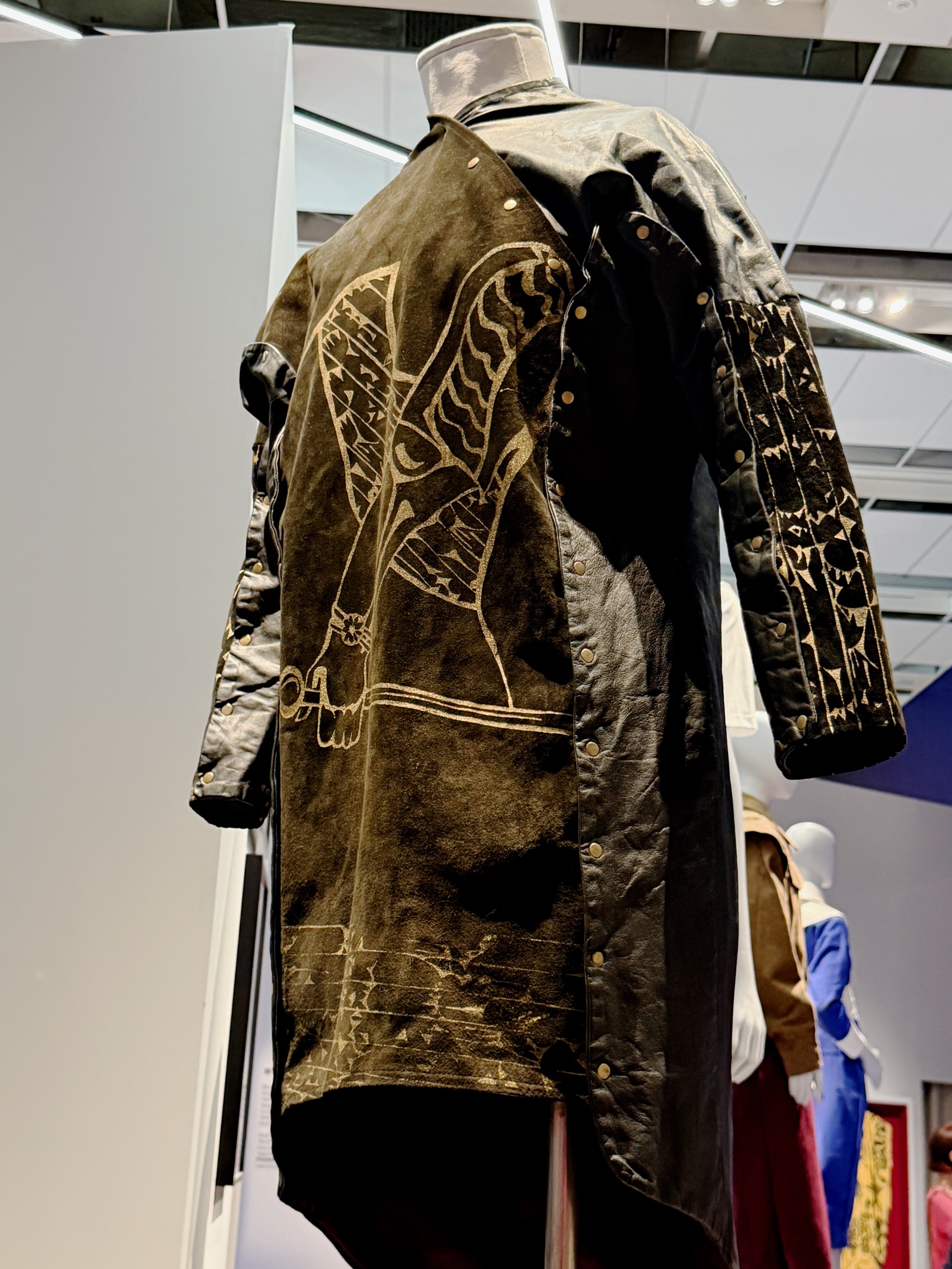
1980 man’s hand-painted leather coat by Melissa Caplan for Pallium Products. Courtesy: the artist.

Fashion and innovation at the club were key, and after the Blitz club opened in 1979, it didn’t take long for the press to catch on.  Spandau Ballet did their first live performance at the Blitz, costumed by up-and-coming student designers. Manolo Blahnik and (future milliner to Dior and Diana) Stephen Jones were just part of the crowd, collaborating with designer friends, musicians, and make-up and hair artists to create look after look. They never imagined from those funky club days that their business would become the stuff of Met Galas, big-time runways, and museum archives.
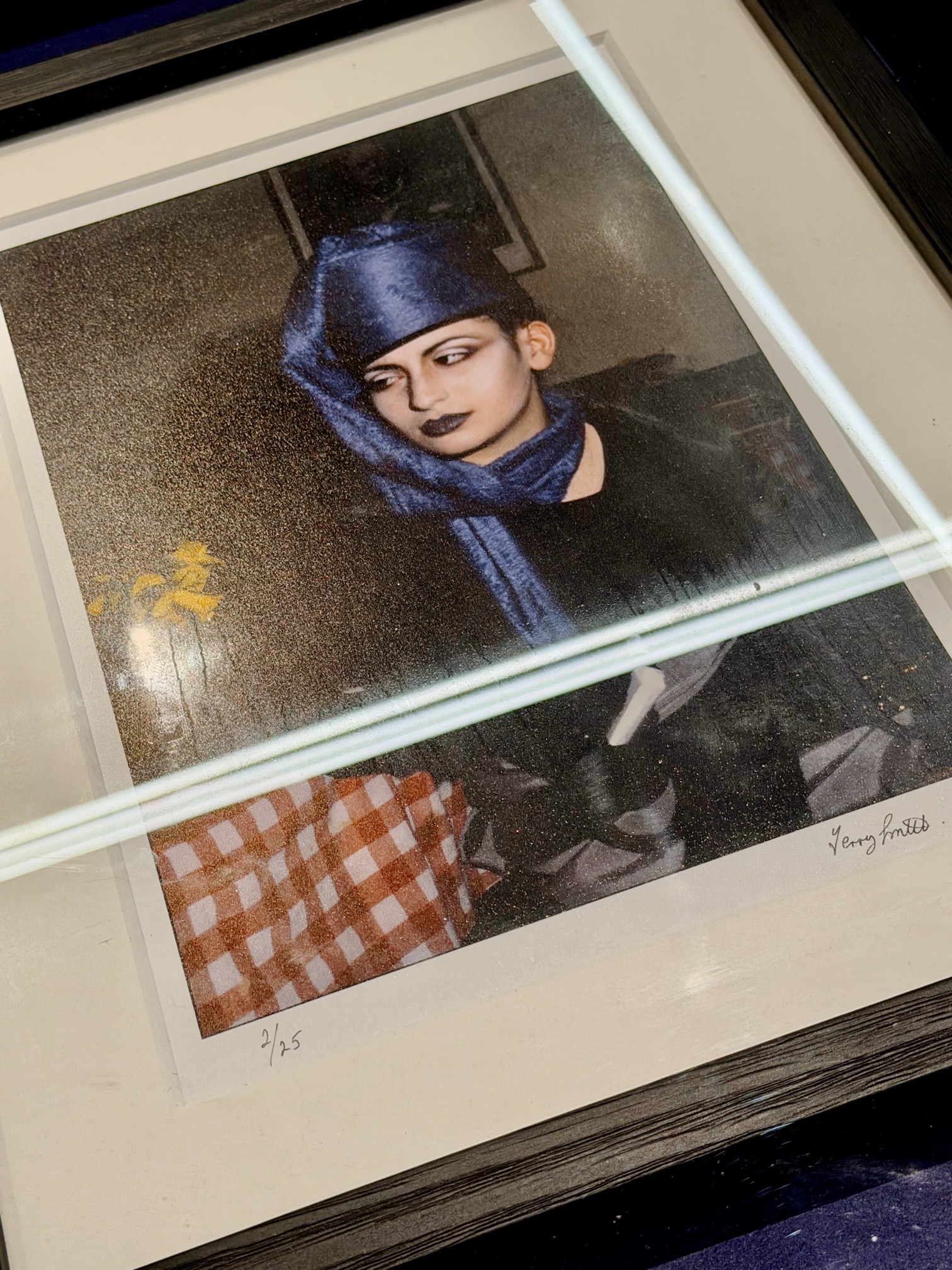
Peter Ashworth’s 1980 photograph of Blitz style icon Kim Bowen wearing the Archbishop hat by Stephen Jones. Courtesy: Iain R. Webb.
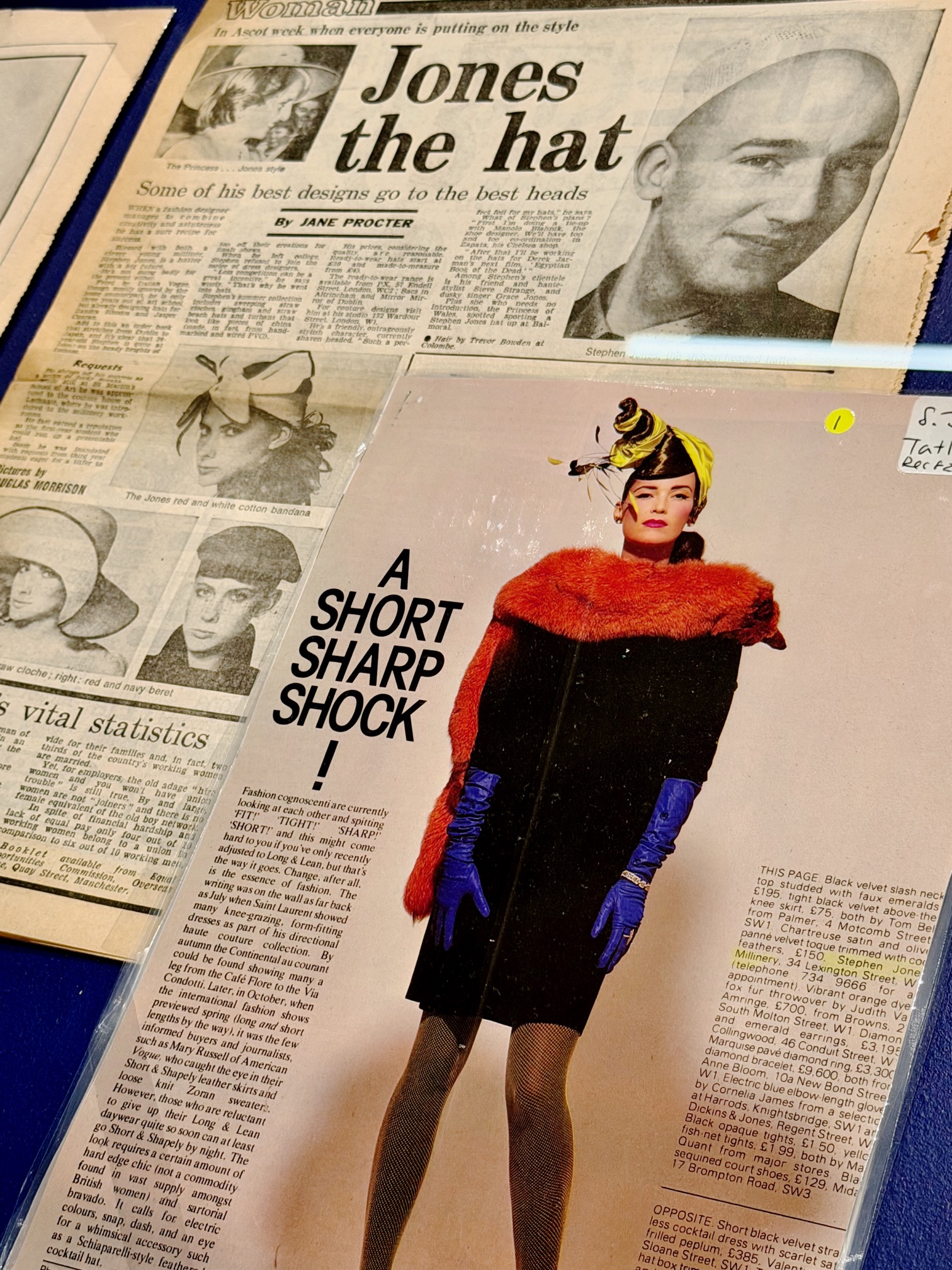
Press about milliner Stephen Jones from a 1982 article in the Daily Express and 1983 story in Tatler. Courtesy: Stephen Jones; Central St. Martin’s Museum.

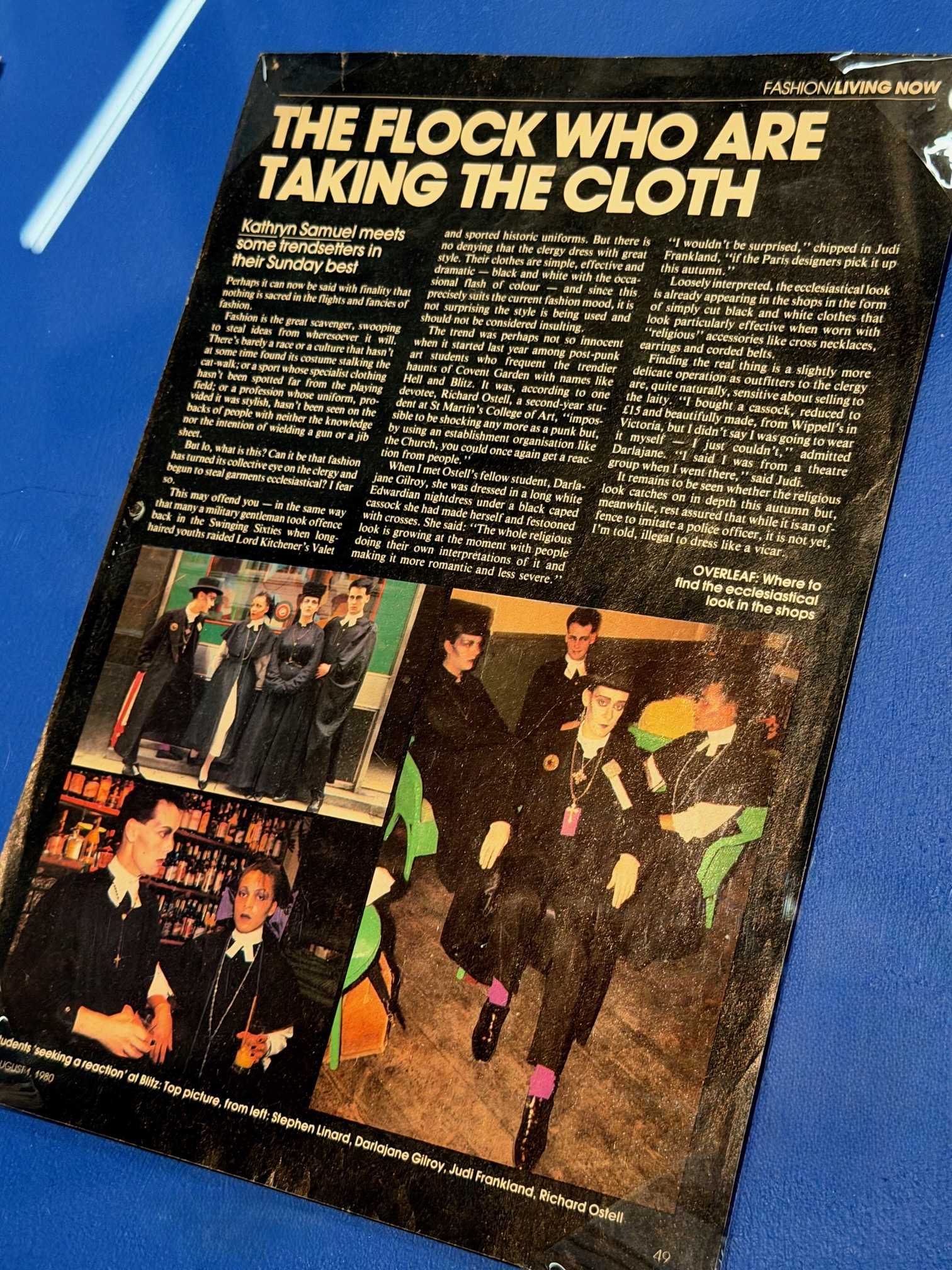
The exhibition shows off many of the designers who defined the ever-evolving look of (what the press called) “The New Romantics.”  Backless leather dresses by Fiona Dealey, retro zoot suits by Chris Sullivan, ecclesiastical-inspired unisex garb by Darla-Jane Gilroy, and socio-political tank-top commentary by Sue Clowes. After their graduation collections, many of them sold clothes at Camden Market or specialty boutiques near the club. Their careers were off and running.
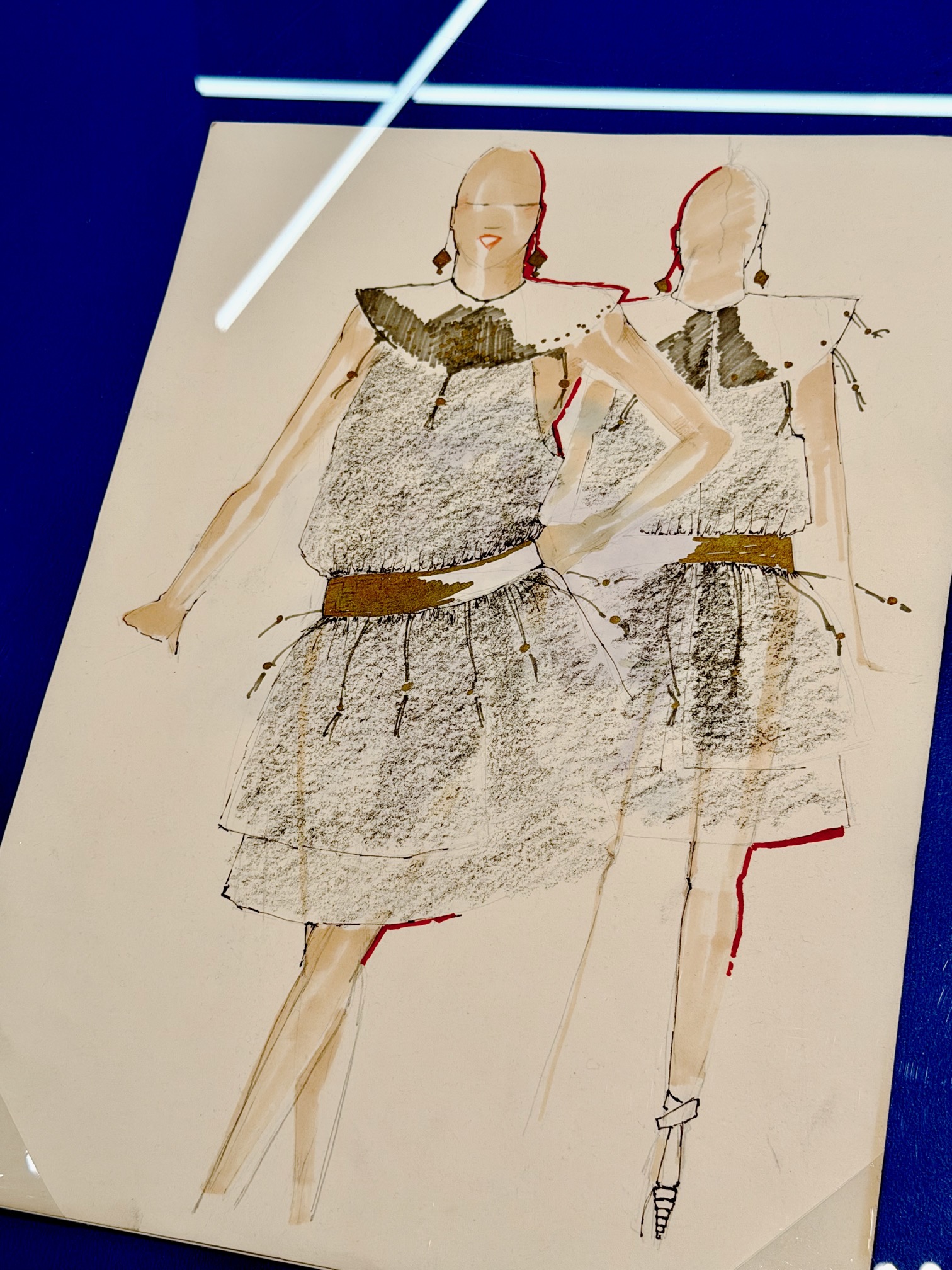
Darla-Jane Gilroy’s 1980 fashion illustration for her final-year student collection.
1980 magazine story about the Blitz designers inspired by ecclesiastical garb.

Celebrity sightings were common at the club in those days. But just as many of the “Blitz Kids” promoted their own celebrity. Eventually Steve Strange was starring in music videos for his group Visage and Boy George was fronting Culture Club, all with revolutionary clothes, makeup, hats, and hair. With the advent of the wildly successful MTV, the whole thing went TV-viral.
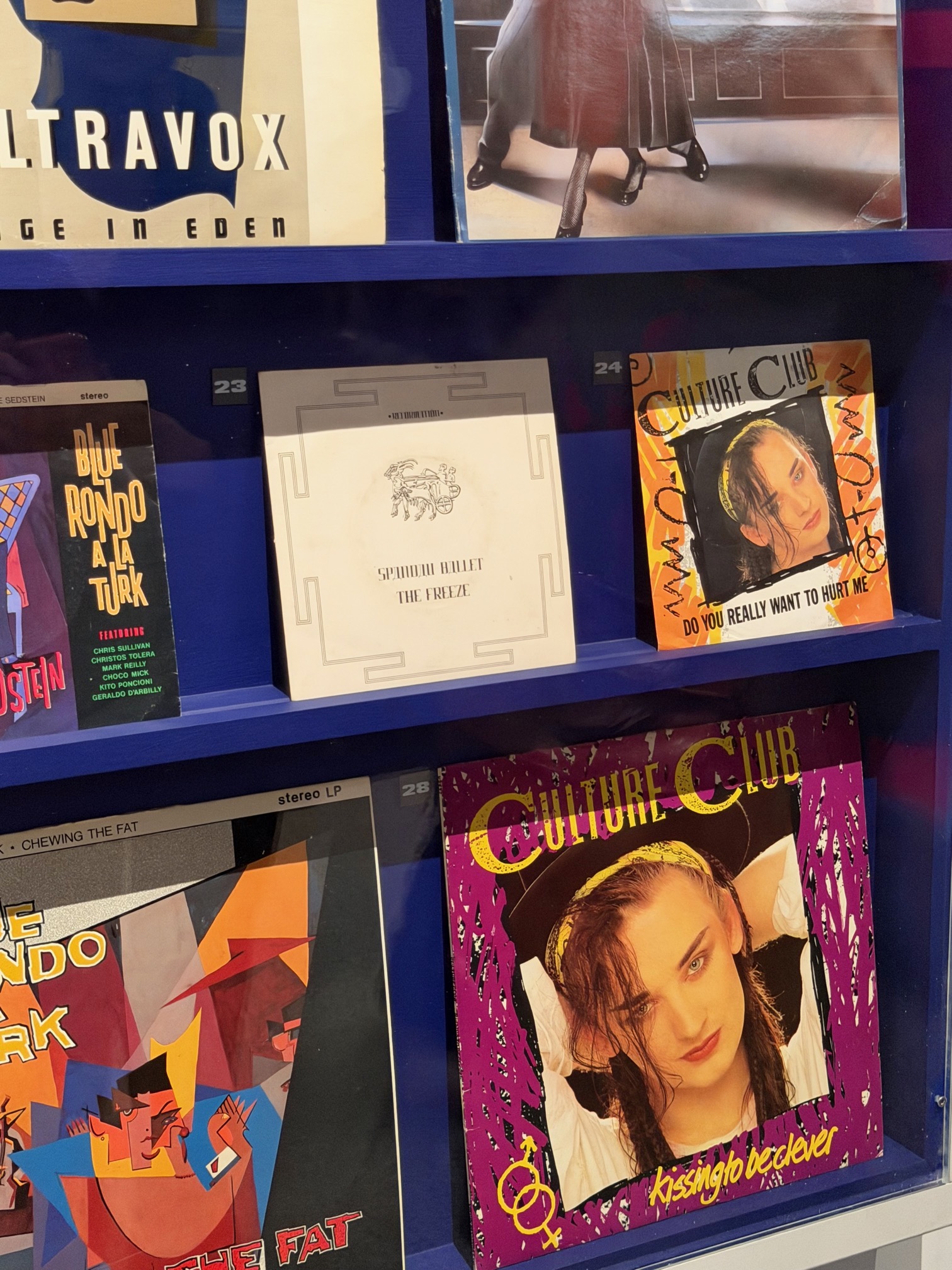
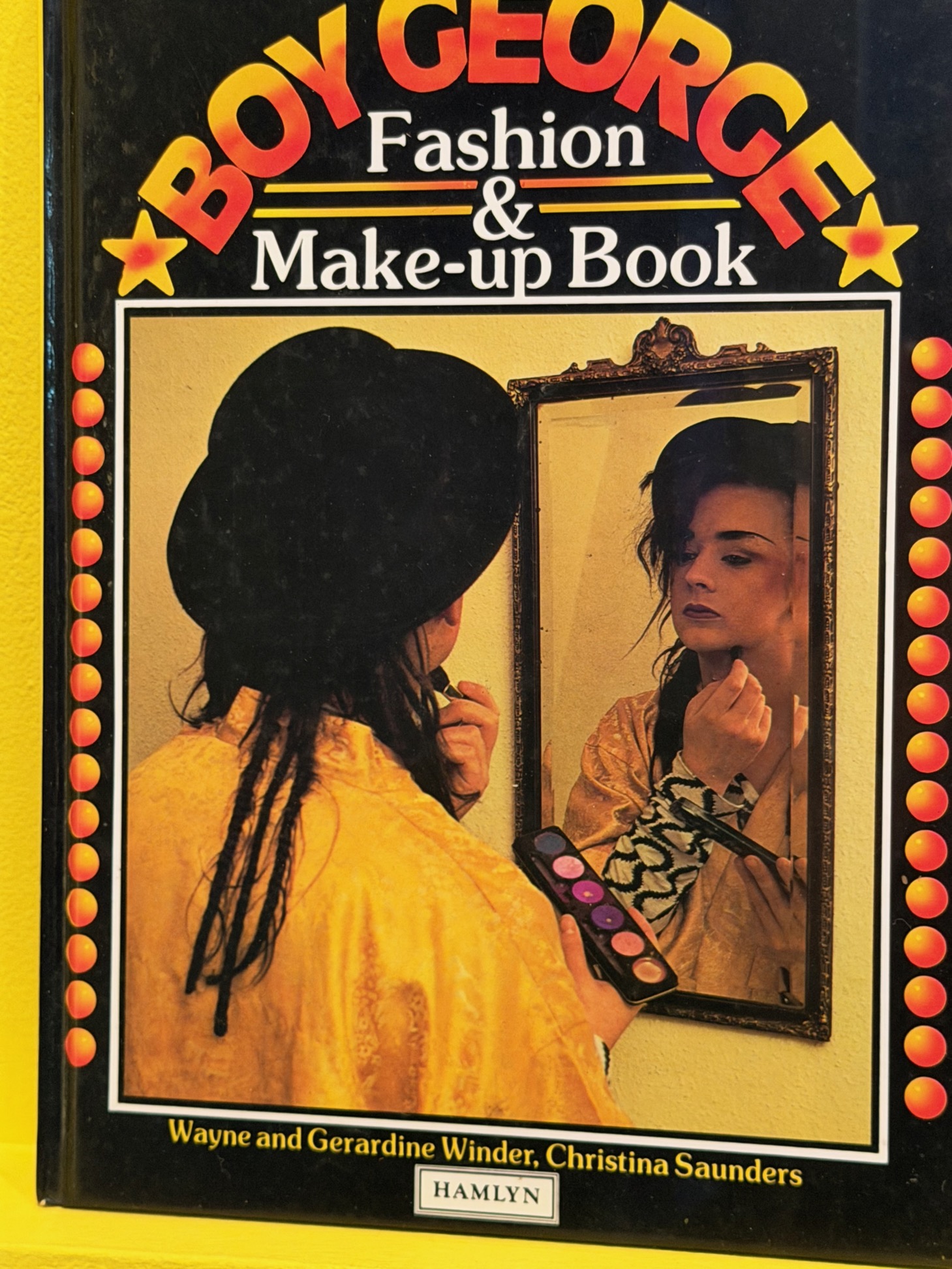
Blitz Kids hit the charts – album and record-sleeve art for Spandau Ballet by Graham Smith and Culture Club.
1984 book by Wayne and Gerardine Winder and Christina Saunders, Boy George Fashion & Makeup Book. Courtesy: Michael Bean.

The central gallery of the exhibition is a physical recreation of the club with a period soundtrack. Although there aren’t any drinks being served, a virtual DJ Rusty Egan and virtual images of club goers thoroughly entertained museum visitors, all remembering those days when they were young and the the scene felt so alive. 

Video of the Blitz recreation inside the exhibit with virtual club-goers and museum visitors enjoying the scene at the bar.

Several visitors shepherded their now-adult kids through the exhibit, reliving those days and explaining how it felt to be witnessing pop-culture history-in-the making. You see walls of record albums from the era, a series of MTV video clips, and first editions of i-D magazine that quickly morphed from a punk-music publication to a chronicle of Blitz Kid fashion and street style.
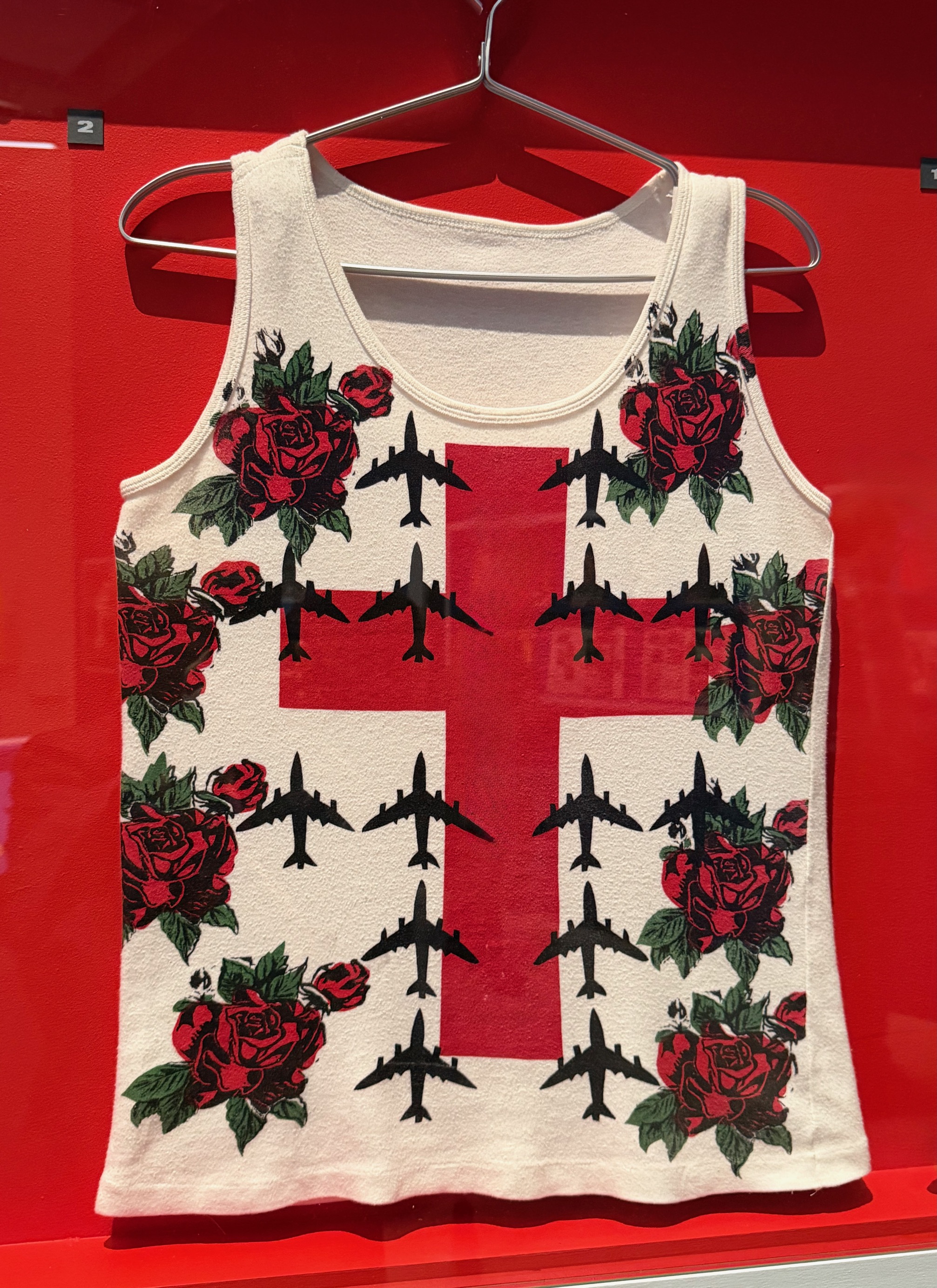
Sue Cowles’ 1981 “Destruction of Purity” vest with images of warplanes, English roses, and St. George’s cross. Courtesy: Mikey Bean.
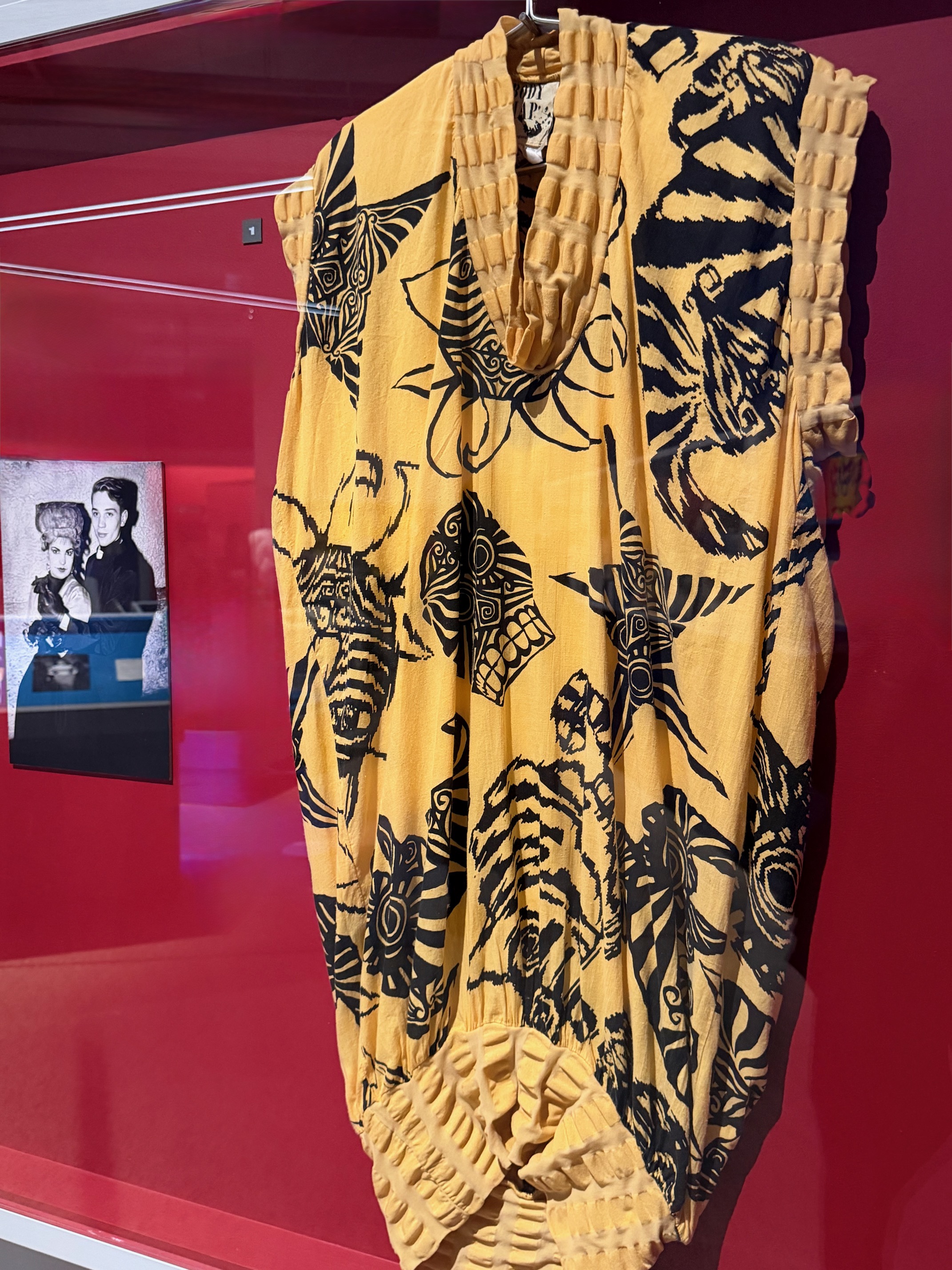
Graham Smith’s 1980 photo of BodyMap creators Stevie Stewart and David Holah with 1986 BodyMap tunic with print by Hilde Smith. Courtesy: University of Westminster Menswear Archive.

Watch this short video with curator Danielle Thom, Gary Kemp of Spandau Ballet, and Blitz creator Rusty Egan, who talk about the creative sparks that flew in a pre-Internet society.

Bravo to The Design Museum for making so many Londoners so happy, and to let everyone see, feel, and experience a time when transformation people and ideas seemed limitless and an army of misfit creatives changed pop-culture, design, and fashion for the better.
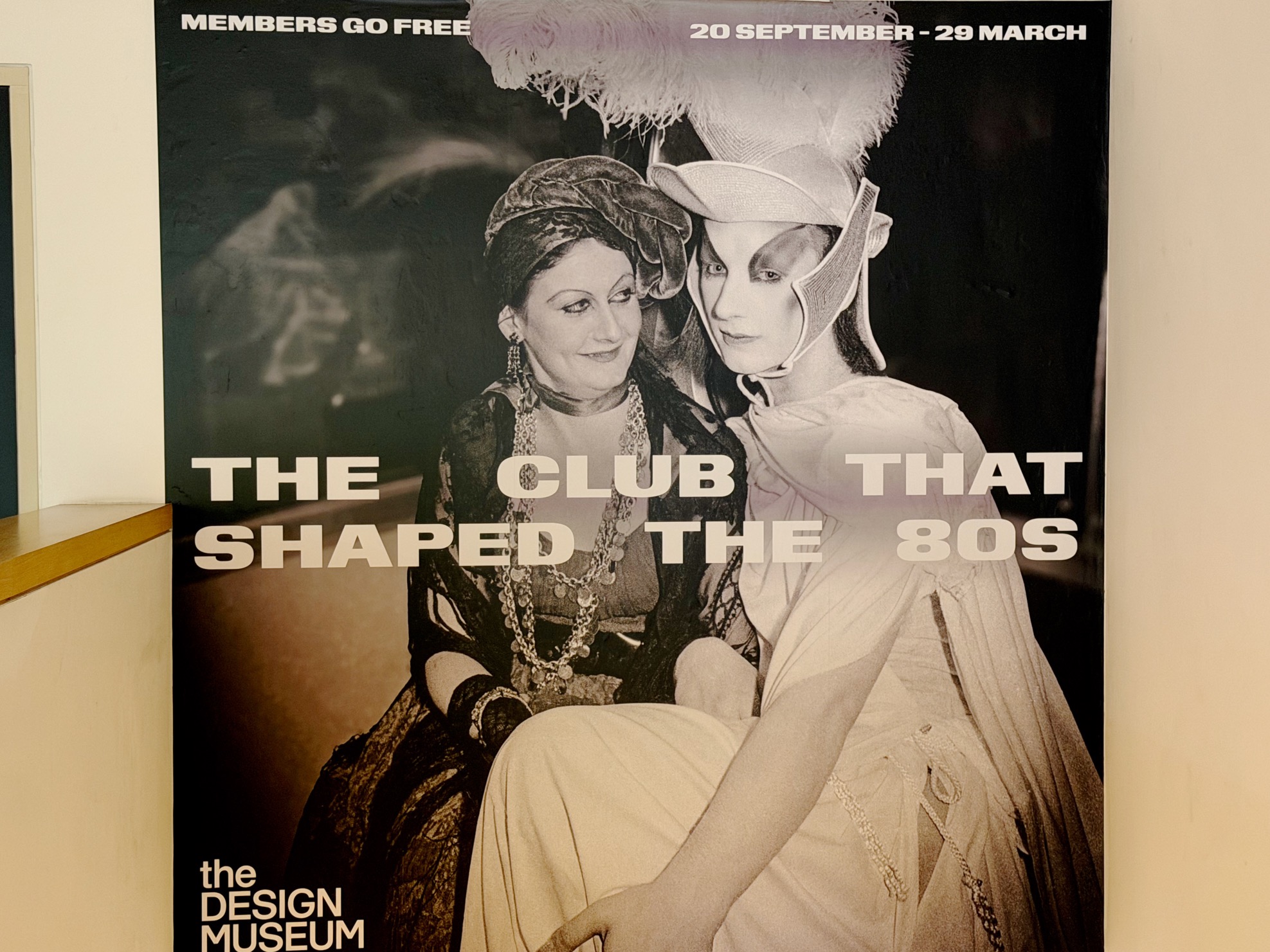
Welcome to the exhibition

Superfine Tailoring Illuminates History of Black Style

Fancy neck ruffles, gilt-framed portraits, sleek suits, flowing trousers, and bold plaids and stripes pop from every corner of the Costume Institute exhibition Superfine: Tailoring Black Style, on display at the Metropolitan Museum of Art through October 27.

It’s a 12-chapter journey through Black men’s style that emphasizes how superb tailoring, style, and fashionable precision has been used successfully by newly emancipated slaves, Revolutionary political leaders, activists, sports and pop stars, and high-style travelers from the 17th-century through today.

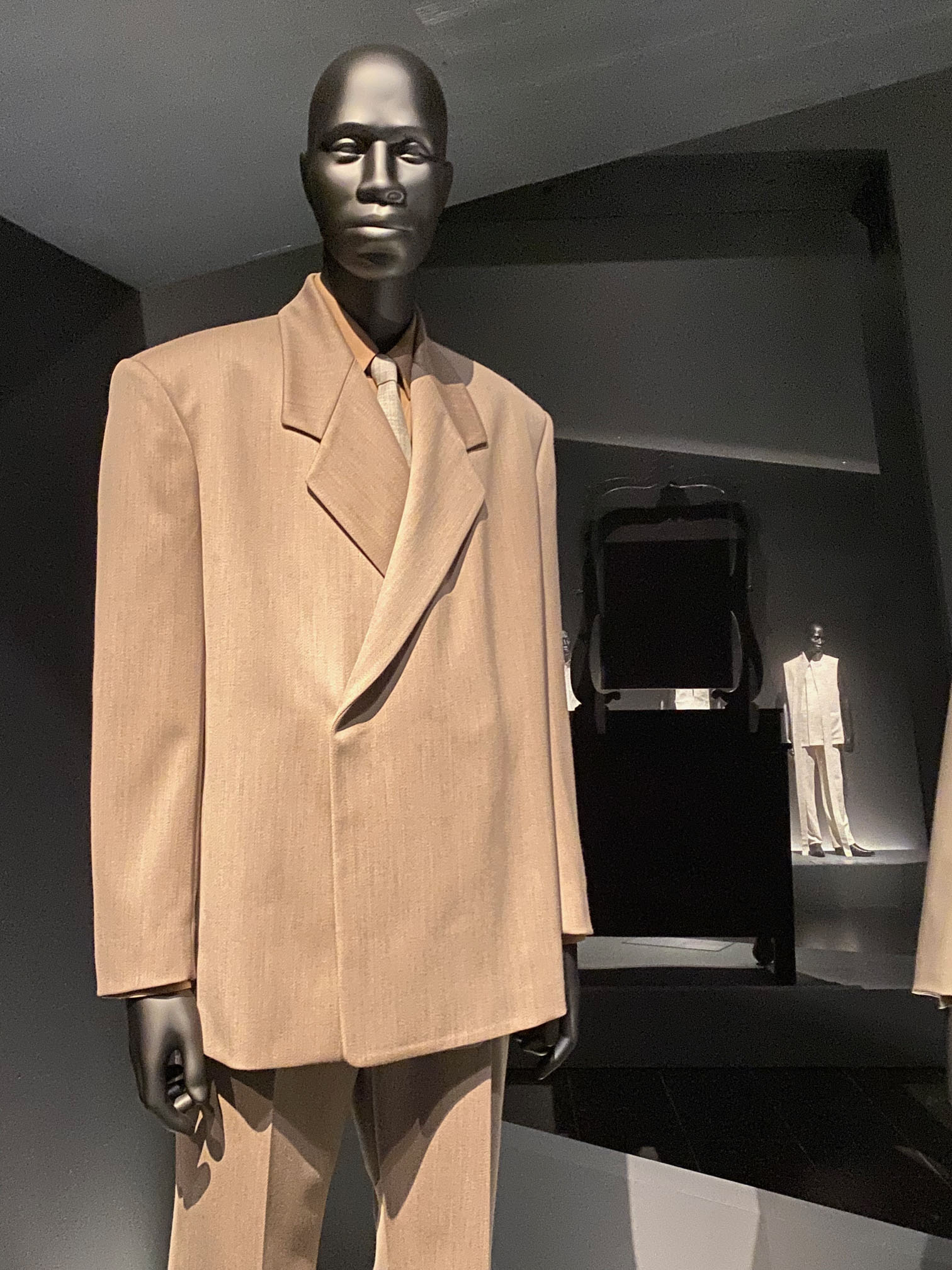
So cool: 2025 wool gabardine ensemble by Jerry Lorenzo for Fear of God – a modern throwback to Fifties’ tailoring. Courtesy: Fear of God

Each section provides a deep dive into history to explain how Black men (and a few daring women) adapted high-fashion menswear in the 17th and 18th centuries to reinvent themselves as authoritative, free, cosmopolitan high-achievers. Themes include Presence, Distinction, and Cool – based on co-curator Monica L. Miller’s acclaimed 2009 book, Slaves Slaves to Fashion: Black Dandyism and the Styling of Black Diasporic Identity.

Dressing for distinction: 1804 Portrait of Toussaint L’Ouverture, leader of the Haitian revolution, painted by Giradin. Courtesy: La Maison de l’histoire européen, Brussels.

The curators leverage the Met’s extensive collection of photos, books, magazines, fashion, and accessories to provide visitors with the full visual story of each of the angles of Miller’s treatise.  Plus, they’ve assembled loans from recent collections of cutting-edge contemporary Black designers who themselves are pulling inspiration from these same pages of history.

The Distinction section, for example, has a wall of impressive portraits and bedazzled swords of the first leaders of the Hatian revolution dressed in military finery – emphasizing their commitment to Englightenment ideals in the first successful slave rebellion in the Western Hemisphere.

 The brilliant multi-level exhibition design features contemporary menswear inspired by 18th-century revolutionary and military style, including a swaggering great coat designed for the ever-magnificent Vogue editor-at-large, Andre Leon Talley.

Jawara Alleyne’s 2004 tailored ensemble inspired by Jamaican style; at right, ensemble from his 2021-2022 “Renegade” collection inspired by 19th-century shipwrecked sailors. Courtesy: the designer.
Worn by Andre Leon Talley; 2000-2001 haute couture coat with gold braid by John Galliano for House of Dior. Courtesy: Talley estate.

The Freedom section tells the story of the rise of the Black dandy in the 19th century and how the entrepreneurial class of African Americans dressed to impress. Historic portraits, photos, a fancy tailcoat, and a book on how to tie fancy neckwear – evidence of social upward mobility – are shown alongside cutting-edge contemporary menswear.

2023 figure-enhancing white cotton ensemble by Bianca Saunders for her “Nothing Personal” collection. Courtesy: the artist.
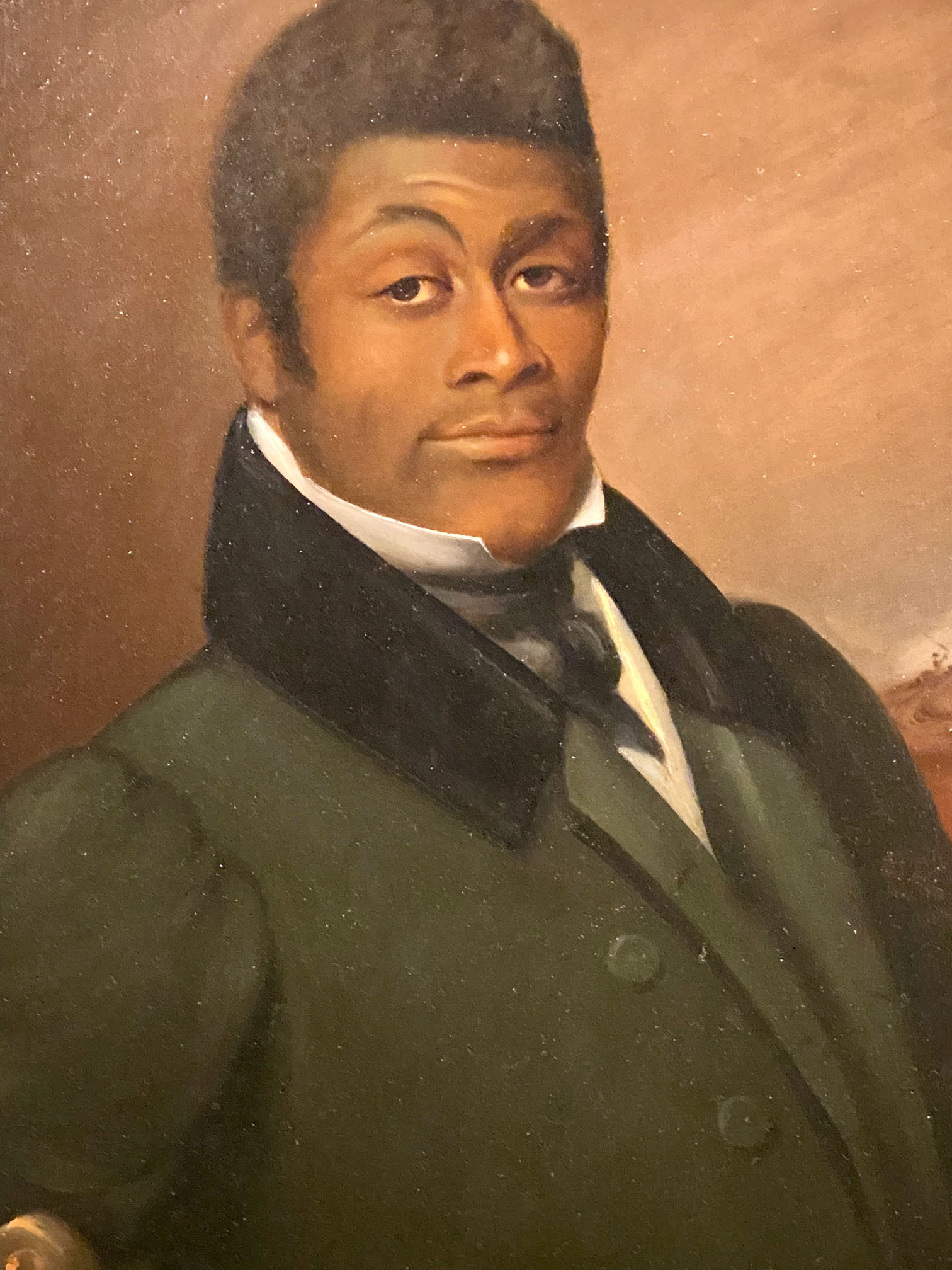
Freedom: Fashionable attire in 1850-1856 portrait of Thomas Howland, the first elected Black official in Providence. Courtesy: Rhode Island Historical Society.

The Champions section focuses upon how successful Black athletes – such as Jack Johnson, Walt Frazier, and Mohammed Ali – used fine clothing and style to make a statement, and how althetic wear transitioned into upscale runway fashion.

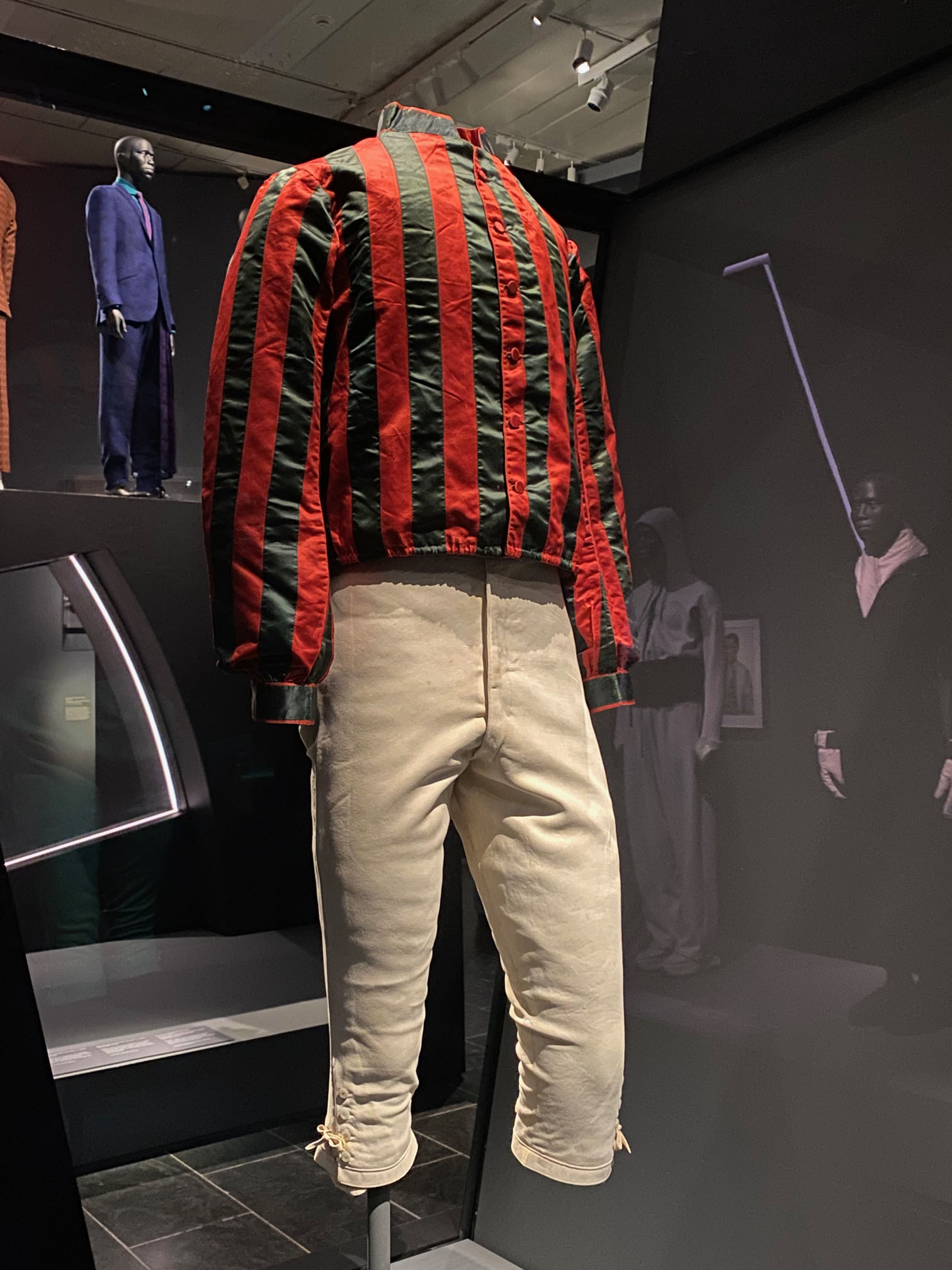
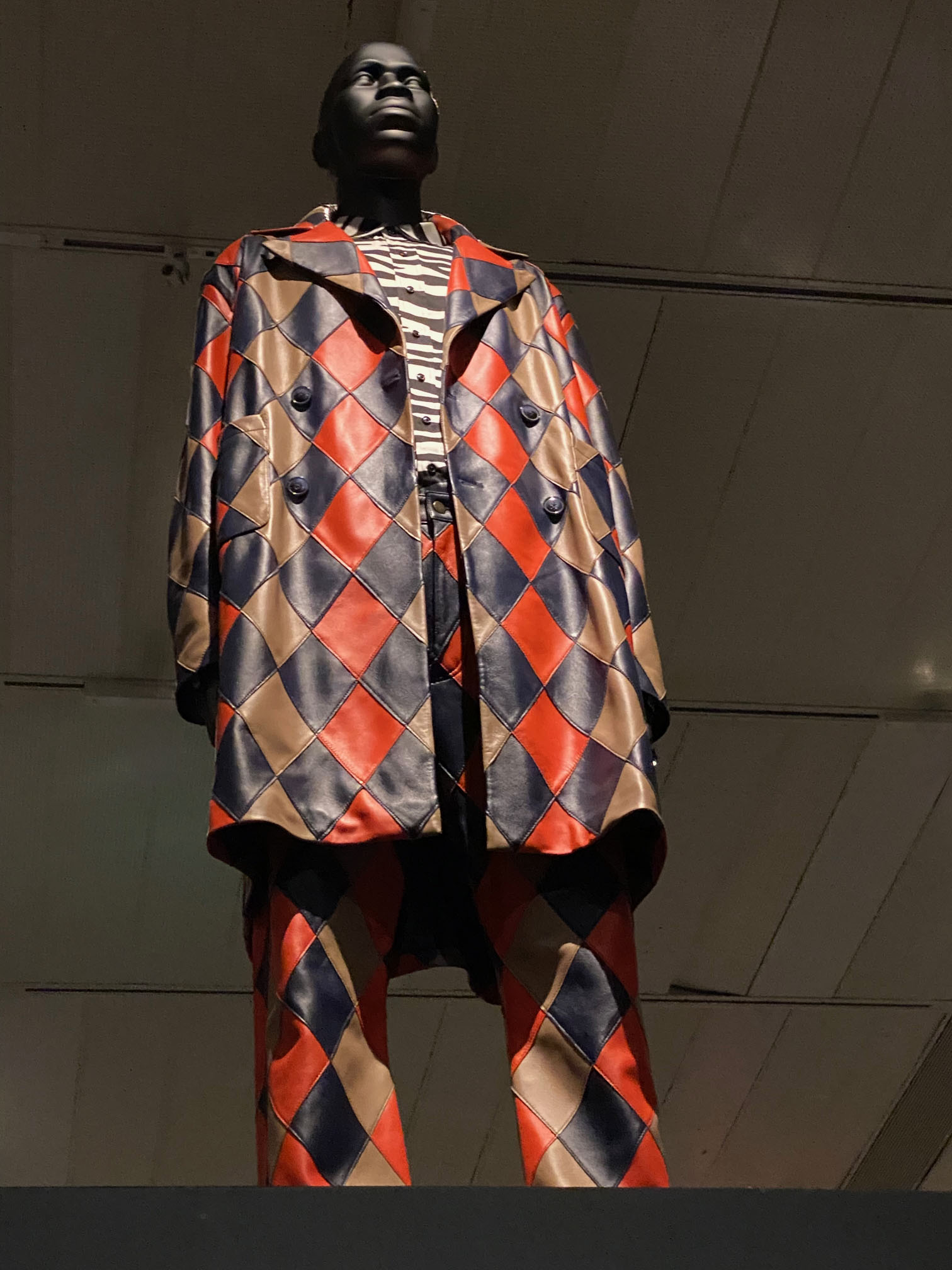
The story of Black jockeys is told – how 19th-century sports superstars got pushed out of early 20th-century racing when racial discrimination was at its peak, and how contemporary designers are incorporating this story into their designs.

EaEarliest surviving jockey suit (1830-1850): stripes appliquéd on silk jacket with and buckskin breeches made by plantation tailors. Courtesy: Charleston Museum, South Carolina.
2024 ensemble from “The Great Black Jockeys” collection by Tremaine Emory for Denim Tears; pieced lamb leather coat and trousers over silk shirt. Courtesy: Denim Tears.

The Respectability section explains how social-justice icons D.E.B. Du Bois and Frederick Douglass used their perfectionist style to draw a crown and make a statement, but it also discusses (and shows) the tools of the trade used by legions of Black tailors.  There’s also a beautifully cut in-process example from Saville Row tailor Andrew Ramroop.

2024 in-process tailored jacket by Andrew Ramroop for Maurice Sedwell of Saville Row. Courtesy: Maurice Sedwell
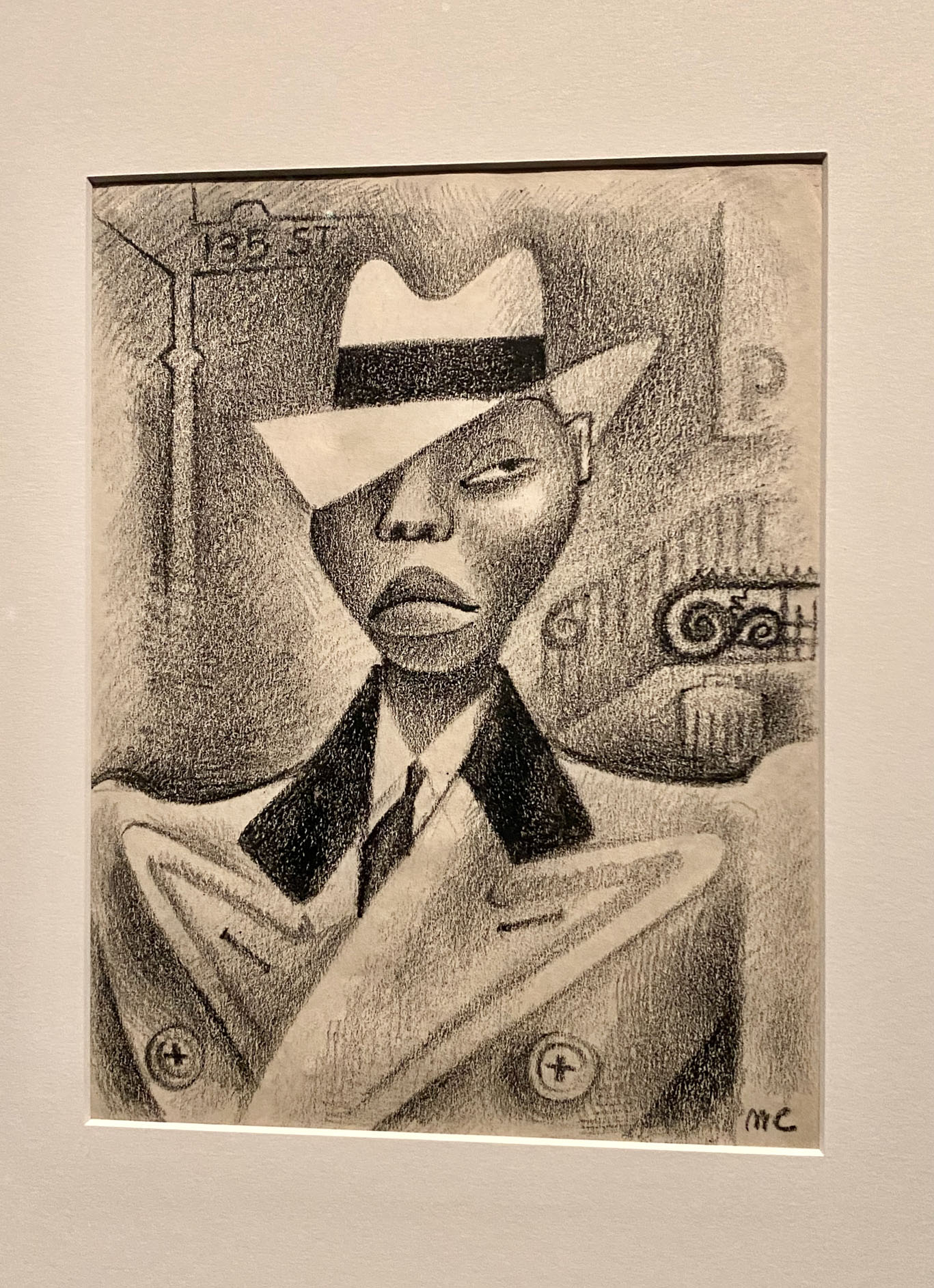
Hip community: 1930 lithograph of stylish Harlem Dandy on Striver’s Row by Miguel Covarrubias, a popular Vanity Fair contributor. Courtesy: University of Texas at Austin.

Of course, hip-hop takes its bow, too, with a tribute to Dapper Dan and other designers honoring the cool, ever-evolving style of Black musicians and performers.

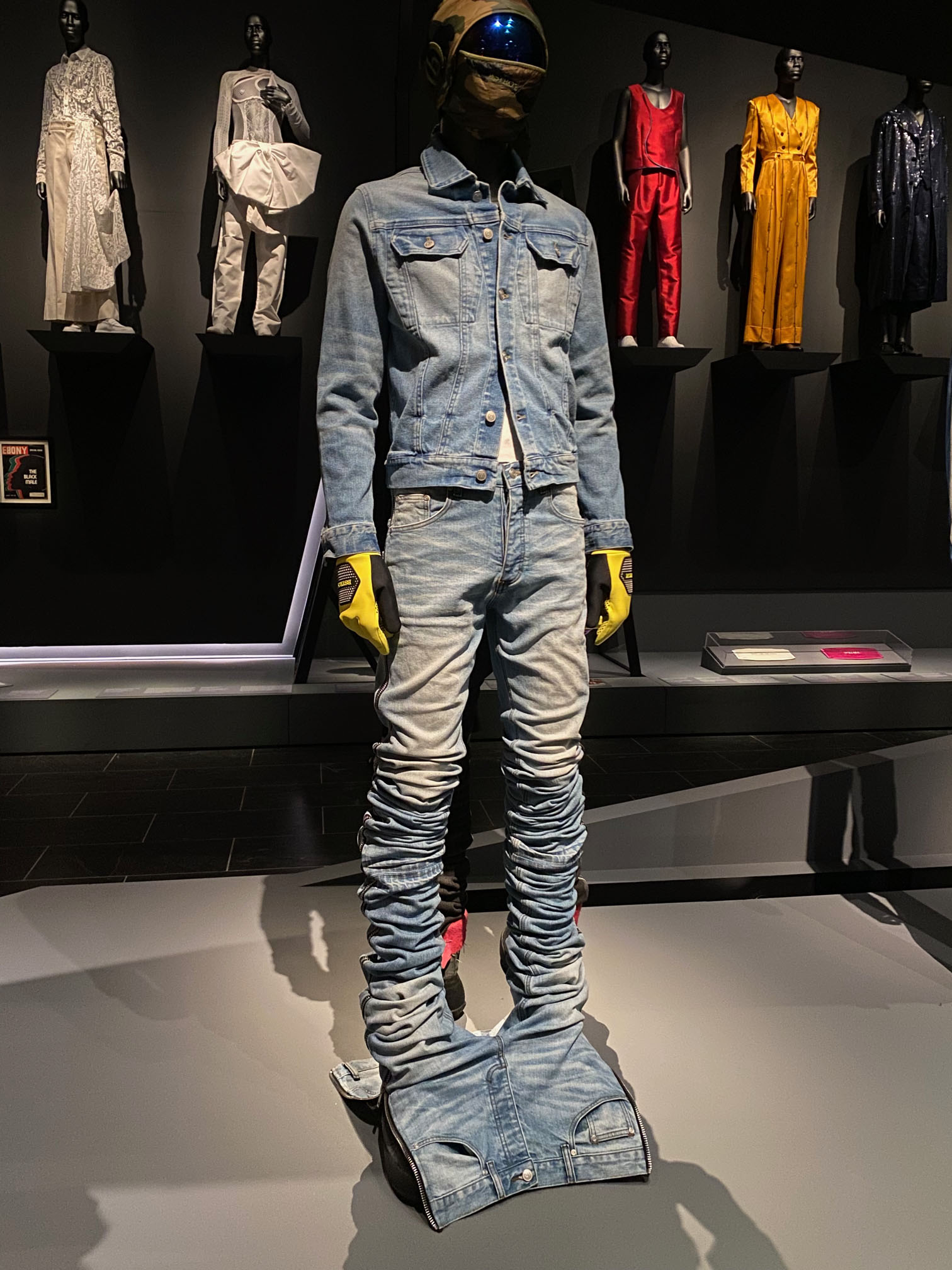
So cool: 2017 denim ensemble by Brick Owens and Dieter Grams for Bstroy, a reference to early all-denim hip-hop fashion. Courtesy: the designers.
1987 all-over LV-monogrammed leather jacket for Jam Master Jay of Run-DMC and pants for DJ Hurricane by Dapper Dan of Harlem. Courtesy: private collections.

Take a look at some of our favorite features of the exhibit in our Flickr album – upwardly mobile campus-inspired fasion, zoot suits from the hep cats of the Forties, beautiful fashion flourishes flaunted by pop superstar Prince, and nods to African heritage.

For more, walk through this stunning, insightful, memorable exhibit with co-curators Monica Miller and Andrew Bolton: