Epic Histories of Kerry James Marshall Wow London

It’s fitting that Kerry James Marshall provides a master class in history painting at the Royal Academy of Arts in London – one of the most sensational shows to inhabit those hallowed galleries off Picadilly – Kerry James Marshall: The Histories, on view through January 18, 2026.

Marshall’s work fills eleven galleries of Burlington House with masterful paintings that put Black subjects back into the frame – Black citizens working in museums and art studios, delivering style in neighborhood barber and beauty shops, maintaining gardens in public housing projects, and wafting through floral fields à la Watteau and Fragonard.
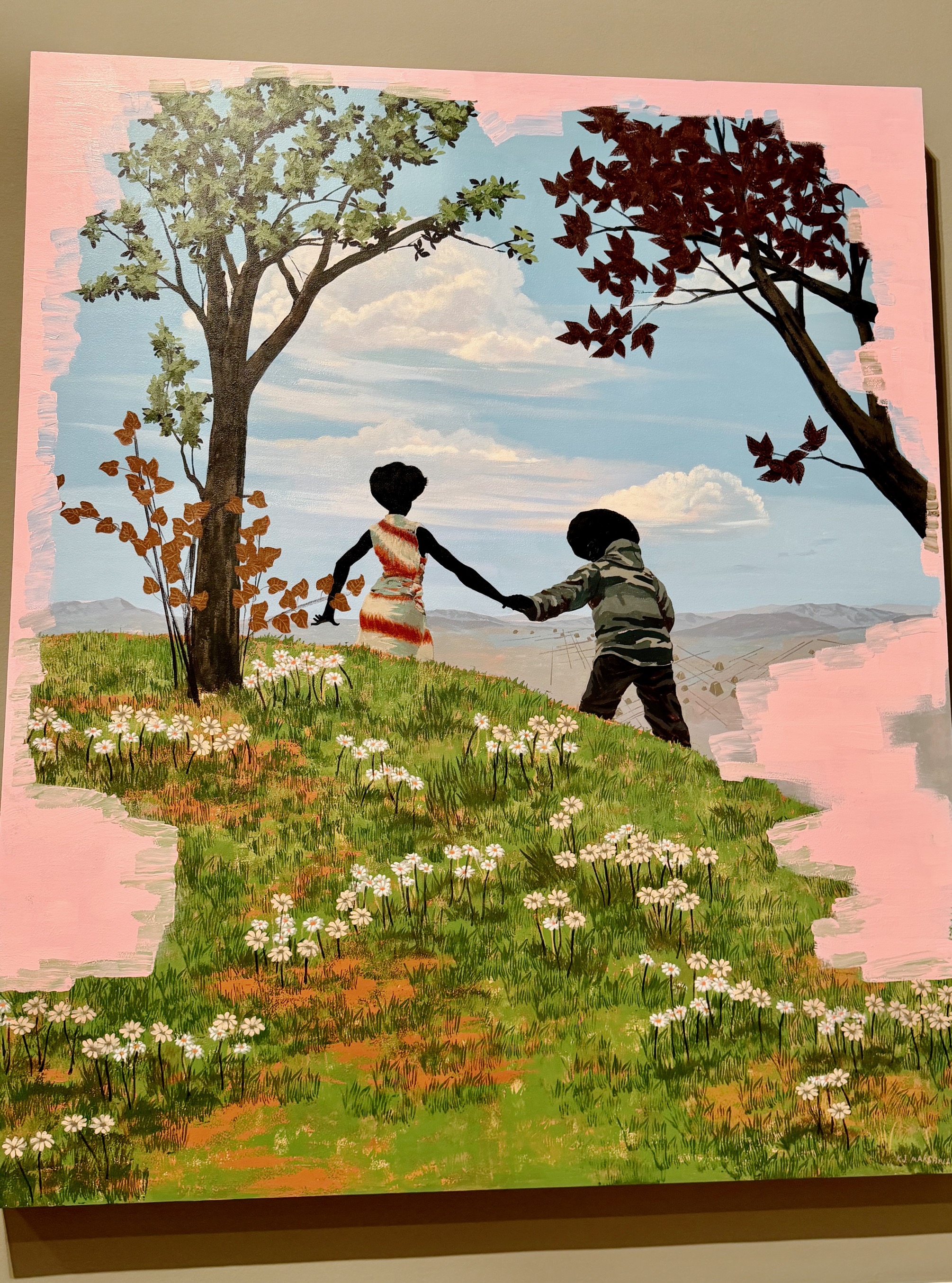
Marshall’s 2008 acrylic Vignette #13 – a Rococo-inspired scene with a couple walkng through a meadow. Courtesy: private collection.

Most of these scenes are presented on a large scale and jam-packed with art-historical, literary, and world-history references. In The Painting of Modern Life-themed gallery, his grand Past Times certainly evokes Parisian leisure-class epics by Manet and the Post-Impressionists. Marshall’s twist is to depict a wholesome, all-white-clad Black family enjoying its picnic lunch lakeside as music and lyrics by The Temptations and Snoop Dogg (literally) drift up from the radios to ask if this is “just my imagination.”
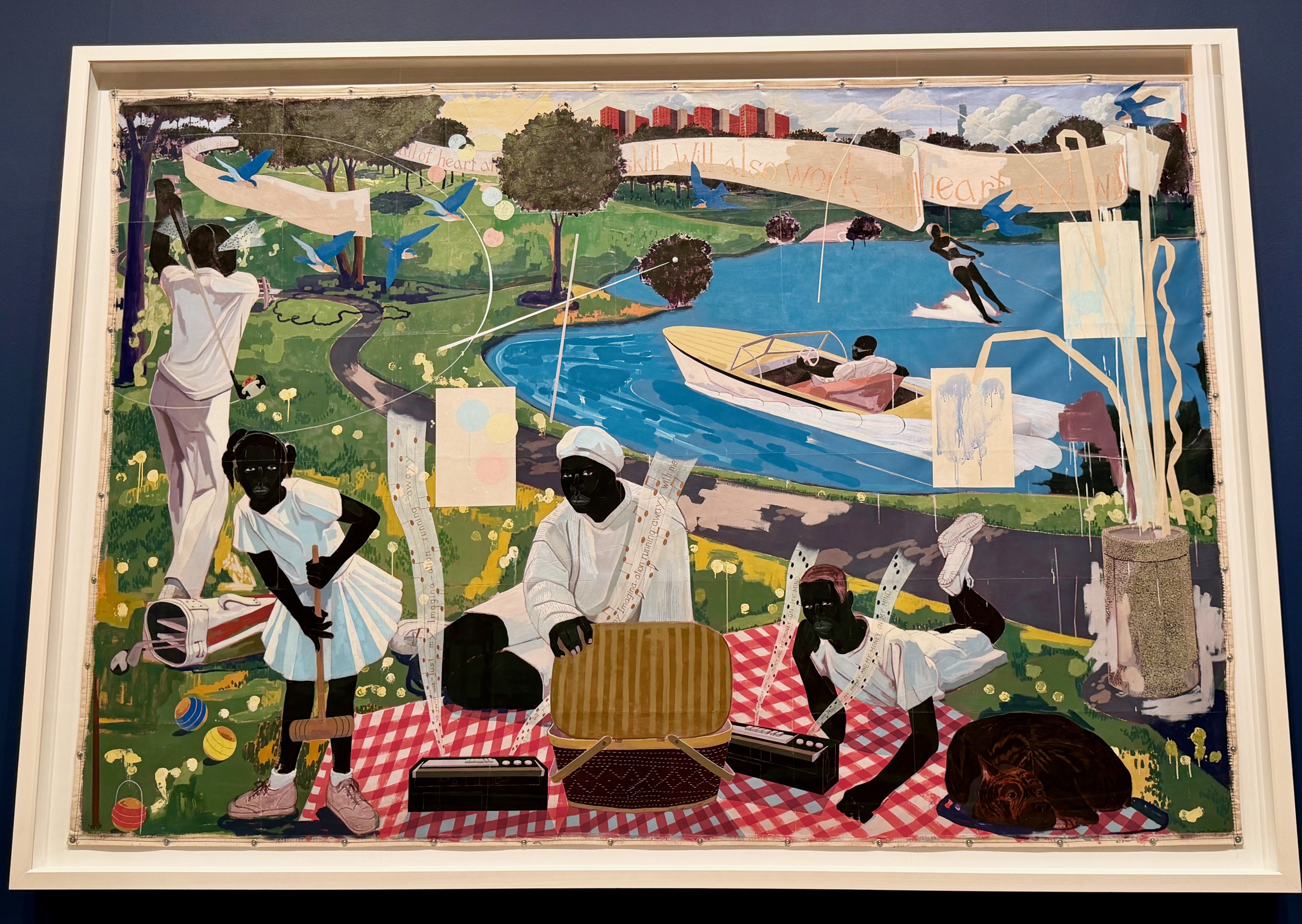
Referencing Manet and Seurat, Marshall’s 1997 acrylic and collage Past Times, where a middle-class family enjoys a picnic and music in a lakeside park. Courtesy: Art Institute of Chicago.

Take a quick look at the Academy’s exhibition preview video and hear Marshall talk about his inspirations and approach:

The exhibition begins with a gallery depcting self-confident artistic portraits, scenes from the academic art studio, and kids joyfully visiting a museum for the first time – a recollection of Marshall’s own exhilarating inauguration to a new world.
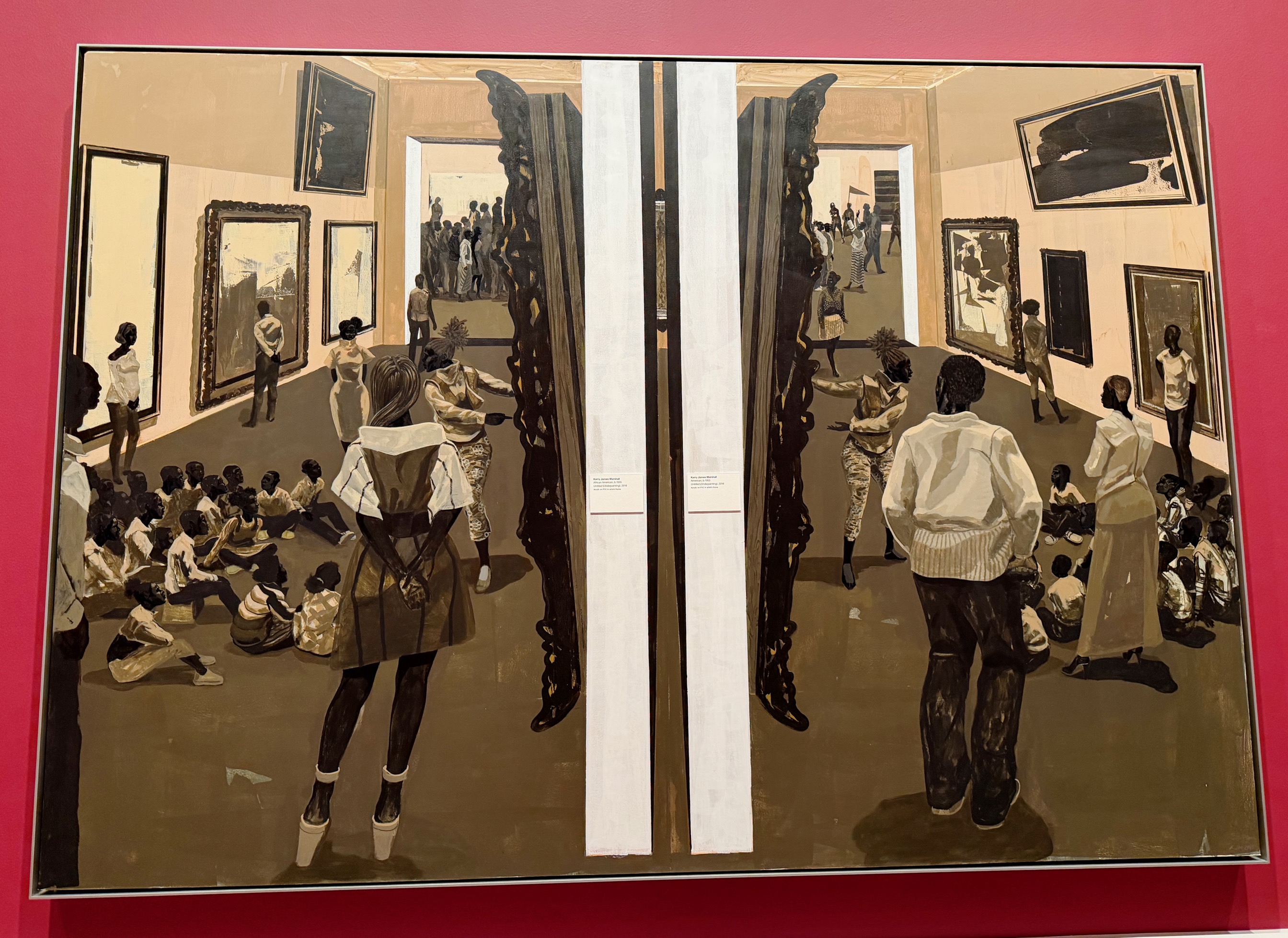
Marshall’s 2018 acrylic and collage Untitled (Underpainting), showing two rooms of Black kids on a museum school trip – reflecting on his earliest museum outings. Courtesy: Glenstone Museum

It’s followed by some of his earlier works inspired by Ralph Ellison’s 1952 Invisible Man and the similarly named 1897 book by H.G. Wells, with Marshall’s innovative black-on-black portraits.

Here’s a short video with Marshall describing all the different ways he uses black paint to create such vivid dimensionality:

Other modern-life paintings bring viewers unexpectedly into a world of gardens among Chicago public-housing complexes and a magical world of books awaiting eager young readers.
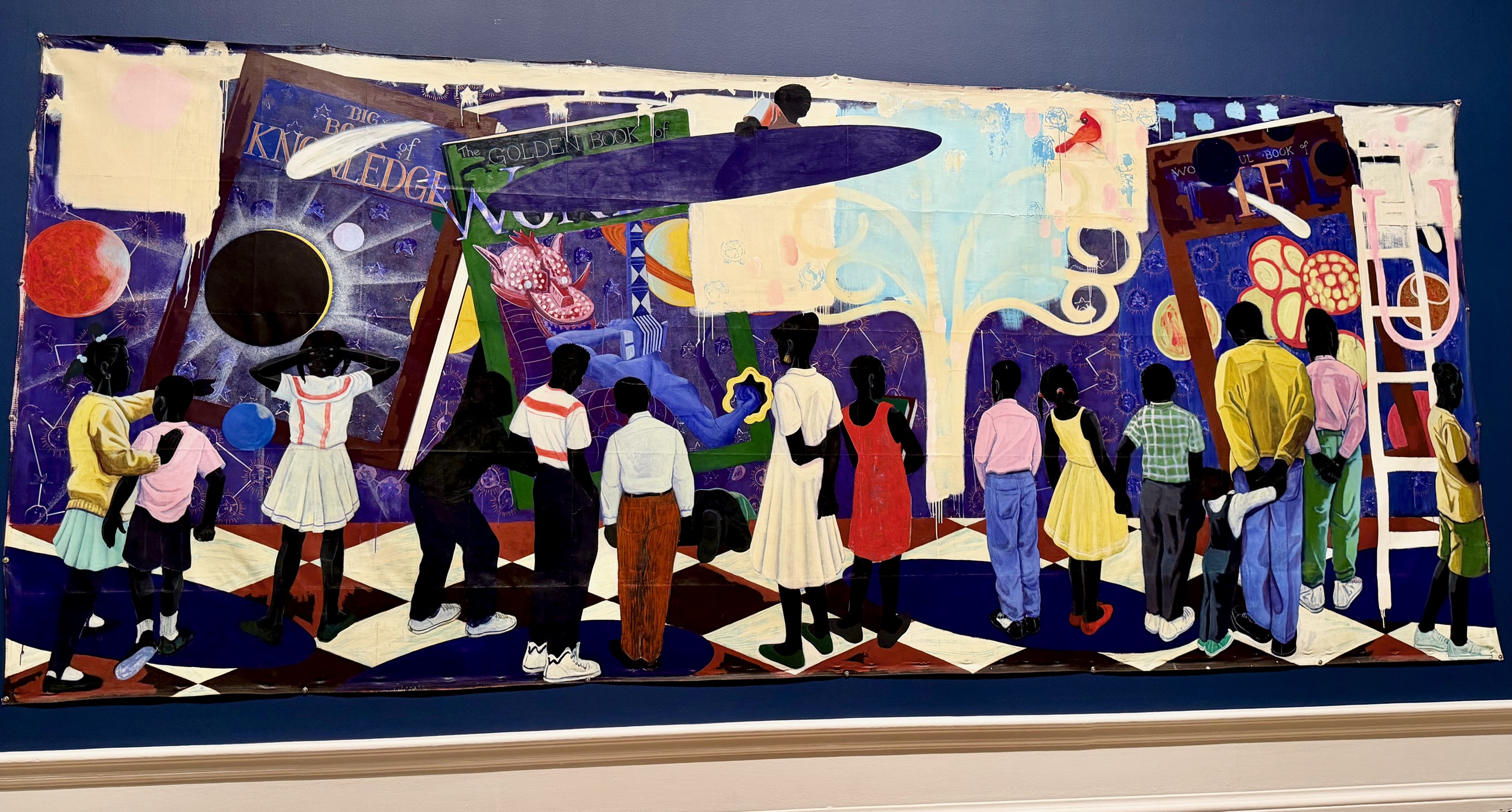
Marshall’s 1995 mixed-media mural Knowledge and Wonder –showing inquisitive children surrounded by a world of books. Courtesy: City of Chicago Public Art Program and Chicago Public Library.

Other galleries are hung with Marshall’s assertive portraits of historic African-American abolitionist and literary figures, like Harriet Tubman and Phillis Wheatley-Peters, and tributes to 20th century political and cultural leaders.

But the most talked-about works are Marshall’s grand canvases depicting the history of the trans-Atlantic slave trade – a group of symbolic works on the terrors of the Middle Passage (an Atlantic crossing where many souls never made it to the far shore) and dramatic murals of the Africans who successfully facilitated the capture and sale of fellow Africans.
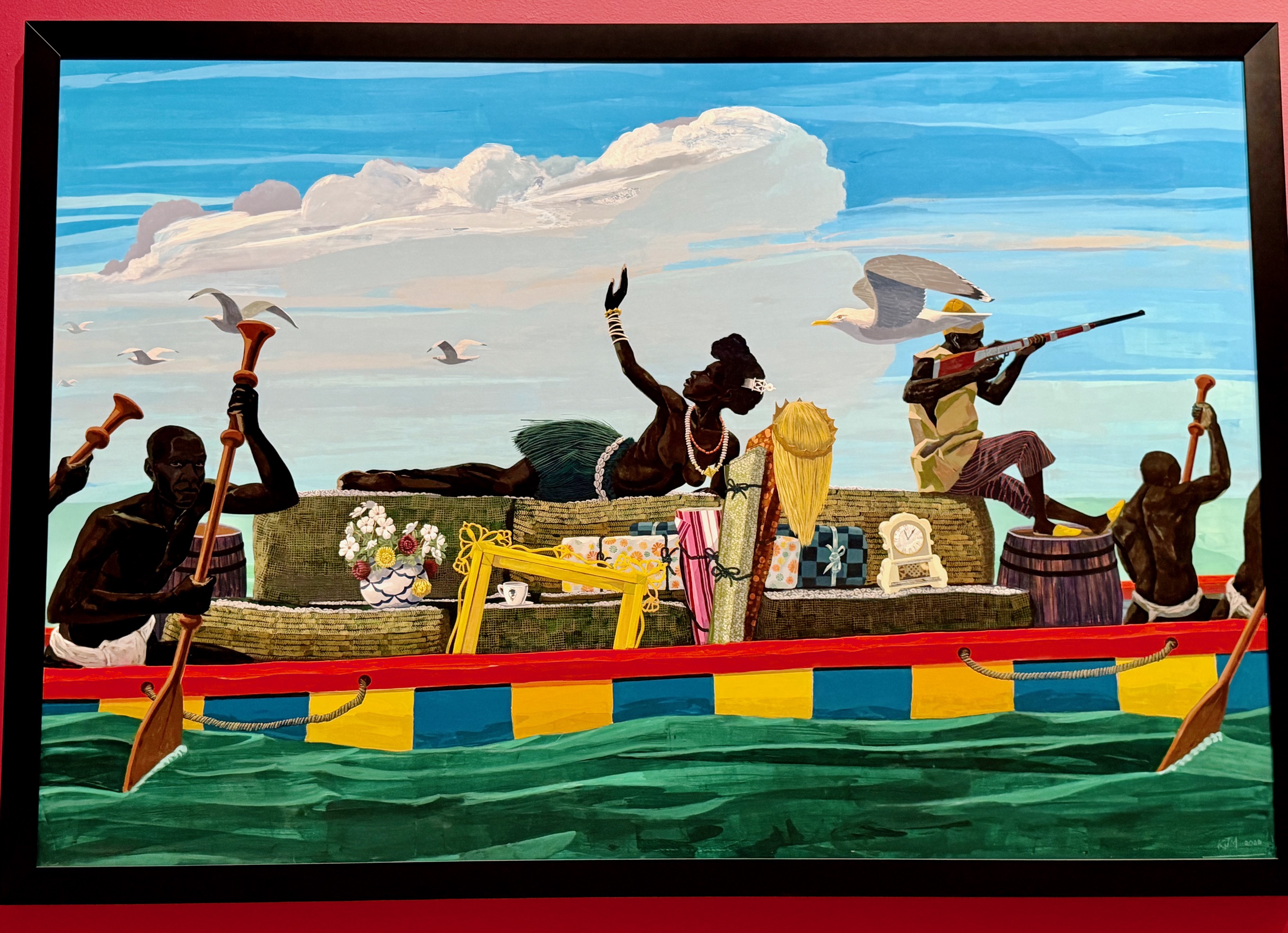
Africa Revisited: Marshall’s 2025 acrylic Haul, showing Africans transporting payment from European slave traders for trafficked Africans. Courtesy: the artist and David Zwirner, London.

Visitors linger quietly in one of the last galleries devoted to Marshall’s installation at the 2003 Venice Bienniale. Most circumnavigate the sailing ship to get a better look at the hundreds with African-American achievement medals that are scattered about it. They also take close, respectful looks at each of the the commemorative ceramic plates that Marshall created with invented portraits of the first enslaved Africans brought to America.
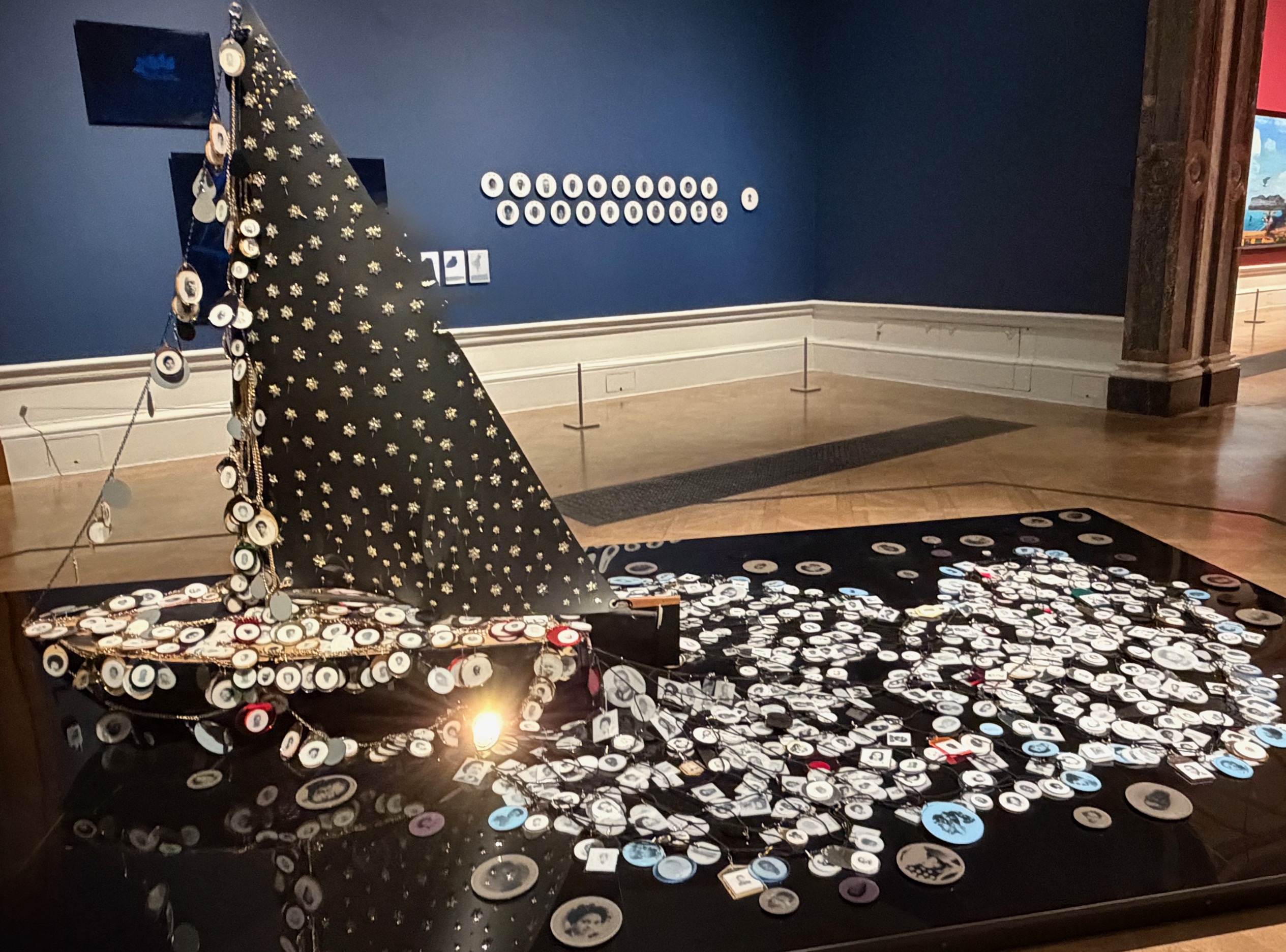
Marshall’s 2003-ongoing mixed-media installation Wake originally displayed at the 2003 Venice Bienniale – a sailing ship covered with African-American achievement medals with other photographs and portraits. Courtesy: Rennie Collection, Vancouver.

The show closes with an Afro-Futurist vision – a family in a beautifully appointed living room shooting through the universe with a view of the cosmos.
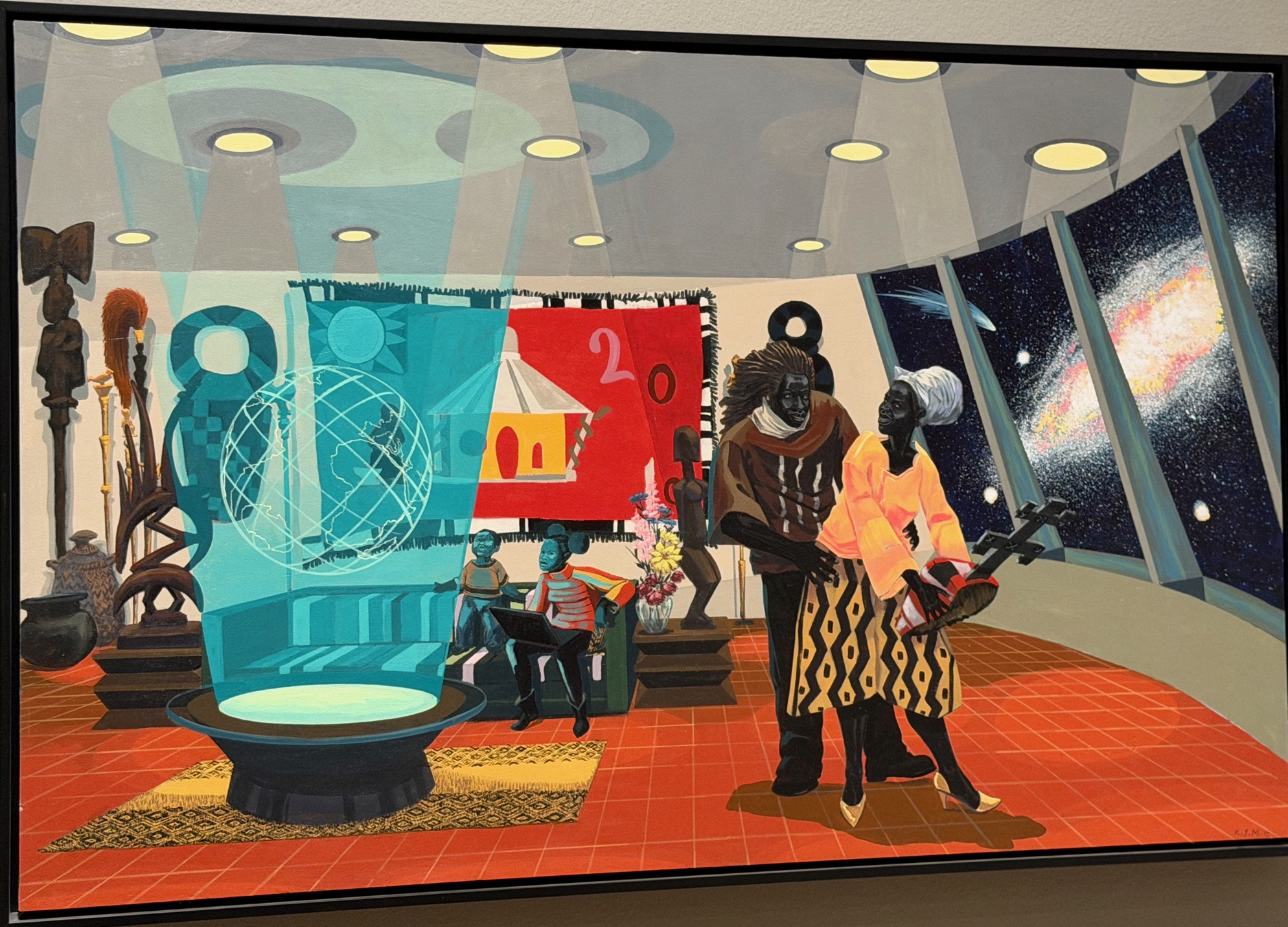
Marshall’s 2010 Afro-Futurist oil Keeping the Culture, a family of the future living in the cosmos. Courtesy: private collection.

Past, present, future, brilliant color, intriguing composition, successful Black protagonists – everything about the exhibition creates an indelible adjustment to what you thought you knew about daily Black life, lost history, and potential futures.

See more our favorite works in our Flickr album.

If you missed this show at the Royal Academy in London, Kerry James Marshall: The Histories will be shown at Kunsthaus Zürich from Februrary 27 to August 16 (2026) and at Musée d’Art Moderne de Paris from September 18, 2026 to January 24, 2027.

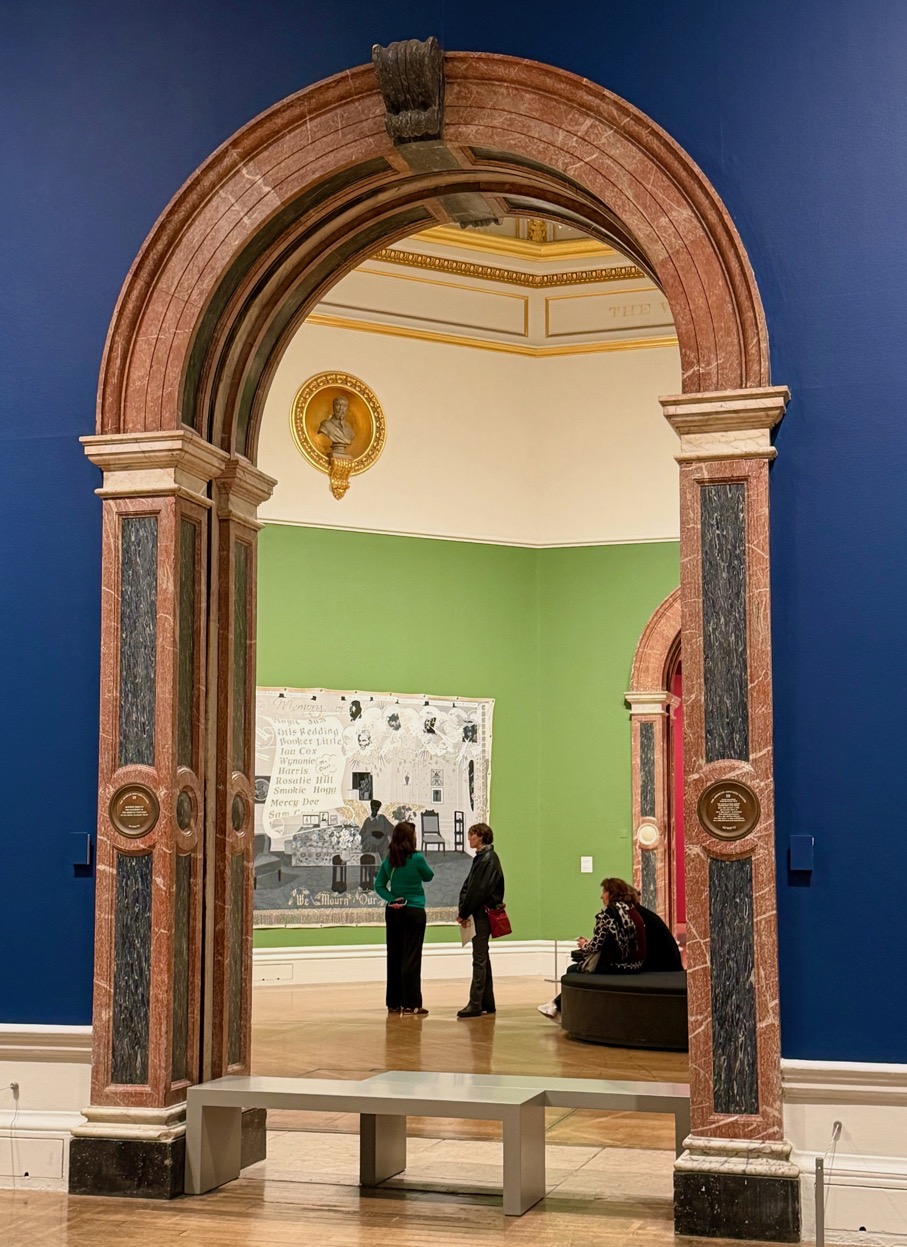
Marshall’s 2014 acrylic Untitled (Porch Deck). Courtesy: Kravis Collection.
Through the arch of the central gallery; view of Marshall’s 1998 mourning tribute Souvenir IV.. Courtesy: Whitney Museum of American Art.
I

Superfine Tailoring Illuminates History of Black Style

Fancy neck ruffles, gilt-framed portraits, sleek suits, flowing trousers, and bold plaids and stripes pop from every corner of the Costume Institute exhibition Superfine: Tailoring Black Style, on display at the Metropolitan Museum of Art through October 27.

It’s a 12-chapter journey through Black men’s style that emphasizes how superb tailoring, style, and fashionable precision has been used successfully by newly emancipated slaves, Revolutionary political leaders, activists, sports and pop stars, and high-style travelers from the 17th-century through today.

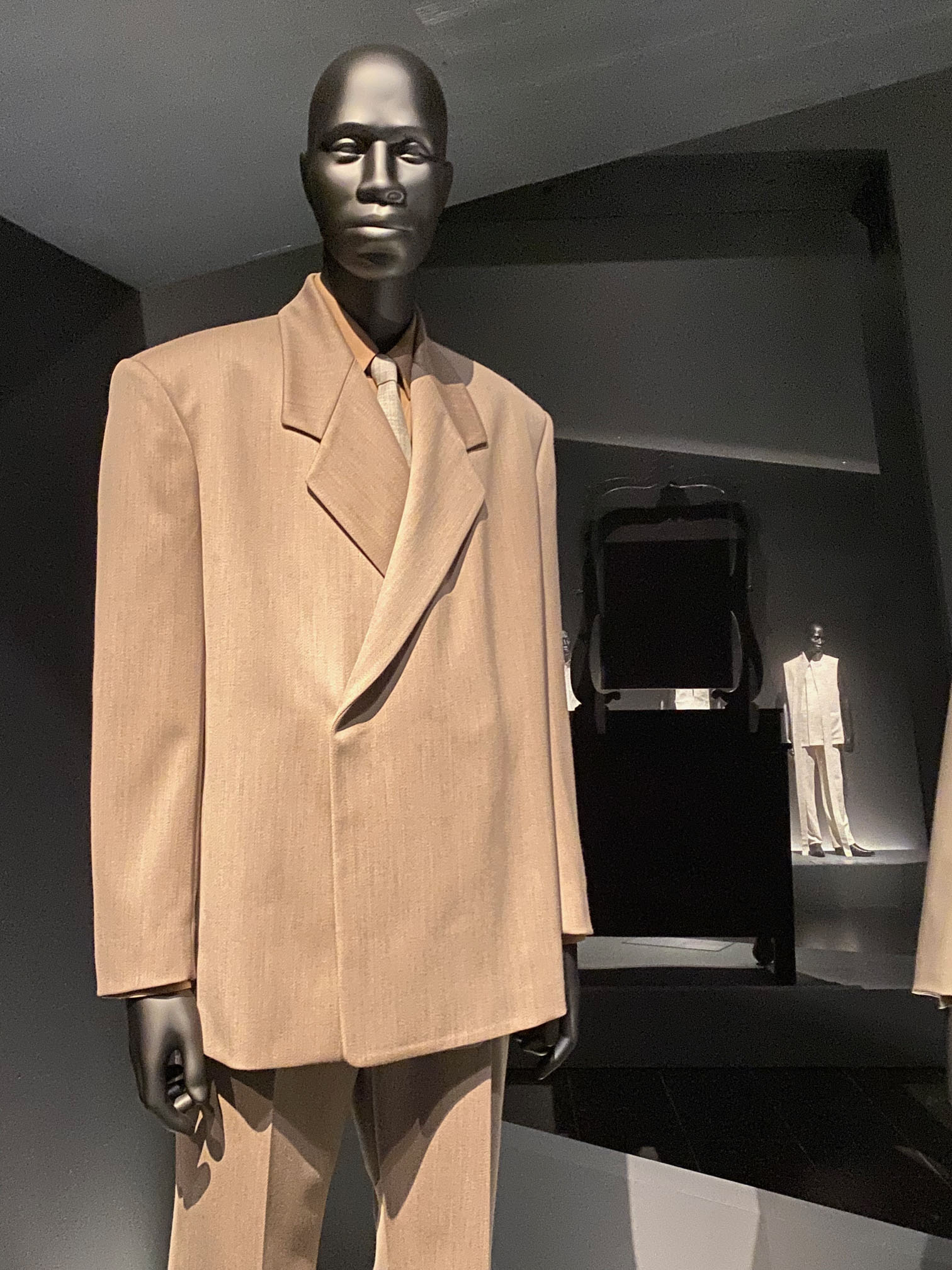
So cool: 2025 wool gabardine ensemble by Jerry Lorenzo for Fear of God – a modern throwback to Fifties’ tailoring. Courtesy: Fear of God

Each section provides a deep dive into history to explain how Black men (and a few daring women) adapted high-fashion menswear in the 17th and 18th centuries to reinvent themselves as authoritative, free, cosmopolitan high-achievers. Themes include Presence, Distinction, and Cool – based on co-curator Monica L. Miller’s acclaimed 2009 book, Slaves Slaves to Fashion: Black Dandyism and the Styling of Black Diasporic Identity.

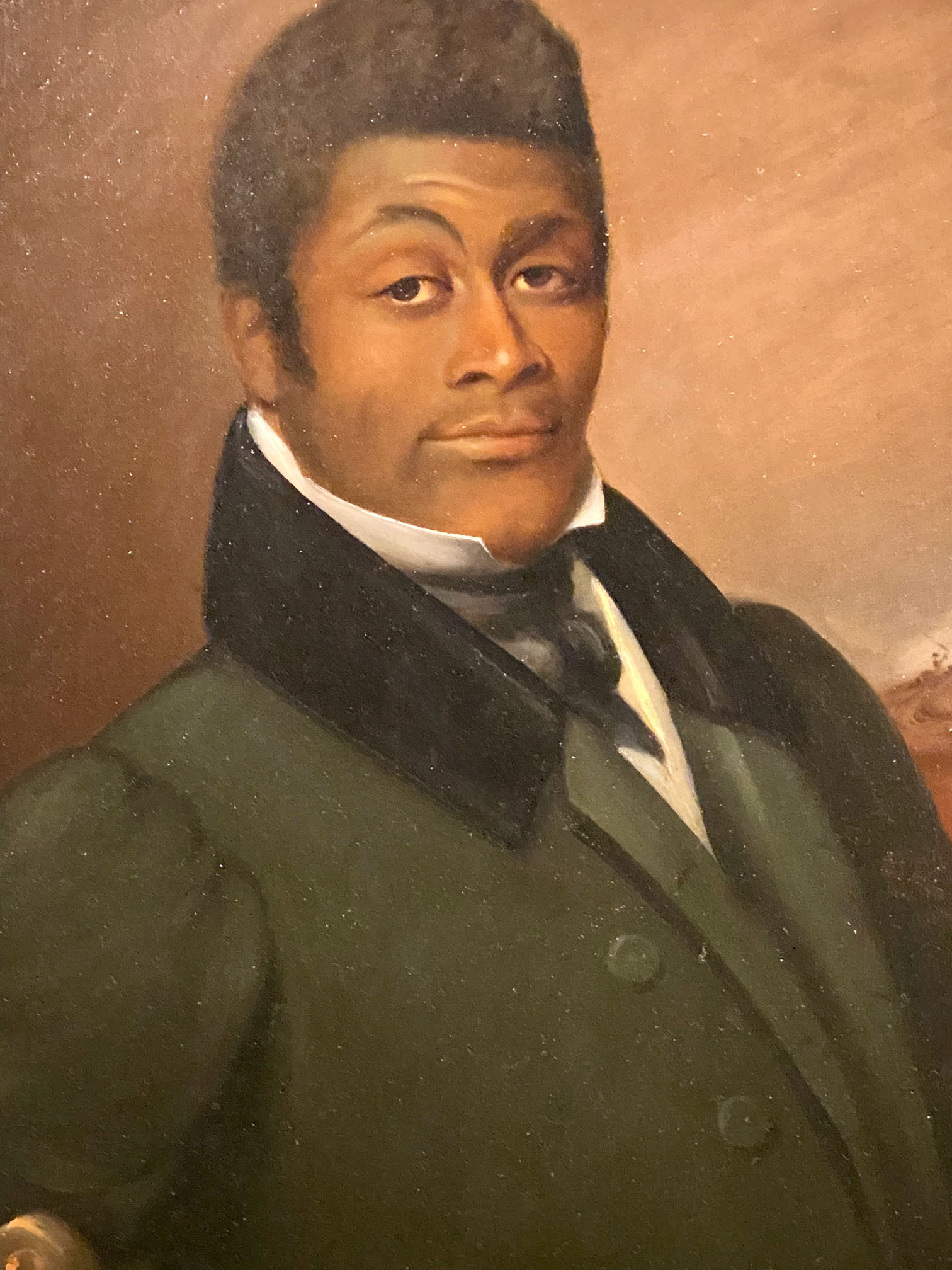
Dressing for distinction: 1804 Portrait of Toussaint L’Ouverture, leader of the Haitian revolution, painted by Giradin. Courtesy: La Maison de l’histoire européen, Brussels.

The curators leverage the Met’s extensive collection of photos, books, magazines, fashion, and accessories to provide visitors with the full visual story of each of the angles of Miller’s treatise.  Plus, they’ve assembled loans from recent collections of cutting-edge contemporary Black designers who themselves are pulling inspiration from these same pages of history.

The Distinction section, for example, has a wall of impressive portraits and bedazzled swords of the first leaders of the Hatian revolution dressed in military finery – emphasizing their commitment to Englightenment ideals in the first successful slave rebellion in the Western Hemisphere.

 The brilliant multi-level exhibition design features contemporary menswear inspired by 18th-century revolutionary and military style, including a swaggering great coat designed for the ever-magnificent Vogue editor-at-large, Andre Leon Talley.

Jawara Alleyne’s 2004 tailored ensemble inspired by Jamaican style; at right, ensemble from his 2021-2022 “Renegade” collection inspired by 19th-century shipwrecked sailors. Courtesy: the designer.
Worn by Andre Leon Talley; 2000-2001 haute couture coat with gold braid by John Galliano for House of Dior. Courtesy: Talley estate.

The Freedom section tells the story of the rise of the Black dandy in the 19th century and how the entrepreneurial class of African Americans dressed to impress. Historic portraits, photos, a fancy tailcoat, and a book on how to tie fancy neckwear – evidence of social upward mobility – are shown alongside cutting-edge contemporary menswear.

2023 figure-enhancing white cotton ensemble by Bianca Saunders for her “Nothing Personal” collection. Courtesy: the artist.
Freedom: Fashionable attire in 1850-1856 portrait of Thomas Howland, the first elected Black official in Providence. Courtesy: Rhode Island Historical Society.

The Champions section focuses upon how successful Black athletes – such as Jack Johnson, Walt Frazier, and Mohammed Ali – used fine clothing and style to make a statement, and how althetic wear transitioned into upscale runway fashion.

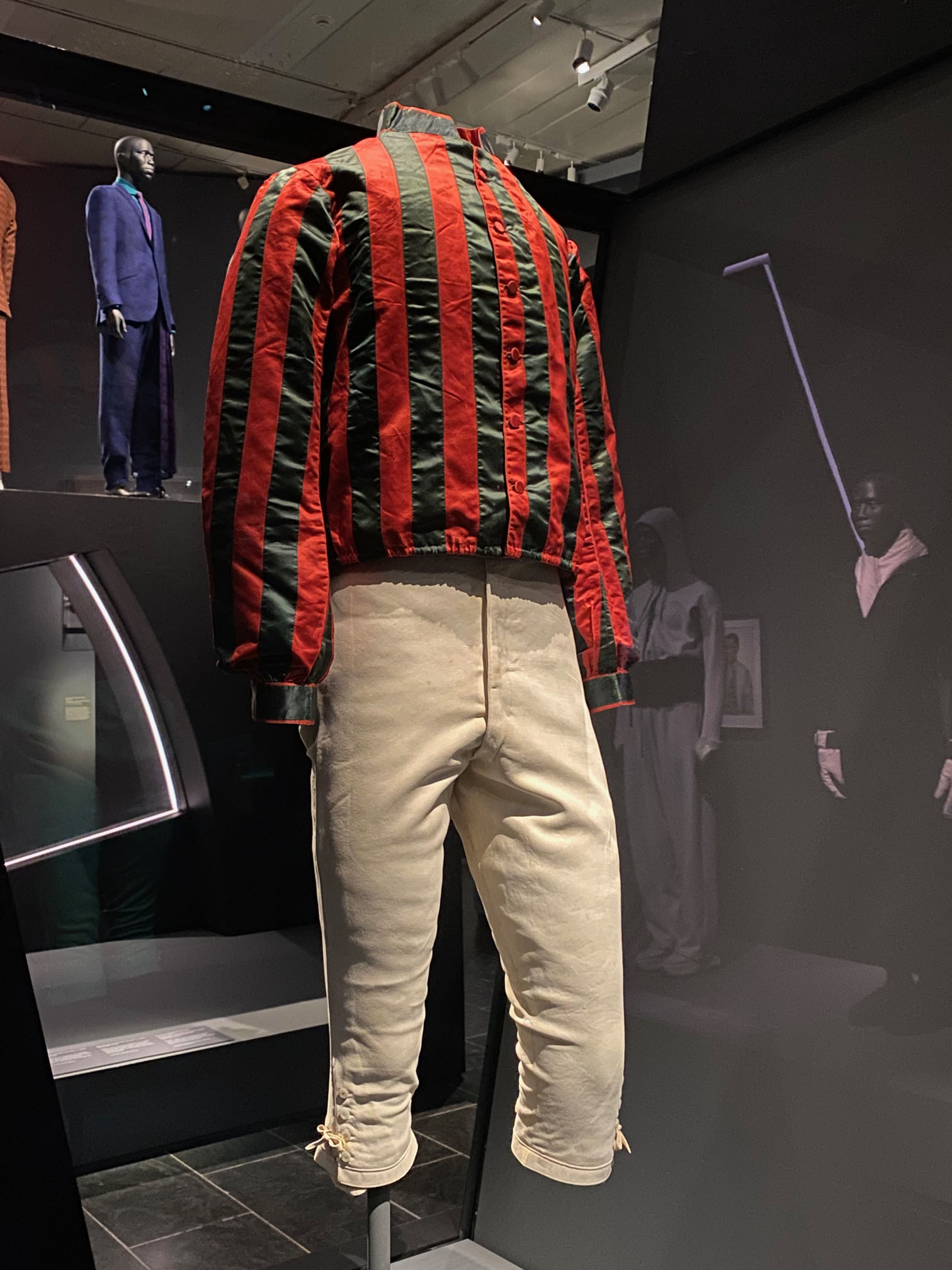
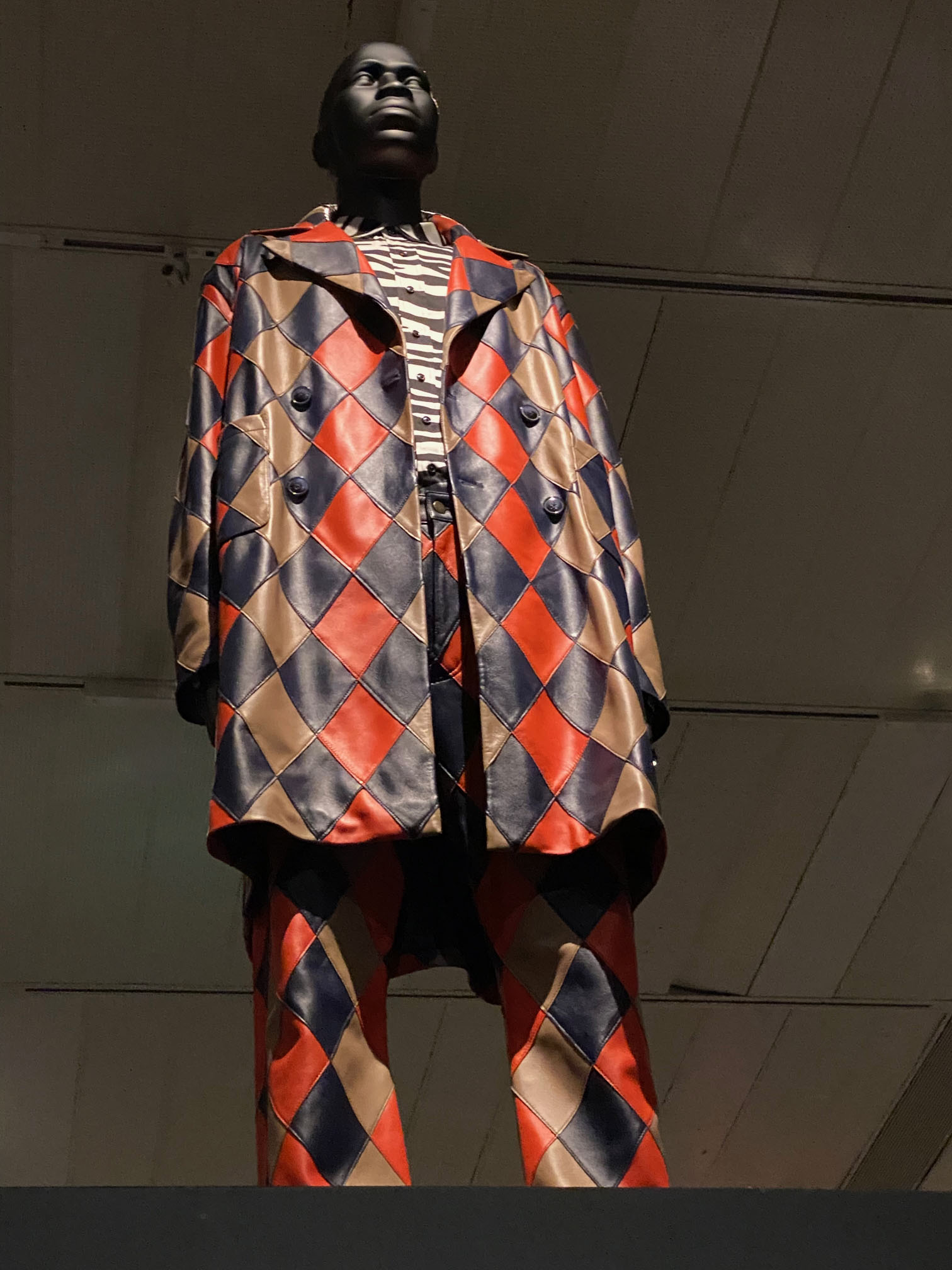
The story of Black jockeys is told – how 19th-century sports superstars got pushed out of early 20th-century racing when racial discrimination was at its peak, and how contemporary designers are incorporating this story into their designs.

EaEarliest surviving jockey suit (1830-1850): stripes appliquéd on silk jacket with and buckskin breeches made by plantation tailors. Courtesy: Charleston Museum, South Carolina.
2024 ensemble from “The Great Black Jockeys” collection by Tremaine Emory for Denim Tears; pieced lamb leather coat and trousers over silk shirt. Courtesy: Denim Tears.

The Respectability section explains how social-justice icons D.E.B. Du Bois and Frederick Douglass used their perfectionist style to draw a crown and make a statement, but it also discusses (and shows) the tools of the trade used by legions of Black tailors.  There’s also a beautifully cut in-process example from Saville Row tailor Andrew Ramroop.

2024 in-process tailored jacket by Andrew Ramroop for Maurice Sedwell of Saville Row. Courtesy: Maurice Sedwell
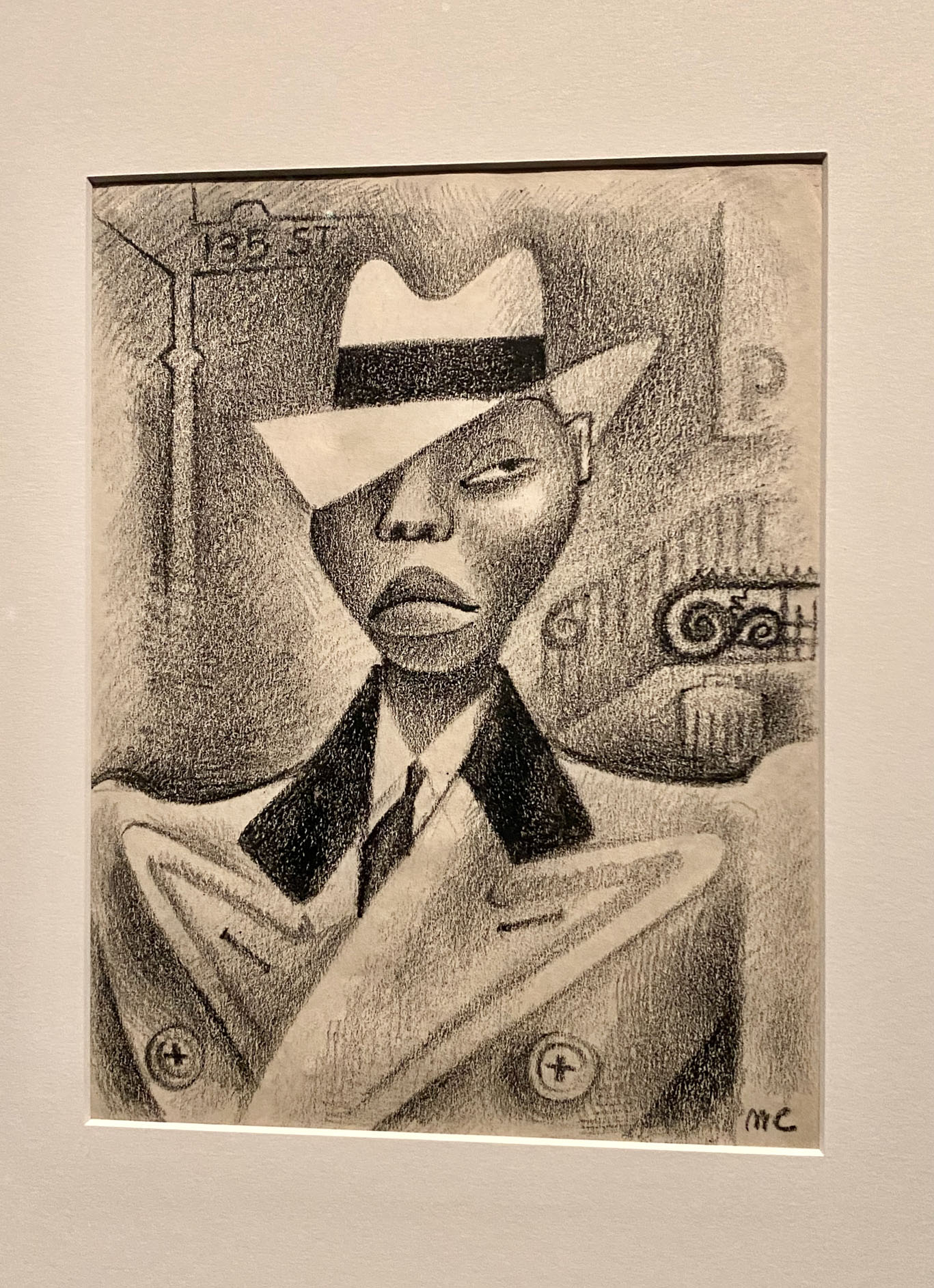
Hip community: 1930 lithograph of stylish Harlem Dandy on Striver’s Row by Miguel Covarrubias, a popular Vanity Fair contributor. Courtesy: University of Texas at Austin.

Of course, hip-hop takes its bow, too, with a tribute to Dapper Dan and other designers honoring the cool, ever-evolving style of Black musicians and performers.

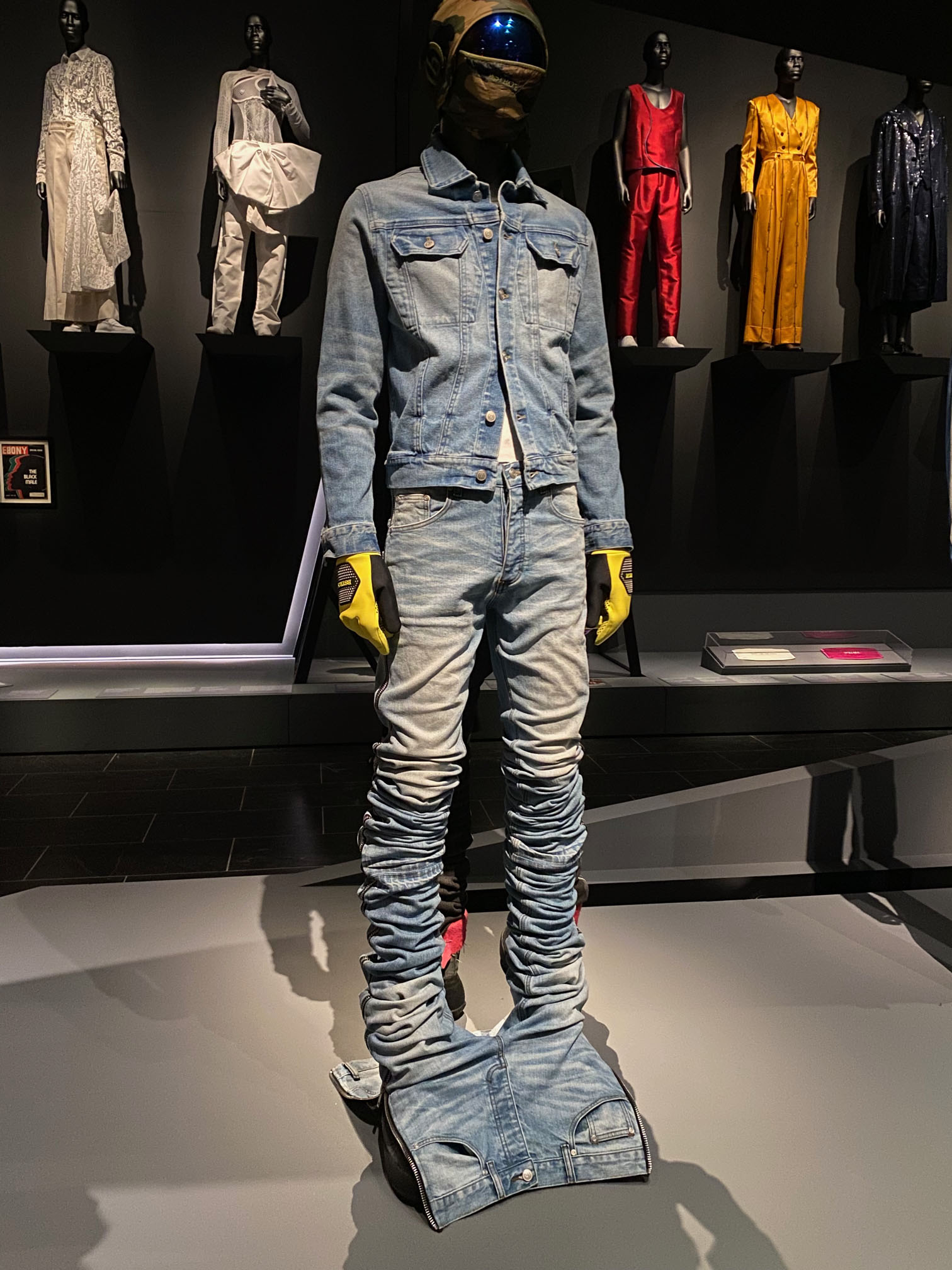
So cool: 2017 denim ensemble by Brick Owens and Dieter Grams for Bstroy, a reference to early all-denim hip-hop fashion. Courtesy: the designers.
1987 all-over LV-monogrammed leather jacket for Jam Master Jay of Run-DMC and pants for DJ Hurricane by Dapper Dan of Harlem. Courtesy: private collections.

Take a look at some of our favorite features of the exhibit in our Flickr album – upwardly mobile campus-inspired fasion, zoot suits from the hep cats of the Forties, beautiful fashion flourishes flaunted by pop superstar Prince, and nods to African heritage.

For more, walk through this stunning, insightful, memorable exhibit with co-curators Monica Miller and Andrew Bolton: