Historic Silver Hoard on 77th Street

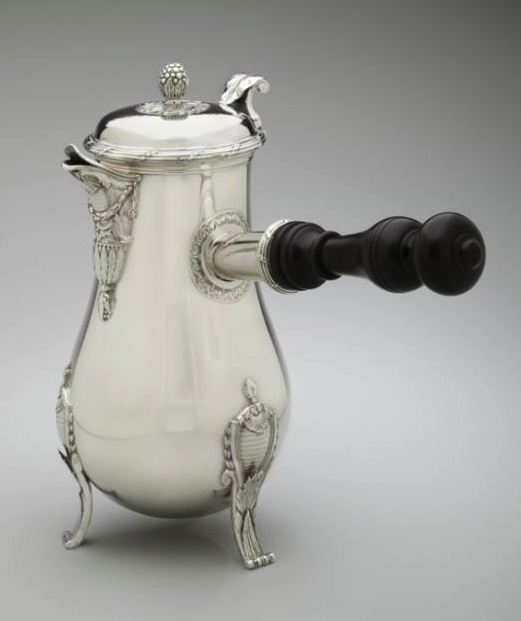
Silver coffeepot by Jacques-Nicolas Roettiers (1775-1776) sold by Gouvernor Morris to Robert R. Livingston, his successor as minister to France. NYHS, Gift of Mr. Goodhue Livingston

The New York Historical Society has done it again, hauling out all sorts of ornate, expensive, lovely silver items to tell the City’s history in the soon-closing exhibition Stories in Sterling: Four Centuries of Silver in New York.

Every time you peer into the reflections of dozens of silver pieces, the curators draw you into an historic event, person, or point in time in our collective urban history – silver brandywine bowls used by 1700s Dutch women to celebrate new babies, silver German medals modified into “passports” for travelers crossing Indian land in the 1750s, a silver coffeepot sold by Gouverneur Morris in 1801 to Robert Livingston after Thom J turned it down, and an elaborate 1863 Tiffany sugar bowl presented to the heroic engineer manning the guns on the Monitor in its showdown with the Merrimac the year before. Take a look at the on-line gallery.
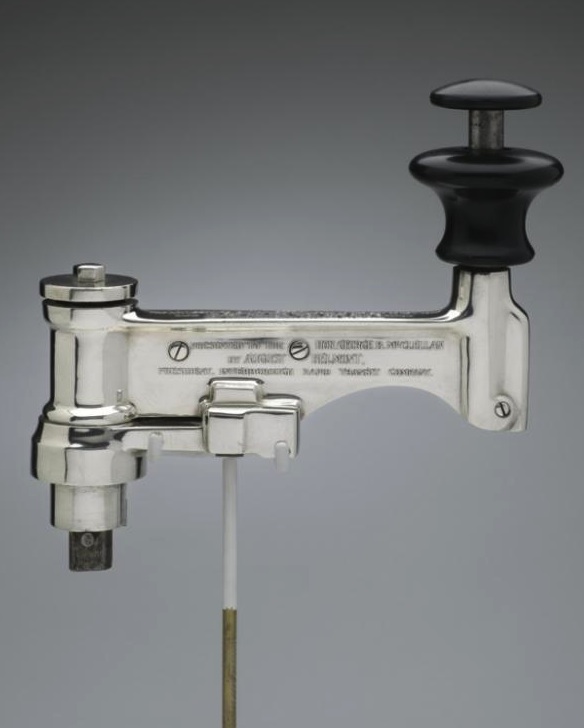
Silver subway controller handle (1904). NYHS, Gift of George B. McClellan, Jr.

Did you know that consumer culture of the 1880s required that up-to-date Victorian families have specialized serving implements and devices for every food imaginable? To prove this point, NYHS features just a smidgen of the 381 silver dinner service items presented to Commodore Perry in 1885 by the City’s Chamber of Commerce as thanks for his success in opening up trade with Japan — silver berry spoons, asparagus tongs, mustard spoons, nutpicks, bonbon dishes, and a zillion other things.

Most unexpected item: the Tiffany silver subway control handle that Mayor George B. McClellan Jr. used to drive our first subway train in 1904. He was supposed to take the IRT only as far as 42nd Street, but couldn’t let go of this slice of silver until he reached 103rd .
What Happens (to Dresses) after Fashion’s Night Out

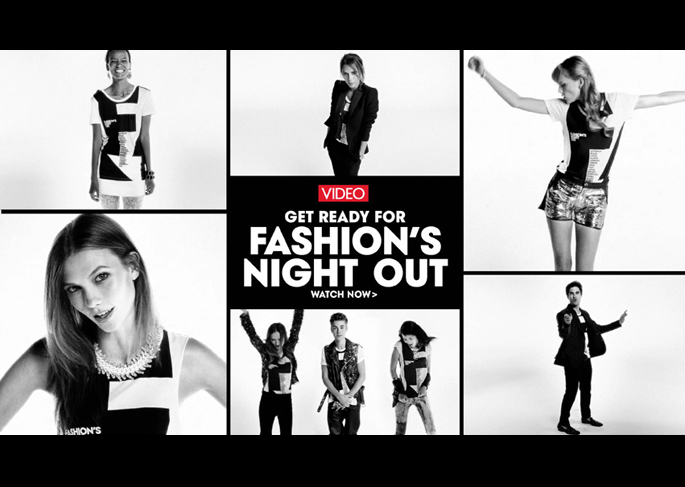
Everyone enjoyed the party atmosphere last Thursday during Fashion’s Night Out, with beautiful people, clothes, and accessories on display and tributes to retail and design history. (Check out the Flickr feed of the action on Madison and down Fifth.)

But what happens when the party ends? That question is what inspired two curators from Saratoga Springs to create a micro-show from fashion museum cast-offs — Tattered and Torn (On the Road to Deaccession).

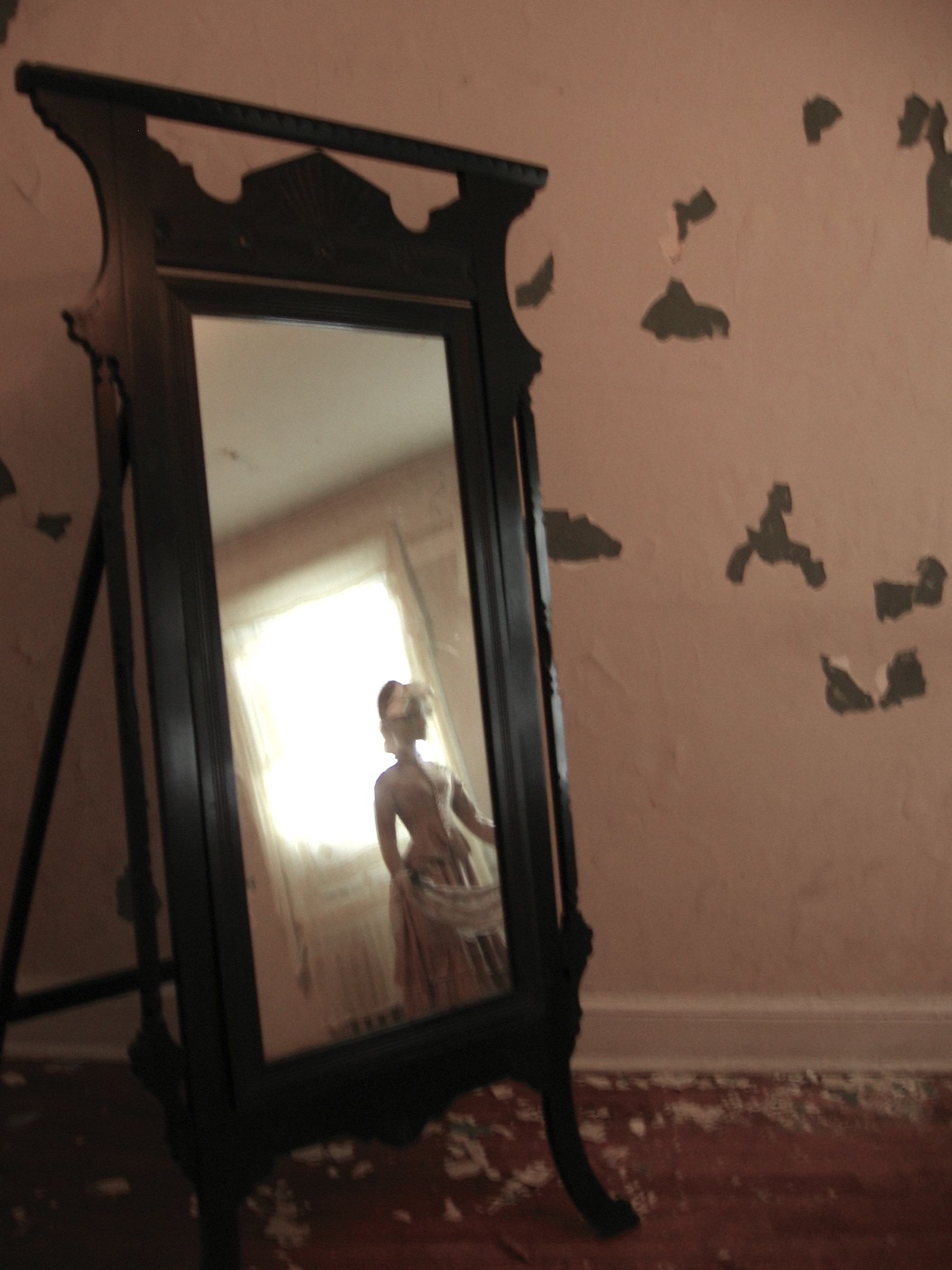
Empire Historic Arts Fund (founded by curators Rodney DeJong and Michael Levinson) gathered together less-than-perfect examples of 19th-century couture and used the abandoned rooms of the Governor’s Galleries on Governors Island to evoke the passage of time for fashion, finery, and fanfare. Rooms that once housed the U.S. Coast Guard as recently as the 1960s felt far older, perhaps due to the dreamlike state evoked by the presence of peeling paint, claustrophobic rooms, and props with which the curators surrounded their proud mannequins.

When you enter, the dresses look glamorous, but upon closer inspection, you can see that the silk has peeled away, seams have come apart, and the total elegance that must have accompanied these dresses’ debuts has passed into history. Take a look.

Considering the $250 budget for this installation, the curators have done a fine job of paying tribute to the history of fashion, creating a memorable experience on the Island, and letting us meditate on the still-beautiful details of fabric and design up close in a quiet place.

(The show is tucked away the far east side of the Island, beyond the Parade Ground, in Building 315 facing the Brooklyn waterfront. It’s the last building on your way toward Yankee Pier.)

Virtual Trip to Design Island

Let me guess. You didn’t get to see the spectacular design show that ended yesterday on Governor’s Island. While their mansion up on 91st Street is being renovated, The Cooper-Hewitt (a.k.a. Smithsonian) outdid itself by mounting a show inside Building 110 on New York Harbor’s hottest party-picnic location.

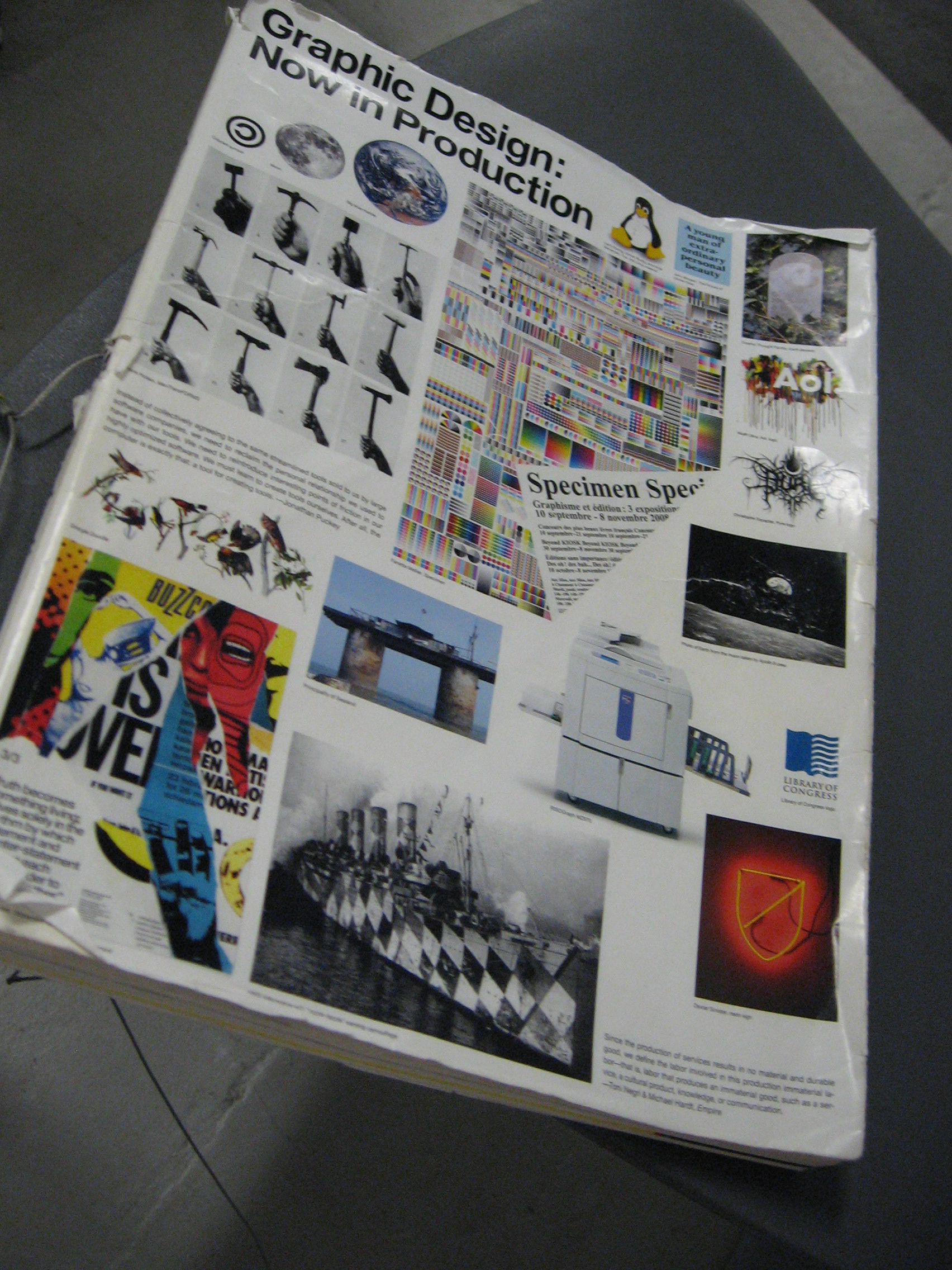
Graphic Design: Now in Production gathers great design produced since 2000 to feature what creative minds are offering. The summertime crowd loved it, and people flowed right from the ferry into the show and through the aisles where works were grouped around themes like storefronts, branding, typography, and print (it lives!). Check out the action on the Flickr feed.

The show is vibrant, interactive, mind-blowing, provocative, and fully documented in a 10-minute walk-through video with the curator Elleln Lupton that pretty much replicates the experience.

If you’re in LA, the show opens September 30 at UCLA’s Hammer Museum before migrating in 2013-2014 to Grand Rapids, Houston, Winston-Salem, and RISD.

Among our favorites are Brand New’s display, which asks visitors to vote (“before” or “after”) on redesigned corporate logos, and CognitiveMedia’s “RSA Animate: Changing Education Paradigms.”

Get Out Your Credit Cards for FNO

Better use the holiday weekend to rest up, since Fashion’s Night Out happens next Thursday!

The tents are going up at Lincoln Center, the stores are getting ready for the onslaught, and the NYPD is gearing up for crowd control everywhere in the City.

Check out the New York event listings at the web site, or (if you’re not in NYC that night) the FNO worldwide or elsewhere US sites. Hey, there are even events planned in Wyoming and online, so there’s no excuse not to shop, contribute to a cause (by buying stuff from the collection), and have fun all night!

If you’re in NYC, start early, have a strategy, and be prepared for crowds. The web site lets you sort the 800-plus events by neighborhood, shopping category, and the type of event you’re hankering for (pop-ups, fashion shows, new product launches, charity-focused, DJs, designer appearances, and block parties).

Check out the video to get in the mood.

Hidden Iranian Gems at The Met

Contemporary Iranian Art installation at The Met with Tanavoli’s sculpture and Farmanfarmaian’s mirrored glass mosaic.

You really don’t expect to find stunning contemporary art works way, way back in a remote corner of the Islamic Art wing, and you really don’t expect to see new, sparkly stuff from Iran. Surprise!

Once you make your way back on the second floor, past the 13th century enameled and gilded glass from Syria, you’ll spy a secluded gallery with shimmering light. It’s Parviz Tanavoli’s dramatic Sufi-inspired sculpture at the center and Flight of the Dolphin, a mirrored mosaic by Iran’s most famous female artist casting its magic.

Monir Shahroudy Farmanfarmaian, who made the mirrored mosaic, is probably Iran’s best-known female artist. In 1944, she studied in New York at Cornell and Parsons and got to know art-world luminaries like Pollack, Stella, and Warhol. It changed her life and her art, as you’ll hear in this video shot inside the gallery by ArtAsiaPacific.

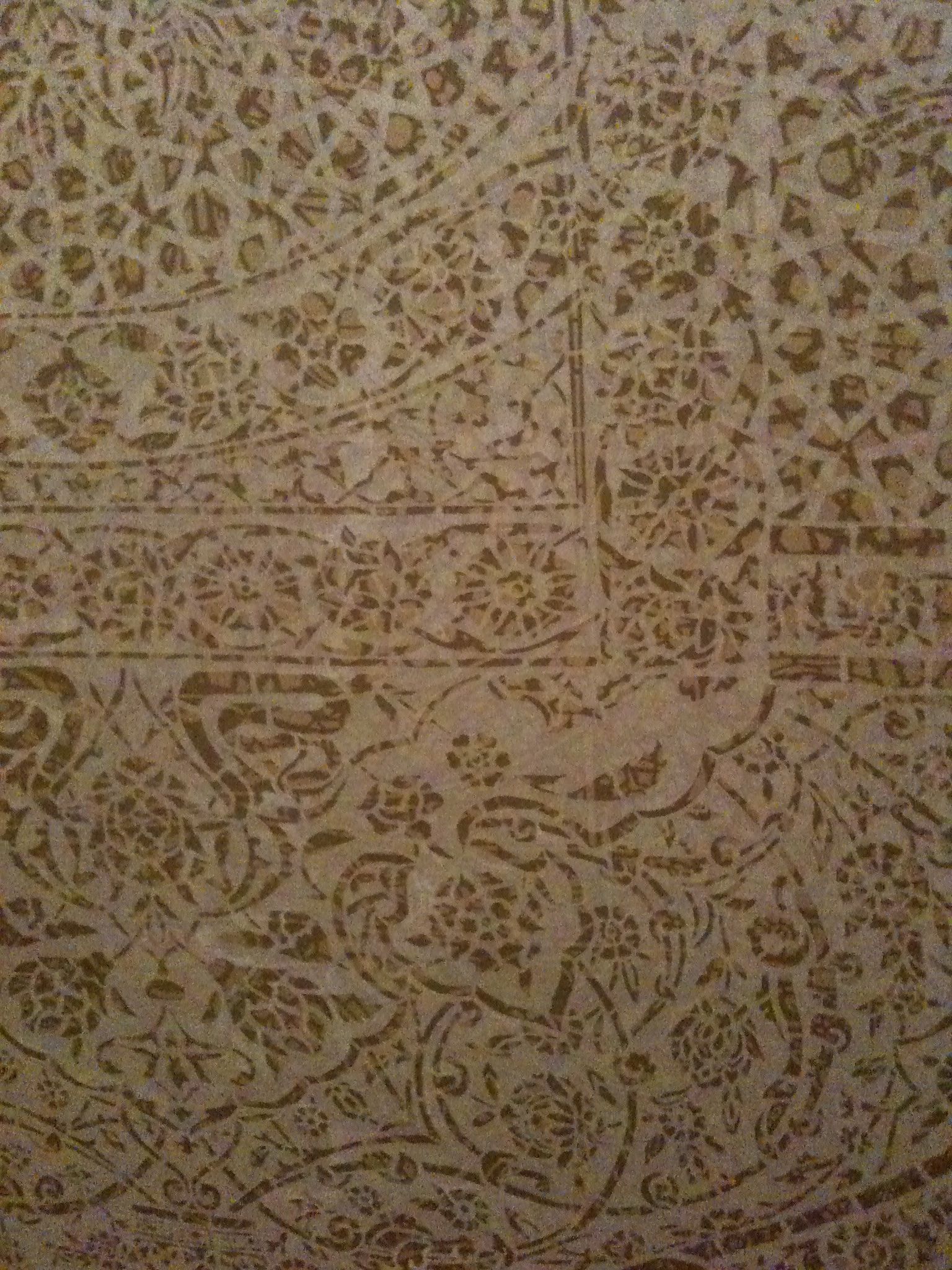
Detail of Still Garden (2011) by Afruz Amighi.

Last weekend, the tiny show enjoyed a steady stream of visitors. Most were captivated by another truly remarkable piece – Afruz Amighi’s Still Garden. The closer you get to the wall-size hanging, the more amazement you’ll have. Afruz has cut intricate patterns into thin polyester fabric that’s commonly used to construct refugee tents and has projected white light through it. The light-shadow play inches behind have a mesmerizing effect that you just have to experience in person.

Although everything’s now in the Met’s permanent collection, it’s worth making the journey through the Arab Lands upstairs and experience the light from Iran at the end.

Massachusetts Fishermen Outperform Houdini

Although we expect great things from Hugh Jackman in the upcoming Schwartz-Sorkin Broadway musical Houdini, Harry’s Vanishing Elephant trick won’t hold a candle to the feat of making Washington and the entire Continental Army disappear from the shores of Brooklyn exactly 236 years ago.

Reenactors assembled this weekend at the pebble beach in Brooklyn Bridge Park to explain exactly how some fishermen from Marblehead, Massachusetts, under the command of General John Glover, accomplished the disappearing act for General Washington, so soon after the Continental Army suffered its first round of defeats from the British. Check out the Flickr feed.

The Marblehead Regiment fire muskets, noise that wasn’t permitted during the August 29, 1776 nighttime evacuation

The backstory: The Continental Army was surrounded on three sides and pinned against the East River. While the British Army was recovering from pretty intense of hand-to-hand fighting, it began to rain. Then a thick fog rolled in. Glover and his Massachusetts seamen, undaunted by the weather, had no problem ferrying ammo, muffled equipment, and people all night on August 29, with Washington finally crossing at daybreak. In total, they made 9,000 troops disappear without a sound, all before the British woke up and discovered the escape.

The reenactors who paid us a visit are the same Pennsylvania crew that recreate Washington’s Delaware River crossing each Christmas, and for many it was their first trip to New York. They promise to try to get the “big boats” for next year’s appearance.

Battle Week bonus: Take a peek at Paul Benney’s “Battle of Bergen” performance last night, courtesy of Proteus Gowanus, which had Redcoats and Americans spilling all over the intersection of Smith and Bergen.

Weegee’s New York Nights, Gangster-Style

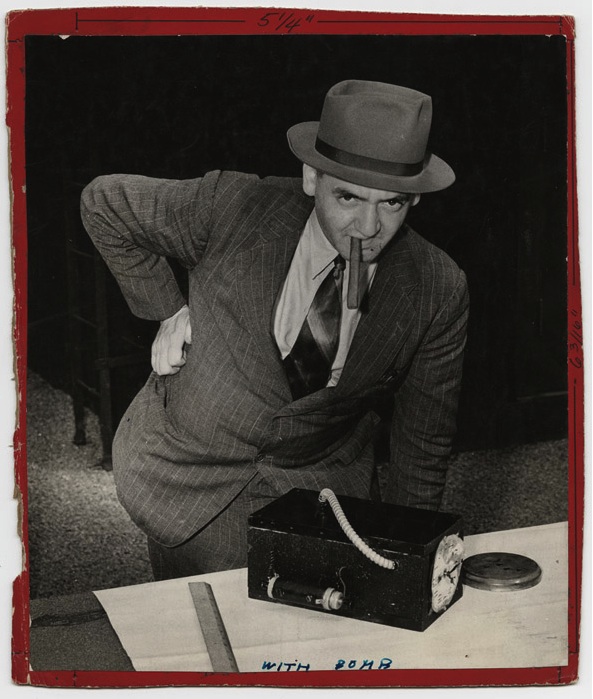
Weegee, With Bomb, 1940. © Weegee/International Center of Photography.

See for yourself if much has changed in New York since the late 1930s, when Weegee worked the night beat, listening on the police-band radio for unfolding action, zeroing in on lurid murders, capturing the stares of bystanders, and doggedly getting the photo-story every night.

Check out the final days of the exhibition Weegee: Murder is My Business to see plenty of action. Weegee (Arthur Fellig) slept in a cold-water flat across from Police Headquarters downtown and sold his photos to one of twelve dailies published in the City in the late 1930s. He tried to “humanize” the news, so lots of the photos in the show feature reactions of bystanders to sensational crimes and scenes of mayhem.

The show occupies most of the International Center of Photography’s lower level, and is filled with a recreation of Weegee’s room, his camera equipment, flash bulbs, press passes, and terrific interactive displays that bring you closer to one New York’s great documentarians of the Thirties and Forties. There’s even a set of photos of a gangster rub-out alongside the actual police crime ledger that documents what happened in Little Italy that night.

Installation view of Weegee’s flat. © International Center of Photography, 2012. Photograph by John Berens.

Maybe the curators are having fun with us, but it’s interesting that there’s a slightly out-of-the-way wall of Weegee photos of cross-dressers being arrested in 1939 alongside a gallery of 19th-century images of Jefferson Davis in a dress (President in Petticoats!), and another gallery with Christer Strömholm’s gorgeous shots of the early Sixties “ladies” working the Place Blanche in Paris.

It’s all sensational(istic) and Weegee would approve.

Christer Strömholm, Belinda, 1967. © Christer Strömholm/Strömholm Estate.

Pub Finale to NY Beer History Walk

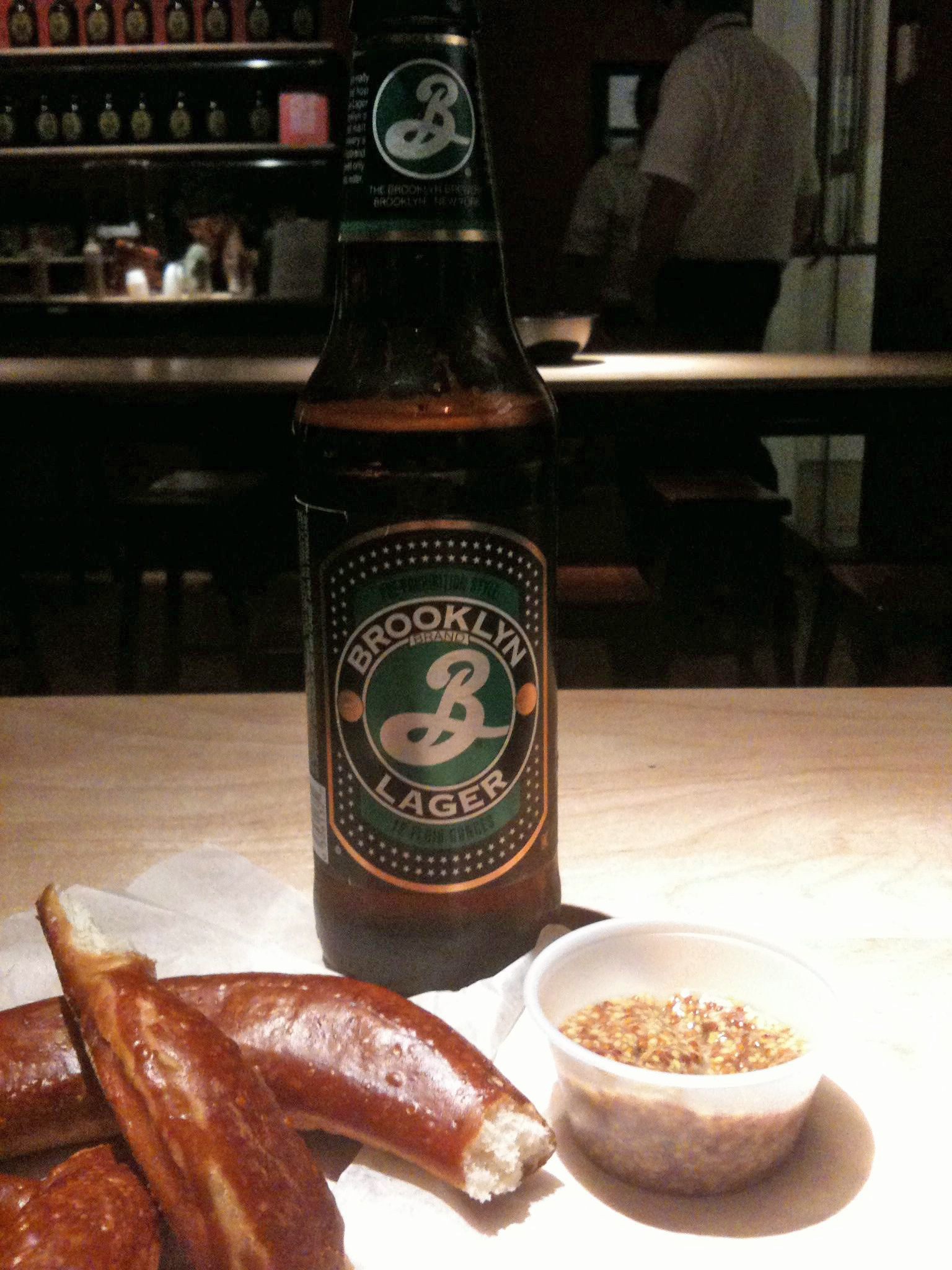
Although we missed Brooklyn Brewery’s ’05 Black Chocolate Stout yesterday, there was plenty of beer and ambiance to welcome weary time-travelers relaxing in the beer hall at the finale of New-York Historical Society’s exhibition Beer Here: Brewing New York’s Historya friendly (and informative) barkeep, giant pretzels, and Brooklyn’s finest.

It’s a walk through time, starting with the American Revolution era, where taverns could be found everywhere in lower Manhattan with their own unique recipes for spruce beer and table ale.

Because we take water for granted today, the show emphasizes how important it was for breweries in the City to have access to a steady supply of fresh water and features a collection of 1804 wooden water pipes installed by the Manhattan Water Company in 1799. (Spoiler alert: Aaron Burr was an investor.)

Section of Manhattan Water Company wooden water pipe, ca. 1804. Source: NYHS

Hops growing became a key crop around 1808, but it wasn’t until the Croton Aqueduct was built in 1825 at Fifth and 42nd (yes, where NYPL is today) that brewing could really take off in quantity. Wagons loaded with ice rolled in from Rockland Lane (north of Nyack).

Of course, German immigration in 1835 really blew the lid off, and by the 1890s, the City was chock-a-block (literally) with beer halls, gardens, breweries, and bottlers. And who knew that our ubiquitous beer bottle cap was born with the 1892 advent of the “crown” cap?

1950s ad shows Rheingold beer representative at work. Source: NYHS

You’ll enjoy lots of historic bottles and experimental beer containers, Miss Rheingold of 1956’s gold gown, and plenty of other colorful memorabilia to whet your thirst for real thing from Brooklyn, the Bronx, and upstate New York (in the beer hall).

Join the Revolution This Week in Brooklyn

Did you know that the British landing of 22,000 troops in Brooklyn in August 1776 was the largest sea invasion until D-Day? Or that the face-off along Flatbush was the largest and most fateful battle of the Revolution?

The site of the Continental Army’s line of defense at Battle Pass along the Flatbush Road during the Battle of Brooklyn on August 27, 1776 (Prospect Park)

It will be easy to get up to speed on this historic turning point this week by joining any of the activities happening in and around the key sites (Prospect Park, The Old Stone House, Green-Wood Cemetery, Fulton Ferry, and The Brooklyn Navy Yard) as Brooklyn hosts Battle Week 2012.

Yesterday was the vigorous, cross-country hike up to Battle Pass in Prospect Park to learn about the brave defense, and on to the grand finale at The Old Stone House to relive the historic battle with expert William Parry.  The good news is that Parry will be doing it all again on Tuesday, August 21. Don’t miss this or the rest of the schedule posted on the Stone House’s Battle Week calendar. Highlights:

August 22: You’ll have to decide between a canoe tour with the Gowanus Dredgers or a history lecture on our waterfront’s role in the battle at Pier 1 at Brooklyn Bridge Park.

August 23: The spectacular pub at the top of BLDG 92 at the Navy Yard hosts Battle of Brooklyn-inspired team trivia.

August 25: Witness a reenactment of how Glover’s Marblehead Regiment facilitated Washington’s undercover escape with our Army at Brooklyn Bridge Park’s pebble beach.

August 26:  Have a full day at the big battle site, Green-Wood Cemetery, with tours, parades, the Continental Army, horses, cannons, muskets, Hessians, Redcoats, and George Washington. (We’ve also heard that Ben Franklin could make an appearance, but shouldn’t he be concentrating on the U.S. Postal Service?)

The Old Stone House, where 400 brave Marylanders fought against 2,000 British, Hessians, and Cornwallis to delay their assault on the Continental Army, which escaped

August 27: The Battle on Bergen art performance by Proteus Gowanus at Smith & Bergen at their Liberty Pole.

August 29: A follow-up talk about Washington’s Retreat at Pier 1 of Brooklyn Bridge Park.

If you want to prepare, watch the video tour recorded by John Turturro, and check out the interactive map on the Old Stone House website.

Museum as Model with Temple and Condo Plans

Did you miss the Francesca Woodman show at the Guggenheim? You can catch one of her spectacular pieces at the Met in the small contemporary photography exhibit, Spies in the House of Art.

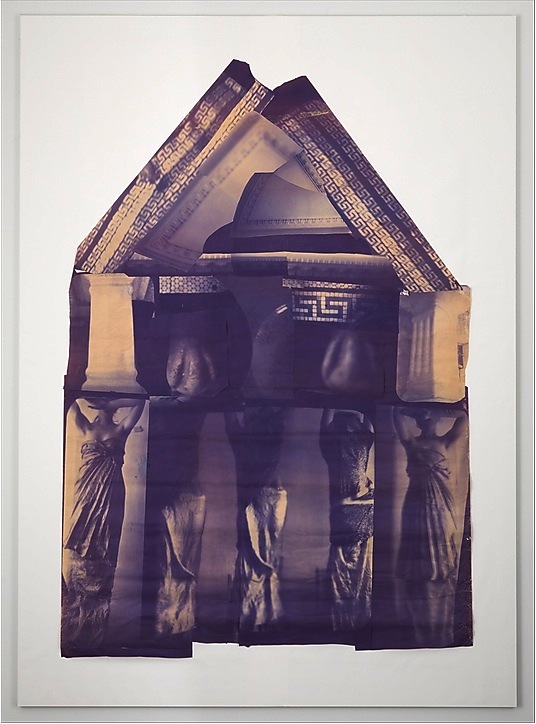
Francesca Woodman’s Blueprint for a Temple, 1980. Diazo collage. Gift of George and Betty Woodman to the Metropolitan Museum, 2001.

The show features works by photographers, filmmakers, and video artists inspired by museums, collections, and exhibitions. The standout (Cindy Sherman’s Italian history portrait notwithstanding) is the epic piece by Woodman:  the large-scale Blueprint for a Temple made up of 29 photographs on blueprint paper. The piece uses live models as caryatids and everyday stuff to evoke classical architecture, and it’s an experience.

The Met’s also given over a large, dark exhibition area to show Rosalind Nashashibi and Lucy Skaer’s film shot with strobes late at night when the Met’s ancient-art halls look particularly magical and spooky. Perhaps the most startling aspect of the installation is the medium. We’ve become accustomed to digital projection, but this experience is enhanced by the sight and sound of a 16mm film loop clicking through a 16mm projector.

For some fun, be sure to sit down, put on the headsets, and listen in to Andrea Fraser’s 1989 fictional museum walk that’s also part of the show. And check out Peter Nagy’s 1985 work done when there was a citywide kerfuffle over the MoMA’s plans to renovate (remember that?). Nagy layers condominium floor plans over the old layout of the MoMA galleries. It’s hilarious.