380-Year Old Dutch Girl Plays House

When the Brooklyn Museum invited four artists into their period rooms for Playing House, who knew that one would be channeling her own family history, complete with her ancestors’ dramatic flight to America over 380 years ago and a tribute to the first girl in her family born in New Amsterdam?

Mary Lucier’s video Still Life #1 atop the table inside the 1675 Jan Martense Schenck House in the Brooklyn Museum

Mary Lucier created a compelling multipart installation above, around, and inside the Jan Martense Schenck House (1675), which stood in Brooklyn for about 275 years and is currently the oldest “home” in the gallery. Lucier evokes the 1572 persecution of the Huguenots in Europe through a clip from D.W. Griffith’s Intolerance overhead, and invites visitors to sit in a modern replica of an old Dutch chair to watch a slide presentation about the Rapaljie family – a story that also happens to be her own.

The chronology takes you graphically from the religious wars in Europe to a 19-year old couple who escaped, to their colonization of Albany in 1624, and to the 1625 birth of their daughter Sara at their homestead in Wallabout Bay (now the Brooklyn Navy Yard). Lucier’s video installation inside the older Schenck house evokes New Amsterdam; her transformation of his grandson Nicholas’s house (right next door in the gallery) depicts the faces and stories of Sarah’s over one million current descendants 380 years later.

Take a look at my Flickr feed to glimpse installations by Lucier, Ann Agee, Ann Chu, and Betty Woodman. Then go to Brooklyn’s site to see all four at work installing their art in the period rooms.

When the 1675 Jan Martense Schenck House stood in Brooklyn. From the digital archive of the Brooklyn Museum of Art

If you have time, browse through Brooklyn’s digital archive for the Schenck house and what it took to get it installed inside the museum in 1971.
Curtain Comes Down on Follies

Unfortunately, the show has closed: The Great American Revue exhibition at NYPL’s Library of Performing Arts at Lincoln Center ended its run last weekend.

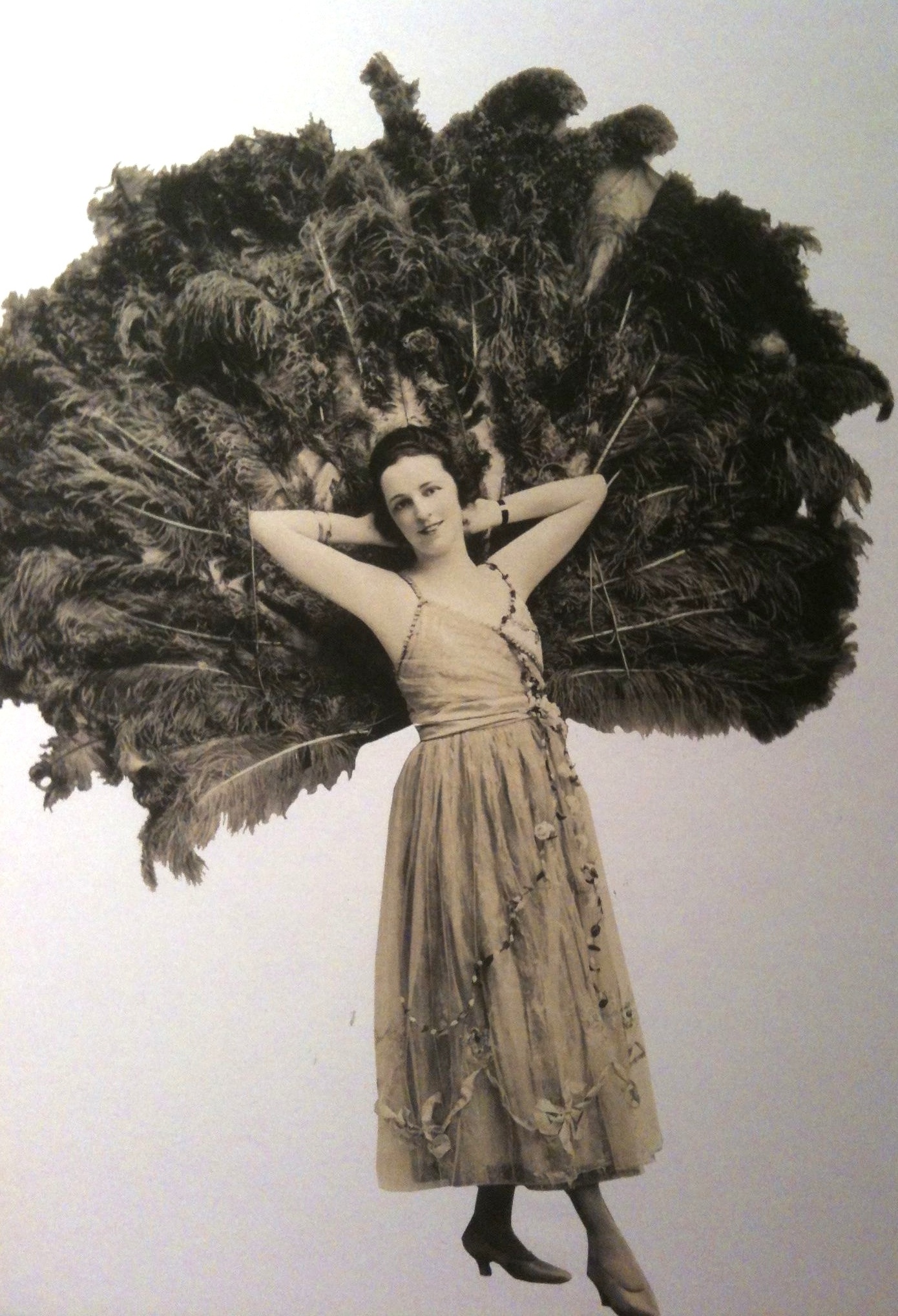
Performer in one of The Passing Show revues (1912-1919), which spoofed politicians and Broadway shows (kind of like “Forbidden Broadway”)

Today, Broadway pretty much consists of musicals and dramas, but back in the day, the “tired businessman” was entertained by chorus lines, comics, impersonators, satirists, and the best songwriters. (Think Cohan, Berlin, Rogers & Hart.)

Perhaps the note found in the archives inside a Follies costume swatch book sums it up: “Costume designs are attached. Lyrics will be written if you are interested.”

This terrific NYPL show explored how follies and revues evolved between the years 1902 (the dawn of the Hammerstein Roof Garden shows) to 1938 (when topical revues of the Great Depression, such as Pins and Needles made their mark).

The curators’ chronology and commentary is brilliant, chronicling the four stages of development: beginnings, experimenting with formats, celebrating the “body as performance”, and the emergence of political satires (1930s). (Download the show’s mini-program to get the Cliff Notes version.)

Chorus line from Earl Carroll’s Vanities (1923-1940), which featured the Most Beautiful Girl in the World

Who knew that the original Hippodrome was also built by the team that built Coney Island’s Luna Park? Who knew that George White invented “souvenir programs”? Who knew that Martha Graham got her start in settlement-house venues way back when the Neighborhood Playhouse was at the Henry Street Settlement? Who knew that audience participation shows and mini-revues on rooftop eating-drinking gardens predated the Brooklyn Bowl mash-up by 100 years?

Virtual Indie Declarations

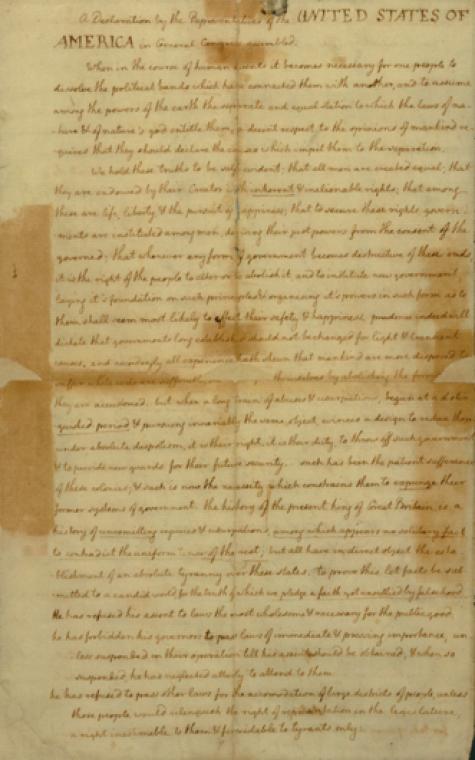
It’s never really the Fourth of July in New York without seeing Tom J’s annotated copy of his Declaration of Independence that’s usually shown this time of year at the New York Public Library.

Because Tom’s two-page handwritten draft was diplayed all year in NYPL’s 100th anniversary exhibition, the Library has decided that “It will be given a rest of a few years…” Even though you’re not able to visit Tom’s Declaration in person, the library’s digital team has made it available on line, along with a number of its other revolutionary treasures. Check out:

Ben Franklin’s June 21, 1776 note to General Washington (written while Tom was toiling away in the Philadelphia’s sweltering summer heat) that “a Declaration of Independence is preparing”.

Tom’s original draft of the Declaration with his paragraph objecting to the slave trade, which Congress forced him to edit out. (Check out this blog posting at NYPL and click on the images for a larger view.)

Tom’s clean draft that became official.

Also check out the first news report on the Declaration in The Pennsylvania Evening Post (dated July 6, 1776), telling everyone that something was up, followed by the classifieds on page 2.

Daring Sea Rescue Yields Treasure

Treasure is what you’ll find in the upstairs galleries of The South Street Seaport Museum in Lower Manhattan, following its daring rescue by The Museum of the City of New York.

Armed with a two-year plan, a dedicated team, and construction crews, MCNY figured out how to transform former storage areas into sixteen beautiful galleries, re-open, and give new life to the museum and iconic tall ships anchored downtown.

In a brilliant use of space, MCNY enables us now to enter three separate time machines that should warm the heart of any NYC booster, particularly the side-by-side installation of two versions of Manhatta (the original name of our island community). The first is the (slightly reduced) reinstallation of the acclaimed Manhatta exhibition (and scientific project), which shows you visions of the island, inhabitants, geology, river systems, and fauna that Henry Hudson would have seen in 1609. (Crowds flocked to this uptown in 2009, so you here’s your second chance.)

The second is the adjacent gallery, where you can sit down and contemplate three stunning simultaneous views of our waterfront — Paul Strand’s famous 1921 documentary of our waterfront (Manhatta), Edison’s early 1900s views of our water’s edge, and a contemporary visual meditation. Time travel doesn’t get any better than this!

The third view, MCNY’s Timescapes film, sweeps more grandly over time and history. Images pop onto three screens as Stanley Tucci narrates the whole, complete story, from forested island to home of the High Line. It’s hard to take it all in, but you’ll be swept away and seriously, it will make you proud.

Although these shows are in open-ended runs, check them out sooner rather than later. Although the Seaport Museum has been thrown a lifeline, it’s only temporary. MCNY only has 18 months to demonstrate that these stories, ships, artifacts, buildings, Bowne & Co. Stationers, and galleries are worth saving.

Be part of the rescue. Shop at Bowne, bring your friends, and step back in time.

Romantic Dark Side

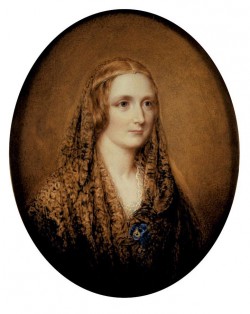
Entering the black-draped Wachenheim gallery off the New York Public Library’s main Fifth Avenue entrance is a quick way to travel back in time to view manuscripts, memoirs, and mementos of the 18th and 19th centuries’ most creative literary minds.

Portrait of Mary Shelley

Tragic love, unbridled romance, women’s liberation, wicked family disconnects, and man-machine mash-ups converge in a tantalizing true tale in the tiny exhibition jewel, Shelley’s Ghost: The Afterlife of a Poet. The intertwined lives of Shelley and his wife, Mary (author of Frankenstein), Lord Byron, and their circle of friends are the subject.

To untangle this web of infamous ground-breakers, the Bodleian Libraries of Oxford and the NYPL have collaborated on assembling some rarities — one of the earliest English-language treatises on women’s rights (courtesy of Mary’s mother Mary Wollenstonecraft), Mary’s first draft of her horror novel, Shelley’s baby rattle and guitar, assorted notes and diaries, and Shelley’s treatise on the advantages of a vegetarian diet.

As this exhibit’s run comes to an end, literary (and scandal) hounds are flocking to this space, Thank goodness that NYPL and Oxford have seen fit to commission a short graphic novella of Mary Shelley’s incredible life, an innovative (free) Frankenstein-themed iPad app, and throw much of the scholarship up on the web for the iPad-less fans.  Bonus: listen to some of the diary entries, personal letters, and works read online by Oxford-trained actors.

Screenshot of NYPL Biblion’s free Frankenstein iPad app

Manhattan’s Digital Grid

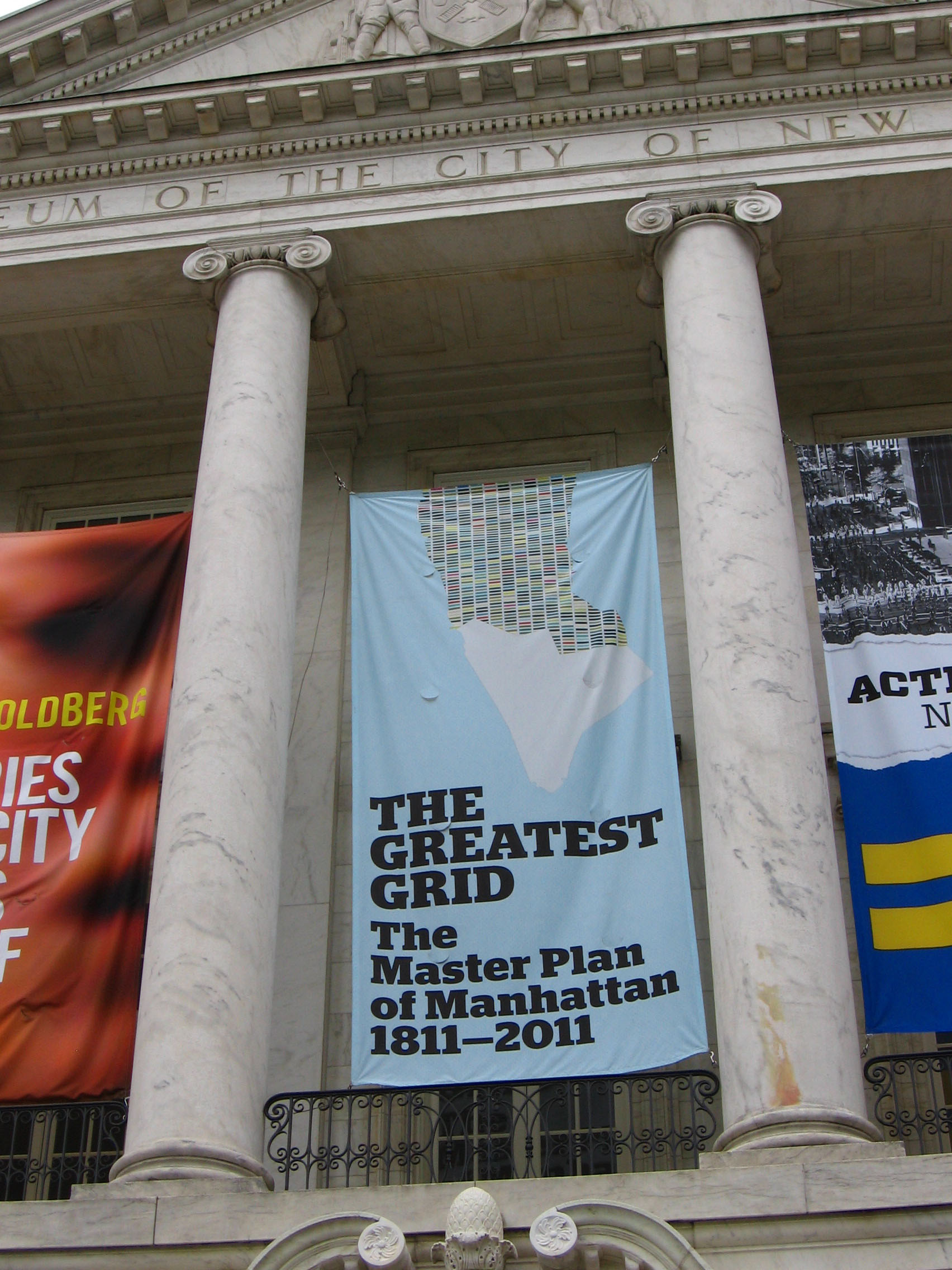
How much fun can you have with the Manhattan Grid? Plenty, if you have computer access and can make a trip (before July 15) to the The Greatest Grid exhibition at the Museum of the City of New York.

Plan to spend a couple of hours wrapping your mind around how the farmland in your neighborhood was leveled by hand and horse cart to make the wide, smooth streets and sidewalks we’re used to today. (You’ll quickly see that the East Side’s Second Avenue Subway construction isn’t that big a disruption after all!)

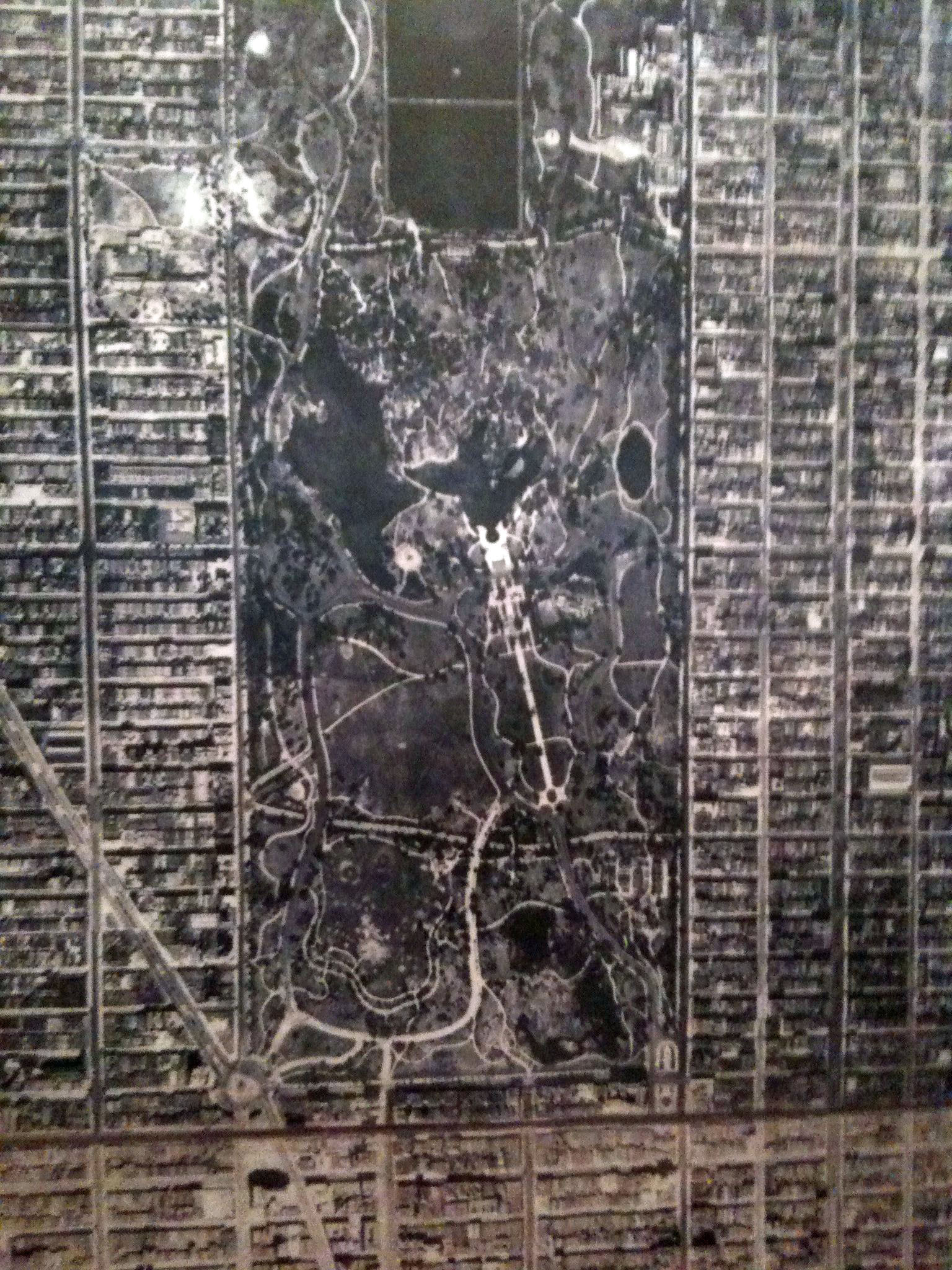
Go online and check out one of the exhibit’s highlights – a digital composite of 92 farm maps drafted in 1818-1820 by John Randel, Jr. to show how the grid would bisect various hills, rivers, streams, swamps and pastures in years to come. Zoom in on your street and see who owned your property in the early 1800s, and read how MCNY worked with the City create this cool online map.

Also, take a look at the digital maps posted by The New York Times, including Randel’s big 1811 map of the grid (the centerpiece of the MCNY show), the 1836 farm map, and other interactive images created by the NYT team. Clicking through the views on the left will reveal all sorts of interesting history.

Check out the Channel 7 Eyewitness News video, featuring an interview with the curator (NYU’s Hillary Ballon) and a peek inside the show.

Want to do a little time travel on the modern version of the Manhattan grid or another borough? It’s easy. Go to NYCityMap and type in an address. When the schematic map appears, clock on the “Photo Camera” icon at the top of the map and you’ll see an aerial view of the neighborhood. Move the slide bar to enjoy the view to any time between 1924 and today to see what the block was like way back when.

Walk the US Fashion Timeline

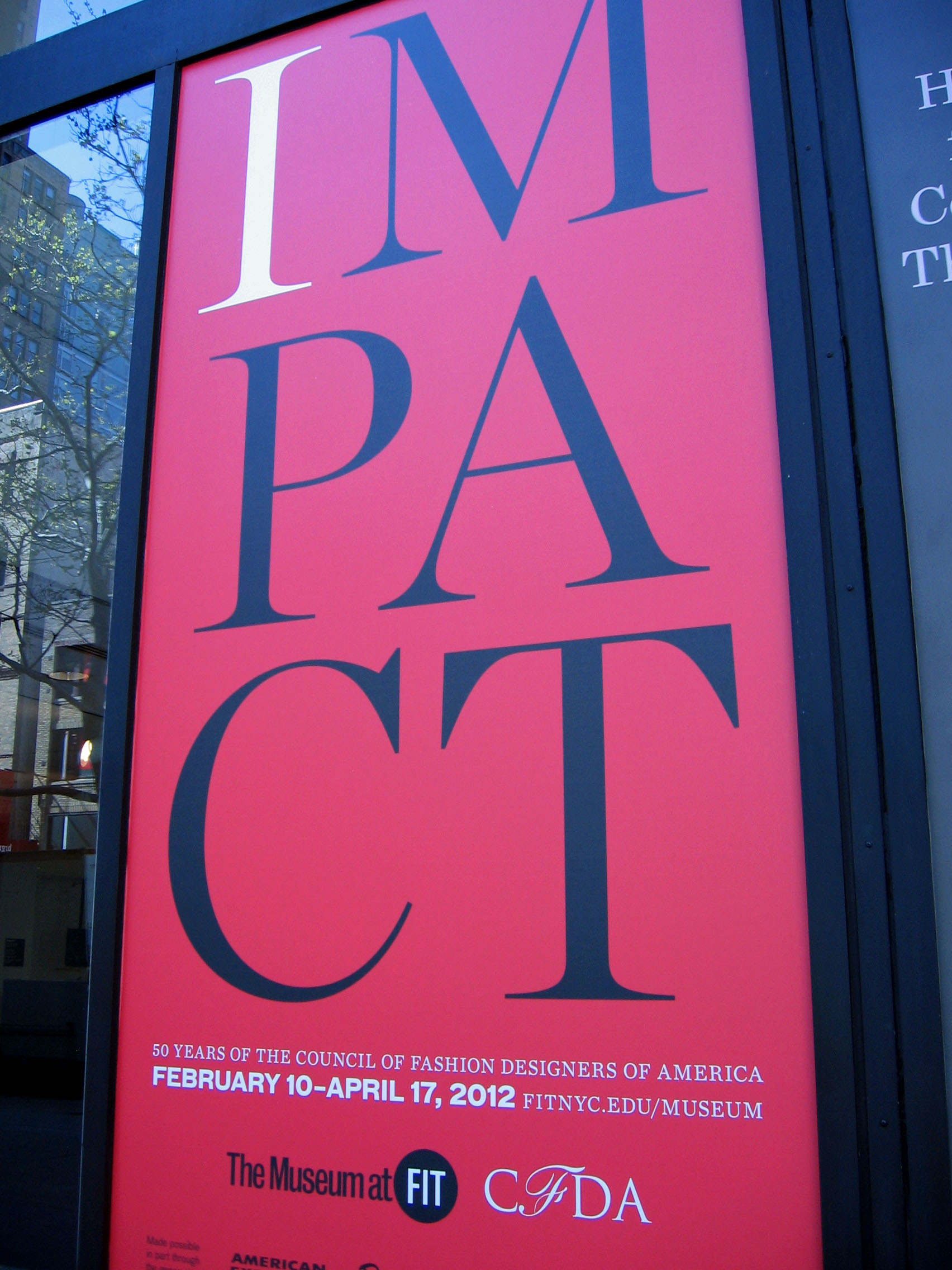
There’s a few more days to walk among 50 years of American fashion history at FIT in Impact: 50 Years of the CDFA, a partnership between FIT and the Council of Fashion Designers of America.

The collaboration includes an interactive timeline that steps through some of the most significant moments in the industry over five decades.  If you can’t get to the gallery to play with this iPad production, take a walk through history online, or enjoy E!’s  YouTube tour with the show’s curator.

Oscar, Geoffrey, Zac, Carolina – They’re all here. The main exhibition space is lined with 100 iconic work, each chosen by the designer to reflect their best – Halston’s liquid gold strapless dress (1976), Diane’s leopard print wrap ensemble (1974), Ralph’s Navajo-inspired knit jacket and concha belt (1981), and Donna’s wrap skirt with oversize belt and matching cuff (1985).

High-drama awards go to Zac Posen’s sculpted red gown (think Charles James) and Norma Kamali’s parachute fabric and feather creation (think Alexander McQueen).


When Coffee Houses Were Facebook

You have one more week to find out what the 18th century social network was like at the intriguing exhibition at New-York Historical on the events that propelled simultaneous American, French, and Haitian revolutions.

Girodet’s 1797 painting of Jean-Baptiste Belley from Versailles

As soon as you enter Revolution! The Atlantic World Reborn at the New-York Historical, you find yourself inside the social hub a Caribbean seaport city in the mid-1770s – the coffee house, where people reread month-old newspapers, asked arriving seamen for news, discussed European imperials, and complained about taxes, trade, and tyranny.

Winding your way through the history maze, you’ll encounter the original penned version of the Stamp Act (1765), the first edition of Thomas Paine’s Common Sense (1776), and Napolean’s approval to sell Louisiana to the United States (1803). The story line weaves in the slave trade, the Haitian revolution, and the rise of voodoo in the Caribbean – a unique retelling of rebellion in the time of colonialism.

See the artifacts on line, but connect the dots to revolution by dropping into the exhibition this weekend.

And don’t miss the lobby painting featuring New York’s first big-time 18th c. social network — the Tontine Coffee House on Wall and Water, built by the brokers in 1793 to organize The New York Stock Exchange.

Historic Performances at Historic Congregations

Did you know that some of the best performances are taking place this weekend at two of NYC’s most historic houses of worship?

  • The Queen’s Chamber Band & Choir gathers around the harpsichord to celebrate Bach’s Birthday tonight at 8pm at one of the oldest congregations in the City, the First Moravian Church at Lexington & 30th Street. Although the church building itself dates from 1849, the actual congregation dates back to 1748, when Johann Sebastian Bach (1685-1750) himself was still composing. Be sure to take a peek at the unusual and historic 1840s organ behind you in the loft. If you can’t make it in person, enjoy the Queen’s Chamber Band’s beautiful Bach on YouTube.
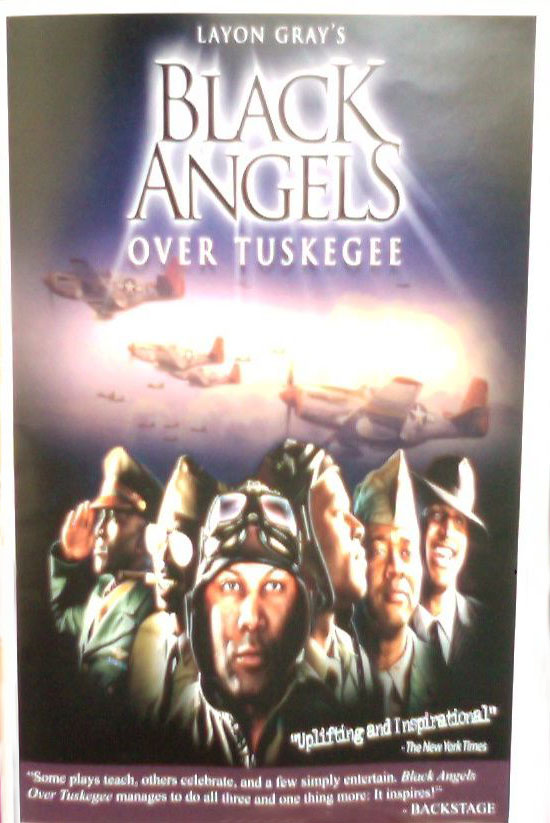
  • Although the Hell’s Kitchen synagogue was founded in 1917, when you walk through the doors of the Actors Temple at 339 West 47th Street, you’ll enter a 1923 national landmark frequented by the greats of vaudeville, nightclubs, and live TV. Personalities like Al Jolson, Jack Benny, Shelley Winters, Harpo Marx, and even Frank Sinatra. The space was designed to multitask as a house of worship, gathering space, and (can’t you guess?) a theater. Appearing every Saturday and Sunday you can catch the terrific ensemble of Laydon Gray’s Black Angels over Tuskegee, the gripping true-life tale of WWII’s first African-American fighter-pilot squadron (currently in its third year). Go see it and take a trip through history.  


Last Look at Soon-to-Close Theater Museum

Friends enjoy reviewing the wall of 1900s showgirl cards, showing scantily clad actresses in “classical” garb

With Rick McDonald at the piano of the 1924 speakeasy, Bill’s Gay Nineties, last Thursday night, the crowd was singing, the joint was jammed, and dozens of hungry diners were climbing the stairs to sit in the gaslight glow of the second-floor dining room, packed with carefully preserved playbills, theater cards, and lithographs of the men and women who built the foundation of the American theater and founded the form that is American popular entertainment — George M. Cohan, Buffalo Bill Cody, Enrico Caruso, Tony Pastor. The list goes on and on.

This temple to theater, created in the 1920s by the original Bill’s wife, a former Ziegfeld girl, is about to close on March 24.

How fortunate that we met a master vaudevillian and Coney Island sideshowman, Todd Robbins, who (between a few tableside magic tricks) walked us through the history of the place, the legacy of the hundreds of show people gazing down on our dining table, and stories of how George Burns, Jack Benny, and the pantheon of American entertainers found solace around Bill’s piano (just like us) in decades past.

How comforting to be amongst other time-travelers in this unique and soon-to-be-gone living, breathing archive of the last 150 years of American entertainment. Take a walk around Bill’s with us. These Flickr photos are sometimes a little blurry and hard to make out, but they seem appropriately evocative for a room, history, and gathering spot that will soon be like the celebrities on these walls…fading but important memories of spectacular, vibrant nights spent singing and sharing the high points of the latest Broadway debut.