Sculptor Shonnard Invents a Two-Continent Creative Life

The joyful retrospective Eugenie Shonnard: Breaking the Mold, on view at Santa Fe’s New Mexico Museum of Art through September 1, 2025, tells the story of a determined young artist in turn-of-the-century Brooklyn who seized opportunities to follow her dream, learn from the best, forge lifelong friendships, and transform inspirations of the nature and culture around her into fine art.

In 1927, Shonnard took up full-time residence as Santa Fe’s first academically trained sculptor. For years, the community considered her the “dean of sculpture”, but after she passed away in 1978 at the age of 91, gradually her legacy and accomplishments faded into obscurity.

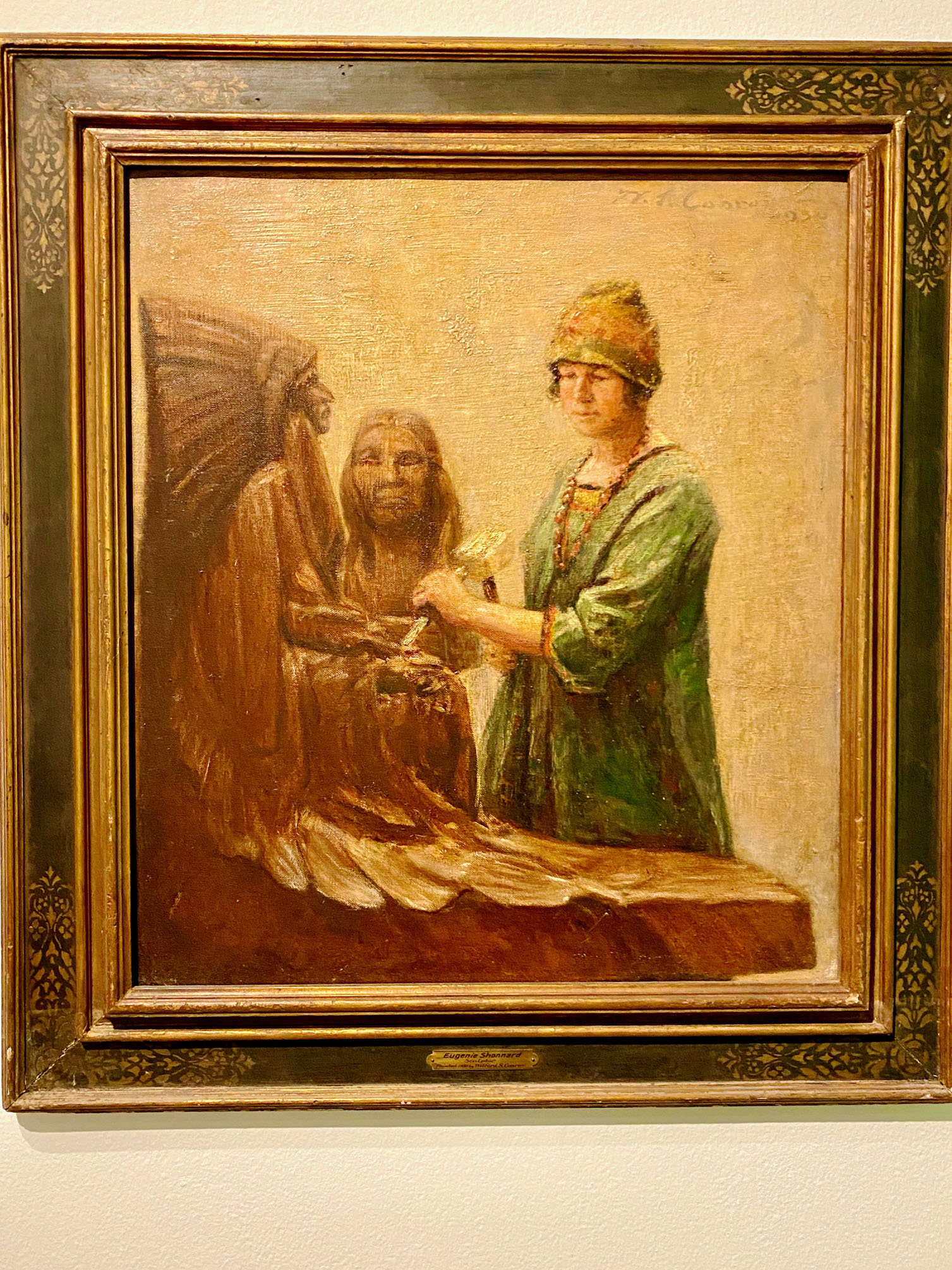
1930 portrait of Eugenie Shonnard in her sculpture studio by Wilford S. Conrow.

This year, the Museum chose to showcase Shonnard’s range of accomplishments – sculpture, painting, furniture, and architectural design. The strategy has worked, since most visitors remark, “What a beautiful body of work! Why haven’t we heard about her before?

Looking at the strong, robust sculptures of Breton peasants and Native American celebrity Dr. Charles Eastman featured in the introductory gallery, you would never guess that Shonnard started life as a sickly child whose wealthy parents kept her close to home. She spent lots of time outdoors with pets, nature, and the serenity of the Hudson Valley.

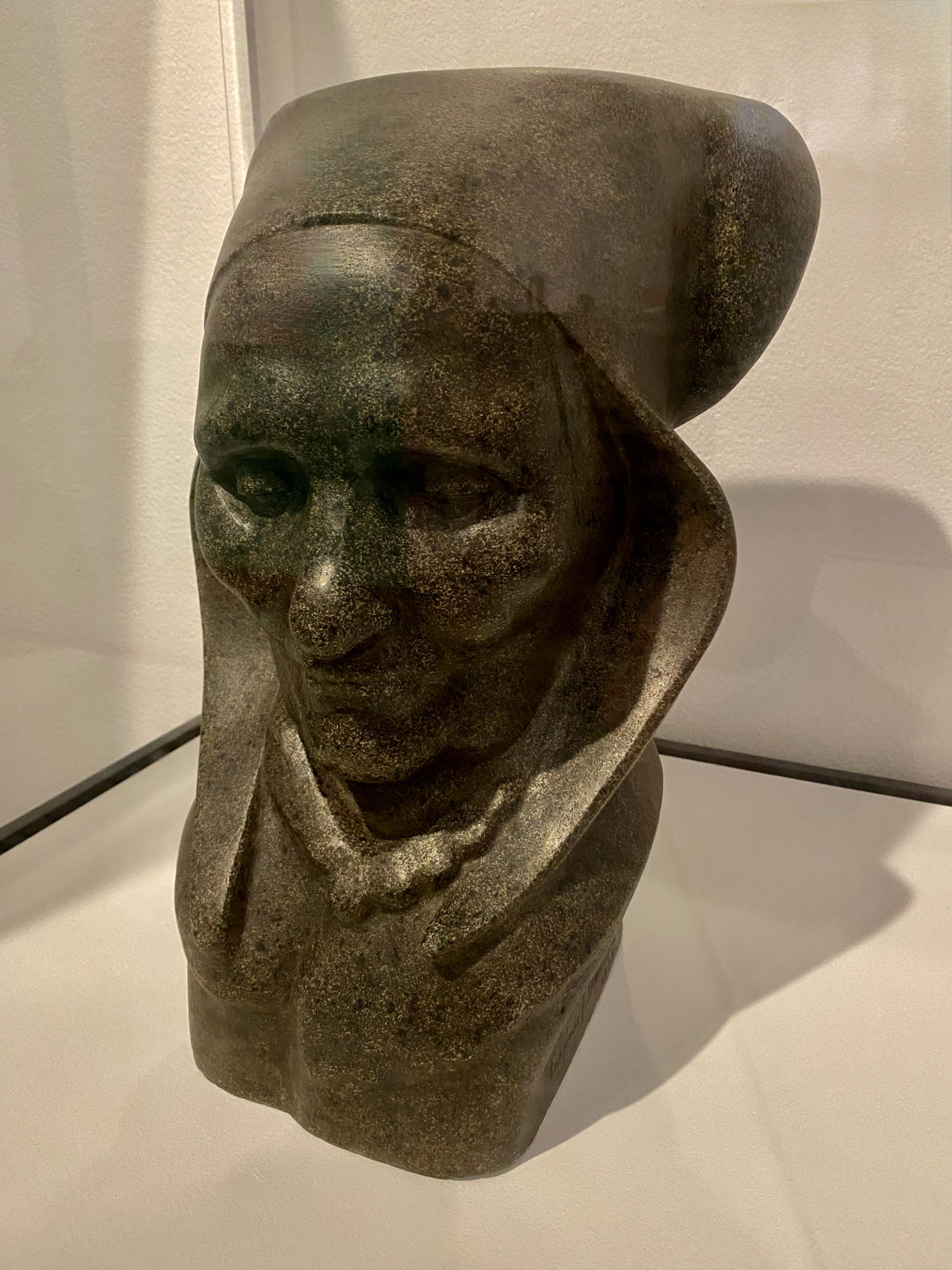
Shonnard’s 1923 granite portrait of a Basque woman, La Grandmére.
Shonnard’s 1926 direct-carved mahogany portrait of Dr. Charles Eastman, Chief Ohiyesa Communing with the Great Spirit.

Always considered a talented watercolorist, her teenage life took quite a turn when her mother allowed her to enroll in the New York School of Applied Design for Women – a school that taught proficiency in the “lesser arts” like lacemaking, wallpaper design, and book illustration, and cover design so that young women could have “appropriate” careers.

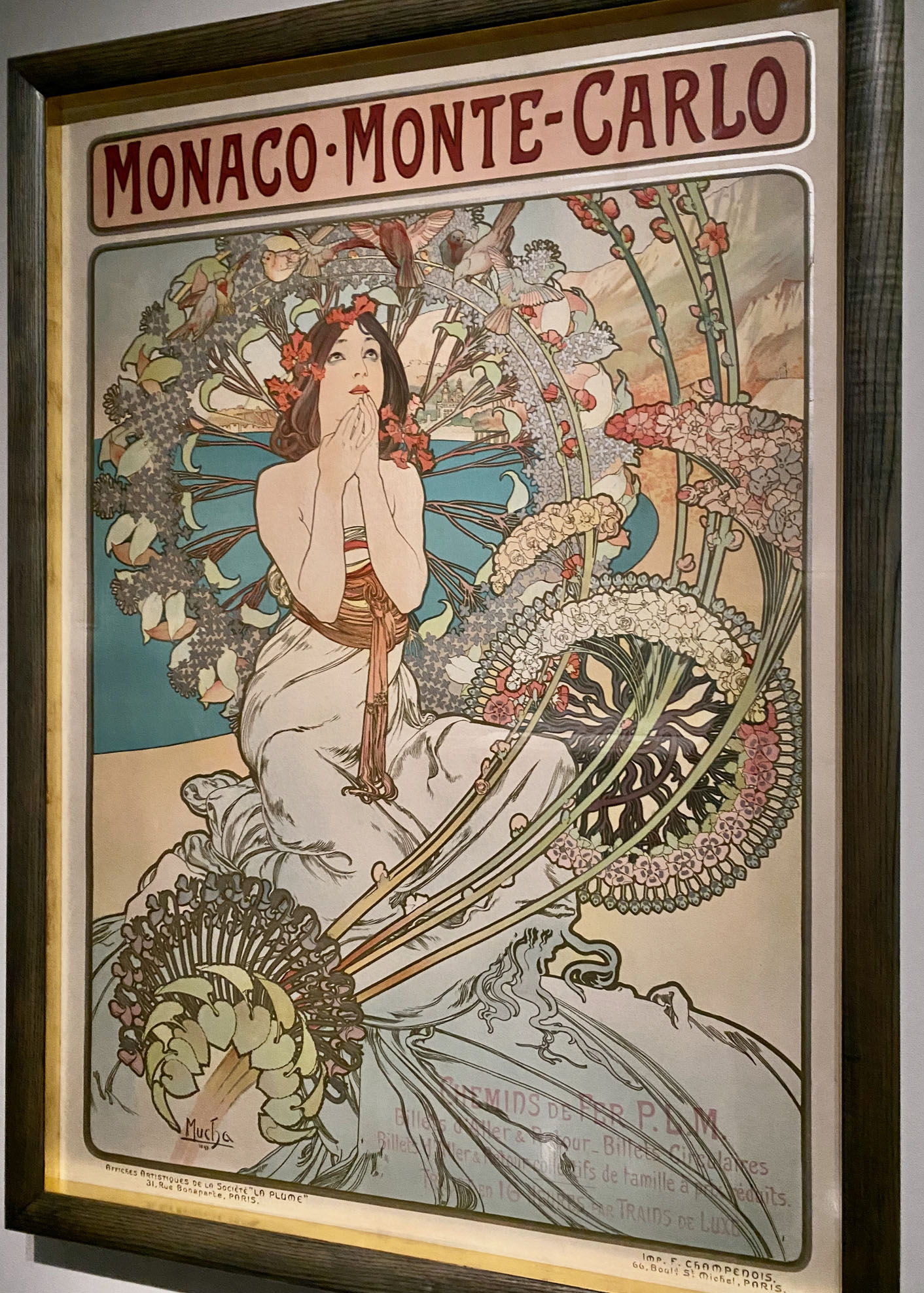
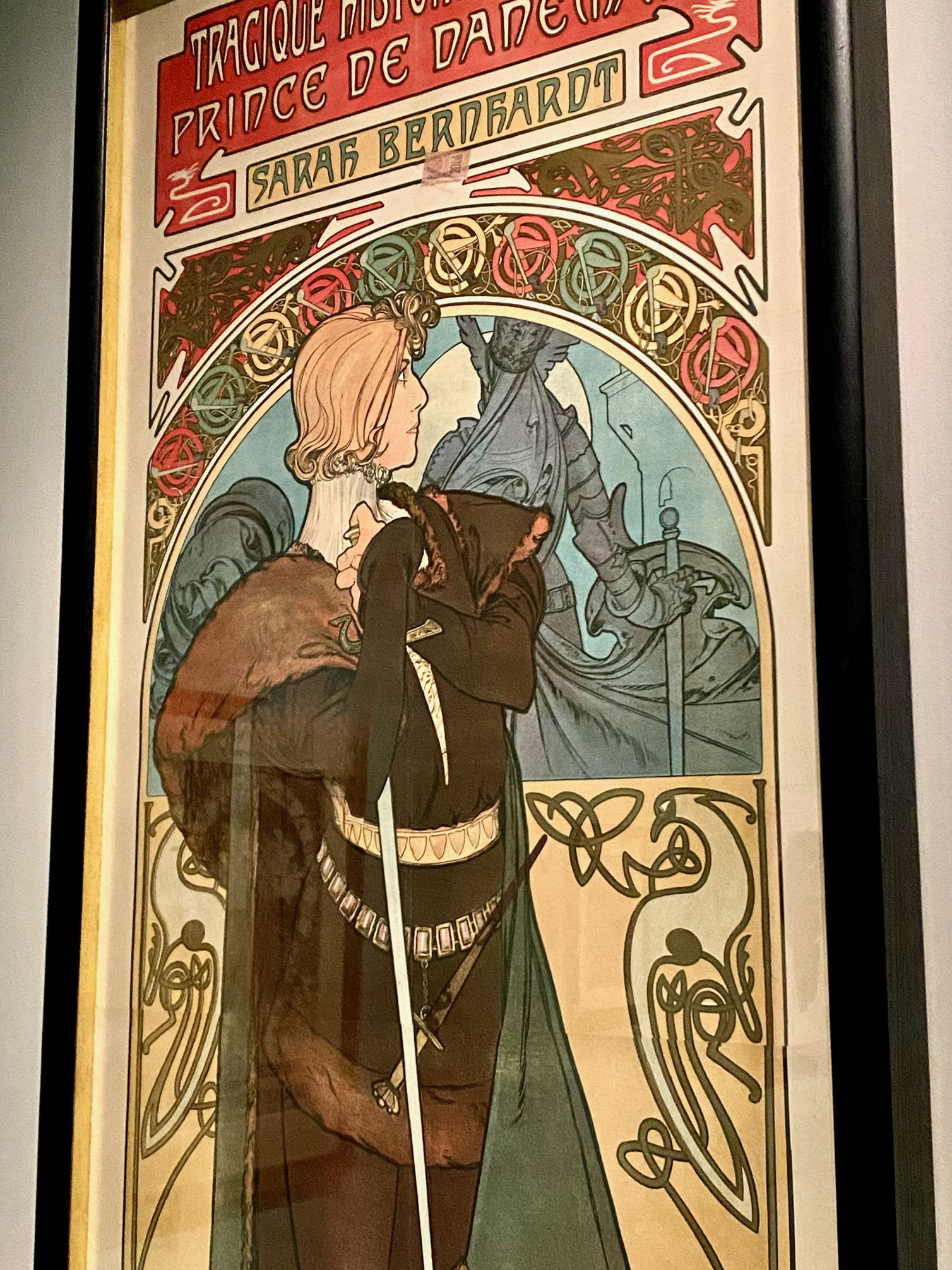
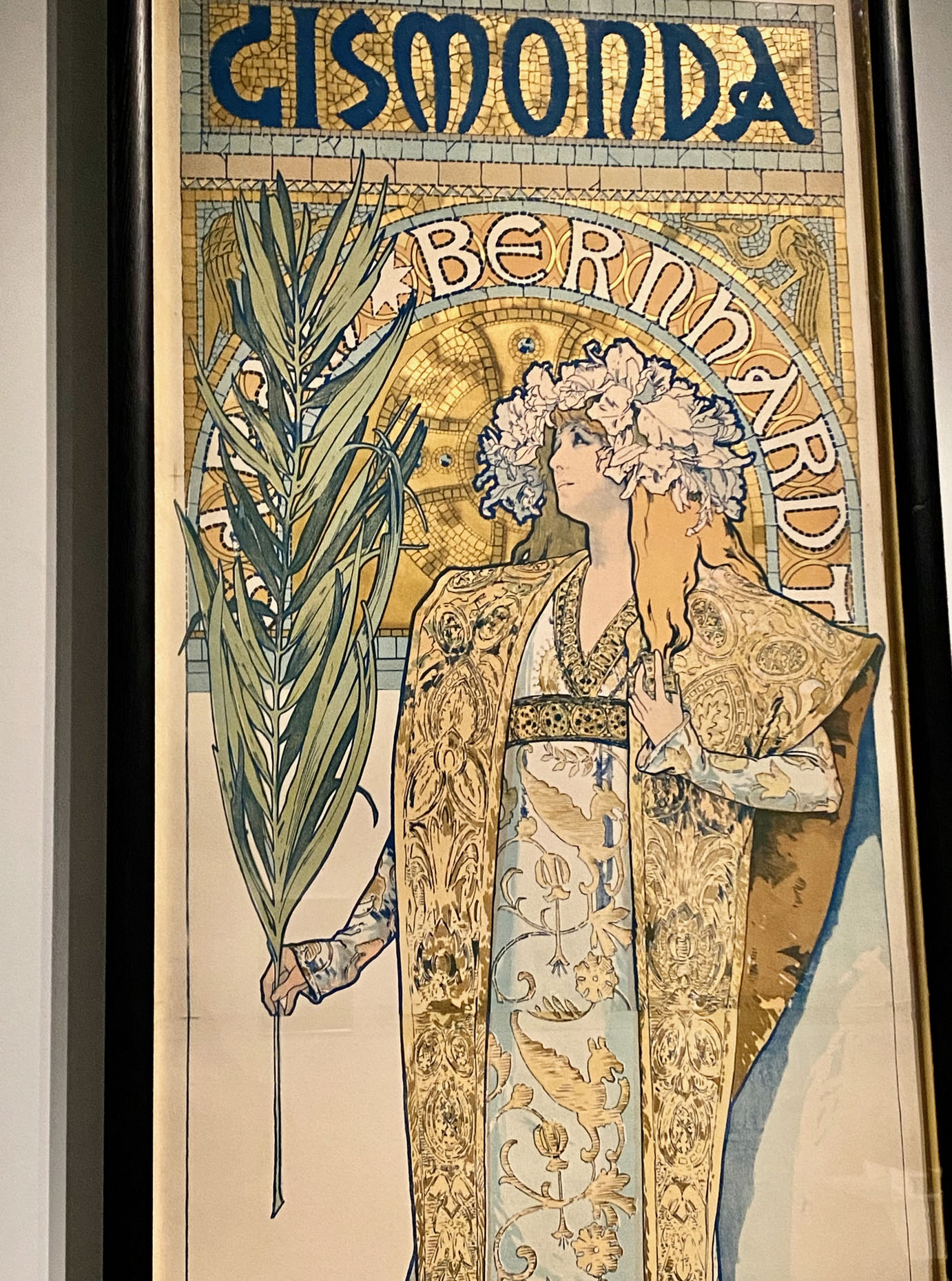
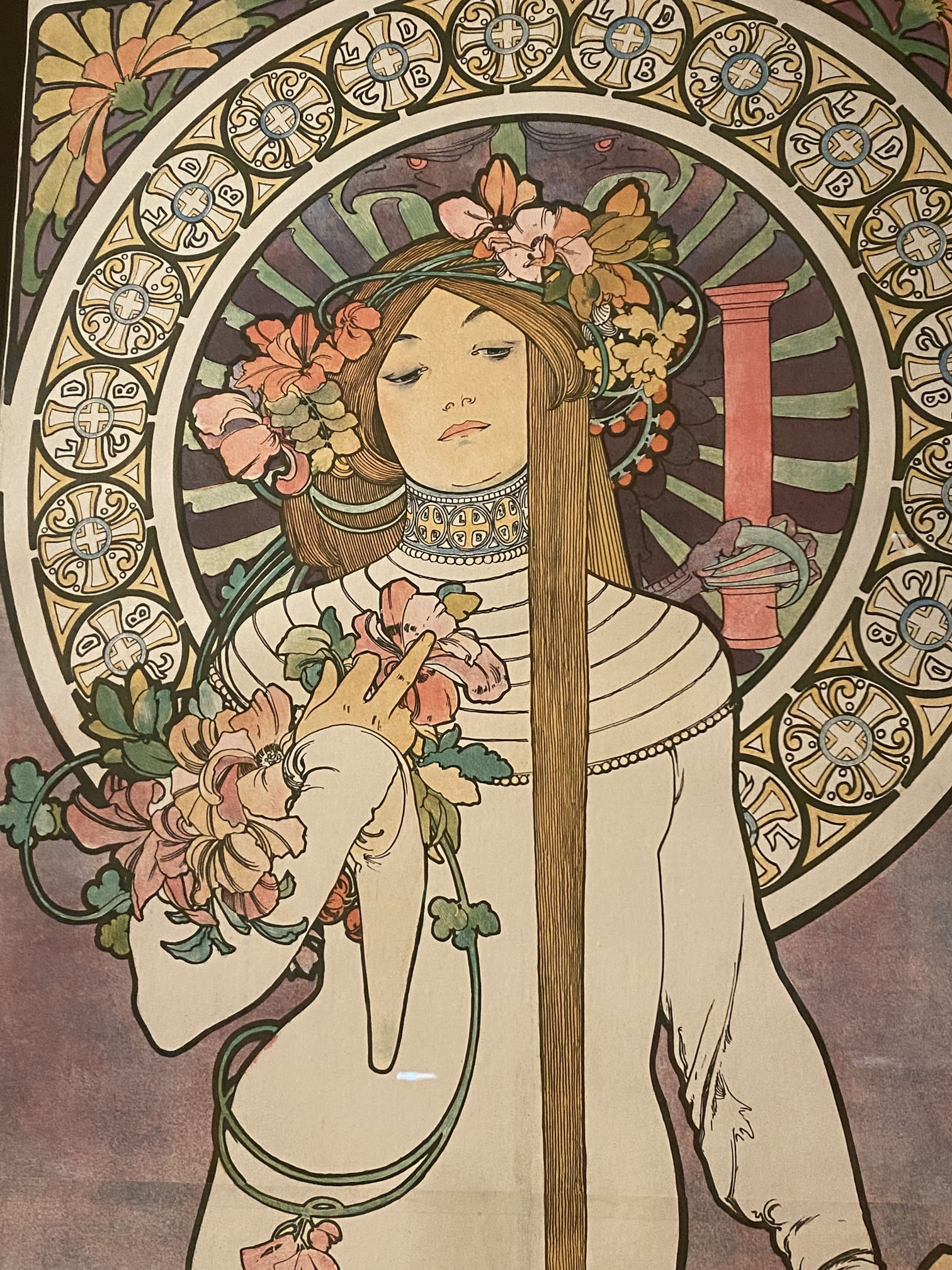
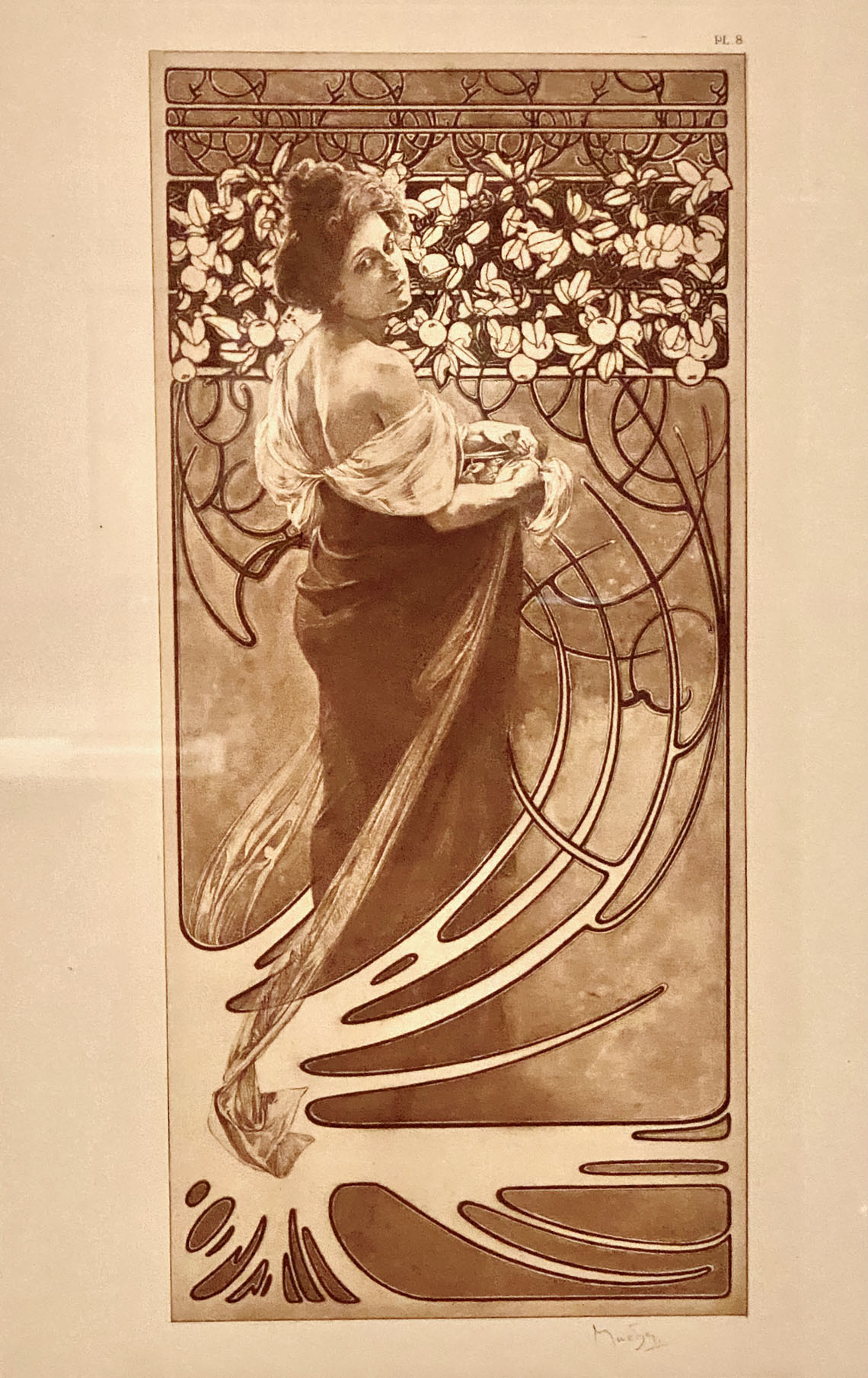
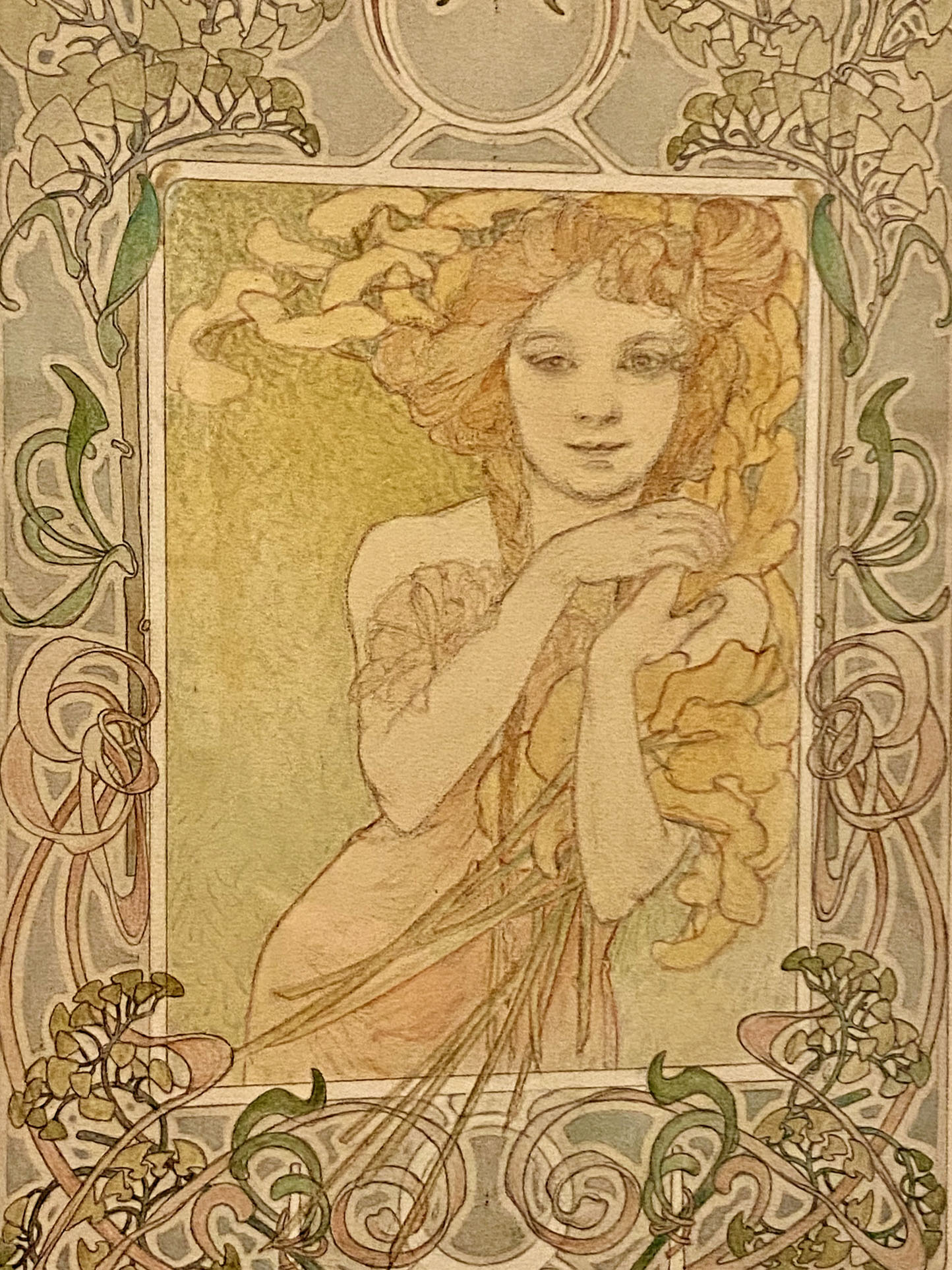
Shonnard’s 1907 pencil and watercolor design in the pastel “Mucha style” – organic designs framing ethereal woman with flowing tresses.

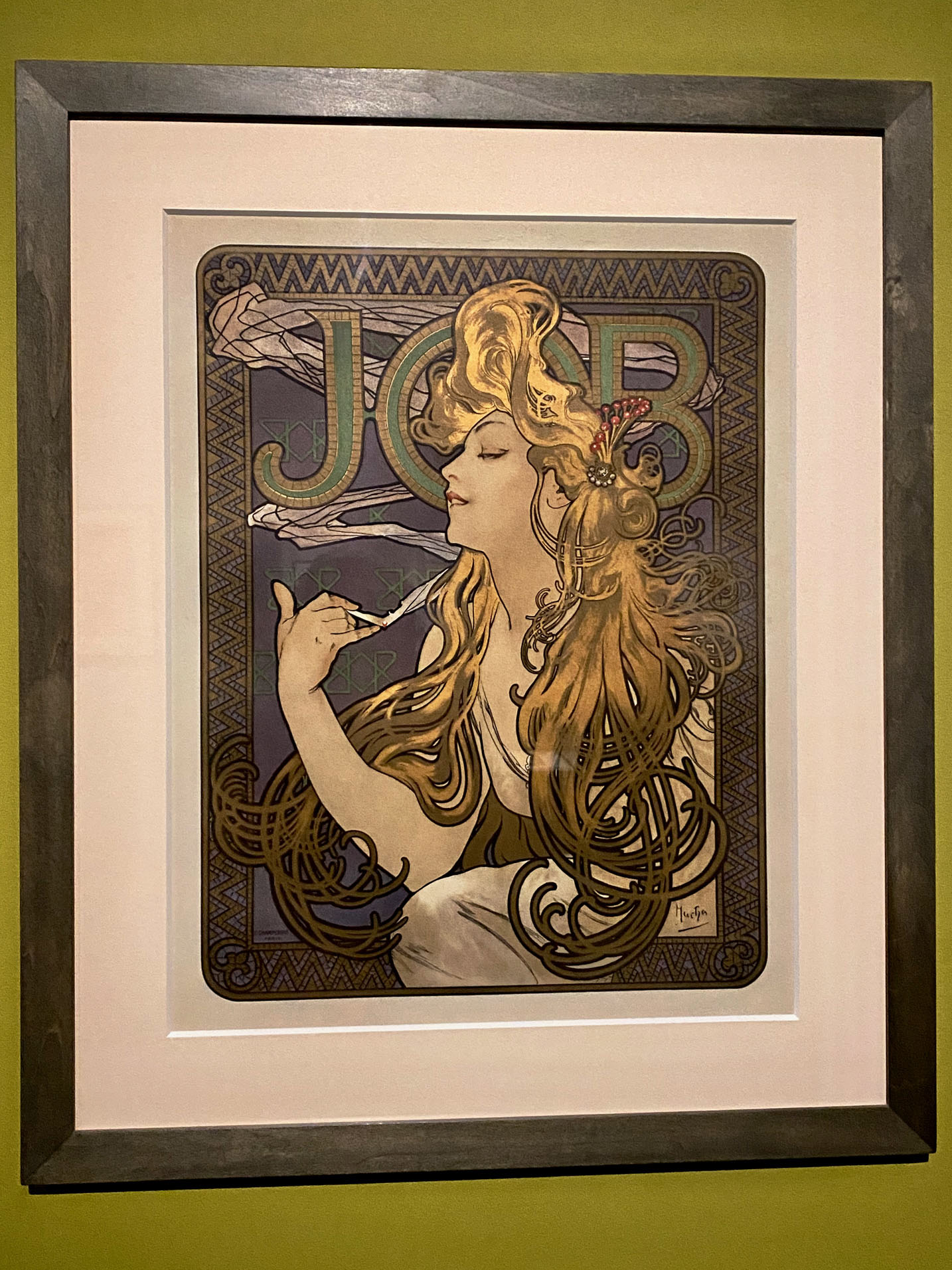
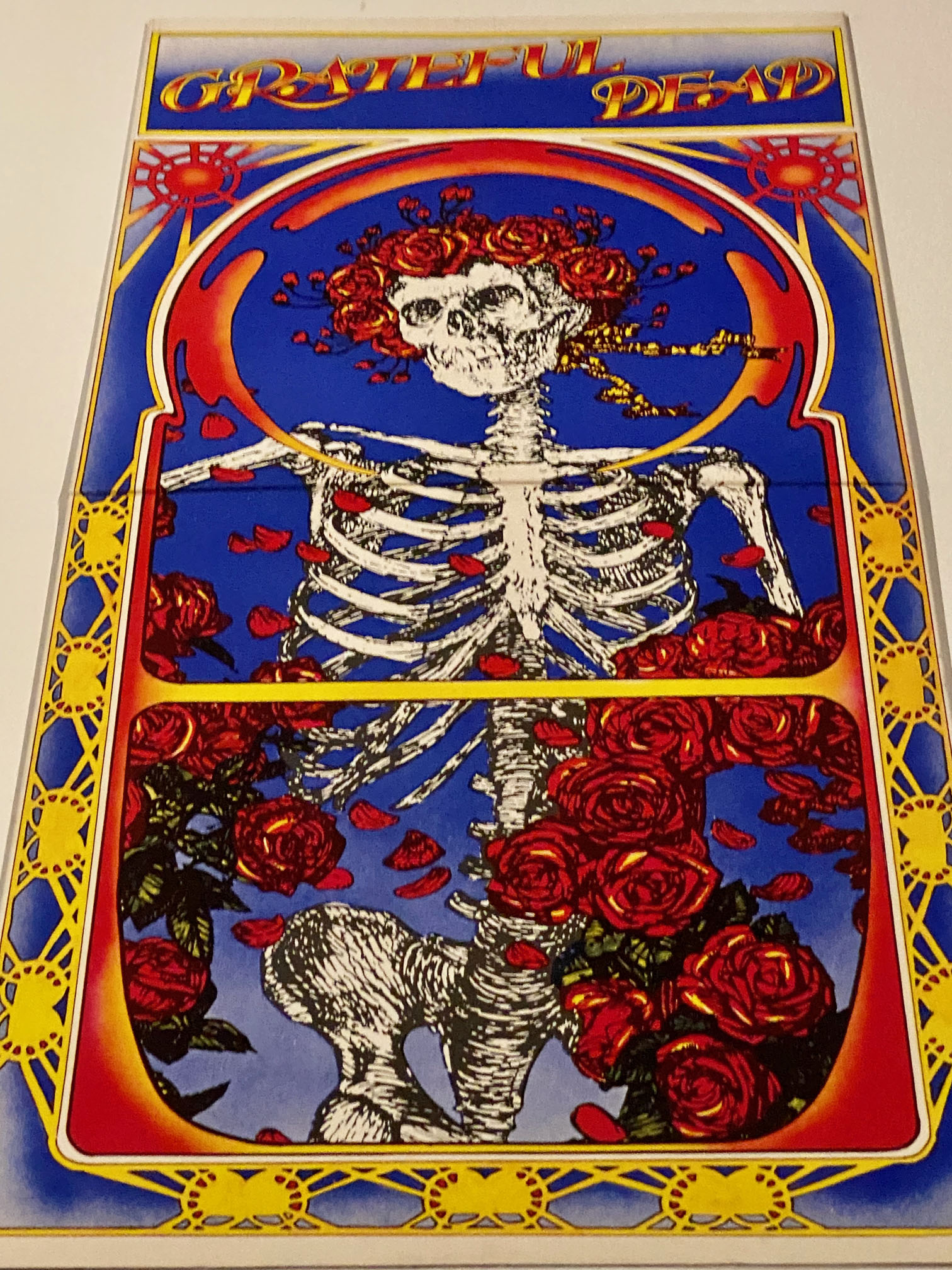
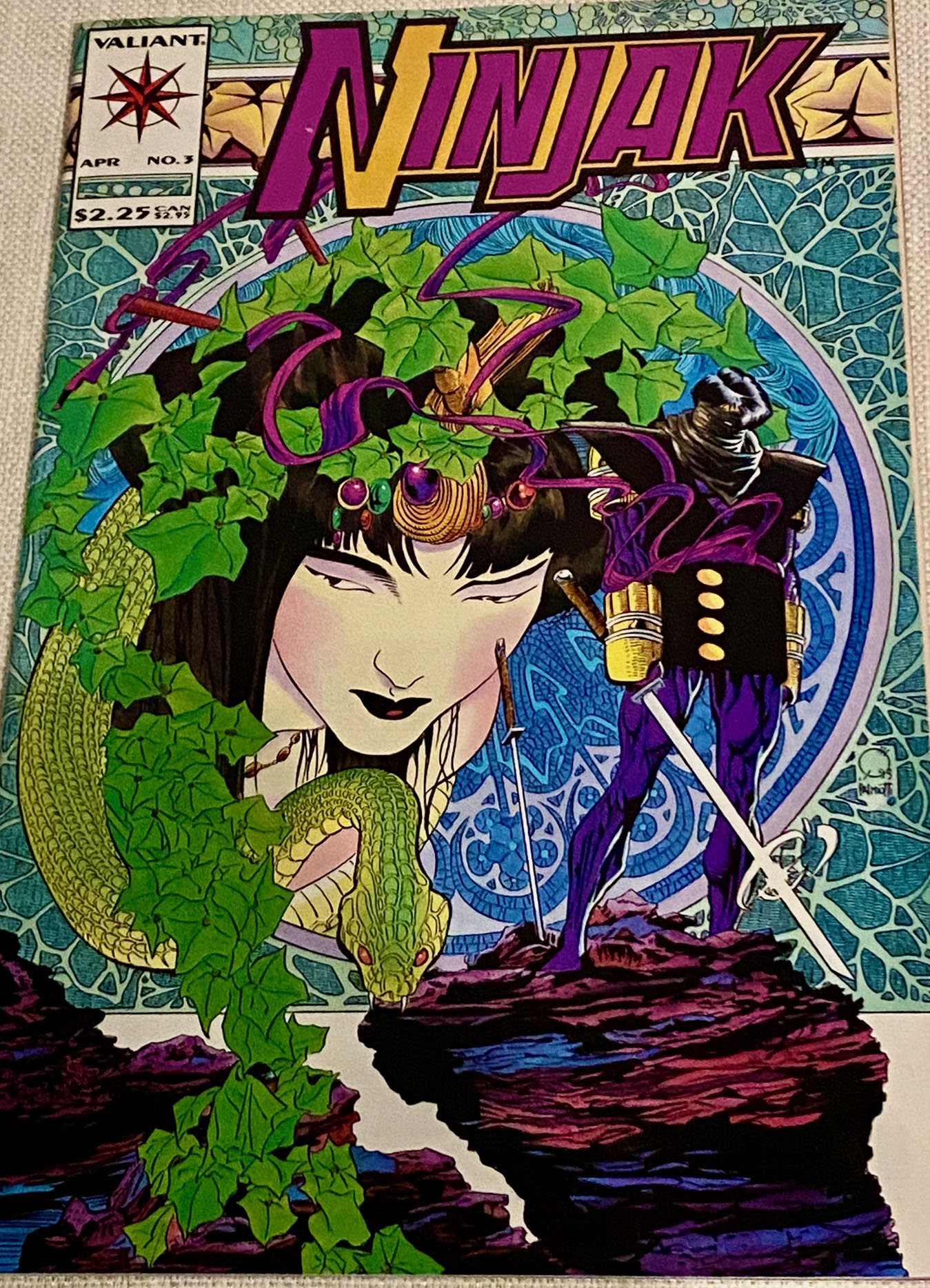
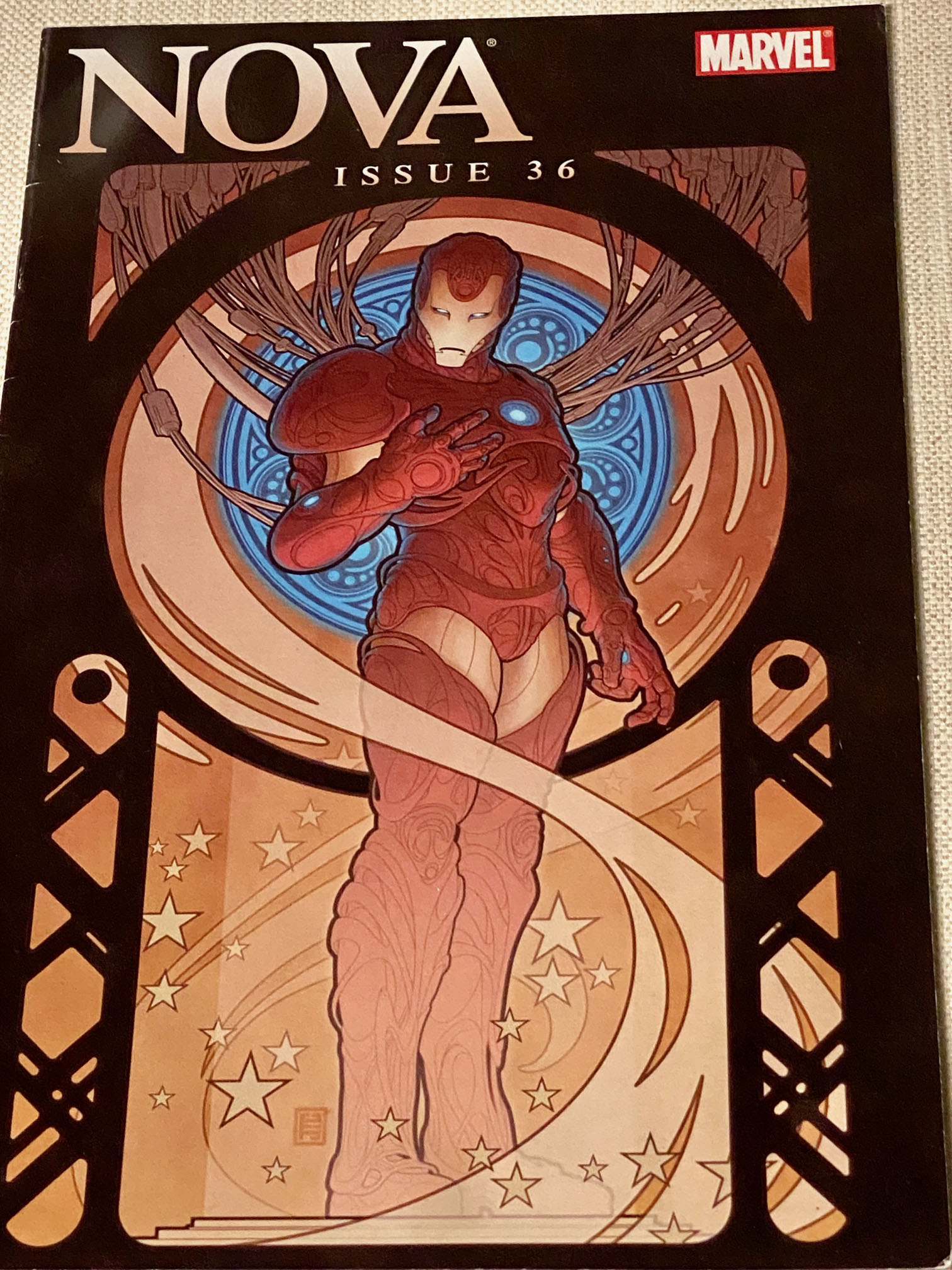
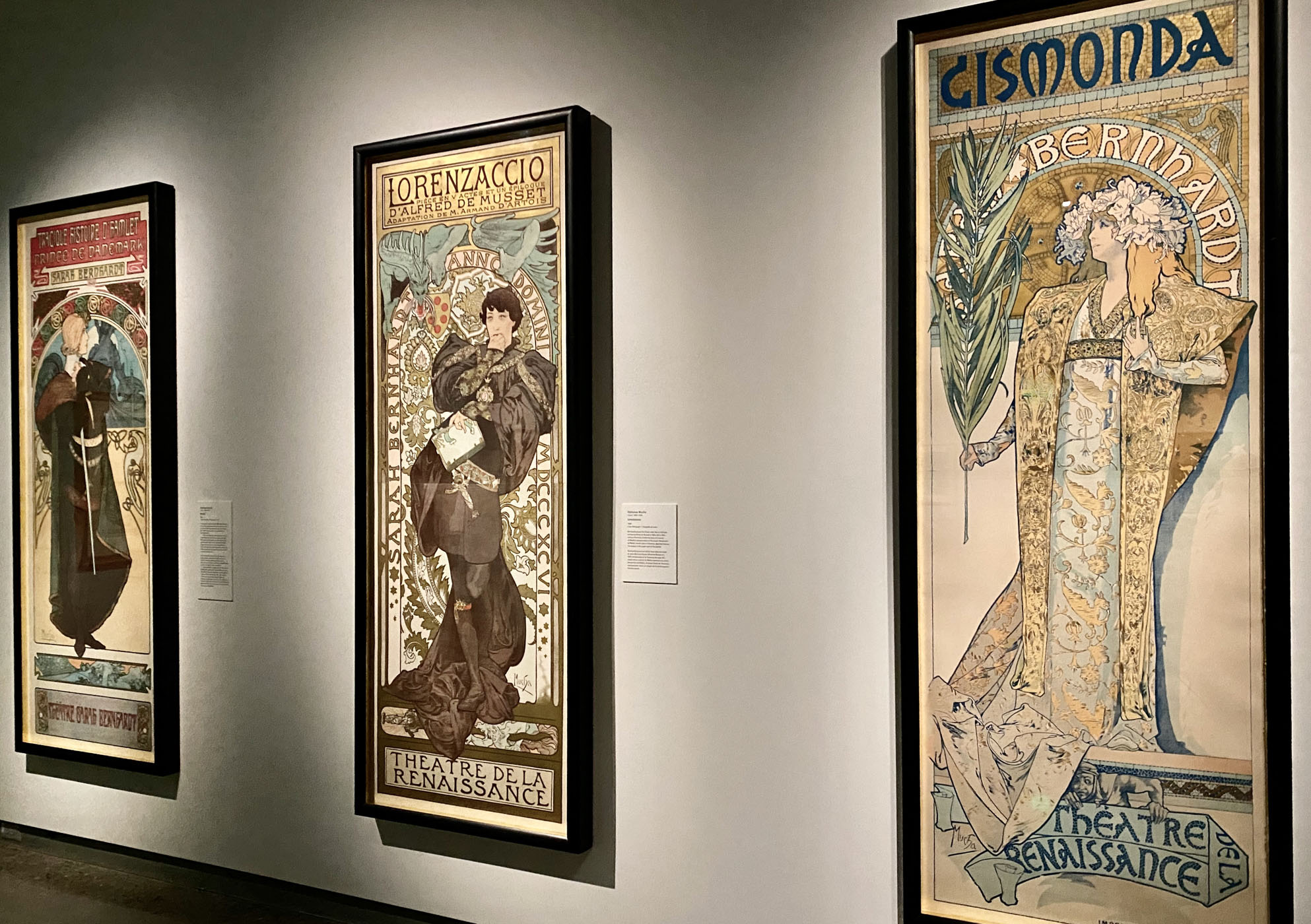
The most sought-after course was a figure drawing class taught by a visiting European professor – the famous Art Nouveau superstar Alphonse Mucha. A master draughtsman and designer, he taught students how to convey human expression in quick, sure, animated line and to use expressive, organic designs from nature to give their work a modern something extra.

Mucha immediately recognized Shonnard’s skill in blending human empathy and line, and advised her to think beyond what was offered at her school. He suggested that she go to Paris, train with top European sculptors (he’d provide letters of introduction), and seriously purse a “fine arts” path.  

Although her doctors advised her against making the long transatlantic passage, she and her mother set off for Paris in 1911. She loved it! She followed up with Mucha’s suggestions (and contacts), began her fine-arts sculptural training, and met other young American female sculpture students (like Gertrude Vanderbilt Whitney and Malvina Hoffman) who were soaking up all of the influences that the Parisian modern art scene offered.

Although he had retired from teaching students, Rodin made an exception for Shonnard and told her he’d be happy to review her work periodically. She worked across a variety of sculptural media (stone, clay, wood) in the atelier of Antoine Bourdelle (an early adoptor of Art Deco who also taught Matisse), showed with the American Woman’s Art Association, and exhibited at the Paris Salon.

When World War I forced Shonnard’s return to New York, she enrolled at the Art Students League for classes with superstar American sculptor James Earle Fraser.

Two of Shonnard’s popular garden commissions – a crane and pelican.

Combining everything she learned from Rodin, Mucha, Bourdelle, and Fraser, she began to excel in stripping her depictions of her subjects down to the essentials that captured each person (or animal’s) inner spirit.

Inspired by Brittany: Shonnard’s 1926 oak Figure of a Woman. Courtesy: Panhandle-Plains Historical Museum, Canyon, Texas

Her career began to take off – commissions for sculptures, shows in New York, and acclaim for her portraits of people and gentle animals. Shonnard made the most of it, showing at New York galleries and the Booklyn Museum, working with her mentor Mucha, and criss-crossing America and Europe in the 1920s.

Like decades of artists before her, she was often drawn to Brittany to capture the spirituality, nature, and culture of the people in her art.

In 1925, she made a fortuitous stop in New Mexico at the invitation of museum director Edger Lee Hewitt, who introduced her to the thriving art community and innovative Native American artists. 

As with Brittany, much about the Southwest resonated with her – dramatic landscapes, spirituality of ancient New Mexican cultures, and the unique architecture and religious art of old churches.  She also drove out into the country to create plein air watercolors of the same Abiquiu landscapes that later inspired O’Keeffe.

Shonnard’s 1925 watercolor of Abiquiu’s unique landscape, Red and White Cliffs with Mesa.

Her sculptures inspired by her New Mexico experience created a sensation in Paris in 1926 – beautiful, direct-carved portraits from the faraway Southwest on display next to her work from Brittany.

Shonnard’s untitled 1925 mahogany Indian bust, shown in her solo show in Paris.

By 1927, Shonnard moved permanently to Santa Fe and began her own full-time studio from which she produced commissions, designed Southwest-inspired furniture, and explored Spanish and Pueblo cultures more deeply.

The exhibition includes designs for private chapel commissions with John Gaw Meem, examples of her furniture, and keenstone panels – her lightweight material invention that liberated her from manipulating heavy granite and wood in her studio, so she could keep carving and sculpting with a lighter material well into her seventies.

People who knew Shonnard said that she exuded a positive spirit throughout her life, seeking harmony with nature, animals, and people. It’s fitting that this retrospective includes a large room populated with her beloved birds, woodland, and backyard animals, and concludes with works by local artists she admired and whose works she collected – Maria and Juan Martinez and Awa Tsireh.

Detail of Shonnard’s Madonna sculpture.
Shonnard’s 1950 portrait Maria, a tribute to the acclaimed San Ildefonso artist.

Get to know this Santa Fe legend by looking through all her beautiful work (and work by her mentors) in our Flickr album.

Parisian Orphists Cover Guggenheim with Color

Ascending the ramp inside the Guggenheim Museum to enjoy Harmony and Dissonance: Orphism in Paris, 1910-1930, European optimism and color abound. The exhibition, on view through March 9, 2025, showcases the exuberance and innovation of artists living in early 20th century Paris, who felt exhilarated by the profusion of modern forms of music, dance, and architecture and used abstraction and prismatic color to translated their enthusiasm.

Avant-garde power couple Robert and Sonia Delaunay broke from analytic cubism’s monochromatic approach and injected pulsing color into the art-scene conversation in Paris.

Robert Delaunay’s 1911-1912 Red Eiffel Tower – modern architecture and cubism with a twist of color.

Inspired by 19th century color theory (wheels demonstrating complimentary and dissonant colors), they painted swirling orbs pulsing with harmonies and contrasts to show optimism about the future.

Modern buildings like the Eiffel Tower, electrification of city streets, and the syncopation in dance-hall music created a pre-war energy in Paris that motivated these “orphists.” Everything seemed to be happening simultaneously. Harmonious and dissonant colors and whirling shapes on large canvases seemed a good way to represent it, as shown in the Guggenheim’s fun musical promo:

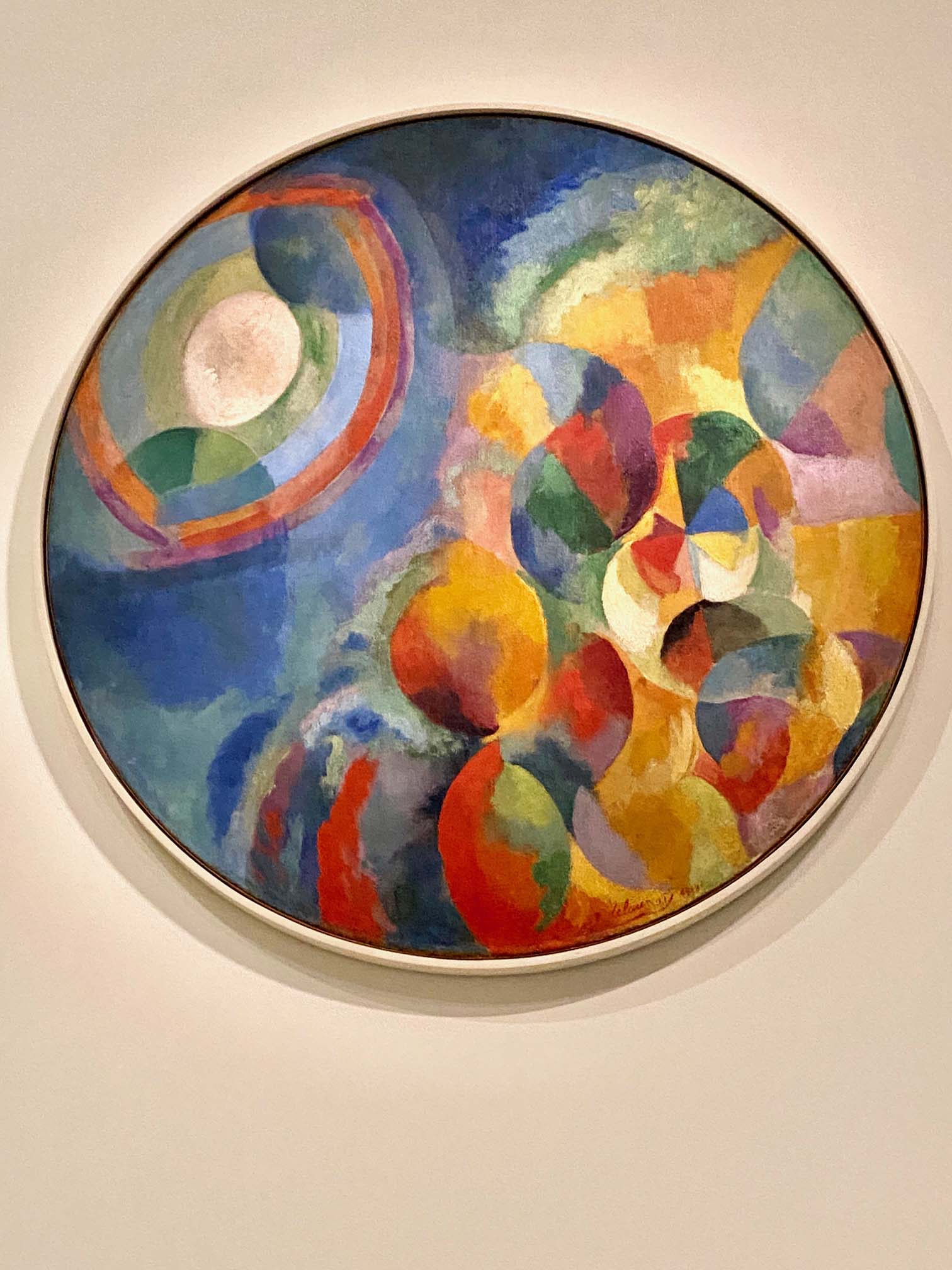
The style was named “orphism” by none other than Apollinaire himself.  Robert Delaunay’s works in the exhibition include some of his early experimentation with abstract oval “windows,” his abstract riffs on the cosmos, and canvases still showing a hint of the real world.  All convey the simultaneous push-pull of Paris, modern life, and larger scientific forces.  

Robert Delaunay’s 1913 Simultaneous Contrasts: Sun and Moon. Courtesy: MoMA
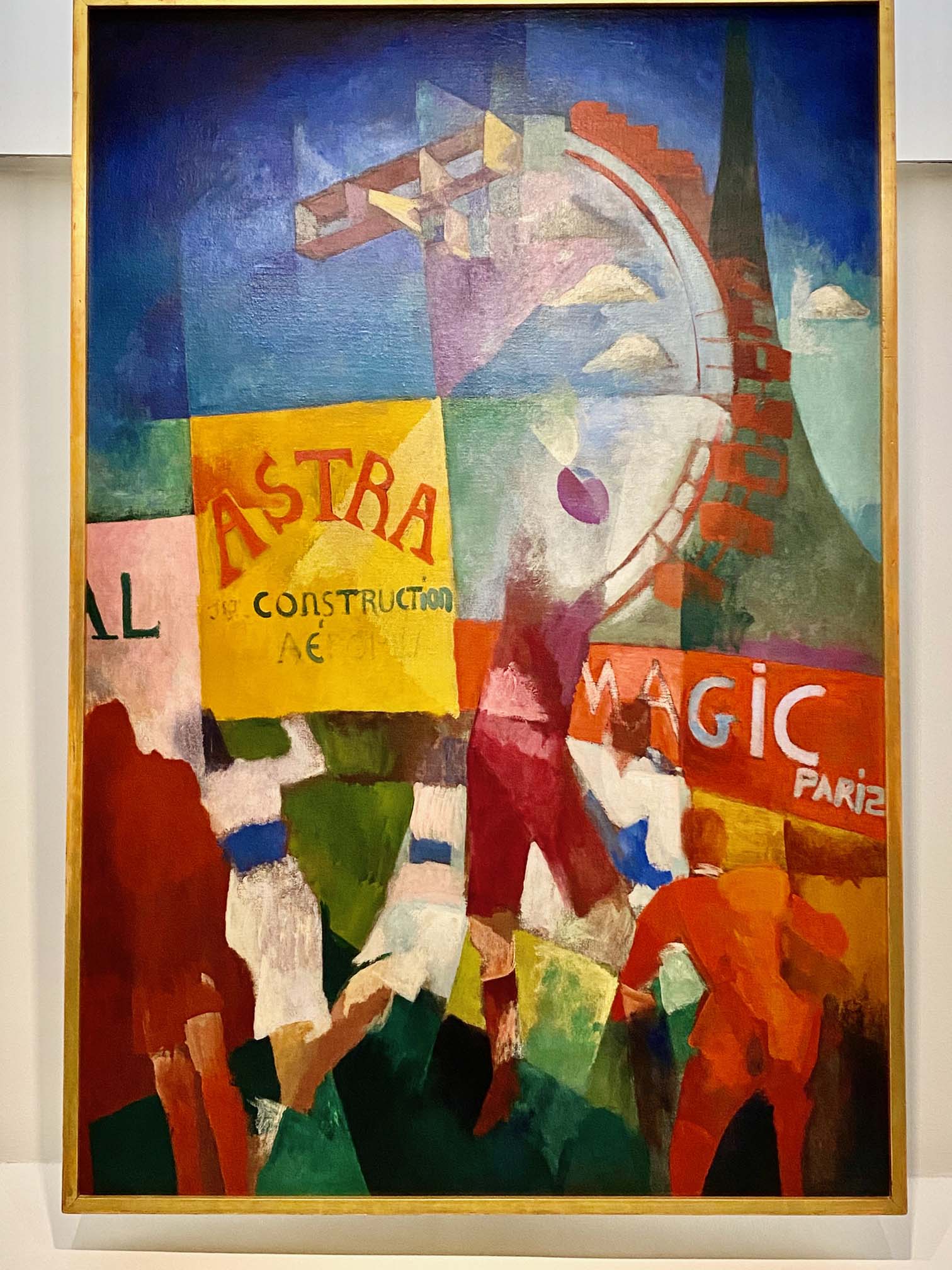
Robert Delaunay’s 1913 The Cardiff Team, with Eiffel’s tower, aerial achievements, and sports dynamics. Courtesy: Van Abbemuseum, The Netherlands.

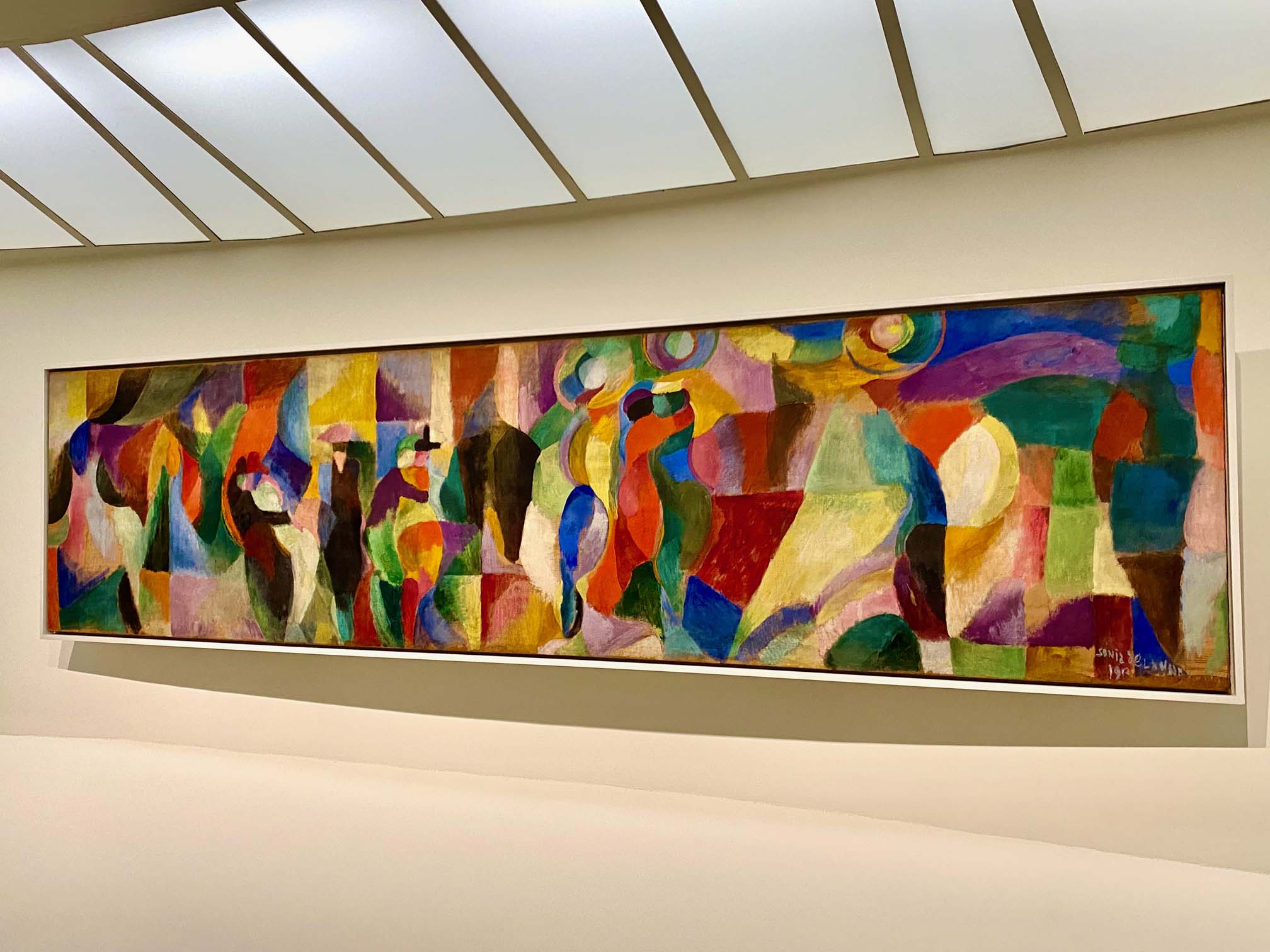
Many of Sonia’s orphist paintings are featured, including a gigantic horizontal color work inspired by the dynamic movement of tango dancers at a popular Parisian club. No doubt the massive 2024 Bard Graduate Center Gallery show about her forays into fashion and other creative fields (Sonia Delaunay: Living Art) influenced the Guggenheim curators to include her painted toy box and her celebrated super-tall accordion-book painting representing her collaboration with poet Blaise Cendrars.

Sonia Delaunay’s 1913 oil Bal Bullier inspired by dynamism of tango dancers at the popular Parisian club. Courtesy: Centre Pompidou

Innovations by the Delaunays are placed alongside other artists’ works that reflect the artistic breakthroughs of the early Twentieth Century – Kandinsky’s abstraction, the Blue Rider group’s symbolic use of color, and the synergies that artists felt between abstraction and music. In 1912, Leopold Survage intended to create the first fully abstract film, but the project was halted by World War I. Fortunately, we can envision his plan from his series of dynamic color drawings.

Colored Rhythms series of twelve 1912 ink drawings created by Léopold Survage for the first abstract film. Courtesy: La Cinémathèque Française

The music that inspired the Orphism is referenced throughout the exhibition – the improvisation and free structure of jazz, the dissonance of cutting-edge experimental music, and the staccato of the latest Parisian dance-hall craze – Argentine tango. The curators have even provided musical tracks to underscore this influence.

The Italian futurists Balla and Severini are also featured. Speed, modernity, and simultaneous city sensations were their bread and butter, too, even though they argued in the press and art journals that Futurism and Orphism were totally different.

Italian futurist Giacomo Balla’s 1914 Mercury Passing before the Sun, an allusion to recent cosmic events. Milan’s Museo del Novocento.
Gino Severini’s 1915 Dancer–Propeller–Sea. Courtesy: The Metropolitan Museum

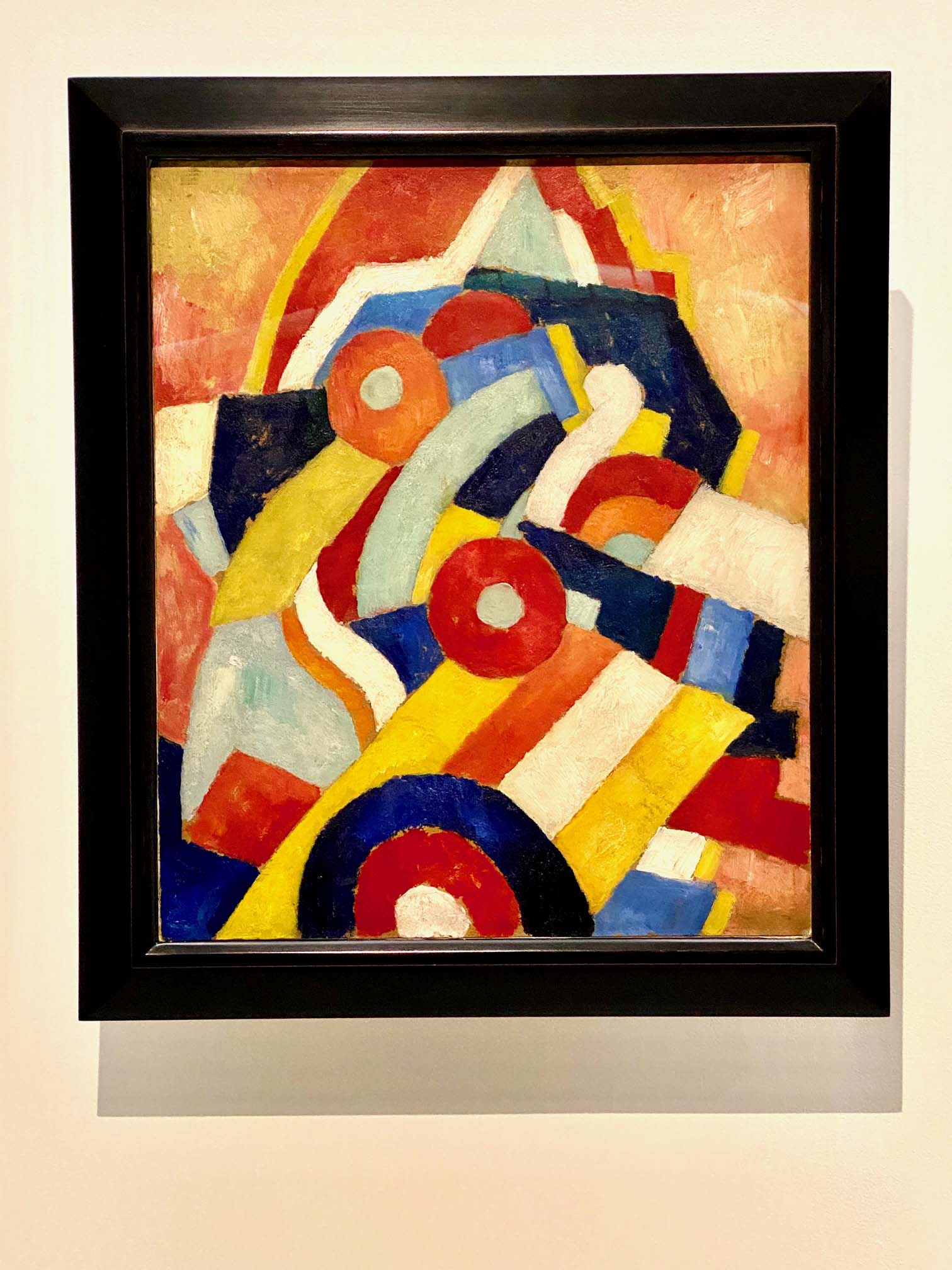
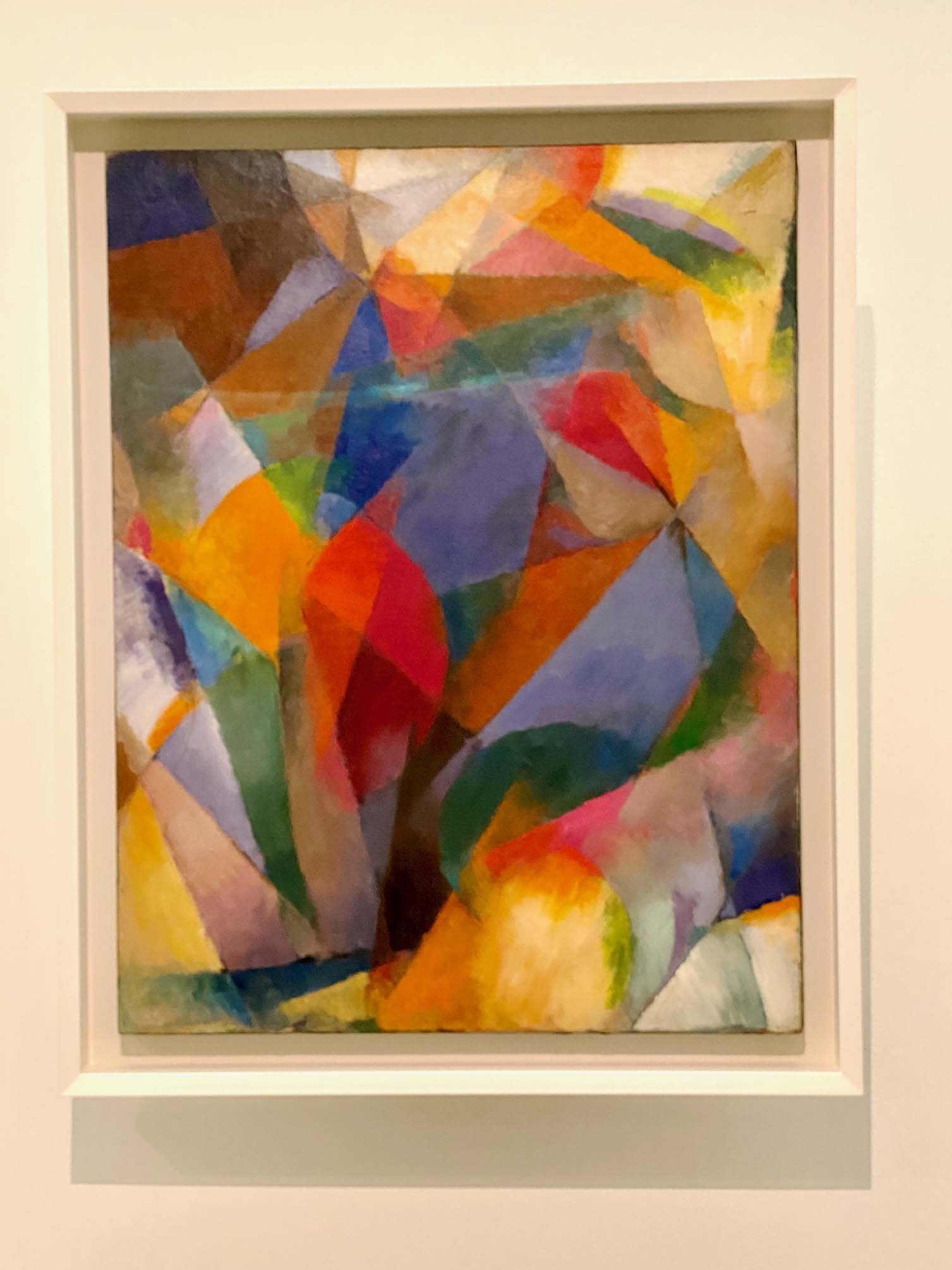
In pre-war Paris, American modernist painters Marsden Hartley, Stanton Macdonald-Wright, and Morgan Russell picked up on Orphism, although the latter two rebranded their work Synchronism when they wrote their manifesto.

Marsden Hartley’s 1914 Abstraction Courtesy: The Museum of Fine Arts, Houston.
Stanton Macdonald-Wright’s 1917 oil Synchromy. Courtesy: MoMA

Even after the War, the Delaunays continued to represent orphism even if they occasionally incorporated real-world elements. Early orphism adopter Albert Gleizes also continued in this style throughout his career, and inspired students like Mairnie Jelett to explore color theory and its potential.

Albert Gleizes’s 1942 Painting for Contemplation, Dominant Rose and Green.
Irish artist Mairnie Jellett’s 1938 Painting. Courtesy: National Museum, NI, Ulster.

Take a look at our favorite works in our Flickr album here, and enjoy a syncpated strut through the colorful side of Modernism in this catalog preview: