
It’s always fun when the MoMA design curators dig into the collection and present innovations that make you look – and think – twice. They’ve outdone themselves with the endlessly fascinating, super-popular, and throught-provoking exhibition, Pirouette: Turning Points in Design, on view through November 15, 2025.
Where (and why) did Crocs evolve? Who improved the paper bag? Who designed the first emojis? What’s the link between M&Ms and the US military? The exhibition celebrates designers and tells stories about eureka moments – a flash of genius in adapting industrial materials to solve everyday problems in unexpected ways.

Each design innovation has its own little curtained cubby, giving the exhibit a luxe red World’s-Greatest-Showman vibe with surprises revealed around each bend. The show has it all – beloved technology innovations, fashion twists, furniture innovations, and ubiquitous everyday items that we take for granted.


See some of our favorites in our Flickr album.
Right at the start, there’s an entire wall where you learn about Shegetaka Kurita, the Japanese innovator who designed emojis in 1998.

The earliest innovation honored in the exhibition is the folding, flat-bottomed paper bag designed by Margaret E. Knight and Charles B. Stillwell in the 1870s. MoMA honors Margaret as one of the first women in the United States to obtain a patent for her invention of the paper-bag manufacturing machine. By unfolding a paper container that “stood up” on its own, clerks were able to pack everything with two hands! Revolutionary shopping efficiency!!

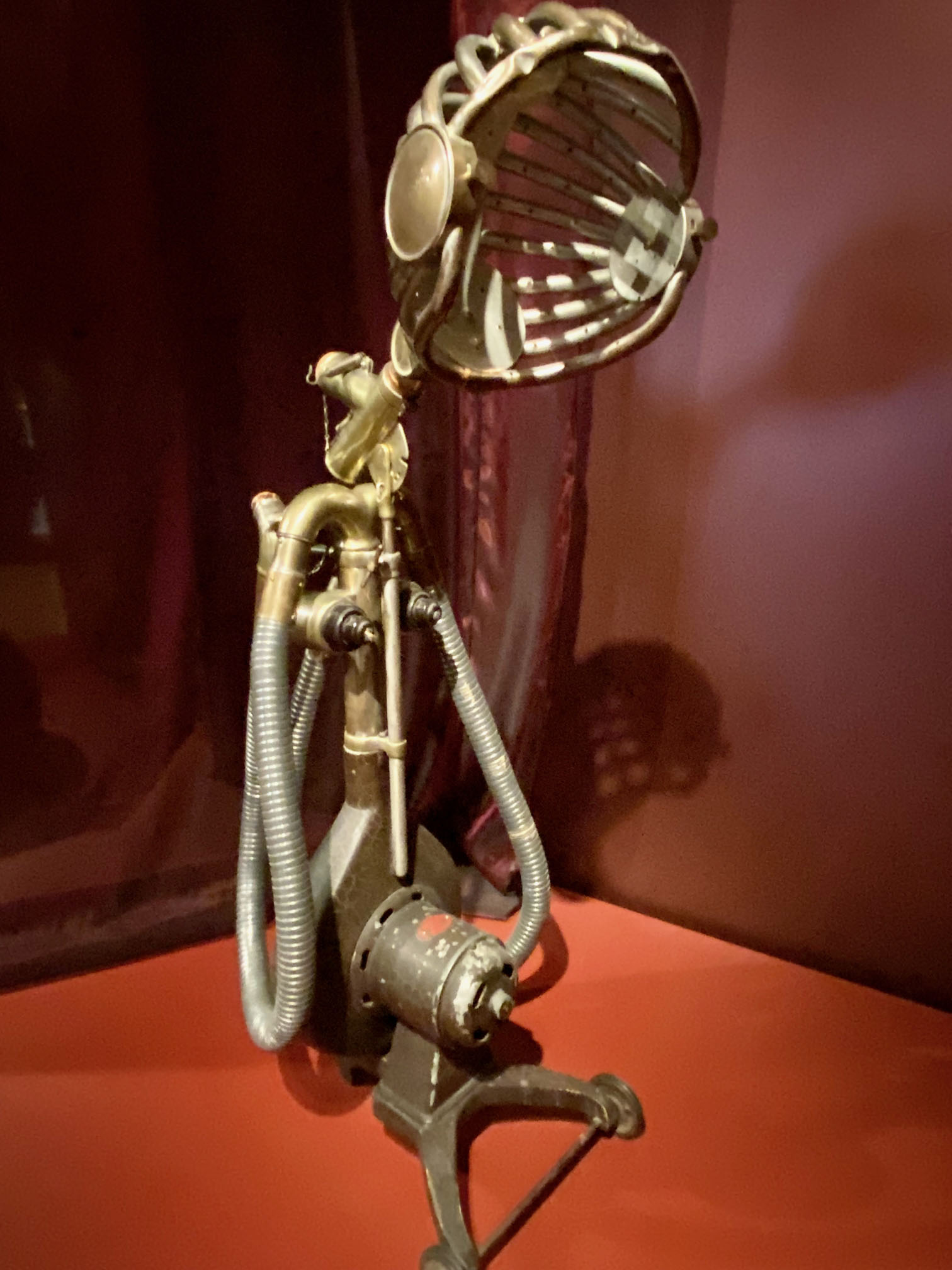
From the early 20th century, we have two European turning points in design – the electric hooded hairdryer and the at-home expresso maker. The Thirties’ version of the Müholos hairdryer is the first invention you see, but its heavy-duty industrial design is a shocker.
The innovative Moka Express expresso pot – invented in Italy during the Great Depresssion – is in every Italian home today. But it was revolutionary in the 1930s because it finally allowed people to economize by brewing at home instead of spending more at the café.

Going back to 1979, the team honors Sony Walkman, the portable music wearable that replaced ginormous boom boxes. Steve Jobs and his team gets a nod for their 1983 Mac desktop all-in-one and everything that came with it – the Oakland font designed by Zuzana Licko for the earliest Mac word processing and Susan Kare’s graphic OS icons. Kare invented the trashcan and didn’t even own a computer!
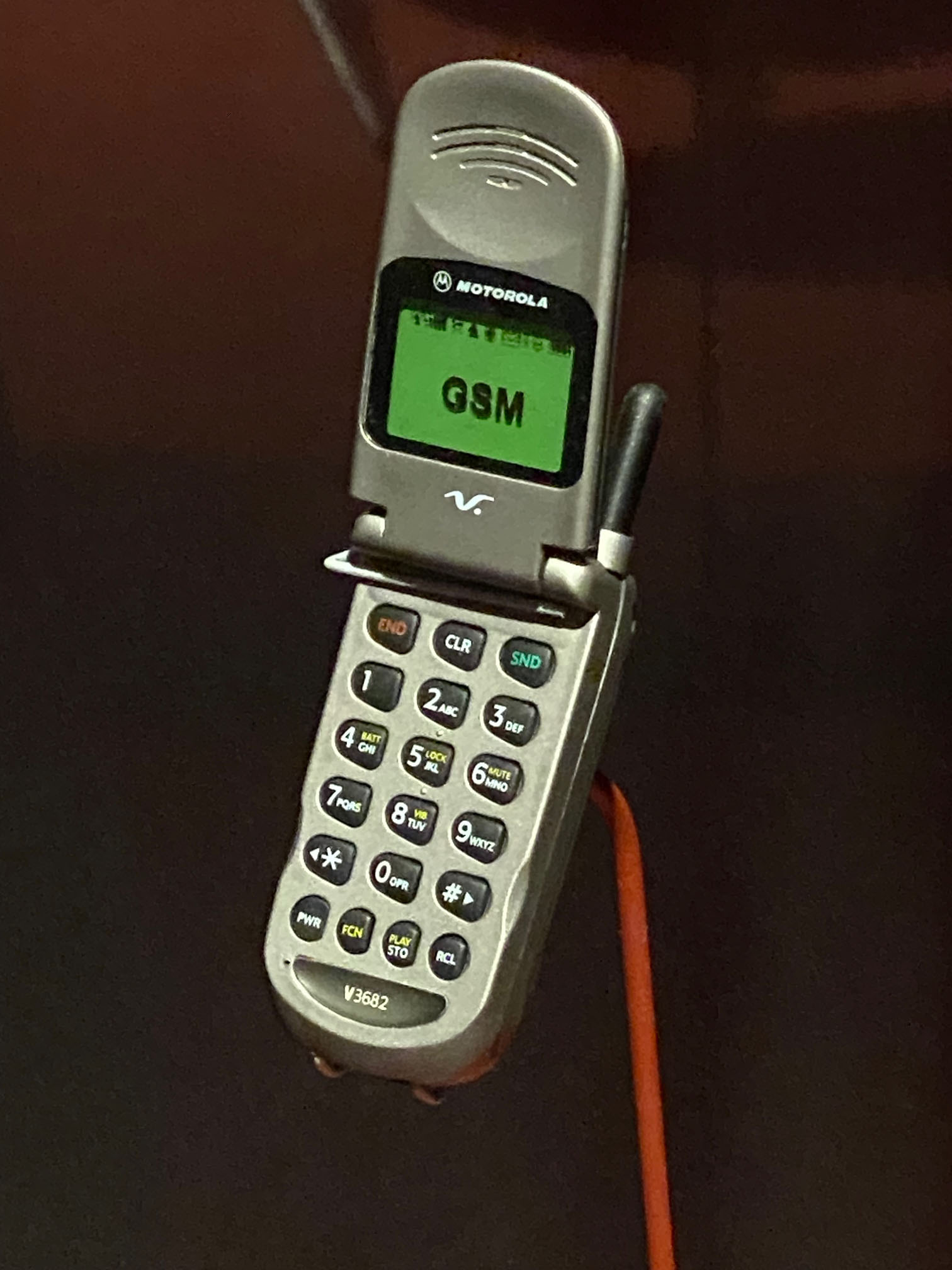
Although the tech world seems to be bringing it back this season, it’s nice to see the design innovation that began it all – 1996 Motorola flip phone!

And speaking of technology at your fingertips, it’s always nice to see MoMA display full-size 1926 Frankfurt kitchen that influenced every modern kitchen that came after it. After WWI, Germany undertook a big modernization project to alleviate the housing crisis. Grete Lihetzk, who designed this kitchen was the only woman on the design team, but she made quite a mark! She studied efficiencies in factory designs and incorporated them into the kitchen – revolving stools, built-in storage, stain-resistant cutting surfaces, and drop-down ironing boards.

Listen to MoMA’s audio guide to hear the backstories of the Rainbow Flag, early Mac OS design, graphic design improvements to familiar signs, and how artificial acrylic nails became a trend.
Here’s a short history of shapewear:
And learn about the Monobloc Chair (designer unknown). It’s everywhere!
 itsnewstoyou