Relax in Denver’s Modern Mexican Chair Collection

2023 A Family of 4 red oak side chairs by LANZA Atelier (Isabel Abascal and Alessandro Arienzo).

Everything you could want from a design exhibition is packed into Have a Seat: Mexican Chair Design Today at the Denver Museum of Art through January 12, 2025 – history, context, videos, inspiration behind the designs, and…

Did we mention that you get to sit on the chairs?

The creative lighting and gallery layout invites visitors to take a journey that reflects Mexico’s ancient and colonial history – just like the work of the 22 designers featured here.

Everything on display is part of the Denver Museum’s permanent design collection,

The museum has created an environment that’s engaging and fun, so visitors seem to take time to read about the designers and the history of Mexican furniture while they sample the diverse range of furniture (“it’s more comfortable than it looks!”) as they wind their way through the clean, modern installation. View it all in our Flickr album.

Laura Noriega’s 2012 Your Skin chair made of walnut, handwoven cotton, and synthetic fabric, combining Japanese woodworking and Mexican textiles.

As you enter, you’re greeted by a tiny carved Guatemalan figurine from 300-100 CE, showing the type of simple thrones from which Olmec rulers or religious leaders might sit – a backless seat. Ancient civilizations are the inspiration for the innovative seats made by the first set of designers.

Some of these humble-looking stools by Camilia Apaez and HABITACIÓN 116 are made from stoneware, basalt and volcanic ash – harkening back to landscapes, environments, and simplicity that resonates with these forward-looking 21st century designers. 

Camila Apaez’s 2002 stoneware Room in the Cave seats – inspired by deep associations with Paleolithic and Neolithic architecture and ceramics.
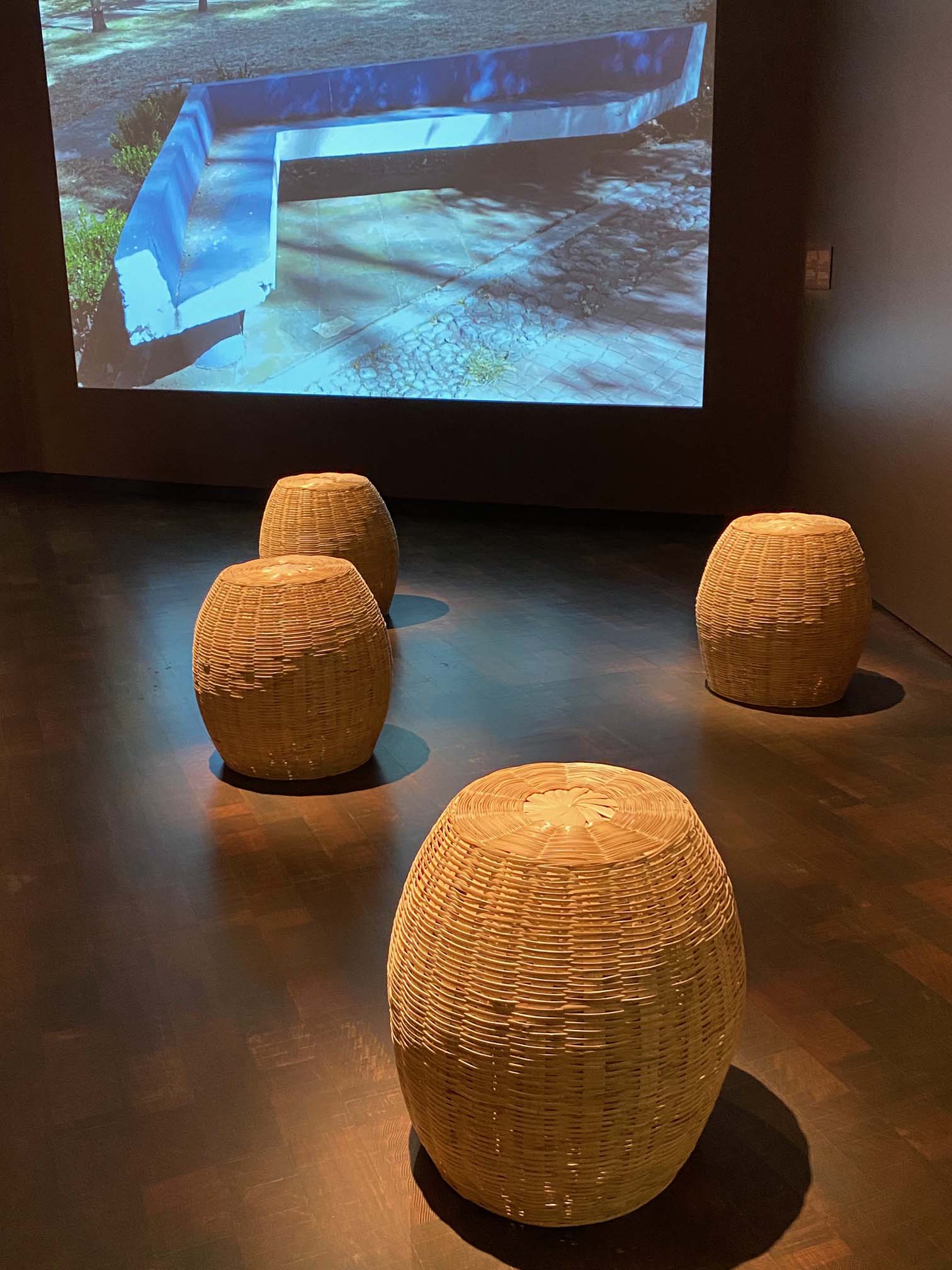
Raúl Cabra’s 2009 Bamboo seats made from carizzo reeds; video shows public seating.

Visitors are invited to sit and experience the enjoyment of relaxing in each of the exhibition areas – and many couples and families do!  It’s nice to sit and watch the large-screen videos that take you on a trip around Mexico, showing you modern and traditional public seating areas along city streets and town squares.

Not all of the stools are minimalistic, proven by the creations of Aldo Alvarez Tostado, who turned from architecture to making smaller pieces that enabled him to work with traditional Mexican weavers and woodworkers to invent seats that are run and new.
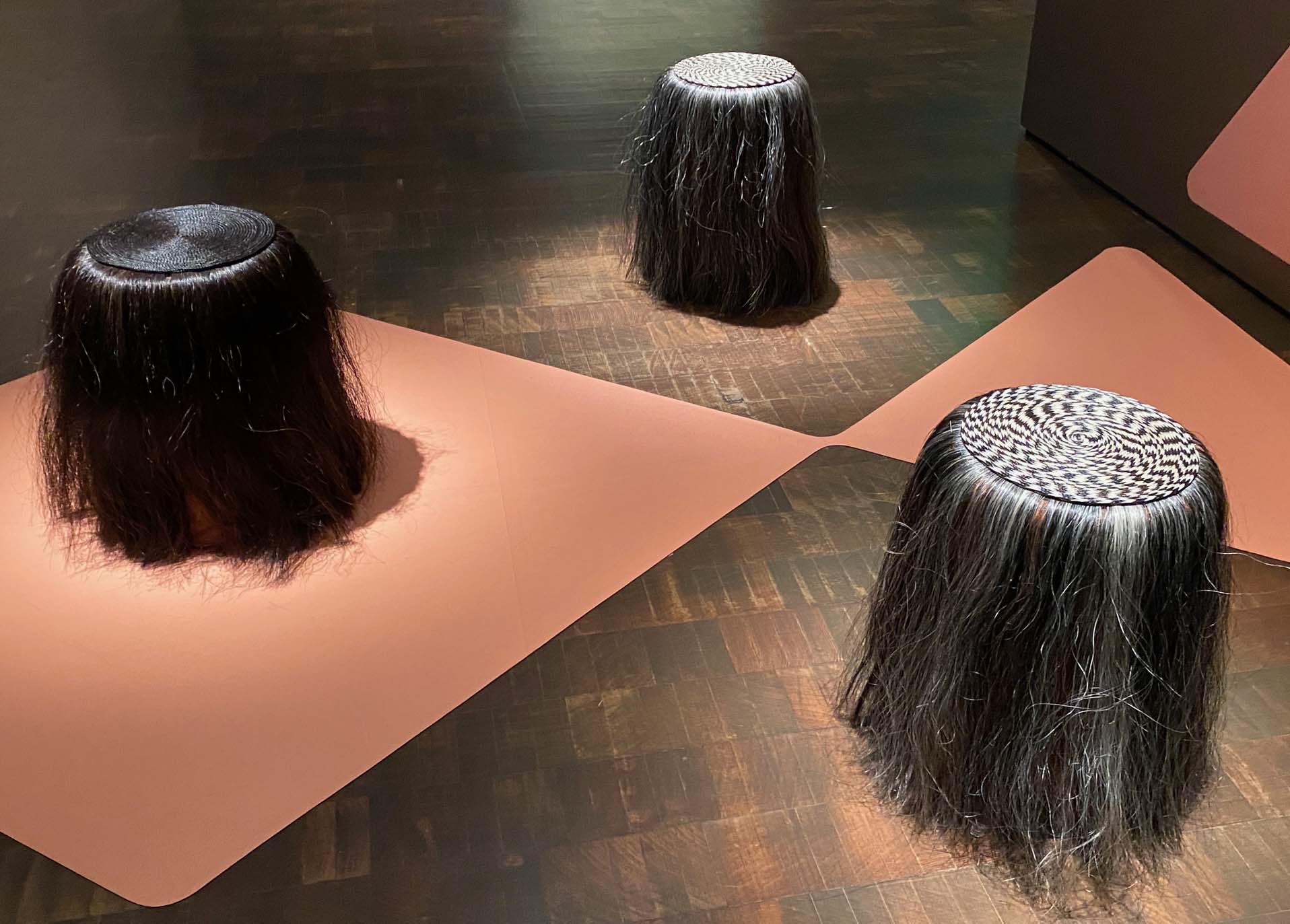
Aldo Alvarez Tostado’s 2022 Little Horse stools, made of wool and synthetic horsehair.

The second section of the show features the history and modern interpretation of easy chairs – comfortable seating that invites visitors to stay and enjoy. There’s an upscale Spanish Colonial chair to demonstrate traditional European design roots, surrounded by Ricardo Casas’s classy designs and Mauricio Lara Eguiluz’s funny foam take on the Yucatan’s Chac-Mool Mayan deity (always reclining comfortably!)

But if truth be told, all the visitors are having the most fun flopping onto the super-comfortable recycled “stuffables” by Andrés Lhima!

An array of comfortable easy chairs – the 2013 Clara design by Ricardo Casas and the 2005 polyurethane foam Chac Seat by Mauricio Lara Eguiluz
Andrés Lhima’s fun, portable easy chairs – comfy 2011 plastic mesh Fidencio chairs filled with shredded foam and recyclables.

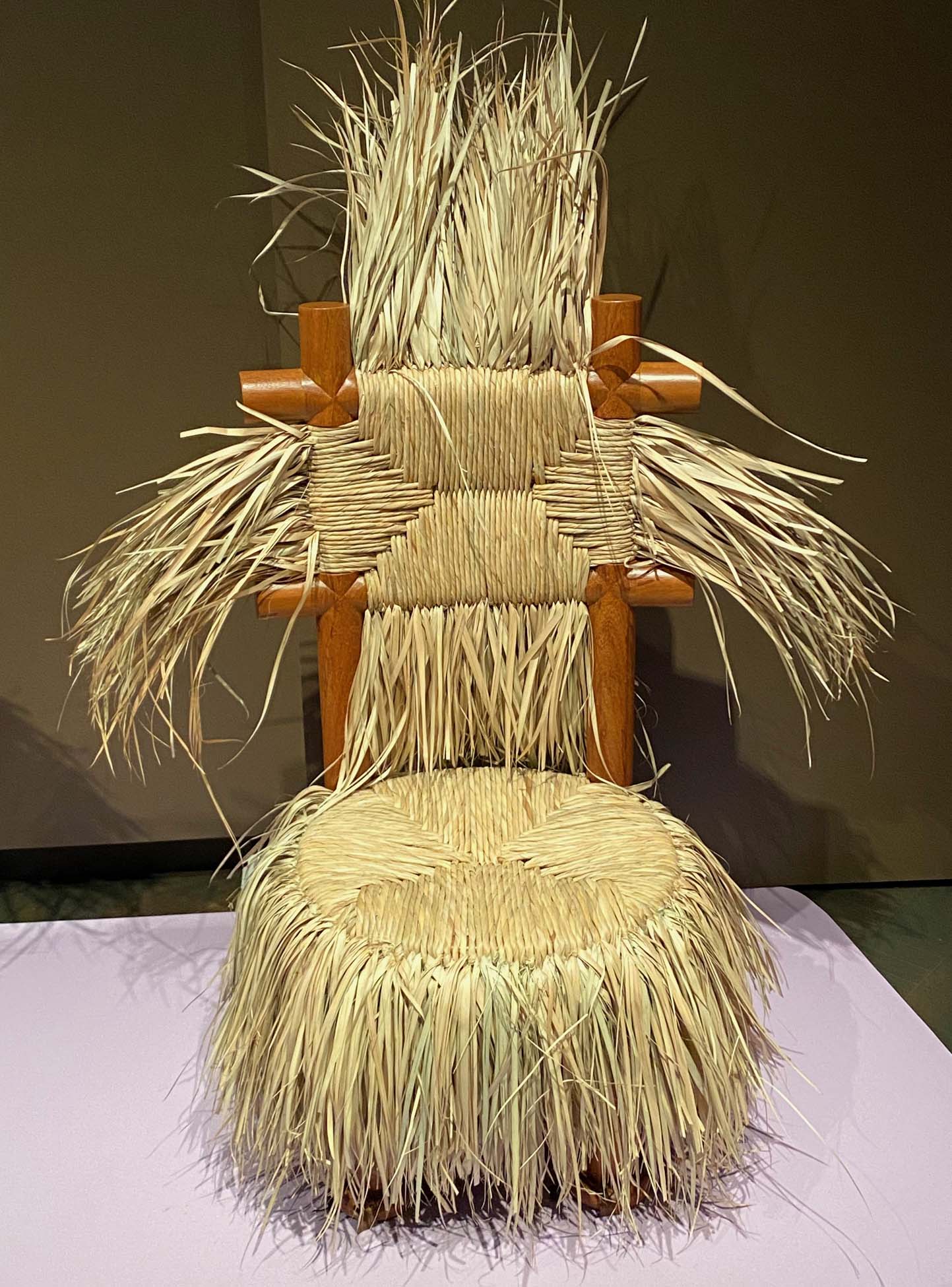
The final section pays tribute new takes on the Spanish side chair, comparing a 19th-century classic with high-style sets by Oscar Hagerman and La Metropolitana and outrageous reinventions by Estaban Calcendo Cortés. You can feel the Afro-Colombian rhythms in his woven palm chairs.

A highly decorative painted 1800s Mexican side chair.
2022 Palapa side chairs by Estaban Calcendo Cortés – inspired by Afro-Mexican and Colombian cultures

To learn more about the designers and their inspiration, scroll through the exhibition guide.

And this beautifully designed show would not be complete with an out-of-the-box participatory woven-wicker design section for kids of all ages!
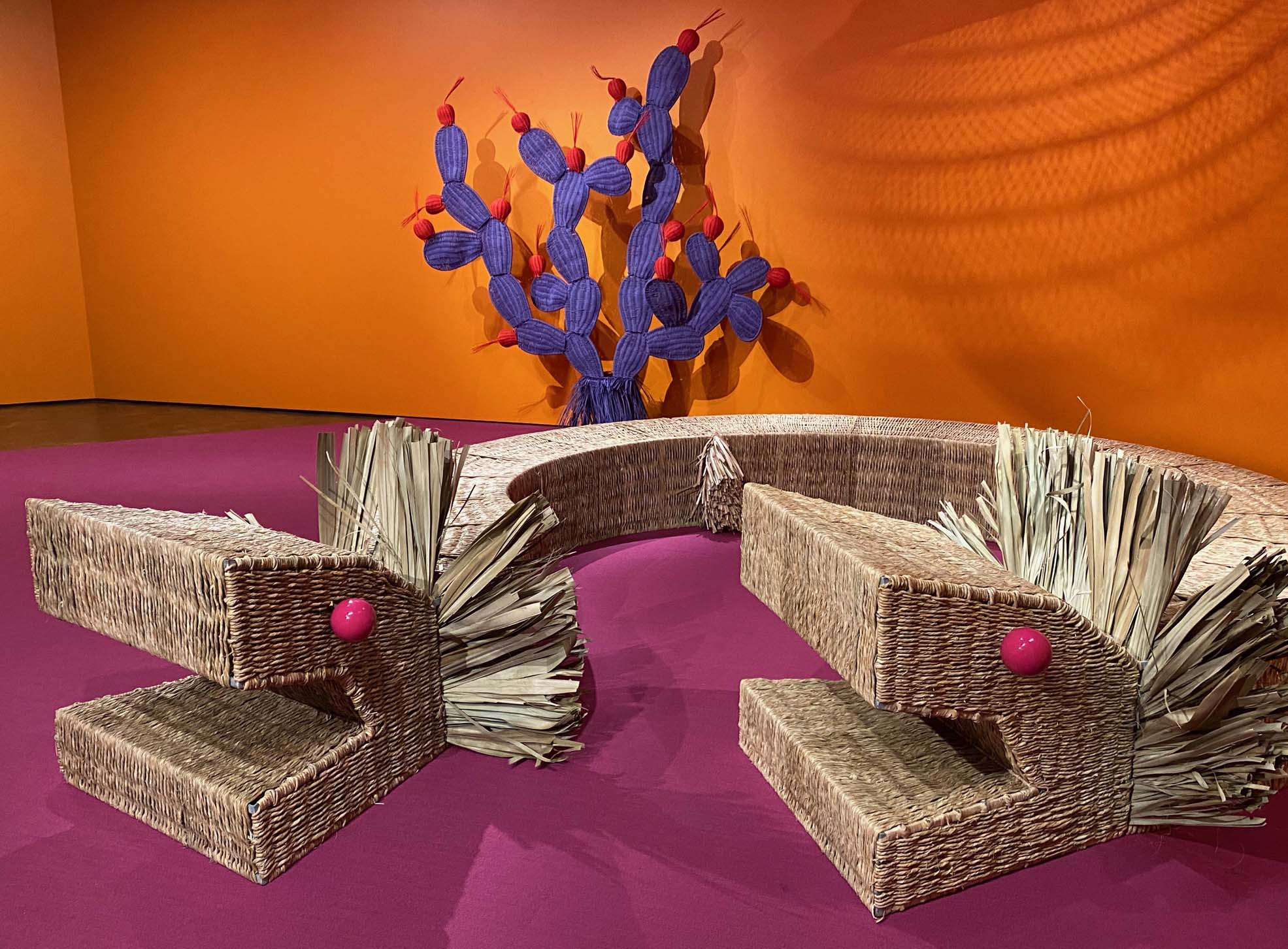
2023 El Charco environment by Mestiz for visitors to contemplate design and the environment, including the wicker Cactus of a Thousand Eyes and Great Two-Headed Viper.

Fashion Manifestos by Carla Fernández

What does “slow” fashion look like? A revolutionary Mexican haute couture designer shows how it’s done in Carla Fernandez Casa de Moda: A Mexican Fashion Manifesto, on display at the Denver Art Museum through October 16.

As a young woman, Carla met and got to appreciate Mexico’s indigenous communities as she traveled with her father, a renowned anthropologist. She loved collecting hand-made indigenous garments reflecting the distinct local styles she saw. 

As a student of art history and fashion design, the complex indigenous textile techniques in these out-of-the way communities seemed to stand in contrast to the ever-changing, always-disposable cycle of Western fashion.

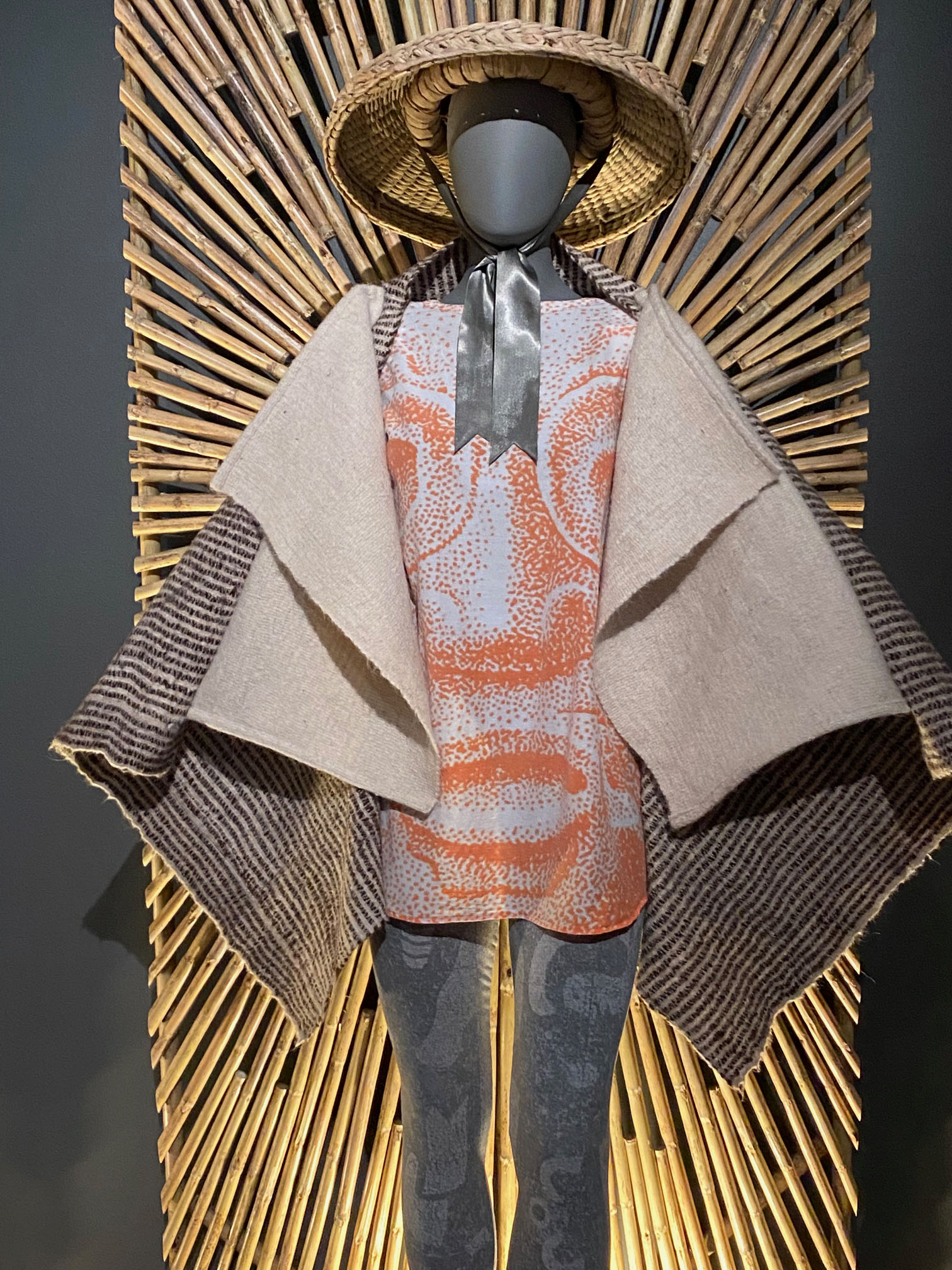
Carla Fernández 2014 jacket collaboration with Juanez Lopez Santis (San Juan Chamula, Chiapas) over digital-printed silk top and leggings.
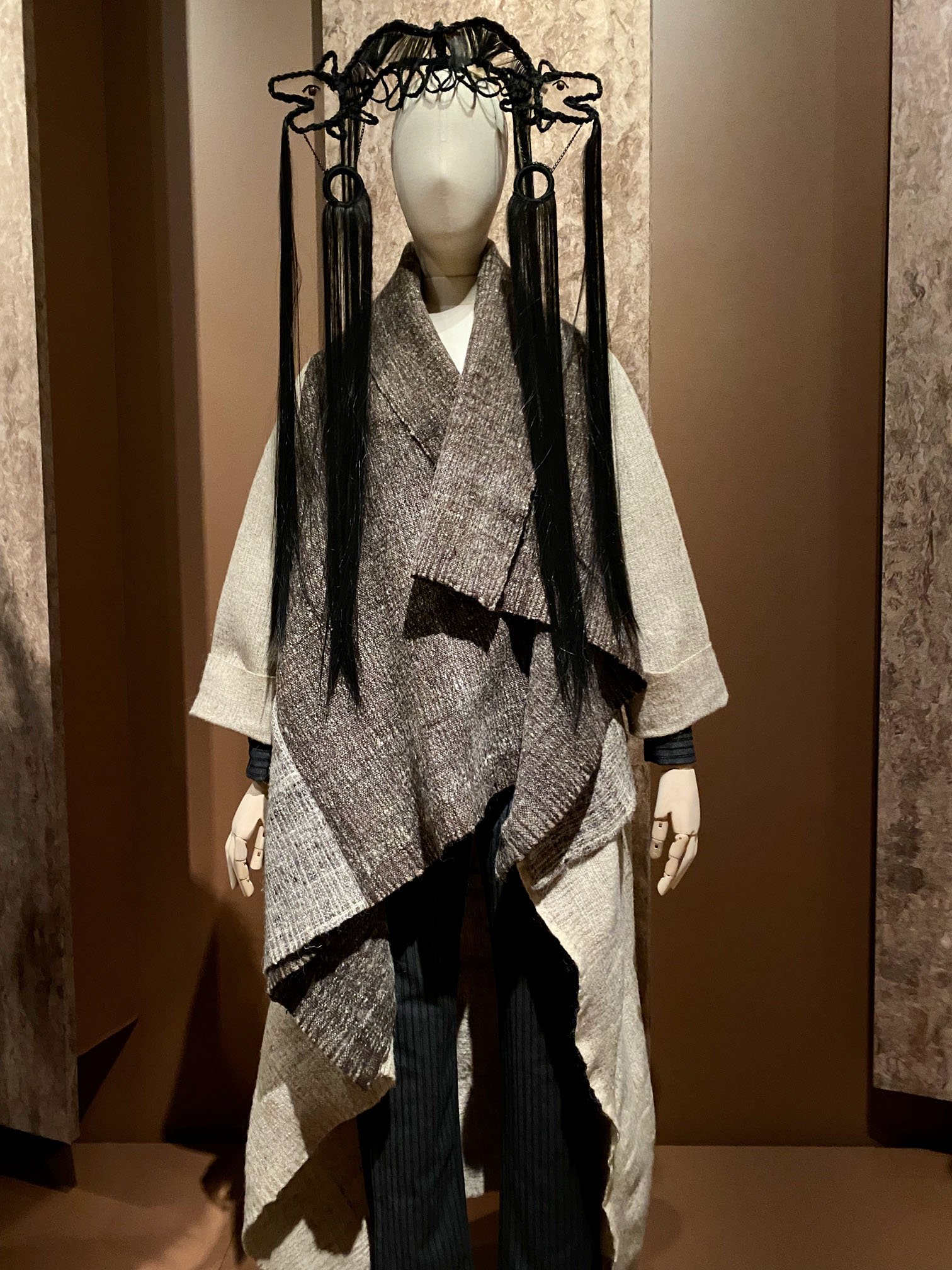
2003 wool poncho – a Carla Fernández collaboration San Juan Chamula (Chiapas) artisans ­– over a 2009 pantsuit. From the collection of photographer/model Luisa Sáenz

Why not use these indigenous “haute couture” techniques for a high-fashion collection? Why not create a mix-and-match aesthetic using traditional, geometric shapes? Why not credit the artists?

As presented in her first-ever museum retrospective, the results are dramatic, detailed, intriguing, and one-of-a-kind – a completely different kind of fashion system that incorporates indigenous work, pays and credits community makers, and gives artisans the time to create pieces that collectors cherish.

Carla travels to mountain and desert communities to collaborate with textile artists.

With her fame growing, communities now invite her to drive over, see what they’re doing and brainstorm about potential collaborations. It’s an approach that involves time, dialogue, and mutual respect between the artisans and Carla-as-fashion-facilitator.

In her mobile studio (Taller Flora), they create hand-woven, dyed, and painted works of wearable art that Carla brings to the runway, but always with an eye toward collectors who value innovative, indigenous craft traditions.

The exhibition features runway looks, accessories, and videos of performance art that showcase different facets of her fashion manifesto – that artisan-made is the true “luxury” in a “fast fashion,” throw-away world.

2021 hand-painted coverall and digital-printed jumper and coat with Leonardo Linares (Mexico City); embroidered jumper with Antonia Vasquez (San Pedro Chenalhó, Chiapas).

Fiesta masks, leather caballero fretwork, whimsical basket-purses, and fuzzy handmade pom-poms provide home-grown Mexican flair to the cinched, draped, easy ensembles.

Take a look through our Flickr album, and enjoy this video of the installation at Denver Art Museum:

Every section of the exhibition demonstrates her commitment to stimulating innovation and creativity among indigenous makers.

Inspired by decorative fretwork on rodeo apparel, a 2022 wool poncho and pants done in collaboration with calado master Fidel Martínez (Chimalhuacán, State of Mexico).

As of 2022, Carla’s collaborated with more than 164 artisans in 39 communities in 15 Mexican states, with more to come. The show presents a map and identifies all of her collaborators.

To see and hear more about Carla’s collaborative process, watch the Denver Art Museum’s 2019 seminar on culture, cultural appropriation, and fashion in this YouTube video.

And join in on Carla’s beautiful, expressive fashion revolution by checking out her current and past collections on her website.