Portrait Masterworks at Home in Taos

To see the works by one of the top virtuoso portraitists of the 20th century, drop into the home that Nicolai Fechin designed and built for his family in Taos, New Mexico. Masterful oil and charcoal portraits created throughout his life are hung in quiet, contemplative corners of his spectacular 1920s home as part of Masterful Expression: Nicolai Fechin’s Portraiture, on view at the Taos Art Museum at Fechin House through December 31, 2025.

The house itself is a masterwork with all the doors, railings, and embellishments carved by Fechin’s own hand, but the portraits and small, carved wooden busts show why he is considered one of the greatest Russian artists ever to take up residency in the United States.

Fechin’s undated charcoal portrait Manuelita. Courtesy: private collector
Fechin’s 1927-1933 oil painting Taos Studio Interior. Courtesy: private collection; Owings Gallery.

Fechin grew up during the time when Russia was ruled by the Czar, and thrived at the Higher Art School of the Russian Imperial Academy of Arts in St. Petersburg, where he studied with the acclaimed Russian history painter, Ilya Rapin.

Fechin’s classical training followed the principles advocated by the French virtuoso, Dominque Ingre – subtle human expression, anatomical awareness, and verisimilitude that jumps right of the page (or canvas).
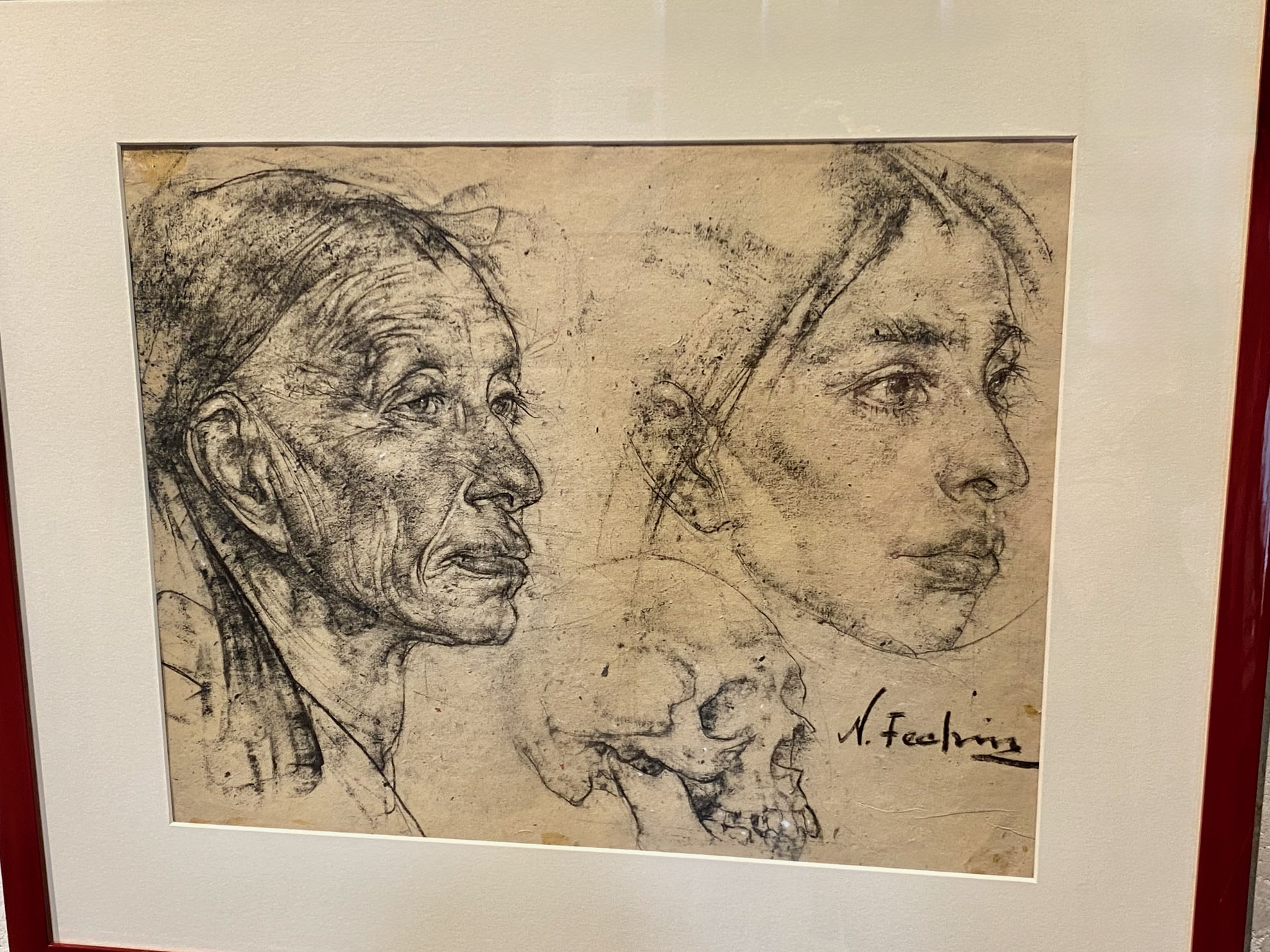
Fechin’s charcoal Head and Skull Study. Courtesy: private collector

Fechin learned his lessons well and won national acclaim in Russia by 1908 for his grand, epic depictions of peasant life, which provided an opportunity for his work to be shown internationally and gain fans in the United States.  But it was his reputation for portraits that captured the essence of human expression that cemented his reputation in the United States and provided him with continuing commissions.

When the Russian Revolution and civil war brought disruption to the domestic life he was starting to build with his new bride, Alexandra, an American benefactor arranged for them to emigrate to the United States.  As soon as the Fechin family landed in the United States, the commissions began, largely due to the enthusiastic public reaction his portraits in shows at the Grand Central Gallery and the Brooklyn Museum.

Fechin’s undated oil portrait Russian Singer with Fan. Courtesy: private collector
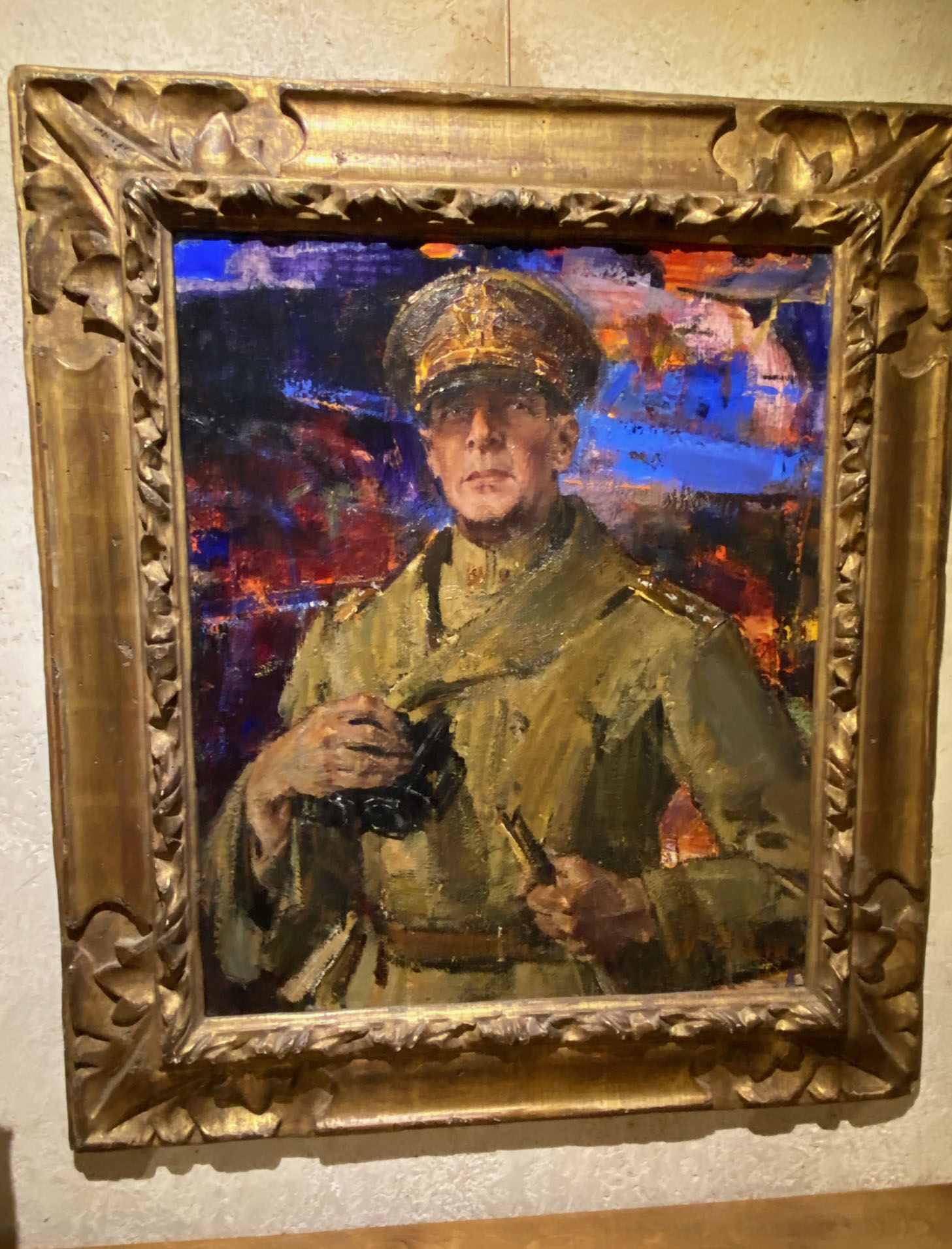
Fechin’s 1951 oil portrait of General Mac Arthur. Courtesy: Taos Art Museum

For health reasons, Fechin and his family left the sophisticated steets of New York City during the high-flying 1920s for the high desert of Taos – a thriving art community anchored by Mabel Dodge Luhan. Fechin figured that when the tumult in Russia died down, he would return. But that never happened.

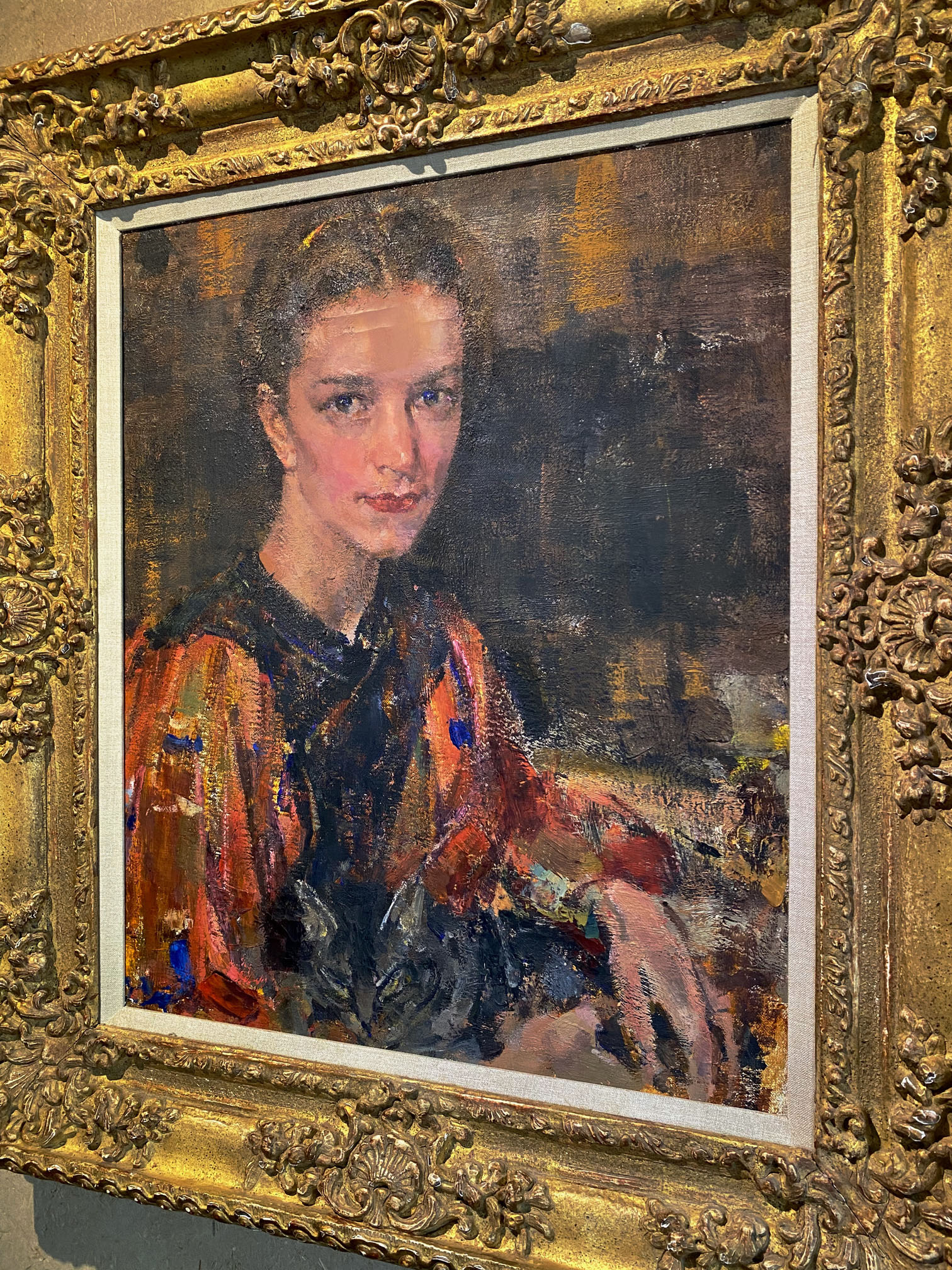
The exhibition, with many works drawn from private collections, provides a glimpse of the Fechin family over time, with portraits and sculptures of his wife early in their courtship (an oil), a bronze bust, and drawn portraits in their life in New Mexico.

Fechin’s 1910 oil portrait of his wife Alexandra with Coral Beads. Courtesy: private collector
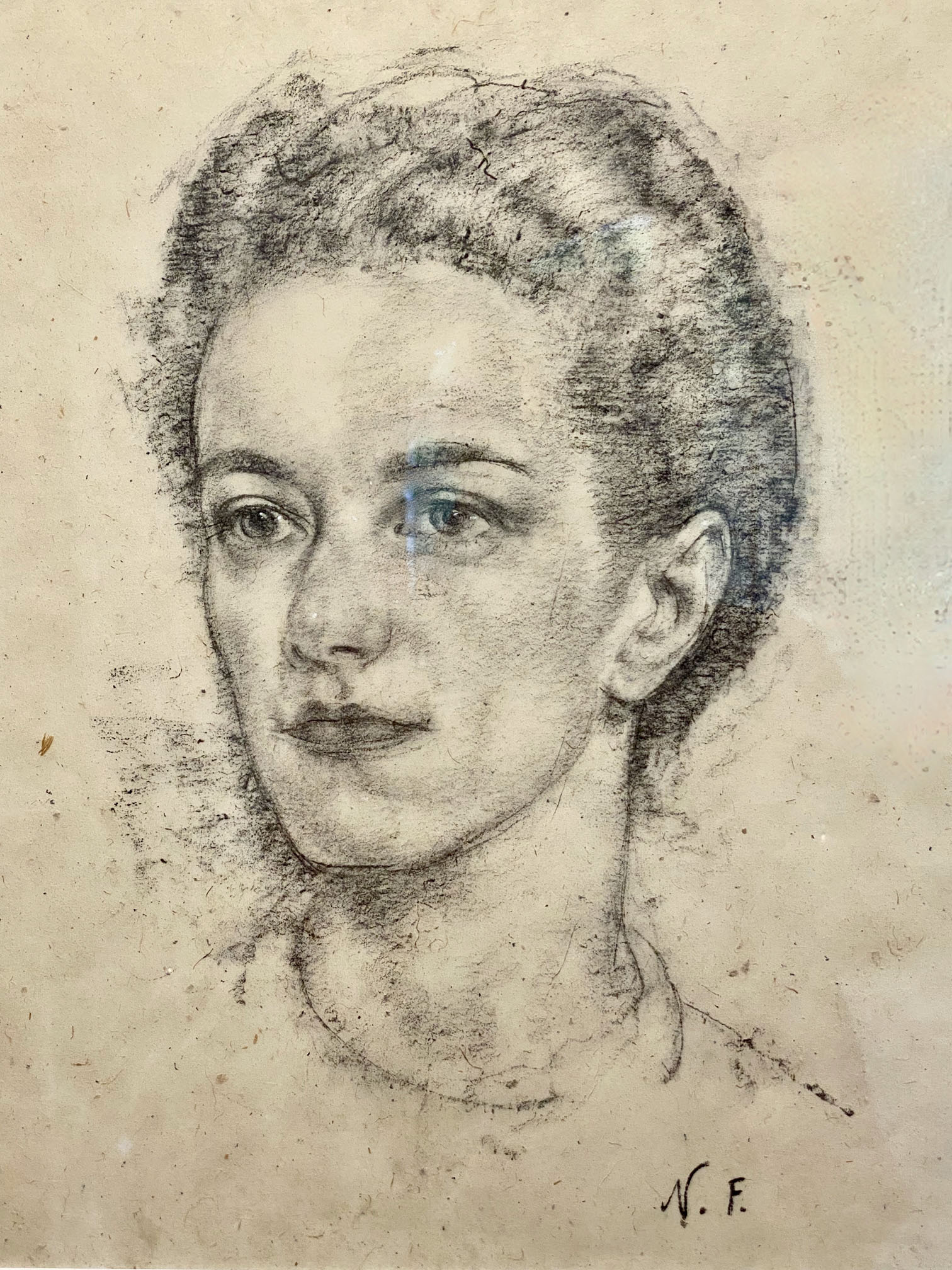
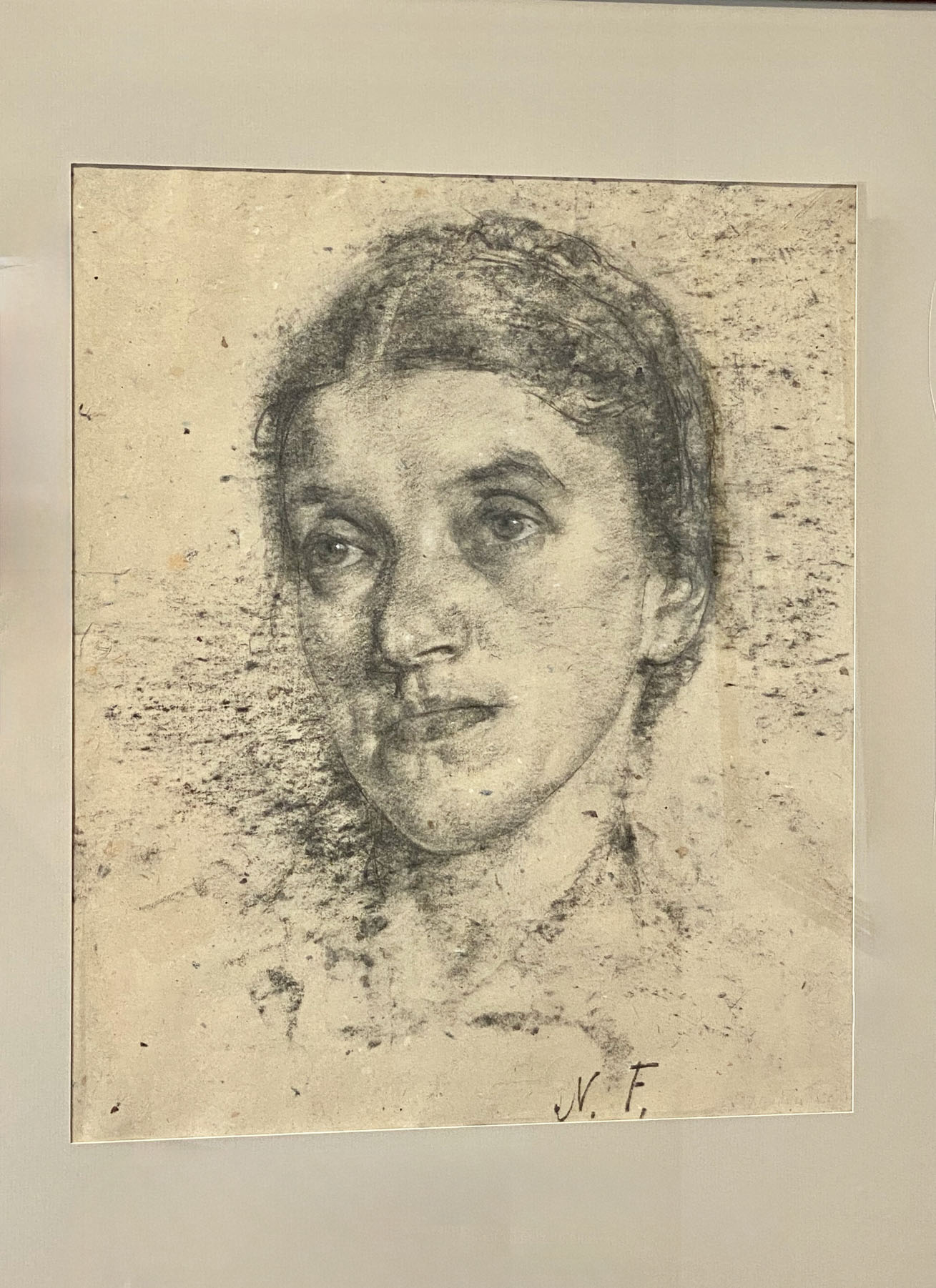
Fechin’s 1927-1933 charcoal portrait of his wife Alexandra; on rice paper. Courtesy: private collector

His beloved daughter Enya – who ultimately saved and restored this unforgettable home and her dad’s studio – is shown as a baby in Russia, as an older child in carved wooden busts, and in paintings in her coming of age, as well as a portrait of her as a grown woman looking out for her dad later in his life.

Fechin’s carved wooden bust of his daughter Eya.. Courtesy: private collector
Fechin’s 1940s charcoal portrait of his daughter Eya; on rice paper. Courtesy: private collector

The exhibit also includes sensitive, gorgeous portraits and studies that Fechin created in his five-month stay in Bali in 1938 – delicate features of young models and reflective expressions of respected elders. All have clean, sure lines and carefully observed, personalized nuances.

Fechin’s 1938 charcoal portrait Balinese Girl with Long Hair. Courtesy: private collector
Fechin’s 1938 charcoal portrait Balinese Man with Beard. Courtesy: private collector

This walk-through the Fechin home holds delight and awe at every turn – awe at the hand-carved interiors and delight at at the humanity and diversity of the faces greeting us in every room. Visit, if you can!

Take a look at more in our Flickr album.

Fechin’s 1950s charcoal self- portrait on rice paper. Courtesy: private collector
Fechin’s 1940s charcoal portrait of his daughter Eya; on rice paper. Courtesy: private collector
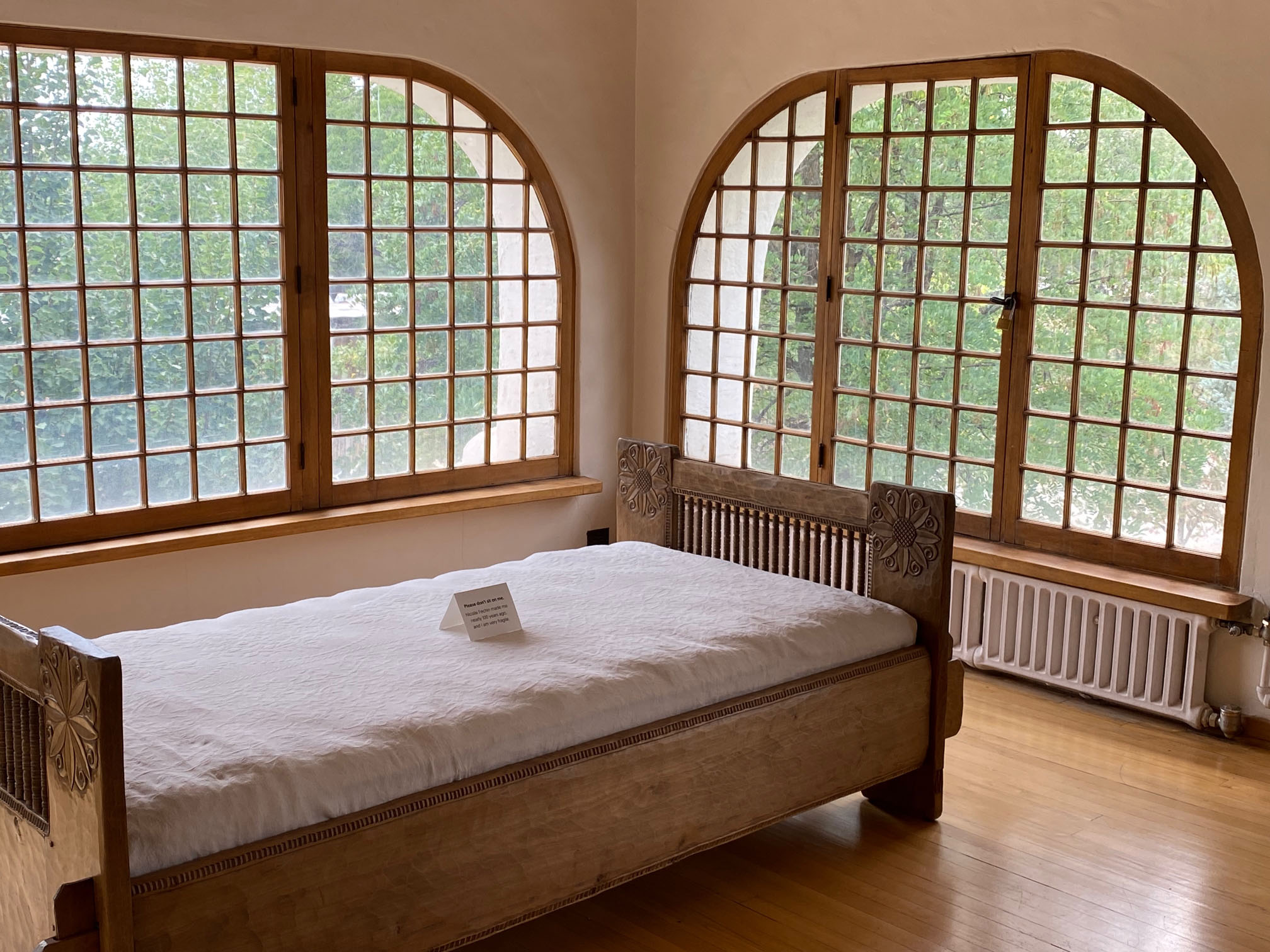
Inside the 1933 Fechin house: sunroom on the second floor features his hand-carved bed for his daughter, Eya.

When Advertising was Revolutionary

Abstraction was being invented, monarchies were falling, wars were raging, and modern 20th century artists decided to turn advertising on its head, too. Artists left studios in droves and began making posters, brochures, billboards, traveling agit-prop theater wagons, and new-fangled telecommunications towers.

1-11 Engineers Agitators Reconstructors at MoMA
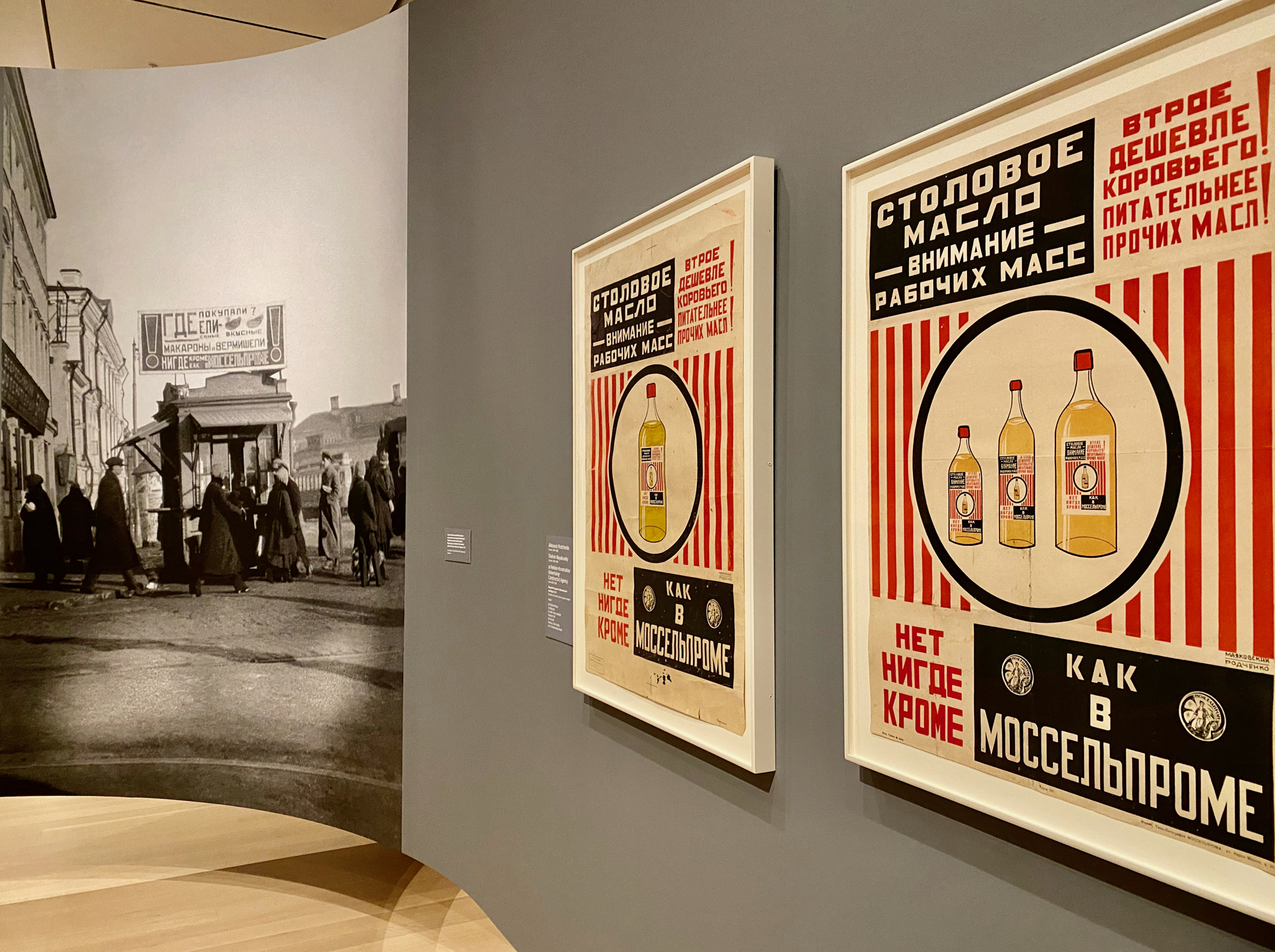
Modernist Russian billboards and works from Rodchenko and Mayakovsky’s 1923-1925 Advertising-Constructor agency

That’s just the first gallery of Engineer, Agitator, Constructor: The Artist Reinvented, on view at MoMA through April 10 – a show that investigates how artists change their focus to meet the moment of social, technical, commercial, and political change.

The focus is the period between WWI and WWII, when the avant-garde began mixing it up to bring about a whole new world for consumers, city planners, publishers, and the proletariat. Take a look at our favorite works in our Flickr album.

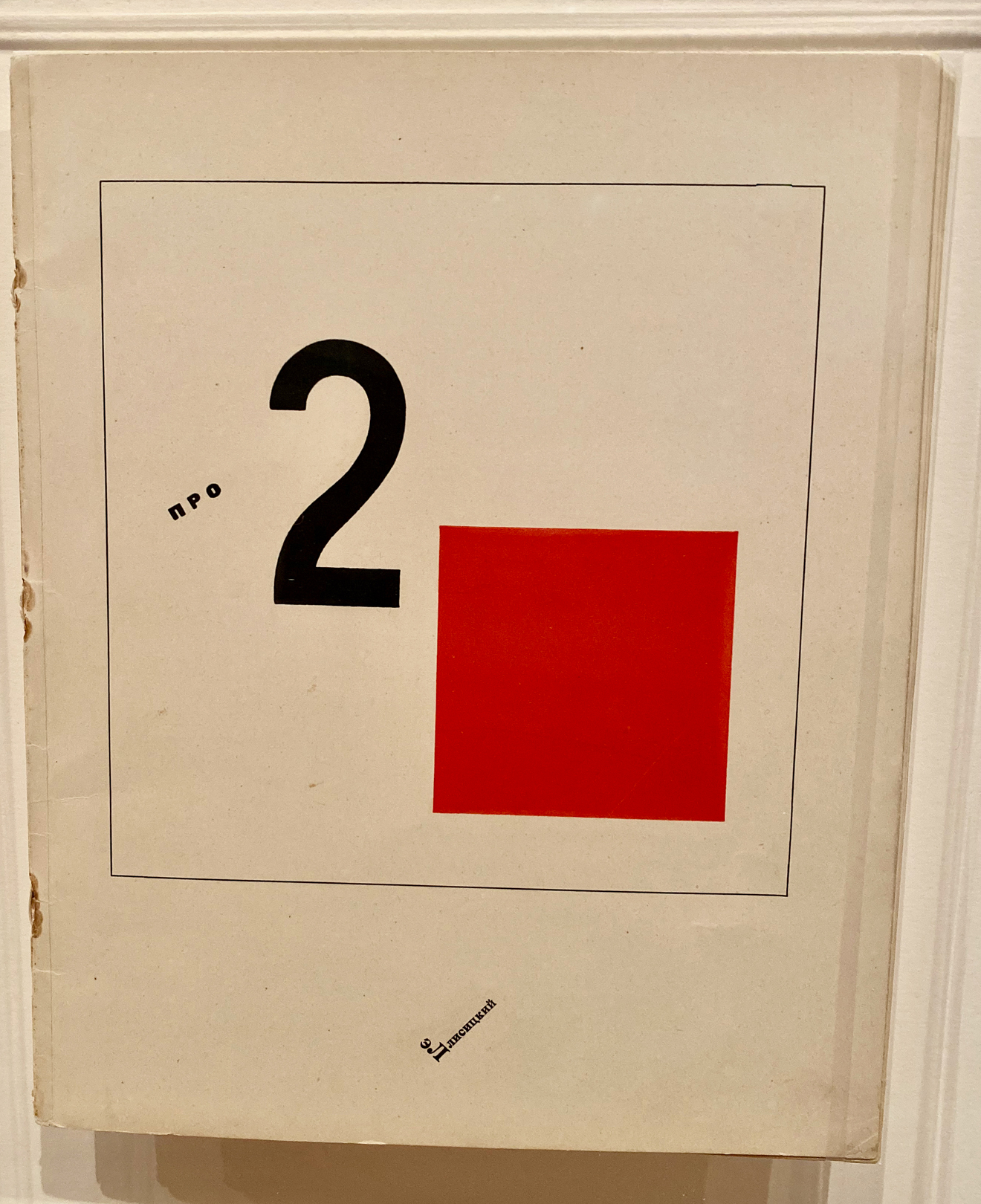
The first gallery provides a broad view of how other avant-garde abstractionists first inspired by Malevich’s Suprematism experimented now used pure, kinetic shapes to dance across children’s books, pavilions, costumes, and posters in the earliest days after the Russian Revolution.

El Lissitzky’s 1922 book About Two Squares: A Suprematist Tale of Two Squares in Six Constructions

The 300 works in the show are principally works on paper, collected by and donated to MoMA by Merrill Berman – a treasure trove that includes particularly rare and unique items that the curators use to tell quite a story.

A 1922 costume design by Popova, inspired by workers’ uniforms

One entire wall is dedicated to Ms. Popova, where you can stroll by paintings, covers for sheet music, and prints – all the ways she applied her genius. Another long wall displays dynamic work by Rodchenko and Mayakovsky, whose Advertising-Constructor agency mixed poetry and innovative, angled constructivist style to sell chocolate and other consumer products.

Mixed-media plays a major role in the exhibition, with several galleries showing how European artists embraced collage and photomontage both in their personal studio work and in graphic designs that shook up the look of mass market publications, industrial marketing, postcards, and political posters.

Dynamic photo montage 1928 postcards by Gustav Klutsis to promote the All-Union Spartaklada Sporting Event

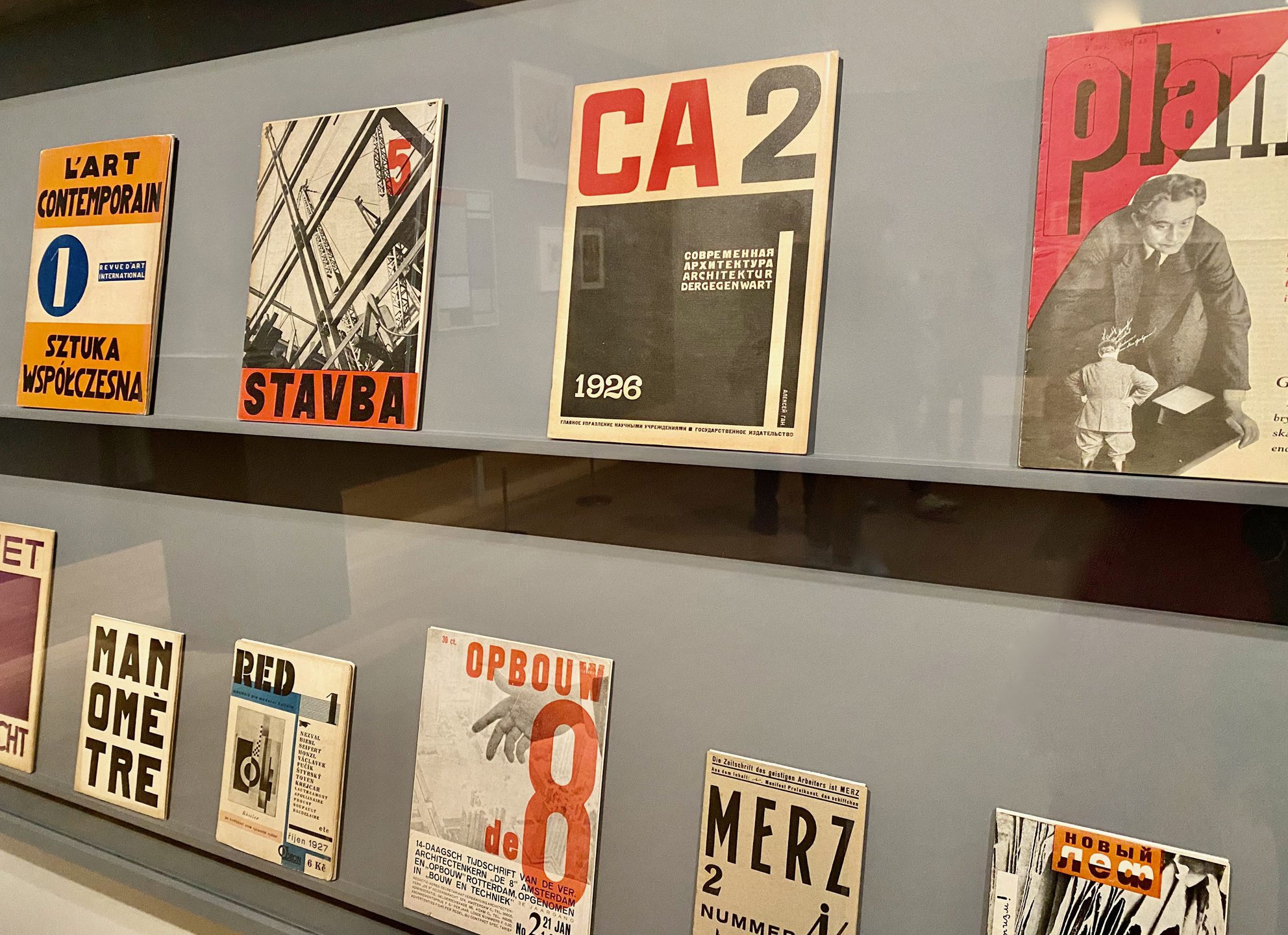
Another section of the show provides an introduction to innovative Polish, Hungarian, and Dutch indie zines shared, collected, and treasured by cutting-edge writers and designers excited by possibilities of the early 20th century.

Creative European magazines published in the late Twenties

Angled, geometric, and loaded with innovative typography, these rare magazines share the space with paintings by Mondrian, sculpture by Moholy-Nagy, and other geometric shape-shifters.

1924 photo of Henryk Berlewi and his exhibition at a Warsaw Austro-Daimler showroom with works from his Mechano Facture series, inspired by industrial technology

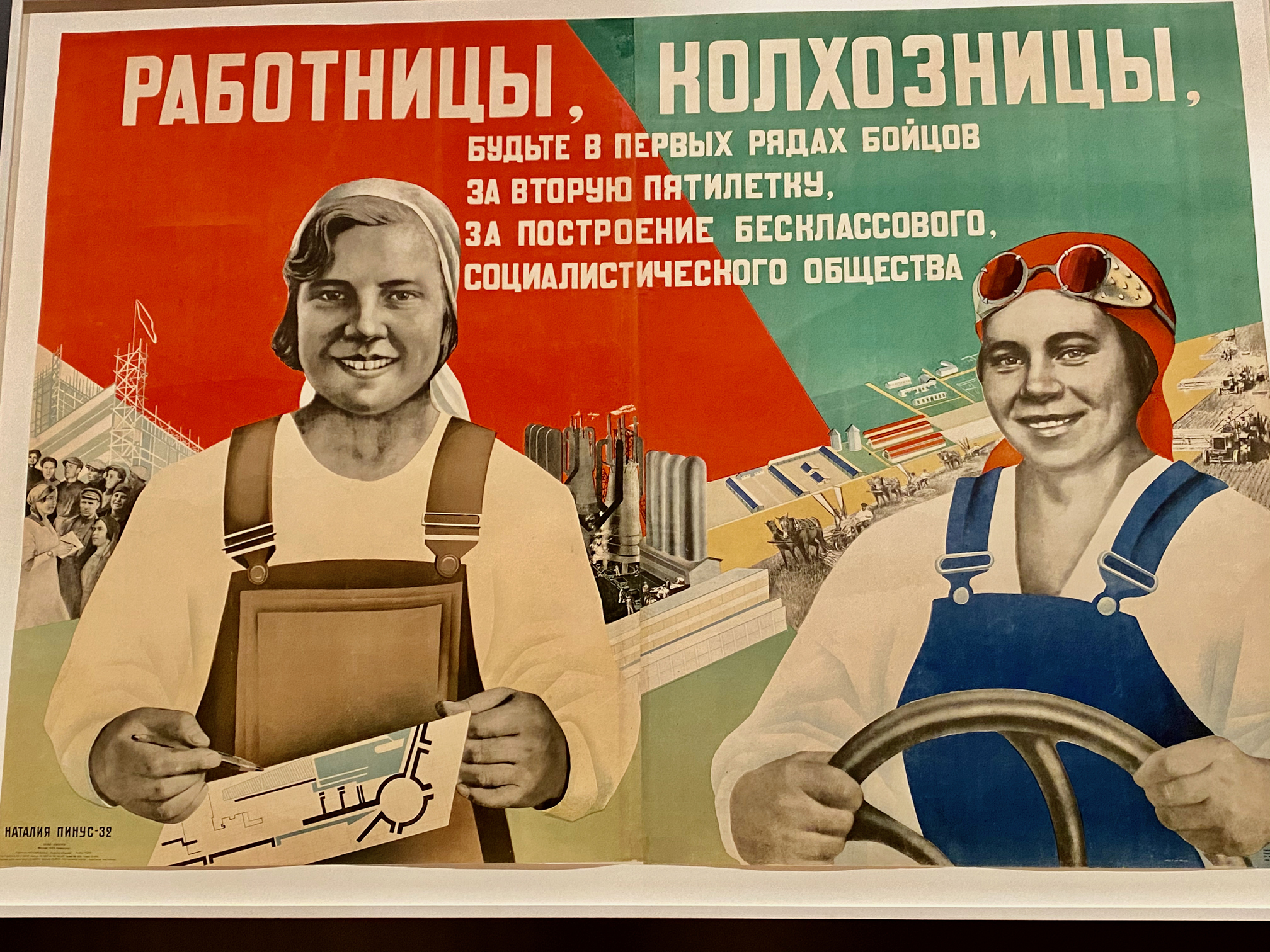
Women are prominently showcased in every gallery of the exhibition, including the massive wall of Soviet posters by female designers whose images celebrate the contributions of women to the industrial workforce.

1931 poster by Natalia Pinus acknowledging female farmers and other collective workers

Visionary drawings, watercolors, and poster posters are around every corner – and most are never-before-seen surprises. Before WWII brought it all to an end, the curators show the modern innovations that these creatives had in mind – new architecture, advertising constructions, and modern furniture fairs.

Walter Dexel’s 1928 design combines an airshaft, ad kiosk, and telephone booth. Herbert Bayer’s design for an electrified ad tower for an electricity company, done when he was just a student at the Bauhaus. Willi Baumeister’s 1927 poster that directly declares interior designs of the past are over.

Elena Semenova’s 1926 design sketch for a Russian worker’s lounge looks like a precursor to WeWork.

1927 poster by Willi Baumeister promoting a modern furniture exhibition in Stuttgart
Vision for model communal space: Elena Semenova’s 1926 design watercolor for a Russian worker’s club lounge

Enjoy this special program with Ellen Lupton and curator Jodi Hauptman in a fascinating discussion about work by several revolutionary designers and how so many intermingled careers in graphic and fine arts during tumultuous times: