
Decending into the ground-floor gallery of the University of New Mexico Art Museum, visitors find themselves in a transcendental chamber, filled with abstraction, color, and spiritual emanations.
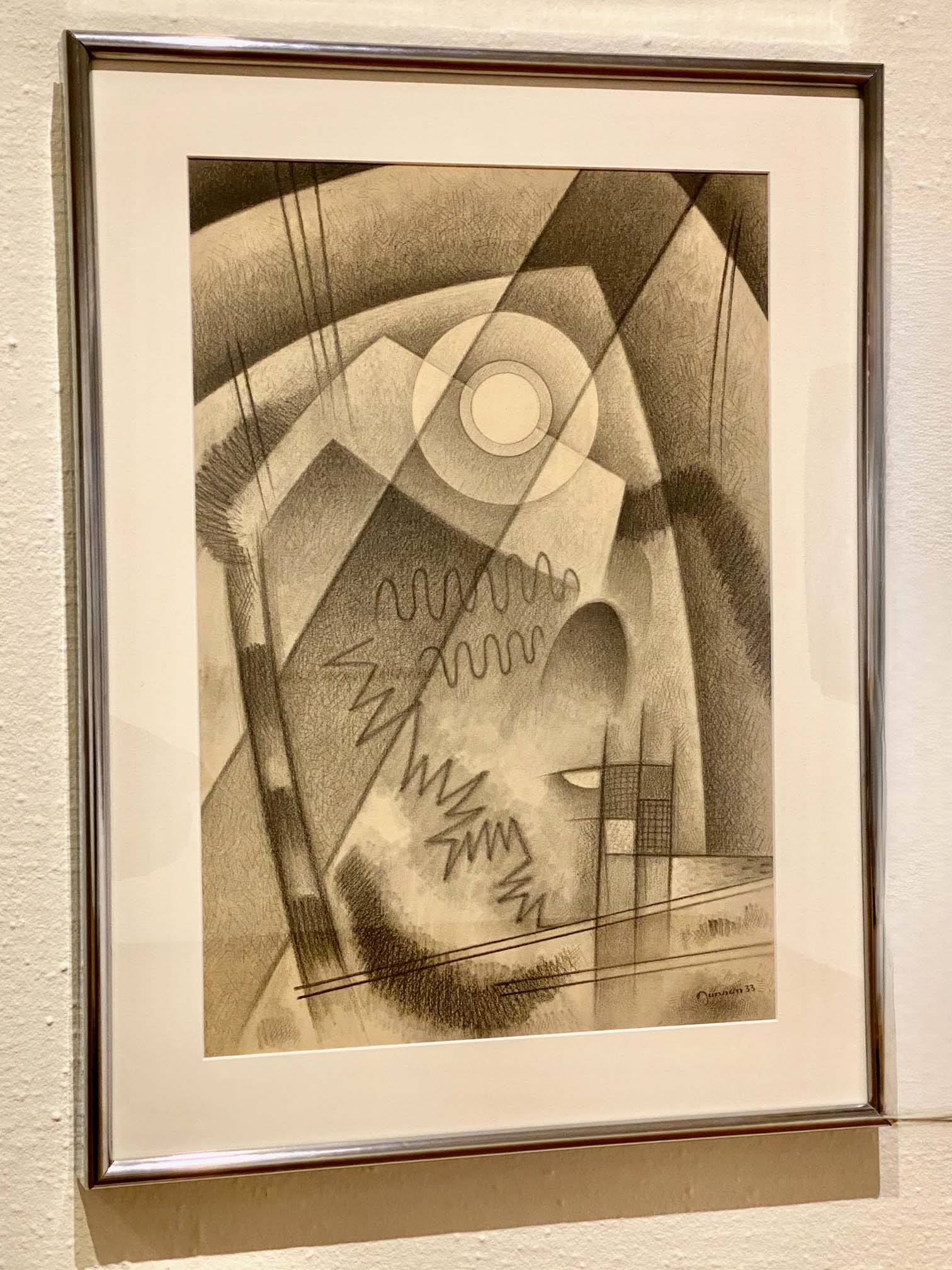
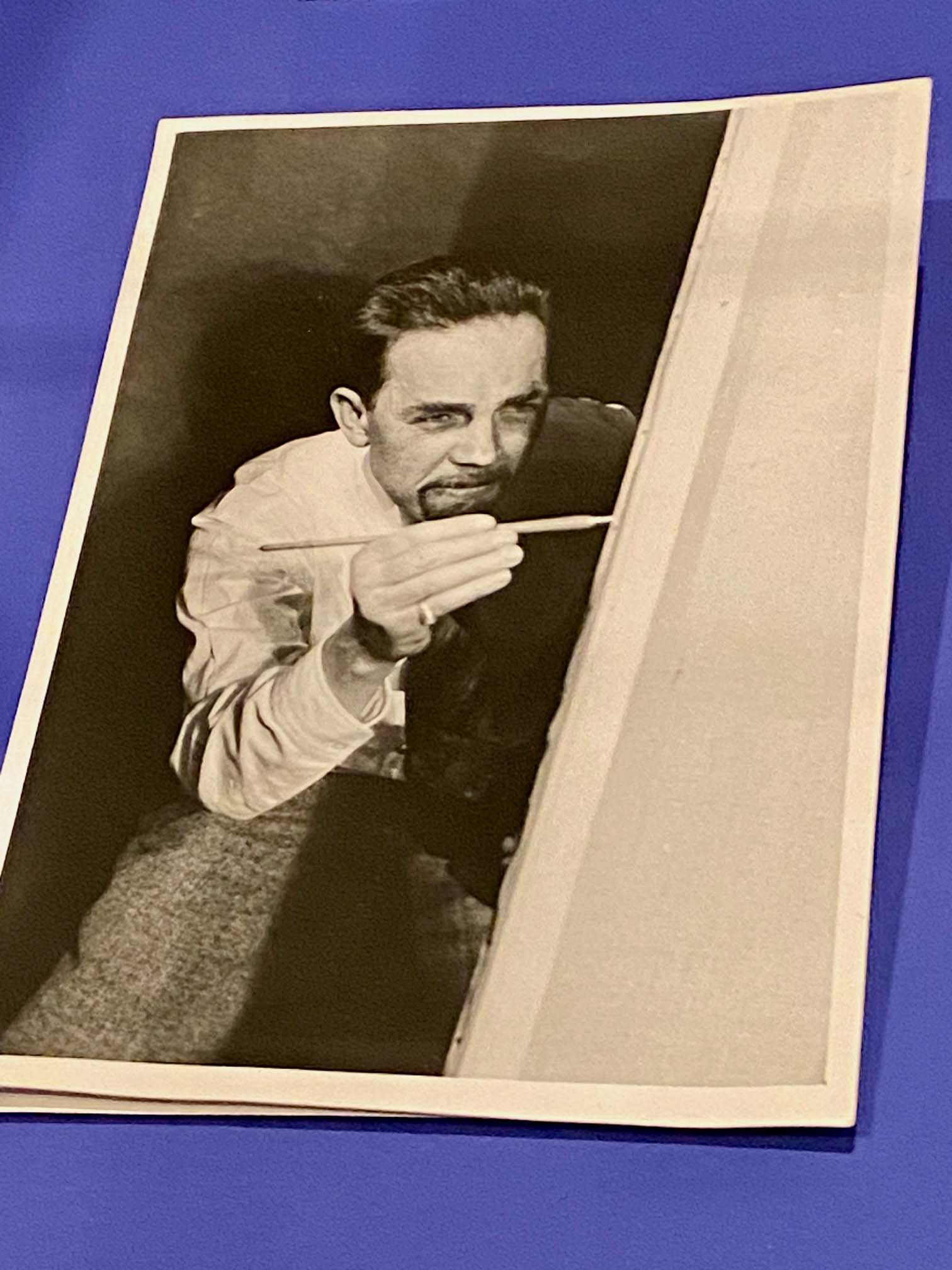
Pelton & Jonson: The Transcendent 1930s, on view in Albuquerque through March 15, features the work, letters, and personal photographs documenting the professional and personal friendship between two artists that wanted people to see realities beyond the visible world. Artists Raymond Jonson, former UNM professor, and Agnes Pelton, the visionary New York artist who relocated to the Western desert, felt they were kindred spirits, and the exhibition shows us why.
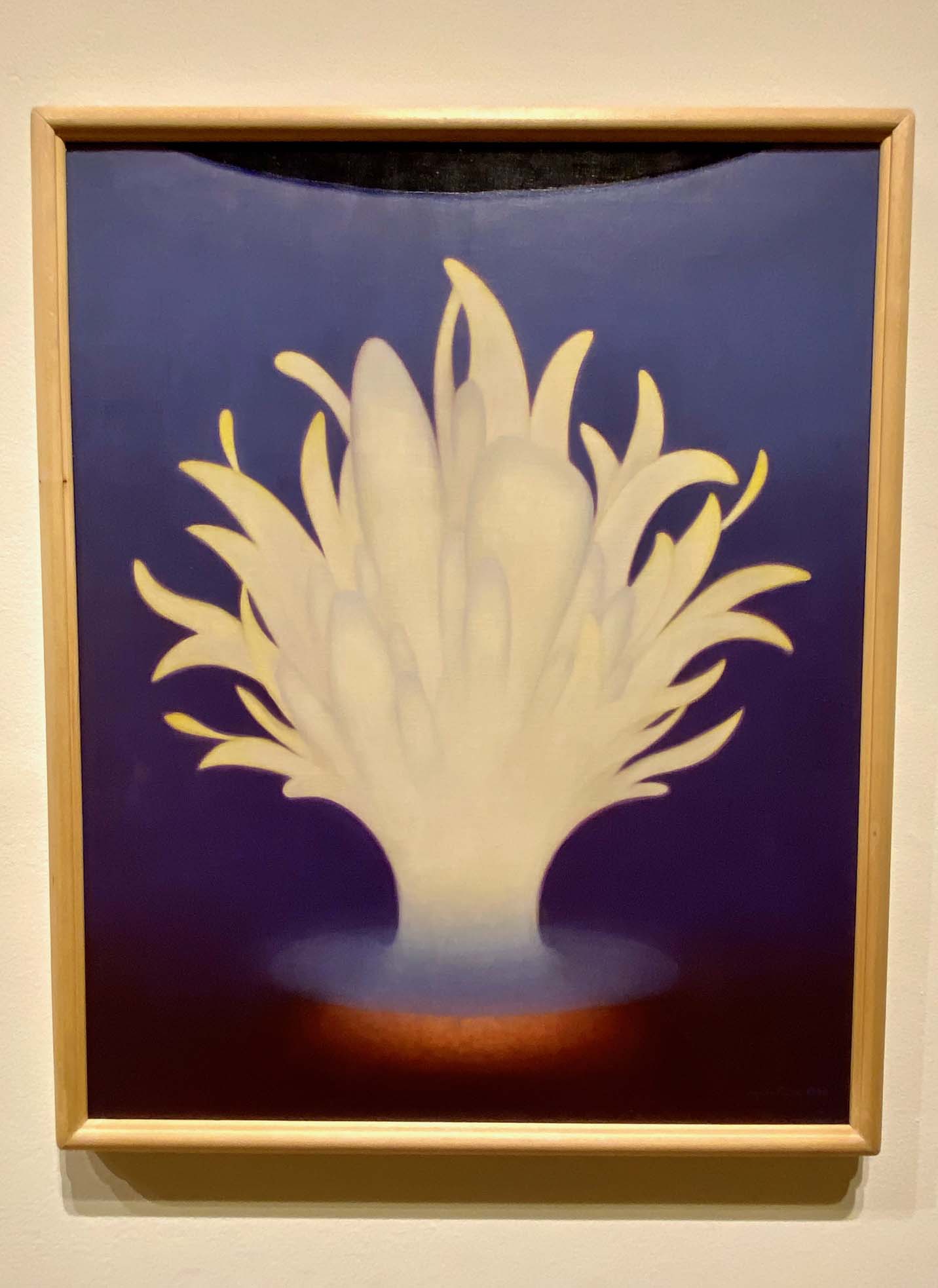
As a young artist, Jonson was thunderstruck by the modern art he witnessed in the 1913 Armory Show when it came to Chicago (which included a painting by his future friend, Agnes Pelton from her “imaginative” period of work). Jonson read Kandinsky’s influential The Art of Spiritual Harmony when it was published in English in 1914, and increasingly pushed his work toward pure shape and design that could evoke a deeper response from the viewer.
By 1930, he and his wife moved to Santa Fe. He began teaching, curating shows, and continuing to pursue abstraction. When concepts were simply too much for a single canvas, he conceived a triptych.

Around 1931, new-age/Jungian composer, author, and painter Dane Rudhyar told Jonson about Pelton’s abstractions, and put them in touch. For the next 30 years, Jonson and Pelton corresponded about art making, materials, abstraction, and spiritual connections.
By this time, Pelton had had 14 solo exhibitions and been in 20 group shows. Her interest in spiritual practices kept growing, and the lure of the new-age communities in southern California beckoned her. During a 1932 yoga-retreat trip to Cathedral City, she decided to stay put and paint in the peaceful desert for the rest of her life

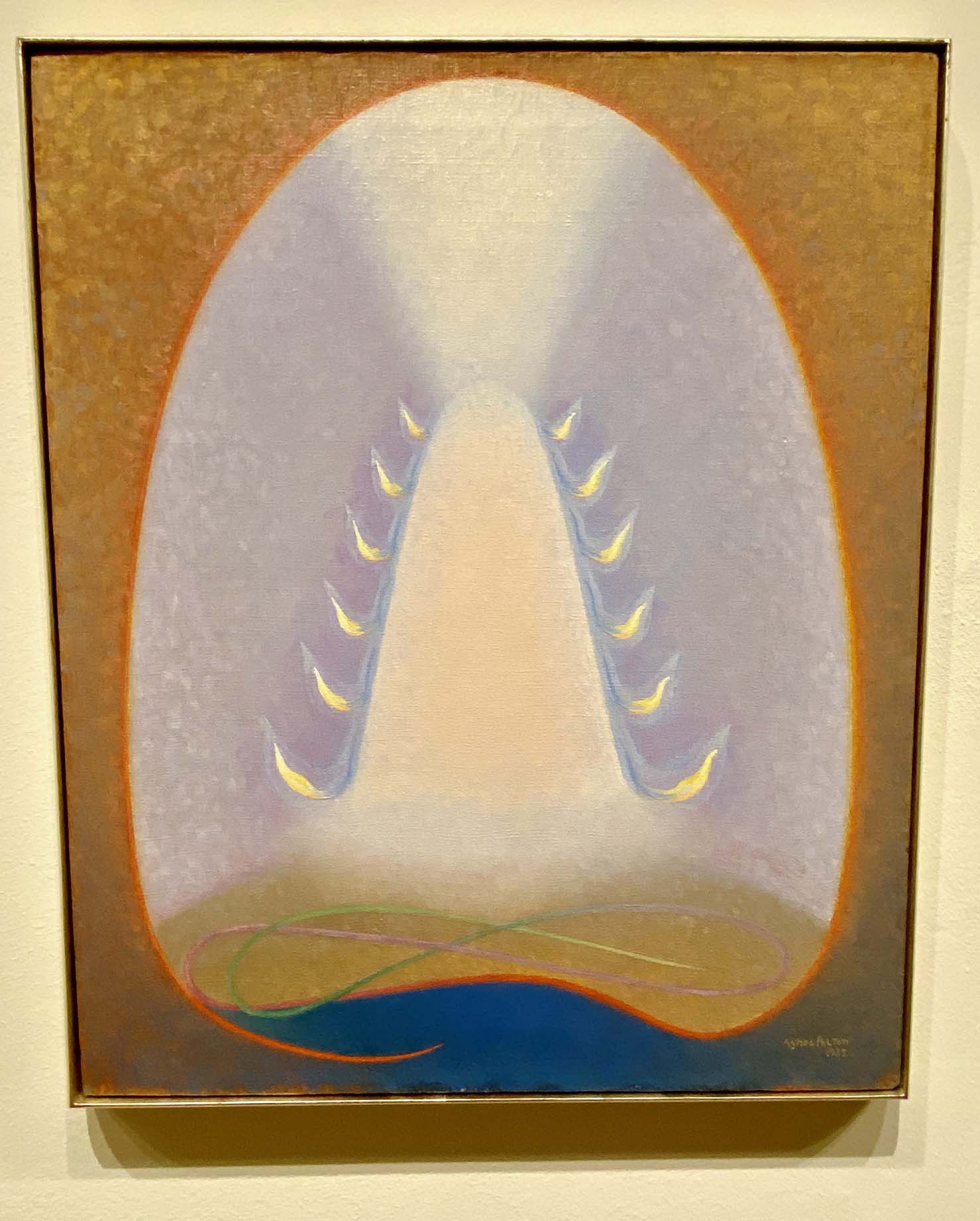
In 1933, Jonson invited Pelton to participate in a Santa Fe exhibition alongside himself and Cady Wells. This current exhibition at UNM commemorates this convergence by reuniting some of the original works by Pelton, Wells, and Jonson. See some of the pieces in our Flickr album.
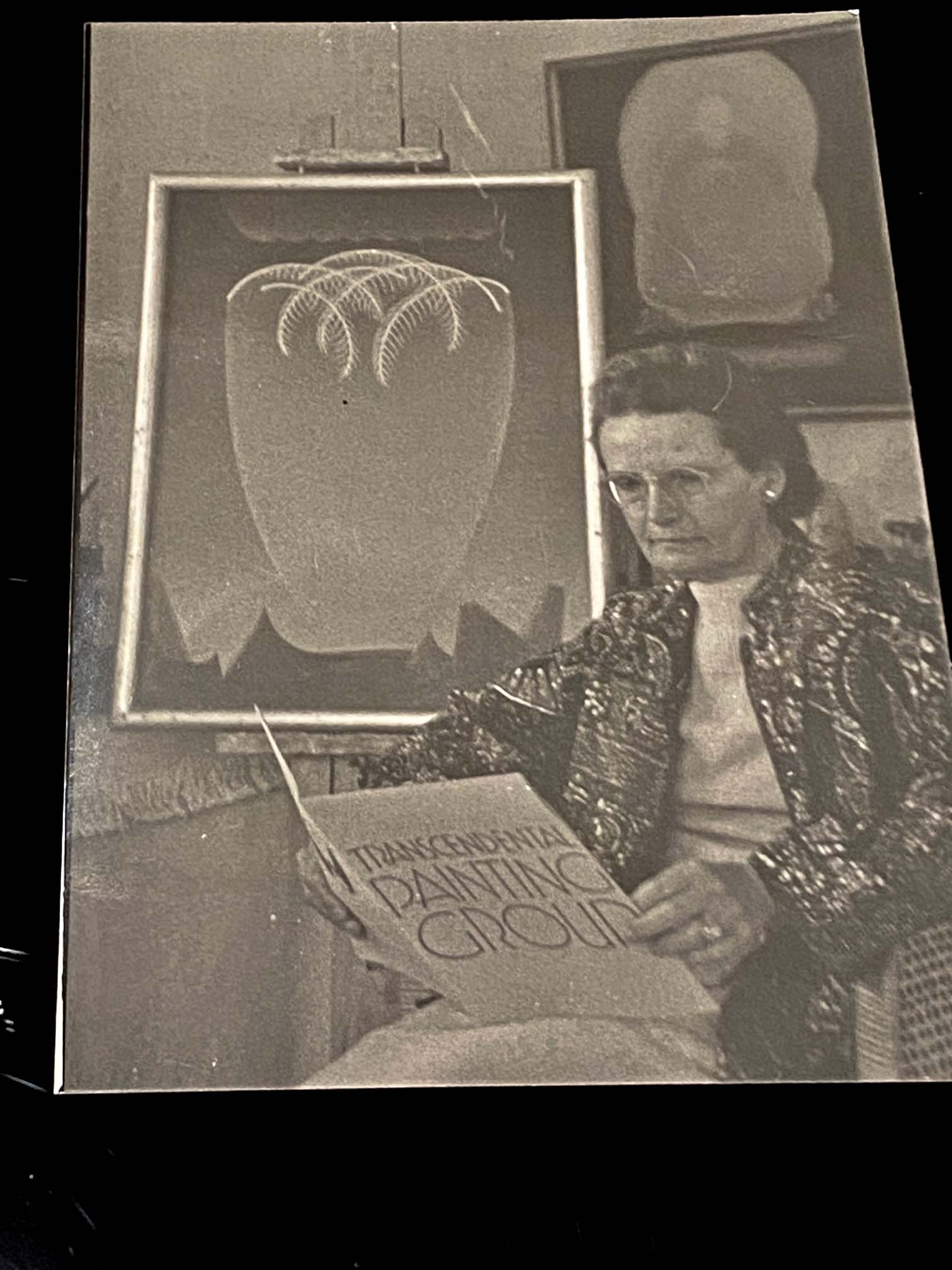
Jonson and his wife took a road trip to visit Pelton in 1935 – their one and only meeting. Although they were at a distance, the letters kept coming, and when Jonson and others in New Mexico organized the Transcendental Painting Group in 1938, she was invited to participate and serve as the grand dame/president.
In recent years, Agnes Pelton’s work has been resurgent due to the traveling exhibition organized in 2019 by the Phoenix Art Museum, which traveled to the Whitney in 2020. Read our review here.
To hear how this Albuquerque exhibition came together, listen in on Christian Waguespack’s interview with curator Mary Statzer:
UNM is lucky to have over 600 works by Raymond Jonson in its collection, and all the letters, sketches, publications, and journals he kept. For more on Raymond Jonson’s life and work, visit his portal on the UNM website.
 itsnewstoyou