
How did a stylish, ambitious, saavy librarian toiling in the stacks of Princeton’s library at age 22 transform herself into the trusted confidante of the richest man in the world, helping him to build a celebrated collection of manuscripts, books, and art?
Find out in Belle da Costa Greene: A Librarian’s Legacy, the blockbuster exhibition at The Morgan Library and Museum on display through May 4, 2025. To celebrate its 100th birthday, the Morgan Library & Museum wanted to honor its first director, Belle da Costa Greene.
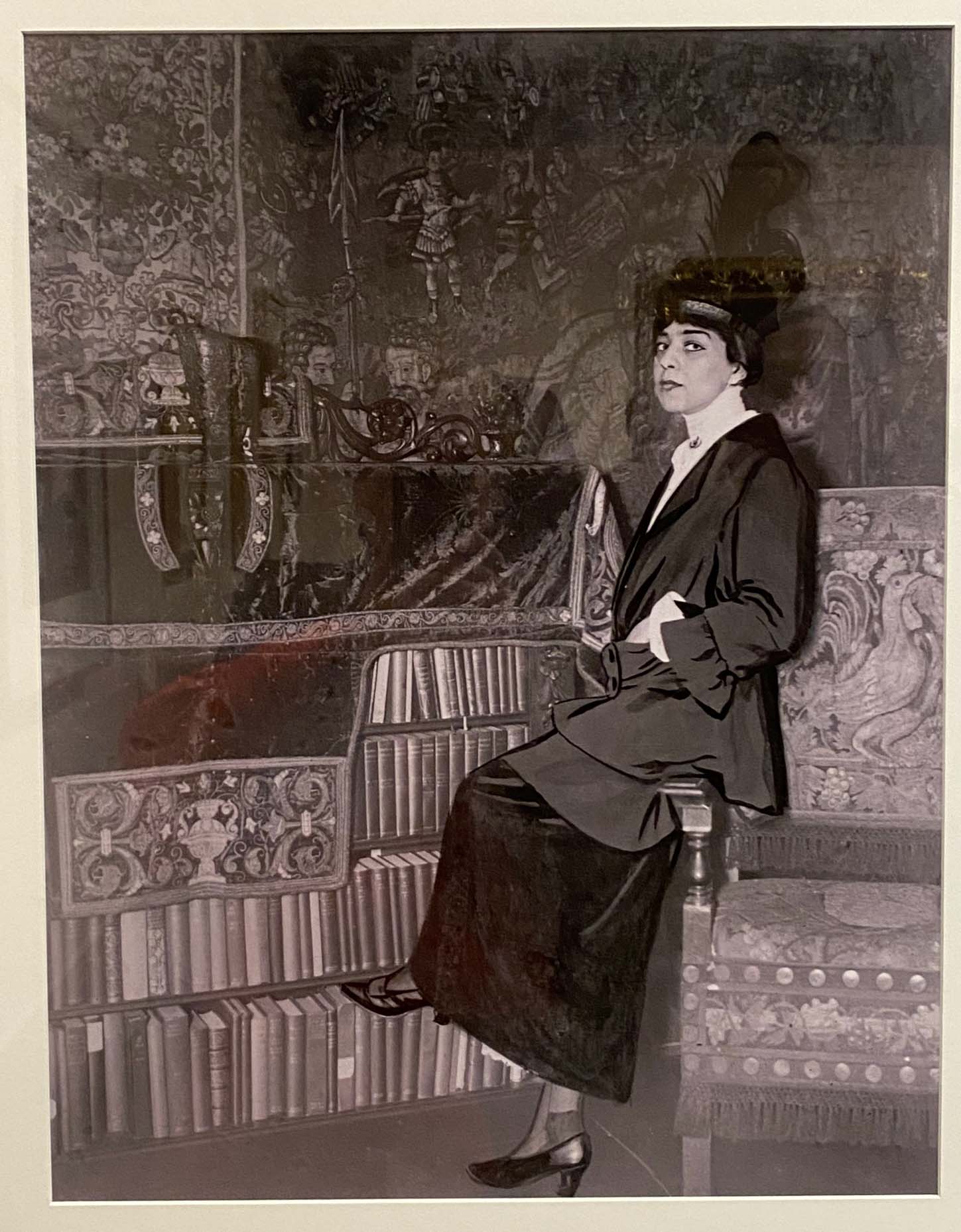
Belle decended from an illustrious line of African-American intellectuals, lawyers, cultural leaders, and social-justice advocates, but lived her entire life passing for white in the early 20th century.
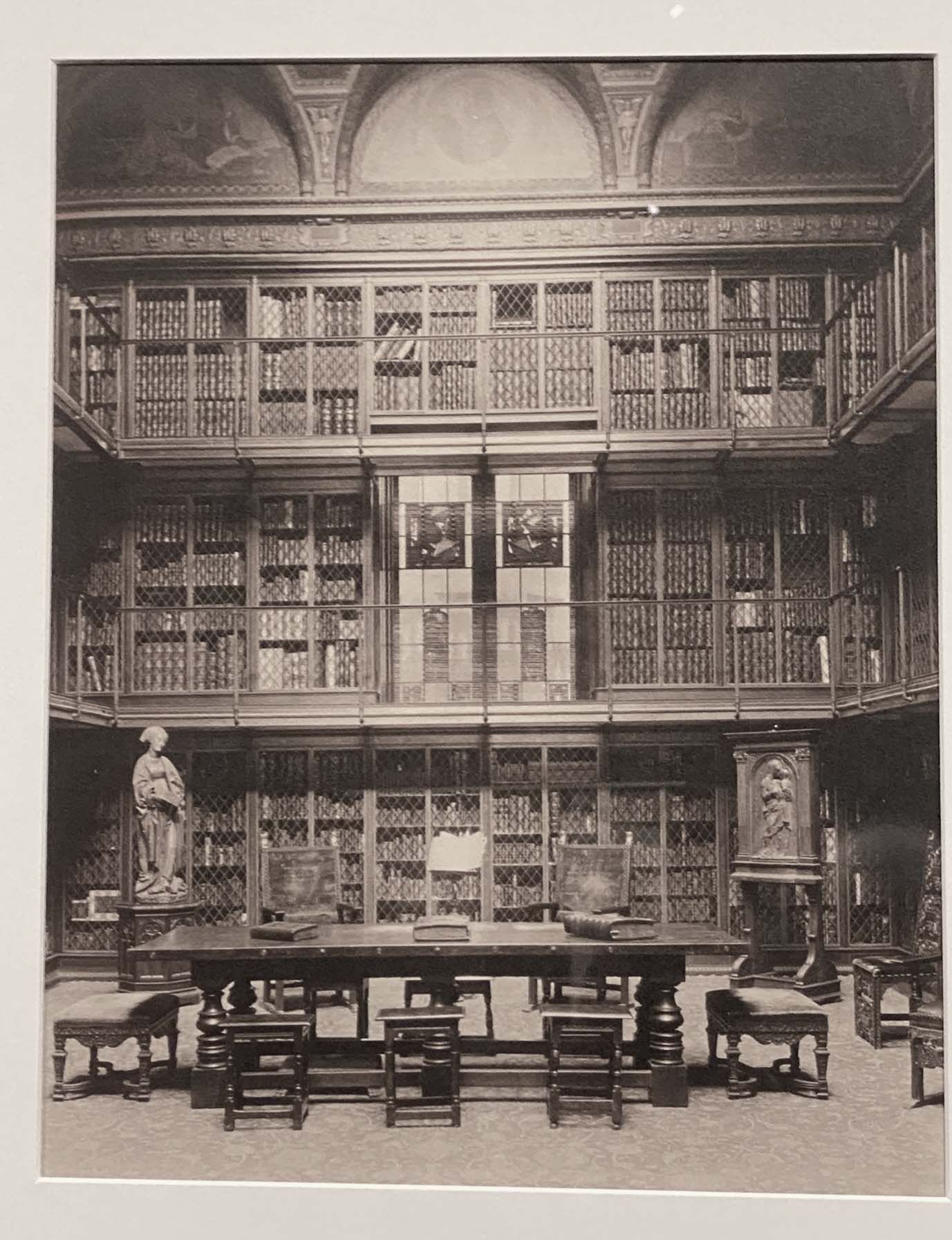
As a young, culturally oriented woman, Belle dreamed of working in the brand-new field of library science. Her impressive intellectual curiosity and research skills attracted benefactors who helped her with tuition at the best schools. Ultimately in 1901, she landed a job at Princeton’s library (when the campus was still segregated).
She came under the mentorship of library-science champiom Junius Spencer Morgan, J.P.’s nephew who eventually recommended her to his uncle who was building a private library to rival the best in Britain and France. The rest was history.
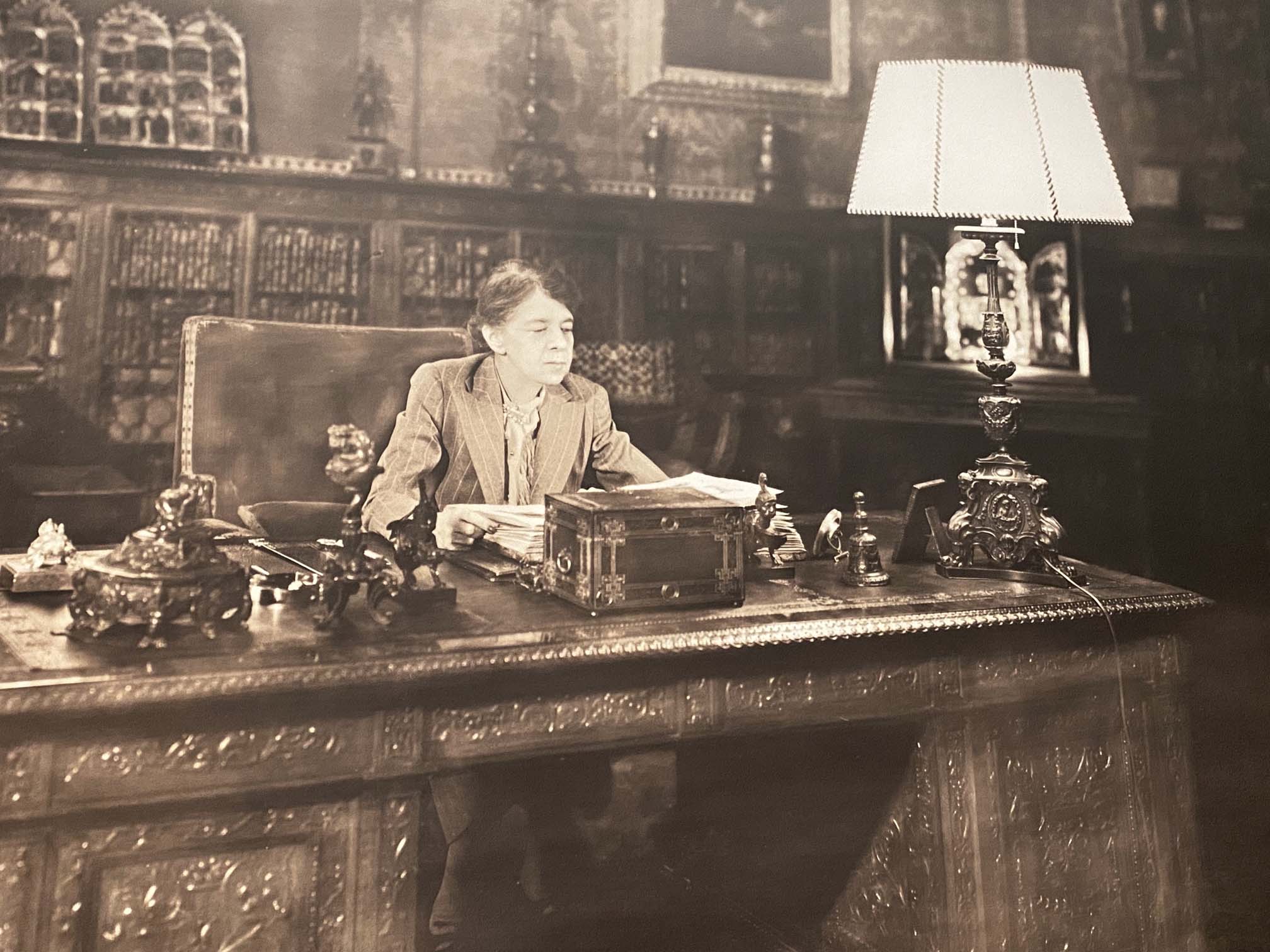
The exhibition tells Belle’s personal story, documents her acquisition triumphs for Morgan, shows her fame as one of the highest paid professional women in New York, and explains how she spent four decades building Mr. Morgan’s library into a premiere cultural institution.
Belle deftly navigated through society by gaining acclaim as a scholar, curator, and cultural innovator – often as the only woman on the auction bidding floor or at scholarly societies.
When she set her mind to something, she usually found a way to acquire it – even if it took years of waiting and entreaties. It was a quality that J.P. Morgan admired in her. He paid her handsomely, and trusted her completely to acquire works across Europe in his name.

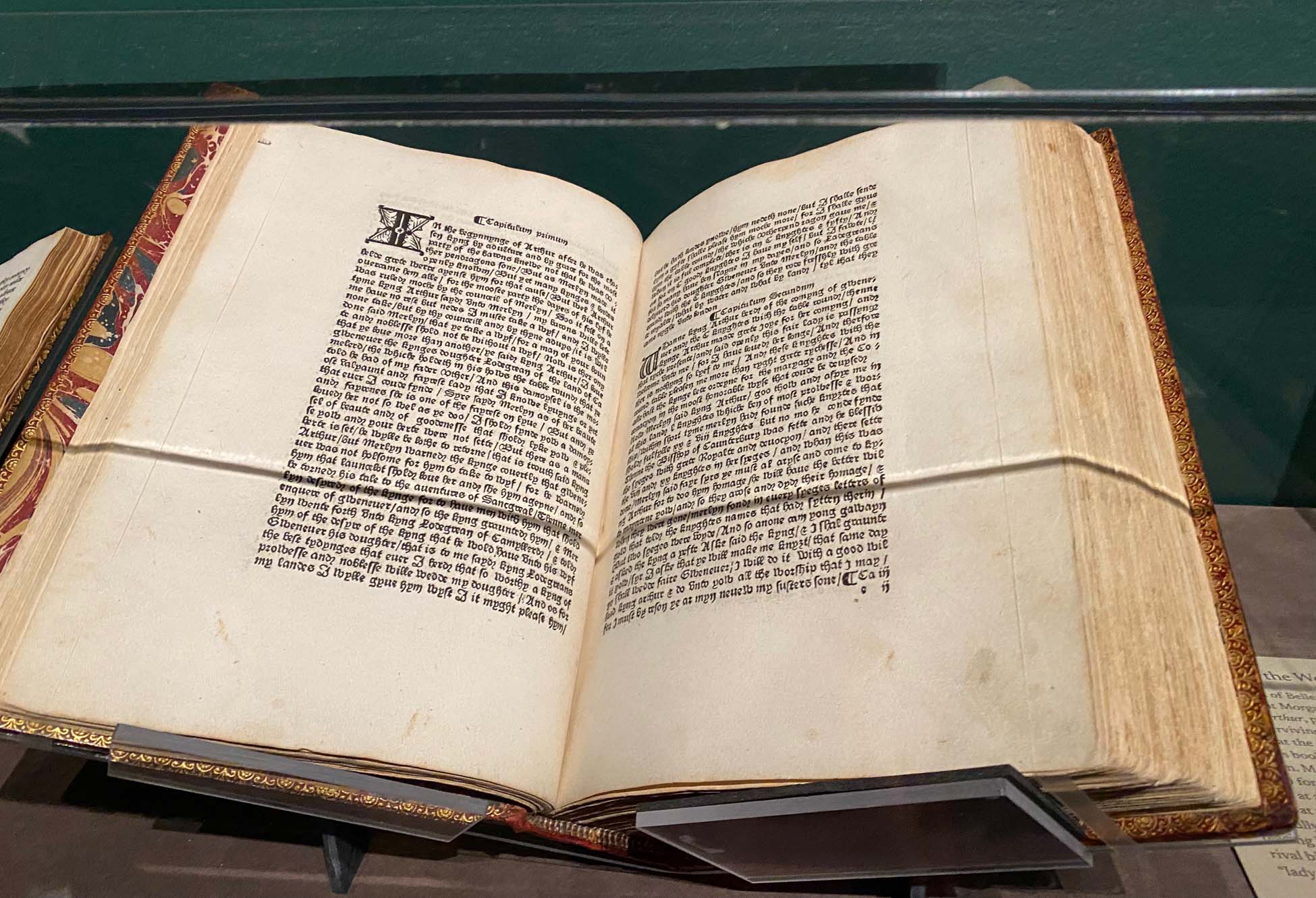
She even convinced Morgan to embrace classical Islamic art from India and Persia for the collection before other collectors caught on to their beauty and drove up prices.

When Morgan died in 1913, his son, Jack, asked Belle to continue in her position and oversee the construction of the Annex on 36th Street.
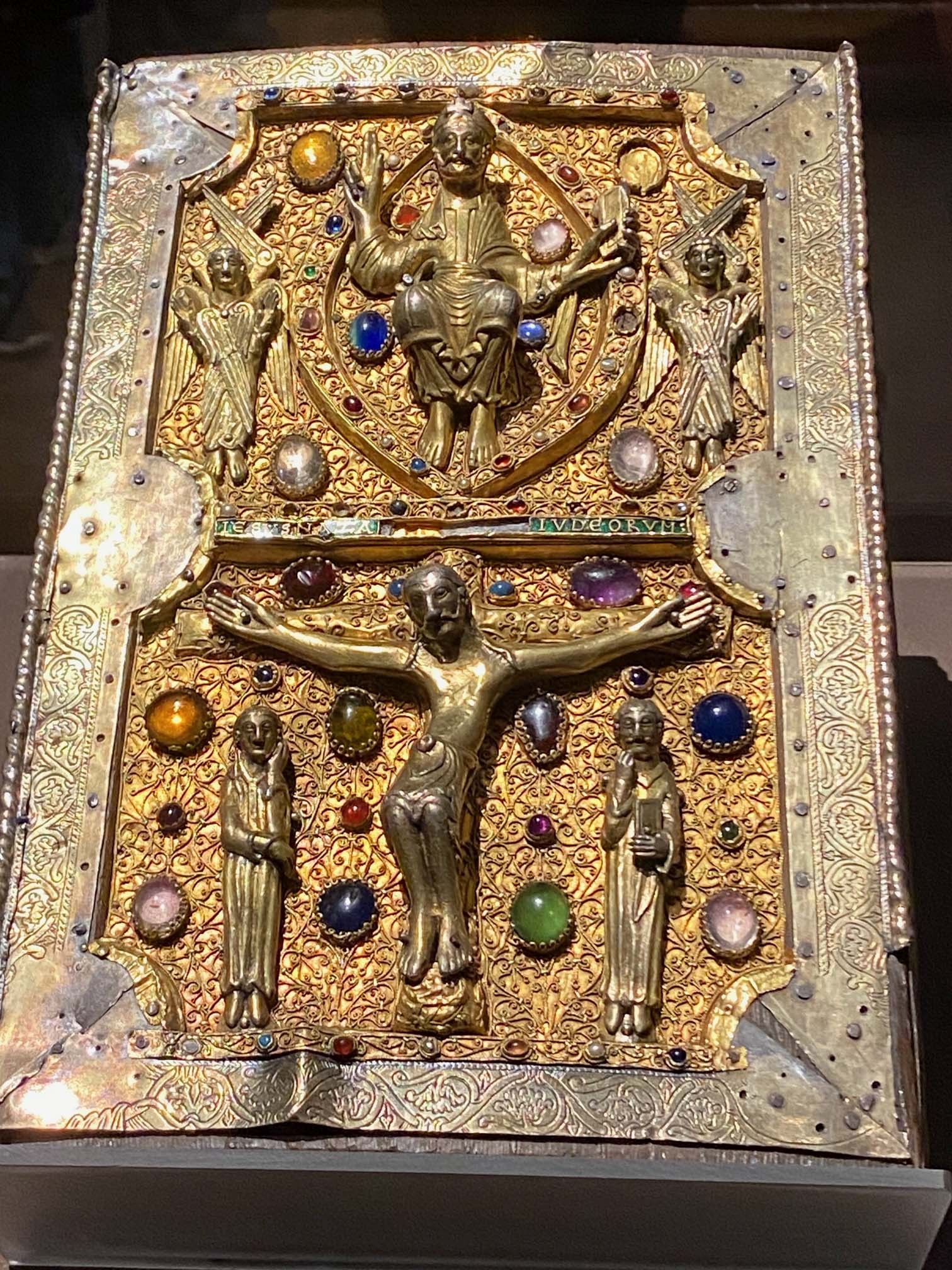
In 1916 (without permission), Belle snuck over to Europe during World War I to convince an English collector to part with the much admired “Crusader Bible,” a gorgeous illuminated 13th century manuscript. Mr. Morgan had once made an offer for it. After Morgan died in 1913, Belle met with the collector in person, struck a deal, brought it back, and presented it to Jack Morgan for the collection.
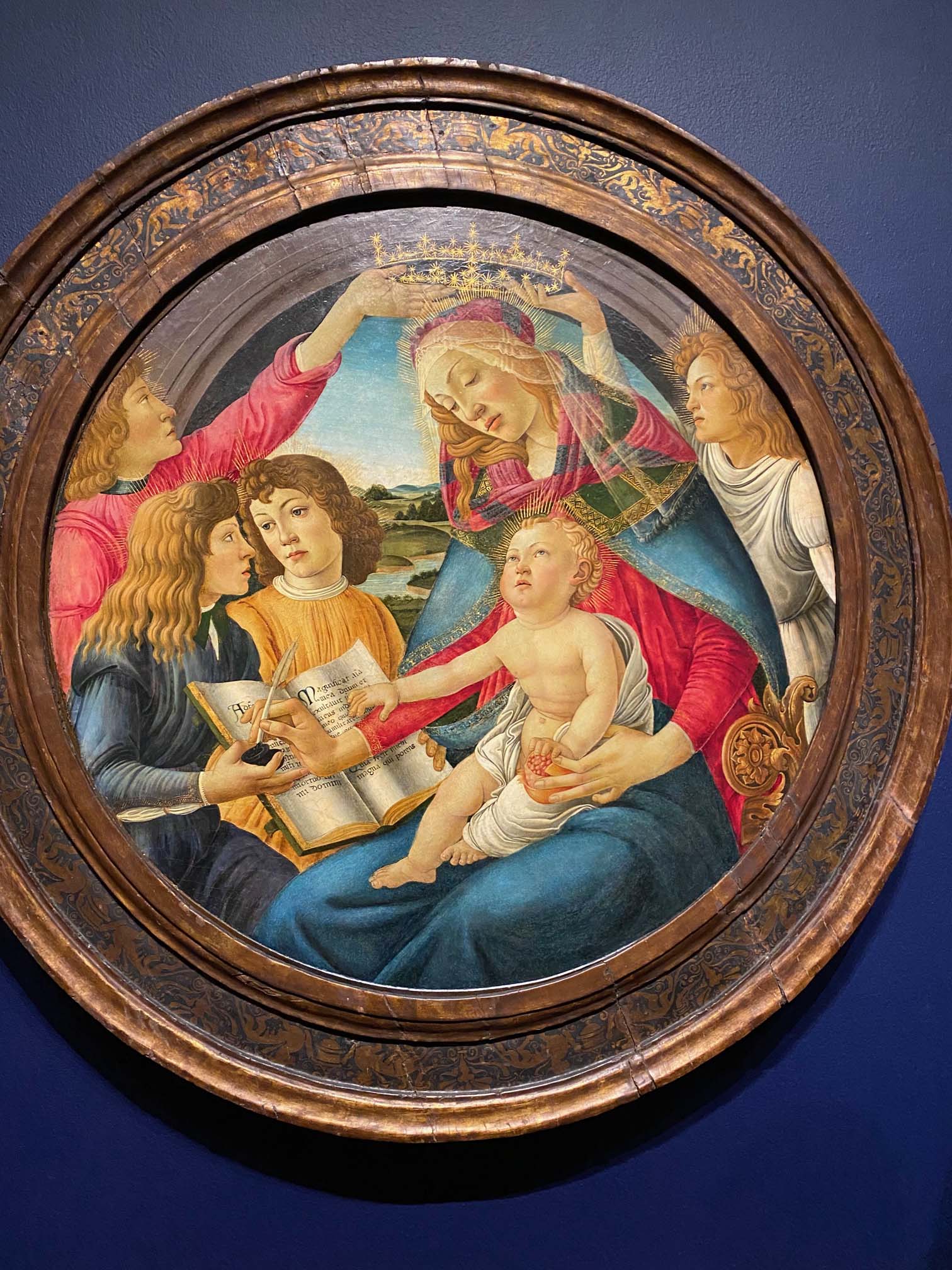
Her expertise in medieval illumination and manuscripts made her a friend and advisor for life among American and European scholars, collectors, and museum curators. The Metropolitan Museum made her a trustee for life, and often consulted with her on medieval masterpieces, fakes and forgeries, and other acquisitions.
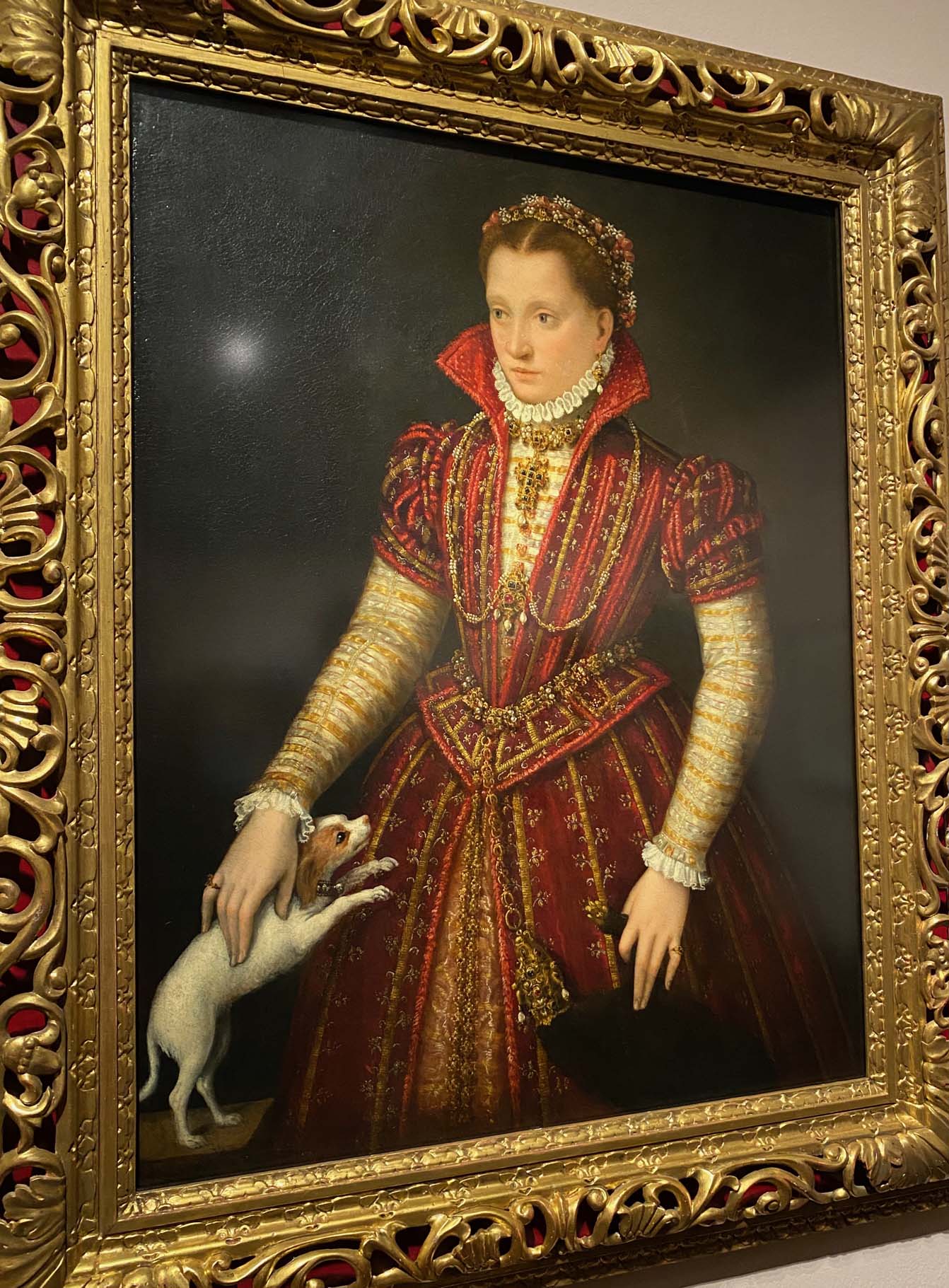

The curators tell her story across two galleries using items from the Morgan’s collection (including the many portraits of her!) as well as paintings, prints, photographs and documents from 20 other lenders. Take a peek into the exhibition and hear the Morgan’s curators summarize Belle’s ground-breaking achievements:
Explore the works at your leisure here as you complete a 3D digital walk-through on the Morgan’s website. You can also listen to the audio tour from right inside the virtual gallery.
Get to know this legend, and take a look at our favorite exhibition pieces in our Flickr album.
The ony question is – who will play Belle in the movie?
 itsnewstoyou