
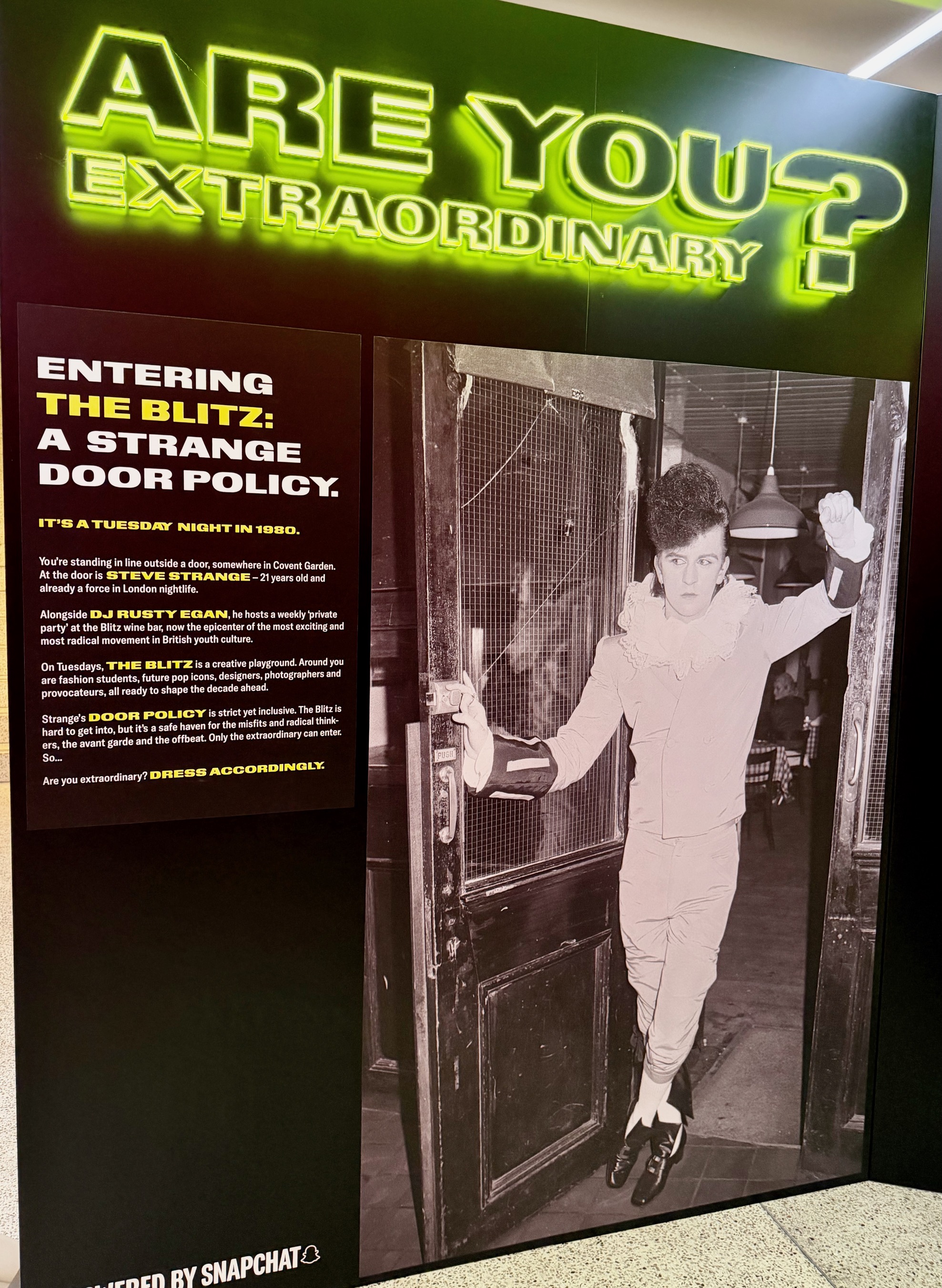
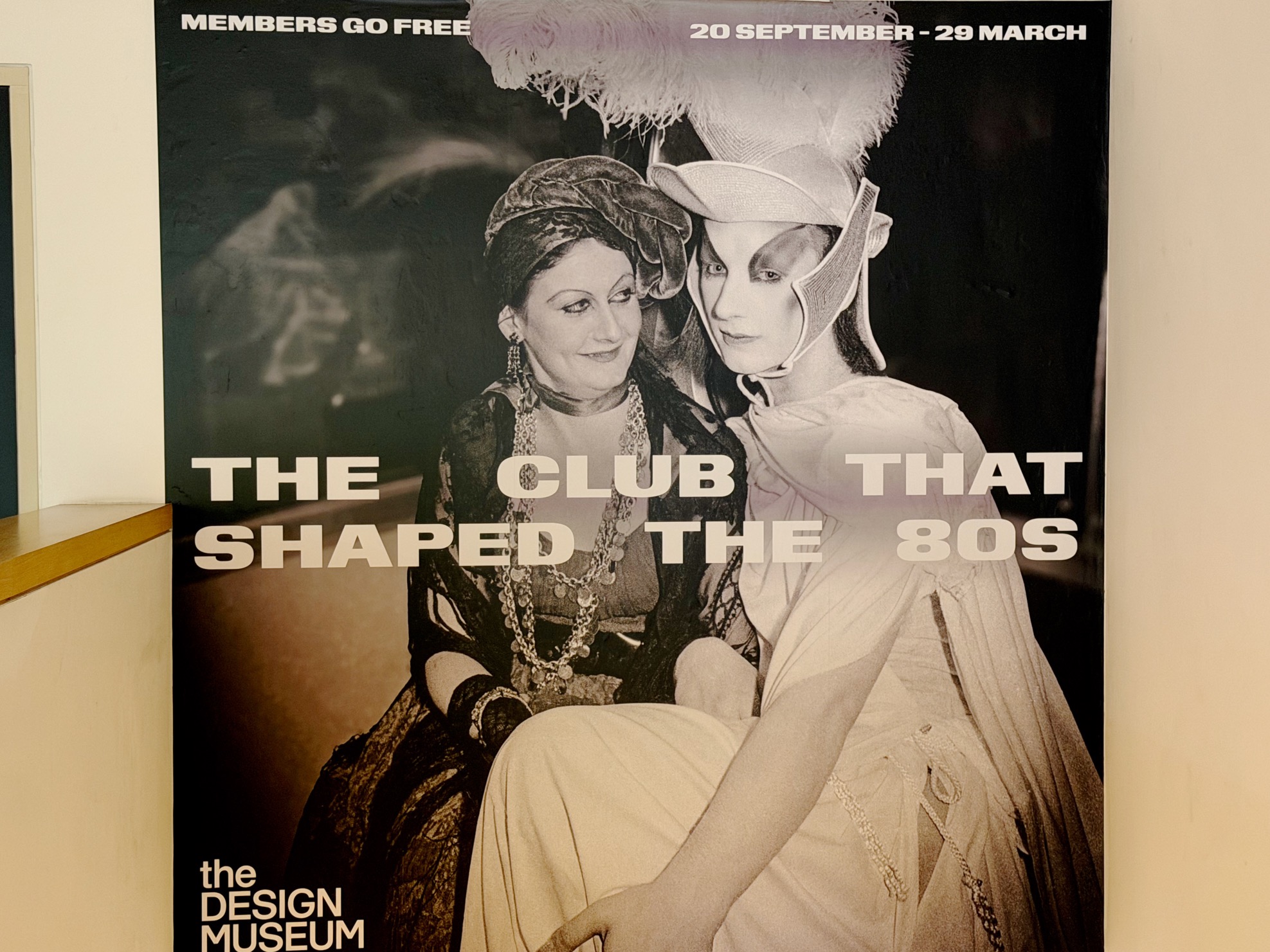
You’ll have to go downstairs and get past the doorman to get into the club where art, design, trend, creative dress, techno-pop, synth, retro, and gender-bending fashions rule. The Design Museum in Kensington, London has created a time machine that takes visitors back to the edgy days of Covent Garden through the exhibition Blitz: the club that shaped the 80s, on view through March 29, 2026.
As soon as you enter the museum lobby, you can tell who’s there for the exhibition. Many are dressed for the occasion in bold designs, sparkly accessories, band T-shirts, and 80s hair accessories. Everyone’s having fun, going back to their youthful club days in London, remembering the “private party” at the Blitz wine bar every Tuesday night.
See some of our favorite memorabilia and fashion in our Flickr album.
The exhibition recreates the convergence of everything cool in London culture circa 1979-1980. Visitors stand before posters, walls of photos, and fashion recollecting their own experiences at the Tuesday-night wine-bar “private party” where Steve Strange and DJ Rusty Eagan presided over bare-bones space that came alive with color, outrageous fashion, and ginormous personalities. Steve worked the door and (for a nano-second) Boy George ran the coat room. No one repeated outfits.
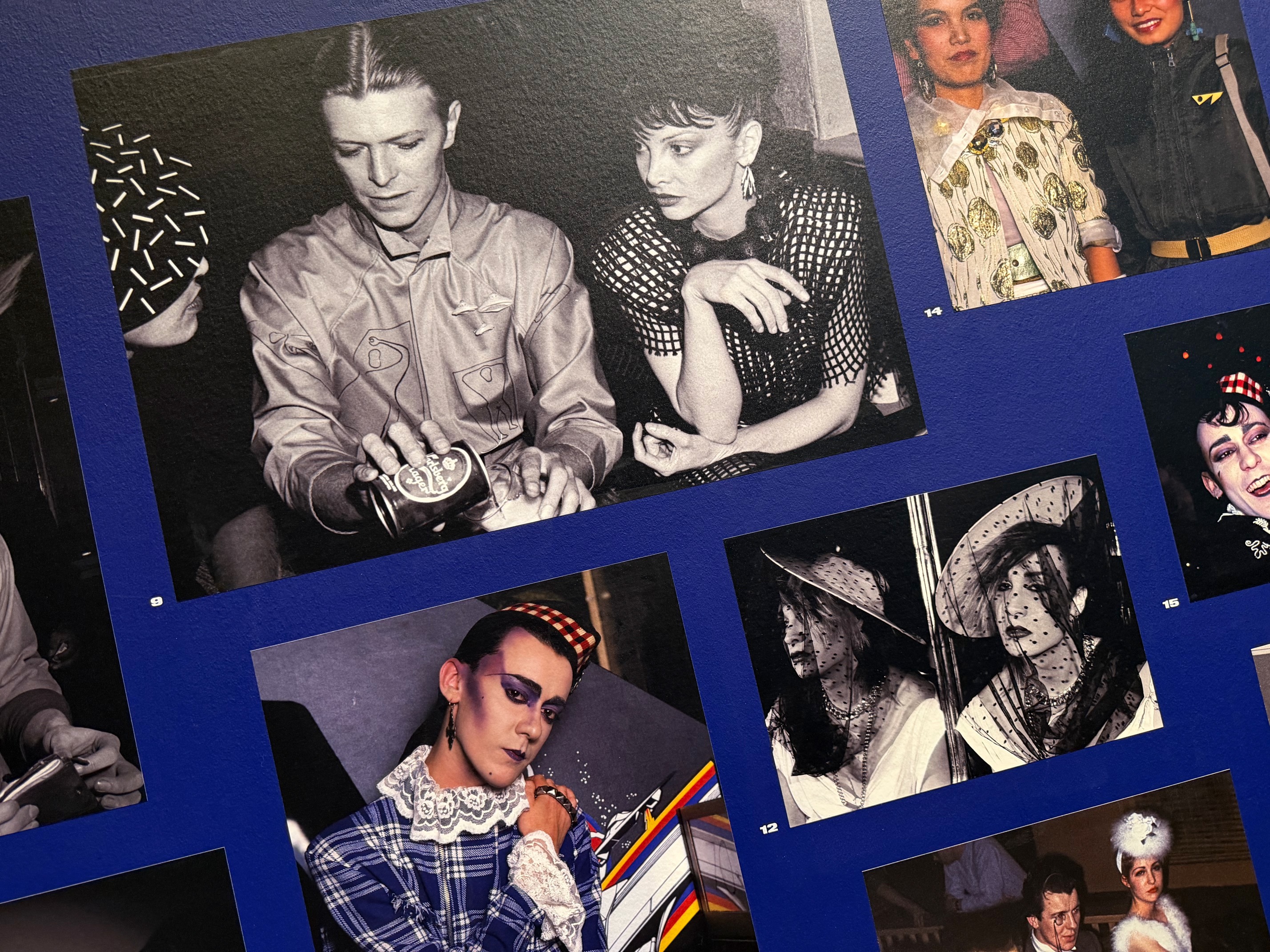
The journey opens with a look at the counter-culture that was percolating in Britain in the mid-1970s – the subversive punk scene, young people’s passion for European retro avant-garde cinema and art (thought to be more exciting that UK’s drab day-to-day), the magic of public persona reinvention (look no further than the music and image of the morphing Mr. Bowie), and and subversive, transmuting morals exemplified by drag and The Rocky Horror Picture Show.
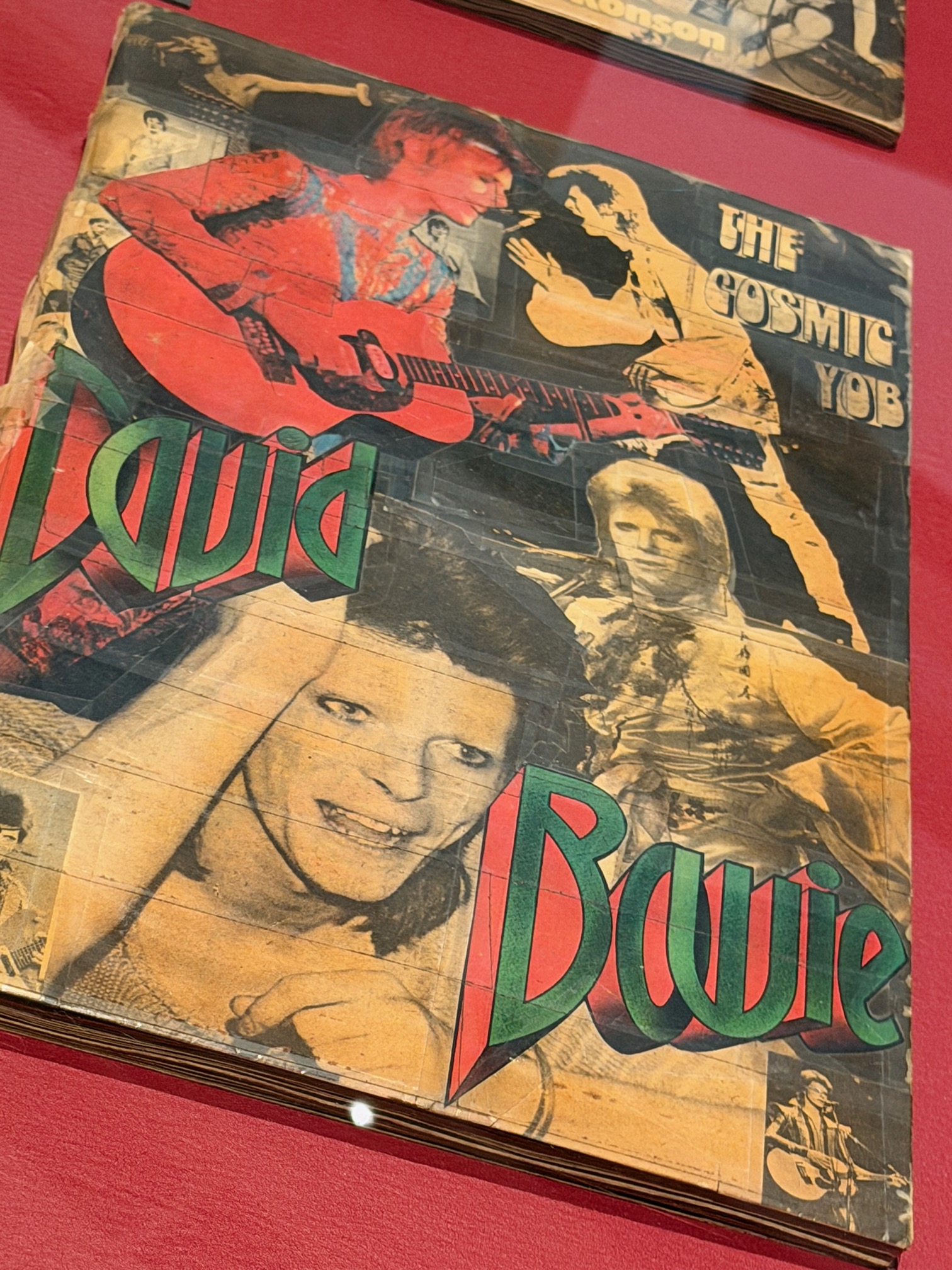
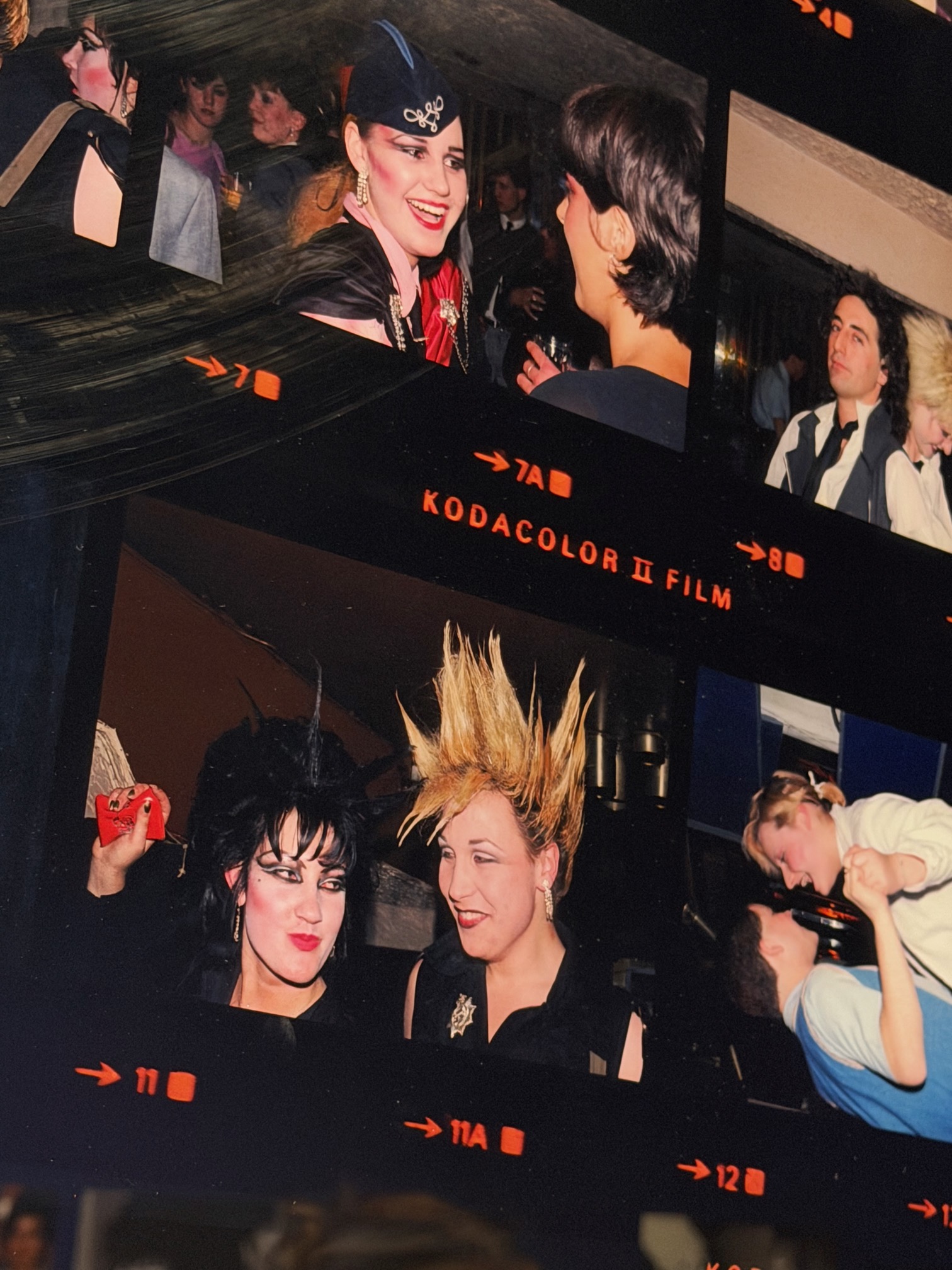
DJ Rusty Egan began by hosting parties at other venues (“Bowie Night” and so forth) before asking the Blitz to agree to his recurring weekly event. Young art and fashion students of St. Martin’s and Central flocked to these party nights, turning themselves (and friends) into unique cultural creations. You were safe at the Blitz.
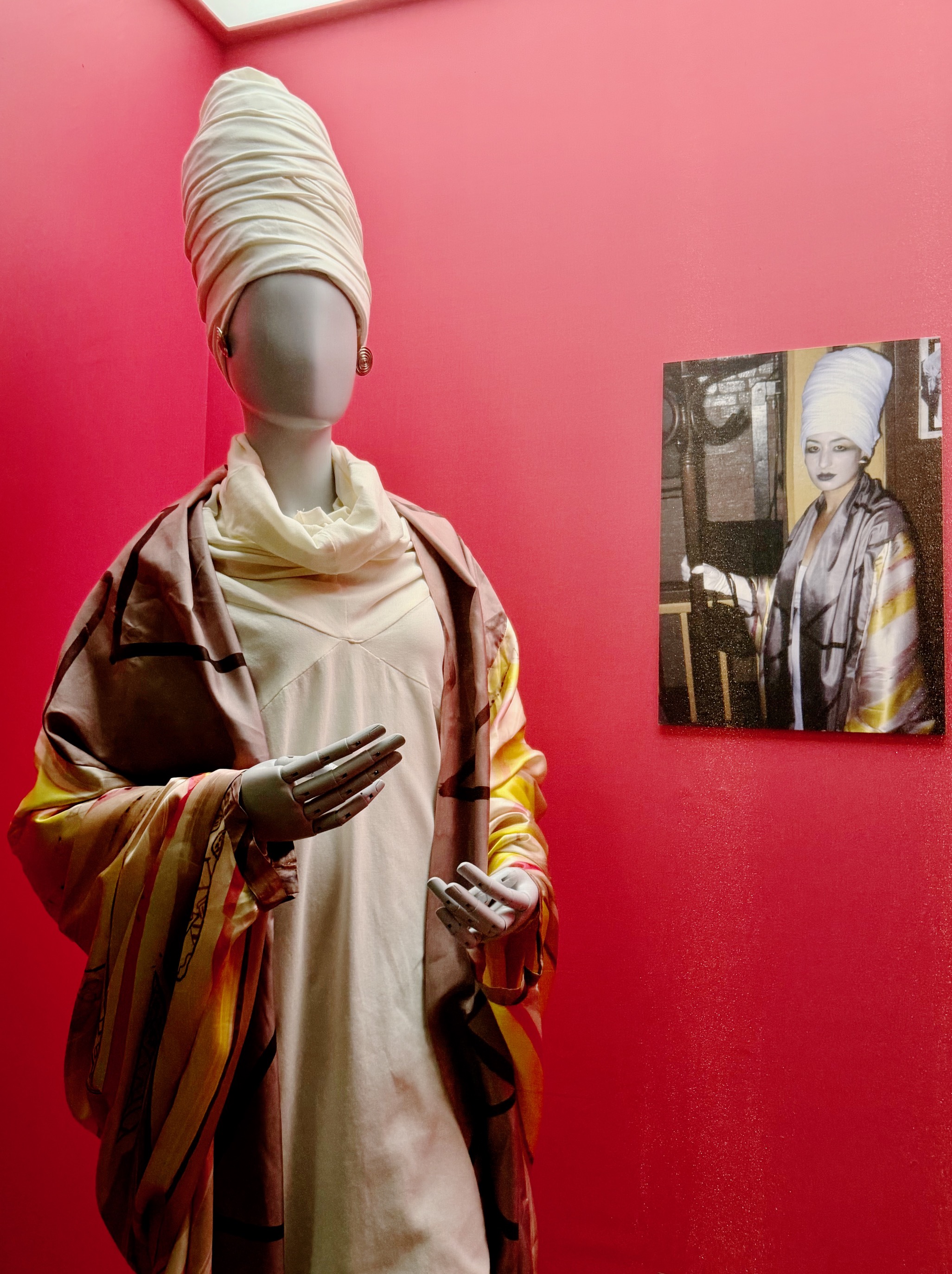
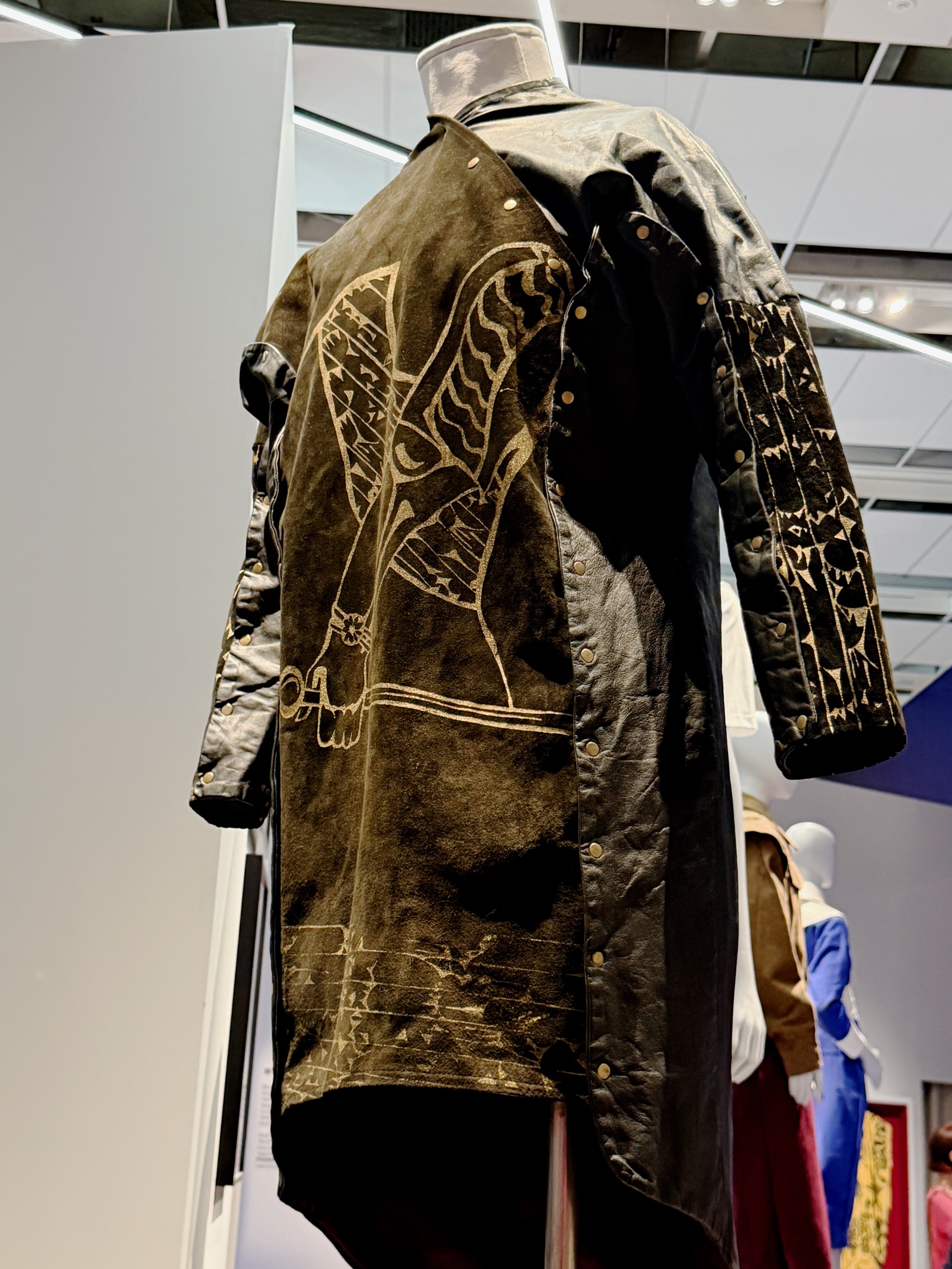
Fashion and innovation at the club were key, and after the Blitz club opened in 1979, it didn’t take long for the press to catch on. Spandau Ballet did their first live performance at the Blitz, costumed by up-and-coming student designers. Manolo Blahnik and (future milliner to Dior and Diana) Stephen Jones were just part of the crowd, collaborating with designer friends, musicians, and make-up and hair artists to create look after look. They never imagined from those funky club days that their business would become the stuff of Met Galas, big-time runways, and museum archives.
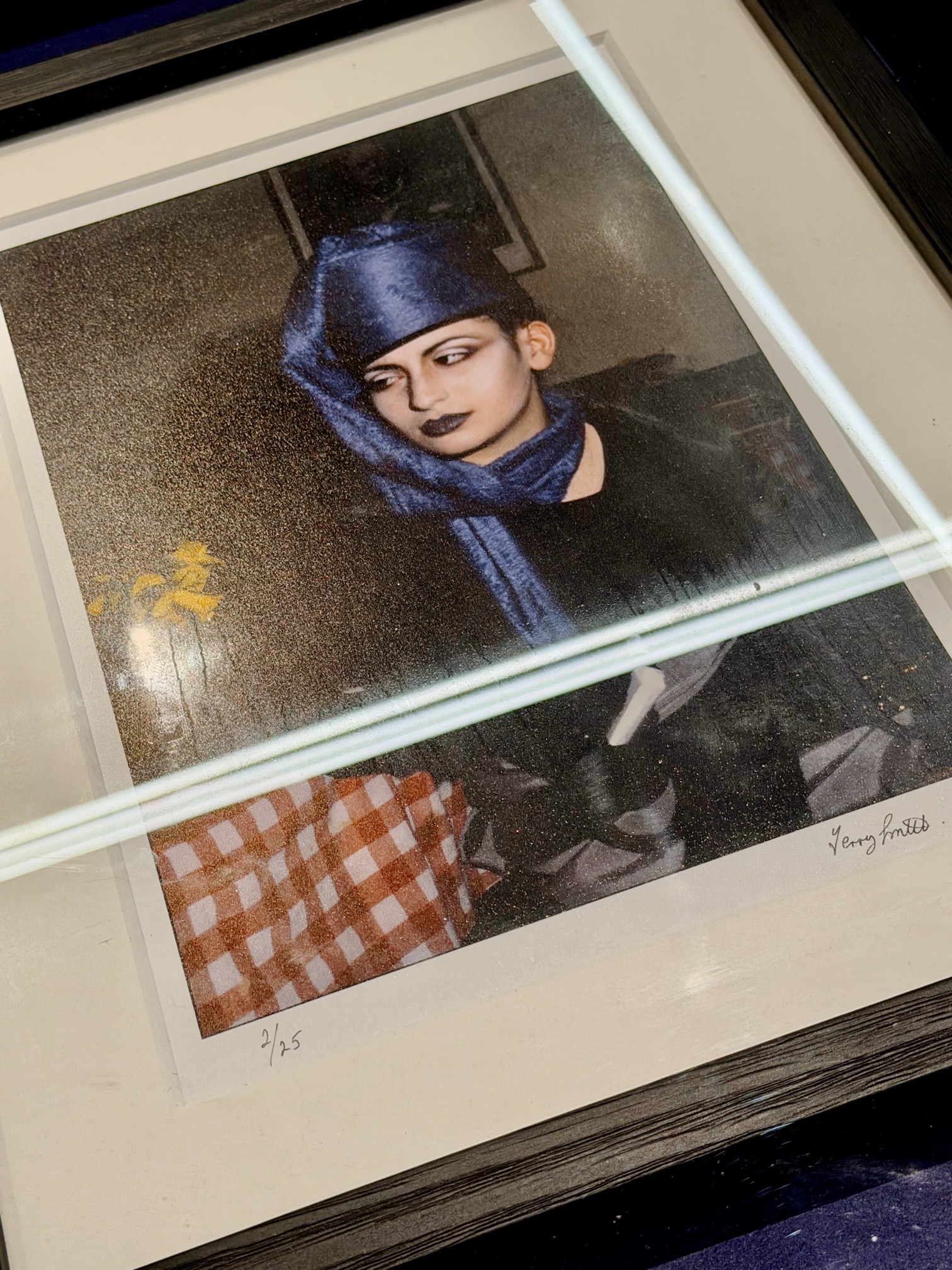
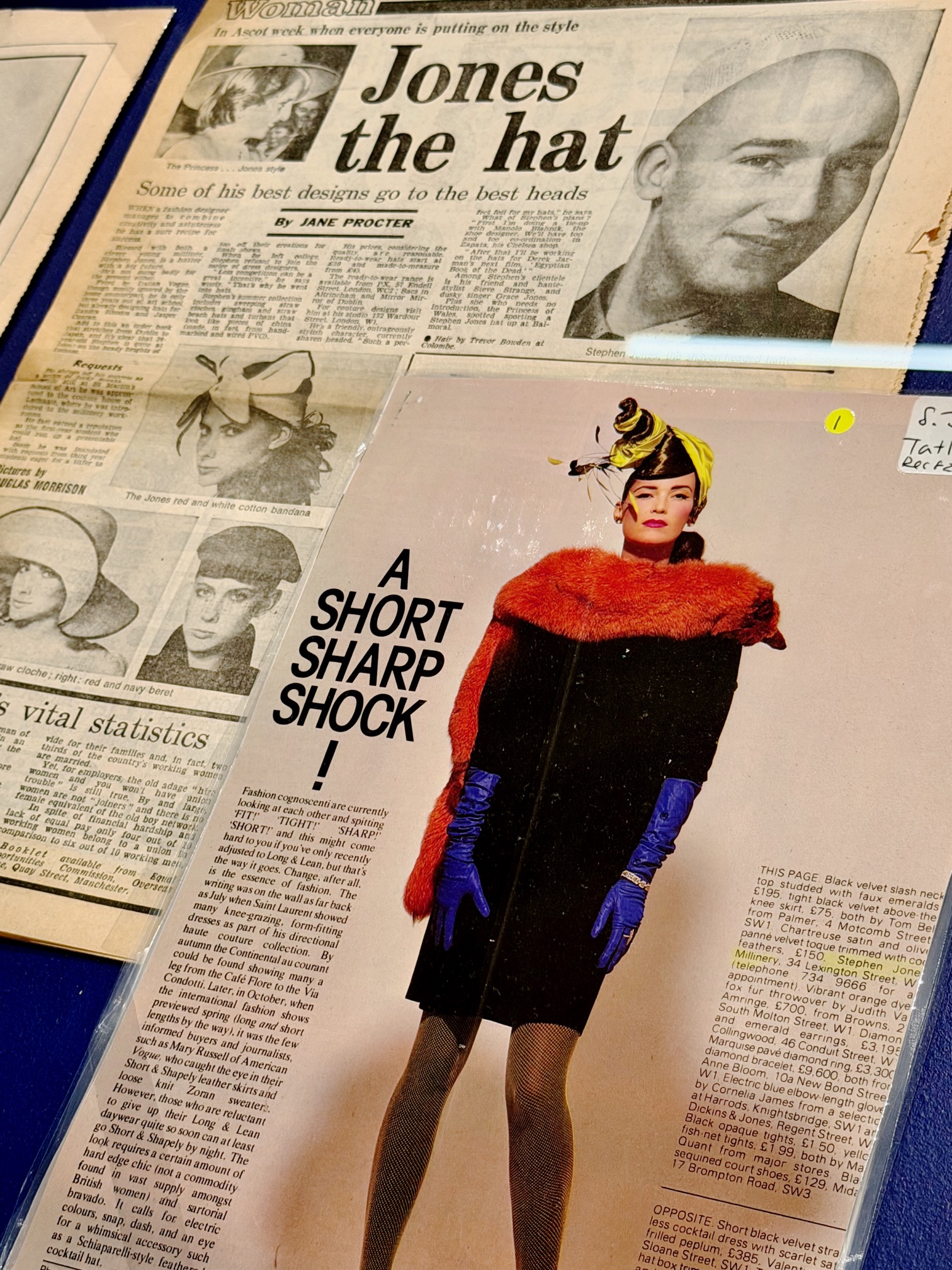
The exhibition shows off many of the designers who defined the ever-evolving look of (what the press called) “The New Romantics.” Backless leather dresses by Fiona Dealey, retro zoot suits by Chris Sullivan, ecclesiastical-inspired unisex garb by Darla-Jane Gilroy, and socio-political tank-top commentary by Sue Clowes. After their graduation collections, many of them sold clothes at Camden Market or specialty boutiques near the club. Their careers were off and running.
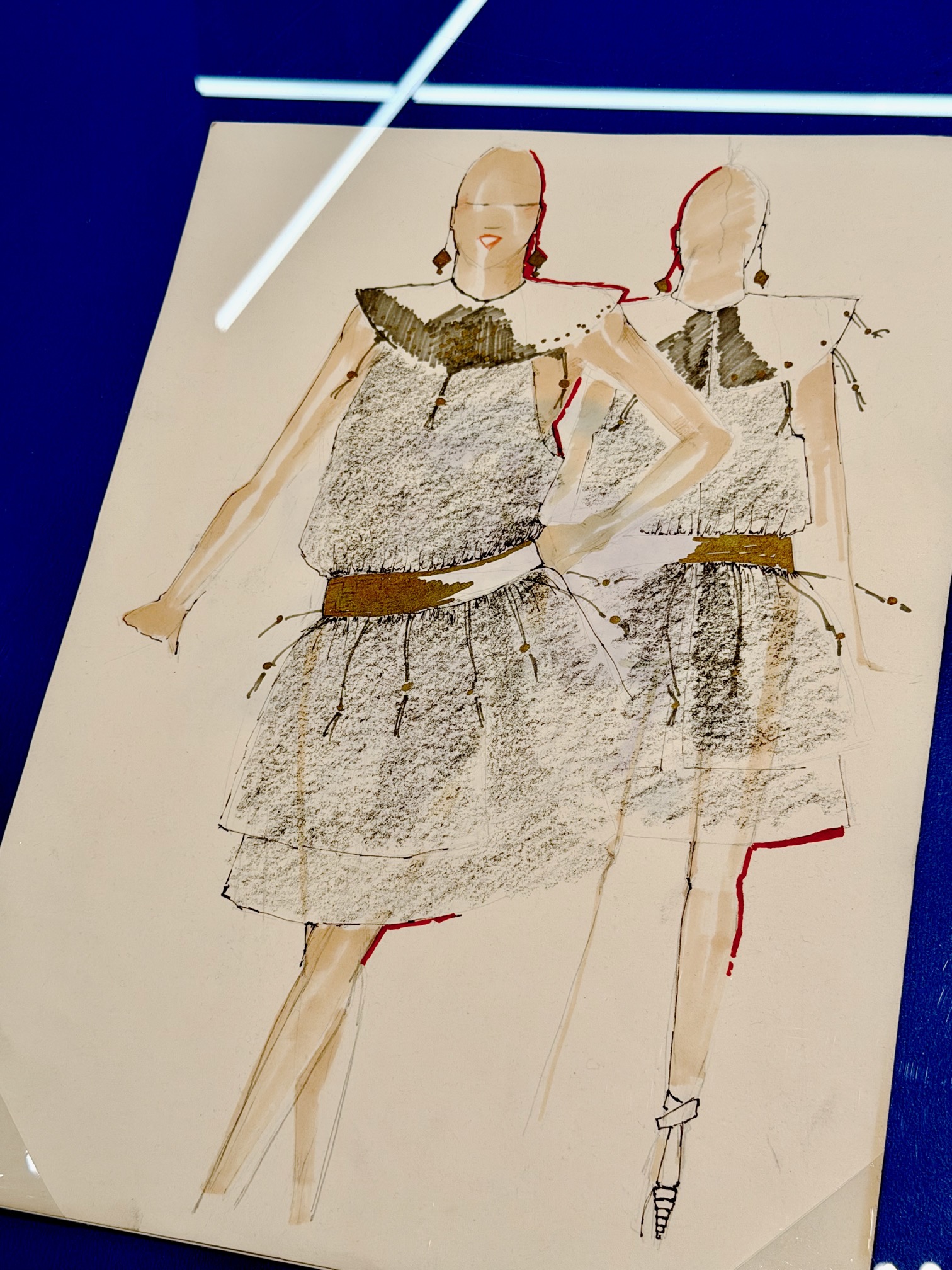
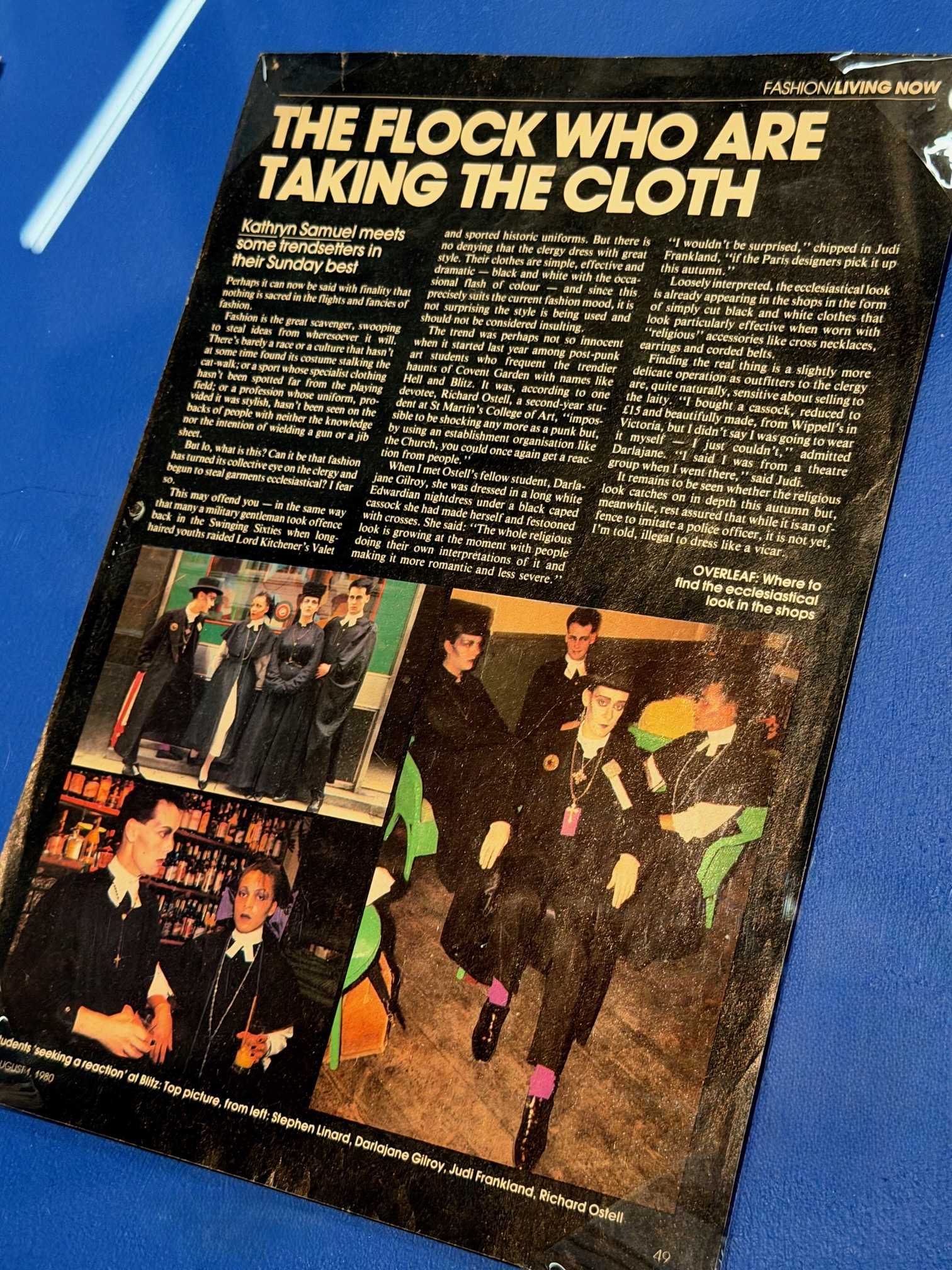
Celebrity sightings were common at the club in those days. But just as many of the “Blitz Kids” promoted their own celebrity. Eventually Steve Strange was starring in music videos for his group Visage and Boy George was fronting Culture Club, all with revolutionary clothes, makeup, hats, and hair. With the advent of the wildly successful MTV, the whole thing went TV-viral.
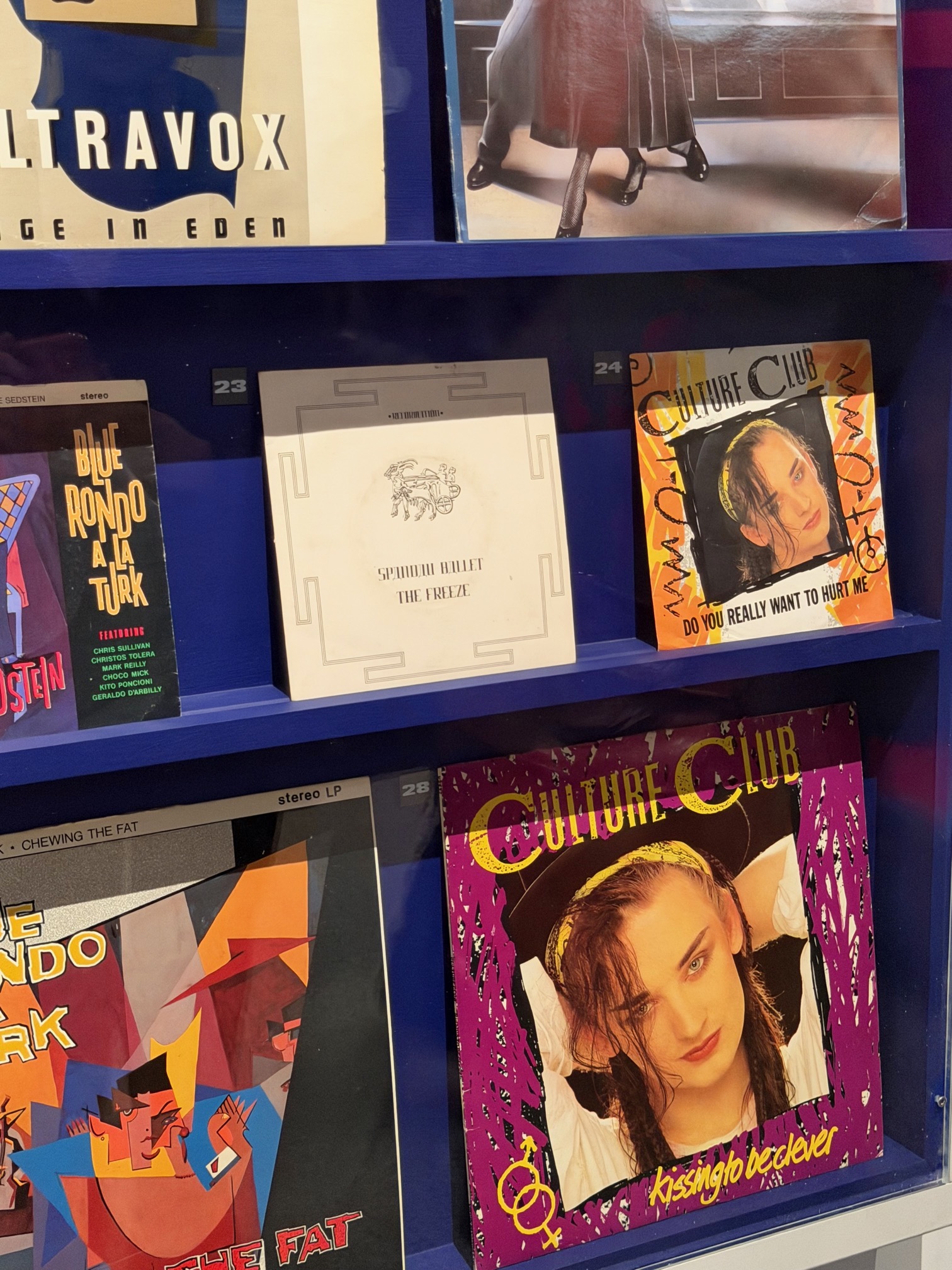
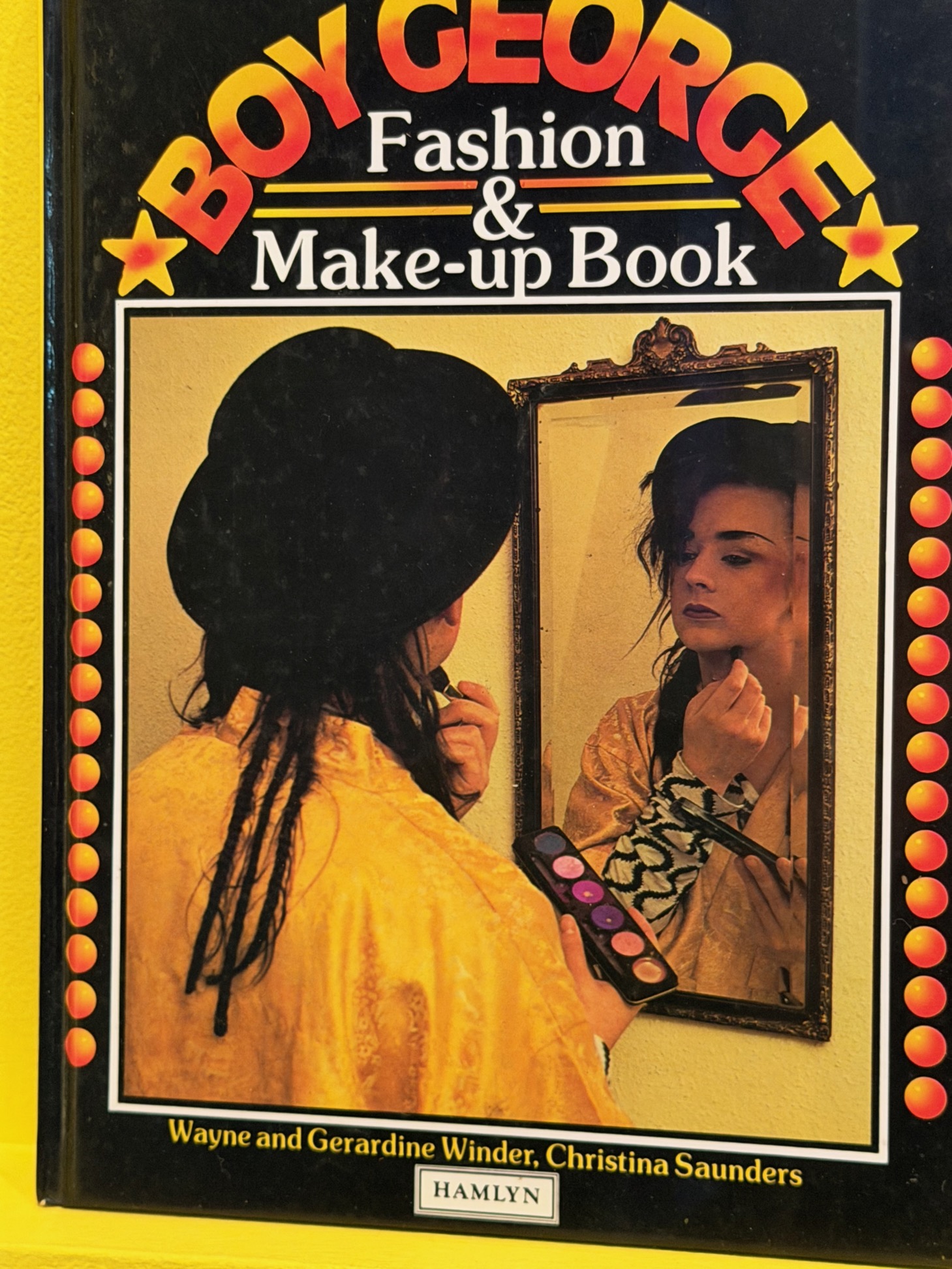
The central gallery of the exhibition is a physical recreation of the club with a period soundtrack. Although there aren’t any drinks being served, a virtual DJ Rusty Egan and virtual images of club goers thoroughly entertained museum visitors, all remembering those days when they were young and the the scene felt so alive.
Several visitors shepherded their now-adult kids through the exhibit, reliving those days and explaining how it felt to be witnessing pop-culture history-in-the making. You see walls of record albums from the era, a series of MTV video clips, and first editions of i-D magazine that quickly morphed from a punk-music publication to a chronicle of Blitz Kid fashion and street style.
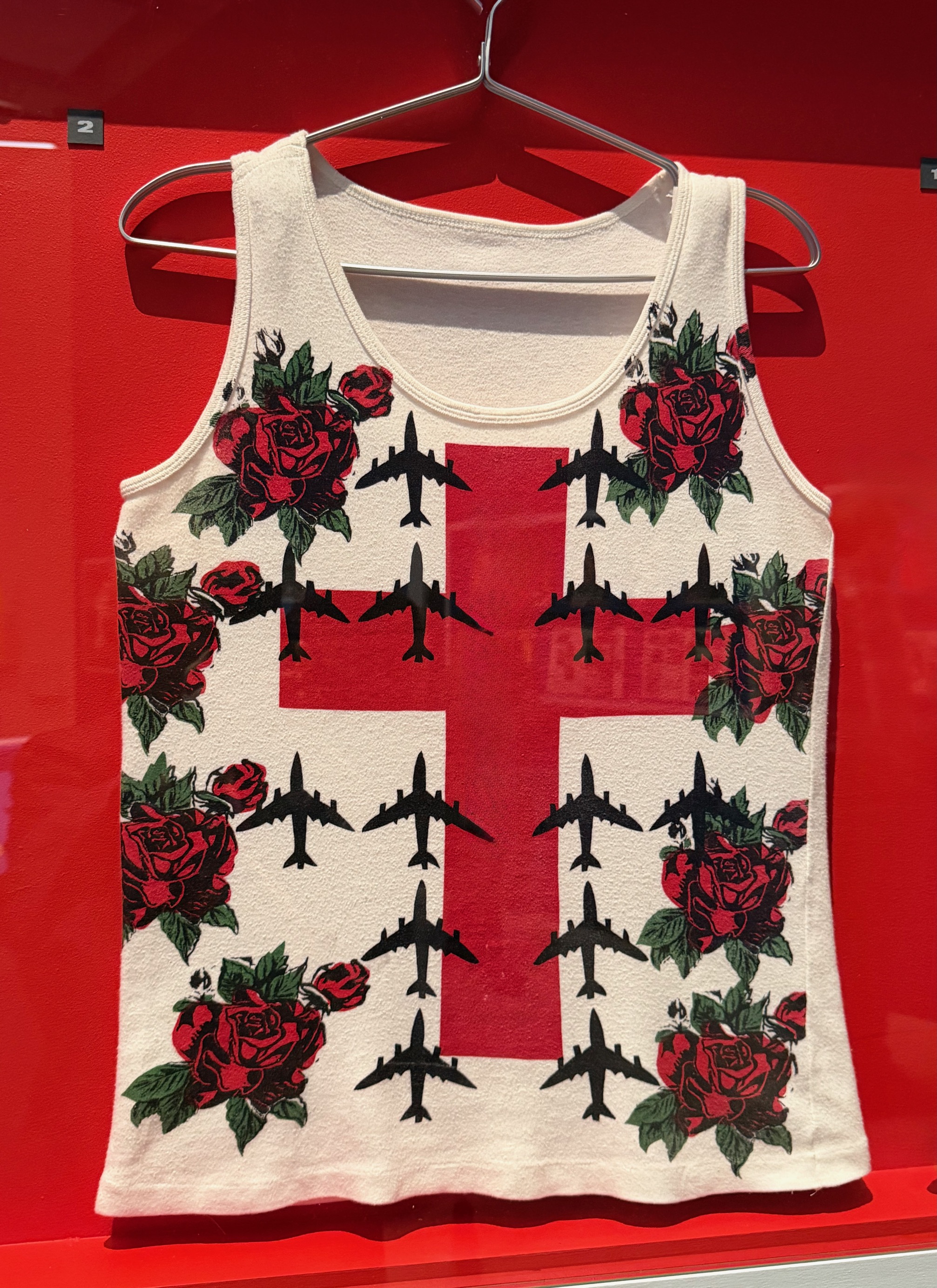
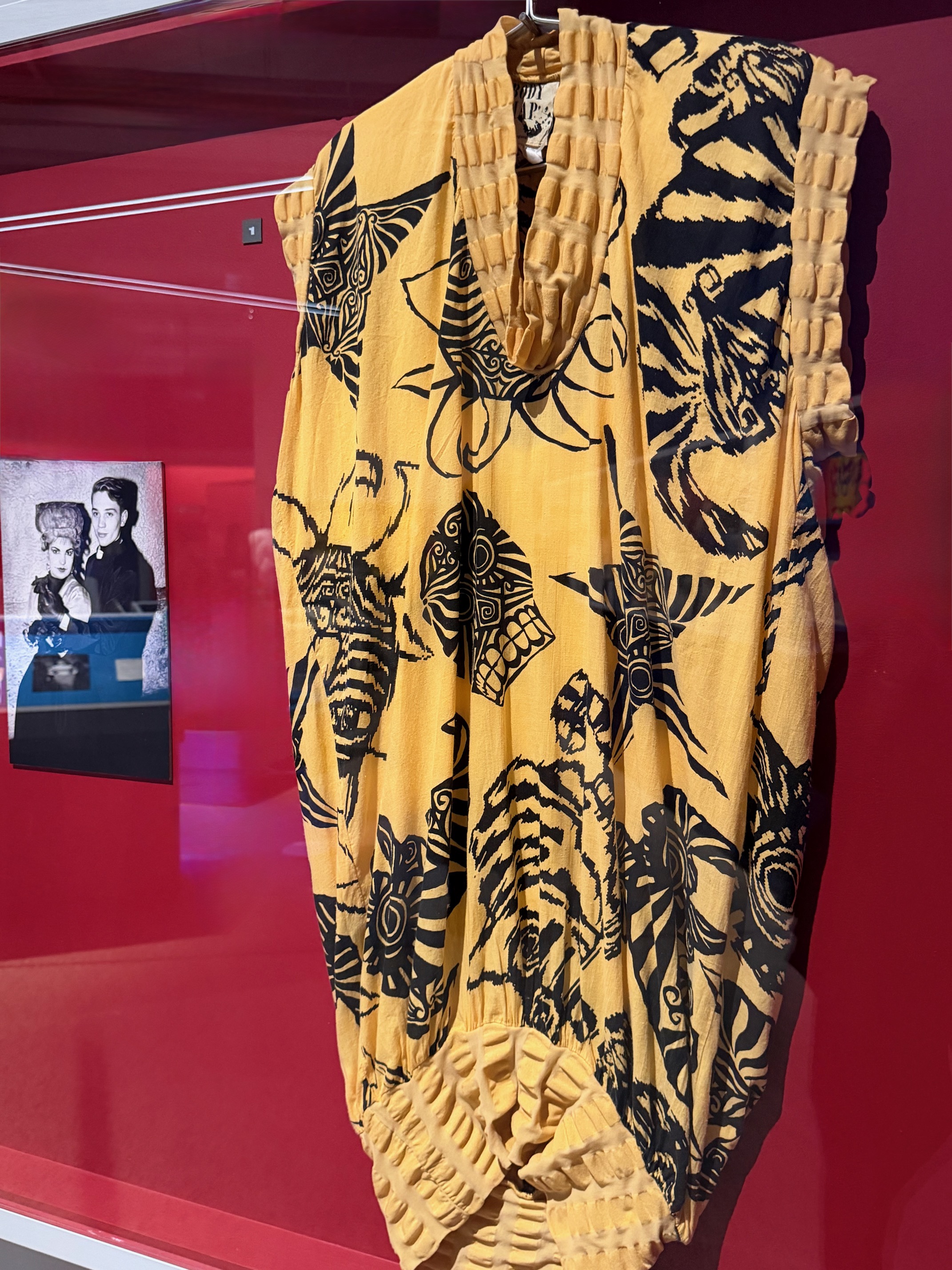
Watch this short video with curator Danielle Thom, Gary Kemp of Spandau Ballet, and Blitz creator Rusty Egan, who talk about the creative sparks that flew in a pre-Internet society.
Bravo to The Design Museum for making so many Londoners so happy, and to let everyone see, feel, and experience a time when transformation people and ideas seemed limitless and an army of misfit creatives changed pop-culture, design, and fashion for the better.
 itsnewstoyou