
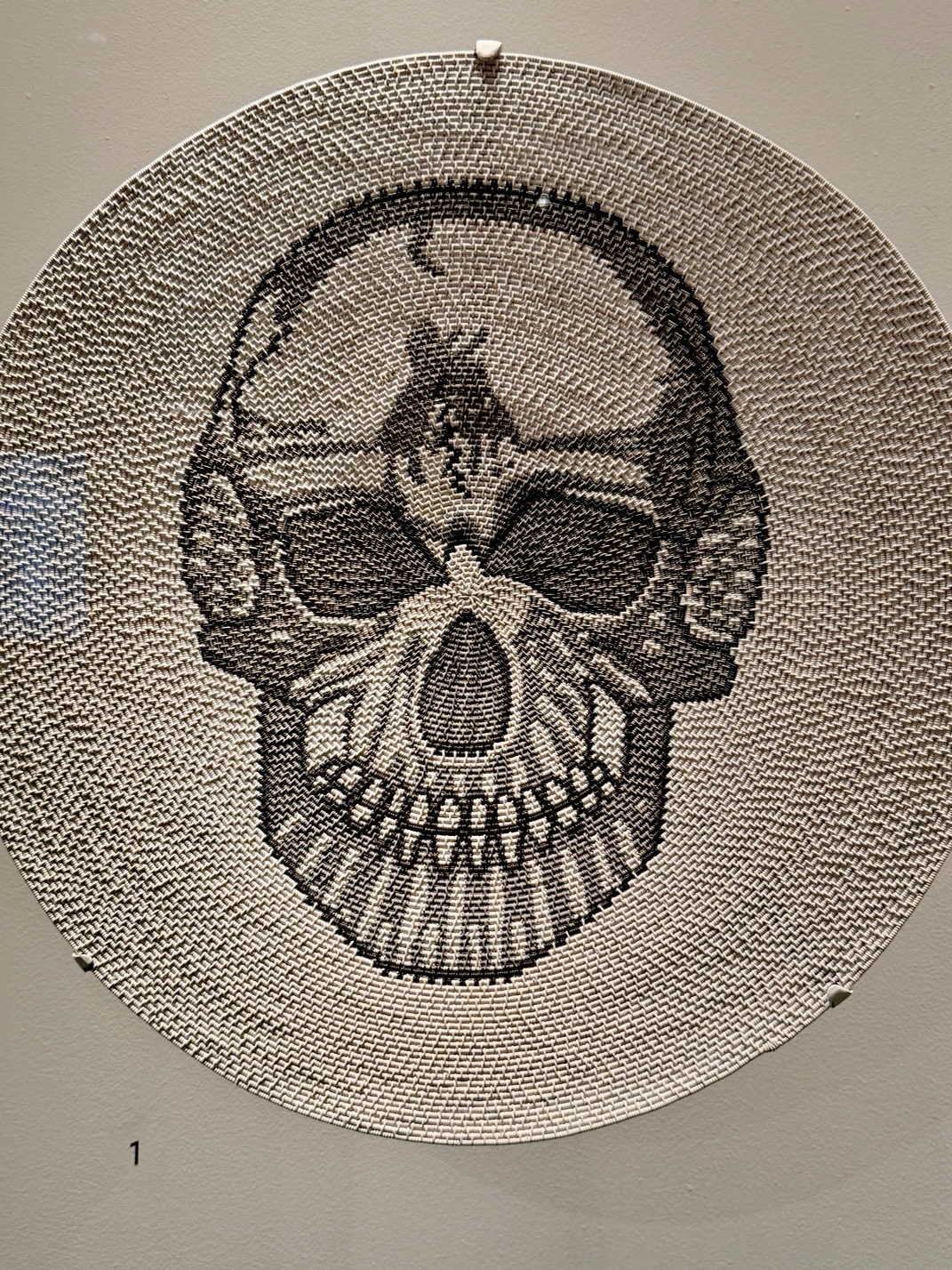
How do you take a domestic beer pot and lid and turn it into art? Take a look at the dazzling designs on display in the first museum exhibition dedicated to one of the most unique art forms to blossom in post-Apartheid South Africa – iNgqikithi yokuPhica/Weaving Meanings: Telephone Wire Art from South Africa, on view at Santa Fe’s International Museum of Folk Art through March 29, 2026.
It’s easy to be overwhelmed at the the intricacy of the colorful, whirling designs that first meet your eye. But when you slow down to look more closely, all sorts of meanings appear – ancient tribal writing, village scenes, Zululand wildlife, patriotic emblems, and even celebrated achievements in the sports world
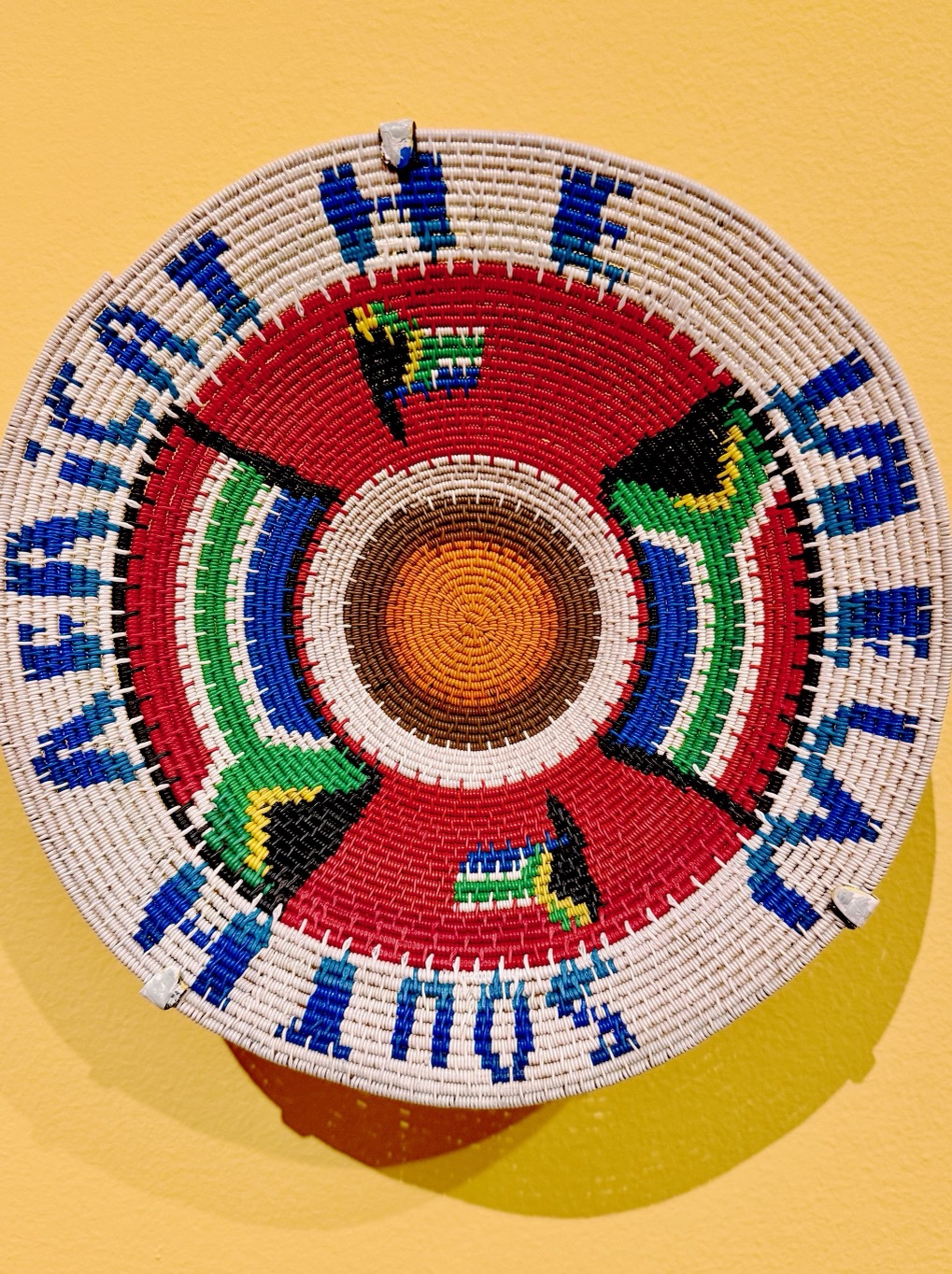
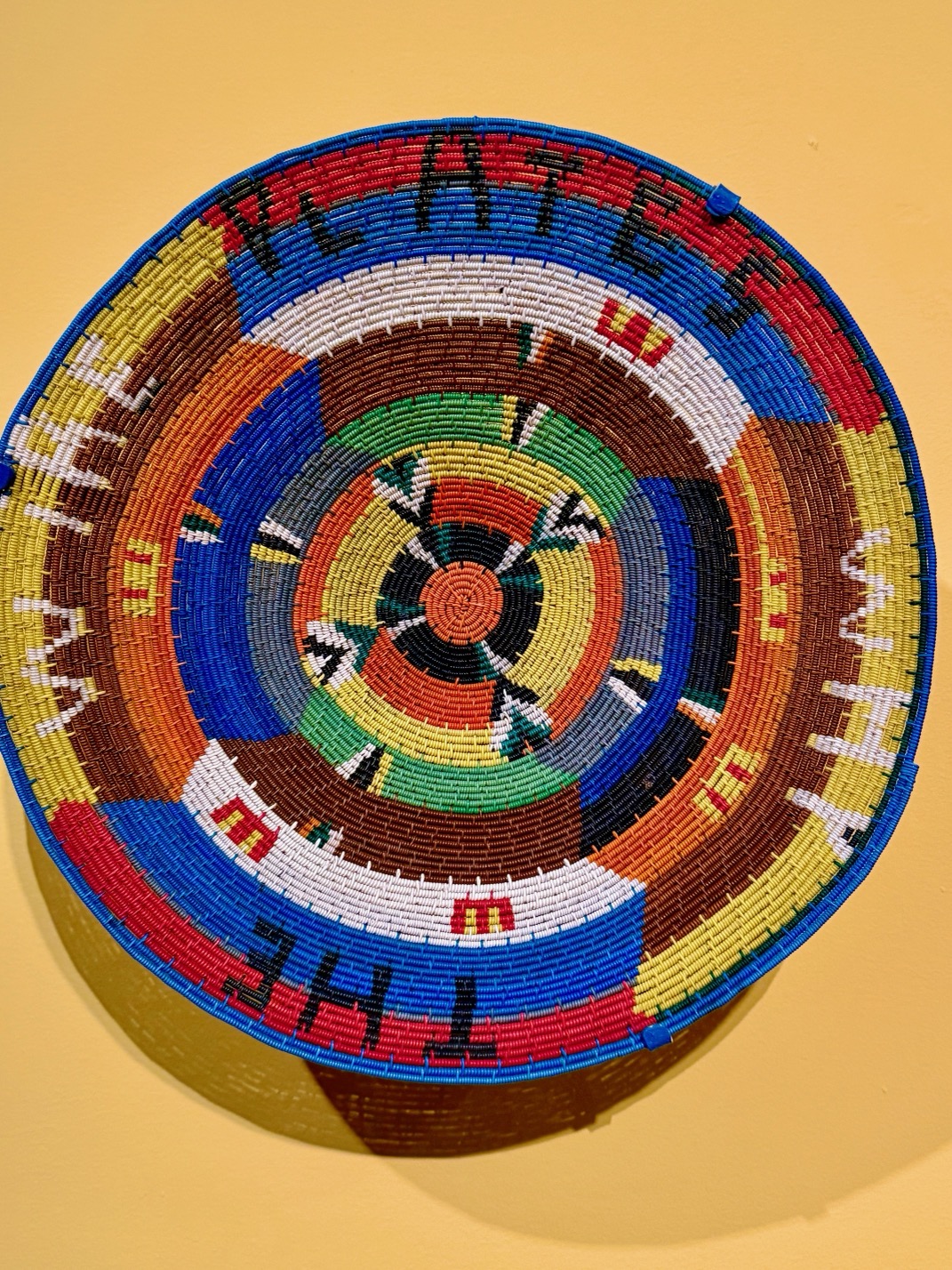
Take a look at some of our favorite works in our Flickr album.
The journey begins with Bheki Diamini’s 1990s telephone-wire basket, whose text asks the question “Why the Wire Plates?” T
The exhibition answers by explaining the long history of African wire weaving, the stories of innovators who started using colorful telephone wire in the 1990s, and how it became an economic game-changer for practitioners.
As far back as the 16th century, wire and metal rods were popular trade items in South Africa, and by the 19th century, everyday people were embellishing snuff containers and traditional sparring and walking sticks with intricate wire weaves. Although traditional beer and grain pots were made of woven fiber, and sometimes people wove in beads to personalize (and identify) their own.
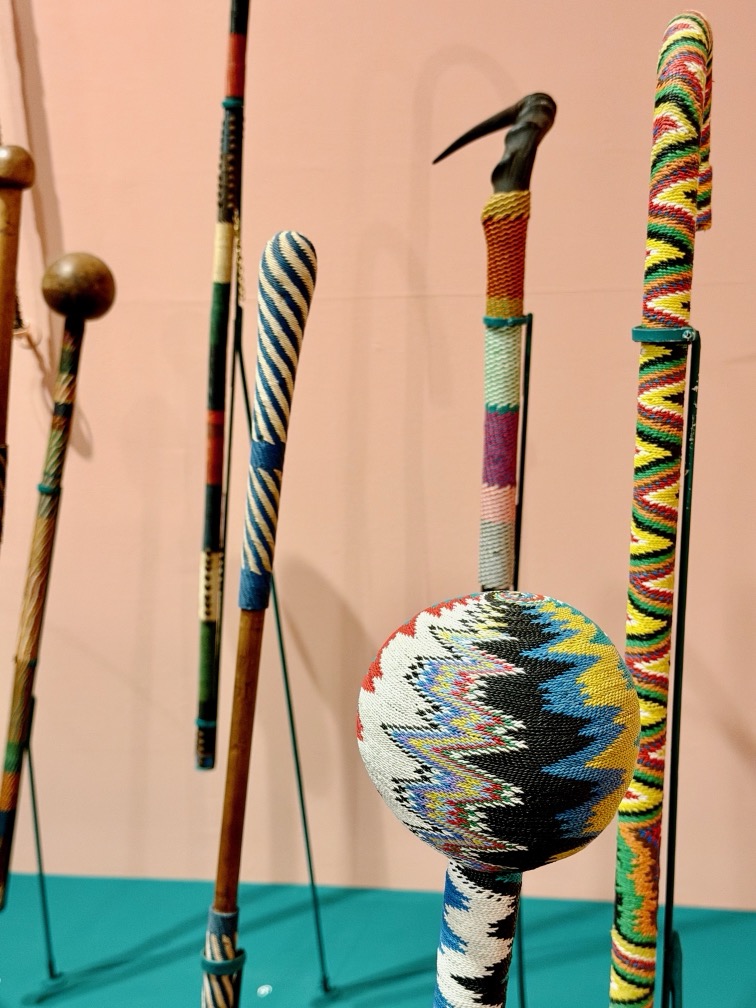
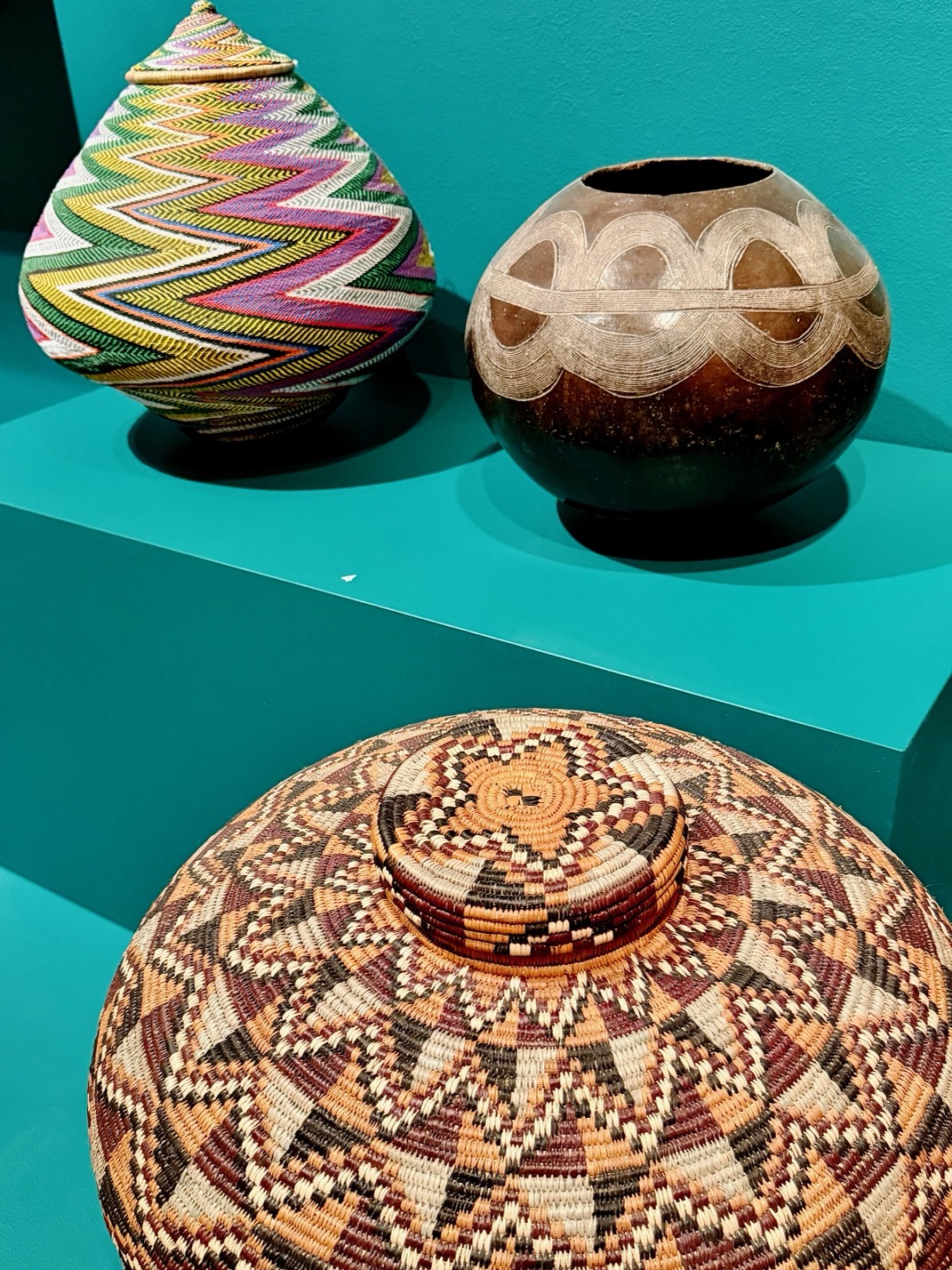
In the 20th century, when a few weavers began incorporating colorful telephone wire into their work, it didn’t take long until highly decorated sticks, colorful hats, amped-up drinking cups, and beer pot lids were transformed. Under the repressive apartheid system, Black South Africans lived under highly restrictive work-life conditions, just scraping by and hardly able to afford most art making materials.
As telephone technology was deployed across Black communities in South Africa, the spools of colorful, coated wire surged in popularity as a tool more creative expression because workers often cast it off when industrial projects were done. Cheap (or free!), plentiful, and in a dozen colors! Perfect!.
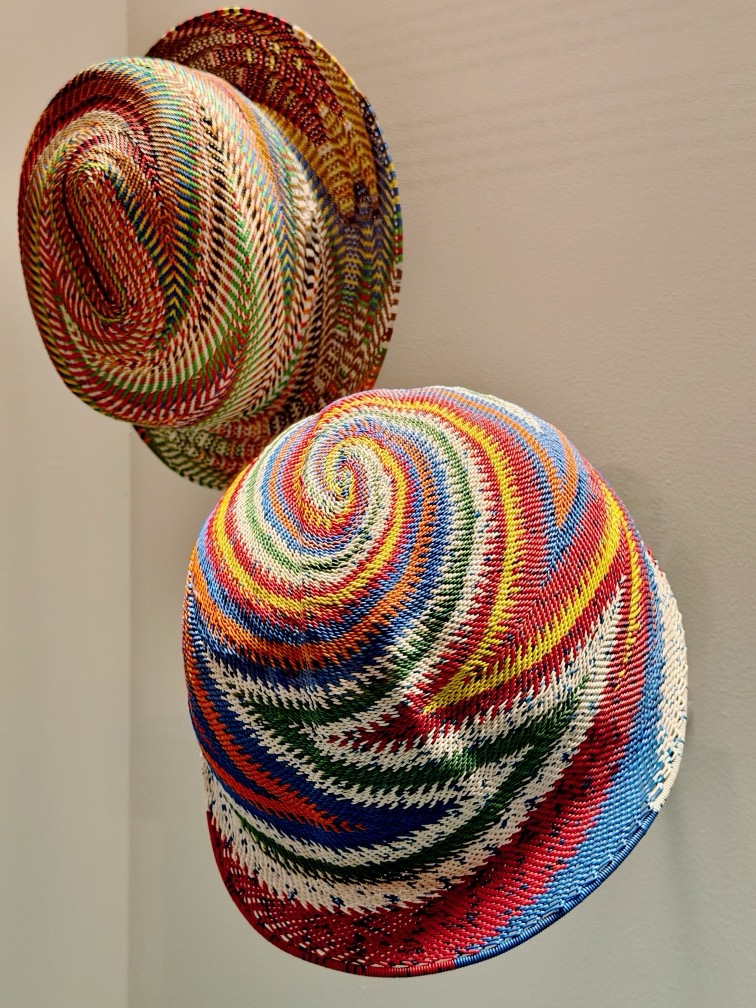
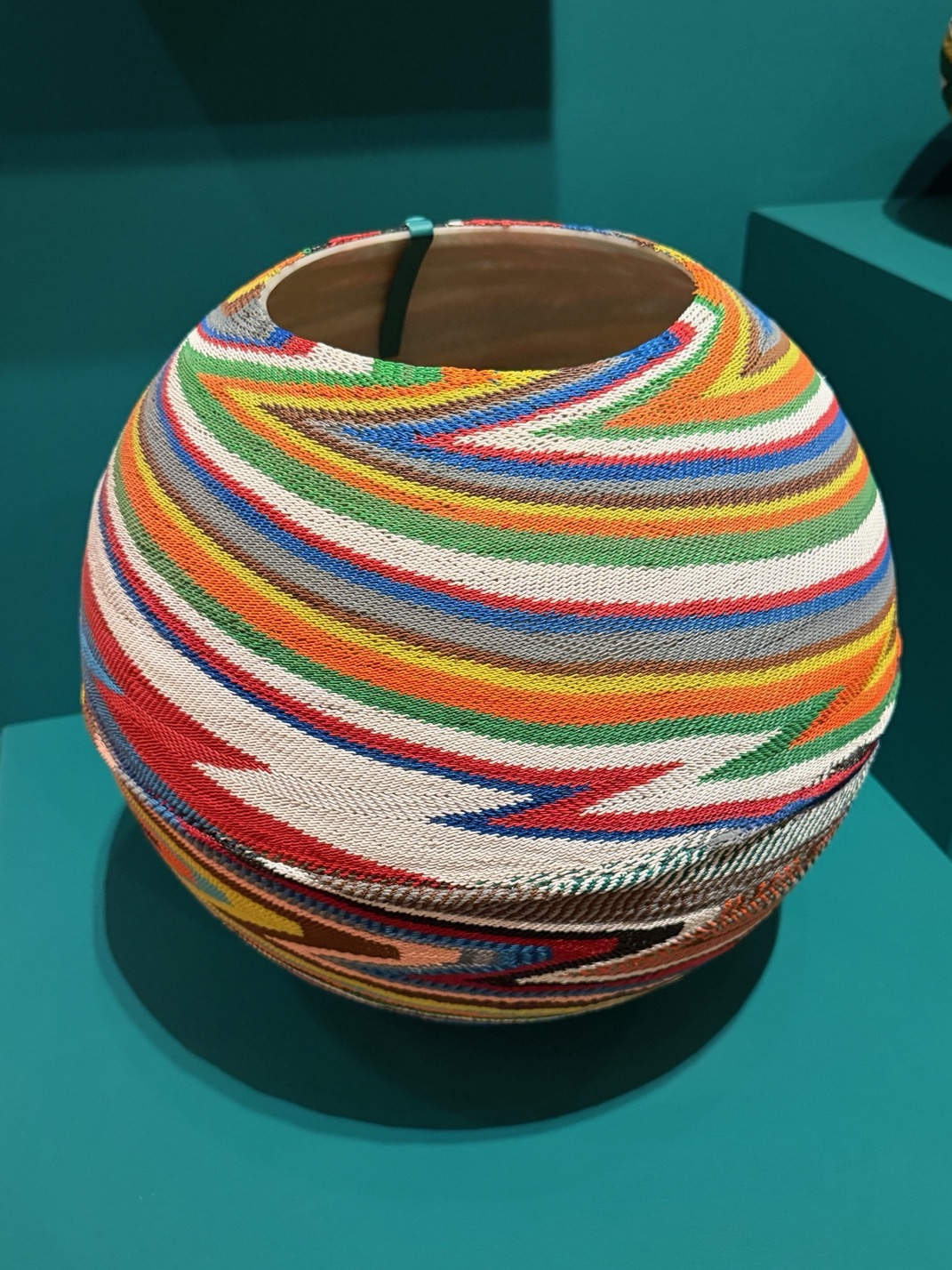
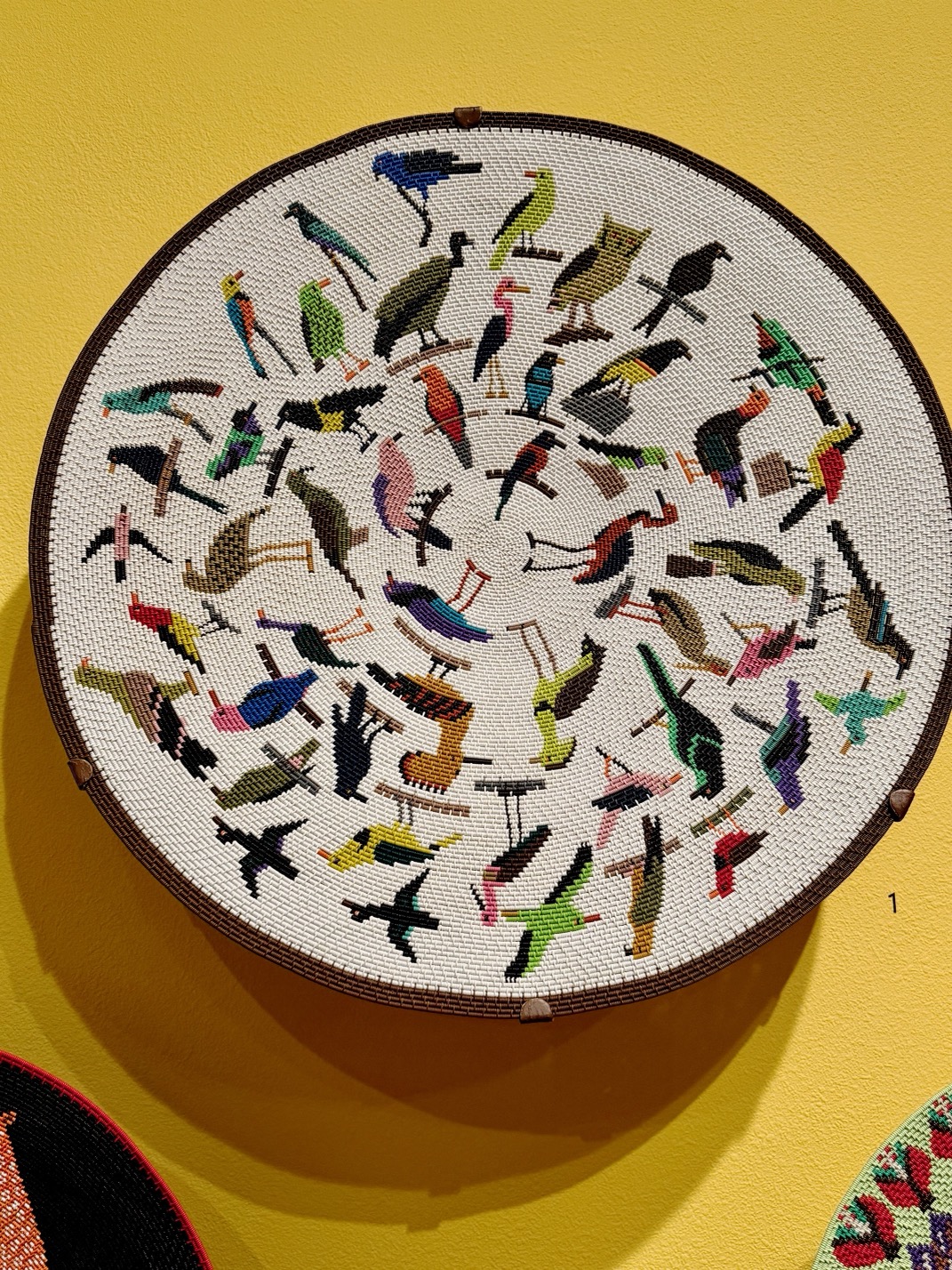
Rather than making an historical exhibition, the curators have chosen to focus on grouping work by and presenting biographies of the innovators – like master weavers Bheki Diamini, Jerita Mmola, Elliot Mkhize, Vincent Sithole, and othes – who popularized this art form with makers in their own country and collectors internationally. It’s captivating to see all the ways Sithole, for example, incorporated wildlife into his designs to satisfy demand from tourists who began flocking to South Africa as a safari destination.
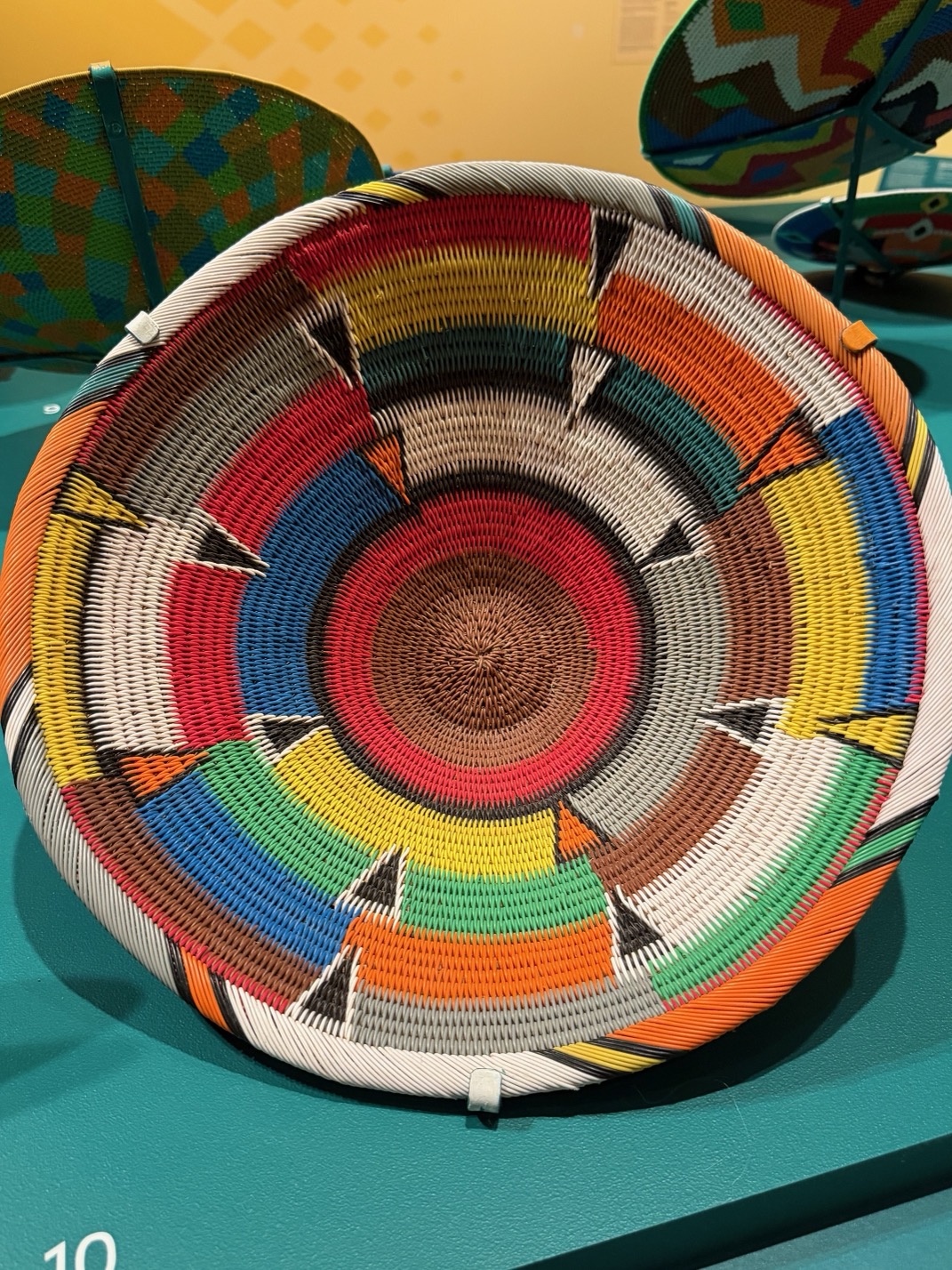
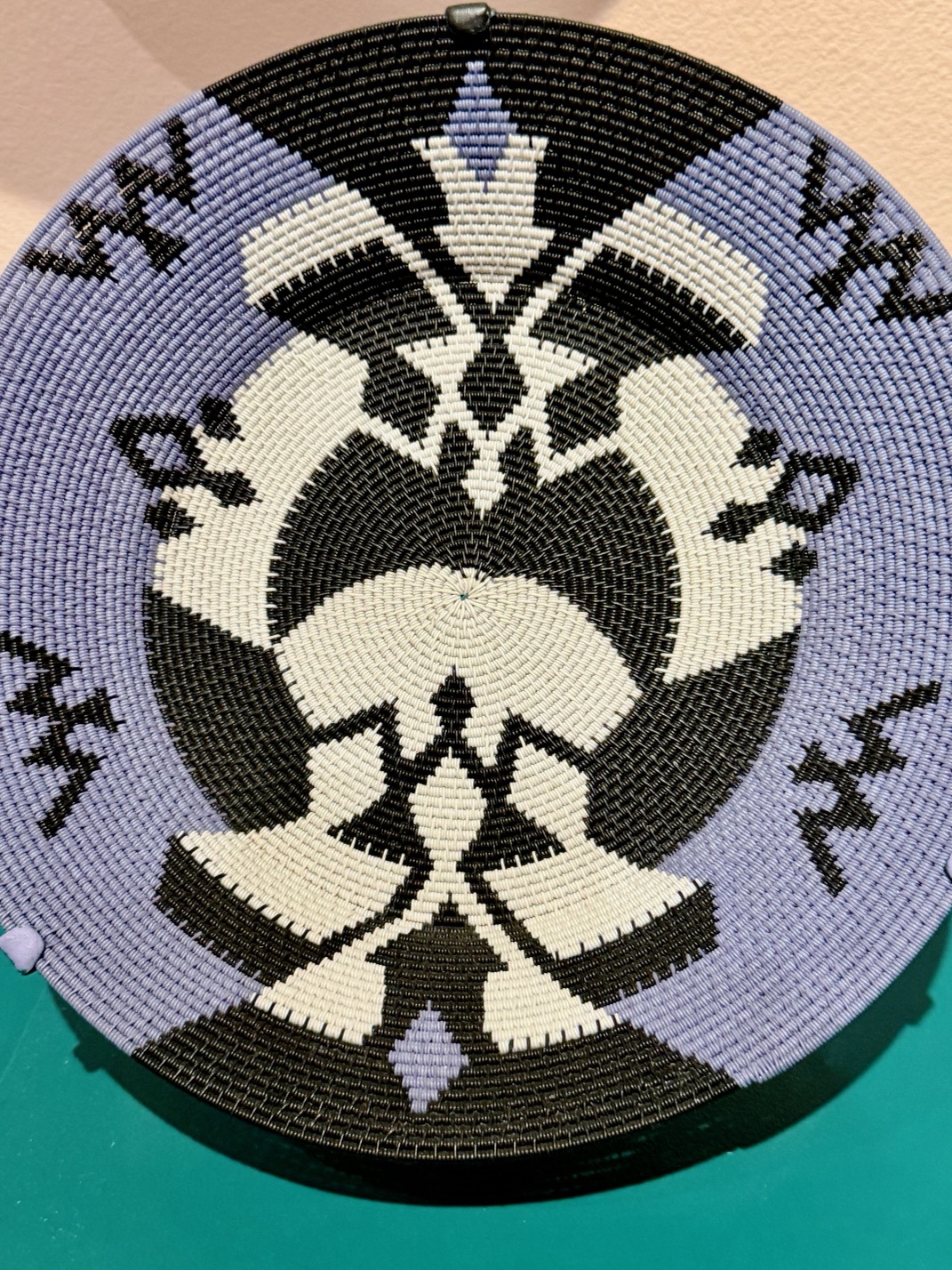
A compelling video in the center of the exhibition takes visitors into the Maphumolo family home to show how increased revenue from art sales – in South Africa and abroad at art festivals – have boosted living standards and opportunities for artists on an intergenerational basis.
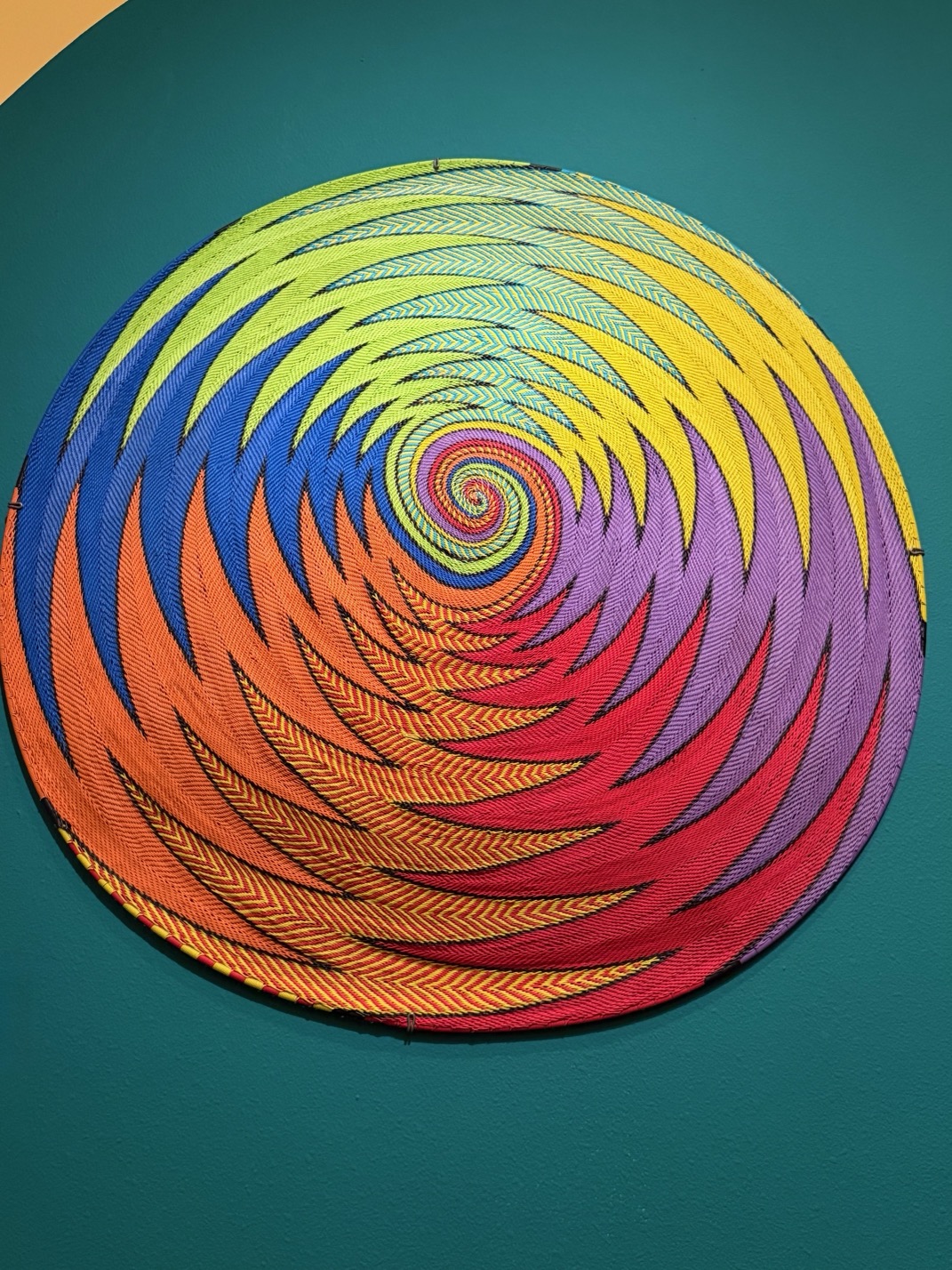
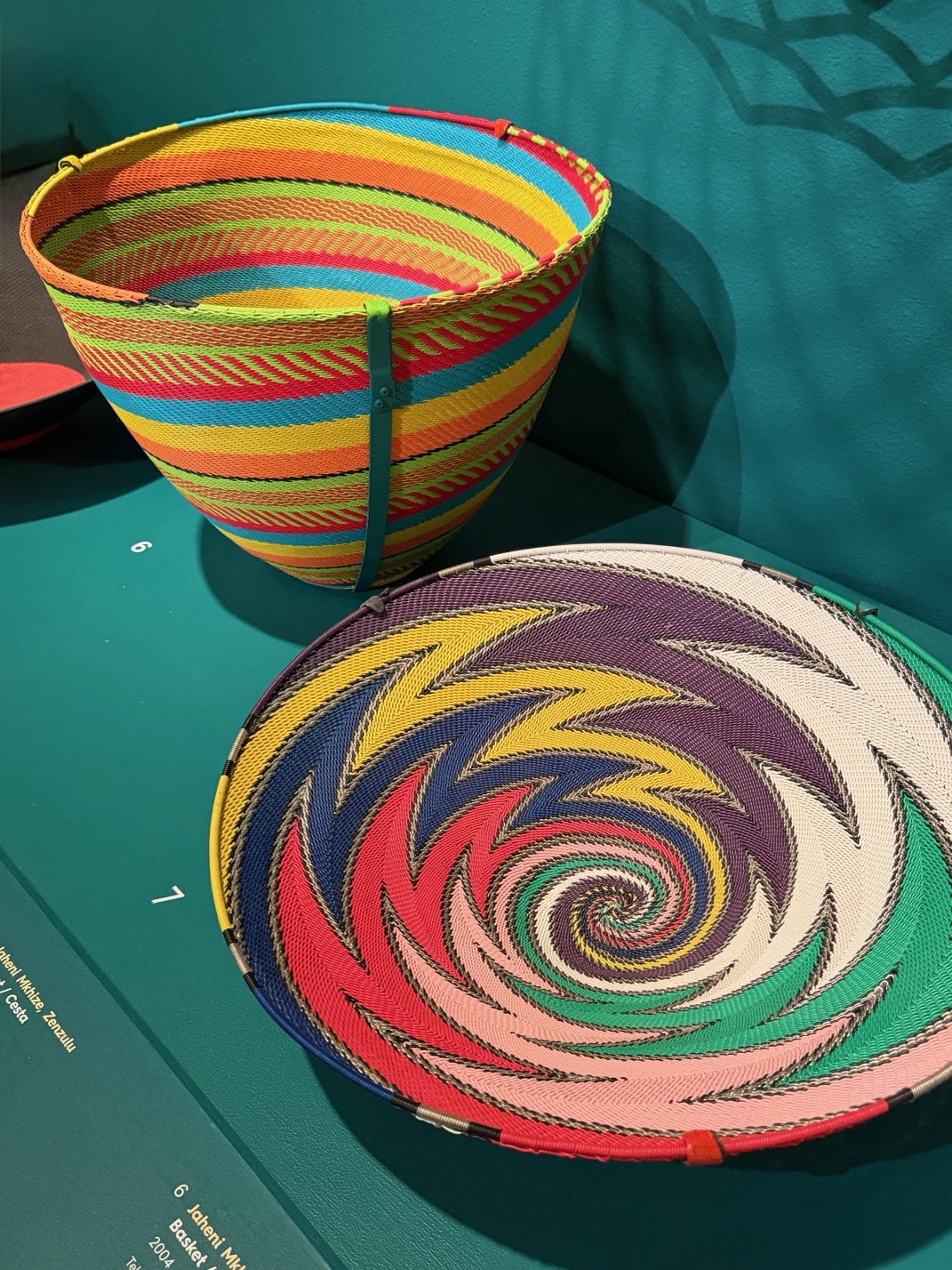
In the mid-1990s and early 2000s, as tourism to South Africa increased, weavers began to incorporate South African wildlife, create whimsical wire animals, and depict rural villages to boost a new pride in the homeland. Sports triumphs are celebrated by weavers, too.
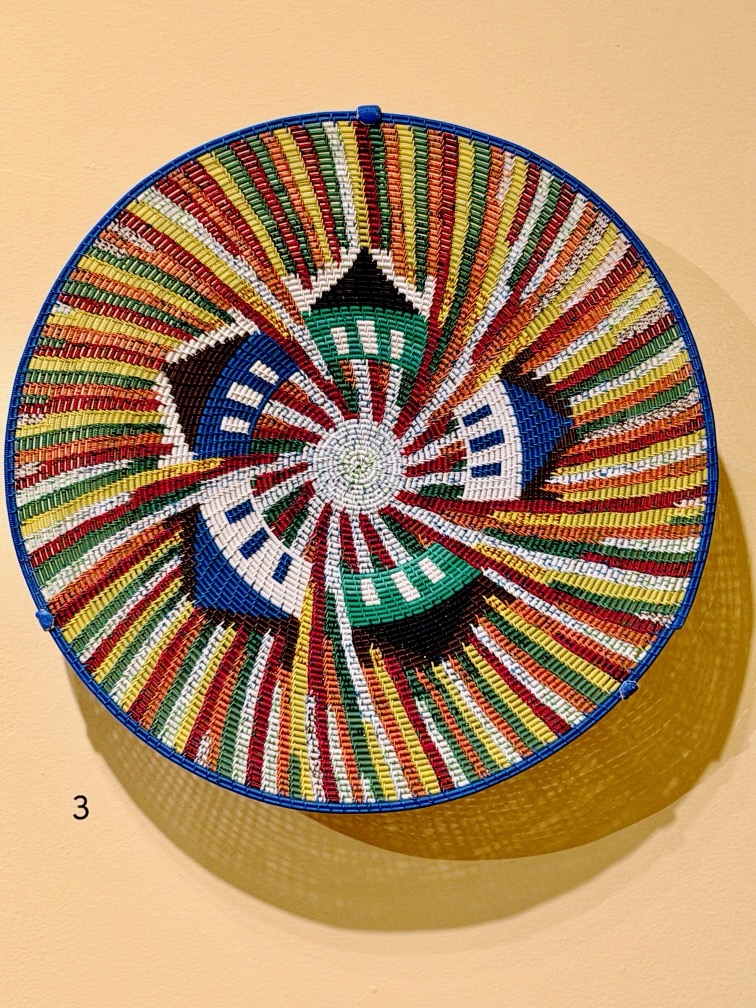
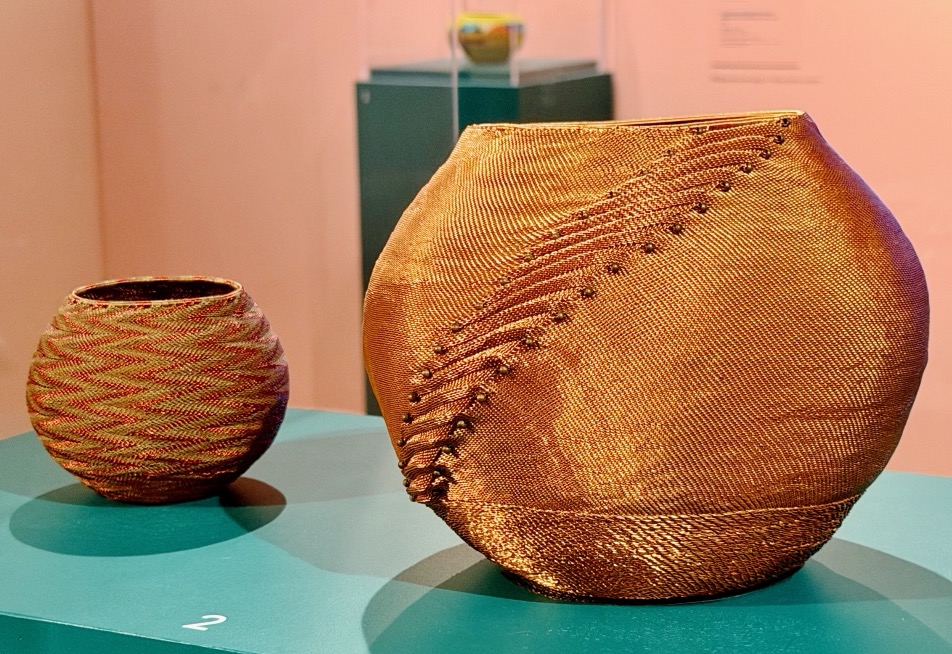
The exhibition walk-through concludes with work exemplifying new trends – baskets that incorporate pop culture references. three-dimensional wall pieces, and shimmering works in gleaming woven copper wire.
In the exhibition promo, indigenous knowledge-keepers explain more about what these artworks mean and see some of the masters at work.
Enjoy this look at the riches on display in this beautiful show.
Thanks to collectors David Arment and Jim Rimelspach, whose passion, patronage, and vision have introduced us to beautiful work by the most innovative artists and families creating in South Africa today, and donated so many exquisite works to IFAM’s permanent collection.
 itsnewstoyou